• 亿邦公众号
    • APP下载

经济学家李稻葵:中国AI发展比美国更具可持续性

作者:亿邦动力 文章来源:亿邦动力

2026-11-20 19:28

作者:亿邦动力 文章来源:亿邦动力

2026-11-20 19:28

邦小白快读

EN
全文速览

总:文章围绕经济周期调整、AI产业机遇、出海大趋势三大议题给出研判。

1.经济周期上,基建高速扩张后进入艰苦调整期,核心是地方政府资产负债表修复,基建投资难回历史高位,地方债务刚性偿付导致收支期限错配,并传导为企业投资意愿不足、居民信贷需求偏弱。

2.长期基本面仍有信心,14亿人口消费潜力待释放,高储蓄率、超大规模工程师红利、持续提升的人力资源总量构成供给侧优势,2025到2030年潜在增速预计5.2%到5.5%,中央政府资产负债表健康,可通过国债置换化解地方债务压力。

3.AI方面,中国应用端已走在全球前列,依托丰富场景、低成本电力、扎实现金流,路径比美国依赖高成本私人信贷和重资产投入更具可持续性。

4.出海是必然方向,企业出海前要实地走访、对接当地长期生活的第一代华人移民,摸清政策环境、社会文化与民意基础,切忌盲目投资,年轻一代教育要强化国际化素养。

总:文章虽未直接展开品牌营销与定价,但围绕消费潜力、AI应用落地和出海渠道给出品牌商可用的判断。

1.消费趋势上,需求侧14亿人口的消费潜力仍待释放,这是品牌商观察用户需求和市场空间的重要基本面。

2.产品研发上,中国AI产业不是大科学原理突破驱动,而是依托算力、人力、场景的规模化应用创新,能够直接落地形成付费需求与正向现金流,应用端已走在全球前列,品牌商可关注AI应用场景对产品创新的启示。

3.价格竞争上,中国依托低成本电力、扎实现金流,国内低利率环境带来低成本资金支撑,形成成本与现金流优势。

4.渠道建设上,高储蓄率决定产品、企业、产业链供应链出海是必然方向,抱团出海、带动全产业链布局将成常态;外部市场对直接出口接受度变化,品牌商出海前须实地调研政策环境、社会文化与民意基础,避免盲目投资。

总:文章给出政策风向、市场机会和出海风险提示,卖家可据此判断增长方向与应对措施。

1.政策解读上,高层对AI发展持坚定不移支持态度,社会普遍拥抱AI技术;中央政府资产负债表健康,有能力通过国债置换等方式化解地方债务压力,未来经济形势将逐步回暖,相关政策调整值得期待。

2.增长市场上,AI应用端已走在全球前列,应用创新能直接落地形成付费需求与正向现金流,中国AI产业整体不存在泡沫;出海覆盖各行各业,抱团出海、带动全产业链布局成为常态。

3.消费需求上,14亿人口消费潜力仍待释放;国内低利率环境带来低成本资金,低成本电力与丰富场景形成发展优势。

4.风险与机会提示上,基建投资难回历史高位,地方债收支期限错配会传导为企业投资意愿不足、居民信贷需求偏弱;企业出海切忌盲目投资,应先实地走访、对接当地长期生活的第一代华人移民,摸清政策环境、社会文化和民意基础。

5.可学习点为抱团出海、全产业链布局和出海前在地调研。

总:文章对AI应用创新、出海布局和在地调研的研判,可为工厂的产品生产设计、商业机会与数字化推进提供启示。

1.产品生产和设计需求上,AI产业依托算力、人力、场景的规模化应用创新,能够直接落地形成付费需求与正向现金流,应用端已走在全球前列;工厂可关注丰富应用场景对产品设计和落地的要求。

2.商业机会上,高企的国民储蓄率决定产品、企业、产业链供应链出海是必然方向,抱团出海、带动全产业链布局将成常态,并覆盖各行各业;国内低利率环境带来充足低成本资金支撑。

3.推进数字化上,中国AI发展路径依托丰富应用场景、低成本电力、扎实现金流,比美国依赖高成本私人信贷和重资产投入的模式更具可持续性,未来一两年产业发展态势有望逆转。

4.风险提示上,企业出海前必须做好充分在地调研,通过实地走访、对接当地长期生活的第一代华人移民,摸清政策环境、社会文化与民意基础,切忌盲目投资。

总:文章梳理经济周期、AI产业和出海三条主线,服务商可从中识别行业趋势、客户痛点与解决方向。

1.行业趋势上,中国经济处于基建高速扩张后的艰苦调整期,AI应用端已走在全球前列,出海将覆盖各行各业并影响人才培养方向。

2.新技术上,AI产业不属于大科学原理突破驱动,而是依托算力、人力、场景的规模化应用创新,能够直接落地形成付费需求与正向现金流,中国AI产业整体不存在泡沫,未来一两年发展态势有望逆转。

3.客户痛点上,地方政府资产负债表亟待修复,交通、市政等资产短期缺乏变现能力,债务却属刚性偿付责任,收支期限错配传导为企业投资意愿不足、居民信贷需求偏弱;企业出海还可能因盲目投资遭遇政策、文化和民意风险。

4.解决方案上,中央政府可通过国债置换等方式化解地方债务压力;AI应用创新应聚焦落地付费和正向现金流;企业出海前要实地走访、对接当地长期生活的第一代华人移民,摸清政策环境、社会文化与民意基础,并强化国际化素养。

总:文章未直接给出平台运营案例,但明确了宏观周期、AI落地和出海三类风向,平台商可据此判断商业需求、招商方向与风险规避。

1.商业对平台的需求和问题上,地方债收支期限错配会传导为企业投资意愿不足、居民信贷需求偏弱,平台需关注商家和用户需求偏弱的压力;同时14亿人口消费潜力仍待释放。

2.平台最新做法上,文章提示高层坚定不移支持AI,社会普遍拥抱AI技术,AI应用端已走在全球前列,应用创新能直接落地形成付费需求与正向现金流,平台可围绕AI应用场景和付费需求寻找运营抓手。

3.平台招商上,高储蓄率决定产品、企业、产业链供应链出海是必然方向,抱团出海、带动全产业链布局将成常态,覆盖各行各业,平台招商可关注出海全产业链合作。

4.风向规避上,企业出海切忌盲目投资,应先实地走访、对接当地长期生活的第一代华人移民,摸清政策环境、社会文化与民意基础;中央政府资产负债表健康,可通过国债置换化解地方债务压力,未来政策调整值得期待。

总:文章提出经济周期、AI产业路径和出海趋势三类研究议题,并给出政策与商业模式启示。

1.产业新动向上,中国经济处于基建投资高速扩张后的艰苦调整期,核心矛盾是地方政府资产负债表修复;2025到2030年潜在增速预计5.2%到5.5%,供给侧有高储蓄率、超大规模工程师红利、持续提升的人力资源总量三大优势。

2.新问题上,AI产业不是大科学原理突破驱动,而是算力、人力、场景的规模化应用创新,中国基础技术暂时有差距但应用端全球前列,且整体不存在泡沫;美国AI企业依赖高成本私人信贷和重资产投入,中国依托丰富场景、低成本电力、扎实现金流,路径更具可持续性。

3.政策法规建议和启示上,中央政府可通过国债置换等方式化解地方债务压力;企业出海前要实地走访、对接当地第一代华人移民,摸清政策环境、社会文化与民意基础;年轻一代教育要强化国际化素养。

4.商业模式上,AI应用创新可直接落地形成付费需求与正向现金流;高储蓄率决定产品、企业、产业链供应链出海,抱团出海和全产业链布局将成为常态。

声明:快读内容全程由AI生成,请注意甄别信息。如您发现问题,请发送邮件至 run@ebrun.com 。

我是 品牌商 卖家 工厂 服务商 平台商 研究者 帮我再读一遍。

Quick Summary

Overall: The article offers judgments on three major issues: economic-cycle adjustment, opportunities in the AI industry, and the broad trend of going global.

1. On the economic cycle, after rapid infrastructure expansion, the economy has entered a difficult adjustment period. The core issue is repairing local-government balance sheets. Infrastructure investment is unlikely to return to historical highs. Rigid local-debt repayment obligations create a maturity mismatch between revenue and expenditure, which in turn transmits into weak corporate investment appetite and subdued household credit demand.

2. There is still confidence in long-term fundamentals. The consumption potential of 1.4 billion people remains to be unlocked. A high savings rate, a large-scale engineer dividend, and a continuously improving total human-resource base constitute supply-side advantages. Potential growth from 2025 to 2030 is projected at 5.2% to 5.5%. The central government's balance sheet is healthy, and local-debt pressure can be alleviated through government-bond swaps.

3. On AI, China's application layer is already among the global leaders. Supported by rich scenarios, low-cost electricity, and solid cash flow, its path is more sustainable than the US model, which relies on high-cost private credit and heavy-asset investment.

4. Going global is an inevitable direction. Before expanding overseas, companies should conduct on-the-ground visits and engage with first-generation Chinese immigrants who have long lived locally, in order to understand the policy environment, social culture, and public-opinion base. Blind investment should be avoided. Education for the younger generation should strengthen international competence.

Overall: Although the article does not directly address brand marketing and pricing, it offers judgments useful to brands on consumption potential, AI application deployment, and overseas channels.

1. On consumption trends, demand-side consumption potential among 1.4 billion people remains to be unlocked; this is an important fundamental for brands observing user demand and market space.

2. On product R&D, China's AI industry is not driven by breakthroughs in fundamental scientific principles but by large-scale application innovation based on computing power, human resources, and scenarios. It can be directly deployed to create paying demand and positive cash flow. The application layer is already among global leaders, and brands can look to AI application scenarios for implications for product innovation.

3. On price competition, China benefits from low-cost electricity and solid cash flow, while a low domestic interest-rate environment provides low-cost funding support, creating cost and cash-flow advantages.

4. On channel building, a high savings rate means that going global - for products, companies, and industrial and supply chains - is an inevitable direction. Collective overseas expansion and whole-industrial-chain layout will become normal practice. Given changes in external markets' acceptance of direct exports, brands must conduct on-the-ground research on the policy environment, social culture, and public-opinion base before going overseas and avoid blind investment.

Overall: The article provides policy signals, market opportunities, and overseas-expansion risk warnings that sellers can use to judge growth directions and response measures.

1. On policy interpretation, senior leadership remains firmly supportive of AI development, and society generally embraces AI technology. The central government's balance sheet is healthy and has the capacity to alleviate local-debt pressure through government-bond swaps and other means. The economic situation should gradually recover, and relevant policy adjustments are worth anticipating.

2. On growth markets, the AI application layer is already among global leaders; application innovation can be directly deployed to create paying demand and positive cash flow. China's AI industry as a whole is not in a bubble. Going global covers all industries, and collective overseas expansion and whole-industrial-chain layout are becoming normal.

3. On consumer demand, the consumption potential of 1.4 billion people remains to be unlocked. A low domestic interest-rate environment provides low-cost funding, while low-cost electricity and rich scenarios create development advantages.

4. On risks and opportunities, infrastructure investment is unlikely to return to historical highs. Maturity mismatch in local-debt revenue and expenditure will transmit into weak corporate investment appetite and subdued household credit demand. Companies going overseas must avoid blind investment; they should first conduct on-the-ground visits and engage with first-generation Chinese immigrants who have long lived locally, in order to understand the policy environment, social culture, and public-opinion base.

5. Key lessons include collective overseas expansion, whole-industrial-chain layout, and pre-expansion local research.

Overall: The article's judgments on AI application innovation, overseas layout, and local research can inform factories' product design, business opportunities, and digitalization efforts.

1. On product production and design needs, the AI industry relies on large-scale application innovation based on computing power, human resources, and scenarios; it can be directly deployed to create paying demand and positive cash flow, and the application layer is already among global leaders. Factories can pay attention to the requirements that rich application scenarios impose on product design and deployment.

2. On business opportunities, a high national savings rate means that going global - for products, companies, and industrial and supply chains - is an inevitable direction. Collective overseas expansion and whole-industrial-chain layout will become normal and cover all industries. A low domestic interest-rate environment provides ample low-cost funding support.

3. On advancing digitalization, China's AI development path relies on rich application scenarios, low-cost electricity, and solid cash flow, and is more sustainable than the US model's reliance on high-cost private credit and heavy-asset investment. The industry's development momentum is expected to reverse within the next one to two years.

4. On risk warnings, companies must conduct sufficient local research before going overseas. Through on-the-ground visits and engagement with first-generation Chinese immigrants who have long lived locally, they should understand the policy environment, social culture, and public-opinion base, and avoid blind investment.

Overall: The article outlines three main threads - the economic cycle, the AI industry, and going global - from which service providers can identify industry trends, customer pain points, and solution directions.

1. On industry trends, the Chinese economy is in a difficult adjustment period after rapid infrastructure expansion. The AI application layer is already among global leaders, and going global will cover all industries and influence the direction of talent development.

2. On new technologies, the AI industry is not driven by breakthroughs in fundamental scientific principles but by large-scale application innovation based on computing power, human resources, and scenarios. It can be directly deployed to create paying demand and positive cash flow. China's AI industry as a whole is not in a bubble, and its development momentum is expected to reverse within the next one to two years.

3. On customer pain points, local-government balance sheets urgently need repair. Assets such as transport and municipal infrastructure lack short-term monetization capacity, while debt is a rigid repayment obligation. The maturity mismatch between revenue and expenditure transmits into weak corporate investment appetite and subdued household credit demand. Companies going overseas may also face policy, cultural, and public-opinion risks due to blind investment.

4. On solutions, the central government can alleviate local-debt pressure through government-bond swaps and other means. AI application innovation should focus on deployment, payment, and positive cash flow. Before going overseas, companies should conduct on-the-ground visits and engage with first-generation Chinese immigrants who have long lived locally, understand the policy environment, social culture, and public-opinion base, and strengthen international competence.

Overall: The article does not directly provide platform-operation cases, but it clarifies three types of signals - the macroeconomic cycle, AI deployment, and going global - that marketplace sellers can use to judge business demand, merchant-recruitment directions, and risk avoidance.

1. On business demand for platforms and related issues, maturity mismatch in local-debt revenue and expenditure will transmit into weak corporate investment appetite and subdued household credit demand. Platforms need to watch pressure from weaker merchant and user demand; meanwhile, the consumption potential of 1.4 billion people remains to be unlocked.

2. On the latest platform practices, the article signals that senior leadership firmly supports AI, society generally embraces AI technology, and the AI application layer is already among global leaders. Application innovation can be directly deployed to create paying demand and positive cash flow, so platforms can look for operational levers around AI application scenarios and paying demand.

3. On platform merchant recruitment, a high savings rate means that going global - for products, companies, and industrial and supply chains - is an inevitable direction. Collective overseas expansion and whole-industrial-chain layout will become normal and cover all industries. Platform merchant recruitment can focus on whole-industrial-chain cooperation for overseas expansion.

4. On risk avoidance, companies going overseas must avoid blind investment. They should first conduct on-the-ground visits and engage with first-generation Chinese immigrants who have long lived locally, in order to understand the policy environment, social culture, and public-opinion base. The central government's balance sheet is healthy and can alleviate local-debt pressure through government-bond swaps; future policy adjustments are worth anticipating.

Overall: The article proposes three research topics - the economic cycle, the AI industry path, and the going-global trend - and offers policy and business-model implications.

1. On new industry dynamics, the Chinese economy is in a difficult adjustment period after rapid infrastructure-investment expansion. The core contradiction is repairing local-government balance sheets. Potential growth from 2025 to 2030 is projected at 5.2% to 5.5%. On the supply side, there are three major advantages: a high savings rate, a large-scale engineer dividend, and a continuously improving total human-resource base.

2. On new issues, the AI industry is not driven by breakthroughs in fundamental scientific principles but by large-scale application innovation in computing power, human resources, and scenarios. China temporarily lags in foundational technology but leads globally at the application layer, and the industry as a whole is not in a bubble. US AI companies rely on high-cost private credit and heavy-asset investment, while China relies on rich scenarios, low-cost electricity, and solid cash flow; China's path is more sustainable.

3. On policy and regulatory recommendations and implications, the central government can alleviate local-debt pressure through government-bond swaps and other means. Before going overseas, companies should conduct on-the-ground visits and engage with first-generation Chinese immigrants who have long lived locally, in order to understand the policy environment, social culture, and public-opinion base. Education for the younger generation should strengthen international competence.

4. On business models, AI application innovation can be directly deployed to create paying demand and positive cash flow. A high savings rate means that going global - for products, companies, and industrial and supply chains - is inevitable, and collective overseas expansion and whole-industrial-chain layout will become normal.

Disclaimer: The "Quick Summary" content is entirely generated by AI. Please exercise discretion when interpreting the information. For issues or corrections, please email run@ebrun.com .

I am a Brand Seller Factory Service Provider Marketplace Seller Researcher Read it again.

【亿邦原创】11月20日消息,在2026第八届亿邦产业互联网年会暨首届产业智能体大会上,著名经济学家李稻葵围绕《AI与出海时代的企业战略抉择》主题,针对中国经济的当前运行与未来方向作出系统研判。他指出当前市场最需关注三大核心议题,分别是经济的周期性调整、人工智能产业的发展机遇,以及覆盖全行业的出海大趋势。
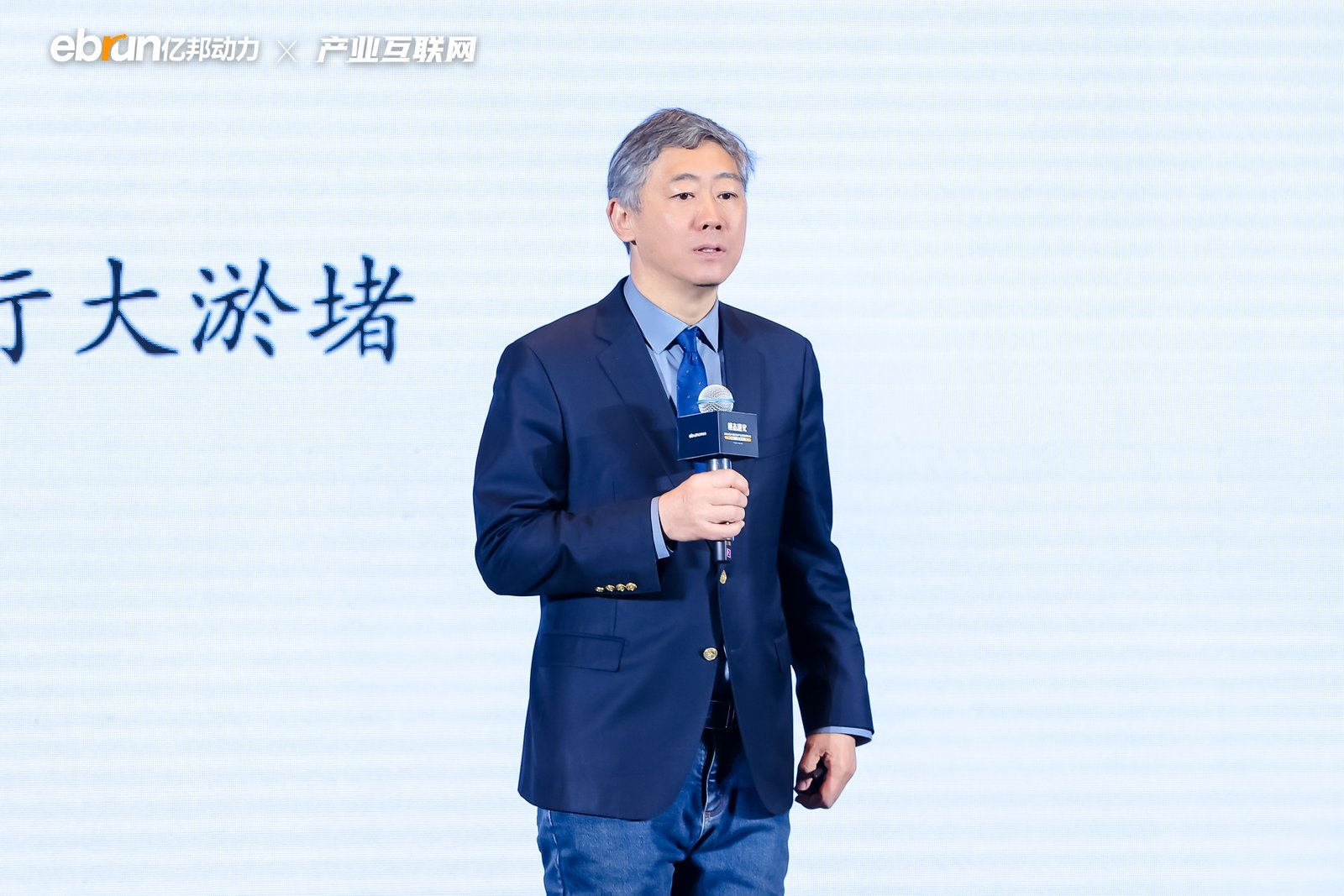
针对当前的经济周期,他强调中国经济正处于基建投资高速扩张后的艰苦调整期,核心矛盾是地方政府资产负债表亟待修复。持续二十年的大规模基建已基本覆盖未来十到二十年的核心需求,后续基建投资规模难以重现历史高位,而地方政府持有的交通、市政等资产短期缺乏变现能力,对应的债务却属于刚性偿付责任,收支期限错配导致地方政府进入收缩状态,进而传导至企业投资意愿不足、居民信贷需求偏弱,形成经济内循环的淤堵。

他强调,应当对中国经济的长期基本面保持坚定信心,需求侧14亿人口的消费潜力仍待释放,供给侧则具备高储蓄率、超大规模工程师红利、持续提升的人力资源总量三大优势。

经测算2025到2030年中国经济潜在增速仍可达到5.2%-5.5%;而中央政府具备极其健康的资产负债表,完全有能力通过国债置换等方式化解地方债务压力,他坚定认为未来经济形势将逐步回暖,相关政策调整值得期待。

针对人工智能产业的发展,他分析称,高层对AI发展持坚定不移的支持态度,社会层面对AI技术也保持普遍拥抱的开放心态,构成了中国AI产业的独特发展优势。

他指出,当前AI产业不属于大科学原理突破驱动的领域,而是依托算力、人力、场景的规模化应用创新,这类创新能够直接落地形成付费需求与正向现金流,因此中国AI产业整体并不存在泡沫。虽然目前中国在AI基础技术层面暂时存在差距,但应用端已经走在全球前列,相比美国AI企业依赖高成本私人信贷、重资产投入的发展模式,中国依托丰富应用场景、低成本电力、扎实现金流形成的发展路径更具可持续性,未来一两年内产业发展态势有望实现逆转。

对于出海趋势,李稻葵指出,高企的国民储蓄率决定了产品、企业、产业链供应链出海是必然方向,当前中国不仅具备技术积累与产业能力优势,国内低利率环境也带来了充足的低成本资金支撑,加之外部市场对直接出口的接受度变化,抱团出海、带动全产业链布局将成为未来企业发展的常态,这一趋势将覆盖各行各业,甚至会影响未来的人才培养方向。

他特别提醒,企业出海前必须做好充分的在地调研,优先通过实地走访、对接当地长期生活的第一代华人移民摸清当地的政策环境、社会文化与民意基础,切忌盲目投资。与之对应,年轻一代的教育必须强化国际化素养,充分了解不同地区的文化、宗教与社会规则,为未来参与全球布局做好准备。

本文首发于 亿邦动力 官方网站

【版权提示】亿邦动力倡导尊重与保护知识产权。未经许可,任何人不得复制、转载、或以其他方式使用本网站的内容。如发现本站文章存在版权问题,烦请提供版权疑问、身份证明、版权证明、联系方式等发邮件至run@ebrun.com,我们将及时沟通与处理。

已点赞

+1

{{ praise_text }}

好文章,值得被更多人看到

FAQ回顾

中国AI产业的发展优势是什么?

中国AI产业的独特优势在于高层坚定不移的支持态度和社会普遍拥抱AI的开放心态。当前AI产业依托算力、人力和场景的规模化应用创新,能够直接落地形成付费需求与正向现金流,因此整体不存在泡沫。虽然基础技术层面暂时存在差距,但应用端已走在全球前列。

中国AI发展路径与美国的模式有何不同?

美国AI企业依赖高成本私人信贷和重资产投入,而中国AI产业依托丰富应用场景、低成本电力和扎实现金流,属于规模化应用创新驱动的发展路径。经济学家李稻葵认为,中国的发展路径更具可持续性,未来一两年内产业发展态势有望实现逆转。

中国企业为什么必须出海?

高企的国民储蓄率决定了产品、企业、产业链供应链出海是必然方向。中国企业具备技术积累与产业能力优势,国内低利率环境也提供了充足的低成本资金支撑。加之外部市场对直接出口的接受度变化,抱团出海、带动全产业链布局将成为常态,并覆盖各行各业。

企业出海前需要做好哪些准备?

企业出海前必须做好充分的在地调研,优先通过实地走访、对接当地长期生活的第一代华人移民,摸清当地政策环境、社会文化与民意基础,切忌盲目投资。同时,年轻一代教育需强化国际化素养,了解不同地区的文化、宗教与社会规则,为参与全球布局做好准备。

中国经济未来几年的潜在增速如何?

经济学家李稻葵测算,2025到2030年中国经济潜在增速仍可达到5.2%-5.5%。需求侧14亿人口的消费潜力仍待释放,供给侧具备高储蓄率、超大规模工程师红利和持续提升的人力资源总量三大优势。中央政府资产负债表极其健康,有能力通过国债置换等方式化解地方债务压力。

广告

下一篇

征集报名《品牌数字化服务商资源手册》

《品牌数字化服务商资源手册》展示数字化服务商风采,亿邦全年零售大会通发,触达更多资源,马上加入!

马上入驻

震坤行副总裁苏钰:当AI走向物理世界,产业互联网的机遇来自持续自我迭代

企业拥抱AI有三个逐层递进的价值跃迁阶段:第一层是AI赋能提效,在原有业务基础上扩大服务边界;第二层是AI重塑流程,依托产业链站位重构价值、开拓新业务;最高阶是生长出完全由AI驱动的原生业务。