• 亿邦公众号
    • APP下载

靠吉利星愿年入36亿 李书福押注 这对师徒要在港交所敲钟

作者:薛皓皓 文章来源:创业邦

2026-06-10 10:32

作者:薛皓皓 文章来源:创业邦

2026-06-10 10:32

邦小白快读

EN
全文速览

本文核心信息是俄亥俄州立大学归国师徒创办的格雷博智能动力,已经向港交所递交招股书准备上市,核心发展干货如下:

1. 核心业务是做新能源汽车多合一智能动力域解决方案,也就是把电机、电控、减速器等部件集成打包,给整车厂提供更轻更便宜的动力方案,创业初期打破日系混动专利壁垒,2018年果断押注纯电集成路线,成功进入吉利供应链。

2. 增长数据亮眼:2023-2025年营收从3.14亿元暴涨至36.28亿元,三年复合增长率达239.9%,2025年首次实现经调整净利润3550万元;2025年多合一电驱装机量达50.4万套,占7.5%的市场份额,在第三方独立电驱供应商中跻身头部。

3. 当前股权结构清晰:IPO前估值50亿元,红杉中国是第一大外部股东,吉利系钱江摩托是第二大外部股东,还有多家地方国资和国家级基金重仓,企业已经开始布局AI算力供电、人形机器人电驱两大新赛道。

本文介绍了第三方头部电驱供应商格雷博的发展路径,能给整车品牌商提供不少参考干货,具体如下:

1. 产品研发与消费趋势:当前新能源汽车市场对降本减重需求强烈,高度集成化的多合一动力系统可实现减重15%、降本15%,还能适配从A0级下沉市场车型到D级豪华车全平台,符合当前覆盖全价格带、降本增效的消费趋势,是产品研发的重要方向。

2. 供应链合作参考:格雷博深度绑定吉利体系,依托吉利星愿爆款车型实现技术落地和销量爆发,2025年出货量一年内翻近9倍,这种深度绑定产业生态的合作模式可以帮助新供应商快速起量,也能给品牌商降低核心部件采购成本。

3. 风险提示:格雷博存在明显的大客户依赖问题,2025年吉利系贡献87.2%营收,前五大客户占总营收99.5%,品牌商在供应链布局中既要依靠优质第三方供应商降本,也要平衡第三方供应与自主研发的关系,分散供应链风险。

对新能源供应链领域的从业者来说,本文梳理了赛道的机会、风险与可学习经验,具体如下:

1. 市场机会:纯电多合一电驱是当前增长最快的赛道之一,格雷博多合一产品2025年出货量从6.35万套涨到54.83万套,一年增长近9倍,第三方独立供应商仍然有机会跻身行业头部;此外电驱核心技术还可以延伸到AI算力基础设施供电、人形机器人两大蓝海赛道,开辟新的增长曲线。

2. 可学习的发展经验:创业初期坚持核心技术研发,打破海外专利壁垒建立技术优势;在行业转型关键期,果断集中资源押注未来主流技术路线;资本层面引入产业资本、头部投资机构、国资平台的多元投资,既获得资金也获得产业背书,绑定头部大客户快速实现规模起量。

3. 明确的风险提示:该赛道容易出现大客户集中风险,格雷博前五大客户占99.5%营收,单一客户占比超87%,一旦大客户需求变动就会影响企业经营,从业者需要提前布局多客户体系,分散经营风险。

对新能源产业链上游的生产制造工厂来说,本文能带来产品方向、商业机会和发展启示,干货如下:

1. 产品生产与设计需求方向:当前新能源车企对电驱动产品的核心需求是高度集成化,要求兼顾轻量化和低成本,格雷博的多合一方案把多个核心部件集成在仅66升的紧凑空间,实现减重降本各15%,符合市场的主流需求方向,给上游配套零部件工厂指明了研发和生产调整方向。

2. 明确的商业机会:格雷博2025年交付量突破50万套,采购规模随销量快速增长,仅2025年前五大供应商的采购额就达到12.68亿元,OBC、DC/DC转换器、减速器、差速器等核心零部件的需求持续增长,给上游生产工厂带来大量稳定的订单机会。

3. 企业发展启示:生产制造类工厂要坚持核心技术研发,敢于突破海外技术垄断;要抓住行业转型的关键节点调整战略方向,绑定头部客户快速实现产能扩张;可以引入多元资本支撑长期研发投入,借助产业资本和国资的背书加快企业发展。

对新能源产业链相关服务商来说,本文梳理了行业发展趋势、客户痛点和可参考的解决方案,干货如下:

1. 行业发展趋势:当前新能源汽车电驱动赛道内卷加剧,集成化是明确的技术发展趋势,多合一方案正在快速替代传统的三合一方案,格雷博2025年多合一产品占总营收的比例已经达到86.5%,出货量同比增长近9倍,集成化是未来绝对的主流方向;同时电驱核心技术开始向AI算力基础设施供电、人形机器人领域延伸,催生了新的客户需求。

2. 行业核心痛点:当前新能源整车厂的核心痛点是降本减重,需要高性价比的核心动力解决方案;第三方电驱创业企业的核心痛点是前期研发投入大,需要资本支持和客户资源打开市场。

3. 可参考的解决方案:格雷博通过技术突破打破海外专利垄断,依靠高度集成方案满足车企降本需求,通过绑定产业资本获得资金和客户资源,快速实现技术落地和规模增长,解决了硬科技创业研发投入大、客户拓展难的核心问题,给服务商服务同类企业提供了参考。

对新能源产业链相关的投资平台、产业平台来说,本文能提供招商、运营、风险规避的参考干货,具体如下:

1. 产业端对平台的核心需求:硬科技创业项目在不同发展阶段,需要不同类型的平台支持,早期需要产业资本提供资金和产业资源,成长期需要头部投资机构加持,成熟期需要国资平台背书助力IPO,格雷博从天使轮到E轮,依次引入吉利产业资本、红杉中国、各级国资,多元资本结构满足了不同阶段的发展需求。

2. 平台招商布局方向:新能源核心零部件领域的技术驱动型项目增长速度快,投资价值高,格雷博三年营收复合增长率接近240%,E轮融资后估值就达到50亿元,技术驱动的硬科技项目是优质的招商和投资标的,尤其是跨界延伸的新技术项目具备更高的增长潜力。

3. 风险规避提示:布局相关项目需要关注客户集中风险,格雷博第一大客户占比超87%,前五大客户占总营收99.5%,大客户依赖会带来极高的经营波动风险,平台在投资和服务过程中,要推动企业拓展多元化客户体系,降低经营风险。

对新能源汽车产业研究者来说,本文提供了第三方电驱赛道的最新产业动向、新问题和研究方向,干货如下:

1. 产业发展新动向:当前新能源电驱动赛道,除了比亚迪、特斯拉的车企自供体系外,第三方独立供应商已经成长出头部玩家,格雷博2025年市场份额达7.5%,位列全行业第三,已经具备和自供体系竞争的实力;赛道呈现明显的集成化升级趋势,同时核心电驱技术开始跨领域延伸到AI算力基础设施、人形机器人领域,拓展了新能源产业的边界。

2. 值得研究的新商业模式:格雷博这种深度绑定头部整车厂的共生型商业模式非常典型,吉利既是格雷博的第一大客户,也是其供应商,双向深度绑定,既能帮助供应商快速起量,也能帮助整车厂降本,这种模式的优势和潜在风险都值得深入研究。

3. 资本布局新动向:当前硬科技创业项目的资本结构呈现多元化特征,头部VC、产业资本、国资平台共同参与投资,这种多元资本结构对硬科技企业发展的作用,以及归国技术人才创业突破海外垄断的路径,都是值得研究的新方向。

声明:快读内容全程由AI生成,请注意甄别信息。如您发现问题,请发送邮件至 run@ebrun.com 。

我是 品牌商 卖家 工厂 服务商 平台商 研究者 帮我再读一遍。

Quick Summary

This article introduces that Grebo Intelligent Power, a company founded by a mentor-student team returning from Ohio State University, has submitted a prospectus to the Hong Kong Stock Exchange to prepare for an IPO. Key takeaways are as follows:

1. Its core business is integrated all-in-one intelligent power domain solutions for new energy vehicles, which packages motors, electronic control systems, reducers and other components to deliver lighter and lower-cost power solutions for automakers. In its early days, it broke through Japanese hybrid technology patent barriers, and bet heavily on the all-electric integration route in 2018, successfully entering Geely's supply chain.

2. Its growth figures are striking: revenue surged from RMB 314 million to RMB 3.628 billion between 2023 and 2025, representing a three-year CAGR of 239.9%. It turned a adjusted net profit of RMB 35.5 million for the first time in 2025. Its all-in-one e-drive installations reached 504,000 units in 2025, holding a 7.5% market share and ranking among the top independent third-party e-drive suppliers.

3. Its current ownership structure is clear. It reached a valuation of RMB 5 billion ahead of the IPO. Sequoia China is the largest external shareholder, Geely-affiliated Qianjiang Motorcycle is the second largest external shareholder, and multiple local state-owned assets and national-level funds hold large stakes. The company has also started laying out two new growth tracks: power supply for AI computing and humanoid robot e-drive systems.

This article outlines the development trajectory of leading third-party e-drive supplier Grebo, offering key takeaways for automakers:

1. Product R&D aligned with consumer trends: The new energy vehicle market has strong demand for cost and weight reduction. A highly integrated all-in-one power system can cut both weight and cost by 15%, while adapting to platforms covering everything from entry-level A0-segment models to full-size luxury D-segment vehicles. It aligns with the current industry trend of covering all price segments and pursuing cost efficiency, making it a key direction for product R&D.

2. A reference model for supply chain cooperation: Grebo has built deep ties with the Geely ecosystem and leveraged Geely's hit models to achieve technology validation and explosive sales growth, with shipments nearly multiplying 9 times in 2025 alone. This deeply ecosystem-aligned cooperation model helps new suppliers scale rapidly, while also enabling automakers to lower core component procurement costs.

3. Risk warning: Grebo has a clear large customer concentration issue: Geely-affiliated clients contributed 87.2% of its 2025 revenue, and its top five customers accounted for 99.5% of total revenue. When building out their supply chains, brands need to balance relying on high-quality third-party suppliers for cost reduction with maintaining in-house R&D capabilities to diversify supply chain risk.

For practitioners in the new energy supply chain, this article sorts out track opportunities, risks and actionable lessons:

1. Market opportunities: All-electric all-in-one e-drive is one of the fastest growing segments today. Grebo's all-in-one product shipments surged from 63,500 units to 548,300 units in 2025, a nearly 9-fold annual increase, proving that independent third-party suppliers can still break into the industry's top tier. In addition, core e-drive technology can be extended to two blue ocean tracks—power supply for AI computing infrastructure and humanoid robots—to open up new growth curves.

2. Actionable development lessons: Grebo prioritized core technology R&D in its early days to build technical advantages by breaking through overseas patent barriers; at the critical inflection point of industry transition, it decisively concentrated resources to bet on the future mainstream technology route; on the capital side, it secured diverse investment from industrial capital, top-tier investment institutions and state-owned platforms, gaining both capital and industry endorsement, and scaled rapidly by partnering with a major leading customer.

3. Clear risk warning: This track is prone to large customer concentration risk. Grebo's top five customers account for 99.5% of its revenue, and its largest single client contributes over 87%—any shift in a major client's demand will directly impact business operations. Practitioners need to build a diversified client base early to diversify operational risk.

For manufacturing facilities upstream in the new energy industry chain, this article offers insights on product direction, business opportunities and development inspiration:

1. Product manufacturing and design direction: New energy automakers' core demand for e-drive products today is high integration, balancing lightweight design and low cost. Grebo's all-in-one solution integrates multiple core components into a compact 66-liter space, cutting both weight and cost by 15%—aligning with mainstream market demand and pointing a clear direction for R&D and production adjustment for upstream component factories.

2. Clear business opportunities: Grebo's deliveries surpassed 500,000 units in 2025, and its procurement scale is growing rapidly alongside sales. Its procurement from the top five suppliers alone reached RMB 1.268 billion in 2025, with sustained growing demand for core components including OBCs, DC/DC converters, reducers and differentials, bringing large, stable order opportunities for upstream manufacturing facilities.

3. Inspiration for enterprise development: Manufacturing facilities should prioritize core technology R&D and dare to break overseas technology monopolies; they need to adjust strategic direction at key industry transition inflection points, and expand capacity rapidly by partnering with leading customers; they can bring in diversified capital to support long-term R&D investment, and accelerate growth through endorsement from industrial capital and state-owned stakeholders.

For service providers serving the new energy industry chain, this article outlines industry trends, client pain points and reference solutions:

1. Industry development trends: Competition in the new energy vehicle e-drive track is intensifying, and integration is a clear technology trend. All-in-one solutions are rapidly replacing traditional 3-in-1 solutions: all-in-one products already accounted for 86.5% of Grebo's 2025 total revenue, with shipments growing nearly 9 times year-over-year, confirming integration will be the absolute mainstream going forward. Meanwhile, core e-drive technology is expanding into AI computing infrastructure power supply and humanoid robots, creating new client demand.

2. Core industry pain points: New energy automakers' core pain point today is cutting cost and weight, requiring cost-effective core power solutions. For early-stage third-party e-drive startups, the core pain points are high upfront R&D investment, and the need for capital support and client connections to enter the market.

3. Reference solutions: Grebo broke overseas patent monopolies through technological breakthroughs, satisfied automakers' cost reduction needs with its highly integrated solution, and secured capital and client resources by partnering with industrial capital, enabling rapid technology validation and scale growth. It solved the core pain points of hard tech startups—high R&D investment and difficult client acquisition—providing a clear reference for service providers serving similar companies.

For investment platforms and industrial platforms in the new energy industry chain, this article offers key references for investment attraction, operations and risk mitigation:

1. Core demand from projects for platforms: Hard tech startups need different types of platform support at different development stages: they need industrial capital to provide funding and industry resources in early stages, top-tier investment institution backing in growth stages, and state-owned platform endorsement to support IPO in mature stages. From angel round to E round, Grebo brought in Geely industrial capital, Sequoia China, and various levels of state-owned capital in sequence—this diversified capital structure met its development needs at every stage.

2. Direction for investment attraction and layout: Technology-driven projects in the new energy core components sector deliver fast growth and high investment value. Grebo posted a three-year revenue CAGR of nearly 240%, and reached a RMB 5 billion valuation after its E round. Technology-driven hard tech projects are high-quality targets for investment attraction and investment, especially new technology projects that expand into adjacent sectors offer higher growth potential.

3. Risk mitigation reminder: When laying out related projects, platforms need to pay close attention to customer concentration risk. Grebo's largest client accounts for over 87% of revenue, and its top five clients account for 99.5% of total revenue—over-reliance on large clients brings extremely high operational volatility risk. During investment and service provision, platforms should push portfolio companies to build diversified client bases to reduce operational risk.

For new energy industry researchers, this article provides the latest industry developments, emerging questions and research directions for the third-party e-drive track:

1. New industry developments: Beyond the in-house e-drive systems of BYD and Tesla, independent third-party suppliers have now cultivated leading players. Grebo held a 7.5% market share in 2025, ranking third in the overall industry, and already has the strength to compete with in-house supply systems. The track is seeing a clear integration upgrade trend, while core e-drive technology is expanding cross-sector into AI computing infrastructure and humanoid robots, expanding the boundaries of the new energy industry.

2. A new business model worth studying: Grebo's symbiotic business model of deep binding with a leading automaker is highly representative: Geely is both Grebo's largest customer and one of its suppliers, creating two-way deep integration. This model helps suppliers scale rapidly while enabling automakers to cut costs. Both the advantages and potential risks of this model warrant in-depth research.

3. New trends in capital layout: Hard tech startups today are increasingly adopting diversified capital structures, with participation from top VC firms, industrial capital and state-owned platforms. The impact of this diversified structure on the development of hard tech companies, and the path taken by returning tech entrepreneurs to break overseas monopolies, are both new directions worth researching.

Disclaimer: The "Quick Summary" content is entirely generated by AI. Please exercise discretion when interpreting the information. For issues or corrections, please email run@ebrun.com .

I am a Brand Seller Factory Service Provider Marketplace Seller Researcher Read it again.

作者丨薛皓皓

编辑丨关雎

近日,格雷博智能动力向港交所递交了招股说明书。

这家由俄亥俄州立大学师徒归国创办的企业,主攻新能源汽车核心的“多合一智能动力域”解决方案,即通过高度集成化设计,将电机、电控、减速器等部件打包,为整车厂提供更轻、更便宜的新能源汽车的动力来源。

在极度内卷的电驱动赛道,作为独立第三方的格雷博跑出了一条陡峭的增长曲线。招股书显示,2023年至2025年,其营收从3.14亿元狂飙至36.28亿元,三年复合增长率高达239.9%。伴随规模爆发,公司在2025年,首次实现经调整净利润3550万元。

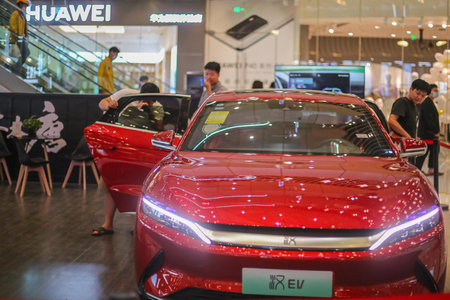
这场狂飙背后,是其与吉利体系的深度绑定。搭载格雷博“多合一”系统的吉利爆款车型“星愿”,直接拉动其2025年交付量突破50万套。吉利系也顺理成章地成为其绝对的第一大客户,2025年贡献了高达87.2%的营收。

IPO前,创始人管博合计控制13.33%的股权;在外部股东中,红杉中国以17.07%的持股位列第一大外部股东,早期天使投资人钱江摩托持股13.38%紧随其后。此外,余姚国资(10.82%)、徐州国资(9.06%)及国调科改基金(5.82%)等国资平台也重仓护航。IPO前的E轮融资后,公司估值达50亿元。

师徒归国创业,打破国外垄断

在美国俄亥俄州立大学(OSU)的一间实验室,管博攻读了高性能电机及电力电子方向的博士学位。他的导师徐隆亚(Longya Xu),是该领域的国际泰斗、IEEE Fellow,后来更当选为美国国家工程院院士。

2010年,中国新能源汽车产业刚刚初现曙光。管博和徐隆亚敏锐地察觉到了这场即将到来的产业变革,师徒二人决定携手回国,将实验室里的前沿技术转化为商业产品。这一年,格雷博成立。

创业初期的现实远比实验室里复杂。当时,丰田、本田等日系车企在混合动力领域构筑了极为严密的专利护城河,数千项专利层层包裹,几乎封死了后来者的道路。许多中国企业在尝试进入混动领域时,因专利问题被迫绕道或放弃。

但管博团队没有选择绕开。2014年,他们依托深厚的学术积累,硬生生在日系专利壁垒的缝隙中成功突围——开发出双转子电机。

一年后,格雷博开发出永磁同步电机,并开始量产用于纯电动车的电控系统。公司营收从2014年的146.8万元跃升至2015年的2438.7万元。技术,终于开始转化为真金白银。

如果说2014年的专利突围证明了格雷博的技术实力,那么2018年的战略转型则考验了管博的商业直觉与魄力。

2018年,中国新能源汽车市场正处于从政策驱动向市场驱动过渡的关键期。混动技术路线依然有广阔的市场空间,但纯电动的未来已日渐清晰。

当时,管博做出了一个极具风险的决定:将大部分资源押注于纯电动集成式电驱动解决方案。

2019年,命运的齿轮开始转动。格雷博凭借成熟的集成式电驱动产品,成功进入吉利汽车的供应商体系。此后,双方的合作不断深化。吉利不仅成为了格雷博最大的客户(2025年贡献了87.2%的营收),并在后续融资中,成为其重要的产业投资方。

2021年,格雷博开始批量生产150kW三合一动力域解决方案,正式开启了集成化时代。而真正让格雷博在行业内名声大噪的,是其极具集成度的多合一智能动力电驱系统。这套系统被搭载于吉利“星愿”等爆款车型上,2025年交付量超过50万套,且故障率低于120PPM,展现了惊人的工程制造能力。

如今的格雷博,早已不再局限于一家单纯的汽车零部件供应商。

在新能源汽车电驱动领域站稳脚跟后,管博将目光投向了更广阔的未来。格雷博正将其核心的800V高压直流架构和电机控制技术,向两大极具爆发力的新赛道延伸:

一是AI算力基础设施(AIDC)供电系统;二是具身智能(人形机器人)电驱系统。

在竞争极其内卷的电驱动赛道,格雷博已经用实打实的市场份额证明了其实力。根据盖世汽车研究院等权威机构的数据,2025年全年,格雷博在多合一主驱系统(纯电)领域的装机量达到504385套,占据7.5%的市场份额,稳居行业前三,仅次于背靠比亚迪的弗迪动力和特斯拉自供体系。这意味着,在第三方独立电驱供应商中,格雷博已经跻身绝对头部。

李书福、红杉中国押注

在格雷博的融资经历中,钱江摩托(吉利汽车李书福为大股东)无疑是最早的“伯乐”。早在2010年格雷博成立之初,钱江摩托便以天使投资人的身份入局,并一度持有高达58.33%的股权。当时的新能源汽车产业尚处黎明期,钱江摩托的重金押注为格雷博度过早期的研发长跑提供了关键支撑。

尽管在后续融资中,钱江摩托逐步减持套现,但其至今仍持有公司13.38%的股份,稳居第二大外部股东之位。值得一提的是,与钱江摩托实控人李书福家族关联的台州禧利,也在B轮及B+轮中累计投资6000万元,进一步巩固了吉利生态圈与格雷博的深厚联系。

在众多财务投资机构中,红杉中国(红杉铭德)是支持力度最大、获益最丰厚的机构之一。作为头部VC,红杉铭德早在2016年11月的A轮融资中,便以5100万元的代价重金押注,此后又在B+轮中持续加码,合计投资达5400万元。

目前,红杉铭德持有公司发行后17.07%的股份,不仅是格雷博最大的单一外部股东,也是早期机构中陪伴最久的财务投资方。

除了红杉中国,券商系资本与市场化机构也频频出手。中国银河证券系通过银河源汇,在B+轮与E轮中合计投入4500万元;东方证券系则通过成都弘泰在B+轮中下注4000万元。精卓投资、盛芯基金等一众市场化机构也都在后续轮次中分得了一杯羹。

在钱江摩托之外,广汽资本与国际巨头雷诺(Renault SA)构成了格雷博产业资本的另一极。广汽资本通过广州盈蓬管理的广祺壹号、新广瑞文、广州盈越同行等基金,在B轮及B+轮中累计投入7500万元,为格雷博在纯电集成式电驱动解决方案的转型期提供了关键弹药。此外,中金资本携手国际领先主机厂雷诺,通过中金雷诺在E轮融资中豪掷1亿元,进一步彰显了国际主机厂对格雷博技术路线的认可。

在格雷博迈向IPO的冲刺阶段,国资平台的入局显得尤为关键。在国家级基金层面,背后站着国务院国资委的国调科改基金,通过受让联合创始人徐隆亚的股份强势入局,目前持股5.82%。

地方国资同样出手阔绰。余姚国资(余姚舜欣及余姚工业)在D轮及后续股权转让中合计重金入局近3.5亿元,目前合计持股达10.82%。徐州国资旗下的徐州博硕在C+轮中单笔投资1亿元,结合其参与设立的博达基金,徐州国资合计持股9.06%。而在2026年5月的E轮融资中,杭州国资背景的杭州禾合更是豪掷2亿元,拿下了4.00%的股份。E轮融资后,公司估值达到50亿元。

IPO前,创始人管博通过博衡公司、博衡控一号及博智达等实体,合计控制公司13.33%的股权。另一位联合创始人徐隆亚,目前直接持股比例为1.77%。

在外部投资者方面,红杉中国持股17.07%,为最大单一外部股东;钱江摩托持股13.38%,为第二大单一外部股东。余姚国资(余姚舜欣与余姚工业)合计持股10.82%,位列第三大外部股东;徐州国资(徐州博硕与博达基金)合计持股9.06%,位列第四大外部股东;国调科改基金持股5.82%,位列第五大外部股东。

靠“星愿”拉爆销量

在招股书披露的财务数据中,格雷博展现出了一条陡峭且极具爆发力的增长曲线。从2023年到2025年,这不仅是新能源汽车行业渗透率狂飙的三年,更是格雷博完成“惊险跃升”的三年。

数据显示,其营收从2023年的3.14亿元,激增至2024年的7.38亿元,并在2025年彻底爆发,达到惊人的36.28亿元,三年复合年增长率高达239.9%。伴随着营收的狂飙,公司的盈利能力也迎来了历史性拐点。

2023年,格雷博仍处于亏损状态,毛利率为-6.8%,净亏损达2.70亿元。但到了2024年,毛利率成功转正至1.0%,并在2025年进一步攀升至7.2%。更具标志性意义的是,在连续多年的高额研发投入与产能爬坡后,格雷博在2025年首次实现了经调整净利润(非国际财务报告准则计量)转正,录得3550万元。

这场财务数据的逆袭,底层逻辑源于其核心产品“多合一智能动力域”(x-in-one)的爆发式交付。在收入结构上,这三年间发生了颠覆性的变化。2023年,公司的核心收入还全部依赖于传统的三合一等其他电驱动解决方案(3.12亿元)。

但到了2024年,随着多合一智能动力域产品的推出,该板块迅速贡献了3.81亿元营收,占比达到51.7%。进入2025年,多合一产品彻底接管了增长引擎,狂揽31.36亿元营收,占比飙升至86.5%。出货量数据更加直观地印证了这种市场统治力:2024年多合一产品出货量仅为6.35万套,而到了2025年,这一数字直接飙升至54.83万套,一年内翻了近九倍。

这种出货量的奇迹,离不开超级爆款车型的强力拉动。2024年10月,搭载格雷博多合一智能动力域的吉利“星愿”(Xingyuan)正式上市。这套系统将电机、电控、减速器、车载充电机(OBC)、直流变换器(DC/DC)等多个核心部件高度集成在一个仅66升的紧凑空间内,重量减轻了15%,成本降低了15%。凭借极致的空间利用率和成本优势,“星愿”迅速引爆市场,成为2025年中国大陆销量最高的纯电乘用车。

除了主打下沉市场的A0级车型“星愿”,格雷博的多合一系统同样成功搭载于D级豪华旗舰车型领克900上,展现了其技术架构在不同车型平台间极强的向下兼容与向上突破能力。

然而,在耀眼的增长背后,格雷博的客户结构也折射出极强的“生态绑定”特征。招股书显示,吉利系在过去三年中始终是其绝对的第一大客户。2023年至2025年,吉利系分别为格雷博贡献了1.91亿元、5.56亿元和31.62亿元的营收,占总营收的比例从60.9%一路攀升至90.0%。

紧随其后的是造车新势力零跑汽车,2025年贡献了3.13亿元营收,占比8.6%。前五大客户合计贡献了高达99.5%的营收。这种“大客户依赖症”在汽车供应链中并不罕见,吉利的强力扶持是格雷博能够迅速做大基本盘的决定性因素,但如何在未来拓展更多第三方主机厂,将是资本市场对其成长潜力的重要考量。

在供应链的另一端,为了支撑超过50万套的海量交付,格雷博的采购规模也随之水涨船高。2025年,其前五大供应商合计采购额达到12.68亿元,占总采购额的33.6%。

其中,最大的供货商一家深圳上市的电气自动化企业,主要为其提供集成的OBC和DC/DC转换器,采购额达4.67亿元,占比12.4%。排名第二的供应商则是一家四川上市的汽车零部件企业,主要提供减速器和差速器总成,采购额达2.81亿元。

值得注意的是,吉利系不仅是格雷博的最大客户,也是其供应商之一,2025年格雷博向吉利系采购了约8380万元的零部件,这种深度的双向合作,进一步凸显了双方在产业链上“一荣俱荣”的紧密共生关系。

同时,格雷博在国内仍然面临着激烈的市场竞争。一方面来自比亚迪的弗迪动力和特斯拉,通过车企自供体系,占据市场的前两位,来自蔚来汽车的蔚来动力也是蔚来汽车的主要供给方。另一方面,背靠汇川技术的汇川联合动力,以独立第三方的生态位,也成为格雷博的有力竞争者。

而且,吉利汽车自身的星驱科技,更深入格雷博的腹地——在多款吉利的核心车型中落地,成为格雷博最直接的威胁。

注:文/薛皓皓,文章来源:创业邦(公众号ID:ichuangyebang ),本文为作者独立观点,不代表亿邦动力立场。

【版权提示】亿邦动力倡导尊重与保护知识产权。未经许可,任何人不得复制、转载、或以其他方式使用本网站的内容。如发现本站文章存在版权问题,烦请提供版权疑问、身份证明、版权证明、联系方式等发邮件至run@ebrun.com,我们将及时沟通与处理。

已点赞

+1

{{ praise_text }}

好文章,值得被更多人看到

广告

下一篇

跨境电商资源对接

《全球跨境电商服务商资源手册》第二期手册现已发布,触达更多资源,了解跨境服务商信息,欢迎点击链接下载。

了解详情

城市微度假火了 锅圈找到第二张「餐桌」

专注家庭餐桌的锅圈,为何进军城市露营场景?这是否预示着露营行业将迎来新的产业整合者?