• 亿邦公众号
    • APP下载

中国6月出口同比增27% AI需求拉动贸易上行

作者:亿邦AI 文章来源:亿邦动力

2026-07-15 09:37

作者:亿邦AI 文章来源:亿邦动力

2026-07-15 09:37

邦小白快读
EN
全文速览

本文核心公布了2026年6月中国最新外贸进出口数据,点明AI成为拉动贸易上行的核心动力,核心干货整理如下。

1. 核心数据:6月中国出口同比增27%,进口同比增36%,贸易顺差达1256亿美元;上半年出口整体增17.6%,进口增26.6%,国际货币基金组织将中国今年经济增长预期上调至4.6%,符合官方设定的增长区间。

2. 增长亮点:AI相关产品进出口涨势强劲,上半年计算硬件贸易额同比涨近57%,总额达5.1万亿元,新能源汽车出口也保持快速增长,抵消了国内地产下行带来的需求疲软影响。

3. 风险提示:下半年外贸仍面临较多挑战,出口增长稳定性受全球需求和贸易壁垒影响,国内居民受经济放缓影响,更倾向于避免大额消费。

本文为品牌商梳理了当前外贸和消费领域的最新趋势、机会与风险,核心干货整理如下。

1. 消费与市场趋势:当前全球AI需求爆发,AI计算硬件、AI终端智能产品、新能源汽车等科技类产品海外需求旺盛,是拉动出口增长的核心动力,需求确定性较强。

2. 渠道布局机会:分区域数据显示,6月中国对东盟出口涨近35%,对拉美出口涨超28%,增速远高于对美出口的14%,品牌商可加大新兴市场的渠道布局。

3. 风险参考:当前美国仍维持高关税政策,贸易壁垒影响出口,下半年出口增长存在不确定性;国内市场方面,居民当前偏向减少大额消费,布局国内市场需要适配当前保守的消费偏好。

本文为卖家梳理了当前外贸市场的变化、机会、风险以及可参考的应对方式,核心干货整理如下。

1. 市场机会:当前AI相关产品、新能源汽车出口增长强劲,全球需求旺盛;东盟、拉美、非洲等新兴市场出口增速快,需求空间大,是新的增长蓝海;国内推出汽车、家电以旧换新补贴政策,内销卖家可把握政策红利。

2. 风险提示:美国实施高关税政策,下半年外贸面临严峻挑战,出口增长的脆弱性会逐步显现,增长稳定性依赖全球需求变化和各地监管壁垒设置。

3. 应对参考:目前已有不少中国企业通过向欧洲转移产能、扩大新兴市场出口规模的方式,规避高关税等贸易壁垒,该模式可供卖家参考应对贸易政策风险。

本文为生产加工工厂梳理了产品需求方向、商业机会以及转型启示,核心干货整理如下。

1. 产品生产方向:当前全球AI需求拉动相关产品贸易高速增长,上半年电子元器件等计算硬件贸易额同比上涨近57%,AI智能终端、新能源汽车等产品出口也保持较快增速,工厂可调整产能布局,适配市场新需求。

2. 商业机会:当前新兴市场需求增长强劲,6月对东盟出口涨近35%,对拉美出口涨超28%,工厂可拓展新兴市场订单;还可参考行业做法,通过转移产能规避关税壁垒,获得更多订单空间。

3. 转型启示:当前国内受地产下行影响,消费和投资疲软,出口制造业的向好能够抵消国内需求波动带来的影响,工厂布局外贸出口、升级高附加值科技产品,能够对冲国内市场的下行风险。

本文为外贸相关服务商梳理了行业发展趋势、客户痛点和新的机会方向,核心干货整理如下。

1. 行业发展趋势:当前中国外贸保持高速增长,贸易结构持续升级,AI相关产品、新能源汽车等科技类产品成为核心增长动力,AI拉动贸易上行已经成为明确的行业新动向,新兴市场出口增长快,出海需求旺盛。

2. 客户核心痛点:外贸企业当前面临高关税贸易壁垒、全球需求不确定性提升、下半年外贸风险加剧的痛点;国内生产和消费端也面临国内需求疲软,居民减少大额消费的压力,企业转型和拓展市场都需要配套服务支持。

3. 机会方向:服务商可围绕AI相关外贸企业的出海需求、新兴市场拓展需求开发配套服务,也可针对企业产能转移规避关税的需求,打造对应解决方案,把握行业新增长机会。

本文为外贸平台商梳理了市场需求、布局方向和风险规避方向,核心干货整理如下。

1. 商家需求方向:当前外贸商家核心需求是拓展新兴市场、规避贸易壁垒、布局AI相关高增长品类,平台可围绕这类需求调整平台运营和服务方向,适配商家需求。

2. 招商和运营方向:AI相关计算硬件、智能终端产品、新能源汽车等品类增长势头强劲,平台可加大这类商家的招商力度;同时可重点引入布局东盟、拉美等新兴市场的商家,丰富平台品类结构。

3. 风险规避参考:下半年外贸增长存在不确定性,受全球需求变化和监管壁垒影响大,平台要提前做好风险预警,及时向商家传递海外市场风险;国内市场可依托以旧换新刺激政策,加大汽车、家电品类的运营布局,挖掘内销增长机会。

本文为产业和经济研究者提供了中国外贸和宏观经济的最新动向、核心数据和研究参考,核心干货整理如下。

1. 产业新动向:当前AI需求已经成为拉动中国外贸增长的核心新动力,AI相关计算硬件、智能产品进出口高速增长,新能源汽车出口也成为新的增长极,外贸结构持续升级,出口制造业的向好已经能够抵消国内地产下行带来的消费和投资疲软影响。

2. 新问题与新挑战:当前中国出口增长存在明显脆弱性,面临全球需求波动、各国贸易监管壁垒提升的挑战,国内也存在消费疲软,居民减少大额消费的问题,外贸企业普遍需要通过产能转移应对关税壁垒,这些都是值得深入研究的新问题。

3. 最新研究资料:本文包含官方最新发布的外贸数据、权威机构的分析观点、宏观经济增长预期,为研究中国外贸结构转型、宏观经济走向提供了最新的一手资料。

声明:快读内容全程由AI生成,请注意甄别信息。如您发现问题,请发送邮件至 run@ebrun.com 。

我是 品牌商 卖家 工厂 服务商 平台商 研究者 帮我再读一遍。

Quick Summary

This article releases the latest June 2026 data on China's foreign trade imports and exports, highlighting that AI has become the core driving force for trade growth. Key takeaways are as follows:

1. Core data: In June 2026, China's exports grew 27% year-on-year, imports rose 36% year-on-year, and the trade surplus reached US$125.6 billion. For the first half of the year, total exports grew 17.6% and imports increased 26.6%. The International Monetary Fund has raised its forecast for China's economic growth this year to 4.6%, which falls within the growth range set by Chinese authorities.

2. Growth highlights: Imports and exports of AI-related products have seen strong growth. In the first half of the year, trade volume of AI computing hardware jumped nearly 57% year-on-year to 5.1 trillion yuan. New energy vehicle (NEV) exports have also maintained rapid growth, offsetting weak demand caused by the downturn in China's domestic real estate sector.

3. Risk warning: China's foreign trade still faces multiple challenges in the second half of the year. The stability of export growth is vulnerable to global demand shifts and trade barriers. Domestically, consumers are more inclined to hold off on large purchases amid the economic slowdown.

This article sorts out the latest trends, opportunities and risks in foreign trade and consumer markets for brand owners. Key insights are summarized below:

1. Consumption and market trends: Global demand for AI is booming. Overseas demand for technology products including AI computing hardware, AI-powered smart terminals and new energy vehicles remains strong, making them the core driver of export growth with relatively high demand certainty.

2. Channel expansion opportunities: Regional trade data shows that in June 2026, China's exports to ASEAN grew nearly 35% and exports to Latin America rose more than 28%, far outpacing the 14% growth in exports to the U.S. Brand owners can scale up their channel layout in emerging markets.

3. Risk reference: The U.S. still maintains high tariffs on Chinese goods, and trade barriers weigh on export growth, creating uncertainty for the second half of the year. In the domestic market, consumers are currently cutting back on large-ticket spending, so brands entering or expanding in the domestic market need to adapt their offerings to this conservative consumption preference.

This article outlines changes, opportunities, risks and actionable coping strategies for cross-border sellers. Key takeaways are as follows:

1. Market opportunities: AI-related products and new energy vehicles are seeing strong export growth driven by robust global demand. Emerging markets including ASEAN, Latin America and Africa are posting faster export growth and offer large untapped demand, making them new blue oceans for growth. Domestically, China has introduced trade-in subsidy programs for automobiles and home appliances, so domestic sellers can capitalize on this policy dividend.

2. Risk warning: High U.S. tariffs create severe headwinds for foreign trade in the second half of the year. The fragility of export growth will gradually emerge, and growth stability will depend on changes in global demand and regulatory barriers in different regions.

3. Coping reference: Many Chinese companies have already mitigated risks from high tariffs and other trade barriers by shifting production capacity to Europe and expanding export volumes in emerging markets. This model can serve as a reference for sellers navigating trade policy risks.

This article sorts out product demand directions, business opportunities and transformation insights for manufacturing and processing factories. Key takeaways are summarized below:

1. Product direction: Booming global AI demand has driven rapid growth in trade for related products. In the first half of the year, trade volume of computing hardware such as electronic components rose nearly 57% year-on-year, while exports of AI smart terminals and new energy vehicles also maintained solid growth. Factories can adjust their capacity allocation to align with new market demand.

2. Business opportunities: Demand in emerging markets is growing strongly. In June 2026, China's exports to ASEAN grew nearly 35% and exports to Latin America rose more than 28%. Factories can pursue more orders from emerging markets, and can also follow industry practice to avoid tariff barriers via capacity relocation to unlock more order opportunities.

3. Transformation insights: Weakness in consumption and investment from the domestic real estate downturn has been offset by the strong performance of export-focused manufacturing. By expanding foreign trade operations and upgrading to high-value technology products, factories can hedge against downside risks in the domestic market.

This article outlines industry development trends, client pain points and new opportunity directions for foreign trade-related service providers. Key takeaways are as follows:

1. Industry trends: China's foreign trade maintains high-speed growth, and its trade structure continues to upgrade. Technology products including AI-related goods and new energy vehicles have become the core growth engine, with AI-driven trade growth emerging as a clear new industry trend. Exports to emerging markets are growing rapidly, with demand for cross-border expansion remaining strong.

2. Core client pain points: Foreign trade companies currently face headwinds including high-tariff trade barriers, rising global demand uncertainty, and increasing downside risks in the second half of the year. On the domestic production and consumption side, soft domestic demand and consumers pulling back on large purchases also create pressure. As companies pursue transformation and market expansion, they need supporting service solutions.

3. Opportunity directions: Service providers can develop supporting solutions to meet the outbound expansion needs of AI-related foreign trade companies and their demand for emerging market expansion. They can also build targeted services for companies seeking to relocate production capacity to avoid tariffs, to capture new growth opportunities in the industry.

This article sorts out market demand, layout directions and risk mitigation guidance for cross-border marketplace operators. Key takeaways are as follows:

1. Seller demand direction: Currently, the core demands of foreign trade sellers are expanding into emerging markets, mitigating trade barriers, and laying out high-growth AI-related product categories. Platforms can adjust their operations and service strategies to align with these seller needs.

2. Seller acquisition and operations directions: Categories including AI-related computing hardware, smart terminal products and new energy vehicles are seeing strong growth momentum. Platforms can step up recruitment of sellers in these categories, while prioritizing onboarding sellers that already have a presence in emerging markets such as ASEAN and Latin America to enrich the platform's product portfolio.

3. Risk mitigation reference: Foreign trade growth faces uncertainty in the second half of the year, heavily exposed to changes in global demand and regulatory barriers. Platforms should prepare risk warning systems in advance and communicate overseas market risks to sellers in a timely manner. For the domestic market, platforms can leverage the government's trade-in stimulus policy to scale up operations for automobile and home appliance categories and unlock domestic growth opportunities.

This article provides the latest developments, core data and research references for industrial and economic researchers studying China's foreign trade and macroeconomy. Key insights are summarized below:

1. New industrial trends: AI demand has become the core new driver of China's foreign trade growth. Imports and exports of AI-related computing hardware and smart products are expanding at a high speed, while new energy vehicle exports have emerged as a new growth pole. China's foreign trade structure is continuing to upgrade, and the strong performance of export-focused manufacturing has offset the impact of weak consumption and investment from the domestic real estate downturn.

2. New issues and challenges: China's export growth remains notably fragile, facing challenges from global demand volatility and rising trade regulatory barriers around the world. Domestically, the country also faces soft consumption, with consumers cutting back on large purchases, and export companies widely need to relocate production capacity to cope with tariff barriers. All these are new issues worthy of in-depth research.

3. Latest research materials: This article compiles the latest official foreign trade data, analysis from authoritative institutions, and macroeconomic growth forecasts, providing the latest primary source materials for research on China's foreign trade structural transformation and macroeconomic trends.

Disclaimer: The "Quick Summary" content is entirely generated by AI. Please exercise discretion when interpreting the information. For issues or corrections, please email run@ebrun.com .

I am a Brand Seller Factory Service Provider Marketplace Seller Researcher Read it again.

海关总署2026年7月14日公布的数据显示,6月出口额同比上涨27%,增速较5月的19.4%进一步提升,超出经济学家此前预期。同期进口额同比上涨36%,高于5月27.4%的同比增速,部分分析将进口额扩张归结于伊朗冲突推高进口成本。6月中国贸易顺差达1256亿美元,较上月的1054亿美元有所走阔。

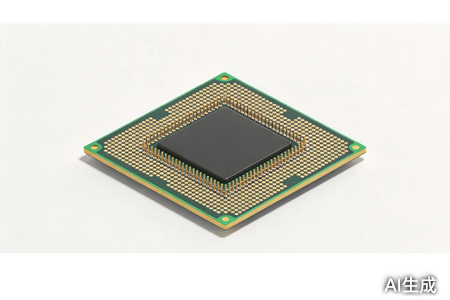
海关总署副署长王军在北京举行的新闻发布会上透露,AI领域相关产品进出口增长态势强劲。上半年电子元器件、计算机备件等计算硬件贸易额同比上涨近57%,总额达5.1万亿元,AI眼镜、AI翻译设备、动力外骨骼等智能产品贸易规模也同步扩大。

资本经济中国经济主管朱利安·埃文斯-普里查德在研报中提及,6月贸易额再度大幅攀升,主要反映AI热潮带动下半导体价格的快速上涨,即便剔除该因素,海外市场对中国商品的需求仍保持稳健。除AI相关产品外,汽车尤其是新能源汽车等科技类产品出口也保持较快增长,出口制造业的向好表现,抵消了地产行业长期下行带来的国内消费及投资疲软影响。

上半年整体贸易数据显示,出口额同比上涨17.6%,进口额同比上涨26.6%。分区域看,6月对东盟出口同比上涨近35%,对欧盟、拉美出口分别上涨超18%、28%,对美国出口同比上涨近14%。近期对美出口连续数月增长,部分源于上年同期基数较低,去年特朗普重新就任后实施了更高关税政策。

为规避高关税等贸易壁垒,中国企业已逐步向欧洲等区域转移产能,同时扩大对东南亚、拉美、非洲的出口规模。王军也提到,下半年外贸仍面临较为严峻的风险与挑战。法国巴黎证券(中国)多资产投资主管李伟在分析中提及,后续中国出口增长的脆弱性将逐步显现,汽车及AI相关产品的出口表现,仍取决于全球需求变化及各地监管壁垒设置。

中国将于7月16日公布二季度经济增长数据,今年官方设定的年度增长目标为4.5%至5%,略低于2025年5%的增速。上周国际货币基金组织将中国今年增长预期上调0.2个百分点至4.6%,同时预计2027年中国经济增速为4.1%。

当前政策端已推出汽车、家电以旧换新补贴等多项举措刺激消费,不过受经济放缓影响,不少居民仍倾向于避免大额消费支出。

【版权提示】亿邦动力倡导尊重与保护知识产权。未经许可,任何人不得复制、转载、或以其他方式使用本网站的内容。如发现本站文章存在版权问题,烦请提供版权疑问、身份证明、版权证明、联系方式等发邮件至run@ebrun.com,我们将及时沟通与处理。

已点赞

+1

{{ praise_text }}

好文章,值得被更多人看到

FAQ回顾

2026年6月中国进出口贸易数据表现如何?

海关总署2026年7月14日公布的数据显示,当月中国出口额同比上涨27%,增速较5月的19.4%进一步提升,进口额同比上涨36%,高于5月27.4%的同比增速,6月贸易顺差达1256亿美元,较上月的1054亿美元有所走阔。

AI需求对中国进出口贸易有哪些拉动作用?

AI领域相关产品进出口增长态势强劲,2026年上半年电子元器件、计算机备件等计算硬件贸易额同比上涨近57%,总额达5.1万亿元,AI眼镜、AI翻译设备、动力外骨骼等智能产品贸易规模同步扩大,AI热潮带动半导体价格上涨也拉动了整体贸易额攀升。

2026年中国外贸出口的主要增长点有哪些?

除AI相关产品外,汽车尤其是新能源汽车等科技类产品出口也保持较快增长,出口制造业的向好表现抵消了地产行业长期下行带来的国内消费及投资疲软影响,中国企业通过向欧洲转移产能、拓展东南亚、拉美、非洲等新兴市场也带动了出口增长。

2026年下半年中国外贸发展面临哪些挑战?

2026年下半年中国外贸仍面临较为严峻的风险与挑战,出口增长的脆弱性将逐步显现,汽车及AI相关产品的出口表现仍取决于全球需求变化及各地监管壁垒设置,关税等贸易壁垒也会对外贸增长带来一定压力。

广告

下一篇

2022“EBRUN全球好物”征集

跨境行业重磅严选,亿邦动力首届『EBRUN全球好物』启动征集,面向全球市场重新定义“好产品”!

点击报名参选

AI agent落地商用 或重构软件行业付费模式

AI agent进入真实商业应用,Sierra等公司以按效果付费模式冲击软件行业现有付费机制,预计到2029年将推动全球客服成本下降30%。

AI SaaS 服务商 智能客服

2026-07-15 09:36:11