



• 亿邦公众号
    • APP下载

全托管、厂二代成为高频关键词!速卖通达人赛在杭州举行

作者:亿邦动力 文章来源:亿邦动力

2023-09-01 18:19

作者:亿邦动力 文章来源:亿邦动力

2023-09-01 18:19

邦小白快读

EN
全文速览

本次速卖通跨境电商达人赛年度总决赛在杭州举办,赛事选出了三甲选手与人气王,全托管、厂二代、新市场是本次参赛创业者故事中的核心关键词,普通想要切入跨境电商的创业者可以从中获得这些实操经验:

1. 内贸遇到增长瓶颈的从业者可以尝试转型跨境电商,依托成熟平台降低试错成本,比如选手谢祎2018年遇到国内市场瓶颈后入驻速卖通,很快做到行业头部,开通全托管后推出的LED户外探照灯月销超5万单。

2. 传统工厂家族接班人可以通过跨境电商盘活企业,比如厂二代张海颖在疫情后帮家族雨伞厂转型速卖通,针对韩国市场做本土化高尔夫伞,现在已经成为百万级别卖家。

3. 新手可以抓住平台新市场红利,当前速卖通重点发力韩国、巴西、中东市场,还完善了海外仓物流,新手入场有更多增长机会。

本次赛事透露出当前跨境品牌出海的新趋势与机会,给品牌商出海提供了不少可参考的干货:

1. 渠道建设方面,速卖通是目前唯一一个覆盖“一带一路”全部国家和地区的跨境出口B2C平台,杭州综试区还联合速卖通推出品牌出海“巨鲸”计划,能帮品牌获得官方扶持拓市场,全托管模式可以让品牌省去运营精力,专注投入产品。

2. 产品研发与趋势层面,需要针对不同目标新市场做本土化产品开发,张海颖针对韩国市场做本土化高尔夫伞大卖、谢祎抓住海外能源变化推出LED探照灯成为爆款,都验证了这个方向的可行性。

3. 机会提示,当前韩国、巴西、中东是平台重点发力的增量市场,平台已经在这些区域布局海外仓提升时效,提前布局就能拿到流量增长红利。

本次赛事传递了速卖通跨境的最新行业动向,给不同类型的卖家带来了很多机会提示与可借鉴经验:

1. 政策与平台动向方面,浙江及杭州有多重官方扶持跨境电商的政策,杭州综试区联合速卖通推出了“巨鲸”计划等多种活动,帮商家对接资源拓市场,速卖通接下来会持续升级全托管等各项服务,重点布局韩国、巴西、中东三大新市场。

2. 机会提示,全托管是当前明确的行业红利,卖家可以通过全托管模式节省运营精力,把核心资源放在选品与产品打磨上,哪怕新店也能实现快速增长。

3. 实操经验,内贸增长遇阻的卖家可以转型跨境,针对新市场做适配本土化需求的产品,借助平台的海外仓物流提升时效,就能有效提升产品竞争力,多位参赛选手已经靠这套方法做成了头部卖家。

本次赛事中多个传统工厂转型成功的案例,给国内工厂转型跨境电商提供了清晰的路径与增长机会:

1. 产品生产设计需求方面,海外不同区域市场的需求差异较大,工厂需要针对目标市场做本土化的产品设计开发,比如临沂的雨伞厂针对韩国市场打造本土化高尔夫伞,推出后就快速销售火爆。

2. 商业机会方面,受疫情与国内环境影响,不少做内贸的传统工厂遇到增长瓶颈,工厂可以通过速卖通做跨境零售,直接对接海外消费者,当前速卖通重点布局韩国、巴西、中东新市场,还在这些区域新开多个海外仓提升到货时效,给工厂出货提供了很好的基础。

3. 转型启示,工厂可以依托速卖通的全托管模式,不需要花费大量精力搭建跨境运营团队,只需要专注做好生产与产品开发就能实现增长,张海颖的雨伞厂转型后,90%的生意都来自速卖通,成功盘活了企业。

本次透露出当前跨境电商行业的新发展趋势,也给服务商带来了新的业务方向:

1. 行业发展趋势方面,当前跨境电商行业整体增长速度很快,杭州跨境电商综试区8年来卖家数从200家增长到5.5万家,增幅达275倍,越来越多传统工厂、内贸卖家、厂二代进入跨境赛道,全托管模式、新市场开拓成为行业热点,市场对配套服务的需求大幅增长。

2. 客户痛点方面,大部分新入场的传统工厂和中小卖家缺乏跨境运营经验、不了解海外新市场需求、没有海外渠道资源,很多工厂遇到增长瓶颈后急需找到新的出货渠道,配套服务需求迫切。

3. 解决方案方向,服务商可以围绕新市场开拓,给卖家提供本土化产品设计咨询、市场调研服务,也可以围绕全托管模式,给卖家提供选品、备货、供应链配套服务,对接平台的海外仓物流需求,拓展自身业务空间。

本次速卖通达人赛传递出速卖通的最新运营策略,给各类跨境平台的发展带来很多可参考的经验:

1. 商家对平台的核心需求方面,中小商家和工厂商家希望平台降低跨境入场门槛,提供省心的运营服务,同时希望平台完善仓储物流等基础配套,提升到货时效帮助产品提升竞争力,也希望能对接官方资源获得增长扶持。

2. 可借鉴的运营做法方面,平台可以推出全托管类服务,适配商家专注产品的需求,同时针对增量新市场提前布局海外仓,提升物流时效吸引商家,还可以联合地方政府和综试区,推出扶持计划、举办创业赛事,挖掘优质商家完成招商,同时赋能商家成长。

3. 风险规避方面,当前商家结构已经发生变化,越来越多厂二代、传统工厂转型入场,平台需要针对这类新商家的需求调整服务,抓住行业新增量,避免错失增长红利。

本次赛事透露出当前中国跨境出口电商领域的多个新动向,具备较高的研究价值:

1. 产业新动向方面,一是全托管模式成为跨境电商平台的主流服务模式,平台承接运营物流等环节,卖家专注产品,适配了大量传统工厂和内贸卖家转型跨境的需求;二是厂二代成为跨境电商的新生力量,为传统制造业转型注入了新活力;三是“一带一路”沿线、韩国、巴西等新兴市场成为跨境出口的核心增量来源,增长潜力巨大。

2. 创新商业模式方面,地方政府联合头部平台打造跨境电商生态,通过推出扶持计划、举办创业赛事等方式培育本土商家出海,带动产业整体增长,杭州的案例显示这种模式成效显著,8年卖家数量增长275倍,具备推广研究价值。

3. 值得研究的新问题,传统制造业如何在外贸环境波动的背景下通过跨境电商实现转型,厂二代如何依托跨境电商完成家业升级,都是当前产业发展出现的新问题,值得深入研究。

声明:快读内容全程由AI生成,请注意甄别信息。如您发现问题,请发送邮件至 run@ebrun.com 。

我是 品牌商 卖家 工厂 服务商 平台商 研究者 帮我再读一遍。

Quick Summary

The annual national final of AliExpress's cross-border e-commerce creator competition was held in Hangzhou. The event crowned its top 3 winners and a "Most Popular" winner, with "Full Managed Store," "second-generation factory heirs" and "new markets" emerging as the core keywords from participating entrepreneurs' stories. Aspiring cross-border e-commerce founders can draw the following practical takeaways:

1. Domestic traders facing growth bottlenecks can pivot to cross-border e-commerce, cutting trial-and-error costs by leveraging established platforms. For example, competitor Xie Yi joined AliExpress after hitting a domestic market ceiling in 2018, quickly rose to become an industry leader, and after launching full managed operations, its LED outdoor searchlight now sells over 50,000 units per month.

2. Heirs of traditional manufacturing families can revitalize their family businesses via cross-border e-commerce. Second-generation factory owner Zhang Haiying helped her family's umbrella factory transition to AliExpress after the pandemic, developing localized golf umbrellas for the South Korean market, and is now a seven-figure sales seller.

3. New entrants can capitalize on growth dividends from platform priority markets. AliExpress is currently prioritizing expansion in South Korea, Brazil and the Middle East, and has upgraded its overseas warehouse logistics network, creating abundant growth opportunities for new sellers.

This competition revealed new trends and opportunities for cross-border brand expansion, offering actionable insights for brands going global:

1. For channel development: AliExpress is currently the only cross-border export B2C platform that covers all countries and regions along the Belt and Road. The Hangzhou Cross-Border E-Commerce Comprehensive Pilot Zone has partnered with AliExpress to launch the "Whale Program" for global brands, which provides official support to help brands expand into new markets. The full managed model allows brands to free up operational resources and focus solely on product development.

2. For product R&D and trend alignment: Brands need to develop localized products tailored to different new target markets. Zhang Haiying's successful localized golf umbrellas for South Korea and Xie Yi's hit LED searchlight launched to capitalize shifting global energy demand both validate this approach.

3. Key opportunity note: South Korea, Brazil and the Middle East are the platform's core high-growth priority markets, where AliExpress has already built out an overseas warehouse network to improve delivery speed. Early entry into these markets lets brands capture traffic growth dividends.

The competition shared the latest industry developments for AliExpress cross-border e-commerce, delivering opportunity alerts and actionable lessons for sellers of all types:

1. Policy and platform updates: Zhejiang province and Hangzhou offer multiple layers of official government support for cross-border e-commerce. The Hangzhou Cross-Border E-Commerce Comprehensive Pilot Zone has partnered with AliExpress to launch initiatives including the "Whale Program" that help merchants connect to resources and expand into new markets. AliExpress will continue upgrading full managed services and other offerings, with a core focus on expanding into the three new markets of South Korea, Brazil and the Middle East.

2. Opportunity alert: Full managed operations is a clear existing industry dividend. The model lets sellers cut operational overhead and redirect core resources to product selection and development, enabling even new stores to achieve rapid growth.

3. Practical lessons: Sellers facing stagnant domestic growth can pivot to cross-border e-commerce, develop products adapted to localized demand in new markets, and leverage the platform's overseas warehouse logistics to improve delivery speed, all of which effectively boost product competitiveness. Multiple competition participants have used this playbook to become top industry sellers.

Several success stories of traditional factory transformation shared at the competition outline a clear path and new growth opportunities for Chinese factories looking to enter cross-border e-commerce:

1. For product development and design: Demand varies significantly across different overseas regional markets, so factories need to develop localized products tailored to their target markets. For example, a Linyi-based umbrella manufacturer developed localized golf umbrellas for the South Korean market that quickly became a bestseller after launch.

2. Business opportunities: Amid post-pandemic pressures and a slowing domestic market, many domestic-focused traditional factories are facing growth bottlenecks. Factories can use AliExpress for cross-border retail to connect directly with overseas consumers. AliExpress is currently prioritizing expansion into the new markets of South Korea, Brazil and the Middle East, and has opened multiple new overseas warehouses in these regions to speed up delivery, creating a strong foundation for factories to ship goods internationally.

3. Transformation insights: Factories can leverage AliExpress's full managed model, which eliminates the need to build out an in-house cross-border operations team. Factories only need to focus on manufacturing and product development to achieve growth. After Zhang Haiying's umbrella factory transitioned, 90% of its revenue now comes from AliExpress, successfully revitalizing the business.

The event reveals new growth trends in the cross-border e-commerce industry, and opens up new business directions for service providers:

1. Industry growth trends: The cross-border e-commerce industry as a whole is growing rapidly. In the 8 years since its launch, the number of sellers in the Hangzhou Cross-Border E-Commerce Comprehensive Pilot Zone has grown from 200 to 55,000, a 275-fold increase. More and more traditional factories, domestic sellers and second-generation factory heirs are entering the cross-border space, with full managed operations and new market expansion becoming the industry's hottest areas, driving a sharp increase in demand for supporting services.

2. Key customer pain points: Most new entrants—traditional factories and small-to-medium sellers—lack cross-border operational experience, insight into demand in new overseas markets, and access to overseas channel resources. Many factories facing growth bottlenecks urgently need new distribution channels, creating strong unmet demand for supporting services.

3. Business development directions: Service providers can build offerings around new market expansion, providing clients with localized product design consulting and market research services. They can also develop offerings tailored to the full managed model, providing support for product selection, inventory planning and supply chain, and helping sellers connect to the platform's overseas warehouse logistics needs, to expand their own business scope.

AliExpress's creator competition showcases the platform's latest operational strategy, offering valuable reference insights for the development of all cross-border platforms:

1. Core merchant needs: Small-to-medium sellers and factory sellers want platforms to lower barriers to cross-border entry, provide low-lift operational services, improve core infrastructure such as warehousing and logistics to boost delivery speed and product competitiveness, and provide access to official resources to support growth.

2. replicable operational practices: Platforms can launch full managed services to meet merchants' need to focus on product development, while pre-building overseas warehouses in high-growth new markets to improve logistics speed and attract merchants. They can also partner with local governments and cross-border pilot zones to launch support programs and host entrepreneurial competitions to source high-quality merchants and support their growth.

3. Risk mitigation: The merchant base has evolved, with a growing number of second-generation factory heirs and traditional factories transitioning into the space. Platforms need to adjust their services to meet the needs of these new merchants, capture the industry's new growth drivers, and avoid missing out on growth dividends.

The competition reveals multiple new trends in China's cross-border export e-commerce sector that carry high research value:

1. New industry trends: First, the full managed model has become the mainstream service model for cross-border e-commerce platforms. By having platforms handle operations, logistics and other backend links while sellers focus on product development, the model fits the needs of large numbers of traditional factories and domestic sellers transitioning into cross-border e-commerce. Second, second-generation factory heirs have emerged as a new driving force in the sector, injecting new vitality into the transformation of traditional manufacturing. Third, emerging markets along the Belt and Road, including South Korea and Brazil, have become core sources of incremental growth for cross-border exports, with enormous growth potential.

2. Innovative business models: Local governments partnering with leading platforms to build a cross-border e-commerce ecosystem—through support programs, entrepreneurial competitions and other initiatives to nurture local brands going global and drive overall industry growth—has proven highly effective in the Hangzhou case, with a 275-fold increase in seller numbers over 8 years, making this model worthy of further research and broader promotion.

3. New research questions: How traditional manufacturing can transform via cross-border e-commerce amid a volatile global trade environment, and how second-generation factory heirs can upgrade their family businesses through cross-border e-commerce are both new questions emerging from current industry development that merit in-depth research.

Disclaimer: The "Quick Summary" content is entirely generated by AI. Please exercise discretion when interpreting the information. For issues or corrections, please email run@ebrun.com .

I am a Brand Seller Factory Service Provider Marketplace Seller Researcher Read it again.

8月30日, “AliExpress(速卖通)跨境电商达人赛”年度总决赛在杭州举办,8名来自全国各地、经过层层选拔的选手,走上舞台讲述自己的创业故事。

来自全国各地的数千位观赛商家在现场听完他们的故事,并且都变成了他们的“迷弟迷妹”。最终由叶涛、马剑平、谢祎斩获本次全国总决赛的前三甲,张海颖获得全国总决赛人气王,其他选手获得分享之星奖。“全托管”“厂二代”“新市场”成为这批“新跨境达人”故事里的高频关键词。

本次比赛邀请了杭州市商务局党组成员、总经济师武长虹莅临指导。

武长虹表示:全球速卖通是在杭州这片土地上成长起来的全球知名跨境电商零售平台,也是我国目前唯一一个覆盖“一带一路”全部国家和地区的跨境出口B2C零售平台。

杭州综试区持续加强与阿里巴巴国际数字商业集团旗下业务战略合作,联合全球速卖通实施跨境电商品牌出海“巨鲸”计划,共同举办“扬帆起杭”全球跨境电商创业创新大赛、“G100出海”商家峰会,开展“走进杭州跨境电商产业带”、“全国大学生三创赛”跨境电商实战赛等活动,进一步帮助杭州商家和制造企业通过全球速卖通拓市场、促增长。

同时邀请了阿里巴巴全球速卖通行业运营负责人唐宋以及多位平台相关负责人作为专业评委,给现场选手提供专业点评和打分。
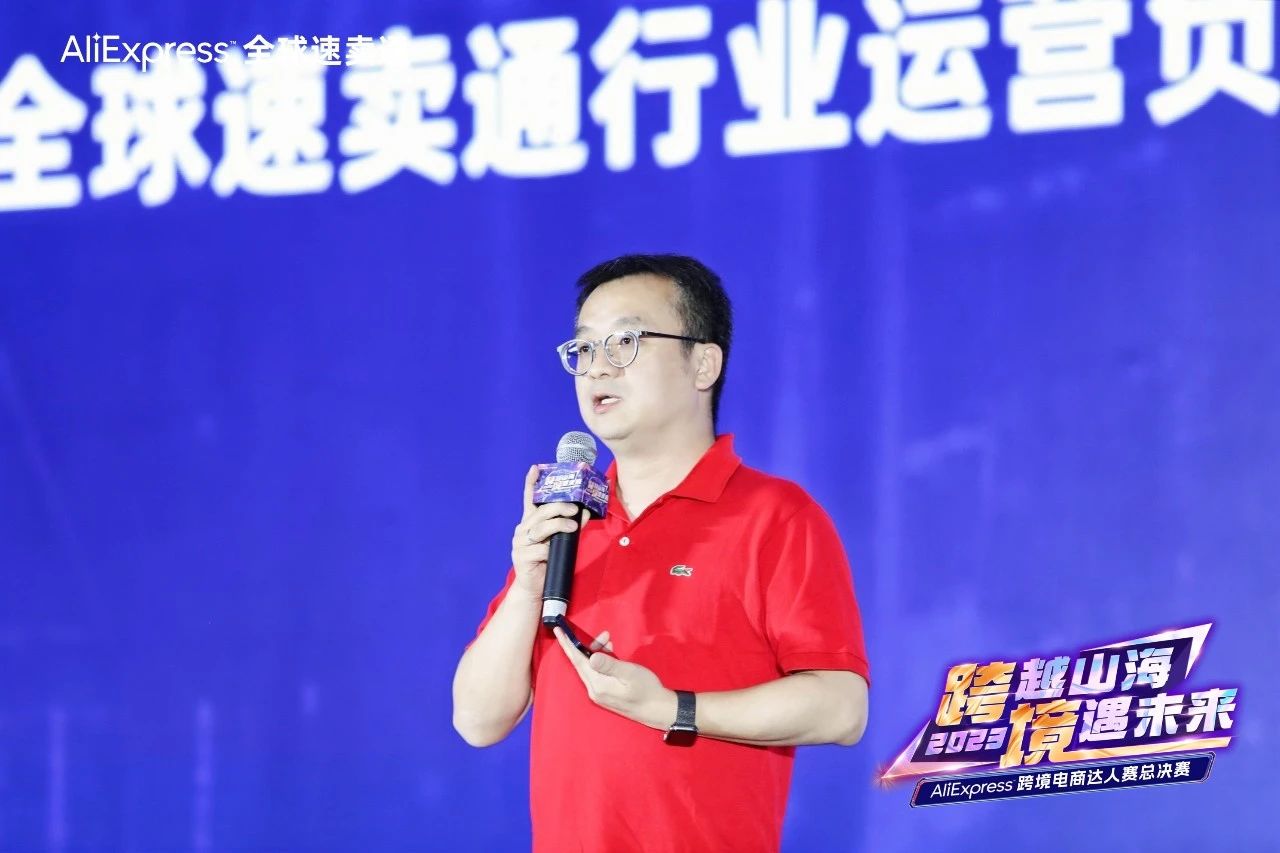
阿里巴巴全球速卖通属地商家负责人王德民也到场为赛事送上了祝福。

来自杭州的“跨境达人” 谢祎是闯入决赛的优秀代表之一。作为一名在浙江杭州的创业者,谢祎对杭州的电商创业环境非常赞赏。

在他眼中,杭州虽不是沿海城市,但却是真正的“线上出海口”,不仅仅有优秀的营商环境,而且有成熟的跨境电商人才储备,而且还能通过速卖通在杭州本地设置的速卖通卖家服务中心,获得及时的沟通和发展。

谢祎从2011年开始接触电子商务,却在2018年遇到了所在行业国内市场环境瓶颈,听朋友说起跨境电商前景远大,于是在速卖通上开启了“从内而外”的电商之旅。

2019年谢祎正式带领品牌入驻速卖通,选择了深耕遥控玩具产品,依赖在国内电商时积累的经验,很快做到了行业TOP,就这样在速卖通上站稳了脚跟。

2022年,谢祎赶上了速卖通平台推出的“全托管”服务,“全托管”可以用较少的精力做运营,卖家可以把重心专注在产品上。

在谢祎眼中,全托管服务是巨大的红利,新店的快速增长很快证明了谢祎的眼光,因为海外能源市场变化,谢祎推出的一款LED户外探照灯在“全托管”上成了大爆款,一个月卖出超过5万单。

达人选手中,除了谢祎这样的“电商老兵”,还有一批年轻的“厂二代”。这群外贸工厂接班人,在面临这几年外贸出口巨大变化时挺身而出,为家族生意注入了新的活力。

作为一个普通的小镇姑娘,张海颖原本在家乡临沂过着“岁月静好”的生活。然而全球疫情打乱了自家工厂的内贸生意,身为长女的她为了帮助工厂找到新的出路,毅然决然转型跨境电商,说服家人在AliExpress(速卖通)上开始了自己的商业冒险。

从一点点尝试速卖通,到成为一名跨境专家,张海颖带领着自家雨伞工厂迎接了一个又一个挑战。为海外市场尤其是韩国市场量身打造的“本土化雨伞”——高尔夫伞,在韩国刚推出就销售火爆。

如今的张海颖90%的生意都来自速卖通,已经成为平台上的百万级别卖家,不但救活了厂子,还带动了一方亲友在速卖通上创业。

生于1996年的跨境达人高燕,是本场比赛中最年轻的选手。2022年台下的她,在AliExpress速卖通行业大会中,敏锐捕捉到了重要信息:接下来平台会在韩国,巴西,中东几个新市场重点发力。

于是她开始调整策略,积极针对新市场拓展竞争力强的家具类大件产品,伴随从山东到韩国3-5日达的时效体验,产品大受消费者欢迎。

不仅仅有韩国市场, 速卖通一直在加强仓储物流供应链能力建设,今年更是将提升到货时效作为重中之重。过去几个月中,速卖通在中东、拉美等地区连开多仓,同时上线海外仓托管模式,全托管商品可备货至海外仓,通过到货时效帮助卖家提升了商品竞争力。

从率先推出“商务包机”为企业赴境外提供便利,到“百团千企万人”组团“出海”,浙江一直“敢为天下先”。官方数据显示,8年来,杭州跨境电商综试区的卖家数从刚开始的200家到现在的5.5万多家,增长了275倍;规模以上的跨境电商企业数达到了832家。

速卖通行业运营总经理靳科表示,接下来速卖通将继续升级各项服务,为更多创新中小企业“出海”保驾护航。

【版权提示】亿邦动力倡导尊重与保护知识产权。未经许可,任何人不得复制、转载、或以其他方式使用本网站的内容。如发现本站文章存在版权问题,烦请提供版权疑问、身份证明、版权证明、联系方式等发邮件至run@ebrun.com,我们将及时沟通与处理。

已点赞

+1

{{ praise_text }}

好文章,值得被更多人看到

FAQ回顾

什么是速卖通全托管服务?

速卖通全托管服务是平台推出的运营模式,卖家可将物流、仓储等运营环节交由平台处理,从而专注于产品开发。例如卖家谢祎通过该服务使LED户外探照灯月销超5万单。

速卖通2023年重点拓展哪些新市场?

速卖通2023年重点发力韩国、巴西、中东等新市场,通过开设海外仓实现3-5日达的物流时效,例如选手高燕针对韩国市场成功拓展家具类大件产品。

杭州跨境电商综试区目前有多少家企业?

杭州跨境电商综试区卖家数量从8年前的200家增长至5.5万家,增幅达275倍,其中规模以上跨境电商企业已达832家。

广告

下一篇

跨境电商资源对接

《全球跨境电商服务商资源手册》第二期手册现已发布,触达更多资源,了解跨境服务商信息,欢迎点击链接下载。

了解详情

COMMUNE餐酒博物馆出圈 让消费者为氛围买单 | 门店复兴

餐酒吧如何点亮城市“夜经济”?它如何服务好白天与夜晚的两拨不同客群?超100家直营店背后,COMMUNE的运营逻辑是什么?

门店复兴 餐饮 品牌故事 COMMUNE

2023-09-01 16:54:13









