• 亿邦公众号
    • APP下载

里斯品类创新战略咨询温玉川:从跟随爆款到品类创新

作者:亿邦动力 文章来源:亿邦动力

2026-09-24 11:05

作者:亿邦动力 文章来源:亿邦动力

2026-09-24 11:05

邦小白快读
EN
全文速览

总1:核心干货:让产品从爆款变成品牌,关键是理解消费者购买决策中的品类。

1. 消费者先用品类思考,再用品牌表达;企业要找消费者脑中真正使用的分类,而不是按工艺或平台类目分类。

2. 发现新品类机会的三种洞察:市场洞察看新需求与供给落差,技术洞察看新技术是否改善旧麻烦,心智洞察看已有需求但缺代表品牌。

3. 品类名要帮助回答这是什么,如魔芋爽出海可解释为spicy konjac snack;品牌名要容易读、容易记。

4. 最后要靠产品、价格、渠道和传播相互配合兑现承诺,并用拓展使用场景、进入新渠道、增加消费频次来延续品牌。

总1:品牌营销与用户行为:消费者用品类思考,用品牌表达,品牌要成为购买决策时的自然选项。

1. 技术表达要贴近使用体验,比亚迪超级混动比技术名称DM-i更能联系省油和续航。

2. 希腊酸奶用浓稠、蛋白质等消费者可辨认的特征建立新品类认知。

3. 热销只说明找到了当下需求,品牌联想需要持续积累。

总2:产品研发与配称:产品差异要被看见、体验和记住。

1. 厚底跑鞋用可见鞋底表达缓震利益;研发标准要支撑传播承诺。

2. 新定位需要价格、渠道、传播共同支撑,线上搜索词和线下货架要一致。

3. 延伸场景、渠道、频次不能冲淡核心价值,冲突时用独立品牌承接。

总3:价格与竞争:参数和价格更有竞争力不一定换来预期市场反应,原因是消费者没有改变选择的理由;避免单纯价格竞争,用品类创新建立差异化。

总1:增长市场和消费需求变化:新需求与旧供给的落差是新机会来源。

1. 移动空调因欧洲新降温需求重获机会,关键在回应特定市场当下的问题。

2. 要观察用户正在使用的旧办法,找到旧选择不方便的场景,新产品改进要明显到值得尝试。

3. 热销数据指出需求在哪里,使用过程帮你看清机会具体落在何处。

总2:机会提示与可学习点:从跟随爆款到品类创新,建立持续选择。

1. 不要只按工艺或平台类目分品,要按消费者购买决策中的分类找定位。

2. 新技术参数要转化为消费者可感知的体验,否则难以改变购买习惯。

3. 类似产品跟进时,用相互支撑的经营活动建壁垒;通过使用场景、新渠道、消费频次延伸增长。

总3:政策与扶持:萧山区推出外贸青蓝计划品牌跃迁系列活动,面向亿级外贸企业,帮助补齐品牌战略认知短板,用好数字化和AI工具,从产品出海走向品牌出海。

总1:产品生产和设计需求:产品设计要以消费者可感知的体验为中心。

1. 技术升级要落到用户能感受到的便利、效果或体验,比亚迪超级混动就是技术体验化的表达。

2. 产品差异要看得见、说得清,厚底跑鞋的可见鞋底帮助理解缓震。

3. 希腊酸奶用浓稠和蛋白质让消费者辨认新选择,工厂可据此设计产品特征。

总2:商业机会与电商数字化启示:制造和供应链优势要用品类创新转化为品牌价值。

1. 市场洞察找新需求与供给的落差,如移动空调在欧洲的重新机会。

2. 心智洞察找已有产品但没有代表品牌的空位,如湿厕纸品类。

3. 后台数据能告诉热卖,却难以回答用户旧办法是什么;数字化工具要辅助理解消费者决策。

总1:行业趋势与客户痛点:跨境企业普遍面临参数好但卖不动、爆款同质化的困境。

1. 企业按工艺或平台类目分类,和消费者购买决策不一致。

2. 技术团队列出的参数提升,消费者不知道对自己有什么用。

3. 同类爆款变多,企业需要回答下一次购买为什么选自己。

总2:解决方案:品类创新方法可成为服务商的方法论产品。

1. 通过市场洞察、技术洞察、心智洞察发现新品类机会。

2. 用新品类、新品牌、新定位、新配称设计品牌,命名要帮助消费者理解,如魔芋爽用spicy konjac snack表达。

3. 最难是配称:产品、价格、渠道、传播要共同支撑承诺,研发和线下货架都要兑现品类认知。

总1:平台类目与消费者认知:平台分类和搜索词未必等于消费者脑中的品类。

1. 消费者会用品类思考,分类可能比平台类目更细,也可能跨货架。

2. 新品类在线上能被搜索词找到,线下货架可能看不出用途,平台需要帮助商家统一表达。

3. 后台热销数据能指需求,却难回答用户此前如何解决问题。

总2:平台运营与风向规避:平台可以引导商家从跟爆款转向品类创新,缓解同质化和价格内卷。

1. 用市场洞察、技术洞察、心智洞察帮商家识别新品类机会。

2. 萧山跨境电商出口规模居全省第一,地方推出品牌跃迁培育活动,平台可依托这类项目做好招商和运营服务。

3. 从产品出海到品牌出海,平台要关注商家品牌战略短板,并提供数字化和AI工具支撑。

总1:产业新动向和新问题:跨境出口从产品出海转向品牌出海,但企业重供应链轻品牌、价格竞争问题突出。

1. 萧山跨境电商出口规模已居全省第一,地方政府用外贸青蓝计划品牌跃迁系列活动回应转型难题。

2. 技术参数和价格更有竞争力不一定转化为市场成功,因为消费者缺少改变选择的理由。

3. 文章提出从热销数据转向消费者决策的品类创新路径。

总2:商业模式与政策启示:品类创新是品牌跃迁的战略方法。

1. 消费者用品类思考,用品牌表达;新品类需要新品牌、新定位、新配称。

2. 大树型品牌架构建议聚焦主品牌,延伸要判断核心价值和价格渠道相容性。

3. 政策需要补齐品牌战略认知短板,助力企业用好数字化和AI工具,培育本土出海品牌。

声明:快读内容全程由AI生成,请注意甄别信息。如您发现问题,请发送邮件至 run@ebrun.com 。

我是 品牌商 卖家 工厂 服务商 平台商 研究者 帮我再读一遍。

Quick Summary

Summary 1: Key takeaway: Turning a best-selling product into a brand hinges on understanding the category in consumers' purchase decisions.

1. Consumers think in categories first and express themselves through brands; companies need to find the classification that actually exists in consumers' minds, rather than categorizing by process or platform categories.

2. Three insights for spotting new category opportunities: market insight looks for gaps between new demand and supply; technology insight asks whether new technology improves an old pain point; mind-set insight finds existing demand that lacks a representative brand.

3. A category name should help answer what this is—for example, konjac snacks overseas can be described as a spicy konjac snack—and a brand name should be easy to read and remember.

4. Finally, product, price, channel, and communication must work together to deliver the promise, and the brand can be sustained by expanding use scenarios, entering new channels, and increasing consumption frequency.

Summary 1: Brand marketing and user behavior: Consumers think in categories and express themselves through brands; a brand should become the natural choice in a purchase decision.

1. Technical messaging should connect to the user experience: BYD's Super Hybrid is better at communicating fuel economy and range than the technical name DM-i.

2. Greek yogurt built a new-category perception using consumer-recognizable attributes such as thickness and protein.

3. Strong sales only show that current demand has been found; brand associations require continuous accumulation.

Summary 2: Product development and fit: Product differentiation must be seen, experienced, and remembered.

1. Thick-soled running shoes express cushioning benefits through a visible sole; R&D standards should support the communicated promise.

2. A new positioning requires price, channel, and communication to support it jointly; online search terms and offline shelf placement should be consistent.

3. Extending scenarios, channels, or frequency should not dilute the core value; when conflict arises, use a separate brand.

Summary 3: Price and competition: More competitive specifications and prices do not necessarily lead to the expected market response, because consumers have no reason to switch; avoid pure price competition and build differentiation through category innovation.

Summary 1: Growth markets and shifting consumer demand: The gap between new demand and old supply is a source of new opportunities.

1. Mobile air conditioners regained an opportunity because of new cooling demand in Europe; the key is responding to the specific problems a market faces at a given moment.

2. Observe the old solutions users currently rely on, identify scenarios where the old choice is inconvenient, and make the improvement obvious enough to be worth trying.

3. Best-seller data shows where demand is, while the usage process helps you see where exactly the opportunity lies.

Summary 2: Opportunity signals and takeaways: Move from following best sellers to category innovation and build sustained choices.

1. Do not segment products only by process or platform categories; find positioning based on the categories consumers use in purchase decisions.

2. New technical parameters must be translated into consumer-perceivable experience; otherwise it is hard to change purchasing habits.

3. When similar products follow, build barriers with mutually reinforcing business activities; extend growth through usage scenarios, new channels, and consumption frequency.

Summary 3: Policy and support: Xiaoshan District has launched a series of 'Foreign Trade Qinglan Plan – Brand Leap' activities targeting export enterprises with annual revenues above 100 million yuan, helping them fill gaps in brand-strategy awareness and better use digital and AI tools to move from selling products abroad to building brands abroad.

Summary 1: Product production and design needs: Product design should center on consumer-perceivable experiences.

1. Technology upgrades must translate into user-visible convenience, effect, or experience; BYD's Super Hybrid is an example of turning technology into experience.

2. Product differentiation should be visible and articulable; the visible sole of thick-soled running shoes helps consumers understand cushioning.

3. Greek yogurt uses thickness and protein to help consumers recognize a new option; factories can design product features accordingly.

Summary 2: Business opportunities and e-commerce digital insights: Manufacturing and supply-chain strengths should be converted into brand value through category innovation.

1. Market insight identifies the gap between new demand and supply, such as the renewed opportunity for mobile air conditioners in Europe.

2. Mind-set insight identifies positions where products exist but no representative brand does, such as the wet wipes category.

3. Backend data can tell you what sells well, but it struggles to answer what old solutions users previously relied on; digital tools should support understanding of consumer decisions.

Summary 1: Industry trends and client pain points: Cross-border companies commonly face the dilemma of good specifications that don't sell and homogeneous best sellers.

1. Companies categorize by process or platform categories, which does not align with how consumers make purchase decisions.

2. The parameter improvements listed by technical teams leave consumers unsure of what benefit they get.

3. As similar best sellers multiply, companies need to answer why customers should choose them on the next purchase.

Summary 2: Solutions: Category innovation can become a methodology product for service providers.

1. Discover new category opportunities through market insight, technology insight, and mind-set insight.

2. Design the brand through a new category, new brand, new positioning, and new fit; naming should help consumers understand, as with konjac snacks described as a spicy konjac snack.

3. The hardest part is fit: product, price, channel, and communication must jointly support the promise; both R&D and offline shelf placement need to deliver on the category perception.

Summary 1: Platform categories and consumer perception: Platform classifications and search terms do not necessarily equal the categories in consumers' minds.

1. Consumers think in categories; their classifications can be finer than platform categories and can span shelves.

2. A new category may be findable through search terms online but not recognizable by purpose on the physical shelf; platforms need to help merchants communicate consistently.

3. Backend best-seller data can point to demand, but it is hard to answer how users previously solved the problem.

Summary 2: Platform operations and risk mitigation: Platforms can guide merchants from following best sellers to category innovation, reducing homogenization and price wars.

1. Use market insight, technology insight, and mind-set insight to help merchants identify new category opportunities.

2. Xiaoshan's cross-border e-commerce export scale ranks first in the province; local government has launched brand-leap cultivation activities, and platforms can leverage such programs for better merchant recruitment and operational services.

3. Moving from selling products abroad to building brands abroad requires platforms to address merchants' brand-strategy gaps and provide digital and AI tool support.

Summary 1: New industry trends and issues: Cross-border exports are shifting from selling products abroad to building brands abroad, but companies still heavily favor supply chains over brands, and price competition is prominent.

1. Xiaoshan's cross-border e-commerce export scale already ranks first in the province, and the local government is responding to the transformation challenge with a series of brand-leap activities under the Foreign Trade Qinglan Plan.

2. More competitive technical specifications and prices do not necessarily translate into market success, because consumers lack a reason to change their choice.

3. The article proposes a category-innovation path that shifts from best-seller data to consumer decisions.

Summary 2: Business-model and policy implications: Category innovation is a strategic method for brand leapfrogging.

1. Consumers think in categories and express themselves through brands; a new category needs a new brand, new positioning, and new fit.

2. The big-tree brand architecture recommends focusing on the main brand, while extensions should be judged by core value and compatibility in price and channel.

3. Policy needs to fill the gap in brand-strategy awareness, help companies make better use of digital and AI tools, and nurture local brands as they go global.

Disclaimer: The "Quick Summary" content is entirely generated by AI. Please exercise discretion when interpreting the information. For issues or corrections, please email run@ebrun.com .

I am a Brand Seller Factory Service Provider Marketplace Seller Researcher Read it again.

【亿邦原创】一款产品的参数更好、价格也更有竞争力,推向市场后的反应却不及预期。这样的落差,许多跨境企业并不陌生。

过去,一条快速向上的数据曲线,足以让企业组织供应链,再依靠投流和运营抓住增长窗口。如今,熟悉这套动作的玩家越来越多。相似的“爆款”接连出现在货架上,企业也需要回答一个更难的问题:下一次购买时,消费者为什么还会选择自己?

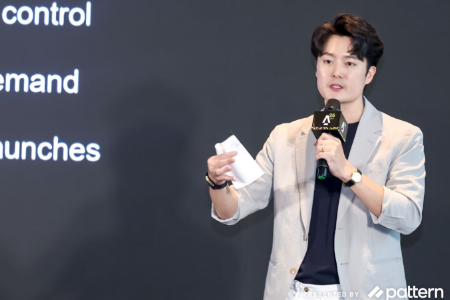
技术进步为什么没有转化为消费者改变选择的理由?在杭州萧山举行的“外贸青蓝计划·品牌跃迁”第二课上,里斯品类创新战略咨询海外事业部总监温玉川围绕这个问题,分享了从跟随爆款走向品类创新的方法。他把目光从热销商品移向消费者的购买决策:他们原先用什么办法解决问题?新产品改变了哪一处体验?当类似产品陆续出现,这种改变又怎样与一个品牌建立稳定联系?

里斯品类创新战略咨询海外事业部总监 温玉川

消费者眼中的“品类”

企业习惯按工艺、功能或供应链为商品分类,电商平台也有自己的类目和搜索关键词。但这些划分,未必与消费者购买时的判断一致。

人们买东西时,通常先想到眼前要解决什么问题,再寻找相应的选择。温玉川所说的“品类”,就在这一层购买决策中形成。它可能比平台类目更细,也可能跨越几种原本分属不同货架的商品。判断的关键是:消费者会不会用这个分类来理解需求、寻找产品。

“消费者从来都是用品类思考,用品牌表达。”

温玉川用这句话说明品类与品牌的关系。需求出现时,人会先想自己要买什么;某个品牌若能在这一刻被想起,说明它已与相应的选择建立了联系。一款SKU卖得好,说明它找到了当下的购买需求;下次需要同类产品时,用户会不会主动想起这个品牌,还取决于另一层积累。

技术团队遇到的难题也在这里。企业可以清楚地列出新工艺和参数提升,消费者却未必知道这些变化会给自己带来什么。温玉川以比亚迪为例:与“DM-i”这样的技术名称相比,“超级混动”更容易把技术与省油、续航等使用体验联系起来。技术没有消失,只是换了一种更贴近购买决策的表达。

他还谈到“希腊酸奶”。酸奶早已存在,但“希腊酸奶”让消费者得以辨认另一种选择:更浓稠的口感、蛋白质含量等特征,成为理解这一品类的线索。企业要做的,是把产品差异放进消费者在意、也能够辨认的体验里。

发现新品类机会的三种洞察

有了品类视角,企业寻找增长的起点也会发生变化。

后台数据能告诉企业哪些商品正在热卖,却很难独自回答:用户此前如何解决同一个问题,又为什么可能改变习惯?温玉川将发现品类机会的线索归纳为三类:市场洞察、技术洞察和心智洞察。

市场洞察,关注新的需求与现有供给之间的落差。他举了移动空调的例子:这类产品在国内并不新鲜,欧洲一些市场出现新的降温需求后,原有产品也可能获得重新进入市场的机会。关键不在于产品诞生于何时,而在于它能否回应特定市场当下的问题。

技术洞察,关注新技术能否改善旧办法留下的具体麻烦。材料升级、功能增加本身只是变化;用户能感受到的便利、效果或体验,才可能成为改变选择的理由。

心智洞察,则要看某种需求和产品是否已经存在,消费者却还没有形成清晰的品牌联想。温玉川以德佑与湿厕纸为例:在他回顾的早期阶段,市场上已有湿厕纸产品,但谈到这个品类,人们未必能立刻想到一个代表品牌。这样的认知空位,为品牌提供了聚焦的方向。

因此,观察同类竞品之外,还要回头看用户正在使用的旧办法。对一个刚出现的品类,旧习惯可能是最需要克服的阻力;当品类逐渐成熟,同类品牌之间的差异又会变得重要。企业需要弄清旧选择在哪些场景下不够方便,新产品的改进是否明显到值得用户重新学习和尝试。热销数据指出了需求在哪里,使用过程则能帮助企业看见机会具体落在何处。

让新选择被理解,更要被记住

发现机会之后,企业往往急于给产品取一个新名字。但名称能否帮助消费者理解产品,比它听上去是否新颖更重要。

温玉川以“魔芋爽”出海为例。国内消费者熟悉这个名称,海外消费者却未必了解魔芋。如果直接沿用中文语境里的叫法,理解会有门槛。他在分享中用“spicy konjac snack”作解释,先交代这是一种辣味零食,再让消费者认识魔芋这一原料。

品类名要帮助人回答“这是什么”,品牌名则要为下一次购买留下记忆线索。走向海外市场时,企业还得检验品牌名在当地是否容易读、容易记,能否自然地被消费者复述。中文名字所承载的寓意,未必会原样抵达另一种语言环境。

表达还需要产品本身来支撑。谈到厚底跑鞋时,温玉川指出,消费者看得见的鞋底形态,可以帮助他们理解缓震这一利益点。可见的产品差异与容易理解的说法放在一起,沟通才更具体。

里斯将这套设计概括为“新品类、新品牌、新定位、新配称”。新品类说明企业提供了什么新选择;新品牌为这一选择建立识别;新定位回答消费者为什么选择它;新配称则要求产品、价格、渠道和传播等经营动作,共同支撑这项承诺。

最难的是最后一步。如果传播承诺了新的体验,研发却沿用旧标准设计产品;如果线上用户能通过搜索词找到它,到了线下货架却看不出用途,那么品类名称再清楚,也难以独自完成购买转化。品类创新要让消费者听懂,也要让他们用过之后觉得说得对。

把一次尝新,变成持续的选择

一个新选择被市场注意到后,其他企业可能很快跟进。单一功能、包装或传播语都有被模仿的可能。温玉川强调,更值得企业投入的,是相互支撑的经营活动:产品持续兑现核心利益,价格与渠道保持匹配,视觉和内容反复强化同一种认知。这样,企业为解释新品类所投入的资源,才更有机会沉淀到自己的品牌上。

有了初步优势,增长也不必只靠不断增加SKU。温玉川提出三个延伸方向:拓展使用场景、进入新渠道、增加消费频次。以电动牙刷为例,主机与替换刷头的购买周期不同;围绕刷头建立持续的产品和服务供给,可能带来主机销售之外的复购。延伸能否成立,仍要看它有没有强化消费者对品牌核心价值的理解。

这也是他提出“大树型”品牌架构的用意。产品线繁杂的企业,可以先找到最能承载长期认知的主品牌,集中资源把主干养扎实。等新的机会出现,再判断它与主品牌的核心特性、价格和渠道是否相容;发生明显冲突时,才考虑以独立品牌承接。注册多个商标并不难,让消费者清楚记住每个品牌分别代表什么,却需要持续投入。

从追逐一款热销产品,到尝试定义一个新品类,企业需要回答的问题更具体了:热销数据之外,用户正在忍受哪种不便?参数提升之外,产品究竟改善了什么体验?一次成交之后,品牌还能否成为下一次购买时的自然选择?

温玉川在这堂课中展开的,是一条从发现机会到建立品牌的路径:从市场、技术和心智的变化中寻找新品类,再用新品牌、新定位和新配称,把消费者能够理解的价值落实到产品与经营活动中。对于拥有制造和供应链优势的跨境企业,里斯的品类创新方法让“品牌跃迁”有了更具体的着力点。当产品差异被消费者看见、体验并记住,企业才有机会从追逐下一款爆品,走向持续创造品牌价值。

杭州市萧山区2026年政府工作报告提到,萧山跨境电商出口规模已居全省第一。为深度赋能辖区外贸企业高质量发展,助力传统外贸从“产品出海”向“品牌出海”转型升级,杭州市萧山区商务局在中国(杭州)跨境电子商务综合试验区支持下,立足本地外贸与制造业基础,依托全球跨境电商知识服务中心等平台载体,面向区内优质亿级外贸企业推出“外贸青蓝计划·品牌跃迁”系列培育活动。

“外贸青蓝计划·品牌跃迁”由全球跨境电商知识服务中心、亿邦动力马蹄社主办,该系列活动回应的是外贸企业从“产品出海”走向“品牌出海”时遇到的现实难题,着力解决部分企业重供应链、轻品牌建设以及价格竞争、市场定价能力不足等问题,帮助企业补齐品牌战略认知短板,用好数字化、AI等工具,夯实出海竞争力,培育更多萧山本土出海品牌。

本文首发于 亿邦动力 官方网站

【版权提示】亿邦动力倡导尊重与保护知识产权。未经许可,任何人不得复制、转载、或以其他方式使用本网站的内容。如发现本站文章存在版权问题,烦请提供版权疑问、身份证明、版权证明、联系方式等发邮件至run@ebrun.com,我们将及时沟通与处理。

已点赞

+1

{{ praise_text }}

好文章,值得被更多人看到

FAQ回顾

什么是品类创新?

品类创新是从消费者购买决策中的品类思考出发,通过市场洞察、技术洞察和心智洞察发现新品类机会,并以新品牌、新定位和新配称将产品差异落实为消费者可感知体验的战略方法。里斯品类创新战略咨询海外事业部总监温玉川认为,消费者用品类思考,用品牌表达,企业应告别简单的跟随爆款,转向持续创造品牌价值。

跨境企业如何从跟随爆款转向品类创新?

跨境企业应将目光从热销商品转向消费者的购买决策,先弄清用户原先用什么办法解决问题、新产品改变了哪一处体验。温玉川提出从市场、技术和心智三种洞察中寻找新品类机会,并用消费者能理解的品类名和可感知的产品差异,配合新品牌、新定位和新配称来落地,最终把一次尝新变成持续选择。

企业如何发现新品类机会?

发现新品类机会可用温玉川归纳的三种洞察:市场洞察关注新需求与现有供给的落差,技术洞察关注新技术能否改善旧办法留下的麻烦,心智洞察关注需求和产品存在却缺乏清晰品牌联想的认知空位。同时要观察用户旧办法的不便之处,判断新产品改进是否明显值得改变习惯。

品类创新与跟随爆款策略的主要区别是什么?

跟随爆款依赖快速组织供应链和投流运营抓住增长窗口,但相似产品一多,消费者容易失去选择理由;品类创新则从消费者购买决策出发,以三种洞察发现独特机会,并通过相互支撑的经营动作建立品牌联想,让消费者在下一次购买时能自然想起,从追逐爆款走向积累品牌价值。

广告

下一篇

跨境电商资源对接

《全球跨境电商服务商资源手册》第二期手册现已发布,触达更多资源,了解跨境服务商信息,欢迎点击链接下载。

了解详情

水星家纺:入驻美团官旗闪电仓后销售额增长530%

即时零售的下一站是从“店仓配时代”大踏步跨入“商品时代”。未来三年,即时零售行业将为全国每个商圈新增百万好商品,这将成为即时零售继续增长的第一动力,也会成为品牌商和零售商的最大增量。

本地生活服务 美团 未来零售

2026-09-24 10:53:19