• 亿邦公众号
    • APP下载

迈入“文化上行期” 中国品牌与内容的全球化新叙事

作者:亿邦动力 文章来源:亿邦动力

2026-11-28 13:40

作者:亿邦动力 文章来源:亿邦动力

2026-11-28 13:40

邦小白快读

EN
全文速览

总1

大会最核心的概念是“文化上行期”,它不是单次文艺热潮,而是国家文化创造力、产业竞争力、社会认同度与国际影响力同步持续提升的阶段,覆盖创作生产、消费传播、价值认同。

1.产业数据:2025年全国文化及相关产业营业收入突破20万亿元,同比增长8.8%,文化新业态营收占比提升至36.8%。

2.趋势判断:流量红利退潮、文化红利涨潮;消费从实用功能转向品位内涵、人文温度与个性表达。

总2

内容与品牌实操上,文化传播要从1.0元素借用走到2.0文化观念,用中国特有文化观念统合技术、效率与运营优势;品牌文化探索不能停留在术和单一项目,要形成创始与高管团队核心共识,沉淀品牌宪法并长期投入。

总3

案例可学:浪浪山小妖怪把经典故事IP沉淀为情感消费符号;诗文里的中国全网播放量突破1.76亿;小城文旅立足当地文脉做差异化标识。出海讲中国故事要叙事颗粒从大到小、视角从客观转主观,把中国人故事转成普适共鸣的人的故事,贴近当地语境减少文化折扣。

总4

规范提示:AIGC内容生产自律公约强调价值导向、版权底线、人机创作边界和技术滥用风险;真实创作者前置,内容品质更扎实。

总1

消费趋势正在从实用功能转向品位内涵、人文温度与个性表达,审美、品质、文化全方位升级;2025文化及相关产业营收破20万亿元,同比增8.8%,文化新业态占比36.8%,说明文化消费底盘扩大。

1.品牌营销要避免只做元素借用和单项目,转向2.0文化观念,用中国特有文化观念统合技术、效率与运营优势。

2.品牌建设要形成创始与高管团队核心共识,沉淀为指导产品与经营的品牌宪法,以长期投入支撑文化竞争力;坚持内容为王、品质至上,把品牌优势转化为市场优势和长期竞争力。

总2

IP与内容营销案例:浪浪山小妖怪把经典故事IP持续生长为大众共情的情感消费符号;诗文里的中国播放量1.76亿,印证文化红利涨潮;小城文旅以当地文脉打造差异化文化标识。

总3

出海与AI:出海叙事要颗粒从大到小、视角从客观转主观,把中国人故事转成普适共鸣的人的故事,贴近当地语境减少文化折扣;AIGC降低门槛但带来产能过剩与竞争加剧,优质内容、跨文化表达和原创保护回报机制是关键。

总1

政策方向清晰:十五五规划提出强化科技创新赋能、激发经营主体活力、增强文化贸易综合实力;商会发挥桥梁纽带和行业领航员作用,企业应把发展融入国家文化发展大局,依法诚信经营。

1.增长市场:2025文化及相关产业营收突破20万亿元,同比增8.8%,文化新业态营收占比36.8%;流量红利退潮、文化红利涨潮。

2.消费需求:从实用功能转向品位内涵、人文温度与个性表达,非遗资源活化、小城文化IP、国漫IP商业化都有机会。

总2

可学习模式:浪浪山小妖怪以经典故事IP沉淀情感消费符号;诗文里的中国以长视频文化内容获1.76亿播放;文化出海要用社会共创和具体可感故事,纪录片零碳之路、苔花公约公益课题是可参考案例。

总3

风险与合作:AIGC降低生产门槛同时带来产能过剩和竞争加剧,要守住版权底线、厘清人机边界、防范技术滥用;AIGC内容生产行业自律公约、中国文化行业信用评价和团体标准筹备提供规范信号。合作上可关注产学研企社会共创、商会优会益企项目共建。

总1

产品设计需求在变:大众对美好生活的向往推动审美、品质、文化升级,消费从满足实用功能转向追求品位内涵、人文温度与个性表达;地方文旅和民营企业可活化非遗资源,释放文化消费潜力。

1.产品与IP开发:经典故事IP可像浪浪山小妖怪一样持续生长,沉淀为大众共情的情感消费符号;小城可立足当地文脉打造差异化文化标识。

2.商业机会:2025文化及相关产业营收破20万亿元,同比增8.8%,文化新业态营收占比36.8%;文化出海需要具体可感故事和社会共创。

总2

数字化与生产启示:AIGC降低生产门槛,但也带来产能过剩与竞争加剧,优质内容创作能力、跨文化表达能力、原创与知识产权保护回报机制才是关键;AIGC内容生产行业自律公约要求坚守价值导向、版权底线、厘清人机边界、防范技术滥用;信用评价和团体标准建设提示生产要更规范。

总1

行业趋势:文化上行期到来,2025文化及相关产业营收突破20万亿元,同比增8.8%,文化新业态营收占比36.8%;流量红利退潮、文化红利涨潮,文化出海从单一传播转向多元主体社会共创。

1.客户痛点:品牌文化探索容易停留在术和单一项目,缺少创始与高管团队核心共识和品牌宪法;出海存在文化折扣,叙事视角和颗粒度需要调整;AI降低门槛后产能过剩、竞争加剧。

2.解决方案:用2.0文化观念统合技术、效率与运营优势;把叙事颗粒从大到小、视角从客观转主观,把中国人故事转成普适共鸣的人的故事;用具体可感故事呈现可信、可爱、可敬的中国形象,参考零碳之路、苔花公约等案例。

总2

新技术与规范:AIGC是机会也是风险,创作者审美、文本与专业分工不可替代,真实创作者前置内容品质更扎实;AIGC内容生产行业自律公约、中国文化行业信用评价、团体标准筹备和优会益企项目共建,为服务商提供合规与标准化服务空间。

总1

平台需要回应文化内容生态的增量与治理:2025文化及相关产业营收破20万亿元,同比增8.8%,文化新业态营收占比36.8%;流量红利退潮、文化红利涨潮,国漫IP、长视频文化内容、小城文化IP和文化出海项目都是可运营的内容供给。

1.招商与合作:浪浪山小妖怪的IP商业化、诗文里的中国长视频内容、小城文旅差异化叙事、全球语境下中国故事社会共创,均可成为平台内容合作方向。

2.运营管理:坚持内容为王、品质至上,推动品牌培育;文化出海要用具体可感故事立体呈现可信、可爱、可敬的中国形象,减少文化折扣。

总2

风向规避:AIGC降低生产门槛同时带来产能过剩和竞争加剧,平台需关注版权保护、人机创作边界、技术滥用风险;大会发布AIGC内容生产行业自律公约,启动中国文化行业信用评价和商会团体标准筹备,并推动优会益企项目共建,提示平台要同步做合规、信用和标准化建设。

总1

产业新动向:大会提出文化上行期理论,指国家文化创造力、产业竞争力、社会认同度与国际影响力同步持续提升,覆盖创作生产、消费传播、价值认同,兼具产业、社会与文明属性;2025文化及相关产业营收突破20万亿元,同比增8.8%,文化新业态营收占比36.8%。

1.内容与出海:文化故事传播要从1.0元素借用走向2.0文化观念;出海叙事颗粒从大到小、视角从客观转主观,把中国人故事转成普适共鸣的人的故事,减少文化折扣;社会共创和多主体参与成为共识。

2.新问题:品牌文化探索停留在术和单一项目;AI降低门槛带来产能过剩、竞争加剧,版权、人机边界和技术滥用需治理。

总2

政策法规与商业模式:十五五规划强调科技创新赋能、激发经营主体活力、增强文化贸易综合实力;AIGC内容生产行业自律公约、中国文化行业信用评价、团体标准筹备提供治理样本;国漫IP商业化、长视频文化内容、小城IP、非遗活化、品牌宪法长期投入等构成可研究商业模式。

声明:快读内容全程由AI生成,请注意甄别信息。如您发现问题,请发送邮件至 run@ebrun.com 。

我是 品牌商 卖家 工厂 服务商 平台商 研究者 帮我再读一遍。

Quick Summary

Summary 1

The core concept of the conference is the 'cultural upcycle'—not a one-off boom in arts and culture, but a phase in which national cultural creativity, industrial competitiveness, social recognition and international influence rise in tandem, spanning creation and production, consumption and dissemination, and value recognition.

1. Industry data: In 2025, revenue of culture and related industries nationwide exceeded RMB 20 trillion, up 8.8% year on year; new cultural business formats rose to 36.8% of revenue.

2. Trend assessment: The traffic dividend is receding while the cultural dividend is rising; consumption is shifting from practical functions to taste, substance, human warmth and personal expression.

Summary 2

In content and brand practice, cultural communication must move from 1.0, borrowing elements, to 2.0, cultural concepts—using China's distinctive cultural concepts to integrate technological, efficiency and operational advantages. Brand cultural exploration cannot remain at the level of tactics or isolated projects; it must build core consensus across founding and senior teams, codify a brand constitution and commit for the long term.

Summary 3

Cases worth studying: Little Monsters of Langlang Mountain turned a classic story IP into an emotional consumption symbol; China in Poetry and Prose surpassed 176 million views across platforms; small-city cultural tourism builds differentiated identities rooted in local cultural traditions. When telling China's story overseas, narrative granularity should move from broad to fine and perspective from objective to subjective—translating Chinese stories into universally resonant human stories and adapting to local contexts to reduce cultural discount.

Summary 4

Compliance note: the AIGC Content Production Self-Discipline Convention emphasizes value orientation, copyright red lines, human–machine creative boundaries and the risks of technology misuse; putting real creators first makes content quality more robust.

Summary 1

Consumer trends are shifting from practical function to taste, substance, human warmth and personal expression, with aesthetics, quality and culture upgrading across the board. In 2025, revenue of culture and related industries exceeded RMB 20 trillion, up 8.8% year on year, while new cultural business formats accounted for 36.8%, indicating an expanding foundation for cultural consumption.

1. Brand marketing should avoid mere element borrowing and one-off projects; it should move to 2.0 cultural concepts and use China's distinctive cultural concepts to integrate technological, efficiency and operational advantages.

2. Brand building should build core consensus across founding and senior teams, codify a brand constitution that guides products and operations, and support cultural competitiveness through long-term investment. Brands should uphold content excellence and quality first, converting brand strengths into market strengths and long-term competitiveness.

Summary 2

IP and content marketing cases: Little Monsters of Langlang Mountain continued to grow a classic story IP into an emotional consumption symbol with broad empathy; China in Poetry and Prose drew 176 million views, confirming the rising cultural dividend; small-city cultural tourism uses local cultural traditions to build differentiated cultural identities.

Summary 3

Going global and AI: Overseas narratives should move from broad to fine granularity and from objective to subjective perspective—translating Chinese stories into universally resonant human stories and adapting to local contexts to reduce cultural discount. AIGC lowers barriers but brings overcapacity and intensifying competition; high-quality content, cross-cultural expression and mechanisms that reward originality protection are key.

Summary 1

Policy direction is clear: the 15th Five-Year Plan calls for strengthening technology-enabled innovation, energizing business entities and enhancing the overall strength of cultural trade. Chambers of commerce serve as bridges and industry guides; companies should integrate their development into the national cultural development agenda and operate in compliance with the law and in good faith.

1. Growth market: In 2025, revenue of culture and related industries exceeded RMB 20 trillion, up 8.8% year on year, with new cultural business formats accounting for 36.8% of revenue; the traffic dividend is receding while the cultural dividend is rising.

2. Consumer demand: Demand is shifting from practical functions to taste, substance, human warmth and personal expression. Opportunities exist in revitalizing intangible cultural heritage resources, small-city cultural IP and the commercialization of Chinese animation IP.

Summary 2

Learnable models: Little Monsters of Langlang Mountain used a classic story IP to build an emotional consumption symbol; China in Poetry and Prose drew 176 million views through long-form cultural video content; cultural going global requires social co-creation and concrete, perceptible stories. Documentaries such as The Road to Zero Carbon and public-interest projects such as the Moss Flower Convention are useful reference cases.

Summary 3

Risks and cooperation: AIGC lowers production barriers while bringing overcapacity and intensifying competition. Stakeholders must uphold copyright red lines, clarify human–machine boundaries and guard against technology misuse. The AIGC Content Production Industry Self-Discipline Convention, China cultural industry credit evaluation and preparatory group standards provide regulatory signals. For cooperation, attention can be paid to co-creation among industry, academia, research institutions, enterprises and society, as well as the chamber of commerce's Youhui Yiqi enterprise-benefit program co-building.

Summary 1

Product design demand is changing: the public's aspiration for a better life is driving upgrades in aesthetics, quality and culture, with consumption shifting from meeting practical functions to pursuing taste, substance, human warmth and personal expression. Local cultural tourism and private enterprises can revitalize intangible cultural heritage resources and unlock cultural consumption potential.

1. Product and IP development: Classic story IPs can continue to grow, as Little Monsters of Langlang Mountain did, into emotional consumption symbols with broad empathy; small cities can build differentiated cultural identities rooted in local cultural traditions.

2. Business opportunities: In 2025, revenue of culture and related industries exceeded RMB 20 trillion, up 8.8% year on year, with new cultural business formats accounting for 36.8%; cultural going global requires concrete, perceptible stories and social co-creation.

Summary 2

Digitalization and production implications: AIGC lowers production barriers but also brings overcapacity and intensifying competition; high-quality content creation capability, cross-cultural expression, and mechanisms for protecting and rewarding originality and intellectual property are key. The AIGC Content Production Industry Self-Discipline Convention requires upholding value orientation and copyright red lines, clarifying human–machine boundaries and guarding against technology misuse. Credit evaluation and group standards signal that production must become more standardized.

Summary 1

Industry trends: A cultural upcycle is arriving. In 2025, revenue of culture and related industries exceeded RMB 20 trillion, up 8.8% year on year, with new cultural business formats accounting for 36.8%. The traffic dividend is receding while the cultural dividend is rising, and cultural going global is shifting from one-way communication to social co-creation by multiple actors.

1. Client pain points: Brand cultural exploration often remains at the level of tactics and isolated projects, lacking core consensus among founding and senior teams and a brand constitution; overseas communication faces cultural discount, requiring adjustments in narrative perspective and granularity; AI lowers barriers but brings overcapacity and intensifying competition.

2. Solutions: Use 2.0 cultural concepts to integrate technological, efficiency and operational advantages; move narrative granularity from broad to fine and perspective from objective to subjective—translating Chinese stories into universally resonant human stories; present a credible, lovable and respectable China through concrete, perceptible stories, with cases such as The Road to Zero Carbon and the Moss Flower Convention as references.

Summary 2

New technology and standards: AIGC is both an opportunity and a risk. Creators' aesthetics, texts and professional division of labor remain irreplaceable; putting real creators first makes content quality more robust. The AIGC Content Production Industry Self-Discipline Convention, China cultural industry credit evaluation, preparatory group standards and co-building of the Youhui Yiqi program offer service providers room for compliance and standardized services.

Summary 1

Platforms need to respond to both growth and governance in the cultural content ecosystem: In 2025, revenue of culture and related industries exceeded RMB 20 trillion, up 8.8% year on year, with new cultural business formats accounting for 36.8%. The traffic dividend is receding while the cultural dividend is rising; Chinese animation IP, long-form cultural video content, small-city cultural IP and cultural going-global projects are all operable content supply.

1. Merchant recruitment and cooperation: Commercialization of the Little Monsters of Langlang Mountain IP, long-form content from China in Poetry and Prose, differentiated storytelling by small-city cultural tourism, and social co-creation of Chinese stories in a global context can all become directions for platform content cooperation.

2. Operations management: Uphold content excellence and quality first, and promote brand cultivation; cultural going global should use concrete, perceptible stories to present a credible, lovable and respectable China in three dimensions and reduce cultural discount.

Summary 2

Risk avoidance: AIGC lowers production barriers while bringing overcapacity and intensifying competition. Platforms need to pay attention to copyright protection, human–machine creative boundaries and the risks of technology misuse. The conference released the AIGC Content Production Industry Self-Discipline Convention, launched China cultural industry credit evaluation and preparatory chamber-of-commerce group standards, and promoted co-building of the Youhui Yiqi program—signaling that platforms should simultaneously advance compliance, credit and standardization.

Summary 1

New industry developments: The conference proposed the theory of a cultural upcycle—a phase in which national cultural creativity, industrial competitiveness, social recognition and international influence rise in tandem, spanning creation and production, consumption and dissemination, and value recognition, and carrying industrial, social and civilizational dimensions. In 2025, revenue of culture and related industries exceeded RMB 20 trillion, up 8.8% year on year, with new cultural business formats accounting for 36.8%.

1. Content and going global: Cultural storytelling must move from 1.0 element borrowing to 2.0 cultural concepts; overseas narratives should move from broad to fine granularity and from objective to subjective perspective—translating Chinese stories into universally resonant human stories to reduce cultural discount; social co-creation and multi-stakeholder participation have become consensus.

2. New issues: Brand cultural exploration remains at the level of tactics and isolated projects; AI lowers barriers, bringing overcapacity and intensifying competition, while copyright, human–machine boundaries and technology misuse require governance.

Summary 2

Policies, regulations and business models: The 15th Five-Year Plan emphasizes technology-enabled innovation, energizing business entities and enhancing the overall strength of cultural trade; the AIGC Content Production Industry Self-Discipline Convention, China cultural industry credit evaluation and preparatory group standards provide governance samples; commercialization of Chinese animation IP, long-form cultural video content, small-city IP, intangible cultural heritage revitalization and long-term investment in a brand constitution constitute researchable business models.

Disclaimer: The "Quick Summary" content is entirely generated by AI. Please exercise discretion when interpreting the information. For issues or corrections, please email run@ebrun.com .

I am a Brand Seller Factory Service Provider Marketplace Seller Researcher Read it again.

“中华文化故事的传播,确实应该从1.0走到2.0。1.0的时候,更多还是文化元素的借用,2.0要转变到文化观念,而且是中国特有的一些文化观念。”11月27日,以“迈入文化上行期”为主题的2026中国文化产业发展大会在北京举行。在会后的媒体群访中,中国民营文化产业商会常务副会长、Mountains群玉山创始人马晓波结合品牌塑造与国际传播指出,中国企业在出海时技术、效率与运营能力已具备全球优势,关键在于如何用文化统合这些实力,中国品牌讲好出海新故事,需要借用中国特有的文化观念,传递平等、和谐的人文视角。

本次大会由全国工商联指导、中国民营文化产业商会主办,中国传媒大学联合主办,Mountains群玉山承办,汇聚了来自政府部门、行业协会、高校智库及文化领军企业的数百位代表,围绕“迈入文化上行期”的时代命题,共议中国文化竞争力构建与高质量发展新范式。全国工商联党组成员、副主席汪鸿雁,中国民营文化产业商会会长吴建荣出席并致辞,为文化产业在新周期下的高质量发展指明方向。

汪鸿雁指出,文化产业是繁荣发展社会主义文化、满足人民精神文化需求的重要载体。希望广大企业家把握时代大势,坚定发展信心,把企业发展融入国家文化发展大局,把时代机遇转化为企业发展的实际成效;认真学习贯彻党的二十届五中全会精神,依法诚信经营,践行亲清政商关系,以正确价值观引领行业风气;深耕内容原创,树立“内容为王、品质至上”理念,注重品牌培育,把品牌优势转化为市场优势和长期竞争力;推进文化出海,讲好中国故事,担当文化传播使命,推动文明交流互鉴,让世界更好了解中华文化、读懂当代中国。希望中国民营文化产业商会持续强化党建引领,提升履职能力建设,充分发挥桥梁纽带与行业“领航员”作用。

吴建荣在致辞中表示,《文化产业发展“十五五”规划》提出强化科技创新赋能、激发经营主体活力、增强文化贸易综合实力等重点任务,为民营文化企业擘画了清晰的行动蓝图,也赋予民营文化产业新的时代使命。他呼吁广大民营文化从业者坚定发展信心、保持战略定力、坚守内容初心、敢于创新突破;并表态商会将持续发挥桥梁纽带作用,凝聚行业力量,共同做大做强新时代文化产业。
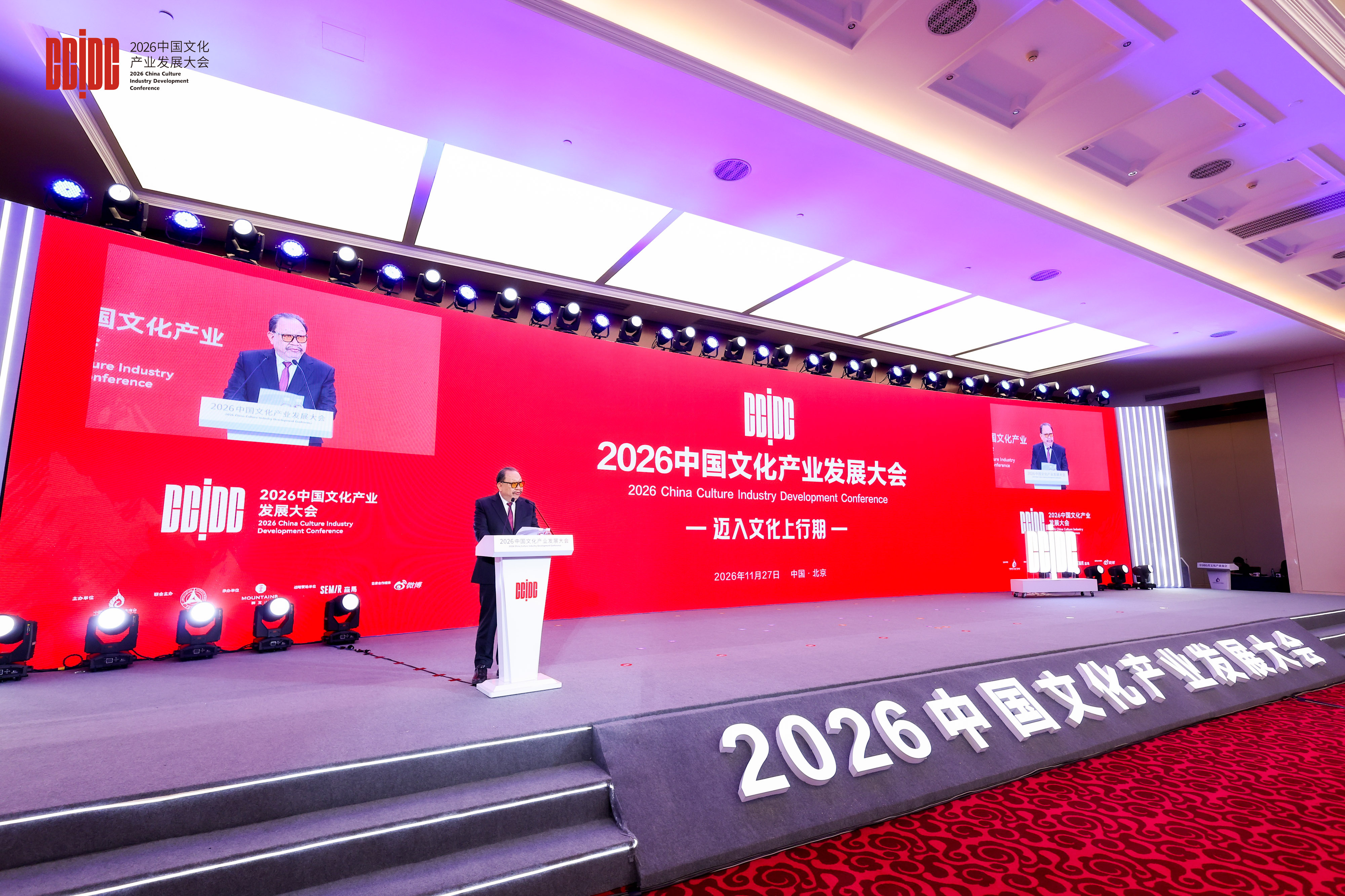
中国民营文化产业商会会长吴建荣致辞

首发「文化上行期」理论,解码高质量发展新引擎

人民对美好生活的向往与精神文化需求的蓬勃发展,正构筑起中国文化产业崛起的坚实底盘。中国非物质文化遗产保护协会会长王晓峰在演讲中表示,大众对美好生活的向往,本质是审美、品质、文化的全方位升级,消费需求从满足实用功能,转向追求品位内涵、人文温度与个性表达。民营企业与地方文旅应当抢抓机遇活化非遗资源,持续释放文化消费潜力,融入文化崛起大潮。

大众消费升级和文化热潮形成共振,在产业演进维度上正体现为“文化上行期”的全面到来。马晓波在主题演讲中系统阐释了“文化上行期”概念的定义与时代价值。他指出,所谓“文化上行期”,是指一个国家文化创造力、产业竞争力、社会认同度与国际影响力同步持续提升的发展阶段。它不同于单次的文艺热潮或局部的产业爆发,是一种覆盖创作生产、消费传播、价值认同的整体性上升,兼具产业属性、社会属性与文明属性。在随后的交流中,他也提到品牌在文化探索上要避免只停留在“术”和单一项目的层面,而是形成创始与高管团队的核心共识,沉淀为指导产品与经营的品牌“宪法”,以长期投入支撑起真正的文化竞争力。
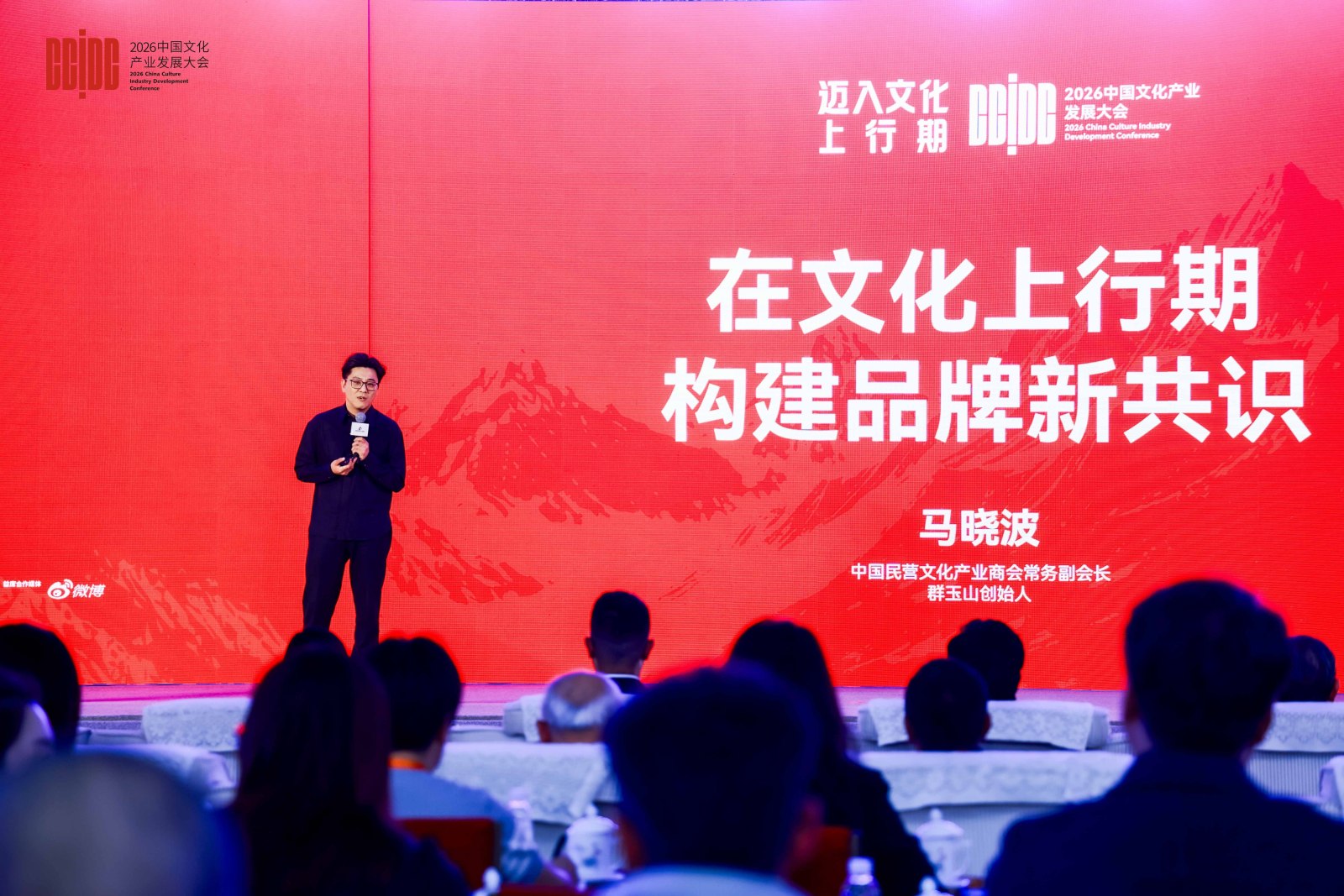
中国民营文化产业商会常务副会长、Mountains群玉山创始人马晓波做主题演讲

产业增长持续跑赢宏观经济大盘,印证了文化上行周期的强劲势能。据国家统计局最新发布数据,2025年全国文化及相关产业营业收入已突破20万亿元,同比增长8.8%,文化新业态营收占比提升至36.8%。

从文旅破圈到文化出海,文化上行期产业活力奔涌

文化上行周期的到来,更呼唤市场主体以全新的创作逻辑与商业模式主动破局。大会现场,来自地方文旅、头部文化IP、新媒体创作等领域的代表,分享了文化与商业深度融合的鲜活样本。在国漫IP商业化赛道,上海电影股份有限公司副总经理、上影元董事长李早以《浪浪山小妖怪》的出圈实践为例,解读经典故事IP如何持续生长,沉淀为大众共情的情感消费符号;文化旅行创作者房琪分享转型深耕长视频的心路历程,其打造的《诗文里的中国》等系列全网播放量突破1.76亿,印证行业“流量红利退潮、文化红利涨潮”的清晰趋势;纪录片制作人陈晓卿以《一饭一食,皆有辉光》为题,挖掘中华饮食文化跨越山海、代代传承的活态生命力,提出对日常烟火的珍视与创造,正是中华文明最温暖动人的底色。
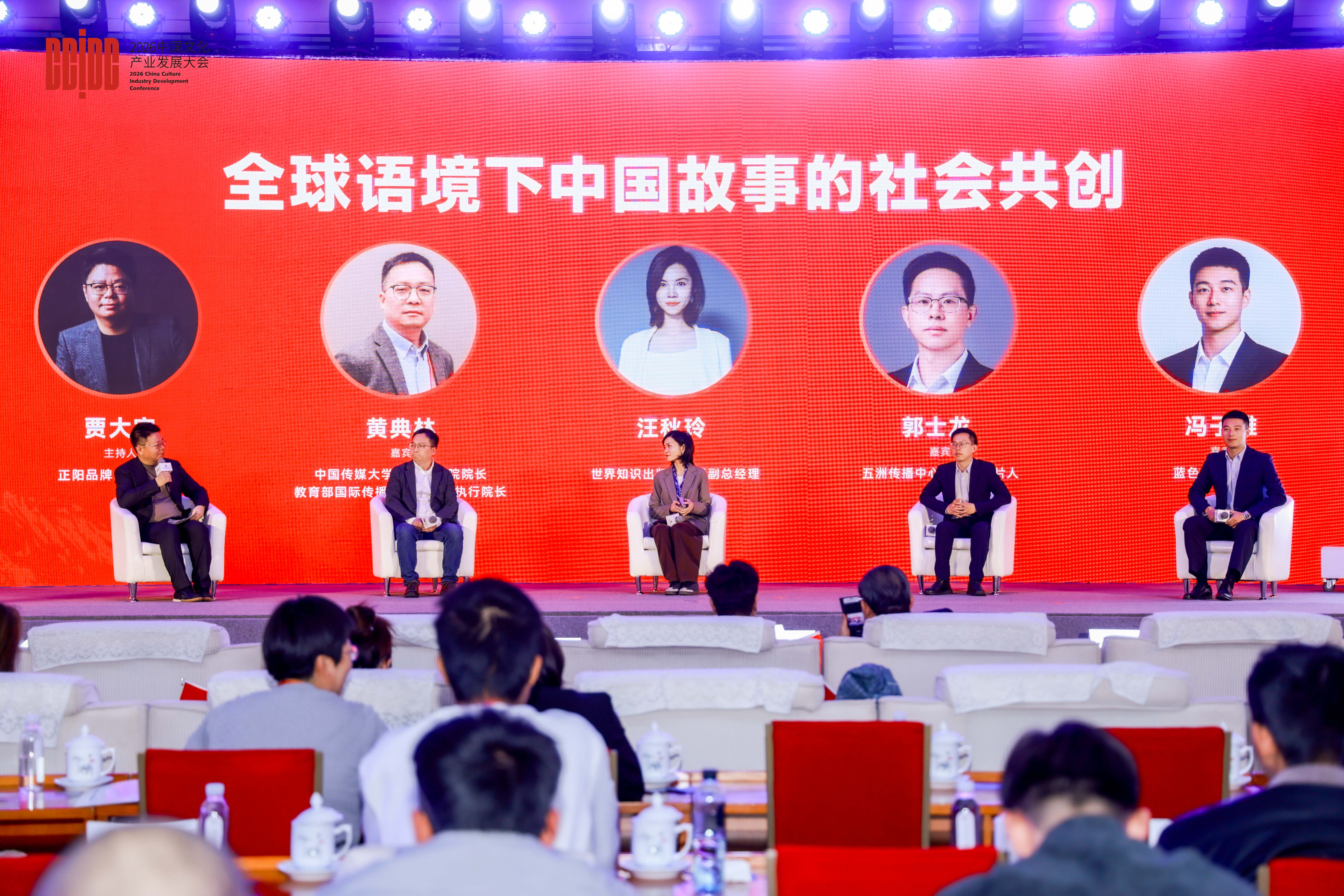
 “全球语境下中国故事的社会共创” 圆桌论坛

小城文化IP崛起,成为本轮文化上行周期一道亮眼风景。在 “小城大事” 圆桌对话环节,四川广汉、新疆昭苏、重庆、山西浑源等地文旅代表同台交流,探讨中小城市如何立足当地文脉,打造差异化文化标识,用多元鲜活的地域叙事,丰富全球对当代中国的认知图景。

伴随中国经济与文化双向崛起,如何在全球语境下可信、立体地讲好中国故事,成为产业主体必须回应的时代课题。在 “全球语境下中国故事的社会共创” 圆桌中,产学研企界代表达成共识:文化出海需带动多元主体以社会共创方式参与,用具体可感的故事立体呈现可信、可爱、可敬的中国形象。文化传播机构与企业代表分享了探讨全球气候变化议题的纪录片《零碳之路》,倡导「无障碍」社会观念、关注残疾人群的《苔花公约》公益课题传播等实践案例,探索将中国表达与国际理解有效融合的可行之道。在对外传播视角上,马晓波也提出,讲好中国故事需要推动叙事颗粒从大到小、视角从客观转向主观,把中国人的故事转化为更具普适共鸣的“人的故事”,通过贴近当地语境的表达减少文化折扣。

行业自律与标准建设同步落地,共筑产业长远发展底座

产业实践的蓬勃生长离不开规则体系的托举护航,新业态与新技术的加速演进也对行业治理提出了更高要求。为护航文化产业在数字时代的健康有序发展,大会现场正式发布《AIGC内容生产行业自律公约》,引导市场主体在拥抱技术创新的同时,坚守价值导向,严守版权保护底线,厘清人机创作边界,防范技术滥用风险。针对AI创作与内容生态,马晓波认为,守住底线与提升天花板同样重要,创作者的审美、文本与专业分工依然不可替代,真实创作者越前置,内容品质越扎实;吴建荣也在交流中指出,AI大幅降低生产门槛的同时带来产能过剩与竞争加剧,优质内容创作能力、跨文化表达能力以及对原创与知识产权的合理保护与回报机制,才是长远发展的关键。
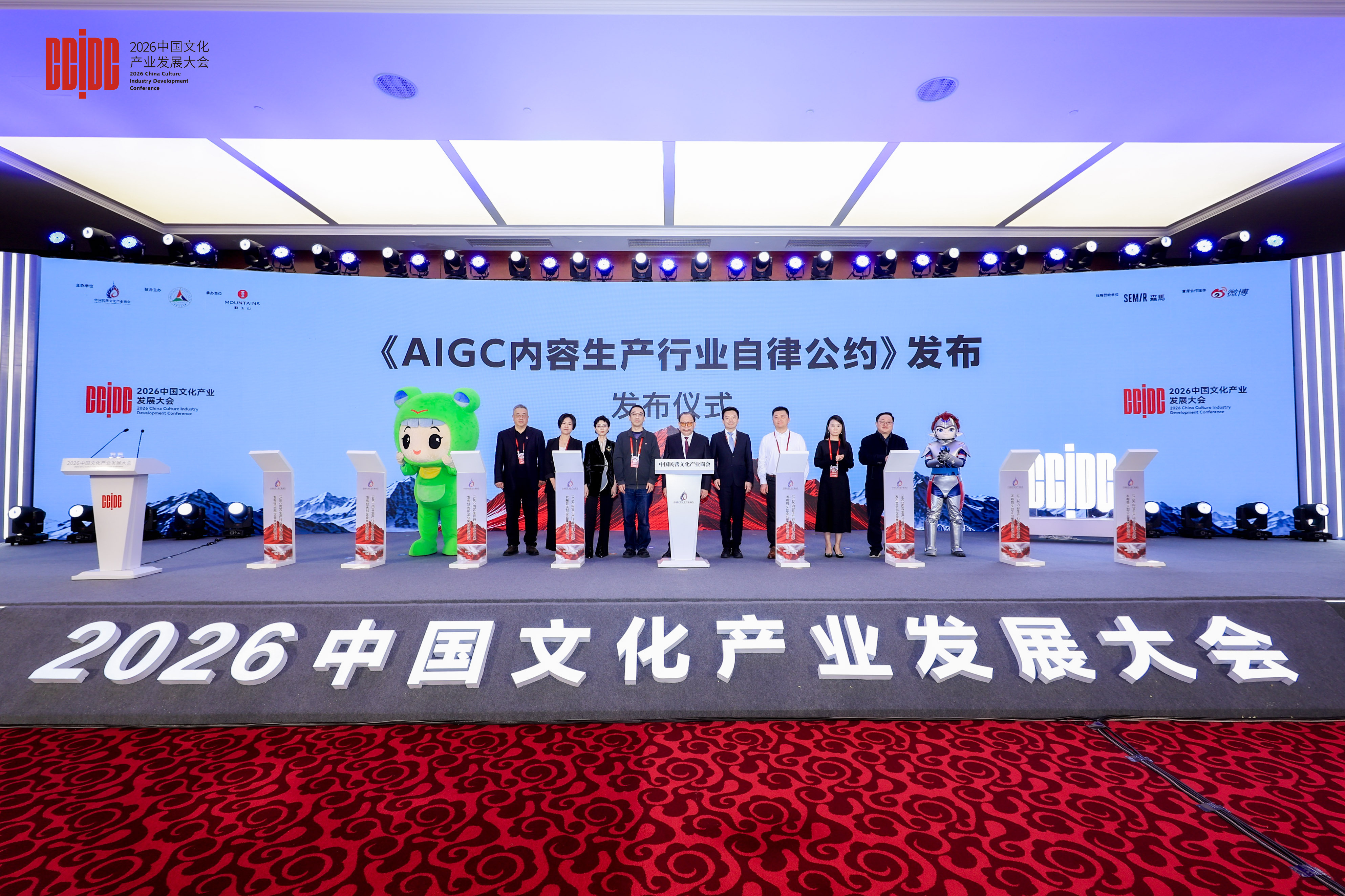
《AIGC内容生产行业自律公约》发布

与此同时,“中国文化行业信用评价” 以及中国民营文化产业商会团体标准筹备工作也同步启动,并推动全国工商联商会发展服务中心 “优会益企” 项目共建落地。系列系统性建设工作稳步开展,以标准化建设、信用体系建设双轮驱动,夯实文化产业高质量发展的制度根基,让创新活力在规范有序的轨道上充分释放。

风起文化上行时,文脉浩荡向新行。2026中国文化产业发展大会的举办,不仅为文化上行期的理论构建提供了系统坐标,也为产学研各界凝聚共识、协同创新创造了沟通平台,助力中国文化产业在“十五五”新征程上书写更具时代分量的发展篇章。

本文首发于 亿邦动力 官方网站

【版权提示】亿邦动力倡导尊重与保护知识产权。未经许可,任何人不得复制、转载、或以其他方式使用本网站的内容。如发现本站文章存在版权问题,烦请提供版权疑问、身份证明、版权证明、联系方式等发邮件至run@ebrun.com,我们将及时沟通与处理。

已点赞

+1

{{ praise_text }}

好文章,值得被更多人看到

FAQ回顾

文化上行期是什么意思?

文化上行期是指一个国家文化创造力、产业竞争力、社会认同度与国际影响力同步持续提升的发展阶段。它不同于单次文艺热潮或局部产业爆发,而是覆盖创作生产、消费传播、价值认同的整体性上升,兼具产业属性、社会属性与文明属性。

2025年中国文化及相关产业营收规模有多大?

国家统计局最新发布数据显示,2025年全国文化及相关产业营业收入已突破20万亿元,同比增长8.8%,文化新业态营收占比提升至36.8%。这组数据表明文化产业增长持续跑赢宏观经济大盘,也印证了文化上行周期的产业势能。

中国品牌出海应如何讲好中国故事?

中国企业在出海时技术、效率和运营能力已具备全球优势,关键在于用文化统合这些实力。可借用中国特有的文化观念,传递平等、和谐的人文视角;推动叙事颗粒从大到小、视角从客观转向主观,把中国人的故事转化为更具普适共鸣的“人的故事”,通过贴近当地语境减少文化折扣。

AIGC内容生产行业自律公约提出了哪些要求?

《AIGC内容生产行业自律公约》在2026中国文化产业发展大会上发布,旨在引导市场主体拥抱技术创新时坚守价值导向,严守版权保护底线,厘清人机创作边界,防范技术滥用风险。行业观点还强调,AI降低生产门槛会带来产能过剩,优质内容能力、跨文化表达和原创保护机制才是长远关键。

中小城市如何打造差异化文化IP?

在“小城大事”圆桌对话中,四川广汉、新疆昭苏、重庆、山西浑源等地文旅代表共同探讨,中小城市可立足当地文脉,打造差异化文化标识,用多元鲜活的地域叙事丰富全球对当代中国的认知图景。小城文化IP崛起被视为本轮文化上行周期的亮眼风景,也是地方文旅释放文化消费潜力的方向。

广告

下一篇

跨境电商资源对接

《全球跨境电商服务商资源手册》第二期手册现已发布,触达更多资源,了解跨境服务商信息,欢迎点击链接下载。

了解详情

出海品牌更新黑五“账本”:投入更重的大促季 靠什么拿到回报?

今年黑五,商家投入更多、备战更早,也开始重新审视品牌价值、用户沉淀与AI带来的新机会。当增长从“轻”转向“重”,出海企业究竟该如何构建长期竞争力?一些实战思路或许值得借鉴。