• 亿邦公众号
    • APP下载

商业化版图扩张迅猛 自变量“能力出海”光速落地马来西亚国家邮政

作者:李佳晅 文章来源:亿邦动力

2026-11-25 19:39

作者:李佳晅 文章来源:亿邦动力

2026-11-25 19:39

邦小白快读

EN
全文速览

总1 核心事件与落地成绩

1. 自变量机器人与马来西亚邮政在吉隆坡签署合作备忘录,推进具身智能在邮政物流分拣应用,这是其APEC期间与APEC经济体达成的首项重量级合作。

2. 自变量今年启动物流场景商业化部署,短时间完成国内场景验证、规模化复制到海外试点落地和标杆项目签约,落地规模居全球具身智能第一梯队;合作前已与国内95%物流企业达成PoC协议,是顺丰头部合作供应商,供货量约为第二名三倍。

3. 签署前已在马来西亚邮政主要分拣中心小规模部署并初步验证,达到生产作业要求。

总2 技术与实操要点

1. 自研通用具身模型WALL-B基于世界统一模型架构WUM,从VLA架构向原生多模态融合架构跨越,具备原生本体感,能理解重力、摩擦力、惯性,判断抓取可行性并在失败后调整策略。

2. 采用简洁硬件构型适应分拣工位和包裹差异,降低控制与部署难度;公开直播一小时分拣准确率98%,折算1816件/小时,WRC现场刷新至1911件/小时,高于Figure AI公布的1248件/小时。

3. 落地需过可靠性、稳定性、成本三道关;海外不重建物流系统,与WMS、WCS连接补柔性物理执行节点,并结合本地业务适配。

总1 品牌标杆与渠道合作

1. 与马来西亚邮政签署合作备忘录,是其APEC期间与APEC经济体首项重量级合作,也是拓展国际商业化的重要一步;此前已与国内95%物流企业达成PoC协议,并成为顺丰头部合作供应商,供货量约为第二名三倍,形成国内外标杆案例。

2. 商业化节奏快:今年启动物流场景商业化部署,短时间完成国内验证、规模化复制、海外试点落地和标杆签约,落地规模居全球具身智能第一梯队。

总2 产品研发与需求趋势

1. 自研WALL-B基于WUM,从VLA向原生多模态融合架构跨越,具备原生本体感并理解物理规律,可适应多样包裹和工位,降低重复开发。

2. 简洁硬件构型适应包裹差异和复杂工位,双夹爪可抓取、翻面调向;电商包裹增长和峰值波动使传统自动化柔性不足,柔性分拣需求上升。

3. 商业模式从输出硬件转向解决方案和能力出海,与本地团队做流程适配,可复用模型、工程方案与本地化方法论结合,帮客户算清效率与成本账,利于规模化定价与竞争。

总1 增长市场与合作机会

1. 东南亚电商包裹快速增长,马来西亚邮政正推进邮件与包裹网络整合、云端数字化及AI试点,具身智能分拣在邮政物流领域出现落地机会。

2. 自变量已与国内95%物流企业达成PoC协议,是顺丰头部合作供应商,供货量约为第二名三倍;与马来西亚邮政签署合作备忘录前已小规模部署验证,达到生产作业要求,合作方式为共同推进应用和本地业务适配。

总2 可学习点与风险提示

1. 公开直播一小时分拣准确率98%,折算1816件/小时,WRC现场刷新至1911件/小时,高于Figure AI的1248件/小时;进入物流现场需解决可靠性、稳定性、成本三道关,模型、本体和工程方案需协同并应可复用。

2. 海外不能简单复制国内方案,也不能只做一次性硬件输出;各国包裹特征、工位条件、业务流程、系统接口、安全要求和服务能力不同,需结合当地运营环境适配,控制部署难度和长期可靠性。

3. 不替代原有WMS、WCS体系,而是在系统与物理操作间补柔性执行节点。

总1 产品设计与生产需求

1. 分拣现场包裹规格差异大、形态多样,峰值波动明显,工位布局复杂,传统自动化适配固定流程柔性不足,人工难兼顾效率、稳定性和持续作业;机器人需补齐柔性执行环节。

2. 方案采用简洁硬件构型适应分拣工位和包裹差异,双夹爪完成抓取、翻面调整朝向;WALL-B具备原生本体感,不依赖视觉持续观察手臂,能理解重力、摩擦力、惯性,判断包裹运动、堆叠稳定和抓取可行性,失败后可调整策略。

总2 商业机会与数字化启示

1. 自变量已与国内95%物流企业达成PoC协议,成为顺丰头部合作供应商,供货量约为第二名三倍,并与马来西亚邮政签约且小规模验证达到生产要求,物流分拣具身智能方案有商业化机会。

2. 推进电商和数字化不必重建物流系统,可与WMS、WCS衔接,让上层系统管任务流程,机器人结合现场感知完成具体执行,形成感知、决策、执行闭环;模型、硬件和工程方案复用可降低部署维护成本,形成规模化经济性。

总1 行业趋势与新技术

1. 具身智能正从技术探索走向真实产业现场,物流分拣成为中国具身智能大模型走向海外生产线的起点;自变量今年启动物流商业化,短时间完成国内验证、规模化复制、海外试点和标杆签约,落地规模居全球第一梯队。

2. 自研WALL-B基于WUM,从VLA向原生多模态融合架构跨越,具备原生本体感,理解重力、摩擦力、惯性,能判断抓取可行性并在失败后调整;公开直播准确率98%、1816件/小时,WRC刷新至1911件/小时,高于Figure AI的1248件/小时。

总2 客户痛点与解决方案

1. 客户痛点是包裹量增长和峰值波动、规格形态差异大、工位布局复杂,传统自动化柔性不足,人工难同时满足效率、稳定性和持续作业;海外还有各国包裹特征、工位条件、流程、接口、安全要求和服务能力差异。

2. 解决方案是模型、本体与工程方案结合,简洁硬件构型降低控制和部署难度,以可复用方案适应不同工位;不替代WMS、WCS,而是在系统与物理操作间建立灵活连接,补柔性物理执行节点,并结合本地业务知识做适配。

总1 平台需求与最新做法

1. 马来西亚邮政是国家级邮政及包裹服务商,拥有200多年历史,网络覆盖3000多个站点、1100多万个物流地址,分拣枢纽资产重、流程复杂、容错率低;电商包裹增长和峰值波动使平台需要柔性分拣能力补足固定自动化。

2. 马来西亚邮政正推进邮件与包裹网络整合、云端数字化及AI试点,并与自变量签署合作备忘录,先在小规模部署验证达到生产要求,再推进规模化应用;合作中与本地邮政业务团队共同探索部署应用。

总2 运营管理与风向规避

1. 运营上需解决可靠性、稳定性、成本三道关:机器人要长时间重复执行并处理异常,模型、本体和工程需协同适配工位空间、作业节奏和包裹形态,方案可复用才能形成规模化经济性。

2. 具身智能不重建物流系统,而是与WMS、WCS衔接,上层系统管任务流程,机器人补柔性物理执行节点;海外落地要规避简单复制和一次性硬件输出,需适配各国包裹特征、工位条件、业务流程、系统接口、安全要求和服务能力,平衡部署难度与长期可靠性。

总1 产业新动向与新问题

1. 自变量与马来西亚邮政签署合作备忘录,推进具身智能在邮政物流分拣应用,是其APEC期间与APEC经济体首项重量级合作;其今年启动物流商业化,短时间完成国内验证、规模化复制、海外试点和标杆签约,落地规模居全球第一梯队,标志中国具身智能能力出海。

2. 新问题包括具身智能进物流的可靠性、稳定性、成本三道关,以及传统自动化在复杂真实场景的柔性天花板;海外各国包裹特征、工位条件、业务流程、系统接口、安全要求和服务能力不同,国内方案不能简单复制。

总2 商业模式与政策启示

1. 商业模式从硬件输出转向解决方案和能力出海,把可复用具身模型、工程方案与本地化落地方法论结合;不替代WMS、WCS,而是在系统与物理操作间补柔性执行节点,形成感知、决策、执行闭环。

2. 数据案例包括国内95%物流企业PoC协议、顺丰供货量约为第二名三倍、公开直播98%准确率和1816件/小时、WRC 1911件/小时、Figure AI 1248件/小时;对政策法规的启示是海外落地需重视本地系统接口、安全要求和服务能力适配,并以客户效率与成本账检验技术价值。

声明:快读内容全程由AI生成,请注意甄别信息。如您发现问题,请发送邮件至 run@ebrun.com 。

我是 品牌商 卖家 工厂 服务商 平台商 研究者 帮我再读一遍。

Quick Summary

Section 1: Key Events and Deployment Results

1. Zibianliang Robotics signed a memorandum of cooperation with Malaysia Post in Kuala Lumpur to advance embodied intelligence in postal logistics sorting, marking its first heavyweight cooperation with an APEC economy during APEC.

2. Zibianliang launched commercial deployment in logistics scenarios this year, quickly completing domestic scenario validation, scaled replication to overseas pilot deployment, and benchmark project signing, with deployment scale ranking in the global top tier of embodied intelligence; before the cooperation, it had reached PoC agreements with 95% of domestic logistics companies and is a top supplier to SF Express, with supply volume about three times that of the second place.

3. Prior to signing, it had already conducted small-scale deployment and preliminary validation at Malaysia Post's main sorting center, meeting production operation requirements.

Section 2: Technology and Operational Highlights

1. The self-developed general embodied model WALL-B is based on the World Unified Model (WUM) architecture, transitioning from VLA architecture to a native multimodal fusion architecture, with native proprioception, able to understand gravity, friction, and inertia, judge grasping feasibility, and adjust strategies after failures.

2. It adopts a concise hardware configuration to adapt to sorting workstations and package differences, reducing control and deployment difficulty; a public livestream showed 98% sorting accuracy for one hour, equivalent to 1,816 items/hour, refreshed to 1,911 items/hour at WRC on-site, higher than Figure AI's published 1,248 items/hour.

3. Deployment must pass three hurdles: reliability, stability, and cost; overseas, it does not rebuild logistics systems but connects with WMS and WCS to supplement flexible physical execution nodes and adapt to local business.

Section 1: Brand Benchmark and Channel Cooperation

1. Signed a memorandum of cooperation with Malaysia Post, its first heavyweight cooperation with an APEC economy during APEC and an important step in expanding international commercialization; it had previously reached PoC agreements with 95% of domestic logistics companies and became a top supplier to SF Express, with supply volume about three times that of the second place, establishing benchmark cases domestically and internationally.

2. Fast commercialization pace: launched commercial deployment in logistics scenarios this year, quickly completing domestic validation, scaled replication, overseas pilot deployment, and benchmark signing, with deployment scale ranking in the global top tier of embodied intelligence.

Section 2: Product R&D and Demand Trends

1. The self-developed WALL-B is based on WUM, transitioning from VLA to a native multimodal fusion architecture, with native proprioception and understanding of physical laws, adaptable to diverse packages and workstations, reducing repeated development.

2. A concise hardware configuration adapts to package differences and complex workstations; dual grippers can grasp, flip, and adjust orientation; growth in e-commerce packages and peak fluctuations make traditional automation insufficiently flexible, driving demand for flexible sorting.

3. The business model shifts from hardware output to solution and capability export, adapting processes with local teams; it combines reusable models and engineering solutions with localization methodology to help customers calculate efficiency and cost accounts, facilitating scaled pricing and competition.

Section 1: Growth Market and Cooperation Opportunities

1. Southeast Asian e-commerce packages are growing rapidly; Malaysia Post is advancing the integration of mail and parcel networks, cloud digitalization, and AI pilots, creating deployment opportunities for embodied intelligence sorting in postal logistics.

2. Zibianliang has reached PoC agreements with 95% of domestic logistics companies and is a top supplier to SF Express, with supply volume about three times that of the second place; before signing the memorandum with Malaysia Post, it had already conducted small-scale deployment validation meeting production operation requirements, and the cooperation approach is to jointly advance applications and local business adaptation.

Section 2: Learnings and Risk Alerts

1. A public livestream showed 98% sorting accuracy for one hour, equivalent to 1,816 items/hour, refreshed to 1,911 items/hour at WRC on-site, higher than Figure AI's 1,248 items/hour; entering logistics sites requires solving the three hurdles of reliability, stability, and cost, and models, hardware, and engineering solutions must be coordinated and reusable.

2. Overseas expansion cannot simply replicate domestic solutions, nor be a one-off hardware output; package characteristics, workstation conditions, business processes, system interfaces, safety requirements, and service capabilities differ across countries, requiring adaptation to local operating environments and control of deployment difficulty and long-term reliability.

3. It does not replace existing WMS and WCS systems but supplements flexible execution nodes between systems and physical operations.

Section 1: Product Design and Production Requirements

1. At sorting sites, packages vary greatly in specifications and shapes, peak fluctuations are pronounced, and workstation layouts are complex; traditional automation adapted to fixed processes lacks flexibility, and manual labor struggles to balance efficiency, stability, and continuous operation; robots need to fill the flexible execution gap.

2. The solution uses a concise hardware configuration to adapt to sorting workstations and package differences, with dual grippers for grasping, flipping, and adjusting orientation; WALL-B has native proprioception, does not rely on vision to continuously observe the arm, and can understand gravity, friction, and inertia to judge package motion, stacking stability, and grasping feasibility, adjusting strategies after failures.

Section 2: Business Opportunities and Digitalization Insights

1. Zibianliang has reached PoC agreements with 95% of domestic logistics companies, become a top supplier to SF Express with supply volume about three times that of the second place, and signed with Malaysia Post with small-scale validation meeting production requirements; the embodied intelligence sorting solution for logistics has commercial opportunities.

2. Advancing e-commerce and digitalization does not require rebuilding logistics systems; it can connect with WMS and WCS, letting upper-layer systems manage task flows while robots complete specific execution based on on-site perception, forming a perception-decision-execution closed loop; reusable models, hardware, and engineering solutions can reduce deployment and maintenance costs and create economies of scale.

Section 1: Industry Trends and New Technologies

1. Embodied intelligence is moving from technological exploration to real industrial sites, with logistics sorting becoming the starting point for Chinese embodied intelligence large models to enter overseas production lines; Zibianliang launched logistics commercialization this year, quickly completing domestic validation, scaled replication, overseas pilots, and benchmark signing, with deployment scale ranking in the global top tier.

2. The self-developed WALL-B is based on WUM, transitioning from VLA to a native multimodal fusion architecture, with native proprioception, understanding gravity, friction, and inertia, able to judge grasping feasibility and adjust after failures; public livestream accuracy is 98%, 1,816 items/hour, refreshed to 1,911 items/hour at WRC, higher than Figure AI's 1,248 items/hour.

Section 2: Customer Pain Points and Solutions

1. Customer pain points include package volume growth and peak fluctuations, large differences in specifications and shapes, complex workstation layouts, insufficient flexibility of traditional automation, and difficulty for manual labor to simultaneously meet efficiency, stability, and continuous operation; overseas, there are also differences in package characteristics, workstation conditions, processes, interfaces, safety requirements, and service capabilities across countries.

2. The solution combines models, hardware, and engineering solutions; a concise hardware configuration reduces control and deployment difficulty, and reusable solutions adapt to different workstations; it does not replace WMS and WCS but establishes flexible connections between systems and physical operations, supplements flexible physical execution nodes, and adapts with local business knowledge.

Section 1: Platform Needs and Latest Practices

1. Malaysia Post is a national postal and parcel service provider with over 200 years of history, covering more than 3,000 outlets and over 11 million logistics addresses; its sorting hubs are asset-heavy, process-complex, and low in fault tolerance; e-commerce package growth and peak fluctuations require platforms to use flexible sorting capabilities to supplement fixed automation.

2. Malaysia Post is advancing the integration of mail and parcel networks, cloud digitalization, and AI pilots, and has signed a memorandum of cooperation with Zibianliang, first validating through small-scale deployment to meet production requirements before scaling up; in the cooperation, it works with local postal business teams to explore deployment applications.

Section 2: Operational Management and Risk Avoidance

1. Operationally, three hurdles must be addressed: reliability, stability, and cost; robots must perform repetitive tasks for long periods and handle exceptions, and models, hardware, and engineering must collaboratively adapt to workstation space, work pace, and package shapes; only reusable solutions can create economies of scale.

2. Embodied intelligence does not rebuild logistics systems but connects with WMS and WCS, with upper-layer systems managing task flows and robots supplementing flexible physical execution nodes; overseas deployment should avoid simple replication and one-off hardware output, and must adapt to package characteristics, workstation conditions, business processes, system interfaces, safety requirements, and service capabilities across countries, balancing deployment difficulty and long-term reliability.

Section 1: New Industry Developments and Issues

1. Zibianliang signed a memorandum of cooperation with Malaysia Post to advance embodied intelligence in postal logistics sorting, its first heavyweight cooperation with an APEC economy during APEC; it launched logistics commercialization this year, quickly completing domestic validation, scaled replication, overseas pilots, and benchmark signing, with deployment scale ranking in the global top tier, marking the overseas expansion of China's embodied intelligence capabilities.

2. New issues include the three hurdles of reliability, stability, and cost for embodied intelligence entering logistics, as well as the flexibility ceiling of traditional automation in complex real-world scenarios; package characteristics, workstation conditions, business processes, system interfaces, safety requirements, and service capabilities differ across overseas countries, so domestic solutions cannot be simply replicated.

Section 2: Business Model and Policy Implications

1. The business model shifts from hardware output to solution and capability export, combining reusable embodied models and engineering solutions with localization methodology; it does not replace WMS and WCS but supplements flexible execution nodes between systems and physical operations, forming a perception-decision-execution closed loop.

2. Data cases include PoC agreements with 95% of domestic logistics companies, SF Express supply volume about three times that of the second place, public livestream 98% accuracy and 1,816 items/hour, WRC 1,911 items/hour, and Figure AI 1,248 items/hour; the policy and regulatory implication is that overseas deployment must emphasize local system interfaces, safety requirements, and service capability adaptation, and test technological value against customer efficiency and cost accounts.

Disclaimer: The "Quick Summary" content is entirely generated by AI. Please exercise discretion when interpreting the information. For issues or corrections, please email run@ebrun.com .

I am a Brand Seller Factory Service Provider Marketplace Seller Researcher Read it again.

文丨李佳晅      编辑丨石磊

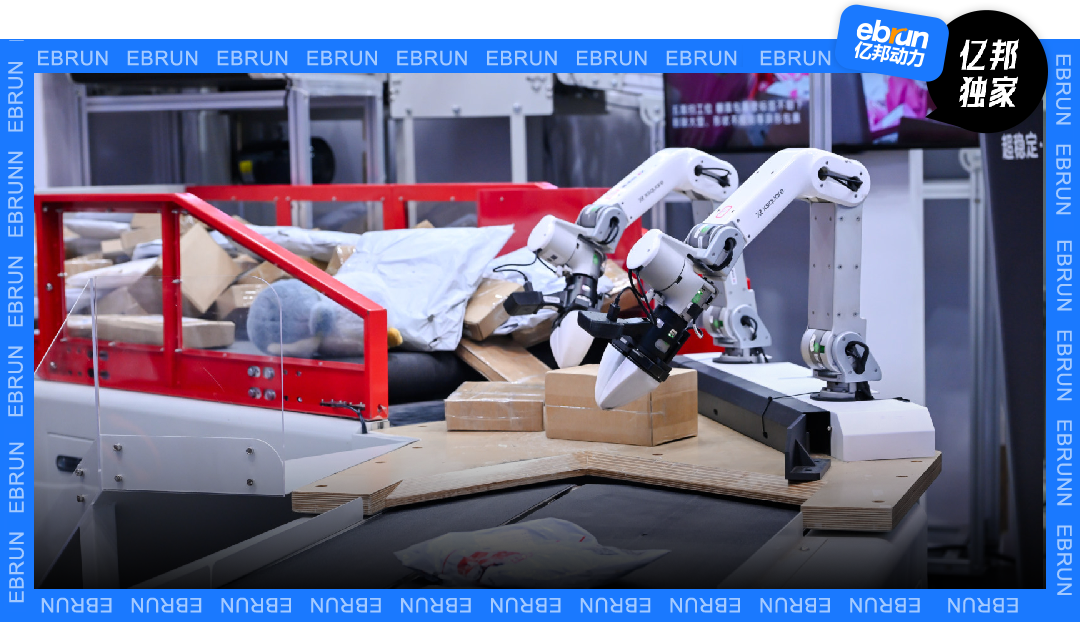
【亿邦原创】在马来西亚邮政的某分拣中心,传送带不断送入规格、形态各异的包裹。来自中国的具身智能机器人正在自主分拣作业:识别包裹、判断去向、抓取并放置。

它们来自国内头部具身智能公司自变量机器人。11月24日,自变量机器人与马来西亚邮政(Pos Malaysia)在吉隆坡签署合作备忘录,共同推进具身智能在邮政物流领域的应用。这是自变量在APEC期间与APEC经济体达成的首项重量级合作,也是其拓展国际商业化的重要一步。据悉,自变量自今年启动物流场景应用的商业化部署,短时间内便完成了从国内场景验证、规模化复制到海外试点落地、标杆项目签约的跨越,其迅猛的商业化推进节奏,使其在落地规模上已稳居全球具身智能行业第一梯队。

当具身智能从技术探索走向真实产业现场,物流分拣这个看似普通的岗位,成为中国具身智能大模型走向海外生产线的起点。

01

200年邮政网络,卡在分拣柔性上

马来西亚邮政拥有超过200年的邮政服务历史,是马来西亚国家级邮政及包裹服务提供商,也是当地唯一承担全国邮政普遍服务义务的服务运营商。其服务网络覆盖超过3000个站点、1100多万个物流地址,业务涵盖邮政即包裹递送、电商即物流服务、零售网络、航空服务和数字服务,是马来西亚全国物流基础设施的底层脉络。

但随着电商物流发展,马来西亚邮政网络越铺越广,分拣线面临的运营挑战越来越大。

一方面,包裹量快速增长,峰值波动明显;另一方面,包裹规格差异大、形态多样,而分拣中心工位布局复杂,对分拣效率和业务灵活性的要求也越来越高。在这样的场景中,传统自动化设备适配固定流程、固定条件,面对包裹差异和工位变化时,柔性不足;而人工分拣虽然灵活,却难以同时满足效率、稳定性和持续作业要求。

针对这样的痛点,机器人进入真实分拣流程,可以补齐柔性执行环节。自变量将具身模型、机器人本体与工程方案结合,采用简洁的硬件构型适应分拣工位和包裹差异,降低控制与部署难度,也更适合分拣工位长期运行的实际需求。

支撑这一能力的是自变量自研的通用具身模型WALL-B。WALL-B基于世界统一模型架构(World Unified Model,WUM),从底层架构到训练范式重构,推动具身基础模型从VLA架构向原生多模态融合架构跨越。其核心思路是让机器人不仅能够识别物体、模仿动作,还能理解物理世界及其中的任务约束,能够更好地在物理世界执行任务。
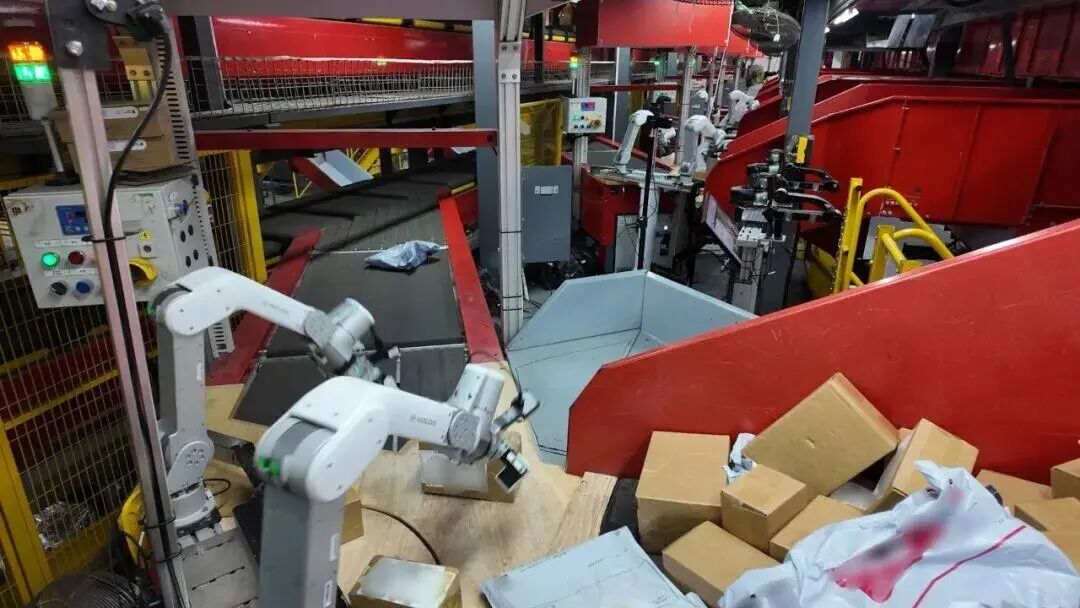
例如,WALL-B具备“原生本体感”,不需要依赖视觉持续观察自己的手臂,也能感知自身的身体状态和空间关系,判断能否触及目标包裹、能否在狭窄工位中完成动作。与此同时,模型能够理解重力、摩擦力、惯性等物理规律,对包裹的运动状态、堆叠稳定性和抓取可行性作出判断。当抓取失败或包裹状态发生变化时,机器人还可以调整操作策略,尝试完成任务。

这意味着,机器人不必完全依赖针对每一种包裹、每一个工位单独设计的固定动作,而是能够借助预训练形成的模型能力,适应更加多样化的作业条件。

在签署合作备忘录之前,自变量机器人已经在马来西亚邮政的主要分拣中心实现小规模部署并完成初步验证。初步结果显示,方案已达到相应的生产作业要求,为后续规模化应用提供了依据。此外,自变量在本次合作之前,已经和国内95%的物流企业达成PoC协议。

实际上,当具身智能不再只是执行预设脚本,而是真正学会理解物理世界的规律与边界,它所打破的便不只是分拣工位的空间限制,更是传统自动化在复杂真实场景中长期存在的“柔性天花板”。

02

具身进物流,绕不开的三道关

自变量在物流场景的模型与硬件能力,经历了公开、连续的压力测试。

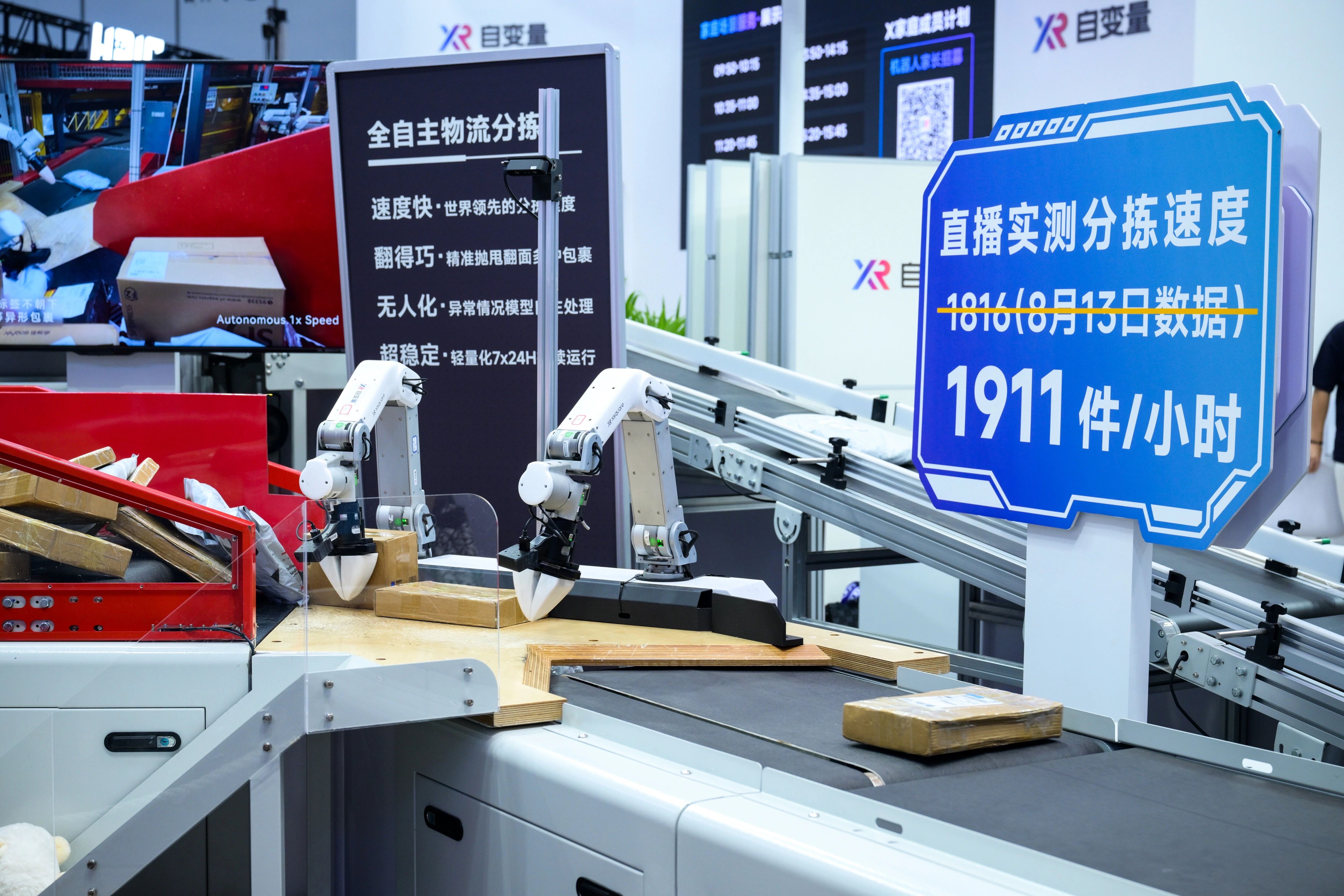
今年8月,自变量进行了一次公开直播,模拟真实产线的分拣作业:传送带上的包裹包括面单朝向随机的纸箱、泡沫袋、软包,以及缠有胶带的异形件。搭载自变量具身模型的机械臂需要连续识别包裹及面单,通过双夹爪完成抓取、翻面调整朝向,并将包裹送往指定传送带。

在一小时的不间断直播中,自变量机械臂完成包裹分拣准确率达到98%,折算1816件/小时。这一成绩也高于Figure AI此前公布的1248件/小时。在直播几天后的WRC现场,自变量的成绩刷新至1911件/小时。
除了公开测试,自变量已经成为顺丰的头部合作供应商,供货量是第二名的三倍左右,并已将通用具身模型驱动的分拣方案部署到真实物流分拣线上,探索常态化应用。

从这些实践来看,具身智能机器人要进入物流现场,至少需要解决三个问题。

首先是可靠性。物流分拣不是一次性的演示任务,而是需要长时间重复执行的工作。面对包裹差异和偶发异常,机器人需要具备持续完成任务的能力,而不是只在理想条件下表现出色。

其次是稳定性。这不仅取决于模型能力,也与机器人本体和工程设计密切相关。分拣工位的空间条件、作业节奏和包裹形态各不相同,只有模型与硬件经过协同适配,才能让机器人真正融入既有流程,而不是成为需要现场反复调整的额外负担。

最后是成本。模型能力、硬件构型和工程方案能否复用,直接影响部署和维护的难度。如果每进入一个新工位,都需要重新进行大量开发和调试,规模化应用就很难形成经济性。通用模型与工程方案协同,降低不同场景下的重复开发和部署成本,才有机会进一步打开商业化空间。

因此,自变量提供的并不只是一个能够完成抓取任务的机器人,而是一套可以在不同物流工位中持续适配、部署和运行的分拣解决方案。

换言之,真正的产线级考验,从来不在聚光灯下的单次冲刺,而在日复一日的连续运转与成本账本里。当模型泛化、简洁构型与工程方案形成合力,具身智能便从“能演示的技术”迈向了“可规模落地的商业能力”。

03

中国方案如何融入海外真实场景?

自变量与马来西亚邮政的合作,既代表具身智能在真实物流分拣场景中的能力进展,也代表中国具身智能企业走向海外已形成系统方法论。

分拣中心并不是一个完全标准化的作业环境。在东南亚电商包裹快速增长的背景下,包裹形态、工位布局和业务节奏都在不断变化,传统参考固定条件或欧美日旧体系的自动化方案逐渐显出局限。在这样的现场,机器人需要具备的不只是识别和抓取能力,还包括环境感知、任务调整和异常处理能力。能否在这样的条件下持续完成真实任务,才是检验其应用价值的重要标准。

机器人进入邮政枢纽,也不意味着要重新搭建一套物流系统。在马来西亚邮政这样拥有超过200年历史、覆盖3000多个站点和1100多万个物流地址的国家级网络中,分拣枢纽是资产最重、流程最复杂、容错率最低的关键节点之一。

事实上,在成熟的邮政网络中,WMS、WCS等系统已经承担了既有的管理和调度工作,具身智能需要做的,是在这些系统与物理操作之间建立更灵活的连接:上层系统负责任务和流程,机器人则结合现场感知完成具体执行。它不非替代原有的自动化体系,而在于为那些难以通过固定程序覆盖的操作环节,补上更具柔性的“物理执行”节点,形成从感知、决策到执行的完整闭环。

当这些能力要真正走向海外,还需要面对不同市场的差异化需求。东南亚邮政普遍在经历电商包裹占比快速提升的转型,马来西亚邮政自身也在推进邮件与包裹网络整合、云端数字化及AI试点。各国的包裹特征、工位条件、业务流程、系统接口、安全要求和服务能力各有不同,国内方案不能简单复制,更不能只做一次性的硬件输出。

机器人需要结合当地运营环境进行工程与业务适配,借助模型泛化与简洁硬件构型的协同,在控制部署难度和长期使用可靠性之间找到平衡。
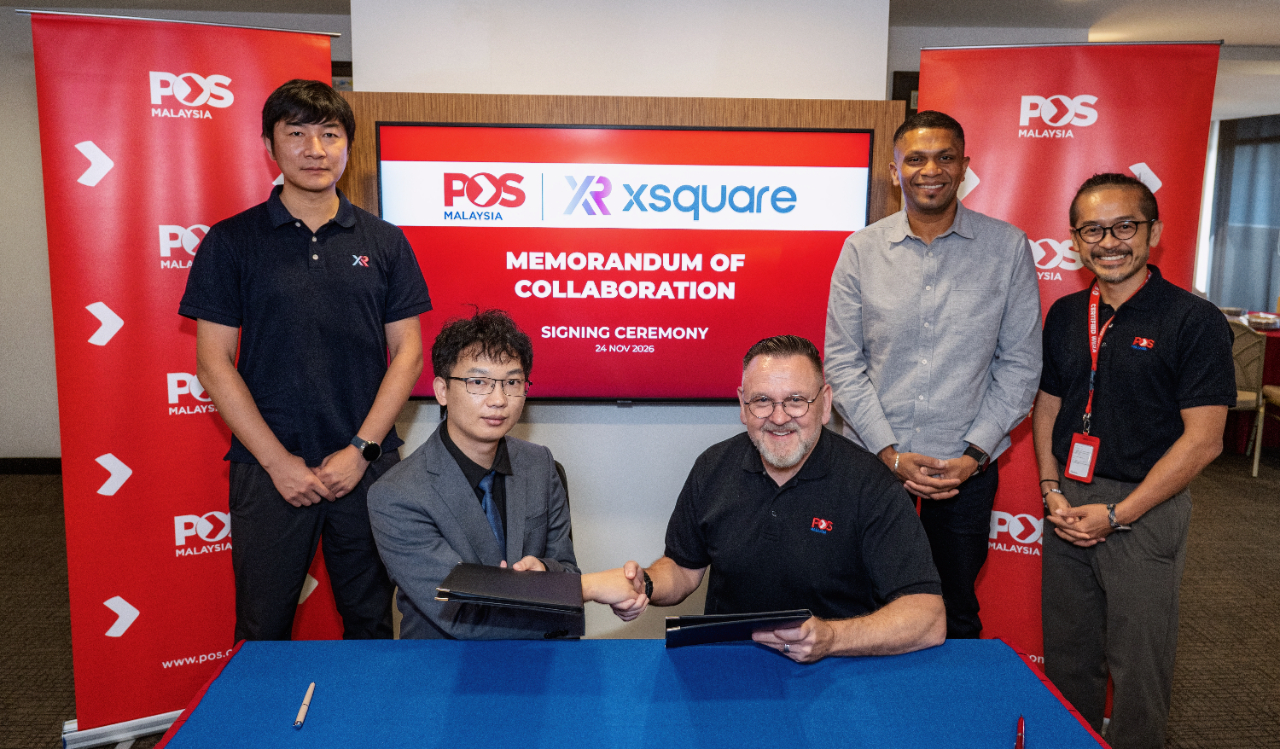
此次合作中,自变量与马来西亚本地邮政业务团队共同探索机器人的部署与应用,正是技术能力与本地业务知识结合的一次实践。从单纯输出设备,到围绕实际业务流程进行适配和重构,这也是自变量在商业化竞争中拉开身位的关键所在——把可复用的具身模型、工程方案与本地化落地方法论结合起来,在真实海外产线上跑出可持续的应用价值。

管理大师彼得·德鲁克曾说:“企业的目的只有一个,就是创造客户。”在具身智能走向产业深水区的今天,这句话依然适用——决定技术能否走远的,从来不是实验室里的参数光环,而是能否在真实业务现场帮客户算清效率与成本的账。

从单纯输出硬件,到与马来西亚邮政共同推进流程适配与数字化升级,自变量所展现的,正是中国具身智能企业“能力出海”的成熟度:当技术真正扎进海外基础设施的毛细血管,商业竞争的胜负手,也就写在了每一次稳定、柔性的物理执行之中。

本文首发于 亿邦动力 官方网站

【版权提示】亿邦动力倡导尊重与保护知识产权。未经许可,任何人不得复制、转载、或以其他方式使用本网站的内容。如发现本站文章存在版权问题,烦请提供版权疑问、身份证明、版权证明、联系方式等发邮件至run@ebrun.com,我们将及时沟通与处理。

已点赞

+1

{{ praise_text }}

好文章,值得被更多人看到

FAQ回顾

自变量机器人是一家做什么的公司?

自变量机器人是国内头部具身智能公司,自研通用具身模型WALL-B,并已启动物流场景的商业化部署:与国内95%的物流企业达成PoC协议,成为顺丰头部合作供应商,2026年11月与马来西亚邮政签署合作备忘录,推动具身智能在邮政物流分拣领域的应用。

马来西亚邮政为什么需要引入具身智能机器人?

马来西亚邮政拥有超200年历史,服务网络覆盖3000多个站点、1100多万个物流地址。随着电商包裹量快速增长、峰值波动明显,包裹规格差异大、工位布局复杂,传统自动化设备适配固定流程、柔性不足,人工分拣又难以兼顾效率与稳定性,需要机器人补齐柔性执行环节。

具身智能机器人进入物流分拣场景需要解决哪些关键问题?

至少三道关:一是可靠性,需在长时间重复作业及包裹差异、偶发异常下持续完成任务;二是稳定性,模型需与机器人本体、工程设计协同适配不同工位空间与作业节奏;三是成本,模型能力、硬件构型与工程方案可复用,才能降低部署维护难度,形成规模化经济性。

具身智能机器人分拣包裹的效率和准确率能达到什么水平?

在2025年8月的公开直播中,搭载自变量具身模型的机械臂一小时不间断分拣准确率达98%,折算1816件/小时,高于Figure AI此前公布的1248件/小时;几天后的WRC现场成绩刷新至1911件/小时。该方案已在马来西亚邮政主要分拣中心小规模部署并达到生产作业要求。

中国具身智能方案落地海外物流场景需要做哪些本地化适配?

海外邮政分拣枢纽资产重、流程复杂、容错率低,各国包裹特征、工位条件、业务流程、系统接口和安全要求各不相同,国内方案不能简单复制或只做一次性硬件输出。机器人需作为柔性执行节点接入既有WMS、WCS系统,并与本地邮政业务团队共同完成工程与业务适配。

广告

下一篇

商品出海之后 中国商家开始做另一门全球生意

过去几年,中国商家不断通过跨境电商,把服装、家居、小商品卖向世界。但一门新的全球化生意正在兴起:不必把商品运到海外,而是让海外消费者来到中国,为这里的住宿、餐饮、旅游和文化体验付费。

旅行服务 携程 平台 未来零售

2026-11-25 19:30:55