• 亿邦公众号
    • APP下载

商品出海之后 中国商家开始做另一门全球生意

作者:姜琪 文章来源:亿邦动力

2026-11-25 19:30

作者:姜琪 文章来源:亿邦动力

2026-11-25 19:30

邦小白快读
EN
全文速览

普通读者

重点干货是入境游成为服务出口新机会,商家要先识别客人来意,再做产品改造并用平台补渠道。

1.义乌开臣酒店把咖啡厅经营成客商会面空间,提供翻译和商务协助,8家在营酒店入境占比超50%,2家超90%。

2.三亚银泰阳光度假酒店把早餐延到下午1点,配俄语管家、导游、机场接送,引入中医疗养,新增汉服和手工体验,境外客占比90%,上榜后GMV增长36%。

3.重庆1949大剧院用VIP入境套餐、专属休息室、双语导视、11种语言简介、多语种同传和沉浸舞台,解决排不进、看不懂、卖得好。

4.KiKi Holidays借平台数据和点评找客源,团组从每季度68个增至489个。

5.平台能解决渠道、流量、预订支付和多语言沟通,产品体验仍要商家自己打磨。

品牌商

重点看入境游中的品牌营销、渠道建设、定价策略、产品研发和消费趋势,核心是价值竞争与差异化体验。

1.三亚银泰阳光度假酒店提出拼价值而非价格,把有限资源投到可感知服务,早餐延到下午1点,配俄语管家、机场接送、中医疗养和汉服手工体验,强化特色展示。

2.义乌开臣酒店围绕海外采购商会面需求改造咖啡厅,叠加翻译和商务协助,让空间成为可谈事的服务产品。

3.渠道上把好房和优享政策主动给携程海外平台,搭配长住与提前预订优惠,跟随GoChina全球酒店折扣和闪促,并用入境游榜单做运营节点,上榜后GMV增长36%。

4.重庆1949大剧院用VIP套餐、专属休息室、双语导视、11种语言简介和多语种同传降低文化门槛,再通过海外平台、全球大促和定制活动扩大曝光,点击量提升634%。

5.趋势上,入境订单向四线五线城市下沉,四线和五线城市酒店数量分别同比增长46.2%和47.9%。

卖家

重点看入境游带来的增长市场、消费变化、平台扶持、合作方式和风险提示。

1.机会上,入境游是把海外消费者带到中国消费住宿、餐饮、旅游和文化体验的服务出口;2026年上半年义乌国际商贸城日均外商客流1.2万人次,同比增长30%,四线和五线城市酒店入境订单数量分别同比增长46.2%和47.9%。

2.消费变化上,采购商要高效会面和商务协助,度假客要松弛节奏和文化体验,商家应据此改造产品。

3.合作方式上,可借携程海外平台获取客源数据、咨询点评、多语言页面、即时沟通、预订支付、全球大促、GoChina折扣闪促和入境游榜单。

4.正面案例有开臣、三亚银泰、重庆1949和KiKi Holidays,后者团组从每季度68个增至489个。

5.风险提示是商品出海经验不能直接照搬,服务交付非标,语言文化、国际支付和渠道是卡点,平台解决基础设施,体验仍要商家自建。

工厂

重点看产品设计和生产需求、商业机会,以及数字化和电商化启示。

1.产品设计上,文章给出可借鉴思路:义乌酒店把咖啡厅改造成会面空间;三亚酒店延长早餐、配置俄语服务、引入中医疗养和汉服手工;重庆1949大剧院把吊脚楼、台阶、码头等山城意象融入五环旋转舞台,用空间和内容承载体验。

2.商业机会上,入境游需求向四线五线扩散,四线和五线城市承接订单的酒店数量分别同比增长46.2%和47.9%,地方特色产品可通过平台链接全球客群。

3.数字化启示是接入海外平台、多语言产品页面、即时沟通、在线预订支付和数据追踪,把行前行中行后流程标准化。

4.电商化启示是不能只卖标准品,要把在地资源、文化转译和可感知服务做成产品,并用平台数据判断哪些需求值得投入。

5.关键风险是服务非标、交付变量多,产品力要靠自己打磨。

服务商

重点看入境游行业趋势、新技术工具、客户痛点和解决方案。

1.趋势上,入境游被视为服务出口,平台正把国际渠道、全球客群和数字化工具做成基础设施,地方商家则提供在地资源与差异化体验。

2.客户痛点集中在语言文化门槛、产品非标、海外获客难、国际支付难、预订沟通链条长,以及买了票却看不懂、排不进行程等问题。

3.解决方案包括多语言产品页面、即时沟通、在线预订支付、客源数据和点评分析、全球大促分发、VIP入境套餐、专属休息室、双语导视、11种语言简介和多语种同传。

4.案例上,重庆1949大剧院海外曝光破亿、点击量提升634%;KiKi Holidays团组从每季度68个增至489个;三亚银泰上榜后GMV增长36%。

5.服务商可抓的机会是把平台标准化工具与商家非标体验衔接,帮助完成发现、预订、支付、交付和复盘闭环。

平台商

重点看商家对平台的真实需求、平台最新做法、招商运营和风向规避。

1.商家需求是国际渠道、全球流量、客源数据、多语言页面、即时沟通、预订支付、质量管理和海外分发,尤其希望平台解决排不进、卖得好等渠道问题。

2.平台做法包括携程海外平台分发、GoChina全球酒店折扣和闪促、入境游榜单、全球大促、VIP入境专属套餐、专属休息室、多语言产品页、即时沟通与预订支付服务,并用峰会汇集全球合作商。

3.招商运营上,入境订单向四线五线下沉,四线和五线城市酒店数量分别同比增长46.2%和47.9%;平台可把基础设施做扎实,商家按资源特色做产品。

4.风向规避上,不能把商品出海经验直接照搬,服务交付非标,语言文化、支付和沟通易成卡点;平台共享流量,但体验护城河只能商家自己挖。

5.平台价值在于把内容推广衔接到可购买、可理解、可追踪的完整体验。

研究者

重点看入境游作为服务出口的新动向、新问题、商业模式和政策启示。

1.新动向是入境游从传统热门目的地向四线五线扩散,2026年上半年四线和五线城市承接订单的酒店数量分别同比增长46.2%和47.9%,义乌日均外商客流1.2万人次,同比增长30%。

2.新问题包括服务产品非标、交付发生在真实人际互动中,语言文化隔阂、国际支付、海外获客、内容理解和行程排入均构成门槛。

3.商业模式上,形成平台提供全球客群、标准化工具、质量管理与支付沟通,商家提供在地资源、文化转译和差异化体验的协同闭环。

4.案例显示,开臣改造会面空间,三亚银泰做价值型服务,重庆1949用沉浸舞台跨越文化隔阂,KiKi Holidays用数据匹配深度游,团组从每季度68个增至489个。

5.启示是商家要识别需求、分清问题归属、借平台补短板,但产品力和体验护城河仍需自身打造,不能照搬他人模式。

声明:快读内容全程由AI生成,请注意甄别信息。如您发现问题,请发送邮件至 run@ebrun.com 。

我是 品牌商 卖家 工厂 服务商 平台商 研究者 帮我再读一遍。

Quick Summary

Key takeaway: inbound tourism has become a new opportunity in services exports. Merchants should first identify why guests are coming, then adapt products and use platforms to fill channel gaps.

1. Yiwu Kaisheng Hotel turned its café into a meeting space for business guests, offering translation and business assistance; inbound guests account for over 50% at its eight operating hotels and over 90% at two of them.

2. Sanya Yintai Sunshine Resort extended breakfast until 1 p.m., added Russian-speaking butlers, guides and airport transfers, introduced traditional Chinese medicine wellness, and added Hanfu and handicraft experiences; overseas guests account for 90% of the total, and GMV rose 36% after it was listed on the inbound tourism ranking.

3. Chongqing 1949 Grand Theatre used VIP inbound packages, dedicated lounges, bilingual signage, introductions in 11 languages, multilingual simultaneous interpretation and an immersive stage to solve the problems of not getting onto itineraries and not understanding the content, and to help drive sales.

4. KiKi Holidays used platform data and reviews to find customers; its tour groups increased from 68 per quarter to 489.

5. Platforms can solve channels, traffic, booking and payment, and multilingual communication, but merchants still need to refine the product experience themselves.

Focus on brand marketing, channel building, pricing strategy, product R&D and consumer trends in inbound tourism; the core is value competition and differentiated experiences.

1. Sanya Yintai Sunshine Resort proposed competing on value rather than price, directing limited resources to perceptible services: extending breakfast until 1 p.m., adding Russian-speaking butlers, airport transfers, traditional Chinese medicine wellness, and Hanfu and handicraft experiences, and strengthening the display of distinctive features.

2. Yiwu Kaisheng Hotel redesigned its café around overseas buyers' meeting needs and added translation and business assistance, turning the space into a service product where business can be discussed.

3. On channels, it proactively supplied premium rooms and preferential policies to Ctrip's overseas platform, paired them with long-stay and early-booking discounts, participated in GoChina global hotel discounts and flash promotions, and used the inbound tourism ranking as an operational milestone; GMV rose 36% after listing.

4. Chongqing 1949 Grand Theatre used VIP packages, dedicated lounges, bilingual signage, introductions in 11 languages and multilingual simultaneous interpretation to lower cultural barriers, then expanded exposure through overseas platforms, global promotions and customized events; clicks increased 634%.

5. In terms of trends, inbound orders are moving down to Tier 4 and Tier 5 cities; the number of hotels in Tier 4 and Tier 5 cities grew 46.2% and 47.9% year on year, respectively.

Focus on the growth market, consumption changes, platform support, partnership methods and risk warnings brought by inbound tourism.

1. On opportunity: inbound tourism is a services export that brings overseas consumers to China to spend on accommodation, dining, travel and cultural experiences. In the first half of 2026, Yiwu International Trade City averaged 12,000 foreign merchant visits per day, up 30% year on year; inbound hotel orders in Tier 4 and Tier 5 cities grew 46.2% and 47.9% year on year, respectively.

2. On consumption changes: buyers need efficient meetings and business assistance, while leisure travelers want a relaxed pace and cultural experiences; merchants should adapt products accordingly.

3. On partnership methods: merchants can use Ctrip's overseas platform to access customer data, inquiries and reviews, multilingual pages, instant communication, booking and payment, global promotions, GoChina discounts and flash promotions, and the inbound tourism ranking.

4. Positive cases include Kaisheng, Sanya Yintai, Chongqing 1949 and KiKi Holidays; the latter's tour groups increased from 68 per quarter to 489.

5. Risk warning: experience in exporting goods cannot be copied directly; service delivery is non-standard, and language and culture, international payments and channels are bottlenecks. Platforms solve infrastructure, but merchants still need to build the experience themselves.

Focus on product design and production demand, business opportunities, and implications for digitalization and e-commerce.

1. On product design, the article offers transferable ideas: Yiwu hotel converted its café into a meeting space; Sanya hotel extended breakfast, configured Russian-language services, and introduced traditional Chinese medicine wellness and Hanfu and handicraft experiences; Chongqing 1949 Grand Theatre integrated mountain-city imagery such as stilted buildings, steps and wharves into a five-ring rotating stage, using space and content to carry the experience.

2. On business opportunities, inbound tourism demand is spreading to Tier 4 and Tier 5 cities; the number of hotels receiving orders in Tier 4 and Tier 5 cities grew 46.2% and 47.9% year on year, respectively, and local specialty products can connect with global customer groups through platforms.

3. The digitalization implication is to connect with overseas platforms, multilingual product pages, instant communication, online booking and payment, and data tracking, and to standardize pre-trip, in-trip and post-trip processes.

4. The e-commerce implication is that one cannot sell only standardized goods; local resources, cultural translation and perceptible services must be turned into products, and platform data should be used to judge which demands are worth investing in.

5. The key risk is that services are non-standard and delivery has many variables; product strength must be honed in-house.

Focus on inbound tourism industry trends, new technology tools, customer pain points and solutions.

1. On trends, inbound tourism is seen as a services export; platforms are turning international channels, global customer groups and digital tools into infrastructure, while local merchants provide local resources and differentiated experiences.

2. Customer pain points center on language and cultural barriers, non-standard products, difficulty acquiring overseas customers, difficulty with international payments, long booking and communication chains, and issues such as having tickets but not understanding the content or not being able to fit into itineraries.

3. Solutions include multilingual product pages, instant communication, online booking and payment, customer data and review analysis, global promotion distribution, VIP inbound packages, dedicated lounges, bilingual signage, introductions in 11 languages and multilingual simultaneous interpretation.

4. In cases, Chongqing 1949 Grand Theatre surpassed 100 million overseas exposures and increased clicks by 634%; KiKi Holidays' tour groups rose from 68 per quarter to 489; Sanya Yintai's GMV rose 36% after listing.

5. The opportunity for service providers is to connect platforms' standardized tools with merchants' non-standard experiences, helping complete the closed loop of discovery, booking, payment, delivery and review.

Focus on merchants' real needs from platforms, platforms' latest practices, merchant recruitment and operations, and risk avoidance.

1. Merchant needs include international channels, global traffic, customer data, multilingual pages, instant communication, booking and payment, quality management and overseas distribution; in particular, they want platforms to solve channel issues such as getting onto itineraries and achieving sales.

2. Platform practices include distribution through Ctrip's overseas platform, GoChina global hotel discounts and flash promotions, the inbound tourism ranking, global promotions, exclusive VIP inbound packages, dedicated lounges, multilingual product pages, instant communication and booking and payment services, and bringing together global partners through summits.

3. On merchant recruitment and operations, inbound orders are moving down to Tier 4 and Tier 5 cities; the number of hotels in Tier 4 and Tier 5 cities grew 46.2% and 47.9% year on year, respectively; platforms can build solid infrastructure, while merchants create products based on their resource characteristics.

4. On risk avoidance, experience in exporting goods cannot be copied directly; service delivery is non-standard, and language and culture, payment and communication can easily become bottlenecks. Platforms share traffic, but the experience moat must be built by merchants themselves.

5. Platform value lies in connecting content promotion to a complete experience that is purchasable, understandable and trackable.

Focus on new developments, new issues, business models and policy implications of inbound tourism as a services export.

1. A new development is that inbound tourism is spreading from traditionally popular destinations to Tier 4 and Tier 5 cities. In the first half of 2026, the number of hotels receiving orders in Tier 4 and Tier 5 cities grew 46.2% and 47.9% year on year, respectively; Yiwu averaged 12,000 foreign merchant visits per day, up 30% year on year.

2. New issues include non-standard service products and delivery occurring in real interpersonal interactions; language and cultural gaps, international payments, overseas customer acquisition, content comprehension and itinerary inclusion all constitute barriers.

3. In terms of business models, a collaborative closed loop has formed in which platforms provide global customer groups, standardized tools, quality management and payment and communication, while merchants provide local resources, cultural translation and differentiated experiences.

4. Cases show that Kaisheng redesigned its meeting space, Sanya Yintai delivered value-based services, Chongqing 1949 used an immersive stage to bridge cultural gaps, and KiKi Holidays used data to match in-depth travel; its tour groups rose from 68 per quarter to 489.

5. The implication is that merchants should identify demand, clarify which problems belong to which party, and use platforms to fill shortcomings, but product strength and the experience moat still need to be built in-house; others' models cannot be copied directly.

Disclaimer: The "Quick Summary" content is entirely generated by AI. Please exercise discretion when interpreting the information. For issues or corrections, please email run@ebrun.com .

I am a Brand Seller Factory Service Provider Marketplace Seller Researcher Read it again.

【亿邦原创】过去几年,中国商家不断通过跨境电商,把服装、家居、小商品卖向世界。但一门新的全球化生意正在兴起:不必把商品运到海外,而是让海外消费者来到中国,为这里的住宿、餐饮、旅游和文化体验付费。

入境旅游,正是一种特殊的服务出口。与商品出海一样,它需要理解海外消费者的需求、打通国际销售渠道、完成产品交付;不同的是,商品出海要解决的是如何把货送到消费者手中,入境游则要回答,如何让来自世界各地的消费者愿意到中国来,并获得符合预期的体验。

义乌是观察这门生意的一个有趣切口。作为国际贸易流转的超级节点,这座城市见证无数小商品从这里流向全球,也不断吸引着外国贸易商前来采购。2026年上半年,义乌国际商贸城日均外商客流达1.2万人次,同比增长30%。

当地开臣酒店接待的客人中,不少正是来义乌采购的海外客商。其集团总经理注意到,酒店咖啡厅里的客人往往彼此熟识,有人前一分钟坐在这桌,下一分钟就换到另一张桌子交谈。他意识到,这些采购商需要的不仅是一杯咖啡,更是一个随时能会面、能谈事的场所。
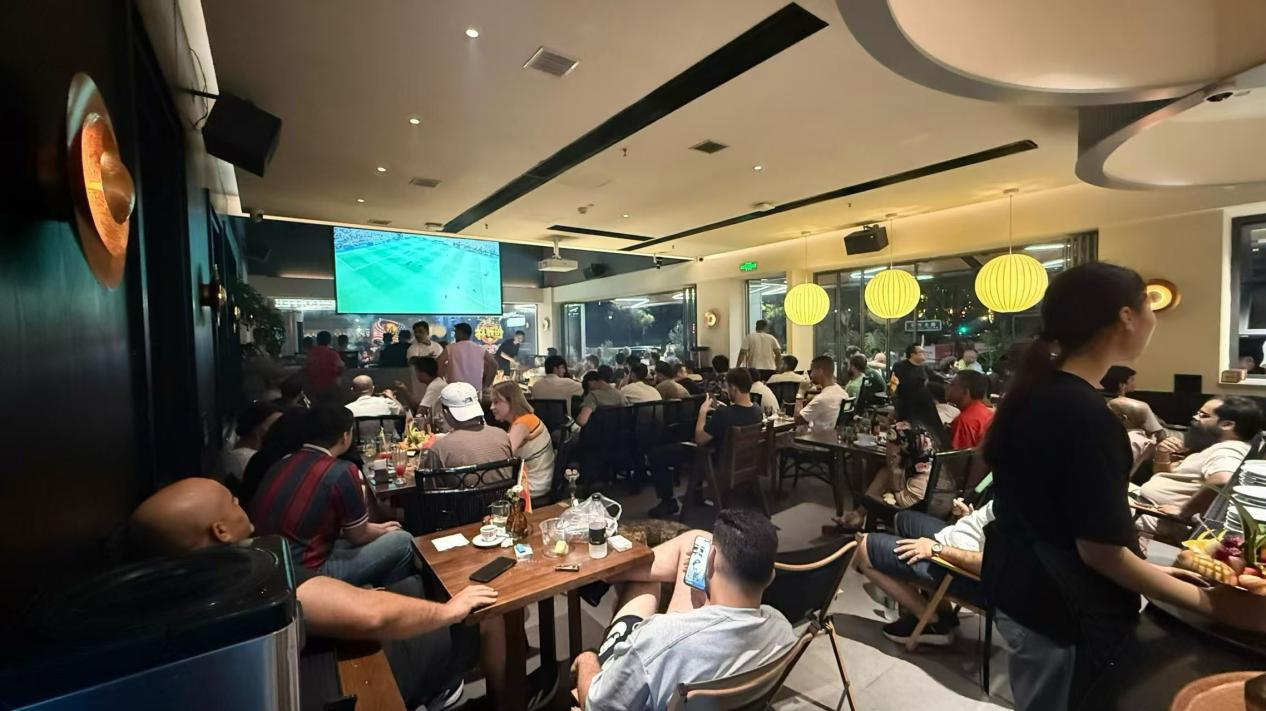
于是,酒店开始把咖啡厅作为客商会面交流的空间来经营,同时为住客提供翻译和商务协助。过去,义乌商家忙着把商品卖给海外客商;如今,酒店、餐饮和旅游经营者也在学习如何服务这些来到中国的海外消费者。

这样的机会正在走出传统热门目的地。携程数据显示,2026年上半年,承接入境订单的四线、五线城市酒店数量分别同比增长46.2%和47.9%。

不过,商品出海积累的经验,并不能直接照搬到服务出海。旅游产品没有统一的规格,交付过程发生在一次次真实的人际互动中。面对不同国家游客的语言、文化和消费习惯,中小商家究竟该如何改造产品?如何借助平台找到海外客人,又如何把一次交易变成值得推荐的体验?

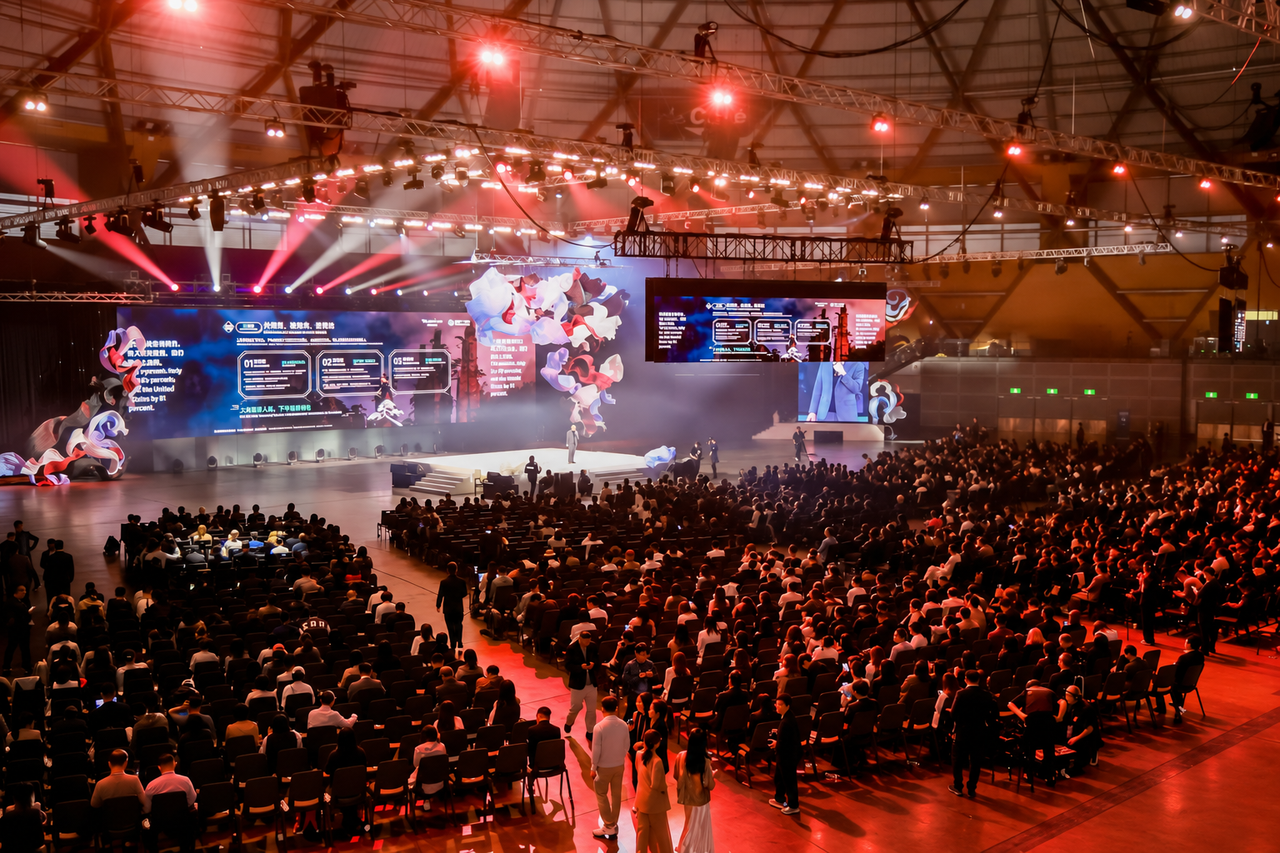
11月下旬,2026携程集团全球合作伙伴峰会在悉尼举行,超2500位全球合作商到场,中国与海外旅游从业者围绕产品、服务和经营实践展开了一系列讨论。我们从中观察到一些值得拆解的打法:借助平台的国际渠道与数字化工具,再结合自身的资源优势,越来越多本地商家开始找到服务全球消费者的方法。

01

先读懂客人来意,再找到经营切入点

开臣8家在营酒店入境占比超50%,2家超90%。其集团总经理认为,入境市场是酒店业未来增长的最大的红利之一。于是他们跟随携程重点投入的客源市场做相应布局,除了围绕会面空间、翻译和商务协助做服务,为了把餐饮做好,团队还会向住客了解,他们的家乡流行哪些菜式、饮食上有哪些讲究,再据此调整菜单。

距离义乌两千公里外的三亚,接待的是另一类客人。这座以阳光、海岸和度假酒店闻名的城市,吸引的多是长住度假客。三亚银泰阳光度假酒店2003年开业,境外客人占比达到90%。其总经理认为,酒店要拼价值而非价格,有限的资源要花在能被感知的服务产品上。因此酒店虽未进行过大范围硬件翻新,但在服务细节上做了不少创新。

比如在时间上,他们主动将早餐时间延长到下午1点,让度假客不必为赶一顿饭定闹钟,节奏彻底松弛下来。与此同时,境外客人中一半来自俄罗斯,酒店便配置俄语管家与导游、机场接送服务,确保全程无障碍交流。此外,他们还引进了中医疗养中心,推出广受好评的“度假+疗养”长住产品,今年又新增汉服、手工制作等中国传统文化体验。

有了资源,还要把渠道做通。“我们的选择是把好房交给平台,而不是留给老渠道:库存和优享政策主动给携程海外平台,搭配长住与提前预订优惠,跟着GoChina全球酒店折扣和闪促一起上,并且强化酒店特色展示,把自己做成大东海商圈的标杆。”三亚银泰阳光度假酒店总经理称。

今年,三亚银泰阳光度假酒店入选携程入境游榜单,他们顺势把榜单当作运营节点。上榜后GMV增长36%,订单增速是同城1.7倍。其总经理称,中国的入境游未来一定会成为、特别是度假这一领域绝对的主调,也是各个酒店不断去打磨、不断去创造新的产品之后的重点市场。

不论是义乌酒店改造空间,亦或是三亚酒店延长早餐时间,两者都是商家在摸透客人需求、了解客人特点后,进行的产品差异化创新。采购商需要的是高效会面和商务支持,度假客需要的是松弛节奏和文化体验——需求不同,改造的方向也完全不同。因此,商家只有先了解客人来这里做什么,才能厘清产品该往哪里改。

02

分清问题归属,再决定投入方向

产品方向明确之后,落地过程中还会遇到各种具体问题。对商家而言,关键是分清哪些问题可以依靠平台工具解决,哪些必须自己改造产品。比如重庆1949大剧院,其总经理将入境市场的难题总结为“排不进、看不懂、卖得好”。

《重庆・1949》是一部讲述重庆城市精神的大型沉浸式舞台剧。对外国观众而言,内容复杂、理解有门槛。而重庆作为网红城市,洪崖洞、李子坝、火锅等早已挤满游客的行程单,一台演出要从中抢到位置,首先得解决“排不进”的问题。

剧院的做法是和携程共建VIP入境专属套餐,在剧院内设置携程游客专属休息室,提供集合点、休整空间和专属指引。同时联动入境旅行社,将演出纳入入境游客重庆必游线路,与线上票务形成互补。以此解决渠道和产品设计问题,让演出从“可去可不去”变成行程中的固定项。

在销售端,剧院和平台双端共营,通过携程海外平台与海外链路分发,叠加全球大促和定制活动,精准触达全球客群。项目海外曝光破亿,点击量提升634%,海外市场也就此打开。

票卖出去之后,另一考验是:一个不懂中文的外国观众坐进剧场,如何看懂这台戏?剧院为此搭建了一套全流程无障碍观演体系:全域中英双语导视,11种语言的剧情简介,多语种同传耳机,确保从入场到落幕全程没有语言断点。更关键的一层是视觉呈现。团队把吊脚楼、台阶、码头等山城意象融入五环旋转舞台,将重庆8D魔幻的城市特质直接搬进剧场,让观众感受更沉浸,不需要翻译也能进入情境。
海外游客订不到合适的票,和买了票却看不懂戏,是两回事。从剧院的解决路径可以看出,“排不进”和“卖得好”这类问题,平台能提供渠道和流量,帮商家提效并解决。但一场戏最值得让外国观众看懂什么、怎样用舞台语言跨越文化隔阂,只有剧院自身更清楚。平台的价值在于把内容推广衔接到可购买、可理解的完整体验;体验的核心,仍然要靠商家在产品和服务端尽心打造,如此才能实现1+1>2的效果。

03

做对了产品,还要找对人

KiKi Holidays深耕云南目的地超十年。团队熟悉这里的路线、村寨建筑、食材、手艺人,了解当地人真实的生活。他们还开发了女性视角的特色旅行产品,把欧洲客人和云南的女性手工艺人、茶文化、在地厨房连接在一起。不过其客源只集中在少数几个国家,仅靠单个团队很难独自判断哪些海外游客会对这些体验感兴趣,也很难逐个市场去找客人。

接入携程海外平台之后,KiKi Holidays通过平台上的客源数据、咨询和点评,判断哪些需求值得投入,也有据可依地决定下一步做什么。于是KiKi带着在地资源、文化转译和按匹配度交付的能力;携程带着全球客群、标准化工具和质量管理体系。双方合力构成一个海外游客从发现、预订到体验的完整闭环。

通过携程海外渠道,KiKi Holidays这类地方商家的特色产品,走入到寻找深度游的海外客视野。KiKi Holidays的客源也逐渐从东南亚扩展到美国等更远的市场,团组数量从每季度68个增长到489个。可见,深度供给和全球需求一旦精准链接,增长便自然发生。

除此之外,入境游生意真正消耗精力的,往往是预订、沟通和支付这些基础环节。KiKi Holidays入境/高端业务负责人称,过去KiKi靠人对人交付,流程长、变量多,支付尤其是国际业务最大的卡点。通过携程提供的多语言产品页面、即时沟通和预订支付服务,海外游客在出发前即可问清线路、完成下单,整个过程“几乎无痛”。

平台让行前、行中、行后的服务流程有了系统支撑和数据追踪,交付就变成可控的标准化动作。对于商家来说,可以从琐碎的流程事务中释放出来,重新投入到产品本身。

本次携程悉尼峰会最大的意义在于:当平台解决了基础设施问题,为入境游生意提供了扎实底座,但底座之上能建起什么,不同类型商家拥有不同的方法论,同时也取决于商家愿意在多大程度上把功夫花在打磨产品和服务细节上。
这一趋势恰如《体验经济》一书中所指出的:企业需以服务为舞台、商品为道具,构建差异化体验以摆脱价格战。当平台把“能不能来”的门槛降到最低,决定商家天花板的,永远是“值不值得来”的产品力——流量可以共享,但体验的护城河只能自己挖。

事实上,携程将分散的实践汇集起来,为商家提供经营参考。商家可以借鉴的是识别需求、改进产品的方法,但不必照搬别人的经营模式。发挥资源特色优势,与平台合力,才能让入境游生意走得更长远。

亿邦持续追踪报道该情报,如想了解更多与本文相关信息,请扫码关注作者微信。

本文首发于 亿邦动力 官方网站

【版权提示】亿邦动力倡导尊重与保护知识产权。未经许可,任何人不得复制、转载、或以其他方式使用本网站的内容。如发现本站文章存在版权问题,烦请提供版权疑问、身份证明、版权证明、联系方式等发邮件至run@ebrun.com,我们将及时沟通与处理。

已点赞

+1

{{ praise_text }}

好文章,值得被更多人看到

FAQ回顾

入境游为什么被视为一种服务出口?

入境游不需要把商品运到海外,而是让海外消费者来到中国,为住宿、餐饮、旅游和文化体验付费。它与商品出海一样需要理解海外需求、打通国际销售渠道并完成交付,但交付发生在真实的人际互动中,因此被视为一种特殊的服务出口。

中国酒店如何抓住入境游增长机会?

酒店应先读懂客群来意再做差异化改造。义乌开臣酒店针对采购商强化会面空间、翻译和商务协助,并按住客家乡调整菜单;三亚银泰阳光度假酒店针对度假客延长早餐至下午1点,配置俄语管家、机场接送、中医疗养和汉服手工体验,并借助携程海外平台获客。

入境游商家如何借助平台打通渠道和销售?

商家可利用平台的国际渠道、数字化工具和海外流量,把产品接入可购买、可理解的完整体验。重庆1949大剧院与携程共建VIP入境套餐和专属休息室,联动入境旅行社纳入必游线路,并通过携程海外平台分发和大促触达全球客群,实现海外曝光破亿、点击量提升634%。

中小入境游商家怎样找到海外客人并扩大客源?

可接入携程海外平台,借助客源数据、咨询和点评判断哪些海外需求值得投入,再把在地资源和文化转译能力做成特色产品。KiKi Holidays通过这一方式把客源从东南亚扩展到美国等市场,团组数量从每季度68个增长到489个;平台的多语言页面、即时沟通和预订支付也降低了行前交易门槛。

入境游产品如何打造差异化体验?

关键是先识别客人来意,再决定产品改造方向。采购商需要高效会面和商务支持,度假客需要松弛节奏和文化体验,因此义乌酒店经营咖啡厅会面空间,三亚酒店延长早餐并引入中医疗养、汉服手工;重庆1949大剧院则用双语导视、11种语言简介、同传耳机和山城舞台降低文化理解门槛。

广告

下一篇

征集报名《品牌数字化服务商资源手册》

《品牌数字化服务商资源手册》展示数字化服务商风采,亿邦全年零售大会通发,触达更多资源,马上加入!

马上入驻

唯品会2026年第三季度净营收204亿元,超V活跃用户数保持增长

财报显示,唯品会第三季度实现净营收人民币204亿元,非美国通用会计准则下(Non-GAAP)净利润人民币13亿元。