• 亿邦公众号
    • APP下载

内容红利之后 还有货架红利 一批服饰卖家学会“一鱼两吃”

作者:王昱 文章来源:亿邦动力

2026-11-18 10:00

作者:王昱 文章来源:亿邦动力

2026-11-18 10:00

邦小白快读
EN
全文速览

总:核心干货是内容卖家从单点爆款转向内容与货架两条腿走路。

1.文章给出路径:先在短视频、直播、达人合作中验证商品,再把已验证商品、素材、供应链和团队复用到Shopee,利用搜索、推荐、商品评价承接主动比较需求。

2.扶持上可关注新航道计划的佣金减免、广告金补贴、流量扶持和专属客户经理,降低新阵地前期投入。

总:经营提醒集中在选品、节奏和履约。

1.围绕穆斯林服饰节庆与日常双场景选品,提前准备新款长袍并调整版型、面料。

2.不同平台消费偏好和购买习惯有差异,不能照搬原有打法,要结合店铺表现调整选款和营销投入。

3.订单扩大后关注官方仓等本地化履约,改善库存周转和交付。

总:文章对品牌营销和渠道建设的提示是内容种草与货架承接要互补。

1.短视频、直播能直观展示面料质感、剪裁细节和穿搭效果,适合节庆新品和穿搭趋势营销;搜索、推荐、商品页则承接消费者比较颜色、尺码、价格、评价和配送的需求。

2.渠道上可在原有内容阵地外增加Shopee货架阵地,复用已验证商品和内容素材,不放弃内容打法。

总:消费趋势和用户行为显示节庆需求与日常穿着并存。

1.斋月及开斋节前后是穆斯林服饰关注重点,日常通勤、家庭聚会也有需求,品牌可把旺季积累延伸到日常经营。

2.定价和选品可参考已验证的价格带、面料版型和当地接受度,平台补贴、广告返点可支持前期测试。

3.产品研发需围绕新款长袍的面料挑选、版型调整和上身效果准备,并以店铺表现判断重点商品。

总:政策与机会层面,Shopee新航道计划面向成熟内容卖家提供佣金减免、广告金补贴、流量扶持和专属客户经理。

1.机会是内容验证过的商品可进入货架场景,触达习惯主动搜索、比较的消费者,并把节庆爆款经验复用到日常。

2.扶持可降低新平台前期投入,Shopee Video、Shopee Live和联盟营销可延续短视频、直播、达人合作。

总:经营上要看到机会也注意风险。

1.不同平台消费偏好、商品需求和购买习惯有差异,原有打法不能直接照搬,要结合Shopee特点探索选款和营销。

2.案例显示两次线下拜访、多轮线上一对一沟通后集中资源到重点商品,一个月统计周期日均订单超过260单,库存周转改善。

3.订单扩大后可用官方仓等本地化履约承接日常及大促订单。

总:产品生产和设计需求集中在穆斯林服饰的面料、版型和节庆日常适配。

1.新款长袍要从面料挑选、版型调整到拍摄上身效果提前数月准备,短视频、直播要呈现面料质感、剪裁细节和穿搭效果。

2.选品经验包括哪些款式受欢迎、什么价格带被接受、怎样的面料和版型符合市场需求,可作为生产设计参考。

总:商业机会与数字化电商启示是供应链和内容能力可复用。

1.节庆热销之外,通勤、家庭聚会、日常穿着提供更多商品场景,工厂可关注节庆与日常兼顾的货盘。

2.内容电商向货架电商延伸,已验证商品、短视频素材、成熟供应链和团队可继续发挥价值。

3.推进数字化时要重视搜索、推荐、商品评价和店铺经营,并配合官方仓等本地化履约改善库存周转。

总:行业趋势是内容红利之后出现货架红利,内容与货架互补成为成熟卖家渠道布局方向。

1.客户痛点在于商品已在内容场景验证后,除了短视频、直播还能在哪里找到消费者,以及节庆积累如何日常复用;跨平台消费偏好和购买习惯差异也增加摸索成本。

2.解决方案包括Shopee新航道计划的佣金减免、广告金补贴、流量扶持和专属客户经理,配合Shopee Video、Shopee Live、联盟营销及搜索、推荐、商品评价。

总:服务机会在运营支持和履约协同。

1.平台团队通过线下拜访和线上一对一沟通提供选款、运营建议、广告返点和商品补贴资源对接,服务商可围绕选品、营销、库存提供配套。

2.订单扩大后官方仓等本地化履约方案可帮助承接日常及大促订单,改善库存周转和交付。

3.要注意不同平台不能照搬打法,需按实际表现逐步判断重点商品。

总:文章显示商家对平台的需求是内容验证后获得新增货架流量和更低迁移成本。

1.成熟内容卖家需要搜索、推荐、商品页承接消费者比较颜色、尺码、价格、评价和配送的需求,也需要把节庆商品和经验延伸到日常经营。

2.平台招商对象是具备成熟内容电商运营经验的优质卖家,卖点包括已验证商品、素材、团队可复用。

总:平台最新做法是扶持加运营管理加履约。

1.新航道计划提供佣金减免、广告金补贴、流量扶持和专属客户经理,降低卖家拓展新平台前期投入。

2.内容生态用Shopee Video、Shopee Live和联盟营销延续短视频、直播、达人合作,货架入口用搜索、推荐、商品评价触达消费者。

3.运营上通过两次线下拜访、多轮线上一对一沟通提供选款运营建议和资源对接,并用官方仓等本地化履约承接订单;同时提示不同平台消费偏好、购买习惯有差异,不能照搬打法。

总:产业新动向是内容电商卖家向货架电商延伸,形成内容与货架互补的一鱼两吃模式。

1.穆斯林服饰节庆消费特征鲜明,斋月及开斋节带来新品和穿搭展示机会,日常通勤、家庭聚会则提供持续经营空间。

2.卖家把内容场景验证的商品、短视频素材、供应链和团队复用到Shopee,借助搜索、推荐、商品评价承接主动比较需求。

总:新问题与商业模式启示集中在跨平台经营和平台扶持。

1.新问题包括内容验证后增长渠道选择、节庆经验日常化、不同平台消费偏好和商品需求及购买习惯差异,以及订单扩大后的履约。

2.商业模式上平台以新航道计划的佣金减免、广告金补贴、流量扶持和专属客户经理降低迁移成本,结合Shopee Video、Shopee Live、联盟营销和官方仓本地化履约。

3.案例中一个月统计周期日均订单超过260单、库存周转改善,说明选款、营销、库存调整和专属客户经理支持可能影响经营节奏。

声明:快读内容全程由AI生成,请注意甄别信息。如您发现问题,请发送邮件至 run@ebrun.com 。

我是 品牌商 卖家 工厂 服务商 平台商 研究者 帮我再读一遍。

Quick Summary

Key takeaway: Content sellers are moving from one-off hit products to a dual-track model combining content and shelf channels.

1. The article lays out the path: first validate products through short videos, livestreams, and influencer partnerships; then reuse proven products, creative assets, supply chain, and teams on Shopee, using search, recommendations, and product reviews to capture active comparison-shopping demand.

2. On support, sellers can look to the New Channel Program's commission reductions, ad credit subsidies, traffic support, and dedicated account managers to lower upfront investment in the new channel.

Key operational reminders center on product selection, cadence, and fulfillment.

1. Select products around both festive and everyday scenarios for Muslim apparel, and prepare new long robes in advance with adjusted cuts and fabrics.

2. Consumer preferences and buying habits differ across platforms, so existing playbooks cannot be copied wholesale; product selection and marketing spend should be adjusted based on store performance.

3. As orders scale, focus on localized fulfillment such as official warehouses to improve inventory turnover and delivery.

Key takeaway: The article's message for brand marketing and channel building is that content-driven discovery and shelf-based conversion must complement each other.

1. Short videos and livestreams can visually showcase fabric texture, cut details, and styling, making them suitable for festive new-product and styling-trend marketing; search, recommendations, and product pages then capture consumers' need to compare color, size, price, reviews, and delivery.

2. On channels, brands can add a Shopee shelf channel alongside existing content channels, reusing proven products and content assets without abandoning the content-led approach.

Key takeaway: Consumer trends and user behavior show that festive demand and everyday wear coexist.

1. Ramadan and Eid al-Fitr are key attention periods for Muslim apparel, while commuting, family gatherings, and daily wear also generate demand; brands can extend peak-season learnings into everyday operations.

2. Pricing and product selection can reference proven price bands, fabrics and cuts, and local acceptance, while platform subsidies and ad rebates can support early testing.

3. Product development should prepare around fabric selection, cut adjustments, and on-body effects for new long robes, using store performance to identify priority products.

Key takeaway: On policy and opportunity, the Shopee New Channel Program offers established content sellers commission reductions, ad credit subsidies, traffic support, and dedicated account managers.

1. The opportunity is that products validated by content can enter shelf scenarios, reach consumers who actively search and compare, and bring festive hit-product experience into everyday operations.

2. Support can lower upfront investment in a new platform, while Shopee Video, Shopee Live, and affiliate marketing can extend short-video, livestream, and influencer partnerships.

Key takeaway: Operationally, sellers should see the opportunity while noting the risks.

1. Consumer preferences, product demand, and buying habits differ across platforms, so existing playbooks cannot be copied directly; product selection and marketing should be explored in line with Shopee's characteristics.

2. The case shows that after two offline visits and multiple one-on-one online discussions, resources were concentrated on priority products; over a one-month measurement period, average daily orders exceeded 260 and inventory turnover improved.

3. As orders scale, localized fulfillment such as official warehouses can handle everyday and major sales event orders.

Key takeaway: Product manufacturing and design needs center on fabrics, cuts, and adaptation to both festive and everyday scenarios for Muslim apparel.

1. New long robes require advance preparation months ahead, from fabric selection and cut adjustments to shooting on-body effects; short videos and livestreams should present fabric texture, cut details, and styling.

2. Product-selection learnings—which styles are popular, which price bands are accepted, and what fabrics and cuts fit market demand—can inform production and design.

Key takeaway: The business opportunity and digital-commerce implication is that supply chain and content capabilities can be reused.

1. Beyond festive bestsellers, commuting, family gatherings, and daily wear offer more product scenarios; factories can focus on assortments that cover both festive and everyday needs.

2. As content commerce extends into shelf commerce, proven products, short-video assets, mature supply chains, and teams can continue to create value.

3. In digitalization, attention should be paid to search, recommendations, product reviews, and store operations, alongside localized fulfillment such as official warehouses to improve inventory turnover.

Key takeaway: The industry trend is that after the content dividend comes the shelf dividend; content and shelf complementarity is becoming the channel strategy for established sellers.

1. Client pain points are where to find consumers beyond short videos and livestreams after products have been validated in content scenarios, how to reuse festive learnings in everyday operations, and the trial-and-error costs caused by cross-platform differences in consumer preferences and buying habits.

2. Solutions include the Shopee New Channel Program's commission reductions, ad credit subsidies, traffic support, and dedicated account managers, together with Shopee Video, Shopee Live, affiliate marketing, and search, recommendations, and product reviews.

Key takeaway: Service opportunities lie in operational support and fulfillment coordination.

1. Platform teams provide product-selection and operating advice, ad rebates, and product subsidy resource matching through offline visits and online one-on-one discussions; service providers can offer support around product selection, marketing, and inventory.

2. As orders scale, localized fulfillment solutions such as official warehouses can help handle everyday and major sales event orders, improving inventory turnover and delivery.

3. Note that playbooks cannot be copied across platforms; priority products should be identified step by step based on actual performance.

Key takeaway: The article shows that merchants' demand from platforms is for new shelf traffic after content validation and lower migration costs.

1. Established content sellers need search, recommendations, and product pages to capture consumers' need to compare color, size, price, reviews, and delivery, and they also need to extend festive products and experience into everyday operations.

2. The platform's recruitment target is quality sellers with mature content-commerce operating experience; selling points include reusable proven products, creative assets, and teams.

Key takeaway: The platform's latest approach combines support, operational management, and fulfillment.

1. The New Channel Program provides commission reductions, ad credit subsidies, traffic support, and dedicated account managers, lowering sellers' upfront investment in expanding to a new platform.

2. The content ecosystem uses Shopee Video, Shopee Live, and affiliate marketing to extend short-video, livestream, and influencer partnerships, while shelf entry points use search, recommendations, and product reviews to reach consumers.

3. Operationally, two offline visits and multiple one-on-one online discussions provide product-selection and operating advice and resource matching, while localized fulfillment such as official warehouses handles orders; it also notes that consumer preferences and buying habits differ across platforms, so playbooks cannot be copied.

Key takeaway: The new industry development is content-commerce sellers expanding into shelf commerce, creating a two-for-one model in which content and shelf channels complement each other.

1. Festive consumption in Muslim apparel has distinct characteristics; Ramadan and Eid al-Fitr create opportunities for new products and styling displays, while daily commuting and family gatherings provide room for sustained operations.

2. Sellers reuse products validated in content scenarios, short-video assets, supply chains, and teams on Shopee, using search, recommendations, and product reviews to capture active comparison-shopping demand.

Key takeaway: Emerging issues and business-model implications center on cross-platform operations and platform support.

1. New questions include choosing growth channels after content validation, making festive learnings routine, differences in consumer preferences, product demand, and buying habits across platforms, and fulfillment as orders scale.

2. In business-model terms, the platform lowers migration costs through the New Channel Program's commission reductions, ad credit subsidies, traffic support, and dedicated account managers, combined with Shopee Video, Shopee Live, affiliate marketing, and localized fulfillment via official warehouses.

3. In the case, average daily orders exceeded 260 over a one-month measurement period and inventory turnover improved, suggesting that product selection, marketing, inventory adjustments, and dedicated account manager support may affect operating cadence.

Disclaimer: The "Quick Summary" content is entirely generated by AI. Please exercise discretion when interpreting the information. For issues or corrections, please email run@ebrun.com .

I am a Brand Seller Factory Service Provider Marketplace Seller Researcher Read it again.

【亿邦原创】步入11月,东南亚穆斯林服饰卖家的目光,已经投向了接下来的节庆消费旺季。

一件新款长袍,从面料挑选、版型调整到拍摄上身效果,再到短视频发布和直播展示,往往要提前数月准备。对于穆斯林服饰这一节庆消费特征鲜明的品类来说,斋月及开斋节前后的销售机会,始终牵动着卖家的经营节奏。

短视频和直播的兴起,让这门生意有了更多打开市场的方式。过去需要靠图片和文字反复解释的面料质感、剪裁细节和穿搭效果,如今可以在镜头前直观呈现。凭借成熟的选品、内容和达人运营经验,不少卖家已经在东南亚找到了自己的经营节奏。

但生意走到一定阶段,新的问题也会出现:当一款商品已经在内容场景中得到验证,除了继续投入短视频和直播,还能在哪里找到更多消费者?如何让节庆期间积累的商品和经营经验,在日常销售中继续发挥价值?

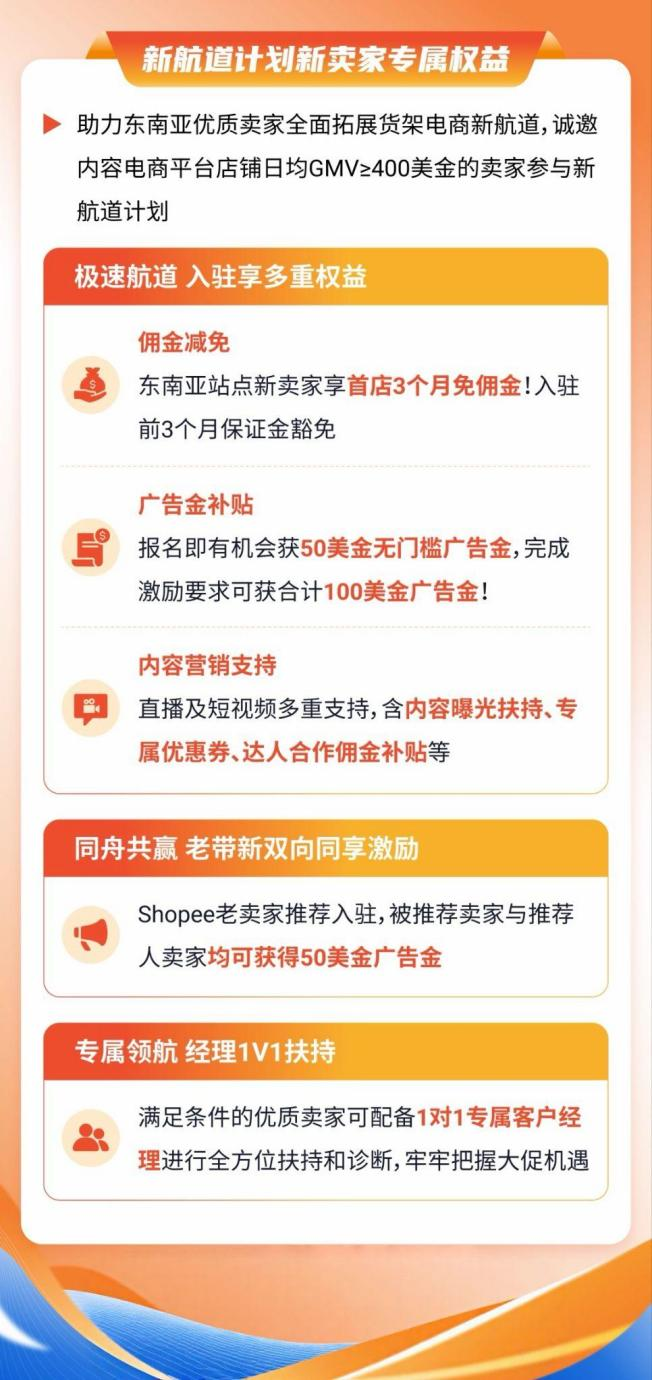
近期,Shopee面向具备成熟内容电商运营经验的优质卖家推出“新航道计划”,通过佣金减免、广告金补贴、流量扶持及专属客户经理等支持,降低卖家拓展新平台的前期投入。对于已经拥有成熟商品、内容素材和运营团队的卖家来说,这也为原有生意打开了新的可能。
01

从节点爆单到日常经营

在东南亚电商市场,穆斯林服饰有着鲜明的消费节奏。

斋月及开斋节临近时,新款长袍、节庆服饰和日常穿搭往往成为消费者关注的重点。卖家也会围绕这些节点提前准备新品、调整货盘,并通过短视频、直播和达人合作展示服饰的面料、版型及搭配效果。

不过,从内容种草到最终下单,消费者往往还会经历更多选择。有人在短视频里看中某款服饰,却希望再比较不同颜色和尺码;也有人提前搜索节庆穿搭,查看价格、评价和配送时间。内容激发的兴趣,未必只在当下转化为订单,搜索、推荐和商品页等货架场景,也为这些需求提供了进一步被承接的机会。

这也让越来越多成熟内容卖家开始重新审视渠道布局。增加Shopee这样的货架经营阵地,并不是要放弃已经跑通的内容打法,而是在原有流量之外,进一步触达那些习惯主动搜索、比较商品的消费者。

对于穆斯林服饰这样兼具节庆需求与日常穿着属性的品类,这种互补尤其值得关注。节庆期间,内容可以集中展示新品和穿搭趋势;回到日常,消费者仍可能围绕通勤、家庭聚会和日常穿着等需求寻找合适的商品。

当商品进入更多消费场景,卖家也不必只围绕单一节点安排经营。节庆热销依然重要,而搜索、推荐、商品评价和店铺经营,则为持续触达消费者提供了更多机会。

02

从单点爆款到能力复用

对已经拥有成熟内容运营经验的卖家来说,拓展新的经营阵地,首先要考虑的是如何利用好现有资源,而不是重新搭建团队、增加重复投入。

过去的经营积累,恰恰为这一步打下了基础。哪些款式更受当地消费者欢迎,什么价格带更容易被接受,怎样的面料和版型更符合市场需求,这些在选品、内容制作和营销中积累的经验,都可以成为布局Shopee的起点。已经验证过的商品、短视频素材,以及成熟的供应链和团队,也有机会在新的平台继续发挥价值。

Shopee自身的内容生态,让这种复用有了更多可能。借助Shopee Video、Shopee Live及联盟营销等工具,卖家熟悉的短视频、直播和达人合作方式可以延续到新的经营场景;搜索、推荐和商品评价等货架入口,则为商品触达更多消费者提供了机会。

当然,不同平台的消费偏好、商品需求和购买习惯有所差异,已有经验并不意味着原有打法可以直接照搬。哪些商品值得重点投入、怎样调整营销策略,仍需要结合Shopee的经营特点逐步探索。

而在这一过程中,平台提供的专项扶持,也让卖家迈出第一步时有了更多余地。通过“新航道计划”,符合条件的优质内容卖家可获得佣金减免、广告金补贴及流量支持等资源,减轻前期经营负担,也让已有商品和内容积累能够更快进入新的测试阶段。

从熟悉的内容渠道走向Shopee,卖家不必重新摸索所有经营环节。过去积累的商品、素材和运营经验,经过适当调整,便有机会在新的消费场景中继续创造价值。

03

从流量增长到长期经营

当店铺逐渐步入正轨,卖家的关注点也开始从获取订单,转向如何把生意经营得更长久。尤其对于穆斯林服饰这样节庆消费特征鲜明的品类,除了把握旺季需求,如何选出适合日常销售的商品、合理安排营销投入和库存,也成为经营中的重要考量。

一位主营穆斯林服饰的卖家,就在布局Shopee的过程中找到了新的经营思路。尽管此前已积累一定的内容电商经验,但不同平台的消费需求和经营特点仍有差异,哪些商品值得重点投入、如何调整营销策略,都需要结合实际表现逐步判断。

为帮助卖家更快找到方向,Shopee团队先后进行了两次线下拜访,并通过多轮线上一对一沟通,结合市场需求和店铺表现提供选款及运营建议。卖家也逐步将资源集中到更具需求潜力的重点商品上,平台本地团队则协调广告返点、商品补贴等资源,为其前期经营提供支持。

在一个月的统计周期内,该卖家日均订单超过260单,部分商品的库存周转也得到改善。从商品选择到营销投入,这些看似细微的经营调整,也让卖家逐渐摸索出更适合Shopee的经营节奏。

这样的经营过程,也体现了Shopee“新航道计划”在资金与流量扶持之外的另一层价值。对于符合条件的优质卖家,1对1专属客户经理能够结合不同阶段的经营需求,提供针对性的建议与资源对接,帮助卖家更快熟悉平台,减少独自摸索的时间。

随着生意逐步扩大,订单交付同样值得关注。Shopee通过官方仓等本地化履约方案,为卖家提供更多配送选择,帮助其更好承接日常及大促期间的订单需求。从前端获客到后端交付,卖家也有机会逐步完善在Shopee的经营链路。

斋月等重要节庆仍是穆斯林服饰卖家不可错过的消费节点,但生意的机会并不止于旺季。通过内容与货架互补、已有经验的灵活运用,以及平台持续提供的经营支持,卖家能够在把握节点需求的同时,逐步拓展日常经营空间,让每一次旺季积累,都成为下一阶段生意发展的基础。

亿邦持续追踪报道该情报,如想了解更多与本文相关信息,请扫码关注作者微信。

本文首发于 亿邦动力 官方网站

【版权提示】亿邦动力倡导尊重与保护知识产权。未经许可,任何人不得复制、转载、或以其他方式使用本网站的内容。如发现本站文章存在版权问题,烦请提供版权疑问、身份证明、版权证明、联系方式等发邮件至run@ebrun.com,我们将及时沟通与处理。

已点赞

+1

{{ praise_text }}

好文章,值得被更多人看到

FAQ回顾

Shopee“新航道计划”是什么?面向哪些卖家?

Shopee“新航道计划”是面向具备成熟内容电商运营经验的优质卖家推出的扶持计划,提供佣金减免、广告金补贴、流量扶持及专属客户经理等支持,帮助卖家降低拓展新平台的前期投入,并更顺畅地进入新的经营测试阶段。

穆斯林服饰卖家如何兼顾斋月旺季和日常销售?

卖家可在斋月及开斋节前后,通过短视频、直播和达人合作集中展示新款长袍、节庆服饰及搭配效果;日常则借助搜索、推荐、商品评价和店铺经营,承接通勤、家庭聚会和日常穿着需求,形成内容与货架场景互补,不必只围绕单一节点安排经营。

内容电商卖家拓展Shopee货架渠道有什么优势?

已有内容电商经验的卖家可以复用已验证的商品、短视频素材、供应链和运营团队;Shopee Video、Shopee Live及联盟营销可延续短视频、直播和达人合作打法,搜索、推荐和商品评价等货架入口则帮助商品触达更多主动搜索和比较的消费者。

东南亚穆斯林服饰电商消费有什么特点?

东南亚穆斯林服饰节庆消费特征鲜明,斋月及开斋节前后,新款长袍、节庆服饰和日常穿搭成为关注重点。消费者既会在短视频中了解面料、版型和搭配效果,也会主动搜索节庆穿搭,比较颜色、尺码、价格、评价和配送时间,内容场景与货架场景共同承接购买需求。

服饰卖家布局Shopee新平台如何起步?

卖家可结合原有选品、内容制作和营销经验,判断当地受欢迎的款式、价格带及面料版型,并借助Shopee Video、Shopee Live和联盟营销延续内容打法。案例中,卖家经Shopee团队两次线下拜访和多轮线上一对一沟通,将资源集中到重点商品,一个月统计周期内日均订单超过260单。

广告

下一篇

跨境电商资源对接

《全球跨境电商服务商资源手册》第二期手册现已发布,触达更多资源,了解跨境服务商信息,欢迎点击链接下载。

了解详情

千峰访谈汇通达徐秀贤:从“连接”走向“升级重构”

本届千峰奖访谈中,徐秀贤围绕AI带来的模态进化,分享了汇通达在下沉市场零售全业态AI化方向的实践与判断。

汇通达 实体零售 B2B

2026-11-18 09:58:20