• 亿邦公众号
    • APP下载

开放创新·生态繁荣|森博科技入选首批“人工智能产业生态合作伙伴计划”

作者:龚作仁 文章来源:Laborer

2026-11-13 12:54

作者:龚作仁 文章来源:Laborer

2026-11-13 12:54

邦小白快读

EN
全文速览

总1 大会与入选信息

1. 11月4日,2026中国上市公司人工智能发展大会暨首批人工智能产业生态合作伙伴发布仪式在北京清华大学举行,主题为开放创新、生态繁荣,由清华大学全球证券市场研究院主办。

2. 森博科技受邀参会,成为首批获邀企业,也是其中唯一一家AI营销领域企业。

总2 AI原生组织建设的实操要点

1. 打造AI原生组织,需要构建业务实证型研发体系BER,让研发与真实业务紧密联系,以业务实践检验研发方向与应用价值。

2. 业务提出的问题要进入研发过程,研发形成的方法和成果要回到业务中验证,保持业务与研发持续互动,使AI应用更贴近企业实际需求。

3. 识别和培养MEE方法论确立工程师,由其推动业务与研发交流,把实践经验整理为可检验、可改进的方法,并让方法在组织中持续发挥作用。

总3 后续合作方向

1. 借助人工智能产业生态合作伙伴计划,与各方围绕企业AI应用、组织转型与人才培养展开交流。

2. 未来继续立足AI营销业务实践,深化BER研发体系与MEE人才培养探索。

总1 AI营销与品牌业务结合

1. 森博科技是首批获邀企业中唯一AI营销领域企业,文章强调AI营销要从具体业务问题出发。

2. AI营销要关注技术应用能否改善实际工作,以及相关方法能否在业务实践中得到验证。

总2 研发体系对产品与营销创新的启示

1. 打造AI原生组织,需要构建业务实证型研发体系BER,让研发与真实业务紧密联系。

2. 业务提出问题进入研发过程,研发方法和成果回到业务接受验证,使AI应用更贴近企业实际需求。

3. 对品牌商而言,产品研发和营销技术落地都应以业务实证为检验标准。

总3 人才与生态合作

1. 识别和培养MEE方法论确立工程师,推动业务与研发交流,把实践经验整理为可检验、可改进的方法。

2. 通过人工智能产业生态合作伙伴计划,与产业界、学术界、投资界交流企业AI应用、组织转型与人才培养。

3. 未来可关注BER与MEE探索如何让技术研发、业务验证与组织成长形成更紧密联系。

总1 合作机会与正面信号

1. 大会发布首批人工智能产业生态合作伙伴计划,森博科技成为首批获邀企业,且为唯一AI营销领域企业。

2. 该计划为不同领域企业和研究力量提供交流合作平台,可围绕企业AI应用、组织转型和人才培养展开交流。

总2 可学习的最新商业模式与做法

1. 打造AI原生组织,构建业务实证型研发体系BER,让业务问题进入研发、研发成果回到业务验证。

2. 识别和培养MEE方法论确立工程师,由其推动业务与研发交流,把实践经验整理成可检验、可改进的方法。

3. AI营销应从具体业务问题出发,关注技术应用能否改善实际工作、方法能否得到业务验证。

总3 机会与风险应对提示

1. 机会在于AI营销和企业AI化转型背景下的生态合作与交流。

2. 风险应对上,文章强调研发与应用不能脱离真实业务,需要持续接受业务实践检验。

3. 未来方向是让技术研发、业务验证与组织成长形成更紧密联系。

总1 产品研发与设计需求的启示

1. 企业AI化转型要构建业务实证型研发体系BER,让研发与真实业务紧密联系,以业务实践检验研发方向与应用价值。

2. 业务提出的问题要进入研发过程,研发形成的方法和成果要回到业务中验证,使AI应用贴近实际需求。

总2 生产组织与数字化推进

1. 打造AI原生组织,把技术研发、业务验证与组织成长形成更紧密联系。

2. 识别和培养MEE方法论确立工程师,推动业务与研发交流,把实践经验整理为可检验、可改进的方法,并让方法持续发挥作用。

总3 商业机会

1. 森博科技作为首批获邀企业中唯一AI营销领域企业,参与人工智能产业生态合作伙伴计划。

2. 工厂可关注该平台围绕企业AI应用、组织转型与人才培养的交流合作机会。

3. 文章强调从真实业务出发推进AI应用,对工厂推进数字化具有参考价值。

总1 行业趋势与客户痛点

1. 文章呈现AI与企业业务结合、组织转型的趋势,大会主题为开放创新、生态繁荣,并发布首批人工智能产业生态合作伙伴计划。

2. 客户痛点包括AI进入企业后如何与实际业务结合、如何持续推动组织转型,以及由谁推动业务与研发交流。

总2 解决方案与方法

1. 构建业务实证型研发体系BER,让业务问题进入研发过程,研发方法和成果回到业务验证,保持业务与研发持续互动。

2. 识别和培养MEE方法论确立工程师,由其保障BER体系高效运行,把实践经验整理为可检验、可改进的方法。

3. AI营销解决方案要从具体业务问题出发,关注技术应用能否改善实际工作,以及方法能否在业务实践中验证。

总3 合作生态

1. 通过生态合作伙伴计划,与产业界、学术界与投资界围绕企业AI应用、组织转型与人才培养交流。

2. 未来深化BER与MEE探索,让技术研发、业务验证与组织成长更紧密。

总1 生态平台的需求与做法

1. 大会由清华大学全球证券市场研究院主办,汇聚产业界、学术界与投资界代表,共同探讨人工智能与企业发展新路径。

2. 大会发布首批人工智能产业生态合作伙伴计划,为不同领域企业和研究力量提供交流合作平台。

总2 平台招商与运营管理

1. 首批获邀企业包括森博科技,且其为其中唯一AI营销领域企业,体现平台面向多领域企业开放合作。

2. 平台交流运营可围绕企业AI应用、组织转型与人才培养展开。

3. 平台可关注企业打造AI原生组织的做法,包括BER研发体系与MEE人才培养。

总3 风向规避

1. 文章强调研发与真实业务紧密联系,以业务实践检验研发方向与应用价值,避免AI应用脱离实际需求。

2. 业务问题进入研发、研发成果回到业务验证,可作为平台推动企业AI应用时的参考。

3. 平台可借生态合作促进技术研发、业务验证与组织成长形成更紧密联系。

总1 产业新动向与新问题

1. 2026中国上市公司人工智能发展大会暨首批人工智能产业生态合作伙伴发布仪式举行,主题为开放创新、生态繁荣,森博科技成为首批获邀企业且为唯一AI营销领域企业。

2. 新问题集中在AI如何与实际业务结合、如何持续推动组织转型,以及研发体系由谁推动运行。

总2 商业模式与方法论

1. 森博科技提出打造AI原生组织,构建业务实证型研发体系BER,以业务实践检验研发方向与应用价值。

2. 业务问题进入研发过程,研发方法和成果回到业务验证,形成业务与研发持续互动。

3. 提出识别和培养MEE方法论确立工程师,把实践经验整理为可检验、可改进的方法,并让方法在组织中持续发挥作用。

总3 启示

1. 生态合作平台可促进产业界、学术界与投资界围绕企业AI应用、组织转型与人才培养交流。

2. 企业AI化转型需要让技术研发、业务验证与组织成长形成更紧密联系,为实践提供参考。

3. BER与MEE分别回应研发体系如何建立、由什么样的人推动运行,构成AI原生组织建设的重要观察点。

声明:快读内容全程由AI生成,请注意甄别信息。如您发现问题,请发送邮件至 run@ebrun.com 。

我是 品牌商 卖家 工厂 服务商 平台商 研究者 帮我再读一遍。

Quick Summary

Summary 1 Conference and selection

1. On November 4, the 2026 China Listed Company AI Development Conference and the Launch Ceremony for the First Batch of AI Industry Ecosystem Partners were held at Tsinghua University in Beijing. The theme was open innovation and ecosystem prosperity, and the event was hosted by the Global Securities Market Research Institute of Tsinghua University.

2. Senbo Technology was invited to attend as one of the first batch of selected companies and the only company in the AI marketing sector.

Summary 2 Practical points for building an AI-native organization

1. To build an AI-native organization, companies need to establish a business-validated R&D system (BER), closely linking R&D with real business and using business practice to test R&D direction and application value.

2. Business-raised questions should enter the R&D process, and methods and outcomes developed through R&D should return to the business for validation, maintaining continuous interaction between business and R&D so that AI applications better fit companies' actual needs.

3. Companies should identify and develop MEE methodology-establishing engineers, who drive exchange between business and R&D, turn practical experience into testable and improvable methods, and ensure those methods continue to play a role across the organization.

Summary 3 Future cooperation directions

1. Through the AI Industry Ecosystem Partner Program, exchange views with various parties on enterprise AI applications, organizational transformation, and talent development.

2. Going forward, continue to ground work in AI marketing business practice and deepen exploration of the BER R&D system and MEE talent development.

Summary 1 Integration of AI marketing and brand business

1. Senbo Technology is the only AI marketing company among the first batch of invited companies, and the article emphasizes that AI marketing should start from specific business problems.

2. AI marketing should focus on whether technology applications can improve actual work and whether relevant methods can be validated in business practice.

Summary 2 Implications of the R&D system for product and marketing innovation

1. To build an AI-native organization, companies need to establish a business-validated R&D system (BER), closely linking R&D with real business.

2. Business questions enter the R&D process, and R&D methods and outcomes return to the business for validation, bringing AI applications closer to companies' actual needs.

3. For brand companies, both product R&D and the implementation of marketing technology should be tested against business validation.

Summary 3 Talent and ecosystem cooperation

1. Identify and develop MEE methodology-establishing engineers to drive exchange between business and R&D and turn practical experience into testable and improvable methods.

2. Through the AI Industry Ecosystem Partner Program, exchange with industry, academia, and investors on enterprise AI applications, organizational transformation, and talent development.

3. In the future, brands can follow how BER and MEE exploration can more closely connect technology R&D, business validation, and organizational growth.

Summary 1 Cooperation opportunities and positive signals

1. The conference launched the first batch of the AI Industry Ecosystem Partner Program. Senbo Technology became one of the first batch of invited companies and the only one in the AI marketing sector.

2. The program provides a platform for exchange and cooperation among companies and research forces in different fields, with discussions centered on enterprise AI applications, organizational transformation, and talent development.

Summary 2 Latest business models and practices to learn from

1. Build an AI-native organization and establish a business-validated R&D system (BER), allowing business questions to enter R&D and R&D outcomes to return to the business for validation.

2. Identify and develop MEE methodology-establishing engineers, who drive exchange between business and R&D and turn practical experience into testable and improvable methods.

3. AI marketing should start from specific business problems and focus on whether technology applications can improve actual work and whether methods can be validated in business.

Summary 3 Opportunities and risk-response notes

1. Opportunities lie in ecosystem cooperation and exchange against the backdrop of AI marketing and enterprise AI transformation.

2. In terms of risk response, the article stresses that R&D and application cannot be separated from real business and must continuously undergo validation through business practice.

3. The future direction is to connect technology R&D, business validation, and organizational growth more closely.

Summary 1 Implications for product R&D and design requirements

1. Enterprise AI transformation requires building a business-validated R&D system (BER), closely linking R&D with real business and using business practice to test R&D direction and application value.

2. Business-raised questions should enter the R&D process, and R&D methods and outcomes should return to the business for validation, so AI applications stay close to actual needs.

Summary 2 Production organization and digitalization

1. Build an AI-native organization and connect technology R&D, business validation, and organizational growth more closely.

2. Identify and develop MEE methodology-establishing engineers, drive exchange between business and R&D, turn practical experience into testable and improvable methods, and ensure those methods continue to work.

Summary 3 Business opportunities

1. As the only AI marketing company among the first batch of invited companies, Senbo Technology participates in the AI Industry Ecosystem Partner Program.

2. Factories can watch for exchange and cooperation opportunities under this platform related to enterprise AI applications, organizational transformation, and talent development.

3. The article emphasizes advancing AI applications from real business needs, which offers a reference for factories pursuing digitalization.

Summary 1 Industry trends and customer pain points

1. The article presents the trend of integrating AI with enterprise business and organizational transformation. The conference theme was open innovation and ecosystem prosperity, and it launched the first batch of the AI Industry Ecosystem Partner Program.

2. Customer pain points include how AI can be integrated with actual business after entering the enterprise, how to continuously drive organizational transformation, and who should drive exchange between business and R&D.

Summary 2 Solutions and methods

1. Build a business-validated R&D system (BER), let business questions enter the R&D process, and return R&D methods and outcomes to the business for validation, maintaining continuous interaction between business and R&D.

2. Identify and develop MEE methodology-establishing engineers, who ensure the BER system runs efficiently and turn practical experience into testable and improvable methods.

3. AI marketing solutions should start from specific business problems and focus on whether technology applications can improve actual work and whether methods can be validated in business practice.

Summary 3 Cooperation ecosystem

1. Through the ecosystem partner program, exchange with industry, academia, and investors on enterprise AI applications, organizational transformation, and talent development.

2. In the future, deepen BER and MEE exploration to connect technology R&D, business validation, and organizational growth more closely.

Summary 1 Ecosystem platform needs and practices

1. The conference was hosted by the Global Securities Market Research Institute of Tsinghua University, bringing together representatives from industry, academia, and investment to explore new paths for AI and enterprise development.

2. The conference launched the first batch of the AI Industry Ecosystem Partner Program, providing a platform for exchange and cooperation among companies and research forces in different fields.

Summary 2 Platform recruitment and operations management

1. The first batch of invited companies includes Senbo Technology, the only AI marketing company among them, reflecting the platform's open cooperation with companies across multiple fields.

2. Platform exchange operations can center on enterprise AI applications, organizational transformation, and talent development.

3. The platform can follow companies' approaches to building AI-native organizations, including the BER R&D system and MEE talent development.

Summary 3 Trend-risk avoidance

1. The article emphasizes close links between R&D and real business and using business practice to test R&D direction and application value, so that AI applications do not drift from actual needs.

2. Business questions entering R&D and R&D outcomes returning to business validation can serve as a reference for platforms promoting enterprise AI applications.

3. Platforms can use ecosystem cooperation to help connect technology R&D, business validation, and organizational growth more closely.

Summary 1 New industry developments and questions

1. The 2026 China Listed Company AI Development Conference and the Launch Ceremony for the First Batch of AI Industry Ecosystem Partners were held under the theme of open innovation and ecosystem prosperity. Senbo Technology became one of the first batch of invited companies and the only one in the AI marketing sector.

2. New questions focus on how AI can be integrated with actual business, how to continuously drive organizational transformation, and who should drive the operation of the R&D system.

Summary 2 Business models and methodology

1. Senbo Technology proposes building an AI-native organization and establishing a business-validated R&D system (BER), using business practice to test R&D direction and application value.

2. Business questions enter the R&D process, and R&D methods and outcomes return to the business for validation, creating continuous interaction between business and R&D.

3. It proposes identifying and developing MEE methodology-establishing engineers, turning practical experience into testable and improvable methods, and ensuring those methods continue to play a role across the organization.

Summary 3 Implications

1. Ecosystem cooperation platforms can promote exchange among industry, academia, and investors on enterprise AI applications, organizational transformation, and talent development.

2. Enterprise AI transformation requires closer links among technology R&D, business validation, and organizational growth, offering a reference for practice.

3. BER and MEE respectively address how to establish an R&D system and what kind of people should drive its operation, making them important observation points for building AI-native organizations.

Disclaimer: The "Quick Summary" content is entirely generated by AI. Please exercise discretion when interpreting the information. For issues or corrections, please email run@ebrun.com .

I am a Brand Seller Factory Service Provider Marketplace Seller Researcher Read it again.

11月4日,以“开放创新·生态繁荣”为主题的2026中国上市公司人工智能发展大会暨首批人工智能产业生态合作伙伴发布仪式在北京清华大学举行。大会由清华大学全球证券市场研究院主办,汇聚产业界、学术界与投资界代表,共同探讨人工智能与企业发展的新路径。
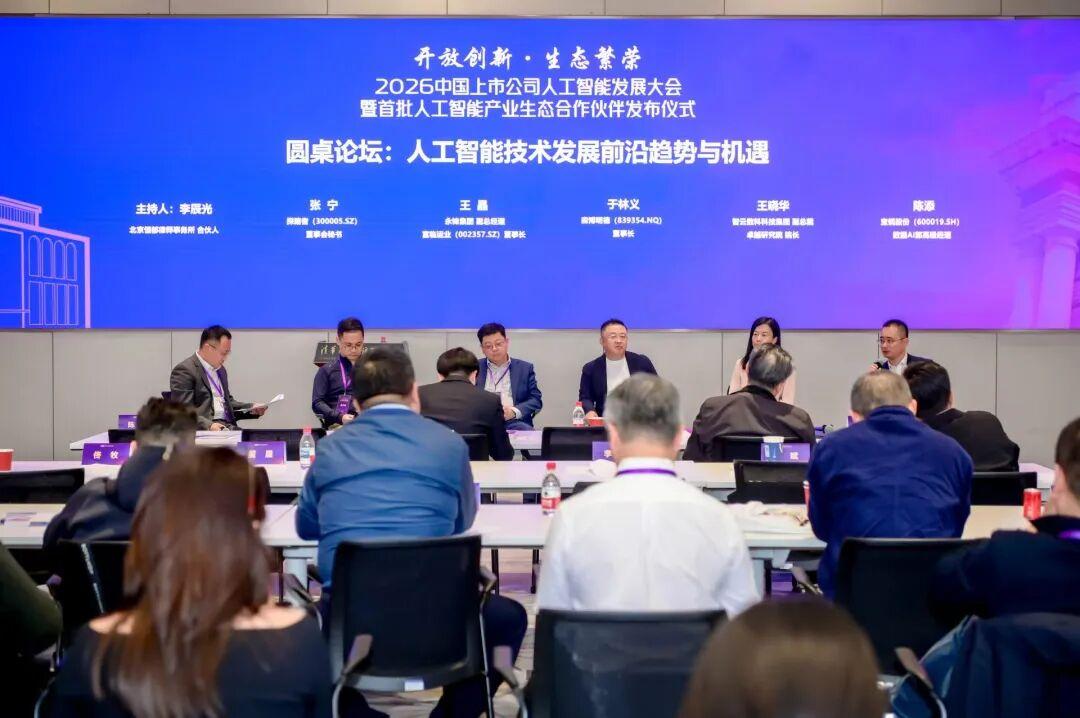
图片

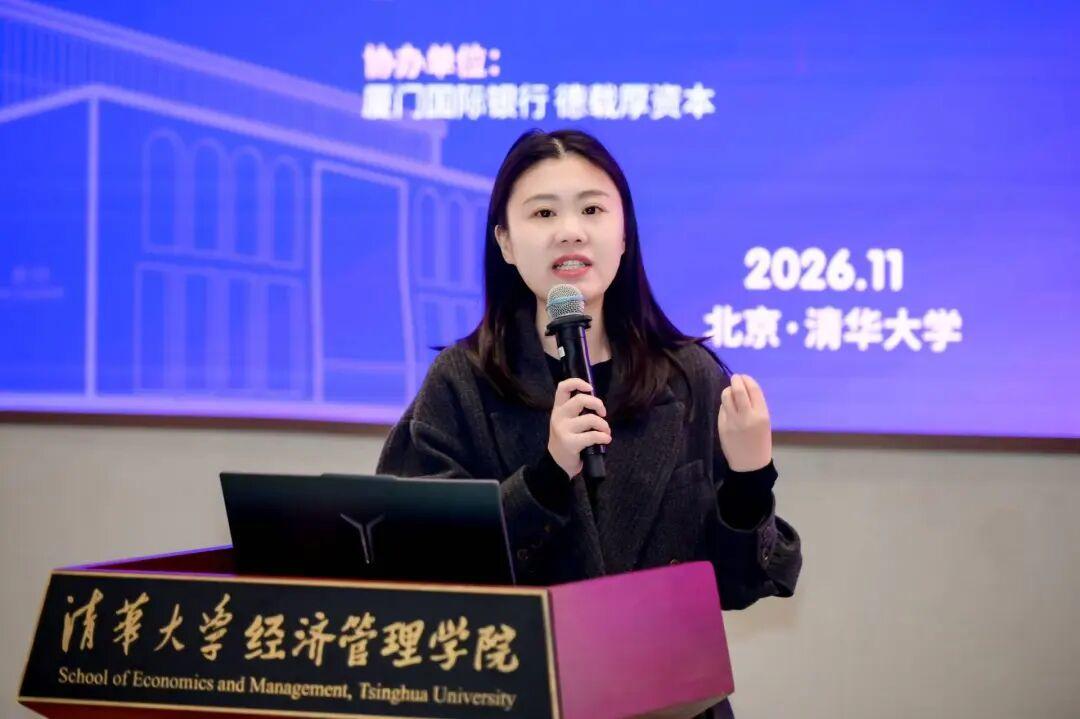
森博科技受邀参会,成为“人工智能产业生态合作伙伴计划”首批获邀企业,也是其中唯一一家AI营销领域企业。 大会期间,森博科技围绕打造AI原生组织,分享了构建“业务实证型研发体系BER”的思考,以及识别和培养AI时代新型人才“MEE(方法论确立工程师)”的重要性。

从真实业务出发,探索AI原生组织建设

人工智能进入企业,如何与实际业务结合,如何持续推动组织转型,是森博科技此次分享关注的核心问题。

森博科技董事长兼总裁于林义提出,打造AI原生组织,需要构建业务实证型研发体系BER,让研发与真实业务紧密联系,以业务实践检验研发方向与应用价值。

这一思考关注的是企业如何持续开展AI研发与应用。业务提出的问题,需要进入研发过程;研发形成的方法和成果,也需要回到业务中接受验证。让业务与研发保持持续互动,才能使AI应用更贴近企业的实际需求。

对于AI营销领域而言,这同样要求企业从具体业务问题出发,关注技术应用能否改善实际工作,以及相关方法能否在业务实践中得到验证。

图片

森博科技董事长&总裁 于林义

图片

森博科技高级副总裁&CeMeta AI联合创始人 李晓

识别和培养MEE,让研发体系高效运行

研发体系的运行,也需要相应的人才支撑。

此次分享中,于林义强调了识别和培养MEE,即方法论确立工程师的重要性。这类AI时代的新型人才,是推动企业AI化转型、保障BER体系高效运行的重要力量。

将研发体系与人才培养放在一起讨论,源于森博科技对组织转型的关注。企业在引入AI技术的同时,也需要思考由谁推动业务与研发之间的交流,如何将实践中的经验整理为可检验、可改进的方法,以及如何让这些方法在组织中持续发挥作用。

BER与MEE,分别回应了研发体系如何建立、由什么样的人推动运行的问题,也构成了森博科技此次关于AI原生组织建设分享的重点。

参与开放合作,推动AI与企业业务深入结合

“人工智能产业生态合作伙伴计划”为不同领域的企业与研究力量提供了交流合作的平台。作为首批获邀企业中唯一一家AI营销领域企业,森博科技期待在这一平台上,与各方围绕企业AI应用、组织转型与人才培养展开更多交流。

未来,森博科技将继续立足AI营销业务实践,深化对BER研发体系与MEE人才培养的探索,让技术研发、业务验证与组织成长形成更紧密的联系,为企业AI化转型提供实践参考。

注:文/龚作仁,文章来源:Laborer,本文为作者独立观点,不代表亿邦动力立场。

【版权提示】亿邦动力倡导尊重与保护知识产权。未经许可,任何人不得复制、转载、或以其他方式使用本网站的内容。如发现本站文章存在版权问题,烦请提供版权疑问、身份证明、版权证明、联系方式等发邮件至run@ebrun.com,我们将及时沟通与处理。

已点赞

+1

{{ praise_text }}

好文章,值得被更多人看到

FAQ回顾

什么是AI原生组织?企业建设AI原生组织需要哪些能力?

AI原生组织是森博科技此次分享的核心方向,强调企业引入AI时同步推动组织转型。其建设需要构建业务实证型研发体系BER,让业务问题进入研发过程、研发成果回到业务验证;同时识别和培养MEE方法论确立工程师,由这类人才推动业务与研发交流并保障体系运行。

业务实证型研发体系BER是什么?它如何让AI应用贴近业务?

BER即业务实证型研发体系,由森博科技董事长兼总裁于林义提出。其核心是让研发与真实业务紧密联系,以业务实践检验研发方向与应用价值:业务提出的问题进入研发过程,研发形成的方法和成果再回到业务中接受验证,从而使AI应用更贴近企业实际需求。

MEE方法论确立工程师是什么?企业在AI转型中为什么需要这类人才?

MEE即方法论确立工程师,是森博科技提出的AI时代新型人才。其作用包括推动业务与研发之间的交流,把实践经验整理为可检验、可改进的方法,并让方法在组织中持续发挥作用,从而保障BER体系高效运行,推动企业AI化转型。

AI营销企业如何将AI技术与实际业务结合?

AI营销企业应从具体业务问题出发,关注技术应用能否改善实际工作,以及相关方法能否在业务实践中得到验证。森博科技作为首批获邀企业中唯一AI营销领域企业,正立足AI营销业务实践,深化BER研发体系与MEE人才培养,让技术研发、业务验证和组织成长形成更紧密联系。

人工智能产业生态合作伙伴计划是什么?有哪些首批企业?

“人工智能产业生态合作伙伴计划”在2026中国上市公司人工智能发展大会暨首批发布仪式上推出,大会由清华大学全球证券市场研究院主办。森博科技成为该计划首批获邀企业,并且是首批企业中唯一一家AI营销领域企业,未来将围绕企业AI应用、组织转型与人才培养展开交流合作。

广告

下一篇

跨境电商资源对接

《全球跨境电商服务商资源手册》第二期手册现已发布,触达更多资源,了解跨境服务商信息,欢迎点击链接下载。

了解详情

“点点”之后再推“搭搭” 小红书AI赛道又落一子

日前,小红书正内测一款名为“搭搭”的独立App,定位并非私人专属Agent工具,而是一个由普通人用“活人感”经验创造、分发领域Agent的社区平台——平台内的Agent被称为“搭子”。