• 亿邦公众号
    • APP下载

共话餐饮新周期 挖掘行业新机会!第36届红餐博览会在广州开幕

作者:龚作仁 文章来源:Laborer

2026-09-23 14:03

作者:龚作仁 文章来源:Laborer

2026-09-23 14:03

邦小白快读

EN
全文速览

2026年餐饮业已进入慢下来、变起来的阶段,行业增长逻辑正在重塑。

1. 消费需求正在向品质化、个性化、多元化转变,行业比拼已升级为品牌、供应链、精细化运营与文化价值的综合实力,不再只靠规模扩张。

2. 可以从六大战略思维中寻找经营思路:向场景要增长、向AI要效能、向情绪要价值、向生态要能量、向海外要利润、向人才要心力。

3. 产品创新正从做新品转向回应消费场景和经营需求,8款风向标产品集中亮相,包括逮虾记MIX融合虾滑、耕盛堂天香笋干尖、风光里免淘米、老汤坊魔鬼辣螺蛳汤底、乌苏啤酒、美好食品农家糖醋里脊、新天力防漏王2.0、雪川北极光超脆薯条,体现出供应链端的最新变化。

4. 近两百家供应链企业参展,覆盖复合调味料、食材、数字化工具、厨房设备等领域,供需对接氛围热烈,行业更强调产业协同和精细化运营。

餐饮品牌需要在新周期中重新理解消费者,并从综合实力角度构建竞争力。

1. 消费趋势上,餐饮消费正向品质化、个性化、多元化转变,消费者逐渐习惯AI等技术,品牌必须理解正在变化的消费者,并意识到技术融合周期已经到来。

2. 竞争维度上,行业比拼已升级为品牌、供应链、精细化运营与文化价值的综合实力,品牌不能只拼规模和价格。

3. 增长思维上,可借鉴六大战略思维:向场景要增长、向AI要效能、向情绪要价值、向生态要能量、向海外要利润、向人才要心力。

4. 产品研发上,风向标产品发布显示创新方向正从做新品走向回应消费场景和经营需求,比如逮虾记MIX融合虾滑、耕盛堂天香笋干尖、风光里免淘米、老汤坊魔鬼辣螺蛳汤底、美好食品农家糖醋里脊等,都是针对具体场景和需求开发的产品。

餐饮新周期中,卖家需要关注行业风向变化,抓住确定性增长机会。

1. 行业风向方面,2026年餐饮业处于慢下来、变起来的阶段,增长逻辑重塑,行业比拼升级为品牌、供应链、精细化运营与文化价值的综合实力。

2. 增长机会方面,AI正在重构效率、营销、运营和用户体验,餐饮产业全面迈入人工智能驱动的新时代;同时场景、情绪价值、生态协同、海外市场、人才效能都是新增量来源。

3. 供应链机会方面,近两百家供应链企业参展,覆盖复合调味料、食材、数字化工具、厨房设备等领域,供需对接需求旺盛,卖家可关注供应链创新产品带来的差异化卖点。

4. 风险与应对方面,消费者习惯快速变化,餐饮品牌需要重新理解消费者,不能再用规模速度思维,而要转向更精细的经营和更深度的创新,否则可能在新周期中掉队。

工厂在生产端需要紧跟餐饮行业的产品创新和供应链升级需求。

1. 产品创新需求上,风向标产品显示,产品开发正从做新品转向对消费场景和经营需求的回应,例如逮虾记MIX融合虾滑、耕盛堂天香笋干尖、风光里免淘米、老汤坊魔鬼辣螺蛳汤底、美好食品农家糖醋里脊、雪川北极光超脆薯条等,工厂可据此调整研发和生产方向。

2. 供应链升级方向上,餐饮行业比拼已经升级为品牌、供应链、精细化运营与文化价值的综合实力,工厂作为供应链上游,需要持续向产品创新和场景需求靠拢。

3. 数字化与AI方面,餐饮产业正全面迈入人工智能驱动的新时代,AI可重构效率、营销、运营和用户体验,工厂在生产端和供应链协同中也需要关注AI等新技术的应用。

4. 产业协同机会上,HCC餐博会汇聚近两百家供应链企业,包括复合调味料、食材、数字化工具、厨房设备等领域,工厂可通过展会等平台对接餐饮品牌,把握供需一站式对接带来的合作机会。

餐饮行业的趋势变化为服务商带来了明确的需求信号和解决方案方向。

1. 行业趋势方面,餐饮业进入技术融合周期,消费者逐渐习惯AI等技术,行业增长逻辑重塑,比拼升级为品牌、供应链、精细化运营与文化价值的综合实力,服务商需要围绕这些新需求布局。

2. 新技术方面,AI正在全面重构餐饮产业的效率、营销、运营和用户体验,是当前最确定的变革方向,相关数字化工具和解决方案需求会持续增长。

3. 客户痛点方面,餐饮企业正面临增长来源变化的挑战,需要从规模速度转向确定性增长,需要在更细的经营、更深的创新和更紧密的产业协同中寻找机会。

4. 解决方案方向上,餐饮企业需要向场景要增长、向AI要效能、向情绪要价值、向生态要能量、向海外要利润、向人才要心力;供应链端则要持续向产品创新和场景需求靠拢。

餐饮新周期对平台商提出了供需对接和运营创新的新要求。

1. 产业需求方面,餐饮行业进入新周期,品牌、供应链、精细化运营与文化价值成为比拼核心,供需一站式对接需求强烈,平台应着力促进餐饮企业与供应链企业的精准高效匹配。

2. 平台做法方面,红餐博览会通过设置2026中国餐饮品牌大会、专题论坛、战略闭门会、风向标产品全球发布会、私享会等板块,搭建思想碰撞和产业对接平台,这种融合会议、展示、发布、对接的运营模式值得参考。

3. 招商运营方面,展会汇聚近两百家实力企业,覆盖复合调味料、食材、数字化工具、厨房设备等领域,说明平台商在招商时要重视跨品类、跨环节的生态组合,帮助展商与专业观众形成深度连接。

4. 风险规避方面,行业增长逻辑已重塑,平台商应帮助入驻企业和商家理解消费者变化,避免继续依赖规模速度思维,引导更多关注AI效能、场景创新和精细化运营等确定性增长方向。

餐饮产业正在经历增长逻辑重塑和技术融合周期,值得深入研究。

1. 产业新动向方面,餐饮业进入慢下来、变起来的阶段,增长逻辑从追求规模速度转向确定性增长,行业比拼升级为品牌、供应链、精细化运营与文化价值的综合实力,同时AI技术正全面重构餐饮产业。

2. 新问题方面,餐饮行业面临增长来源重塑的问题:消费者向品质化、个性化、多元化转变,产品创新从做新品走向对消费场景和经营需求的回应,企业需要重新审视经营效率和消费者关系。

3. 商业模式方面,风向标产品发布会和HCC餐博会展示了供应链与餐饮品牌供需一站式对接的模式,以及通过多品类展商组合促进产业协同的做法,值得进一步研究。

4. 政策与启示方面,大会强调实干跨越,提出向场景要增长、向AI要效能、向情绪要价值、向生态要能量、向海外要利润、向人才要心力的六大战略思维,这些可作为餐饮产业研究和政策建议的重要参考。

声明:快读内容全程由AI生成,请注意甄别信息。如您发现问题,请发送邮件至 run@ebrun.com 。

我是 品牌商 卖家 工厂 服务商 平台商 研究者 帮我再读一遍。

Quick Summary

In 2026, the restaurant industry has entered a phase of slowing down and transforming, and the logic of industry growth is being reshaped.

1. Consumer demand is shifting toward quality, personalization, and diversification. Competition in the industry has escalated from mere scale expansion to a comprehensive contest of brand strength, supply chains, refined operations, and cultural value.

2. Six strategic mindsets can guide business thinking: seek growth from scenarios, efficiency from AI, value from emotions, energy from ecosystems, profits from overseas markets, and commitment from talent.

3. Product innovation is moving from creating new items to responding to consumption scenarios and operational needs. Eight bellwether products were unveiled, including Daixieji MIX blended shrimp paste, Gengshengtang Tianxiang dried bamboo shoot tips, Fengguangli no-rinse rice, Laotangfang devil-spicy snail soup base, Wusu Beer, Meihao Foods farm-style sweet and sour pork ribs, Xintianli leak-proof lid 2.0, and Xuechuan Northern Lights extra-crispy French fries, reflecting the latest changes across the supply chain.

4. Nearly 200 supply chain companies exhibited, covering compound seasonings, ingredients, digital tools, and kitchen equipment. The atmosphere for supply-demand matching was vibrant, and the industry now places greater emphasis on industrial synergy and refined operations.

Restaurant brands must re-understand consumers in the new cycle and build competitiveness from a comprehensive-strength perspective.

1. On consumption trends, restaurant spending is shifting toward quality, personalization, and diversification. Consumers are gradually getting accustomed to technologies like AI, so brands must understand changing consumers and recognize that the technology integration cycle has arrived.

2. On competition dimensions, industry competition has escalated to comprehensive strength in brand, supply chain, refined operations, and cultural value. Brands can no longer compete only on scale and price.

3. On growth thinking, brands can draw on six strategic mindsets: seek growth from scenarios, efficiency from AI, value from emotions, energy from ecosystems, profits from overseas markets, and commitment from talent.

4. On product development, the release of bellwether products shows that innovation is shifting from creating new items to responding to consumption scenarios and operational needs. Products such as Daixieji MIX blended shrimp paste, Gengshengtang Tianxiang dried bamboo shoot tips, Fengguangli no-rinse rice, Laotangfang devil-spicy snail soup base, and Meihao Foods farm-style sweet and sour pork ribs are all developed for specific scenarios and needs.

In the new cycle of the restaurant industry, sellers need to pay close attention to shifting industry trends and seize opportunities for certain growth.

1. On industry trends, the restaurant industry in 2026 is in a phase of slowing down and transforming. The growth logic is being reshaped, and competition has escalated to comprehensive strength in brand, supply chain, refined operations, and cultural value.

2. On growth opportunities, AI is reshaping efficiency, marketing, operations, and customer experience. The restaurant industry is entering an era fully driven by artificial intelligence. In addition, scenarios, emotional value, ecosystem synergy, overseas markets, and talent effectiveness are all new sources of growth.

3. On supply chain opportunities, nearly 200 supply chain companies exhibited, covering compound seasonings, ingredients, digital tools, and kitchen equipment. Demand for supply-demand matching is strong. Sellers can pay attention to differentiated selling points brought by supply chain innovation.

4. On risks and responses, consumer habits are changing rapidly. Restaurant brands need to re-understand consumers and abandon the scale-and-speed mindset in favor of more refined operations and deeper innovation; otherwise, they may fall behind in the new cycle.

Factories on the production side must keep pace with product innovation and supply chain upgrading needs in the restaurant industry.

1. On product innovation needs, bellwether products show that product development is shifting from creating new items to responding to consumption scenarios and operational needs. Examples include Daixieji MIX blended shrimp paste, Gengshengtang Tianxiang dried bamboo shoot tips, Fengguangli no-rinse rice, Laotangfang devil-spicy snail soup base, Meihao Foods farm-style sweet and sour pork ribs, and Xuechuan Northern Lights extra-crispy French fries. Factories can adjust their R&D and production directions accordingly.

2. On supply chain upgrading, competition in the restaurant industry has escalated to comprehensive strength in brand, supply chain, refined operations, and cultural value. As upstream players in the supply chain, factories must continue to align with product innovation and scenario demands.

3. On digitalization and AI, the restaurant industry is entering an era fully driven by artificial intelligence. AI can reshape efficiency, marketing, operations, and customer experience. Factories should also pay attention to the application of new technologies like AI in production and supply chain collaboration.

4. On industrial synergy opportunities, the HCC Catering Expo brings together nearly 200 supply chain companies across compound seasonings, ingredients, digital tools, and kitchen equipment. Factories can leverage exhibition platforms to connect with restaurant brands and seize cooperation opportunities from one-stop supply-demand matching.

Trend changes in the restaurant industry are sending clear demand signals and solution directions for service providers.

1. On industry trends, the restaurant industry has entered a technology integration cycle. Consumers are gradually getting accustomed to technologies like AI. Industry growth logic is being reshaped, and competition has escalated to comprehensive strength in brand, supply chain, refined operations, and cultural value. Service providers need to build their offerings around these new demands.

2. On new technologies, AI is comprehensively reshaping efficiency, marketing, operations, and customer experience in the restaurant industry. This is the most certain direction of transformation, and demand for related digital tools and solutions will continue to grow.

3. On customer pain points, restaurant companies are facing the challenge of changing growth sources. They need to shift from scale-and-speed growth to certain growth, finding opportunities in more refined operations, deeper innovation, and closer industrial collaboration.

4. On solution directions, restaurant companies need to seek growth from scenarios, efficiency from AI, value from emotions, energy from ecosystems, profits from overseas markets, and commitment from talent. On the supply chain side, the focus must continue to shift toward product innovation and scenario demands.

The new restaurant industry cycle places new demands on marketplace platforms for supply-demand matching and operational innovation.

1. On industry demand, the restaurant industry has entered a new cycle in which brand, supply chain, refined operations, and cultural value are the core competitive factors. There is a strong need for one-stop supply-demand matching, and platforms should focus on enabling precise and efficient connections between restaurant companies and supply chain companies.

2. On platform practices, the Hongcan Expo has built a platform for ideas and industry connections through sections such as the 2026 China Restaurant Brand Conference, thematic forums, strategic closed-door meetings, bellwether product global launches, and private sharing sessions. This operating model that integrates conferences, exhibitions, launches, and matchmaking is worth referencing.

3. On merchant recruitment and operations, the expo brings together nearly 200 strong companies covering compound seasonings, ingredients, digital tools, and kitchen equipment. This shows that platforms should value cross-category, cross-link ecosystem combinations when recruiting merchants, helping exhibitors and professional visitors form deeper connections.

4. On risk avoidance, industry growth logic has been reshaped. Platforms should help enterprises and merchants on their ecosystems understand consumer changes, avoid continuing to rely on scale-and-speed thinking, and guide them to focus on certain growth directions such as AI efficiency, scenario innovation, and refined operations.

The restaurant industry is undergoing growth-logic reshaping and a technology integration cycle, which merits in-depth research.

1. On new industry movements, the restaurant industry has entered a phase of slowing down and transforming. Growth logic is shifting from pursuing scale and speed to pursuing certain growth. Industry competition has escalated to comprehensive strength in brand, supply chain, refined operations, and cultural value. At the same time, AI technology is comprehensively reshaping the restaurant industry.

2. On emerging issues, the restaurant industry faces the challenge of reshaping growth sources: consumers are shifting toward quality, personalization, and diversification; product innovation is moving from creating new items to responding to consumption scenarios and operational needs; and companies need to re-examine operational efficiency and consumer relationships.

3. On business models, the bellwether product launch and the HCC Catering Expo demonstrate a one-stop supply-demand matching model between supply chains and restaurant brands, as well as a multi-category exhibitor combination approach that promotes industrial synergy. These are worth further study.

4. On policy and implications, the conference emphasized pragmatic cross-cycle action and proposed six strategic mindsets: seek growth from scenarios, efficiency from AI, value from emotions, energy from ecosystems, profits from overseas markets, and commitment from talent. These can serve as important references for restaurant industry research and policy recommendations.

Disclaimer: The "Quick Summary" content is entirely generated by AI. Please exercise discretion when interpreting the information. For issues or corrections, please email run@ebrun.com .

I am a Brand Seller Factory Service Provider Marketplace Seller Researcher Read it again.

2026年,餐饮业进入一个“慢下来、变起来”的阶段,全行业都在寻找下一轮增长的答案,新的增长从哪里来?

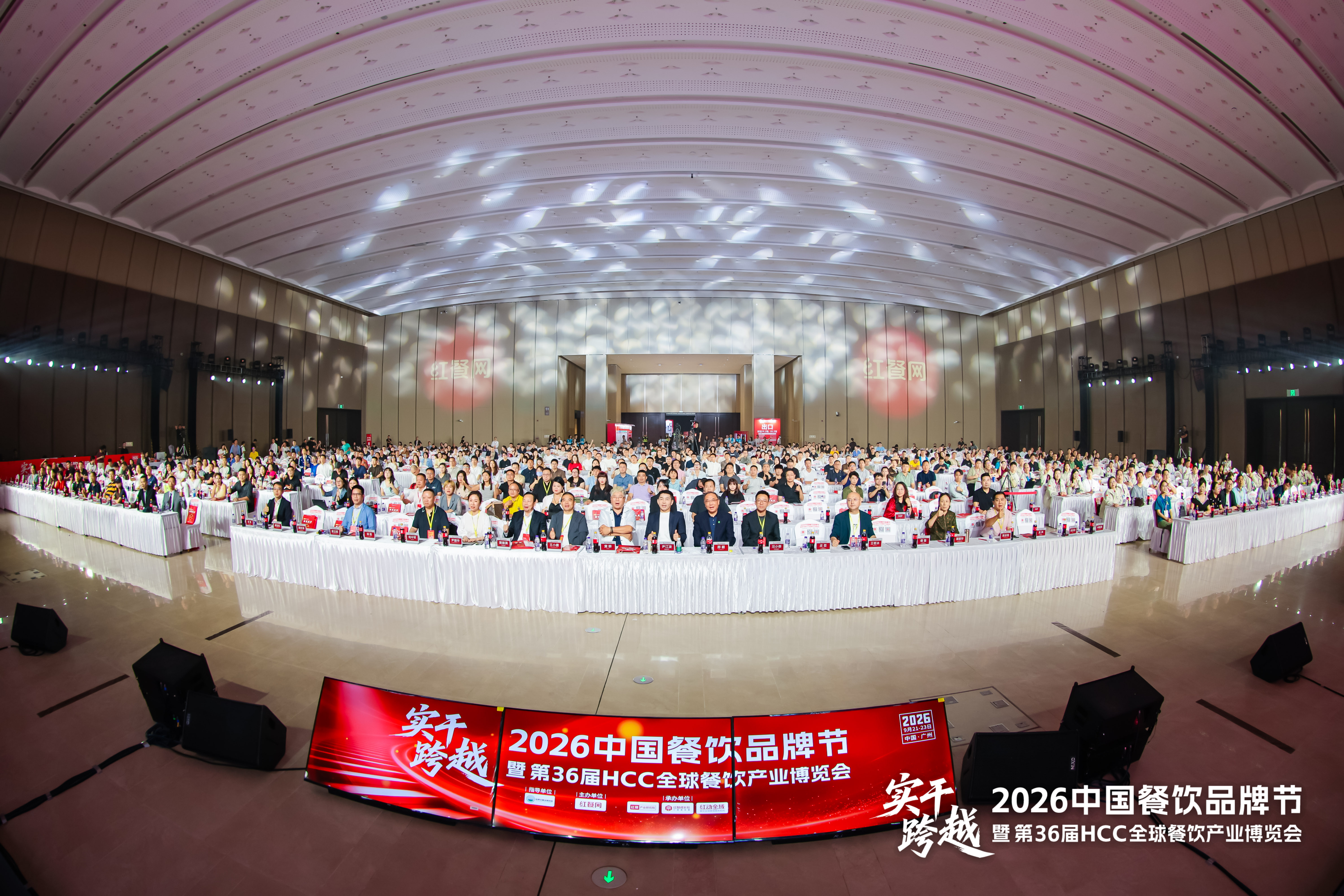
9月21日,由世界中餐业联合会指导、红餐网主办的“红餐·第36届全球餐饮产业博览会暨2026中国餐饮品牌节”(简称“第36届红餐博览会”)在广州广交会场馆盛大开幕。

第36届红餐博览会为期3天,以“实干·跨越”为主题,设置了2026中国餐饮品牌大会、系列专题论坛、第四届中国餐饮领航人战略闭门会、第四届风尚盛宴暨2026风向标产品(秋季)全球发布会、“中国餐饮赋能计划”系列私享会、HCC全球餐饮产业博览会·2026秋季展等系列板块,打造一场专属于餐饮人的年度盛宴。

世界中餐业联合会会长邢颖、红餐创始人&CEO陈洪波先后登台致辞,为第36届红餐博览会拉开序幕。邢颖表示,餐饮消费向着品质化、个性化、多元化转变,行业比拼已经升级为品牌、供应链、精细化运营与文化价值的综合实力,需要餐饮人凝心聚力,共探破局路径、共谋跨越发展。
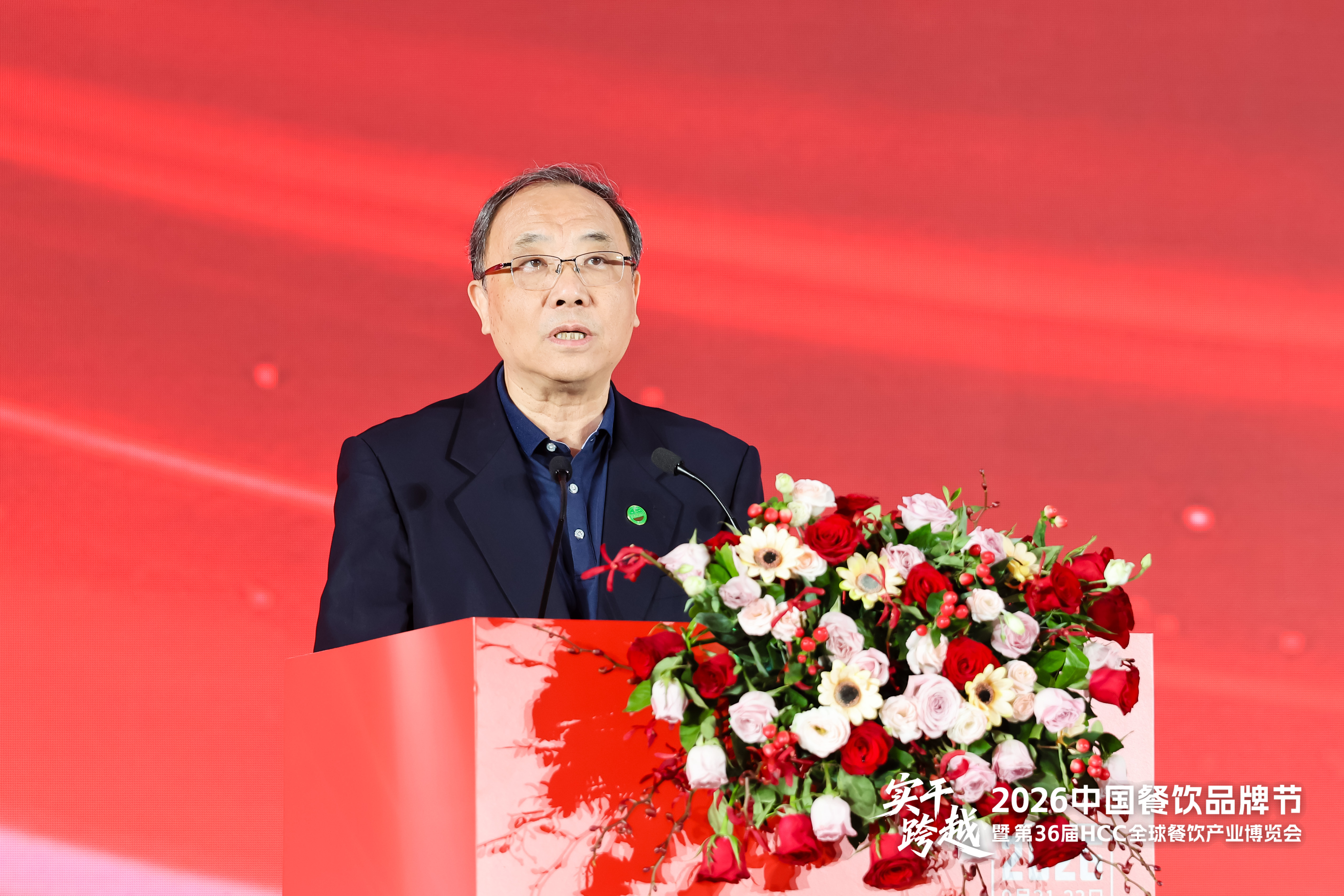
世界中餐业联合会会长邢颖

陈洪波则指出,当前餐饮产业正全面迈入人工智能驱动的全新时代。AI重构效率、重塑营销、重构运营、重构用户体验,行业迎来前所未有的全新机遇,也伴随全新挑战。基于此背景,第36届红餐博览会旨在让前沿思想落地、让实战干货赋能、让优质资源互通。
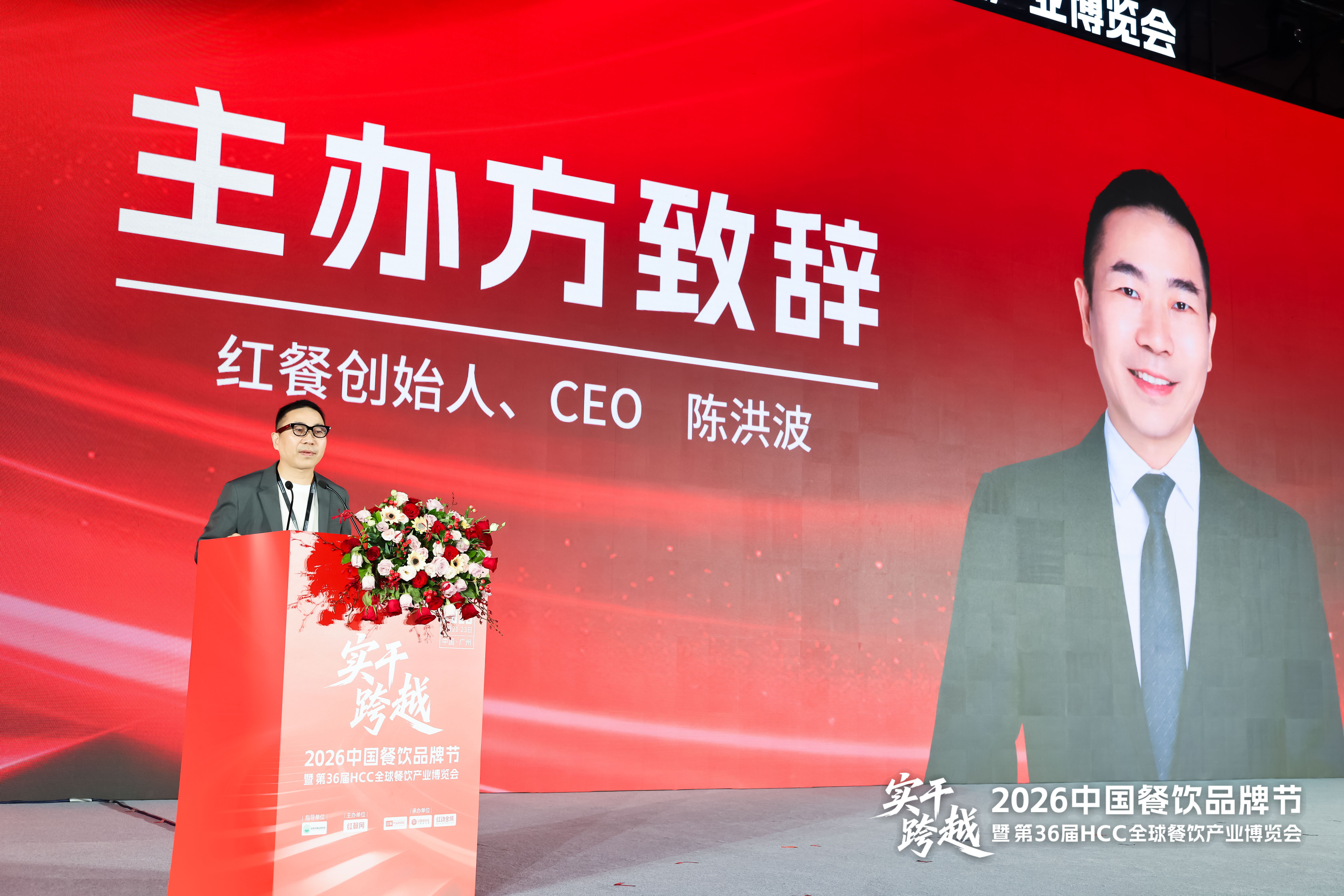
红餐创始人&CEO陈洪波

01

大咖齐聚,共探餐饮增长新可能

行业增长逻辑重塑,当下餐饮,路在哪里?本届红餐博览会开幕首日,2026中国餐饮品牌大会、第四届中国餐饮领航人战略闭门会、2026中国餐饮营销发展论坛、2026中国餐饮品招发展论坛等精彩板块轮番亮相。
场景实验室创始人、场景方法论提出者吴声,中国人民大学教授、博士生导师,北京华夏基石管理咨询集团董事长彭剑锋,丰收蟹庄创始人、上海海派菜文化研究院院长傅骏,麦当劳(中国)公司创业元老、管理培训专家章义伍,中国知名餐饮营销专家、熊猫传媒三三得久创始合伙人申晨等一众大咖现身分享,从行业趋势到经营本质,汇成了一条清晰的思考链条。

其中,场景实验室创始人、场景方法论提出者吴声表示,2026年,餐饮行业已经进入了一个技术融合周期。消费者逐渐习惯AI等技术,在一个“生成一切”的周期,餐饮必须是最后的生活真实。在新周期中,餐饮品牌要理解正在变化的消费者。
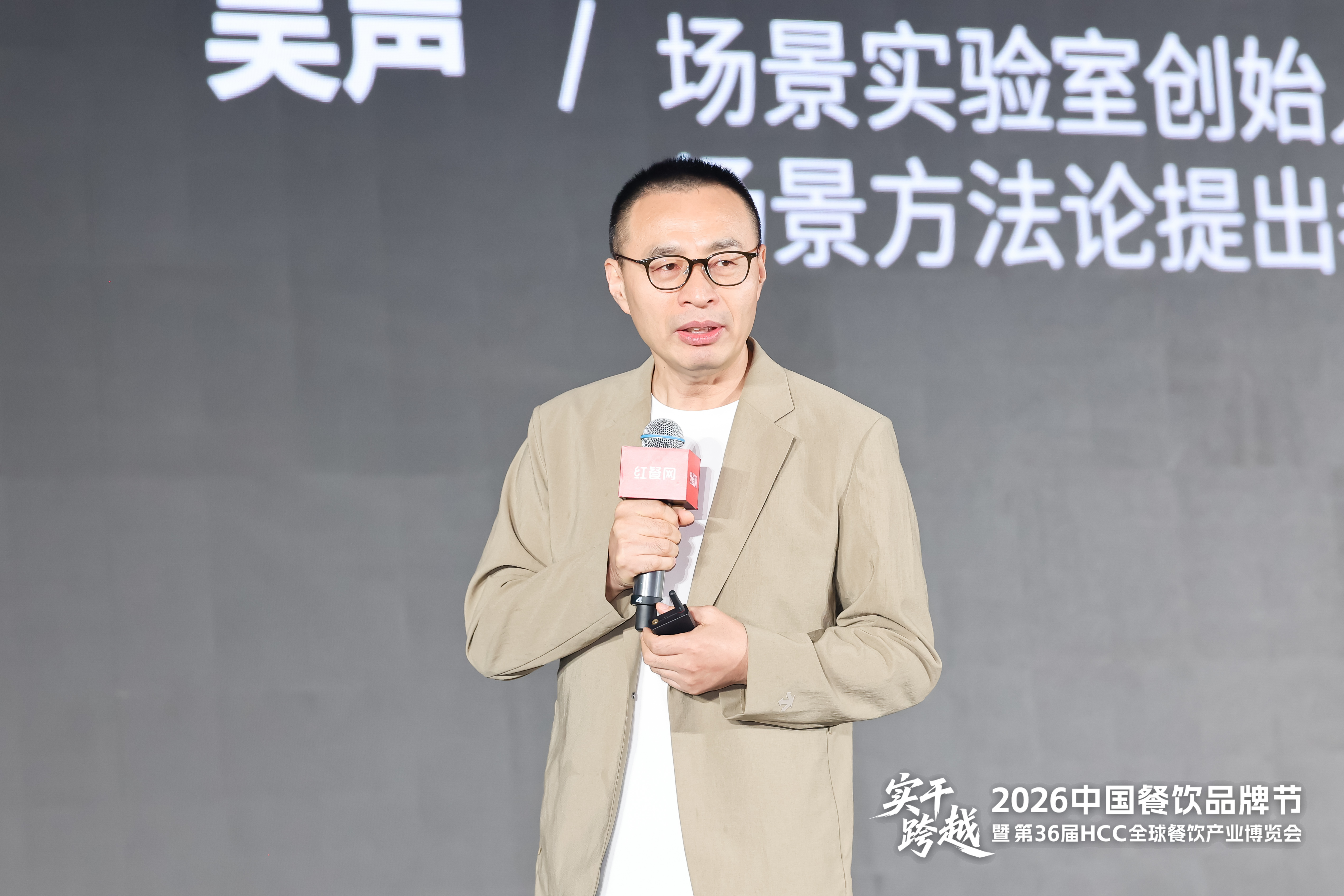
场景实验室创始人、场景方法论提出者吴声

中国人民大学教授、博士生导师,北京华夏基石管理咨询集团董事长彭剑锋分享了餐饮企业面向未来的六大战略思维:向场景要增长、向AI要效能、向情绪要价值、向生态要能量、向海外要利润、向人才要心力。
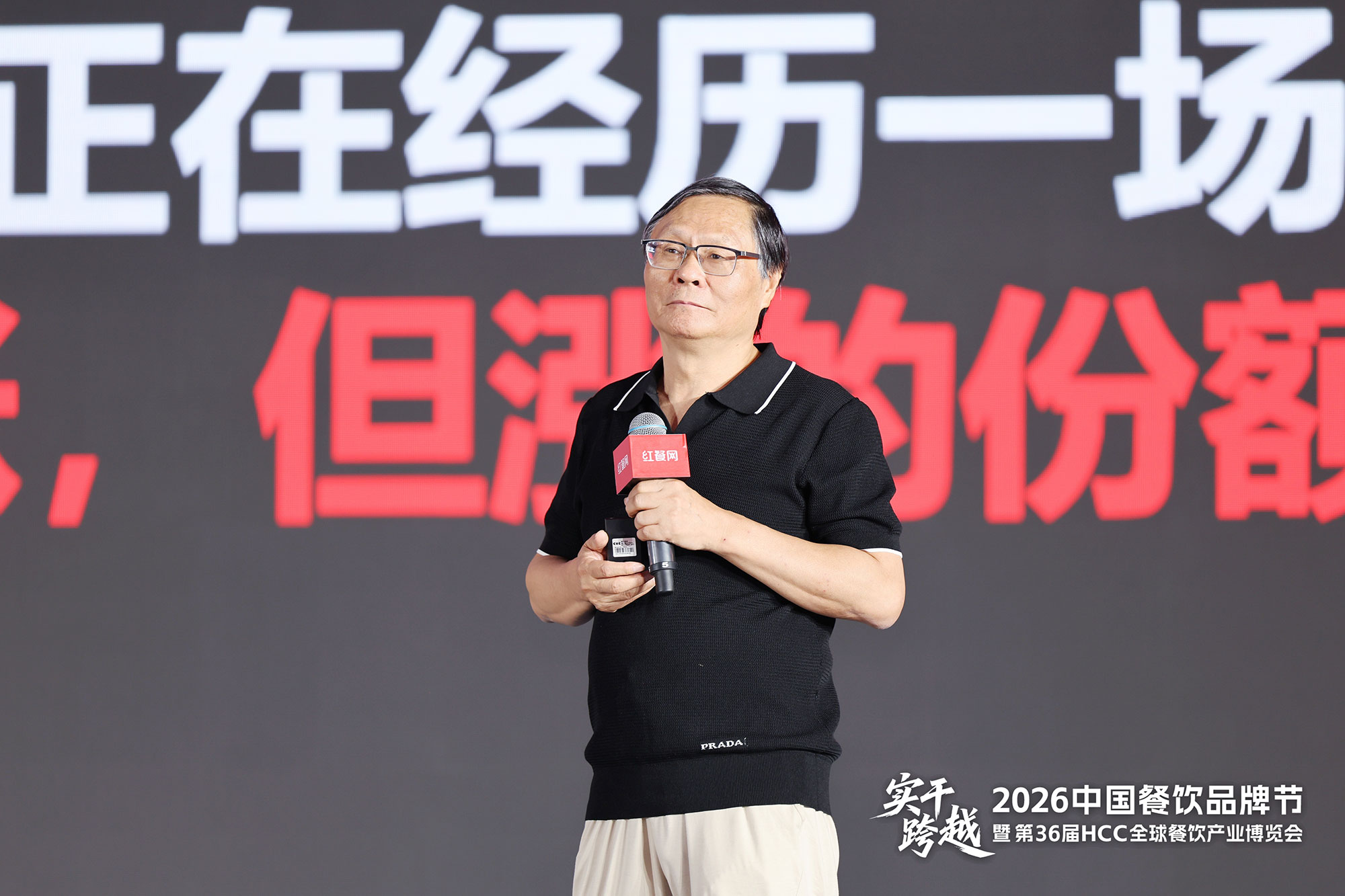
中国人民大学教授、博士生导师,北京华夏基石管理咨询集团董事长彭剑锋

02

8款前沿产品亮相,捕捉餐饮消费新需求

消费需求持续变化,餐饮业的产品创新也正在从“做新品”走向对消费场景和经营需求的回应。

作为本届红餐博览会的核心板块之一,第四届风尚盛宴暨2026风向标产品(秋季)全球发布会也于21日圆满举办。
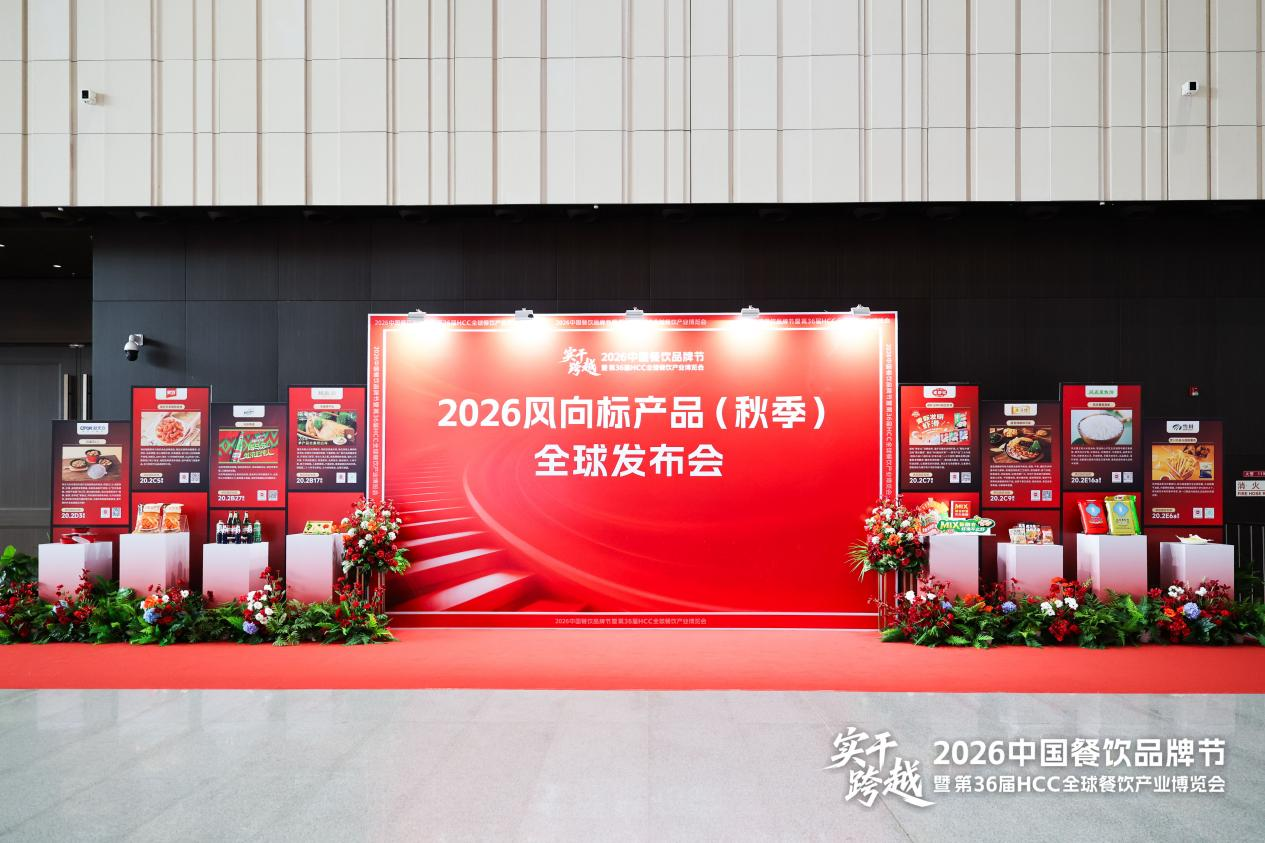
发布会现场,8款代表行业趋势的优质食材和创新产品集中亮相,分别为:逮虾记“MIX融合虾滑”、耕盛堂“天香笋干尖”、风光里“免淘米”、老汤坊“魔鬼辣螺蛳汤底”、嘉士伯中国“乌苏啤酒”、美好食品“农家糖醋里脊”、新天力“防漏王2.0”、雪川“北极光超脆薯条”。

现场,主办方通过主题视频、T台走秀、多点位陈列等创意形式,对8款前沿产品进行立体呈现,让餐饮企业能够从产品端直观看到供应链创新的最新变化。

03

近两百家展商齐聚,促进餐饮供需一站式对接

从趋势和产品走向产业现场,供应链企业与餐饮品牌的交流,也在展馆中持续发生。

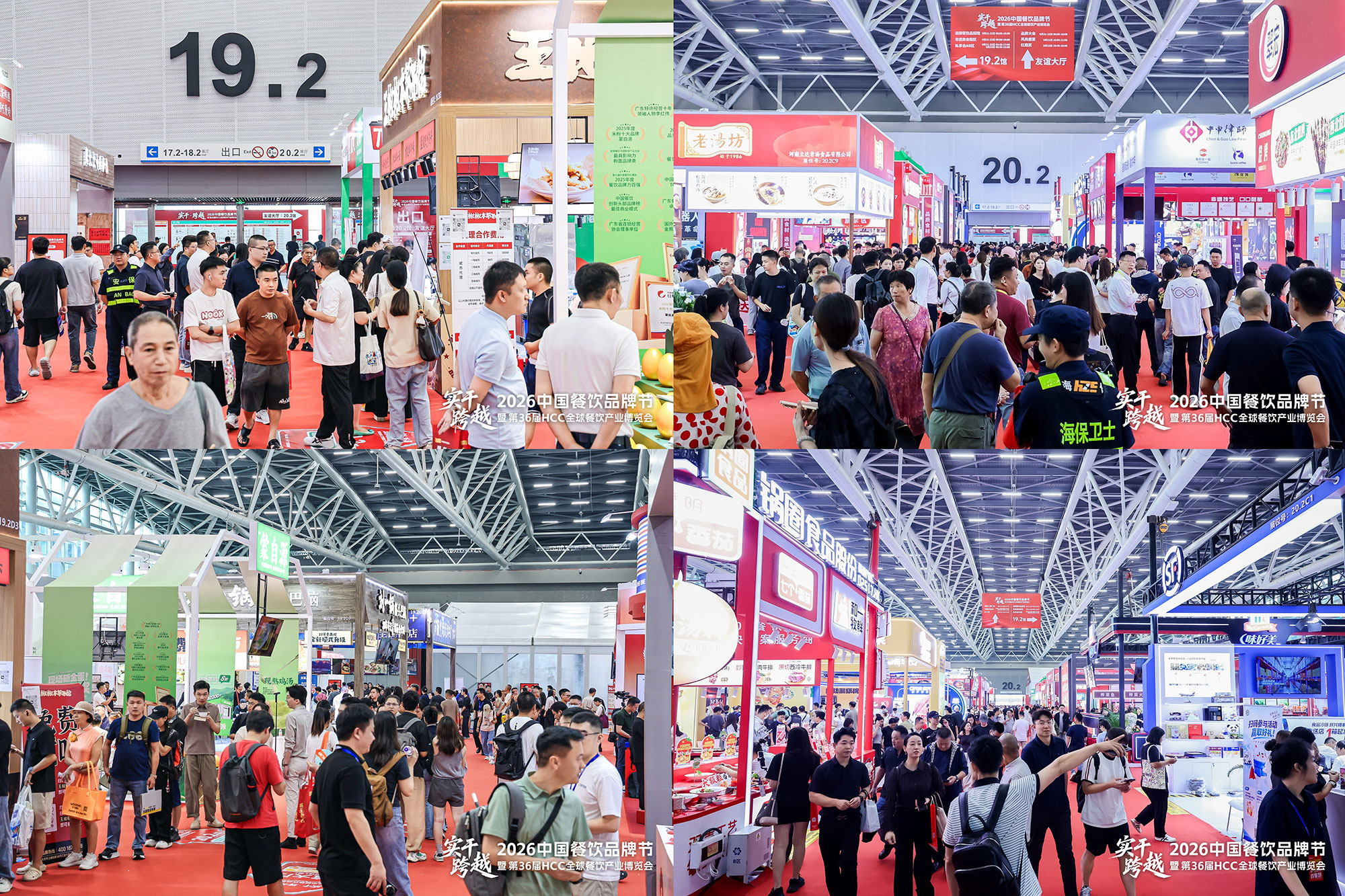
HCC餐博会·2026秋季展现场,供应链综合馆、连锁餐饮品招馆两大展馆,汇聚了包括复合调味料、食材、数字化工具、厨房设备等领域的近两百家实力企业,包括雀巢、味好美、拓邦、蜀海供应链、聚慧餐调、有人有活、美好食品、中申律师、绝味鸭脖、八合里等。

开展首日,展馆内人头攒动,专业观众穿梭于各展位之间,供需对接氛围热烈,不少展位前排起了长队。
小结

从思想碰撞到供需对接,第36届红餐博览会呈现的,不只是餐饮行业当下的热度,更折射出新周期下行业正在发生的变化。

当餐饮从追求规模速度转向寻找确定性增长,品牌需要重新理解消费者,企业需要重新审视经营效率,供应链也需要持续向产品创新和场景需求靠拢。

“实干·跨越”背后,正是餐饮行业在新周期中的共同命题:增长依然重要,但增长的来源正在发生变化;机会依然存在,但需要从更细的经营、更深的创新和更紧密的产业协同中寻找。

注:文/龚作仁,文章来源:Laborer,本文为作者独立观点,不代表亿邦动力立场。

【版权提示】亿邦动力倡导尊重与保护知识产权。未经许可,任何人不得复制、转载、或以其他方式使用本网站的内容。如发现本站文章存在版权问题,烦请提供版权疑问、身份证明、版权证明、联系方式等发邮件至run@ebrun.com,我们将及时沟通与处理。

已点赞

+1

{{ praise_text }}

好文章,值得被更多人看到

FAQ回顾

红餐博览会是什么?

红餐博览会是由红餐网主办、世界中餐业联合会指导的全球餐饮产业博览会暨中国餐饮品牌节。第36届于2026年9月21日在广州广交会场馆开幕,为期3天,包含2026中国餐饮品牌大会、专题论坛、风向标产品发布会、HCC秋季展等板块,覆盖趋势研讨、产品发布与供需对接。

2026年餐饮行业有哪些新趋势?

2026年餐饮业进入“慢下来、变起来”阶段。消费向品质化、个性化、多元化转变,行业比拼升级为品牌、供应链、精细化运营与文化价值的综合实力。同时,餐饮产业正全面迈入人工智能驱动的时代,AI重构效率、营销、运营和用户体验,技术融合成为新周期的重要特征。

餐饮企业在新周期如何寻找增长?

中国人民大学教授、博士生导师,北京华夏基石管理咨询集团董事长彭剑锋提出六大战略思维:向场景要增长、向AI要效能、向情绪要价值、向生态要能量、向海外要利润、向人才要心力。餐饮企业可从场景创新、AI应用、情绪价值、产业生态、海外市场和组织人才六个方向发力,以应对增长逻辑重塑。

2026风向标产品有哪些?

第四届风尚盛宴发布了8款风向标产品:逮虾记“MIX融合虾滑”、耕盛堂“天香笋干尖”、风光里“免淘米”、老汤坊“魔鬼辣螺蛳汤底”、嘉士伯中国“乌苏啤酒”、美好食品“农家糖醋里脊”、新天力“防漏王2.0”、雪川“北极光超脆薯条”,覆盖食材、调味品、酒水、包装等供应链品类。

广告

下一篇

跨境电商资源对接

《全球跨境电商服务商资源手册》第二期手册现已发布,触达更多资源,了解跨境服务商信息,欢迎点击链接下载。

了解详情

前华为高管创业 发布AI眼镜Rover:定位“运动AI Agent”

吴德周认为:“通用场景的AI眼镜在手机厂商的射程之内,创业公司很难竞争。要活下来,必须转向垂直场景。”