• 亿邦公众号
    • APP下载

拼多多主站也要发力东南亚?99元免运费门槛降至“一件包邮”、便捷支付渠道同步

作者:王昱 文章来源:亿邦动力

2026-08-19 11:41

作者:王昱 文章来源:亿邦动力

2026-08-19 11:41

邦小白快读

EN
全文速览

这篇文章核心披露了拼多多主站发力东南亚市场的最新动向,整理核心干货如下:

1. 最新运营调整:拼多多主站将新加坡市场原先满99元包邮的免运门槛降至一件包邮,同时上线新加坡本地主流即时支付系统PayNow,还支持信用卡、借记卡等多种支付方式,商品从国内发货后由平台配送,整体运输时间约两周,大幅降低东南亚消费者跨境购物门槛。

2. 当前发展进展:今年4月起拼多多主站开始在东南亚社交平台投流宣传,截至8月5日,拼多多主站已经登顶新加坡苹果App Store购物类应用下载榜,Temu紧随其后排在第二。

3. 整体布局情况:拼多多主站和Temu属于并行扩张,定位不同,主站侧重服务东南亚当地华语人群,目前已经覆盖新加坡、马来西亚、泰国三个市场。

本文披露了拼多多主站布局东南亚的最新动作,能为出海品牌提供多方面参考,核心干货如下:

1. 新增渠道机会:拼多多主站目前已经拿下新加坡购物APP下载榜第一,正通过降低免运门槛、接入本地支付扩大覆盖的商品范围和消费场景,对出海品牌来说是全新的跨境出海渠道,可借助平台流量红利拓展东南亚市场。

2. 市场与消费趋势:据调研数据,2025年新加坡电商GMV将达到59亿美元,同比增长21%,市场仍在快速增长;当前价格敏感型消费者是新平台的核心增量群体,当地华语人群对拼多多品牌认知度高,获客成本更低,是品牌切入的核心目标客群。

3. 市场竞争参考:目前新加坡电商市场头部格局稳定,Shopee占52%、Lazada占36%,新平台靠低价包邮切入竞争,品牌可以借助平台的政策红利,快速抢占当地价格敏感型客群的市场份额。

本文透露了东南亚电商的新增长机会与拼多多系的最新布局,能给出海卖家提供不少参考,核心干货如下:

1. 新增增长机会:拼多多主站在新加坡下调免运门槛到一件包邮,接入本地主流支付系统,目前已经登顶当地购物APP下载榜,用户规模正在快速提升,给跨境卖家带来了全新的流量增量,是新的出海增长点。

2. 用户与选品参考:拼多多主站差异化定位,侧重服务东南亚当地华语人群,该群体对拼多多品牌认知度高,不需要额外用户教育,卖家可以针对该群体的需求选品,降低获客成本。

3. 风险提示:拼多多此次降门槛可能会加剧东南亚电商市场的价格竞争,卖家需要提前做好价格规划;同时目前Temu在越南等部分市场还存在支付接入不全、缺少本地语言选项等本地化不足的问题,卖家布局多平台时需要留意不同平台的本地化适配要求,规避运营风险。

拼多多主站发力东南亚给出海工厂带来了新的商业机会,也提供了数字化电商转型的参考,核心干货如下:

1. 新增商业机会:拼多多主站目前在新加坡市场快速起量,免运门槛降低后,覆盖了更多低价商品的消费场景,工厂可以直接对接拼多多主站的跨境直邮业务,商品从中国发货后由平台负责物流配送到消费者手中,工厂不需要自行解决跨境物流问题,降低了出海门槛。

2. 生产设计需求参考:拼多多主站的核心客群是价格敏感型消费者和当地华语人群,主打高性价比平价商品,工厂可以针对性调整产品的定位、设计和定价,贴合当前东南亚市场的需求,提升商品竞争力。

3. 出海方向启示:拼多多和Temu采取双平台并行差异化扩张的路径,目前整体东南亚电商市场保持快速增长,新加坡市场年增速达到21%,增量空间充足,工厂可以尝试多平台差异化布局,分散出海风险,抓住东南亚电商的增长红利。

拼多多发力东南亚的动作反映了东南亚跨境电商的最新发展趋势,给各类服务商指明了新的需求方向,核心干货如下:

1. 行业发展趋势:目前东南亚头部电商格局已经基本稳定,但仍有新平台可以切入,拼多多系采取主站加Temu双平台并行差异化扩张的路径,推动跨境直邮模式在东南亚的普及,整体市场保持快速增长,新加坡电商市场年增速达到21%,增量空间充足,带动周边服务需求上涨。

2. 客户痛点梳理:新平台和新入场的卖家在本地化方面仍有很多未满足的需求,比如Temu在越南恢复运营后,还没有接入当地常用的Momo、Zalo Pay等电子钱包,平台也没有提供越南语选项,支付本地化、运营本地化都存在痛点。

3. 业务机会:拼多多主站和Temu在快速扩张东南亚多市场,各类出海卖家也在跟进布局,服务商可以针对不同市场的本地化需求,推出支付对接、本地运营、物流优化等针对性的解决方案,对接新入场平台和卖家的需求,拓展自身业务。

拼多多主站布局东南亚的动作,给同行平台商提供了扩张运营的参考,也揭示了东南亚市场的竞争态势,核心干货如下:

1. 用户需求洞察:东南亚消费者对跨境低价商品的需求十分旺盛,对包邮门槛、本地便捷支付的敏感度很高,降低免运门槛、接入本地主流支付是提升用户转化、拉动用户增长的有效手段,这个运营思路值得平台参考。

2. 扩张策略可借鉴点:拼多多采取主站加Temu双品牌并行差异化扩张的路径,主站依托原有品牌认知,侧重服务对拼多多有认知的当地华语人群,大大降低了用户教育成本,这种差异化定位的扩张思路适合多品牌布局的平台参考。

3. 风险提示:当前东南亚核心市场的绝大多数份额已经被头部平台占据,新平台入场会进一步加剧市场竞争,价格竞争首先会影响价格敏感型客群,平台需要提前做好竞争应对;同时平台出海必须做好本地化适配,比如接入本地主流支付、提供本地语言选项,避免本地化不足制约用户增长。

本文披露了中国跨境电商平台出海东南亚的最新产业动向,呈现了新的扩张模式与待研究的新问题,核心干货如下:

1. 产业新动向:当前拼多多系开创了全新的出海扩张模式,采取拼多多主站加Temu双品牌并行差异化出海的路径,不同于行业常见的单一平台扩张模式,主站依托拼多多在中国市场的原有品牌认知,切入东南亚华语人群市场,Temu面向更广泛群体覆盖更多区域市场,差异化定位分工,是跨境电商出海的新模式。

2. 市场格局新变化:目前东南亚核心市场新加坡的绝大多数份额被头部平台占据,Shopee加Lazada占据了88%的市场份额,但拼多多主站入场短短几个月就登顶当地购物APP下载榜,说明垄断市场仍有切入空间,低价包邮仍是新平台获客的有效手段。

3. 值得研究的新问题:新的双品牌扩张模式最终能否打破现有头部格局,本地化不足会对新平台的业务发展产生哪些长期影响,降低免邮门槛会如何改变东南亚电商市场的竞争生态,这些都是跨境电商出海领域值得深入研究的新问题。

声明:快读内容全程由AI生成,请注意甄别信息。如您发现问题,请发送邮件至 run@ebrun.com 。

我是 品牌商 卖家 工厂 服务商 平台商 研究者 帮我再读一遍。

Quick Summary

This article reveals Pinduoduo’s latest move to expand into Southeast Asia via its main platform, with key takeaways as follows:

1. Latest operational adjustments: Pinduoduo’s main platform has lowered its free shipping threshold in Singapore from orders over SGD 99 to free shipping for all single items. It has also integrated PayNow, Singapore’s leading local instant payment system, while supporting credit cards, debit cards and other payment methods. Goods are shipped from China and delivered by the platform, with total transit time of approximately two weeks, significantly lowering the barrier to cross-border shopping for Southeast Asian consumers.

2. Current growth progress: Pinduoduo’s main platform began running ad campaigns on Southeast Asian social media starting in April this year. As of August 5, it had reached the top of Singapore’s Apple App Store Shopping app download chart, with Temu ranking second right behind it.

3. Overall expansion layout: Pinduoduo’s main platform and Temu are expanding in parallel with distinct positioning. The main platform focuses on serving local Chinese-speaking populations in Southeast Asia, and currently covers three markets: Singapore, Malaysia, and Thailand.

This article discloses Pinduoduo’s latest Southeast Asian expansion via its main platform, offering multiple key insights for cross-border brands, summarized below:

1. New channel opportunity: Pinduoduo’s main platform has already claimed the top spot on Singapore’s shopping app download chart. It is expanding its product coverage and consumer scenarios by lowering free shipping thresholds and integrating local payment methods, creating an entirely new cross-border channel for brands looking to go overseas. Brands can leverage the platform’s traffic boom to expand into the Southeast Asian market.

2. Market and consumer trends: Per industry data, Singapore’s e-commerce GMV will reach $5.9 billion in 2025, representing a 21% year-on-year growth, indicating the market is still expanding rapidly. Price-sensitive consumers currently form the core incremental user group for new platforms. Local Chinese-speaking populations have high existing brand awareness of Pinduoduo, meaning lower customer acquisition costs, making them the ideal core target group for brands entering the market.

3. Competitive landscape reference: The current Singapore e-commerce market has a stable top-tier structure, with Shopee holding 52% and Lazada holding 36% market share. New platforms enter the competition via low-price free shipping strategies. Brands can leverage policy incentives from the new platform to quickly capture market share among local price-sensitive consumers.

This article reveals new growth opportunities in Southeast Asian e-commerce and Pinduoduo Group’s latest expansion plans, offering key takeaways for cross-border sellers as follows:

1. New growth opportunity: Pinduoduo’s main platform has lowered its free shipping threshold to free shipping on all single items in Singapore, integrated leading local payment systems, and now tops the local shopping app download chart, with its user base growing rapidly. This brings brand-new traffic increments for cross-border sellers, creating a new growth driver for overseas expansion.

2. User and product selection reference: Pinduoduo’s main platform adopts a differentiated positioning focused on serving local Chinese-speaking populations in Southeast Asia. This group already has high brand awareness of Pinduoduo, so no additional user education is required, allowing sellers to reduce customer acquisition costs by selecting products tailored to this group’s needs.

3. Risk warning: Pinduoduo’s threshold cut may intensify price competition in the Southeast Asian e-commerce market, so sellers should plan their pricing strategies in advance. Meanwhile, Temu currently faces localization gaps in some markets such as Vietnam, including incomplete payment integration and lack of local language options. Sellers expanding across multiple platforms should pay close attention to localization requirements for different platforms to avoid operational risks.

Pinduoduo’s main platform push into Southeast Asia brings new business opportunities for export-focused Chinese factories, and offers reference for digital e-commerce transformation, with key takeaways below:

1. New business opportunity: Pinduoduo’s main platform is growing rapidly in the Singapore market, and the lower free shipping threshold now covers more consumption scenarios for low-priced goods. Factories can directly connect to Pinduoduo Main Site’s cross-border direct mail business: after goods are shipped from China, the platform takes charge of last-mile delivery to consumers, so factories do not need to solve cross-border logistics issues independently, lowering the barrier to overseas expansion.

2. Production and design reference: Pinduoduo Main Site’s core customer groups are price-sensitive consumers and local Chinese-speaking populations, with a focus on cost-effective, affordable goods. Factories can adjust their product positioning, design, and pricing accordingly to fit current Southeast Asian market demand and improve product competitiveness.

3. Inspiration for overseas expansion strategy: Pinduoduo and Temu are pursuing differentiated parallel expansion across two platforms. The overall Southeast Asian e-commerce market is still growing rapidly, with the Singapore market achieving an annual growth rate of 21% and sufficient incremental space. Factories can test multi-platform differentiated布局 to diversify overseas expansion risks and capture the growth dividend of Southeast Asian e-commerce.

Pinduoduo’s push into Southeast Asia reflects the latest development trends in cross-border Southeast Asian e-commerce, and points to new demand directions for all types of service providers, with key insights below:

1. Industry development trends: While the top-tier e-commerce landscape in Southeast Asia is largely stable, there is still room for new platforms to enter. Pinduoduo Group is pursuing a differentiated parallel expansion strategy across its main platform and Temu, driving the popularization of the cross-border direct mail model in Southeast Asia. The overall market maintains rapid growth, with Singapore’s e-commerce market seeing 21% annual growth and sufficient incremental space, driving rising demand for related supporting services.

2. Unmet customer pain points: New platforms and newly entered sellers still have many unmet localization needs. For example, after Temu resumed operations in Vietnam, it has not yet integrated popular local e-wallets such as Momo and Zalo Pay, and the platform does not offer a Vietnamese language option, creating pain points in both payment and operational localization.

3. New business opportunities: As Pinduoduo’s main platform and Temu rapidly expand across multiple Southeast Asian markets, and numerous export-focused sellers follow suit to expand into the region, service providers can develop targeted solutions for localization needs across different markets—including payment integration, local operation support, and logistics optimization—to meet the needs of newly entered platforms and sellers and grow their own business.

Pinduoduo’s main platform expansion into Southeast Asia offers operational references for peer platform players, and reveals the competitive dynamics of the Southeast Asian market, with key takeaways below:

1. User demand insights: Southeast Asian consumers have strong demand for low-priced cross-border goods, and are highly sensitive to free shipping thresholds and convenient local payment options. Lowering free shipping thresholds and integrating mainstream local payment methods are effective levers to boost user conversion and drive user growth, an operational approach worth reference for peer platforms.

2. Referenceable expansion strategy: Pinduoduo adopts a differentiated parallel expansion strategy across two brands: its main platform and Temu. Leveraging existing brand awareness, the main platform focuses on serving local Chinese-speaking populations who already know the Pinduoduo brand, greatly reducing user education costs. This differentiated positioning expansion approach is a useful reference for platforms pursuing multi-brand布局.

3. Risk warning: Currently, the vast majority of market share in core Southeast Asian markets is held by leading platforms, and the entry of new platforms will further intensify market competition. Price competition will first impact the price-sensitive consumer segment, so platforms need to prepare competitive responses in advance. At the same time, platforms must complete thorough localization for overseas expansion, such as integrating mainstream local payments and offering local language options, to avoid inadequate localization restricting user growth.

This article discloses the latest industry developments of Chinese cross-border e-commerce platforms expanding into Southeast Asia, presenting a new expansion model and new questions for research, with key takeaways as follows:

1. New industry developments: Pinduoduo Group has created an entirely new overseas expansion model, pursuing differentiated parallel expansion via Pinduoduo Main Site and Temu, unlike the common single-platform expansion model adopted by most industry players. The main platform leverages Pinduoduo’s existing brand recognition built in the Chinese market to enter the market for Chinese-speaking populations in Southeast Asia, while Temu targets a broader audience and covers more regional markets. This differentiated positioning and division of labor represents a new model for cross-border e-commerce overseas expansion.

2. New changes in market structure: Currently, the vast majority of market share in core Southeast Asian market Singapore is held by leading platforms, with Shopee and Lazada together holding 88% of the market. However, Pinduoduo’s main platform reached the top of the local shopping app download chart just a few months after entering, demonstrating that there is still room for new entrants even in a monopolized market, and low-price free shipping remains an effective customer acquisition tool for new platforms.

3. New questions for future research: Whether this new dual-brand expansion model can ultimately break the existing leading market structure, what long-term impact inadequate localization will have on new platforms’ business development, and how lowering free shipping thresholds will reshape the competitive landscape of Southeast Asian e-commerce are all new questions that require in-depth research in the field of cross-border e-commerce overseas expansion.

Disclaimer: The "Quick Summary" content is entirely generated by AI. Please exercise discretion when interpreting the information. For issues or corrections, please email run@ebrun.com .

I am a Brand Seller Factory Service Provider Marketplace Seller Researcher Read it again.

【亿邦原创】8月19日消息,日前,据新加坡媒体报道,拼多多主站在东南亚市场已将原先“满99元人民币包邮”的免运门槛降至“一件包邮”,东南亚消费者购买低价商品时无需再通过多件凑单达到免运门槛。

同时,拼多多还宣布,其已上线了线上便捷支付系统PayNow,这是新加坡本地最主流的即时支付系统之一。此外,目前其还支持信用卡、借记卡等多种支付方式。商品从中国发货后,由平台安排物流配送至消费者手中,整体运输时间约为两周。
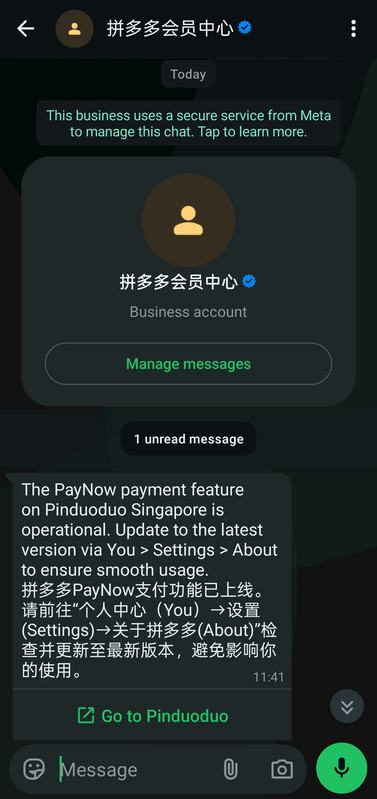
一系列调整动作也意味着,拼多多主站正在进一步降低东南亚消费者跨境购物的门槛。事实上,拼多多早在2024年便已向新加坡、马来西亚开放集运服务,此后新加坡市场长期维持“满99元包邮”的门槛。此次将免运门槛直接降至单件商品,覆盖的商品范围和消费场景进一步扩大。

从市场格局来看,新加坡电商市场仍由头部平台占据主导。

东南亚市场调研机构墨腾创投数据显示,2025年新加坡电商市场商品交易总额达到59亿美元,同比增长21%。其中,Shopee占据52%的市场份额,Lazada占36%,Amazon和TikTok Shop分别为6%。目前,拼多多主站及Temu在当地市场的份额仍相对有限。

不过,拼多多近期在新加坡的用户端曝光度正在提升。

今年4月以来,不少东南亚消费者开始在社交媒体信息流中频繁看到拼多多主站广告,广告重点宣传“无门槛包邮”,并将中国主站商品直接面向东南亚消费者销售。截至8月5日,拼多多已经位列新加坡苹果App Store购物类应用下载榜第一,Temu则紧随其后。

业内人士认为,与Temu相比,拼多多主站在东南亚的跨境直邮业务可能更侧重当地华语人群。对于这一群体而言,拼多多在中国市场已经具备较高的品牌认知度,而Temu作为新近进入海外市场的平台,则需要投入更多成本进行用户教育。

从区域布局来看,拼多多与Temu目前采取了相对并行的扩张路径。

Temu已经进入菲律宾、泰国、马来西亚、文莱等市场,并曾在越南上线;拼多多主站则已覆盖新加坡、马来西亚和泰国。两者虽然同属PDD Holdings旗下,但在海外市场的定位和具体落地方式并不完全相同。

其中,Temu在越南市场的业务也在今年出现积极变化。

5月初,Temu在经历约一年半的监管暂停后恢复下单功能,但目前仍设置约887000越南盾(约34美元)的最低消费门槛,支付方式主要包括银行卡和Apple Pay,尚未接入当地常用的Momo、Zalo Pay等电子钱包,平台界面也暂未提供越南语选项。

对于拼多多此次进一步降低新加坡免运门槛,业内人士分析认为,这可能进一步加剧当地电商市场竞争,但影响首先可能集中于价格敏感型消费者。

亿邦持续追踪报道该情报,如想了解更多与本文相关信息,请扫码关注作者微信。

【版权提示】亿邦动力倡导尊重与保护知识产权。未经许可,任何人不得复制、转载、或以其他方式使用本网站的内容。如发现本站文章存在版权问题,烦请提供版权疑问、身份证明、版权证明、联系方式等发邮件至run@ebrun.com,我们将及时沟通与处理。

已点赞

+1

{{ praise_text }}

好文章,值得被更多人看到

FAQ回顾

拼多多主站在东南亚市场做了哪些运营调整?

拼多多主站将东南亚市场原满99元人民币包邮的免运门槛降至一件包邮,消费者无需凑单即可享受免运权益;同时上线新加坡主流即时支付系统PayNow,支持信用卡、借记卡等多种支付方式,商品从中国发货后配送时效约两周,大幅降低跨境购物门槛。

新加坡电商市场当前的竞争格局是怎样的?

2025年新加坡电商市场商品交易总额达59亿美元,同比增长21%,头部平台占据主导地位,其中Shopee占52%的市场份额,Lazada占36%,Amazon和TikTok Shop分别占6%,目前拼多多主站及Temu在当地市场的份额仍相对有限。

拼多多主站和Temu在东南亚的布局有什么区别?

二者同属PDD Holdings旗下,采取并行扩张路径:Temu已进入菲律宾、泰国、马来西亚等多个市场,作为新进入海外的平台需额外投入成本做用户教育;拼多多主站覆盖新加坡、马来西亚、泰国,跨境直邮业务侧重当地华语人群,已具备较高品牌认知度。

拼多多主站在新加坡的推广效果如何?

拼多多2024年向新加坡开放集运服务,2025年4月以来加大社交媒体广告投放,重点宣传无门槛包邮政策,将中国主站商品直接面向当地消费者销售,截至8月5日,拼多多主站已位列新加坡苹果App Store购物类应用下载榜第一。

广告

下一篇

跨境电商资源对接

《全球跨境电商服务商资源手册》第二期手册现已发布,触达更多资源,了解跨境服务商信息,欢迎点击链接下载。

了解详情

零食大王卖不动了:净利暴跌38%、市值蒸发1300亿

这家曾以1700亿港元市值傲视行业的零食大王,如今市值缩水至约400亿港元,相较巅峰期蒸发超1300亿港元。用蔡衍明的话说,旺旺在为30年的“因循怠惰”付出代价。

品牌故事 乳饮 未来零售 零食

2026-08-19 09:50:18