• 亿邦公众号
    • APP下载

中国品牌出海 下一站为什么是阿联酋?

作者:龚作仁 文章来源:Laborer

2026-11-06 10:02

作者:龚作仁 文章来源:Laborer

2026-11-06 10:02

邦小白快读

EN
全文速览

重点信息

1. 阿联酋电商生态成熟、数字化程度高、物流完善、消费群体国际化,是中国品牌布局中东的吸引力市场。

2. 进入时先测款,不要先压库存;选小批SKU结合搜索、转化、评价、退货数据验证需求。

3. 机会品类包括电子产品、家居厨房、美妆、玩具母婴、健康保健。

实操干货

1. 做平台要把详情页、主图视频、搜索排名、站内广告、价格、评价和复购链路管起来。

2. 放量前算清SKU贡献利润,扣除产品、头程、关税税费、佣金、履约仓储、广告和退货。

3. 提前规划库存、履约退货和注册认证审批,避免上线卡壳。

品牌机会

1. 阿联酋有成熟电商生态、高数字化、完善物流和国际化消费群体,是中国品牌出海中东的亮眼市场。

2. 中国品牌的产品开发快、制造规模大、价格有竞争力、迭代快,可转化为本地增长优势。

品牌打法

1. 先做产品市场匹配,用小批SKU和平台搜索、转化、评价、退货数据验证需求,再加大备货和营销。

2. 本土化不是翻译,要贴合消费者发现、评估和信任品牌的方式;平台运营要覆盖详情页、主图视频、搜索广告、价格、评价和复购。

3. 价格竞争不能只靠低价,要拆到SKU看贡献利润;从卖货走向品牌,需要消费者理解、渠道选择、本土化和运营底盘。

增长机会

1. 阿联酋电商成熟、物流完善、消费群体国际化,是值得布局的增长市场;电子产品、家居厨房、美妆、玩具母婴、健康保健机会突出。

2. 亚马逊阿联酋站和noon有成熟入驻路径,但上架不等于运营,要把发现到复购链路管起来。

风险与学习点

1. 先测小批SKU,结合搜索、转化、评价、退货数据验证需求,避免先压库存。

2. 放量前算清每单贡献利润,扣除产品成本、头程运费、关税税费、平台佣金、履约仓储、广告和退货;FBA省心但有成本。

3. 提前处理注册、认证、审批,规划库存、履约和退货;可与栢藤这类服务商合作,获得平台运营、数字营销、本土化、零售媒体、履约和绩效优化支持。

产品与机会

1. 中国工厂的产品创新快、制造能力强、价格有竞争力,适合电子产品、家居厨房、美妆、玩具母婴、健康保健等阿联酋机会品类。

2. 出海不能把国内打法直接复制,要先以小批SKU测款,用平台搜索、转化、评价、退货数据验证市场。

数字化与电商启示

1. 产品详情页、主图和视频要做扎实,搜索排名、站内广告、价格、评价和复购都影响销售。

2. 从生产到头程、本地库存、履约、尾程、退货,每个环节都影响成本、库存和体验,需提前规划。

3. 按品类完成注册、认证、审批,越早理顺越不易卡壳;可借助服务商整合平台运营、本土化、履约和绩效优化。

行业趋势与痛点

1. 中国品牌出海阿联酋升温,市场具备成熟电商、高数字化、完善物流和国际化消费者,但竞争也在升温。

2. 客户痛点集中在产品市场匹配、本土化、平台全链路运营、库存履约退货、合规以及真实利润核算。

解决方案

1. 先用小批SKU和数据验证需求,再放量;机会品类包括电子、家居厨房、美妆、玩具母婴、健康保健。

2. 平台运营要覆盖详情页、主图视频、搜索广告、价格、评价和复购;本土化要贴合消费者发现、评估和信任方式。

3. 可整合平台运营、数字营销、本土化、零售媒体、履约和绩效优化,帮助品牌从进入到持续增长,并提前办理清关、货运和注册。

平台需求与问题

1. 中国品牌希望借亚马逊阿联酋站和noon快速触达消费者,但上架不等于运营,需要从发现到复购的全链路管理。

2. 商家面临产品匹配、本土化、价格竞争、库存履约退货、合规和利润核算问题,平台需要能落地的卖家能力。

平台做法与风险规避

1. 平台运营要抓详情页、主图视频、搜索排名、站内广告、价格、评价和复购;FBA可负责仓储配送客服退货,但成本要算清。

2. 费用结构包括类目佣金、履约仓储和广告,商家应按SKU看贡献利润。

3. 平台招商应关注懂本地化、能合规、会算账的卖家;栢藤作为亚马逊第三方卖家和天猫国际合作伙伴,可代运营店铺、商品目录、定价、库存和客户体验,降低平台运营风险。

产业新动向

1. 中国品牌出海从本土增长转向中东,阿联酋因电商成熟、数字化高、物流完善和国际化消费群体成为下一站样本。

2. 竞争焦点从是否进入转向如何进入、如何做真实需求、如何盈利放量,产品市场匹配和本土化成为新问题。

商业模式与启示

1. 先小批SKU验证,再备货营销;平台运营覆盖详情页、搜索广告、价格、评价和复购;机会品类有电子、家居厨房、美妆、玩具母婴、健康保健。

2. 新问题包括SKU级贡献利润、库存履约退货、注册认证审批和本地体验。

3. 栢藤整合平台运营、数字营销、本土化、零售媒体、履约和绩效优化,呈现平台加服务商的出海商业模式,对研究品牌长期增长有参考。

声明:快读内容全程由AI生成,请注意甄别信息。如您发现问题,请发送邮件至 run@ebrun.com 。

我是 品牌商 卖家 工厂 服务商 平台商 研究者 帮我再读一遍。

Quick Summary

Key takeaways

1. The UAE has a mature e-commerce ecosystem, high digital penetration, well-developed logistics, and an international consumer base, making it an attractive market for Chinese brands expanding into the Middle East.

2. When entering, test products first rather than building inventory upfront; use small SKU batches and search, conversion, review, and return data to validate demand.

3. Opportunity categories include electronics, home and kitchen, beauty, toys and baby products, and health and wellness.

Practical takeaways

1. On marketplaces, brands must manage detail pages, main-image videos, search rankings, onsite ads, pricing, reviews, and the repurchase funnel.

2. Before scaling, calculate SKU-level contribution profit after deducting product cost, first-leg shipping, tariffs and taxes, commissions, fulfillment and warehousing, advertising, and returns.

3. Plan inventory, fulfillment and returns, and registration, certification, and approval in advance to avoid launch bottlenecks.

Brand opportunity

1. The UAE has a mature e-commerce ecosystem, high digital penetration, well-developed logistics, and an international consumer base, making it a standout market for Chinese brands expanding into the Middle East.

2. Chinese brands' fast product development, large manufacturing scale, competitive pricing, and rapid iteration can be converted into local growth advantages.

Brand playbook

1. Start with product-market fit. Use small SKU batches and marketplace search, conversion, review, and return data to validate demand before increasing inventory and marketing.

2. Localization is not translation; it must fit how consumers discover, evaluate, and trust brands. Marketplace operations should cover detail pages, main-image videos, search ads, pricing, reviews, and repurchases.

3. Price competition cannot rely on low prices alone; break down contribution profit by SKU. Moving from selling goods to building a brand requires consumer understanding, channel selection, localization, and operational foundations.

Growth opportunity

1. The UAE has mature e-commerce, well-developed logistics, and an international consumer base, making it a growth market worth entering; electronics, home and kitchen, beauty, toys and baby products, and health and wellness stand out.

2. Amazon UAE and noon offer established onboarding paths, but listing is not the same as operating; sellers must manage the full journey from discovery to repurchase.

Risks and lessons

1. Test small SKU batches first and use search, conversion, review, and return data to validate demand, avoiding inventory buildup upfront.

2. Before scaling, calculate contribution profit per order after deducting product cost, first-leg freight, tariffs and taxes, platform commissions, fulfillment and warehousing, advertising, and returns; FBA is convenient but comes at a cost.

3. Handle registration, certification, and approvals in advance; plan inventory, fulfillment, and returns. Sellers can work with service providers such as Baiteng for platform operations, digital marketing, localization, retail media, fulfillment, and performance optimization support.

Products and opportunities

1. Chinese factories have fast product innovation, strong manufacturing capabilities, and competitive pricing, making them well suited to UAE opportunity categories such as electronics, home and kitchen, beauty, toys and baby products, and health and wellness.

2. Going global cannot mean directly copying domestic playbooks. Factories should first test products with small SKU batches and use marketplace search, conversion, review, and return data to validate the market.

Digital and e-commerce implications

1. Product detail pages, main images, and videos must be solid; search rankings, onsite ads, pricing, reviews, and repurchases all affect sales.

2. From production to first-leg shipping, local inventory, fulfillment, last-mile delivery, and returns, every step affects cost, inventory, and experience, so advance planning is required.

3. Complete category-specific registration, certification, and approvals; the earlier these are sorted out, the less likely launches will be blocked. Service providers can help integrate platform operations, localization, fulfillment, and performance optimization.

Industry trends and pain points

1. Chinese brands' expansion into the UAE is heating up. The market has mature e-commerce, high digital penetration, well-developed logistics, and international consumers, but competition is also rising.

2. Client pain points center on product-market fit, localization, full-funnel marketplace operations, inventory, fulfillment and returns, compliance, and accurate profit calculation.

Solutions

1. Use small SKU batches and data to validate demand before scaling; opportunity categories include electronics, home and kitchen, beauty, toys and baby products, and health and wellness.

2. Marketplace operations should cover detail pages, main-image videos, search ads, pricing, reviews, and repurchases; localization should fit how consumers discover, evaluate, and trust brands.

3. Service providers can integrate platform operations, digital marketing, localization, retail media, fulfillment, and performance optimization to help brands move from entry to sustained growth, while arranging customs clearance, freight, and registration in advance.

Platform needs and challenges

1. Chinese brands want to use Amazon UAE and noon to reach consumers quickly, but listing is not the same as operating; they need full-funnel management from discovery to repurchase.

2. Merchants face issues in product fit, localization, price competition, inventory, fulfillment and returns, compliance, and profit calculation, so platforms need sellers with executable capabilities.

Platform approach and risk mitigation

1. Platform operations should focus on detail pages, main-image videos, search rankings, onsite ads, pricing, reviews, and repurchases; FBA can handle warehousing, delivery, customer service, and returns, but costs must be calculated clearly.

2. Fee structures include category commissions, fulfillment and warehousing, and advertising; merchants should review contribution profit by SKU.

3. Platform recruitment should target sellers who understand localization, can comply with regulations, and know how to run the numbers. Baiteng, as an Amazon third-party seller and Tmall Global partner, can operate stores, catalogs, pricing, inventory, and customer experience on behalf of brands, reducing platform operating risk.

New industry developments

1. Chinese brands going global are shifting from domestic growth to the Middle East. The UAE, with its mature e-commerce, high digital penetration, well-developed logistics, and international consumer base, has become a sample for the next destination.

2. The competitive focus is shifting from whether to enter to how to enter, how to address real demand, and how to scale profitably; product-market fit and localization have become new issues.

Business model and implications

1. Validate with small SKU batches first, then build inventory and market; marketplace operations cover detail pages, search ads, pricing, reviews, and repurchases; opportunity categories include electronics, home and kitchen, beauty, toys and baby products, and health and wellness.

2. New issues include SKU-level contribution profit, inventory, fulfillment and returns, registration, certification and approvals, and local experience.

3. Baiteng integrates platform operations, digital marketing, localization, retail media, fulfillment, and performance optimization, presenting a platform-plus-service-provider go-global business model that offers a reference for studying long-term brand growth.

Disclaimer: The "Quick Summary" content is entirely generated by AI. Please exercise discretion when interpreting the information. For issues or corrections, please email run@ebrun.com .

I am a Brand Seller Factory Service Provider Marketplace Seller Researcher Read it again.

对中国品牌来说,出海正成为增长故事里越来越重要的一章,而阿联酋格外亮眼:电商生态成熟、数字化程度高、物流基础设施完善,还有一个高度国际化的消费群体。想布局中东,这里是个很有吸引力的市场。
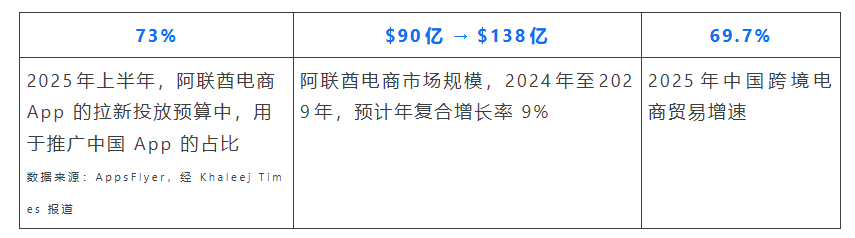
这是个很强的兴趣信号,但也意味着,抢占用户注意力的竞争正在同步升温。对中国品牌来说,现在的问题早已不是“为什么要做阿联酋”,而是“怎么进、怎么把真实需求做起来、怎么在赚钱的前提下把规模做大”。

先看产品市场匹配,而不是先压库存

在国内跑得通,是个很好的起点,但不代表到了阿联酋也一定行。更稳妥的做法是:先挑一小批有潜力的SKU去测款,再结合平台上的数据——搜索行为、转化率、评价、退货情况——看看市场到底买不买账。

先小步验证,心里有底了再加大备货和营销投入。这样既能降低风险,也能确保每款产品都有清晰的卖点和健康的利润空间。目前机会比较突出的品类有:电子产品、家居厨房、美妆、玩具母婴,以及健康保健。这些恰恰是中国品牌的强项——产品创新快、价格有竞争力、制造能力强。

把你在中国的优势带到阿联酋

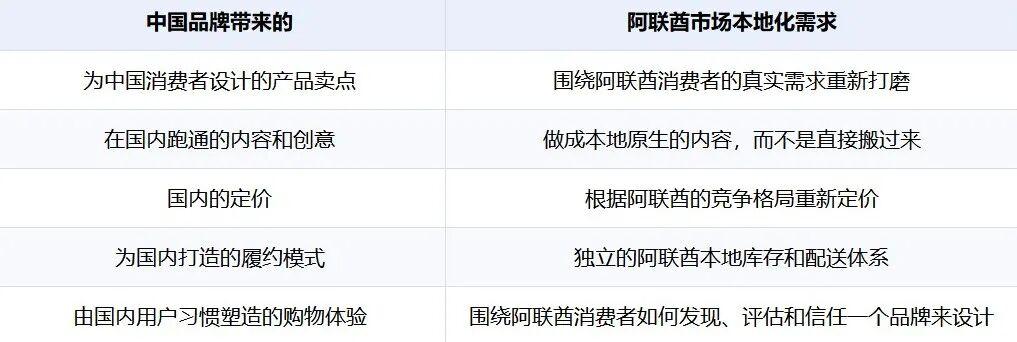
中国品牌出海,往往自带实实在在的优势:产品开发快、制造规模大、价格有竞争力、迭代也快。但这些优势,还得去适应一群不一样的消费者。

为中国市场设计的打法,靠的是另一套平台、内容、定价、用户预期和履约模式。到了阿联酋,需要补上一层对本地市场的真正理解——不是简单复制,而是重新搭建:
图片

本土化不只是翻译,而是要从方方面面贴合阿联酋消费者发现、评估和信任品牌的方式。

把电商平台当作增长引擎

对很多中国品牌来说,平台是触达阿联酋消费者最快的一条路。亚马逊阿联酋站和noon都有成熟的入驻路径,但光是把商品上架,还谈不上真正的平台运营。

要把从发现到复购的整个链路都管起来,具体来说就是:

▷ 商品详情页、主图和视频要做扎实

▷ 搜索排名和站内广告要有真实曝光

▷ 价格要有竞争力,能真正带动转化

▷ 积累评价和评分,把信任做起来

▷ 体验要好,让买家愿意回头再买

运营执行同样关键。比如亚马逊阿联酋站的亚马逊物流(FBA)模式,由亚马逊负责仓储、配送、客服和退货,这份省心是有成本的,放量之前最好先算清楚。平台增长不只是营销问题,也是商业和运营层面的问题。

认清“赢”的真实成本

价格有竞争力,是外界对中国品牌的一贯印象,但一味打低价,并不是可持续的增长方式。放量之前,一定要搞清楚每一单背后的贡献利润——也就是把下面这些成本都扣掉之后,到底还剩多少:

▷ 产品成本

▷ 国际头程运费、关税和税费

▷ 平台佣金等费用

▷ 履约和仓储费用

▷ 广告费

▷ 退货

以亚马逊阿联酋站的卖家费用结构为例:除了随类目浮动的佣金,还有履约和仓储费用,广告投放又是另一笔支出。所以利润要拆到SKU层面去看,不能只盯着销售额或订单量。一个产品可以卖得很火,利润率却很低——这样的增长,看着漂亮,背后其实没有利润支撑。

先把运营底子打牢,再谈放量

从中国工厂到阿联酋消费者手里,远不止“发个国际物流”这么简单。每个环节都会影响成本、库存和客户体验:

生产 → 头程运输 → 阿联酋本地库存 → 履约 → 尾程配送 → 退货

库存规划比想象中重要:备少了,需求起来时会丢销量;备多了,资金被压住,还要多扛一份仓储风险。履约和退货方案要在上线前就定好——产品虽然是从几千公里外发来的,但要让买家的体验像本地一样。

另外还有一层合规要求,很容易被低估。根据品类不同,产品要在阿联酋合法销售,通常需要先完成:

▷ 注册

▷ 认证

▷ 审批

这个流程越早理顺,上线时就越不容易卡壳。

从进入市场,到做成品牌

阿联酋对中国品牌来说,机会远不止在网上卖货。真正的难点,是把产品实力和对本地市场的理解、落地执行结合起来:摸清消费者、选对渠道、做好本土化、把经济账算清楚,再搭起一套撑得住增长的运营底盘。

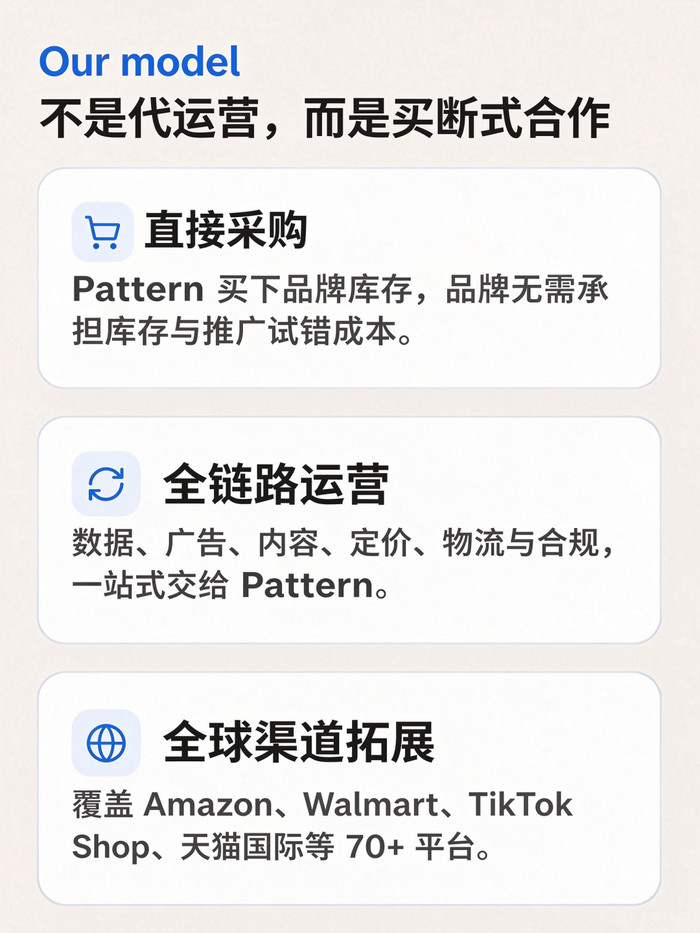
这正是栢藤想为中国品牌做的事。栢藤是全球排名第一的亚马逊第三方卖家,同时也是天猫国际的金牌合作伙伴——既懂中国品牌在国内是怎么运作的,也清楚海湾地区的电商平台希望看到什么样的卖家。
图片

栢藤把平台运营、数字营销、本土化、零售媒体、履约和绩效优化这些能力整合在一起,帮助品牌从进入阿联酋走到持续增长。清关、货运和注册由栢藤来办,之后品牌的店铺、商品目录、定价、库存和客户体验,也由栢藤负责日常运营。仅今年,栢藤就已通过亚马逊和noon在阿联酋支持了数十个品牌、数万件商品的销售。

对想走出本土市场的中国品牌来说,阿联酋是个适合长期出海增长的好平台。只要本地策略对、执行到位,就能在阿联酋消费者心中建立起认知、信任和长久的品牌影响力,让阿联酋成为通往下一站的跳板。

欢迎立即联系我们,探讨Pattern栢藤如何帮助您进入阿联酋市场并赢得成功。

注:文/龚作仁,文章来源:Laborer,本文为作者独立观点,不代表亿邦动力立场。

【版权提示】亿邦动力倡导尊重与保护知识产权。未经许可,任何人不得复制、转载、或以其他方式使用本网站的内容。如发现本站文章存在版权问题,烦请提供版权疑问、身份证明、版权证明、联系方式等发邮件至run@ebrun.com,我们将及时沟通与处理。

已点赞

+1

{{ praise_text }}

好文章,值得被更多人看到

FAQ回顾

中国品牌进入阿联酋电商市场应该先做什么?

先验证产品市场匹配,而不是先压库存。可挑选一小批有潜力的SKU测款,结合平台搜索行为、转化率、评价和退货情况判断市场是否接受,再加大备货与营销投入。这样能降低风险,并确保产品有清晰卖点和健康利润空间。

阿联酋电商市场有哪些适合中国品牌的机会品类?

电子产品、家居厨房、美妆、玩具母婴和健康保健是目前机会较突出的品类。这些品类与中国品牌在产品创新速度、价格竞争力、制造能力和迭代速度上的优势较匹配。阿联酋电商生态成熟、数字化程度高、物流基础设施完善,消费群体高度国际化。

中国品牌在阿联酋做电商需要核算哪些成本?

放量前应按SKU核算贡献利润,扣除产品成本、国际头程运费、关税和税费、平台佣金、履约和仓储费用、广告费以及退货成本。以亚马逊阿联酋站为例,佣金随类目浮动,另有履约、仓储和广告支出。不能只看销售额或订单量,要关注真实利润率。

中国品牌在阿联酋销售产品需要完成哪些合规流程?

根据品类不同,产品要在阿联酋合法销售,通常需要完成注册、认证和审批。流程越早理顺,上线时越不容易卡壳。合规要求容易被低估,应在上线前结合品类确认并完成相关流程。

栢藤Pattern能帮助中国品牌在阿联酋市场做什么?

栢藤Pattern是全球排名第一的亚马逊第三方卖家,也是天猫国际金牌合作伙伴。它整合平台运营、数字营销、本土化、零售媒体、履约和绩效优化能力,承接清关、货运和注册,并日常运营店铺、商品目录、定价、库存和客户体验。今年已通过亚马逊和noon在阿联酋支持数十个品牌、数万件商品销售。

广告

下一篇

跨境电商资源对接

《全球跨境电商服务商资源手册》第二期手册现已发布,触达更多资源,了解跨境服务商信息,欢迎点击链接下载。

了解详情

亚马逊卖家钱包在英国站上线 本地转账可免手续费

亚马逊上线英镑版卖家钱包,英国本地转账免手续费、到账快,支持留存英镑付供应商或兑换超20种货币跨境划转,阶梯费率透明,助卖家优化现金流与资金管控。