• 亿邦公众号
    • APP下载

李飞飞 刚买下学生公司

作者:林夕 文章来源:创业邦

2026-07-27 11:56

作者:林夕 文章来源:创业邦

2026-07-27 11:56

邦小白快读

EN
全文速览

这篇文章核心介绍了AI科学家李飞飞旗下空间智能公司World Labs收购机器人仿真公司SceniX的行业事件,梳理了事件背后的技术布局逻辑,核心干货如下:

1. 本次收购发生在7月21日,SceniX是李飞飞学生牵头创立的学生创业公司,交易完成后其团队和技术将全部并入World Labs,官方未披露具体财务信息。

2. 收购的核心价值是补齐World Labs的技术缺口:World Labs原本做三维空间生成,SceniX专注解决机器人仿真的虚实差距问题,能让AI从生成虚拟空间转向让机器人在虚拟空间训练,推进空间智能落地真实世界。

3. 李飞飞整体产业布局始终围绕空间智能展开,通过投资、并购、自研等方式,推动AI走出屏幕进入物理世界,当前已经在3D游戏UGC领域实现商业化落地探索。

本次收购反映了AI产业新的发展趋势,能为品牌商把握未来技术和消费方向提供参考,干货整理如下:

1. 技术与产业发展趋势:过去几年AI行业竞争围绕参数、算力、数据展开,现在已经转向落地真实物理世界,空间智能+具身智能机器人是未来明确的赛道方向,相关技术落地会催生大量新消费场景。

2. 产品研发逻辑参考:要落地新AI技术需要补全全链路闭环,只做视觉内容生成不足以支撑真实场景落地,需要补充物理仿真、动力学交互等核心能力,才能打造可用的落地产品。

3. 商业化落地参考:目前空间智能已经在3D游戏UGC领域实现商业化,未来会逐步渗透到家居、零售、工业服务等多个领域,品牌可以提前布局相关技术的应用探索,抢占先发优势。

本次AI行业并购事件,能为卖家把握AI领域创业机会、规避风险提供参考,干货整理如下:

1. 领域机会判断:当前纯文本大模型、同质化SaaS工具赛道竞争拥挤,而面向真实物理世界的空间智能、机器人仿真训练是蓝海赛道,下游头部企业有明确的技术补全需求,创业机会较多。

2. 创业路径参考:学生创业、学术背景的团队,可以走差异化技术路线,瞄准行业核心痛点打磨技术,更容易对接头部企业的并购或者合作需求,SceniX就是典型成功案例。

3. 风险提示:当前该赛道仍处于技术研发落地阶段,纯应用层无核心技术的项目风险较高,创业者需要贴合核心技术痛点布局,尽量对接头部空间智能企业的生态,获得更多发展机会。

4. 资本环境:全球顶级深科技资本持续看好该赛道,对相关项目容忍度较高,适合技术型创业者切入。

本次收购展现的AI+机器人技术发展,能为工厂推进智能化转型、寻找商业机会提供参考,干货整理如下:

1. 产品生产升级方向:随着仿真技术的突破,工业机器人未来可以实现更精细的操作,解决微小、光滑工件抓取精度不足的问题,能满足更多高端生产的需求,工厂可以关注相关技术落地,推进生产升级。

2. 数字化转型启示:工厂推进智能化升级,可以参考“虚拟仿真训练先行,再落地真实设备”的路径,借助高保真仿真降低真实机器人调试、测试的成本,也能减少碰撞等安全风险,降低转型试错成本。

3. 商业机会:未来通用机器人技术成熟后,柔性生产的门槛会大幅降低,中小工厂也可以低成本实现多品类柔性生产,能更快响应个性化的消费需求,获得更多细分市场的竞争优势。

本次行业事件反映了AI产业的新发展趋势,能为AI相关服务商找准客户需求、优化解决方案提供参考,干货整理如下:

1. 行业发展新趋势:AI产业已经度过了拼参数、拼算力的初期竞争阶段,接下来的增长点集中在AI落地真实世界的环节,空间智能、机器人仿真训练是明确的发展方向,相关技术服务需求会持续增长。

2. 当前行业核心客户痛点:传统仿真软件无法解决细微操作的虚实差距问题,AI机器人训练存在真实数据采集成本高、安全风险大的问题,传统生成式3D缺乏物理动力学一致性,这些都是服务商可以切入的核心痛点。

3. 技术解决方案参考:可以参考SceniX的技术路线,将基于物理规则的确定性渲染引擎,和数据驱动的神经网络力学预测结合,兼顾计算效率和物理真实度,同时满足多模态数据生成需求,适配不同类型机器人的训练要求。

本次并购事件反映了AI产业对平台的新需求,能为平台商调整布局、做好运营招商提供参考,干货整理如下:

1. 产业对AI平台的新需求:当前AI平台大多聚焦文本大模型服务,随着空间智能和具身智能的发展,市场越来越需要能够提供从三维生成到物理仿真、机器人训练全链路支持的底层技术平台。

2. 平台布局新方向:平台可以打造闭环式的空间智能开发生态,整合三维生成、高保真物理仿真、强化学习训练等能力,降低开发者门槛,打造差异化竞争力,避开纯文本大模型赛道的激烈竞争。

3. 招商方向调整:可以重点引入细分领域的技术型创业团队,比如仿真技术、机器人控制技术团队,这类团队技术壁垒高,能够补全平台的能力短板,丰富平台生态。

4. 风险规避:不要盲目跟风布局同质化的大模型项目,要围绕AI落地真实世界的真实需求布局,避开赛道拥挤的红海领域,提前卡位新赛道。

本次李飞飞主导的并购事件,展现了AI产业的最新动向,能为产业技术和商业研究提供诸多参考,干货整理如下:

1. 产业发展新动向:当前AI产业竞争逻辑已经发生变化,从早期比拼模型参数、算力、数据,转向探索AI落地真实物理世界的技术路径,空间智能+具身智能成为产业和资本共同关注的新方向,仿真技术是当前的核心突破点。

2. 商业模式与产业路径参考:本次并购展现了学术创业团队的可行退出路径,也展现了头部技术企业通过并购补全技术闭环的发展路径,李飞飞围绕空间智能构建的“自研+风投+天使投资+并购”的生态布局,也为研究技术落地路径提供了典型案例。

3. 研究方向参考:仿真现实差距问题、空间智能与具身智能的结合、虚实闭环的机器人训练方法都是值得深入研究的新方向,当前资本已经开始重点布局这些领域,相关研究的落地前景十分广阔。

声明:快读内容全程由AI生成,请注意甄别信息。如您发现问题,请发送邮件至 run@ebrun.com 。

我是 品牌商 卖家 工厂 服务商 平台商 研究者 帮我再读一遍。

Quick Summary

This article covers the industry acquisition of robotics simulation firm SceniX by World Labs, a spatial intelligence company founded by AI scientist Fei-Fei Li, and breaks down the logic behind the company’s tech strategy:

1. The acquisition was announced on July 21. SceniX is a student startup founded by former students of Li Fei-Fei. Following the deal, the entire SceniX team and technology will be integrated into World Labs, with no financial terms of the transaction disclosed.

2. The acquisition fills a key technical gap for World Labs: While World Labs initially focused on 3D spatial generation, SceniX specializes in solving the reality gap problem in robotic simulation, enabling the company to move beyond generating virtual spaces to training robots in these simulated environments, accelerating the real-world deployment of spatial intelligence.

3. Fei-Fei Li’s entire industry portfolio is centered on spatial intelligence. Through in-house R&D, investments, and acquisitions, she aims to push AI beyond digital screens into the physical world, and the company has already launched early commercial exploration in 3D game user-generated content (UGC).

This acquisition signals a new development trend in the AI industry, and offers key insights for brands looking to navigate future technology and consumer directions:

1. Technology and industry trend: In recent years, AI industry competition has centered on model parameters, computing power and data. The focus is now shifting to real-world deployment in the physical world, with spatial intelligence + embodied intelligent robots emerging as a clear future track. The deployment of related technologies will give rise to a large number of new consumer scenarios.

2. Product R&D reference: Bringing new AI technologies to market requires a complete end-to-end closed loop. Visual content generation alone is not enough to support real-world deployment; core capabilities such as physical simulation and dynamic interaction are required to build functional, deployable products.

3. Commercial deployment reference: Spatial intelligence has already achieved commercialization in the 3D game UCG space, and will gradually penetrate into multiple sectors including home, retail, and industrial services. Brands can explore early布局 of related applications to capture first-mover advantage.

This AI industry acquisition offers valuable insights for sellers to identify startup opportunities and mitigate risks in the AI sector:

1. Opportunity assessment: Saturated tracks such as generic large language models and homogenous SaaS tools face intense competition, while spatial intelligence for the physical world and robotic simulation training remain largely untapped blue oceans. Downstream leading enterprises have clear demand for complementary technologies, creating abundant startup opportunities.

2. Startup path reference: Student-led, academically rooted teams can pursue a differentiated technology strategy focused on solving core industry pain points, which makes it easier to secure acquisition or partnership opportunities with leading companies. SceniX is a prime example of this successful path.

3. Risk warning: The track is still in the early stage of technology R&D and deployment. Purely application-layer projects without core technology carry high risk. Founders should focus on core technical pain points, and integrate their businesses into the ecosystems of leading spatial intelligence firms to access more growth opportunities.

4. Capital landscape: Global top deep tech investors remain bullish on this track, with higher tolerance for early-stage projects, making it well-suited for technology-focused founders to enter.

The AI + robotics development showcased by this acquisition offers insights for factories pursuing intelligent transformation and identifying new business opportunities:

1. Production upgrade direction: Advances in simulation technology will enable industrial robots to perform more precise operations, solving the problem of insufficient gripping accuracy for small, smooth workpieces to meet the demand of high-end manufacturing. Factories can track the deployment of related technologies to drive production upgrades.

2. Digital transformation takeaway: For factories pursuing intelligent upgrading, a "simulation training first, real-world deployment second" approach can reduce the cost of debugging and testing on physical robots, lower safety risks such as collisions, and cut trial-and-error costs for digital transformation.

3. Business opportunities: As general-purpose robot technology matures, the barrier to flexible manufacturing will drop significantly. Small and medium-sized factories will be able to achieve multi-category flexible production at low cost, respond faster to personalized consumer demand, and gain greater competitive advantage in niche markets.

This industry event reflects new development trends in the AI sector, and helps AI service providers align with customer demand and optimize their solutions:

1. New industry trend: The AI industry has moved past its early stage of competition centered on model parameters and computing power. The next growth drivers lie in deploying AI in the physical world, with spatial intelligence and robotic simulation training as clear growth directions, and demand for related technical services will continue to rise.

2. Core customer pain points: Traditional simulation software cannot resolve the reality gap for fine robotic operations; training AI robots on real hardware incurs high data collection costs and major safety risks; and traditional generative 3D lacks physically consistent dynamics. All these pain points represent key entry points for service providers.

3. Solution reference: Providers can follow SceniX’s technical approach, combining physically based deterministic rendering engines with data-driven neural network force prediction. This balances computational efficiency with physical accuracy, supports multi-modal data generation, and meets the training requirements of different types of robots.

This acquisition reflects changing demand for AI platforms, and offers guidance for platforms to adjust their布局 and optimize operations and merchant recruitment:

1. New industry demand for AI platforms: Most current AI platforms focus on large language model services. As spatial intelligence and embodied intelligence develop, the market increasingly needs underlying technology platforms that provide end-to-end support from 3D generation to physical simulation and robot training.

2. New layout direction for platforms: Platforms can build closed-loop spatial intelligence development ecosystems that integrate 3D generation, high-fidelity physical simulation, and reinforcement learning training capabilities. This lowers barriers for developers, builds differentiated competitive advantage, and avoids the intense competition in the saturated large language model track.

3. Adjustment to recruitment strategy: Platforms should prioritize onboarding technical startup teams focused on niche areas, such as simulation and robotic control teams. These teams have high technical barriers, can fill gaps in platform capabilities, and enrich platform ecosystems.

4. Risk mitigation: Avoid blindly entering crowded, homogenous large model projects. Instead,布局 around the real demand for AI deployment in the physical world, avoid saturated red ocean tracks, and stake out an early position in the new growth track.

This acquisition led by Fei-Fei Li showcases the latest developments in the AI industry, and offers multiple insights for industrial technology and business research:

1. New industry development: The competitive logic of the AI industry has shifted: from competing on model parameters, computing power, and data in the early stage, to exploring technical paths for deploying AI in the physical world. Spatial intelligence + embodied intelligence has become a new focus for both industry and capital, with simulation technology as the current core breakthrough point.

2. Reference for business models and industry paths: This acquisition demonstrates a viable exit path for academic spinout teams, as well as a growth path for leading technology firms to complete their technical closed loops through acquisitions. Fei-Fei Li’s "in-house R&D + venture capital + angel investment + acquisition" ecosystem centered on spatial intelligence also provides a representative case study for research on technology deployment paths.

3. Reference for research directions: The reality gap in simulation, the integration of spatial intelligence and embodied intelligence, and closed-loop virtual-physical robot training methods are all promising new research directions. Capital has already started heavy布局 in these areas, so the deployment prospects for related research are very broad.

Disclaimer: The "Quick Summary" content is entirely generated by AI. Please exercise discretion when interpreting the information. For issues or corrections, please email run@ebrun.com .

I am a Brand Seller Factory Service Provider Marketplace Seller Researcher Read it again.

过去几年,AI行业的竞争主要围绕模型参数、算力和数据展开。

但随着大模型能力不断提升,一个新的问题开始浮现:AI如何真正进入现实世界?

7月21日,AI科学家李飞飞创办的空间智能公司World Labs宣布收购机器人仿真公司SceniX。

官方未公开具体财务细节,交易完成后SceniX团队及技术将全面并入World Labs。

这场收购背后,是World Labs从“三维世界生成”向“机器人训练环境”进一步延伸。

此前,World Labs推出的产品Marble,主要解决的是如何利用文字、图片、视频等信息生成可探索的三维空间;而SceniX关注的是,在这些空间中,机器人如何学习移动、操作和与环境交互。

一家负责创造世界,一家负责让机器人理解世界。

随着SceniX加入,World Labs正在尝试补齐空间智能走向现实世界的重要环节。

李飞飞买下学生公司

在被World Labs收入囊中之前,总部位于美国加州的SceniX在具身智能及机器人圈内一直以低调、极客的隐身模式运行。其团队核心由前GoogleDeepMind、MetaRealityLabs以及顶尖高校的图形力学与机器人学专家组成。

SceniX的技术核心在于解决仿真与现实之间的差距(Sim-to-RealGap)。

在传统仿真软件(如IsaacSim或MuJoCo)中,当机器人试图抓取一个微小或光滑的物体,如玻璃杯、金属螺丝时,虚拟与现实的差距会导致算法直接失效。

SceniX开发了一套基于隐式求解器的接触动力学引擎,能够极其精准地模拟非刚体、多体摩擦、扭转力矩以及材料微小形变。其官网上展示的“机械手精确平衡一颗玻璃珠”演示,展现了其在极细微力学控制上的技术硬实力。

同时,SceniX将基于物理规则的确定性渲染引擎,与数据驱动的神经网络力学预测结合,既保证了实时计算的超高吞吐率,又兼顾了极高的物理真实度。

此外,SceniX可以达到传感器与全身控制的无缝融合。

SceniX的模拟平台不仅仅输出RGB画面,它能够同步生成带有物理特性的多模态数据:

能够精确模拟LiDAR(激光雷达)、深度相机(DepthCamera)、触觉传感器(TactileSensors)在真实物理世界中的噪声与延迟。

既支持双足机器人复杂地形行走(Locomotion)的重心拟合,也支持机械臂多自由度灵巧抓取(Manipulation)的接触演算。

SceniX在创立初期便获得了包括硅谷深科技天使投资人及机器人垂直基金的种子轮支持。SceniX并非将自己定位为单卖SaaS软件的工具商,而是立志于“通过混合仿真构建通用机器人(Building General-Purpose Robotics through Hybrid Simulation)”。

这一技术路线与World Labs的战略构想不谋而合,最终促成了这场并购。

值得关注的是,在World Labs宣布收购SceniX的这笔交易背后,还包含着一层深厚的学术渊源:

SceniX联合创始人李昀烛,现哥伦比亚大学助理教授,曾在斯坦福视觉与学习实验室从事博士后研究,期间师从李飞飞。

其此前主导的“Interactive World Simulator”项目便致力于利用少量真实机器人数据生成可持续交互的虚拟环境;

而另外两位联合创始人郑昌熙(哥伦比亚大学副教授)与SonnyHu,也在计算机图形学与物理仿真领域积累了深厚的研发与工程经验。

收购SceniX

补上空间智能关键拼图

此前,外界对World Labs的印象主要集中在“3D版SORA”上——其推出的首款旗舰产品Marble,能够将单张照片、几句文本或一段视频直接转化为可漫游、可编辑的三维虚拟空间。

然而,从“好看的3D画卷”到“能够供机器人交互的真实世界”,隔着一座巨大的鸿沟。

传统生成式3D只具备几何视觉一致性(看起来像一个房间),却缺乏物理动力学一致性(没有重力概念、不知道摩擦力大小、不懂得物体受力碰撞后的形变)。

而具身智能(Embodied AI)现阶段训练双足人形机器人或机械臂,受限于现实世界数据采集的极高成本与碰撞安全风险。AI需要在虚拟环境中进行数十亿次的强化学习(RL),再投射到真机上(Sim-to-Real)。

World Labs的策略非常清晰:如果只做3D内容生成,终极上限不过是“下一代影视游戏引擎”;而收购SceniX,才是将“空间智能”真正延展为“物理具身智能底层OS”的关键一步。

将SceniX纳入麾下后,World Labs正式构建起一个从视觉生成到物理执行的闭环飞轮。

World Labs认为,机器人是空间智能在真实物理世界落地的核心载体。机器人领域的下一次突破将源于“空间智能(大模型)+世界模型+基于学习的仿真(Simulation-basedlearning)+现实闭环”的有机结合,从而打造“空间智能+物理机器人”的闭环。

借助SceniX的仿真平台,World Labs的空间模型能够获得海量带物理约束的训练数据,加速AI智能体在复杂环境中的空间感知、推理预测和可靠执行,大幅提升AI Agent的泛化能力。

此外,利用高保真仿真可以极大降低真实物理机器人的测试成本与安全风险,World Labs将形成“虚拟强化学习->现实部署反馈”的技术螺旋,加速具身智能研发迭代。

从视觉信仰到硬核生态:

李飞飞的空间智能资本图谱

纵观全行业,李飞飞的资本动作极其罕见且极其克制,她并不追逐热门的社交应用、纯文本大模型或是同质化的SaaS工具,而是始终将每一次布局严密地围绕着“空间智能(SpatialIntelligence)”展开。

在TED演讲中,她借用“寒武纪大爆发”来阐述这一理念:5.4亿年前生物演化出“视觉”,正是“空间感知与物理交互的协同”催生了自然界的高阶智能。

大语言模型只是人类符号语言的文本概率器,唯有掌握了空间智能的AI,才能真正走出屏幕,在真实物理世界中完成复杂的体力与智力操作。

这一理念贯穿在她多元的资本生态布局中。

2023年,李飞飞加盟顶尖AI风投Radical Ventures担任科学合伙人,更在2024年出资成为有限合伙人(LP)。

Radical Ventures创立于加拿大多伦多,是全球最顶级的专注于AI与DeepTech的风险投资公司之一。

除了领投李飞飞自己的World Labs之外,Radical Ventures的组合还涵盖了:

Cohere:大模型基础设施的代表。

Waabi:前Uber ATG首席科学家Raquel Urtasun创立的下一代生成式AI自动驾驶平台(用仿真生成极罕见路况训练自动驾驶)。

Covariant:由UC伯克利Pieter Abbeel教授等创办的机器人基础模型公司。

CentML:致力于优化AI算力部署的高性能计算平台。

在个人天使投资上,她同样极为克制。

2026年6月,通用具身智能公司Generalist AI宣布完成4亿美元融资,李飞飞与Zoom创始人袁征、小米联合创始人林斌等一同作为新增天使投资人入局。

Generalist AI由前DeepMind科学家(Pete Florence等)和前波士顿动力专家联合创办,专注于解决机器人物理交互中的“重力、接触与摩擦力泛化”——这与World Labs的目标完全同频。

在商业化探索上,她联合创办的3D游戏平台Astrocade也完成了5600万美元融资,示范了自然语言直接生成可玩3D游戏的可能性。

此外,李飞飞联合参与创立的Astrocade于2026年5月公布完成5600万美元融资,红杉资本领投。

Astrocade降低了三维交互内容的门槛,用户用自然语言就能直接搭建复杂的3D可玩游戏,是空间智能在“生成式三维游戏与UGC平台”领域的商业化探索。

从自研世界模型、参与风险投资、下注天使项目,再到吸收学术系创业团队,李飞飞正在通过多重身份的资本与研发动作,持续推动空间智能技术向物理世界的落地演进。

注:文/林夕,文章来源:创业邦(公众号ID:ichuangyebang ),本文为作者独立观点,不代表亿邦动力立场。

【版权提示】亿邦动力倡导尊重与保护知识产权。未经许可,任何人不得复制、转载、或以其他方式使用本网站的内容。如发现本站文章存在版权问题,烦请提供版权疑问、身份证明、版权证明、联系方式等发邮件至run@ebrun.com,我们将及时沟通与处理。

已点赞

+1

{{ praise_text }}

好文章,值得被更多人看到

FAQ回顾

World Labs收购SceniX有什么战略意义?

收购SceniX后,World Labs补齐了空间智能走向现实世界的重要环节,构建起从视觉生成到物理执行的闭环飞轮,可获取海量带物理约束的训练数据,大幅降低真实物理机器人的测试成本与安全风险,加速具身智能研发迭代。

SceniX的核心技术优势有哪些?

SceniX核心技术优势在于其基于隐式求解器的接触动力学引擎,可精准模拟非刚体、多体摩擦等物理特性,结合确定性渲染引擎与神经网络力学预测,兼顾实时计算高吞吐率与极高物理真实度,还可实现传感器与全身控制的无缝融合。

李飞飞在AI领域的核心布局方向是什么?

李飞飞在AI领域的所有布局均围绕空间智能展开,涵盖自研世界模型、参与AI风险投资、下注具身智能天使项目、吸收学术系创业团队等,旨在推动空间智能走出屏幕,在真实物理世界落地应用。

广告

下一篇

跨境电商资源对接

《全球跨境电商服务商资源手册》第二期手册现已发布,触达更多资源,了解跨境服务商信息,欢迎点击链接下载。

了解详情

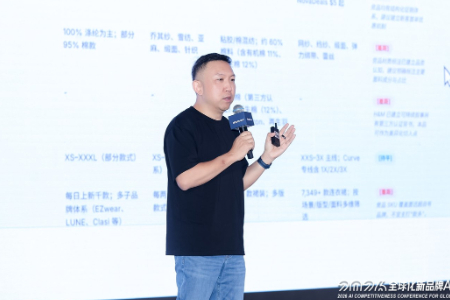
飞书深诺沈晨岗:超越“伪多智能体”,新一代Agent OS重塑AI营销的能力边界

在亿邦动力“2026全球化新品牌AI竞争力大会”上,飞书深诺创始人兼CEO沈晨岗发表了题为《新一代企业级出海营销AgentOS——全球AI营销新基建》的演讲,并发布新一代出海营销AgentOS——Marvy 2.0。