• 亿邦公众号
    • APP下载

字节不认输 豆包手机重出江湖 已大规模量产

作者:小孟 文章来源:电商热点

2026-07-21 10:36

作者:小孟 文章来源:电商热点

2026-07-21 10:36

邦小白快读
EN
全文速览

本文核心信息是字节跳动联合努比亚推出量产合规版二代豆包AI手机,正式布局AI智能体硬件入口,行业迎来第三波流量入口变革。

1. 二代豆包手机定位全球首款量产AI智能体手机,配置第五代骁龙8至尊版芯片、7000mAh大电池,共有四种配色,用亮橙色AI键提升辨识度,将豆包集成在系统底层,支持跨App自动执行任务,已经拿到端侧智能体大模型备案,首批备货接近20万台,目前已在WAIC开放体验。

2. 当前行业已经明确AI agent是下一个流量入口,字节已经搭建了从大模型、开发者生态到终端硬件、电商变现的完整AI闭环,国内C端豆包App日活超1亿,已经推出付费订阅,未来AI将逐步取代现有App的交互逻辑,改变用户使用习惯。

AI已经成为消费电子和电商行业的新增长赛道,品牌商可以从行业动态中获得这些参考干货。

1. 消费趋势层面,用户对AI相关产品的接受度已经很高,第一代豆包测试机3万台备货上线很快售罄,二手平台最高报价涨到3.6万元,国内C端AI应用日活已经突破1亿,用户习惯正在向“让AI办事”转移,AI会从差异化卖点变成行业标配。

2. 产品研发层面,需要格外重视合规和安全问题,第二代豆包提前补上了监管坑,拿到首批合规备案,还调整了功能逻辑,敏感操作都交给用户手动确认,避开了第一代遇到的平台风控封禁问题,这个经验值得所有布局AI产品的品牌参考。

3. 商业布局层面,可以参考字节的全闭环布局思路,打通AI能力和交易场景,实现全链路服务,提升用户留存和转化。

当前AI电商和AI硬件领域出现新的增长机会,也有明确的风险需要规避,相关干货整理如下。

1. 政策与风险层面,7月《人工智能拟人化互动服务管理暂行办法》正式施行,开展AI相关业务必须先获得合规备案,另外AI跨App操作如果不符合平台安全规则,会触发平台风控,像第一代豆包就出现了全场景App被限制的问题,因此要提前适配规则,敏感操作交由用户确认。

2. 机会层面,AI正在重构电商交互逻辑,各大平台都在推进AI赋能,AI可以帮卖家完成做图、投流、选品等工作,有效降低运营成本,卖家可以提前接入头部AI平台的能力,优化运营效率,抢占AI流量红利。

3. 商业模式层面,AI已经告别免费,头部AI应用已经推出付费订阅,卖家可以根据自身需求选择合适的AI服务,匹配业务发展。

AI原生硬件的落地爆发,给消费电子工厂带来了新的商业机会和转型启示,干货整理如下。

1. 商业机会层面,AI原生硬件已经从测试试水产品转向大规模量产,第二代豆包手机整体备货达到20万台,是第一代的近7倍,说明市场对AI硬件的需求正在快速增长,工厂可以提前调整产能布局,对接品牌方的AI硬件订单,抓住风口机会。

2. 产品生产设计需求层面,AI硬件需要突出AI交互的辨识度,豆包手机采用亮橙色AI键做差异化标识,同时AI运算对性能和功耗要求更高,需要搭配高性能芯片和大容量电池,工厂在设计生产时需要适配这些新需求。

3. 转型启示层面,AI已经从云端软件落地到消费硬件,行业交互逻辑正在发生变化,工厂可以推进数字化转型,结合AI能力优化生产设计流程,跟上行业变革的步伐。

当前AI agent行业正从概念走向落地,给服务商带来了新的发展方向,相关干货整理如下。

1. 行业发展趋势层面,互联网流量入口正在从应用商店、超级App转向AI智能体,竞争已经从软件层面延伸到硬件层面,AI原生硬件、AI电商都在快速落地,市场需求进入爆发前期,行业整体增长空间很大。

2. 客户核心痛点层面,安全合规问题是当前AI行业的共性痛点,第一代豆包手机因为AI跨App操作的模拟点击权限和外挂特征相似,触发了各大平台的风控,功能被大幅削弱,不合规就无法正常开展业务,用户也对AI操作的安全问题存在顾虑。

3. 解决方案方向,可以参考二代豆包的思路,优化功能逻辑,敏感操作要求用户主动确认,拿到合规备案后再推向市场,同时服务商可以开发对接AI和各大平台、交易场景的解决方案,满足客户的落地需求。

AI交互革命给平台带来了新的竞争挑战,也明确了新的发展方向,相关干货整理如下。

1. 当前市场对平台的需求已经发生变化,用户希望AI可以一站式完成各类操作,不用跳转多个App,商家希望AI可以降低运营成本,提升运营效率,平台需要适配这些新需求,调整自身的布局。

2. 目前行业已经出现三种不同的AI平台玩法,分别是阿里的全场景赋能,靠AI云服务赚取生态收益;京东加腾讯的流量供应链互补模式,双方各取所长做跨场景服务;字节的内容加交易闭环模式,用AI打通种草到下单的全链路,都值得平台参考。

3. 风险规避层面,AI跨App操作存在安全风险,平台需要建立合理的风控规则,同时跟进监管政策的要求,调整自身规则,平衡安全和创新,还要提前布局AI入口,避免在新的交互变革中被淘汰。

当前互联网产业正在迎来新的入口变革,AI agent的落地出现很多新动向新问题,值得研究的干货整理如下。

1. 产业新动向方面,互联网流量入口已经经过应用商店、超级App两波变革,现在正在向第三波AI agent方向发展,AI已经从云端Demo落地到量产硬件,竞争从软件延伸到硬件,字节已经搭建了大模型-开发者生态-终端硬件-电商变现的完整AI闭环,阿里、京东、腾讯等头部玩家也都完成了各自布局。

2. 行业新问题方面,AI跨App操作的安全合规问题还待解决,第一代AI手机就遇到了全平台风控限制,如何平衡AI功能落地、用户安全、平台规则三者的关系,是行业需要解决的核心问题。

3. 商业模式方面,国内头部AI应用已经开启付费订阅,正式告别免费时代,AI电商领域也出现了三种不同的成熟商业模式,为产业研究提供了新的研究样本。

声明:快读内容全程由AI生成,请注意甄别信息。如您发现问题,请发送邮件至 run@ebrun.com 。

我是 品牌商 卖家 工厂 服务商 平台商 研究者 帮我再读一遍。

Quick Summary

This article covers ByteDance’s official entry into the AI agent hardware space via a mass-produced, compliant second-generation Doubao AI phone co-developed with Nubia, marking the start of the third wave of internet traffic entry transformation.

1. Billed as the world’s first mass-produced AI agent smartphone, the new Doubao phone is powered by Snapdragon 8 Gen 3 Extreme Edition, equipped with a 7000mAh large battery, and comes in four color options. A distinct bright orange AI key boosts brand recognition, with Doubao AI deeply integrated into the system底层 to support automatic cross-application task execution. The device has obtained regulatory approval for on-device large model deployment, has an initial stock of nearly 200,000 units, and is currently available for public testing at the World Artificial Intelligence Conference (WAIC).

2. The industry has widely recognized AI agents as the next major traffic entry point. ByteDance has built a complete AI ecosystem spanning large models, developer ecosystems, terminal hardware, and e-commerce monetization. Doubao, its consumer-facing AI chatbot, has surpassed 100 million daily active users in China and already launched paid subscriptions. Going forward, AI is expected to gradually replace the current interaction logic of traditional apps and reshape user habits.

AI has emerged as a new high-growth track for consumer electronics and e-commerce, and brands can draw the following key insights from this industry development:

1. On the consumer trend side: User acceptance of AI-enabled products is already high. The 30,000-unit first batch of the first-generation Doubao test phone sold out quickly, with resale prices on secondhand platforms soaring as high as 36,000 RMB. Combined with the fact that domestic consumer-facing AI applications have surpassed 100 million daily active users, user habits are rapidly shifting toward "letting AI get things done." AI will quickly evolve from a differentiating selling point to a standard industry requirement.

2. On the product R&D side: Compliance and security must be top priorities. The second-generation Doubao phone addressed regulatory gaps ahead of launch, secured one of the first batch of official compliance approvals, and adjusted its functional logic to require manual user confirmation for all sensitive operations. This avoided the platform风控 restriction issues that plagued the first-generation model, a lesson all brands developing AI products should learn.

3. On the business strategy side: Brands can learn from ByteDance’s full-closed-loop approach, integrating AI capabilities with transaction scenarios to deliver end-to-end services and improve user retention and conversion rates.

AI e-commerce and AI hardware are opening up new growth opportunities, but also carry clear risks that need to be avoided. Key takeaways for sellers are as follows:

1. Policy and risk: The Interim Measures for the Administration of Artificial Intelligence Anthropomorphic Interaction Services took effect in July. Any AI-related business must obtain official compliance approval first. In addition, cross-application AI operations that violate platform security rules can trigger风控 restrictions — the first-generation Doubao phone faced full-platform App restrictions for this reason. Sellers should adapt to rules in advance and require user confirmation for all sensitive operations.

2. Growth opportunities: AI is reshaping e-commerce interaction logic, and all major platforms are pushing AI-enabled upgrades. AI can help sellers complete core operational work including graphic design, traffic placement, and product selection, effectively cutting operating costs. Sellers should integrate capabilities from leading AI platforms early to optimize operational efficiency and capture the AI traffic dividend.

3. Business model: AI is no longer free, as leading AI applications have already launched paid subscription services. Sellers can select AI services that fit their own needs to match business growth.

The mass market adoption of AI-native hardware is bringing new business opportunities and transformation insights for consumer electronics factories, outlined as follows:

1. Business opportunities: AI-native hardware has moved beyond testing and prototyping to large-scale mass production. The total stock of the second-generation Doubao phone reaches 200,000 units, nearly 7 times that of the first generation, indicating rapidly growing market demand for AI hardware. Factories can adjust capacity allocation ahead of time, partner with brands on AI hardware orders, and capitalize on this market opportunity.

2. Product design and manufacturing requirements: AI hardware needs distinct visual cues for AI interaction — the Doubao phone uses a bright orange AI key as a differentiating identifier. Meanwhile, AI computing places higher demands on performance and power consumption, requiring high-end chips and large-capacity batteries. Factories need to adapt their design and manufacturing processes to these new requirements.

3. Transformation insights: AI has moved from cloud-based software to consumer hardware, and the industry’s interaction logic is shifting. Factories can advance digital transformation and integrate AI capabilities to optimize production and design workflows to keep pace with industry changes.

The AI agent industry is moving from concept to commercial deployment, opening up new development directions for service providers. Key insights are as follows:

1. Industry development trends: The internet traffic entry point is shifting from app stores and super apps to AI agents, and competition has extended from software to hardware. AI-native hardware and AI e-commerce are both rolling out rapidly, with market demand entering the pre-boom stage, creating substantial room for overall industry growth.

2. Core client pain points: Security and compliance are the common top pain points for the current AI industry. The first-generation Doubao phone triggered风控 restrictions across major platforms because its cross-App simulated click permissions shared similar characteristics to external cheating tools, leading to severe functional limitations. Operating without compliance makes normal business impossible, and users also have concerns about the security of AI operations.

3. Solution directions: Service providers can follow the second-generation Doubao approach: optimize functional logic to require active user confirmation for sensitive operations, and launch products to market only after obtaining compliance approval. Service providers can also develop integration solutions that connect AI capabilities with major platforms and transaction scenarios to meet clients’ commercial deployment needs.

The AI interaction revolution brings new competitive challenges as well as clear development directions for platforms, outlined as follows:

1. Market demand for platforms has shifted: Users now want AI to complete all types of tasks in one stop without switching between multiple apps, while merchants want AI to cut operating costs and improve efficiency. Platforms need to adjust their strategic layouts to adapt to these new demands.

2. Three distinct AI platform business models have emerged in the industry, all worthy of reference: Alibaba’s full-scenario enablement model, which generates ecosystem revenue from AI cloud services; the JD-Tencent model of traffic and supply chain complementarity, where the two partners leverage each other’s strengths to deliver cross-scenario services; and ByteDance’s content-commerce closed-loop model, where AI connects the full user journey from product discovery to checkout.

3. Risk mitigation: Cross-App AI operations carry inherent security risks. Platforms need to establish reasonable风控 rules, align their own rules with evolving regulatory requirements, balance security and innovation, and lay out AI entry points early to avoid being sidelined in the new interaction transformation.

The internet industry is undergoing a new entry point transformation, with many new developments and emerging issues in AI agent deployment worth studying. Key insights are as follows:

1. New industry developments: The internet has already gone through two waves of traffic entry transformation — app stores and super apps — and is now entering the third wave centered on AI agents. AI has moved from cloud-based demos to mass-produced hardware, and competition has extended from software to hardware. ByteDance has built a complete AI closed loop covering large models, developer ecosystems, terminal hardware, and e-commerce monetization, while other leading players including Alibaba, JD.com, and Tencent have all completed their own strategic布局s.

2. New industry problems: The security and compliance of cross-App AI operations remains unresolved, as seen in the first-generation AI phone that faced full-platform风控 restrictions. Balancing AI functional deployment, user security, and platform rules remains the core open problem the industry needs to solve.

3. Business model developments: Leading domestic AI applications have launched paid subscriptions, officially ending the era of free AI. Three distinct mature business models have also emerged in AI e-commerce, providing new research samples for industrial research.

Disclaimer: The "Quick Summary" content is entirely generated by AI. Please exercise discretion when interpreting the information. For issues or corrections, please email run@ebrun.com .

I am a Brand Seller Factory Service Provider Marketplace Seller Researcher Read it again.

时代的新风口要来了。

出品 | 电商热点 作者 | 小孟

移动互联网走了十五年,流量入口已经换了两波。

第一波是应用商店,苹果和谷歌靠分发权坐收30% 过路费,成了最早的流量收费站;第二波是超级App,微信、淘宝、抖音把用户的时间和需求攥在手里,获得巨大的流量入口。

现在行业里已经开始讨论第三波转向——AI agent。

简单来说,以后你不用挨个开App比价、下单、回消息,跟AI说一句 “帮我搞定”,它就能替你把事办了。如果真能走到那一步,现在超级App靠入口“收租”的生意,就很难再像现在这样做下去。

这个说法喊了快一年,各家都在发Demo、迭代软件,总觉得离落地还远。

直到努比亚放出一个重磅消息,大家才意识到:AI agent从云端软件落到用户手边的硬件入口,进程比预想的更快。

“豆包手机”二代外观曝光

在WAIC的展台上,“豆包手机”二代正式亮相。

和半年前3万台试水的测试版不同,这次的NaviX Ultra从产品到合规都做足了准备,明显是奔着量产销售来的。

先看机器本身。

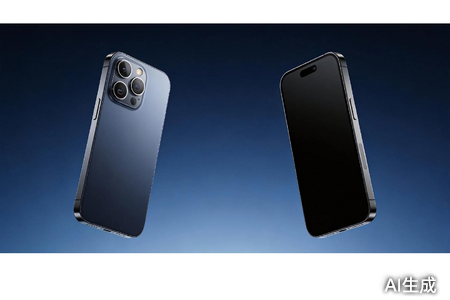
新机共有蓝境、幻梦、黑色、白色四色,两款配色的AI键用了辨识度极高的亮橙色,镜头是横向贯穿式设计,和荣耀Magic8 Pro Air风格接近。配置搭载第五代骁龙8至尊版芯片、7000mAh大电池。

这次努比亚的定位很明确:全球首款量产AI智能体手机,定名努比亚NaviX Ultra,系统深度集成豆包助手,主打"听得懂、能干活、记得住、够安全"四个核心能力。

这不是装了个豆包App的普通手机,是把AI做到系统底层、可跨App自动执行任务的AI原生手机,不是上次的测试机,是正式量产销售的机型。

这条路,上一代踩过不小的坑。

去年12月,字节和努比亚推出第一代豆包手机M153,当时只叫"技术预览版",首批备货3万台,定价3499元,上线很快售罄,二手平台最高报价一度达3.6万元,中兴股价当天涨停。

然后反转来了。

开售不到72小时,微信、淘宝、支付宝、美团加上多家银行App集体采取限制措施:微信强制下线,阿里系应用闪退,银行App中止支付,覆盖社交、电商、金融的限制骤然展开。

理由是安全风险:豆包用到的模拟点击权限和群控外挂特征相似,触发了平台风控。

沟通未果,豆包团队很快调整策略,12月5日发公告暂停金融、支付等高敏场景的AI操作,强调所有操作需用户授权、全程可追溯。结果首发用户发现核心跨App功能被砍大半,二手价也应声回落,一代就此收尾。

但字节没放弃,憋了大半年推出二代。

这次换了更稳妥的逻辑:敏感操作都需要用户主动确认,支付、密码、人脸验证环节AI自动暂停,交回用户手动操作,堵住了安全口实。

更关键的是合规。

7月15日《人工智能拟人化互动服务管理暂行办法》正式施行,当天豆包、千问等下线了C端用户自建智能体,而努比亚在当天获批了端侧智能体大模型备案,成为首批获得合规资质的AI手机之一,一代踩过的监管坑提前补上了。

此次的备货量也体现了信心,首批10万台以内,整体备货约20万台,是一代的近7倍。

从3万台玩票到20万台量产,从72小时受限到首批拿合规资质,豆包手机走的是典型的硬件落地迭代路线,今天已经在WAIC已正式开放体验。

字节的AI全场景布局

一台手机背后,是字节一整盘AI布局。

很多人对豆包的印象还停留在聊天AI,但字节已经搭起了从模型到应用、从云端到端侧的完整矩阵。

C端豆包App日活超1亿,是国内用户量最大的AI应用,今年6月推出付费订阅,最高年费5088元,国内头部AI应用开始告别免费时代。

B端今年1月发布扣子2.0平台,7月15日豆包App下线了用户自建智能体功能,重心早就从"和AI聊天"转到了"用AI干活"。

硬件端同步推进:手机走系统级集成路线,不是简单装App,可跨App执行任务,按一下键就能搞定比价、回消息、订外卖;AI眼镜二代也在研发,年内就会发布,字节没放弃穿戴这个交互入口。

电商场景落地最快,今年4月豆包上线"帮你选"功能,打通抖音电商,用户聊两句就能完成选品下单,不用跳转抖音。

6月发布的豆包大模型2.1 Pro重点升级了Agent能力,现在豆包日均token使用量突破180万亿,用户数据反过来迭代模型,速度只会越来越快。

把这些业务摆在一起就能看明白。

大模型是大脑,扣子是开发者生态,手机眼镜是交互终端,抖音电商是变现场景,字节搭的是一整套AI闭环,不只是为了卖手机,是在布局下一代互联网的交互入口。

AI全面赋能电商

除了前沿技术,AI也盘活了电商这个老业务。

今年618可谓AI含量最高的一届大促,各种AI赋能工具上线赋能B端的同时,平台们也在加快AI电商在C端的渗透。

阿里走全场景赋能路线,千问和淘宝全面打通,用户能在千问里直接购物,淘宝内也上线了AI助手,商家端有智能体帮着做图、投流,想把AI做成行业水电煤,靠云服务赚生态的钱。

京东走供应链+流量合作路线,自有“京东AI Agent”覆盖全品类,消费端做数字人直播降本,物流端用AI优化配送。就在豆包拿到备案的同一天,京东也出招了——宣布和腾讯元宝打通小程序生态。腾讯出流量,京东出供应链,双方互补做跨场景服务。

对京东来说,这是在自有的电商场景之外,接入一个更大的社交流量入口;对腾讯元宝来说,这是在对话能力之上,补上了履约和供应链的短板。双方各取所需,但目标一致:让AI不只是聊天工具,而是能办成事的入口。

字节的路线则是另一套打法。

它走的是内容+交易闭环,用豆包做通用入口,用抖音电商做变现场景,试图把从种草到下单的全链路用AI串起来。用户在抖音刷到一件卫衣,以前要退出、搜索、比价、下单,现在理论上可以在同一个AI交互里完成——问一句“这件衣服评价怎么样”或者“帮我找同款最低价”,豆包调取抖音电商的内容和货盘,直接给出结果甚至引导购买

三家路径差异很大,但都在抢AI时代的用户交互习惯。

如今,实体AI键的出现说明,竞争已经从软件内卷延伸到了硬件层面。但硬件只是载体,真正的竞争还在于:打通更多App、让合规更稳、让用户养成找AI办事的习惯。

目前,牌桌上的玩家各有底牌,但目前还没人拿到赛点。

但可以确定的是,AI逐渐从差异化卖点变成常规配置,就像当年触屏取代按键一样,这次改变的不是硬件形态,是我们用了十几年的App交互逻辑。

注:文/小孟,文章来源:电商热点(公众号ID:EC-hot),本文为作者独立观点,不代表亿邦动力立场。

【版权提示】亿邦动力倡导尊重与保护知识产权。未经许可,任何人不得复制、转载、或以其他方式使用本网站的内容。如发现本站文章存在版权问题,烦请提供版权疑问、身份证明、版权证明、联系方式等发邮件至run@ebrun.com,我们将及时沟通与处理。

已点赞

+1

{{ praise_text }}

好文章,值得被更多人看到

FAQ回顾

全球首款量产AI智能体手机是什么?

全球首款量产AI智能体手机是努比亚NaviX Ultra,搭载第五代骁龙8至尊版芯片、7000mAh大电池,系统深度集成豆包助手,主打“听得懂、能干活、记得住、够安全”四大核心能力,是将AI嵌入系统底层、可跨App自动执行任务的AI原生手机。

第一代豆包手机为何发售不久就调整核心功能?

第一代豆包手机M153搭载的豆包AI用到的模拟点击权限和群控外挂特征相似,触发微信、淘宝、支付宝、银行类App的风控机制,出现功能受限、闪退等问题,因此豆包团队调整策略,暂停金融、支付等高敏场景的AI操作。

字节跳动在AI领域有哪些核心布局?

字节已搭建从模型到应用、从云端到端侧的完整AI矩阵,C端豆包App日活超1亿,B端推出扣子2.0开发者平台,硬件端布局AI手机、AI眼镜,场景端打通抖音电商实现AI选品下单,形成完整AI生态闭环。

当前AI电商主要有哪几种发展模式?

当前AI电商主要有三类发展模式:阿里走全场景赋能路线,千问大模型全面打通淘宝生态;京东走供应链+流量合作路线,和腾讯元宝打通小程序生态;字节走内容+交易闭环路线,用豆包串联抖音电商从种草到下单全链路。

广告

下一篇

跨境电商资源对接

《全球跨境电商服务商资源手册》第二期手册现已发布,触达更多资源,了解跨境服务商信息,欢迎点击链接下载。

了解详情

世界杯的终场哨 AI竞赛的发令枪

从被看见到被信任,当全球品牌角逐C位,当AI重塑万物的大潮来临,真正的竞争已从单点营销的胜负转向技术系统能力的比拼,需要的是一个靠谱的“技术合作人”,一个比“进球”更具长期价值的科技叙事。

品牌故事 海信 未来零售

2026-07-21 10:25:16