• 亿邦公众号
    • APP下载

京东集团发布2025年ESG报告 倡导向善负责可持续的发展

作者:龚作仁 文章来源:Laborer

2026-06-17 11:38

作者:龚作仁 文章来源:Laborer

2026-06-17 11:38

邦小白快读

EN
全文速览

本文核心信息是京东在2025年6月16日发布《2025年环境、社会及治理报告》,梳理了过去一年京东在社会责任领域的实践成果,干货内容如下

1. 整体发展方向:当前人工智能与数字技术正重塑产业逻辑与消费方式,京东以供应链为根基,推动AI落地仓储、物流、零售、健康等实体场景,始终坚守“技术为本,让生活更美好”的使命。

2. 三大核心实践内容:责任治理层面,坚持“合规即发展”理念,发布《人工智能治理框架》,要求AI发展符合伦理与合规要求,强化数据安全、商业道德管理。绿色行动层面,把绿色发展融入全供应链各环节,打造零碳园区、新能源物流车队,推广循环包装,推出青绿计划引导可持续消费,全环节降低运营对环境的影响。美好生活层面,率先给全职外卖骑手签署劳动合同并缴纳五险一金,完善新就业形态劳动者权益保障,还持续创造高质量就业,助力乡村振兴、应急救灾和残障就业。

本文内容对品牌商把握行业趋势、布局长期品牌战略有较高参考价值,核心干货如下

1. 消费趋势与产品研发方向:当前可持续消费已经成为可引导的新消费趋势,京东通过青绿计划已经在平台端培育用户可持续消费习惯,品牌可以贴合绿色消费方向调整产品研发方向,抢占新赛道。

2. 品牌合规建设参考:AI技术商业化加速背景下,行业和消费者都关注AI的合规性与伦理性,品牌布局AI相关业务时,可以参考京东的做法,将稳健透明作为创新底线,搭建自身的AI治理规则,既规避合规风险,也能赢得消费者信任。

3. 品牌营销与渠道机会:当前消费者越来越认可承担社会责任的品牌,品牌可以学习京东,重视劳动者权益等社会责任建设,提升品牌正向口碑,还可以对接京东绿色供应链,融入京东共创的绿色生态,获得更多渠道资源支持。

本文披露的京东最新战略与ESG实践,能给卖家带来清晰的机会提示与风险预警,核心干货如下

1. 新增市场机会:当前绿色消费需求不断增长,卖家可以调整选品方向,布局绿色环保类商品,参与京东青绿计划,对接京东绿色供应链,获得平台更多流量倾斜,挖掘新的增长空间;同时乡村振兴相关赛道也有平台支持,卖家可以依托京东供应链能力拓展下沉市场。

2. 合规风险提示:京东已经发布人工智能治理框架,明确对AI发展的合规要求,平台对AI相关业务的监管会越来越严格,卖家布局AI相关业务时,必须把合规经营、伦理安全、数据安全放在首位,避免触碰合规红线。

3. 可学习的经营方向:卖家可以学习京东长期主义的经营思路,兼顾商业增长与社会责任,通过合规经营、承担社会责任积累用户信任,实现长期稳定增长。

本文披露的京东供应链最新发展方向,能给工厂带来产品方向指引、数字化转型启示与商业合作机会,核心干货如下

1. 产品生产设计需求:随着绿色消费趋势的崛起,市场对绿色环保产品的需求持续增长,工厂可以调整生产与设计方向,布局绿色环保类产品,匹配市场需求,对接京东绿色供应链获取更多订单。

2. 数字化转型启示:当前京东已经推动AI技术从技术基建落地到仓储、物流、零售等实体场景,工厂可以参考这个路径,加快人工智能与数字技术在自身生产、流通环节的落地应用,提升生产运营效率。

3. 商业机会与合规提示:京东正在联合产业链伙伴共同打造绿色生态,工厂可以作为合作伙伴加入,共享可持续发展的行业红利;同时京东对合规与数据安全的重视,也提示工厂在推进数字化转型过程中,要同步做好合规管理与数据安全防护,规避转型风险。

本文披露的行业最新发展动态,能帮助服务商挖掘客户痛点、布局新的业务增长点,核心干货如下

1. 行业发展新趋势:当前AI与产业融合进程加速,同时可持续发展、ESG建设已经成为各类企业的核心需求,AI合规治理、绿色供应链改造已经成为新的蓝海市场。

2. 客户核心痛点整理:大量企业在布局AI业务时,缺乏明确的合规与伦理治理框架,不知道如何规范AI发展;很多企业想要推进绿色转型,也不知道如何把绿色发展嵌入供应链全环节,这些都是服务商可以切入的客户痛点。

3. 业务布局方向参考:服务商可以参考京东的实践经验,开发面向企业的人工智能治理咨询服务、全链条绿色供应链改造解决方案,帮助企业实现合规发展与绿色转型,还可以对接京东的绿色生态体系,拓展自身的客户资源与业务边界。

京东披露的ESG实践经验,能给其他平台商的战略布局、运营管理提供参考,核心干货如下

1. 合规风向规避:AI快速发展背景下,平台需要提前布局AI治理,建立明确的AI合规与伦理框架,把稳健透明作为创新底线,提前做好数据安全、商业道德管理,规避AI发展带来的合规与伦理风险,避免后续发展陷入被动。

2. 运营管理启示:平台要重视生态内新就业形态劳动者的权益保障,京东率先为全职外卖骑手签署劳动合同缴纳五险一金的做法,既能帮助平台降低劳资风险,也能提升劳动者的归属感与平台的社会口碑,推动行业良性发展。

3. 新增长点布局:平台可以参考京东,把绿色发展嵌入供应链全环节,推出可持续消费引导项目,联合产业链伙伴打造绿色生态,既符合政策导向,也能挖掘新的消费增长点,提升平台的核心竞争力与社会价值。

本文披露了头部企业最新的ESG实践与产业发展动向,对相关领域研究者有较高的参考价值,核心干货如下

1. 产业发展新动向:当前人工智能技术已经完成前期的技术基建阶段,开始大规模落地仓储、物流、零售、健康等实体场景,正在加速重塑整个产业的逻辑与大众消费方式;头部企业已经率先探索AI治理,倡导向善负责可持续的AI发展,AI合规发展已经成为产业界的共识。

2. 企业发展新商业模式:头部互联网企业正在探索长期主义下责任与增长并行的发展模式,将ESG全面融入企业运营的各个层面,从治理、绿色供应链到社会责任全链路落地,打破了增长与社会责任对立的传统认知,是值得研究的新商业模式。

3. 值得深入研究的新课题:当前产业界已经在实践AI治理框架搭建、全链条绿色供应链建设、新就业形态劳动者权益保障等新课题,研究者可以围绕这些方向跟进总结,提炼可推广的行业经验。

声明:快读内容全程由AI生成,请注意甄别信息。如您发现问题,请发送邮件至 run@ebrun.com 。

我是 品牌商 卖家 工厂 服务商 平台商 研究者 帮我再读一遍。

Quick Summary

This article covers core updates from JD.com, which released its 2025 Environmental, Social and Governance (ESG) Report on June 16, 2025, outlining the company’s social responsibility achievements over the past year. Key takeaways are as follows:

1. Overall strategic direction: Amid AI and digital technologies reshaping industry logic and consumer behavior, JD.com leverages its core supply chain strengths to deploy AI across real-world scenarios including warehousing, logistics, retail and healthcare, staying true to its mission of "technology for a better life."

2. Three core ESG practices: On governance responsibility, JD.com adheres to the principle that "compliance equals growth", and has released an Artificial Intelligence Governance Framework that requires AI development to align with ethical and regulatory requirements, with strengthened management of data security and business ethics. On green initiatives, the company integrates green development across every link of its supply chain: it has built net-zero carbon parks, deployed new energy logistics fleets, promoted recyclable packaging, and launched the Qinglü Program to drive sustainable consumption, reducing the environmental footprint of its operations end-to-end. On advancing public well-being, JD.com was an early adopter of formal labor contracts and full social security benefits for full-time delivery riders, improving protection for workers in new employment forms. It also continues to create high-quality jobs, and supports rural revitalization, emergency disaster response, and employment for people with disabilities.

This article offers valuable insights for brands to align with industry trends and shape long-term brand strategies. Key takeaways are as follows:

1. Consumer trend and product R&D direction: Sustainable consumption has emerged as a steerable new consumption trend. JD.com has cultivated user habits of sustainable consumption on its platform through the Qinglü Program, so brands can adjust their R&D roadmaps to align with green consumer demand and capture first-mover advantage in this new segment.

2. Reference for brand compliance construction: Against the backdrop of accelerating AI commercialization, both the industry and consumers increasingly prioritize AI compliance and ethics. When developing AI-related business, brands can follow JD.com’s example to take robust transparency as the bottom line for innovation, and build their own AI governance rules to mitigate compliance risks and earn consumer trust.

3. Brand marketing and channel opportunities: Today’s consumers increasingly favor brands that fulfill social responsibilities. Brands can learn from JD.com to prioritize social responsibility initiatives such as worker rights protection to build positive brand reputation. They can also connect with JD.com’s green supply chain and join its co-created green ecosystem to access more channel support and resources.

JD.com’s latest ESG strategy and practices outlined in this article provide clear opportunity signals and risk warnings for sellers. Key takeaways are as follows:

1. New market opportunities: As demand for green consumption continues to grow, sellers can adjust their product selection to focus on eco-friendly goods, participate in JD.com’s Qinglü Program, connect with JD.com’s green supply chain to gain greater platform traffic support, and unlock new growth. Sellers can also tap into platform support for rural revitalization-related tracks, and leverage JD.com’s supply chain capabilities to expand into lower-tier markets.

2. Compliance risk warning: JD.com has released an AI governance framework that clarifies compliance requirements for AI development, and the platform will tighten oversight of AI-related businesses. When developing AI offerings, sellers must prioritize compliant operation, ethical AI and data security to avoid crossing compliance red lines.

3. Recommended operational approach: Sellers can adopt JD.com’s long-term-oriented business philosophy, balancing commercial growth with social responsibility, and build consumer trust through compliant operation and social commitment to achieve long-term, stable growth.

JD.com’s latest supply chain direction outlined in this article provides product guidance, digital transformation insights and business cooperation opportunities for factories. Key takeaways are as follows:

1. Product design and production demand: Driven by the rising green consumption trend, market demand for eco-friendly products continues to grow. Factories can adjust their production and design strategies to focus on green products to match market demand, and connect with JD.com’s green supply chain to access more orders.

2. Insights for digital transformation: JD.com has moved AI beyond basic technological infrastructure to real-world deployment in warehousing, logistics, retail and other physical scenarios. Factories can follow this path to accelerate the adoption of AI and digital technologies in their own production and distribution links to improve operational efficiency.

3. Business opportunities and compliance reminder: JD.com is working with industry chain partners to build a shared green ecosystem, and factories can join as partners to share the industry dividends from sustainable development. At the same time, JD.com’s focus on compliance and data security reminds factories that advancing digital transformation must go hand-in-hand with robust compliance management and data security protection to mitigate transition risks.

The latest industry dynamics outlined in this article help service providers identify client pain points and unlock new business growth. Key takeaways are as follows:

1. New industry trends: The integration of AI and industry is accelerating, while sustainable development and ESG have become core priorities for enterprises across sectors. AI compliance governance and green supply chain transformation have emerged as untapped blue ocean markets.

2. Key client pain points: Many enterprises developing AI businesses lack clear compliance and ethical governance frameworks to guide responsible AI development; many enterprises aiming to pursue green transition also lack experience embedding green development across their entire supply chain. These are unmet pain points that service providers can address.

3. Reference for business development: Service providers can draw on JD.com’s practical experience to develop corporate-facing AI governance consulting services and end-to-end green supply chain transformation solutions, helping enterprises achieve compliant operation and green transition. They can also connect with JD.com’s green ecosystem to expand their own customer base and business scope.

JD.com’s ESG practice experience outlined in this article provides a valuable reference for other platform operators on strategic layout and operational management. Key takeaways are as follows:

1. Proactive compliance risk mitigation: Against the backdrop of rapid AI development, platforms should proactively build out AI governance frameworks, establish clear rules for AI compliance and ethics, take robust transparency as the bottom line for innovation, and strengthen data security and business ethics management early on. This mitigates the compliance and ethical risks associated with AI development and prevents businesses from being caught off-guard later.

2. Insights for operational management: Platforms should prioritize the protection of rights for gig workers within their ecosystems. JD.com’s early move to offer formal contracts and full social security benefits for full-time delivery riders not only reduces labor risk for the platform, but also boosts worker satisfaction and the platform’s public reputation, driving healthy industry development.

3. Unlocking new growth drivers: Following JD.com’s example, platforms can embed green development across the entire supply chain, launch programs to drive sustainable consumption, and partner with industry chain players to build a shared green ecosystem. This aligns with policy guidance, unlocks new consumer growth drivers, and improves the platform’s core competitiveness and social value.

The latest ESG practices and industry trends outlined from this leading enterprise offer high reference value for researchers in related fields. Key takeaways are as follows:

1. New industry development dynamics: Artificial intelligence has completed its early infrastructure-building phase, and is now being deployed at scale across physical scenarios including warehousing, logistics, retail and healthcare, accelerating the reshaping of overall industry logic and mass consumer behavior. Leading enterprises have already taken the lead in exploring AI governance, advocating for responsible, beneficial and sustainable AI development, and compliant AI development has become a consensus across the industry.

2. New business model for enterprise development: Leading internet companies are exploring a long-term-oriented development model that balances responsibility and growth, fully integrating ESG into every layer of corporate operations, from governance and green supply chains to full-link implementation of social responsibility. This breaks the traditional perception that growth and social responsibility are mutually exclusive, making it a new business model worthy of in-depth study.

3. New topics for further research: Industry players are already advancing practical work on new topics including AI governance framework development, end-to-end green supply chain construction, and rights protection for workers in new employment forms. Researchers can follow and summarize these practices to distill replicable industry experience.

Disclaimer: The "Quick Summary" content is entirely generated by AI. Please exercise discretion when interpreting the information. For issues or corrections, please email run@ebrun.com .

I am a Brand Seller Factory Service Provider Marketplace Seller Researcher Read it again.

2025年,人工智能与数字技术加速重塑产业逻辑与消费方式。京东始终坚守“技术为本,让生活更美好”的使命,以供应链为根基,推动AI从技术基建走向仓储、物流、零售与健康等真实场景。6月16日,京东发布《2025年环境、社会及治理报告》,回顾过去一年社会责任领域的实践与思考。

在责任治理层面,京东将稳健与透明作为创新的底线,秉持“合规即发展”理念,持续强化风险、商业道德与数据安全管理。京东发布《人工智能治理框架》,倡导向善、负责、可持续的AI发展,让技术进步始终运行在合规管理与伦理安全的轨道上。

在绿色行动层面,京东把绿色发展嵌入供应链的每一个环节。从“零碳”或“碳中和”园区、新能源物流车队到绿电规模化使用,从循环包装推广到“青绿计划”引导可持续消费,京东用务实行动降低运营活动对环境的影响,在运营、仓储、包装、运输及消费等关键环节深化绿色实践,协同产业链伙伴共创绿色生态。

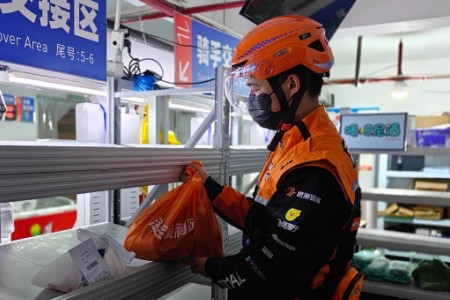
在美好生活层面,京东秉持“技术为本,让生活更美好”使命。京东集团率先为全职外卖骑手签署劳动合同并缴纳“五险一金”,推动新就业形态劳动者权益保障落地。同时持续创造高质量就业岗位,完善员工成长与关怀体系,以供应链能力助力乡村振兴、应急救灾与残障就业,让增长惠及更广泛的人群。

前行路上,京东将继续坚持长期主义,以可持续发展为根基,让责任与增长同行,与产业伙伴共同创造一个更绿色、更包容、更有温度的未来。


注:文/龚作仁,文章来源:Laborer,本文为作者独立观点,不代表亿邦动力立场。

【版权提示】亿邦动力倡导尊重与保护知识产权。未经许可,任何人不得复制、转载、或以其他方式使用本网站的内容。如发现本站文章存在版权问题,烦请提供版权疑问、身份证明、版权证明、联系方式等发邮件至run@ebrun.com,我们将及时沟通与处理。

已点赞

+1

{{ praise_text }}

好文章,值得被更多人看到

广告

下一篇

跨境电商资源对接

《全球跨境电商服务商资源手册》第二期手册现已发布,触达更多资源,了解跨境服务商信息,欢迎点击链接下载。

了解详情

淘宝闪购联合生态加码品质外卖 今夏服务商激励政策落地

淘宝闪购今日宣布,面向全国正式启动今夏服务商招募计划,并同步落地专项激励体系。