• 亿邦公众号
    • APP下载

90%的出海品牌 其实都输在了“听不懂”客户上

作者:亿邦AI 文章来源:亿邦AI

2026-06-12 16:37

作者:亿邦AI 文章来源:亿邦AI

2026-06-12 16:37

邦小白快读

EN
全文速览

本文核心讲了当前跨境电商出海普遍存在的跨语言沟通痛点,介绍了AI同传这个解决问题的新工具,给出了可直接用的实操干货。

1. 很多做跨境电商的普通人都会遇到和海外客户、买手沟通不顺畅的问题,不少人误以为没拿下合作是产品不行,其实是沟通损耗吃掉了利润。传统外聘同传的方式成本很高,中英同传一天就要5000到8000元,还不算差旅,需要提前两周预约,译员不懂跨境行业黑话很容易翻错,直接导致谈判失败,花钱还办不好事。

2. 现在腾讯会议企业版上线了AI同传功能,能解决这些痛点,不仅有时延低于3秒、音色模仿、音量可调这些实用功能,目前还对亿邦动力粉丝开放了超值试用礼包申请,符合条件的团队可以申请视频会议专家1v1服务,体验所有AI功能,有需求的可以直接申请试用。

本文给出海品牌梳理了当前跨境沟通的核心痛点,也指出了降本提效、抓住渠道机会的方向,贴合出海品牌的发展需求。

1. 当前九成出海品牌都栽在跨语言沟通上,沟通损耗已经成为吃掉品牌利润、丢失合作机会的核心原因。传统同传不仅成本高昂,还存在译员不懂行业术语、预约难、容易出错的问题,还会让客户觉得品牌不够专业,影响品牌信任感,不利于品牌拿下海外渠道资源。

2. AI同传能很好解决这些问题,不仅零额外成本比传统同传便宜很多,还能通过音色模仿让海外客户获得亲近感,提升品牌信任感,时延低于3秒能跟上欧美客户的快节奏沟通,还支持音量调节,会后可以导出纪要方便内部复盘,还能避免核心信息泄露。

3. 当前跨境出海的竞争逻辑已经改变,比拼的不再是英语能力,而是响应速度和对客户的理解,用好AI同传能帮助品牌抢先拿下渠道机会,建立竞争优势。

本文给跨境出海卖家点明了隐形成本痛点,也带来了新的降本提效机会,给出了明确的机会提示和风险提示。

1. 很多卖家都忽略了跨境沟通的“同传账”这个隐形成本,传统外聘同传中英场次一天就要5000-8000元,每月几场下来成本就超过3万元,还需要提前两周预约,遇到改期还要重新安排,译员不懂“坑位费”“ROI”这类跨境黑话,很容易翻错导致谈判崩盘,还存在核心信息泄露的风险。

2. 现在AI同传给卖家提供了新的解决方案,腾讯会议的AI同传不仅能解决传统同传的所有问题,还做到了时延低于3秒跟上客户节奏,音色模仿拉近和客户的距离,音量可自由调节,会后还能导出纪要方便复盘,零额外成本,能帮卖家省掉大笔翻译开支。

3. 文中提示,跨境出海的时间窗口往往很短,卖家如果还在纠结找译员、学英语,就会被抢先用上AI工具的竞争对手拿走机会,提示卖家抓住工具升级的机会,规避沟通成本高、丢单的风险。

本文给布局出海业务的生产工厂,带来了业务拓展和数字化升级的不少启示,点明了很多工厂忽略的隐形成本问题。

1. 很多做出海业务的工厂对接海外采购商的时候,都面临跨语言沟通的问题,要么需要高薪聘请专职翻译,要么需要外聘同传,不仅成本很高,还容易出现翻译不懂行业和电商术语翻错内容,导致本来能成的订单黄了,沟通损耗吃掉了不少本来该赚的利润,这个问题很多工厂都没有重视。

2. AI同传工具给工厂带来了低成本的解决方案,工厂不用长期承担高薪翻译的人力成本,也不用花大价钱外聘临时同传,就能顺畅和海外买手、供应商沟通,还能通过音色模仿提升客户信任感,低时延保障沟通不中断,会后还能导出沟通纪要方便内部对接复盘,还能避免核心订单信息泄露。

3. 这也给工厂推进数字化办公带来启示,工厂出海不用只盯着生产和物流,用好AI工具解决沟通这类细分痛点,能降低运营成本,更快抓住海外合作机会,推进自身出海业务的发展。

本文梳理了跨境电商领域的客户未被满足的痛点,给To B服务商指出了新的行业发展方向和机会。

1. 当前跨境电商行业存在一个普遍的未被解决的痛点,就是跨语言商务沟通的成本高、体验差,传统翻译和同传服务无法匹配跨境电商的需求,不仅价格高昂,预约流程麻烦,还存在术语错译、信息泄露的问题,大量有出海业务的企业都有这类痛点等待解决。

2. AI技术为解决这个痛点提供了可行的方案,AI同传通过优化核心体验,做到了时延低于3秒适配快节奏商务谈判,增加音色模仿功能提升客户信任感,支持音量调节适配不同场景,还配套纪要导出功能满足会后复盘需求,成本远低于传统同传,还能保障信息安全。

3. 对服务商来说,这个方向带来了新的市场机会,围绕AI技术挖掘企业出海的细分痛点,推出贴合行业场景的工具类产品,能精准击中客户需求,打开新的增长空间,这也是To B企业服务未来的重要发展方向。

本文反映了跨境企业对企业协作平台的核心需求,给平台商的产品迭代、招商运营都给出了明确的方向参考。

1. 当前大量开展跨境业务的企业,对协作平台的跨语言同传功能有强需求,传统协作平台没有针对性解决这个痛点,导致企业不得不额外付出大笔同传成本,还经常因为沟通问题丢失合作机会,这个需求还没有被充分满足。

2. 腾讯会议企业版针对这个痛点的做法值得参考,围绕跨境商务沟通的场景优化产品功能,把AI同传的时延压到3秒以内,增加音色模仿、音量调节、纪要导出这些适配场景的功能,很好解决了用户的核心痛点,还解决了用户关心的信息安全问题。

3. 对平台来说,可以针对跨境电商这个垂直群体推出精准的招商活动,比如推出试用福利吸引用户,还需要围绕跨境用户的需求优化产品细节,重视保障用户的核心商务信息安全,规避信息泄露带来的口碑风险,打造更符合跨境企业需求的协作产品,能收获大量精准用户。

本文反映了当前跨境电商和To B企业服务领域的多个新动向,对产业研究有较高的参考价值,点明了产业发展的新变化。

1. 首先是跨境电商出海领域的竞争逻辑发生了新变化,文章提出目前九成出海品牌都失败在跨语言沟通问题上,沟通损耗成为出海品牌的核心隐性障碍,原来出海比拼的是产品能力、团队英语能力,现在竞争逻辑转变为比拼对客户的响应速度和理解深度,谁能更快更顺畅沟通,谁就能拿到机会。

2. 其次是AI技术对企业服务的渗透进入了更细分的场景,AI同传已经开始成为企业协作平台的标配功能,改变了跨境企业的成本结构,原来企业每年需要投入几万甚至几十万的同传翻译成本,现在可以实现零额外成本,还能获得更好的沟通体验,大幅降低了跨境企业的隐形成本。

3. 不难看出,面向垂直产业细分痛点,结合AI技术打造工具产品,已经成为To B领域新的商业模式动向,也为整个跨境电商产业降本提效提供了新的路径,值得深入研究。

声明:快读内容全程由AI生成,请注意甄别信息。如您发现问题,请发送邮件至 run@ebrun.com 。

我是 品牌商 卖家 工厂 服务商 平台商 研究者 帮我再读一遍。

Quick Summary

This article focuses on the common cross-language communication pain points facing cross-border e-commerce sellers going global, introduces AI simultaneous interpretation as an emerging solution, and shares actionable, ready-to-use practical tips.

1. Many individual cross-border e-commerce operators struggle with communication friction when dealing with overseas clients and buyers. A common misconception is that failed deals stem from poor product quality, but in reality, communication inefficiency is what erodes profits. Traditional outsourced simultaneous interpretation is extremely costly: a one-day English-Chinese assignment costs 5,000 to 8,000 RMB excluding travel expenses, and requires booking two weeks in advance. What's more, interpreters unfamiliar with cross-border industry jargon often make translation errors that directly derail negotiations, leaving businesses with poor outcomes despite high spending.

2. Tencent Meeting Enterprise Edition has now launched an AI simultaneous interpretation feature that addresses all these pain points. It offers practical functions including under-3-second latency, voice cloning, and adjustable volume. Currently, an exclusive value trial package is available for readers of Yibang Power. Eligible teams can apply for one-on-one consulting from video conferencing experts to access all AI features, and interested parties can submit their trial applications directly.

This article sorts out the core cross-border communication pain points for global brands, and outlines a clear direction for cost reduction, efficiency improvement, and seizing channel opportunities that aligns with the development needs of brands expanding overseas.

1. Currently, 90% of global brands struggle with cross-language communication issues. Communication friction has become the top cause of eroded profits and lost partnership opportunities. Traditional simultaneous interpretation is not only prohibitively expensive, but also plagued by problems including interpreters’ unfamiliarity with industry terminology, booking difficulties, and frequent translation errors. It also makes brands look unprofessional to clients, erodes brand trust, and undermines brands’ efforts to secure overseas channel resources.

2. AI simultaneous interpretation effectively solves these problems. It requires zero additional cost, far undercutting traditional interpretation. Its voice cloning feature helps build rapport and trust with overseas clients, its sub-3-second latency keeps up with the fast-paced communication rhythm of European and American clients, and it supports adjustable volume. Post-meeting transcript exports also enable easy internal review, while eliminating the risk of core information leakage.

3. The competitive logic of cross-border expansion has changed: today, success depends not on English proficiency, but on response speed and client insight. Leveraging AI simultaneous interpretation helps brands secure channel opportunities ahead of competitors and build sustainable competitive advantages.

This article highlights the hidden cost pain point for cross-border sellers, introduces a new opportunity to cut costs and boost efficiency, and provides clear guidance on opportunities and risks.

1. Many sellers overlook the hidden cost of simultaneous interpretation for cross-border communication. A one-day English-Chinese assignment from a traditional outsourced interpreter costs 5,000 to 8,000 RMB, adding up to more than 30,000 RMB per month for just a few sessions, and requires booking two weeks in advance. Rescheduling means rearranging the entire process from scratch. Interpreters unfamiliar with cross-border jargon like "slot fee" and "ROI" often make costly translation errors that derail negotiations, and there is also inherent risk of core business information leakage.

2. AI simultaneous interpretation offers sellers a new solution. Tencent Meeting’s AI simultaneous interpretation solves all the pain points of traditional interpretation: it delivers sub-3-second latency to keep up with client conversation pace, uses voice cloning to build closer rapport with clients, supports adjustable volume, and offers post-meeting transcript exports for review. With zero additional cost, it helps sellers cut substantial translation expenses.

3. The article notes that time windows for cross-border opportunities are often narrow. Sellers who still waste time struggling to find interpreters or improve their own English will lose opportunities to competitors that adopt AI tools early. It reminds sellers to seize the opportunity of tool upgrade to avoid the risks of high communication costs and lost orders.

This article provides actionable insights on business expansion and digital upgrade for manufacturing factories building overseas business, and highlights the hidden cost issue that many factories overlook.

1. When connecting with overseas buyers, many export-focused factories face cross-language communication barriers. They either hire full-time translators at high salaries or outsource temporary interpreters, both of which bring high costs. Worse, translators unfamiliar with manufacturing and e-commerce terminology often make translation errors that kill otherwise solid deals. This unaddressed communication friction eats into a large share of factories’ potential profits.

2. AI simultaneous interpretation provides factories with a low-cost solution. Factories can communicate smoothly with overseas buyers and suppliers without bearing the long-term labor cost of full-time translators or paying high fees for temporary outsourced interpreters. It also uses voice cloning to boost client trust, delivers low latency to keep communication uninterrupted, offers post-meeting transcript exports for internal alignment and review, and eliminates the risk of core order information leakage.

3. This also offers insights for factories推进ing digital workplace transformation. For factories going global, improving production and logistics is not the only focus. Leveraging AI tools to solve niche pain points like communication cuts operational costs, helps factories seize overseas partnership opportunities faster, and accelerates the growth of their global business.

This article sorts out unmet customer needs in the cross-border e-commerce industry, and outlines new industry development directions and opportunities for B2B service providers.

1. A widespread, unresolved pain point persists in the cross-border e-commerce sector: high cost and poor experience in cross-language business communication. Traditional translation and simultaneous interpretation services cannot meet cross-border e-commerce needs, as they are expensive, require cumbersome booking processes, and carry risks of terminology mistranslation and information leakage. Large numbers of global expansion-focused enterprises have this unaddressed need.

2. AI technology provides a viable solution to this pain point. By optimizing core user experience, AI simultaneous interpretation delivers sub-3-second latency that adapts to fast-paced business negotiations, adds a voice cloning feature to boost client trust, supports adjustable volume for different scenarios, and includes a meeting transcript export function for post-meeting review. It costs far less than traditional simultaneous interpretation while guaranteeing information security.

3. For service providers, this direction opens up new market opportunities. Building industry-specific tool products by leveraging AI technology to address niche pain points for global enterprises allows providers to accurately hit customer needs and unlock new growth space. This is also a key future development direction for B2B enterprise services.

This article outlines the core demands of cross-border enterprises for B2B collaboration platforms, and provides clear directional references for platform product iteration, merchant recruitment and operation.

1. Currently, a large number of cross-border enterprises have strong demand for built-in cross-language simultaneous interpretation in collaboration platforms. Traditional collaboration platforms have not addressed this pain point specifically, forcing enterprises to pay large additional costs for external interpretation and often lose partnership opportunities due to communication problems. This demand remains largely unmet.

2. Tencent Meeting Enterprise Edition’s solution to this pain point is highly valuable for reference. By optimizing product features for cross-border business communication scenarios, it brings AI simultaneous interpretation latency down to under 3 seconds, and adds scenario-adapted functions including voice cloning, adjustable volume, and meeting transcript export. It effectively solves users’ core pain points and also addresses user concerns around information security.

3. For platforms, operators can launch targeted recruitment campaigns for the vertical cross-border e-commerce group, such as offering trial perks to attract users. They also need to optimize product details based on cross-border users’ needs, prioritize protecting users’ core business information security to avoid reputational risks from data leakage, and build collaboration tools that better fit the needs of cross-border enterprises to acquire large numbers of high-intent users.

This article reflects multiple new trends in the cross-border e-commerce and B2B enterprise service sectors, offers high reference value for industrial research, and highlights new changes in industry development.

1. First, the competitive logic of cross-border e-commerce expansion has shifted. The article notes that 90% of failed global brand expansions can be traced to cross-language communication issues, and communication friction has become the core hidden barrier for global brands. Previously, cross-border success depended on product capability and team English proficiency; today, the competitive landscape has shifted to a race of response speed and depth of client understanding. Businesses that can communicate faster and more smoothly win more opportunities.

2. Second, the penetration of AI technology into enterprise services has reached more granular scenarios. AI simultaneous interpretation is already becoming a standard feature for enterprise collaboration platforms, reshaping cross-border enterprises’ cost structure. Where enterprises previously spent tens of thousands to hundreds of thousands of RMB annually on interpretation and translation, they can now access better communication experience at zero additional cost, significantly reducing the hidden operating costs of cross-border businesses.

3. It is clear that building AI-powered tool products targeting niche pain points in vertical industries has become an emerging business model trend in the B2B space. It also provides a new pathway for the entire cross-border e-commerce industry to reduce costs and improve efficiency, making it worthy of in-depth research.

Disclaimer: The "Quick Summary" content is entirely generated by AI. Please exercise discretion when interpreting the information. For issues or corrections, please email run@ebrun.com .

I am a Brand Seller Factory Service Provider Marketplace Seller Researcher Read it again.

文丨亿邦AI

做跨境电商的老板们,大多经历过这样一个时刻:

好不容易约到了海外大买手(Buyer),或者是亚马逊上的头部KOL。

结果开会时,一边是自己磕磕巴巴的英语,一边是对方连珠炮似的提问。

合同没签成,机会溜走了。

很多时候,我们以为是产品不行,其实是“沟通损耗”吃掉了利润。

01

跨境电商的隐形成本:同传账

在跨境电商圈,一场标准的跨国会议或海外参展,成本是这么算的:

· 外聘同传译员:中英同传,一天5000–8000元起步,还不算差旅。

· 会议协调成本:提前两周预约,临时改期?重排。

· 信息错配成本:译员不懂电商黑话(“坑位费”、“ROI”、“动销率”),翻错一个词,可能直接导致谈判崩盘。

对于很多DTC品牌来说,这笔钱花得不值,但不花又不行。

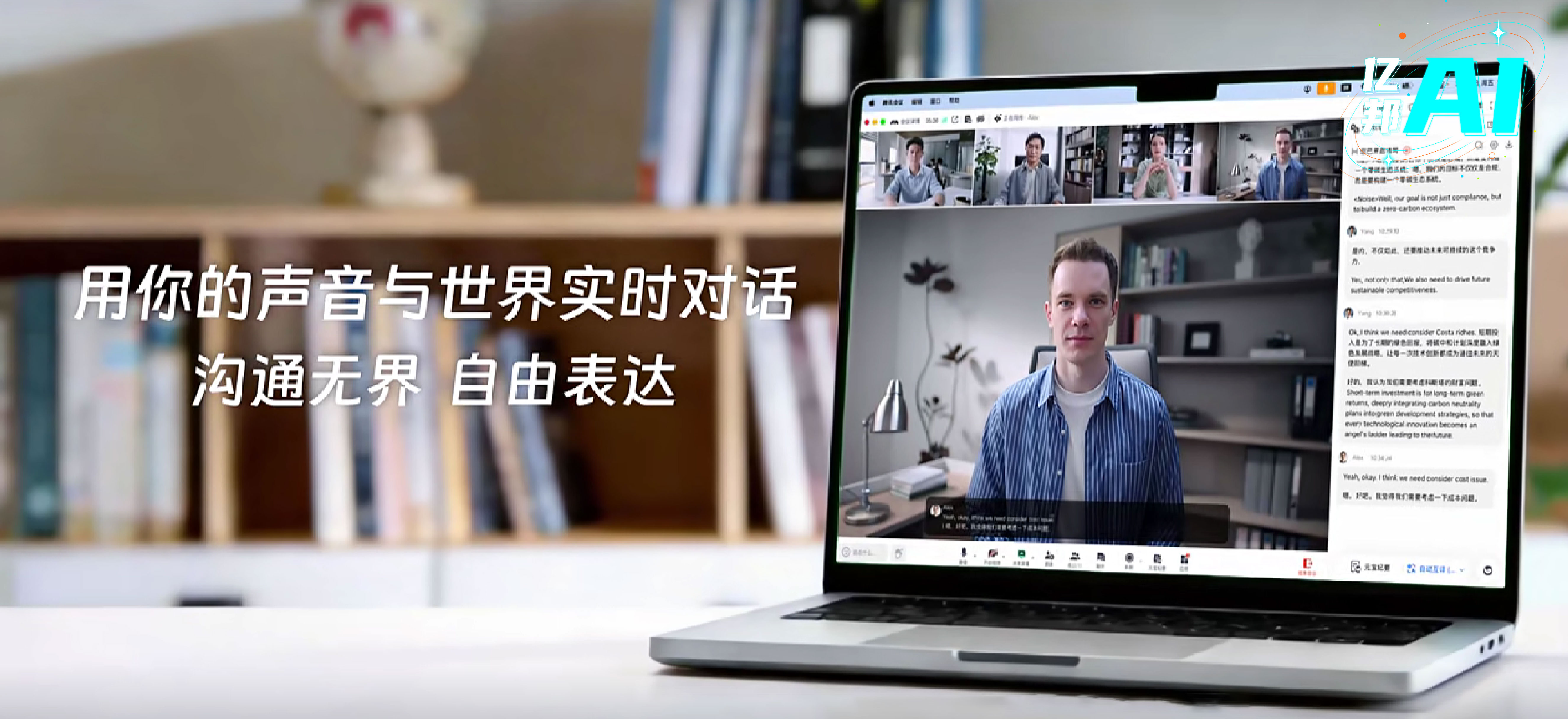
但现在,AI正在改写这笔账,近期,腾讯会议企业版上线了AI同声传译功能,

目前,面向腾讯会议面向亿邦动力粉丝用户开放超值产品试用礼包申请。符合条件的企业/团队可以获得视频会议专家1v1服务体验腾讯会议提供的所有会议AI功能(包括AI同传、问元宝、AI托管、元宝纪要、智能录制等)。

点击链接,立即开始第一次AI同传会议,在同一场跨语言会议里,可听、可译、可见、可记,四个维度同时在线。

02

音色模仿:建立信任的“隐形武器”

跨境电商谈生意,信任感是第一位的。

开启“音色模仿”后,AI会用你的音色说外语。

海外客户听到的,仿佛是你本人在用流利的英语跟他谈生意,这种“亲近感”是冷冰冰的机器声无法替代的。

▎时延<3秒:跟上老外的快节奏

欧美买家习惯语速极快、随时打断。

腾讯会议将AI同传时延压到3秒以内,让对话能像母语一样连续,不再出现“Pardon?”的尴尬循环。

AI同传时延会受到设备网络波动影响

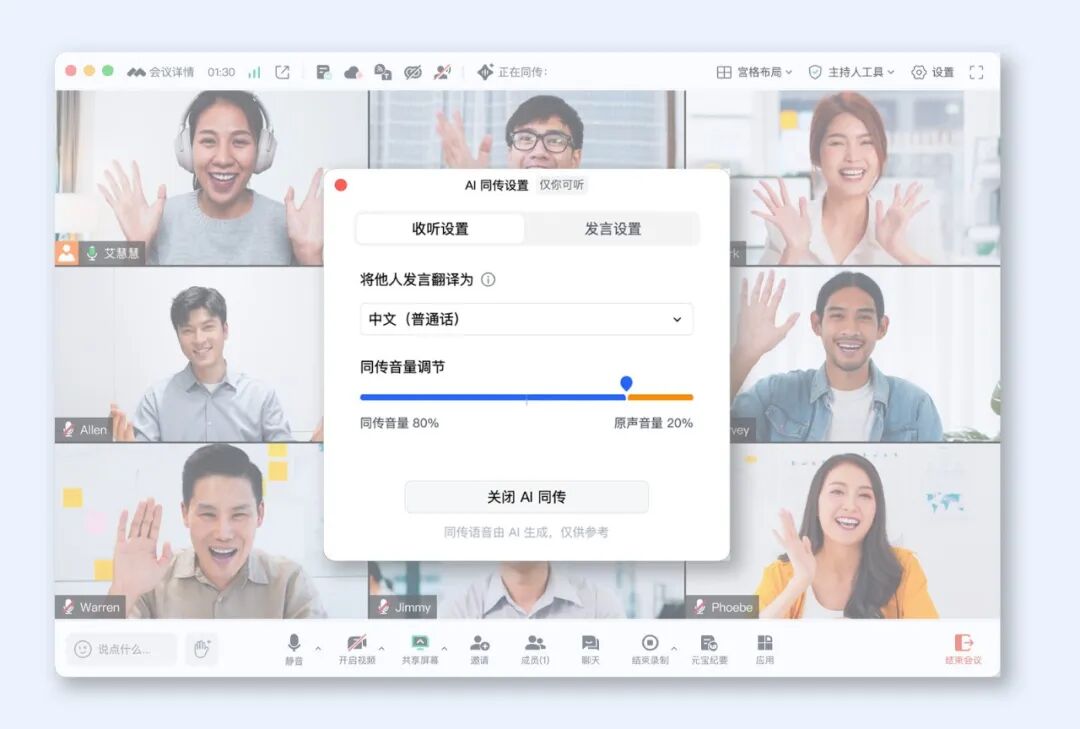
▎原声可控,自由选择

腾讯会议AI同传还支持调节同传与原声音量。

在一些重要的会议场合,收听方可保留一定的原声音量,方便实时核验关键信息有没有被准确传达;而在更多的日常沟通中,原声直接关掉,让双方对话节奏更干净。
03

谁可以用?可以省多少钱?

A公司:3C品牌

以前每月开4场海外供应商会,英文翻译员工工资/人工同传聘请费用3万+。

用腾讯会议AI同传,零额外成本,且不用担心核心公司信息泄露。

B公司:零售DTC品牌

创始人英语一般,以前见买手必带翻译,不仅显得“不够专业”,还经常因为翻译滞后错过对方的潜台词。

现在,各位老板只需要亲自参与腾讯会议,使用AI同传功能即可与合作方顺畅沟通,会后还能导出纪要,直接给团队复盘。

生意等不了,语言不该是门槛

对于跨境电商来说,时间窗口往往只有几个月。

当你还在纠结“要不要报个英语班”或者“去哪里找靠谱译员”时,竞争对手可能已经用AI开完了十场会,拿下了那个你心心念念的渠道。

▶ 写在最后

当AI同传成为企业协作平台的标配,跨境电商的竞争逻辑也在变化:

比拼的不再是“谁英语好”,而是“谁更懂客户、更快响应”。

如果你的团队也正面临:

· 海外买手沟通难

· 跨国团队管理乱

· 同传预算太高

有跨境业务、海外团队或买手资源的电商企业,不妨试试这条新路。

注:文/亿邦AI,文章来源:亿邦AI,本文为作者独立观点,不代表亿邦动力立场。

【版权提示】亿邦动力倡导尊重与保护知识产权。未经许可,任何人不得复制、转载、或以其他方式使用本网站的内容。如发现本站文章存在版权问题,烦请提供版权疑问、身份证明、版权证明、联系方式等发邮件至run@ebrun.com,我们将及时沟通与处理。

已点赞

+1

{{ praise_text }}

好文章,值得被更多人看到

广告

下一篇

从变色龙到猎鹰:XbotGo用技术聚焦换来定价权

在现场,谈科峰展示了公司最新的“猎鹰Falcon”AI相机,并复盘了XbotGo如何通过关键的技术架构变革

跨境电商

2026-06-12 16:32:54