• 亿邦公众号
    • APP下载

苹果干掉了诺基亚 但AI把它救活了

作者:雷科技AI硬件组 文章来源:雷科技

2026-06-05 14:07

作者:雷科技AI硬件组 文章来源:雷科技

2026-06-05 14:07

邦小白快读

EN
全文速览

这篇文章核心讲了昔日手机巨头在AI时代的不同转型命运,总结出AI浪潮下企业发展的核心规律,干货要点如下:

1. 诺基亚、黑莓已经成功转型AI基础设施提供商,年初至今股价涨幅都超过160%,靠AI吃到了核心红利。诺基亚依托原有通信业务底子,收购光纤设备商Infinera补齐光通信能力,拿到英伟达10亿美元投资合作,拿下OpenAI等客户的大订单,光网已经成为其第二大业务;黑莓依托功能机时代的高安全QNX系统,成为全球智能汽车和具身智能的底层系统供应商,全球超2亿辆汽车搭载该系统,还和英伟达达成了合作。

2. HTC、LG转型AI尚未吃到核心红利,HTC盲目布局没有找到突破口,LG仅在数据中心散热领域吃到一点边缘红利。核心规律:吃AI红利要抓核心痛点建立底层壁垒,不能单纯追概念风口。

本文为传统品牌在AI浪潮下的转型提供了重要参考,核心结论是品牌能否吃到AI核心红利,取决于是否掌握不可替代的底层技术壁垒,干货如下:

1. 品牌转型AI要立足自身原有技术积累,不要从零开始盲目跨界。诺基亚依托原有通信基站业务布局光通信,黑莓依托原有系统安全技术切入AI底层环节,都成功进入AI核心产业链。

2. 转型要抓住AI赛道核心痛点,不要盲目追逐终端概念风口。HTC盲目布局VR、AI眼镜,没有抓住核心需求建立壁垒,转型失败;LG布局数据中心散热,仅切入边缘环节,难以拿到核心红利。

3. 绑定AI头部企业获得合作背书,能快速获得产业和资本认可,诺基亚拿到英伟达10亿美元投资、黑莓与英伟达合作后,都获得了大量订单和资本的追捧。

本文为AI赛道从业者提炼了明确的增长机会、风险提示和可复制经验,干货要点如下:

1. 当前AI基础设施是明确的高增长红利市场,光通信传输、底层安全系统、数据中心散热都是需求快速增长的方向,其中核心产业链环节的利润空间和增长确定性远高于边缘环节。

2. 转型AI的成功经验:依托自身原有技术积累切入AI产业链核心痛点环节,主动绑定头部AI企业获得产业背书,就能拿到稳定大额订单,诺基亚、黑莓都是按照这个路径成功逆袭。

3. 明确的风险提示:盲目追逐AI概念风口,不建立核心技术壁垒,仅靠延伸边缘业务,很难获得超预期回报,HTC、LG的转型就是前车之鉴。当前资本对AI基础设施核心玩家认可度极高,相关标的有充足的增值空间。

本文为传统工厂在AI时代的转型提供了清晰方向和经验参考,干货要点如下:

1. AI产业高速发展带来了明确的商业机会,上游基础设施领域需求旺盛,光通信设备、底层安全系统、数据中心散热设备等领域需求都大幅增长,工厂可以结合自身原有优势切入对应供应链环节。

2. 转型AI要立足自身原有产能和技术积累,不要盲目跨界追风口,诺基亚和黑莓都是依托原有技术积累切入AI核心环节,不需要完全抛弃原有业务从零开始。

3. 补齐技术短板、整合产业链资源是抓住AI红利的核心,诺基亚收购拥有全产业链能力的光纤设备商Infinera,补齐光通信技术短板后,很快就拿到了OpenAI等头部客户的大订单。

4. 绑定头部AI核心企业合作,更容易拿到稳定订单,打开长期增长空间。

本文梳理了AI基础设施领域的最新发展趋势、核心痛点和成熟解决方案,给相关服务商提供了明确方向,干货如下:

1. 当前AI产业的核心发展方向是基础设施建设,产业链不同环节分工清晰,当前核心痛点包括:不同城市跨区域数据中心互联的高速长距离光传输需求、智能汽车和具身智能的底层系统安全稳定低延迟需求、高功率AI数据中心的高效散热需求。

2. 已经验证的成熟解决方案:光通信领域,全产业链布局的光子集成芯片方案,可以实现单波长高速传输,功耗远低于行业均值,能有效解决AI分布式部署的连接痛点;底层系统领域,高稳定性微内核实时操作系统,可满足智能汽车、具身智能的核心安全操控需求。

3. 未来增长趋势:随着具身智能大规模落地,底层安全系统需求会持续增长,AI集群扩张也会带动光通信需求持续增长,相关服务商有充足的增长空间。

本文梳理了AI产业链对基础设施的核心需求,以及不同玩家的转型成败经验,给平台商的布局运营和风险规避提供了参考,干货如下:

1. AI产业发展对基础设施平台提出了新的核心需求,需要配套高速稳定的跨区域长距离光传输网络、高安全性的底层操作系统支撑,平台商可以围绕这些核心痛点完善自身基础设施布局,提升服务能力。

2. 平台招商和合作布局时,可以优先选择拥有底层技术壁垒的AI基础设施玩家,比如拥有光通信核心优势的诺基亚、拥有底层安全系统技术的黑莓,这类企业已经切入AI核心产业链,增长确定性远高于概念型玩家。

3. 风险规避方面,要避开仅仅追逐AI概念风口、没有核心技术壁垒的企业,这类企业增长不确定性高,很难获得长期回报。平台布局AI要依托自身原有优势切入,不要盲目跨界布局不熟悉的终端业务,避免陷入竞争劣势。

本文研究了昔日消费电子巨头在AI时代的转型分化,提炼了新技术浪潮下企业转型的新规律,给产业研究提供了鲜活的案例和结论,干货如下:

1. 当前AI产业的最新动向是,大量传统行业巨头依托原有技术积累转型成为AI基础设施供应商,已经成为AI产业链的核心玩家,诺基亚和黑莓就是典型代表,两家企业年初至今股价涨幅都超过160%,验证了这一转型方向的可行性和市场认可度。

2. 总结出的新商业规律:在新一轮技术浪潮中,企业能否吃到核心红利,根本上取决于是否掌握不可替代的底层技术壁垒,能否切入产业核心痛点环节,而非单纯追逐概念风口。

3. 当前AI转型存在的突出问题:很多传统企业转型存在盲目追风口的问题,大多只切入边缘环节,没有建立核心技术护城河,很难获得超额市场回报。

4. 这一案例给产业政策制定带来启示:可以引导扶持本土传统企业依托原有技术积累,切入AI基础设施核心环节,打造本土AI产业链的底层技术壁垒。

声明:快读内容全程由AI生成,请注意甄别信息。如您发现问题,请发送邮件至 run@ebrun.com 。

我是 品牌商 卖家 工厂 服务商 平台商 研究者 帮我再读一遍。

Quick Summary

This article explores the divergent transformation outcomes of former mobile phone giants in the AI era, and summarizes core rules for business development amid the AI boom. Key takeaways are as follows:

1. Nokia and BlackBerry have successfully transformed into AI infrastructure providers, with their share prices surging more than 160% year-to-date as they captured core AI dividends. Leveraging its legacy communications business, Nokia acquired fiber optic equipment maker Infinera to complete its optical communications capability, secured a US$1 billion investment and partnership with NVIDIA, and won large orders from clients including OpenAI. Optical networking has now become Nokia's second-largest business. BlackBerry, relying on its highly secure QNX system inherited from the feature phone era, has become a core underlying system supplier for global smart vehicles and embodied intelligence. Its system is installed in more than 200 million vehicles worldwide, and it has also formed a partnership with NVIDIA.

2. HTC and LG have yet to capture core AI dividends from their transformations. HTC blindly expanded into new areas without finding a breakthrough, while LG only gained marginal dividends in the data center cooling segment. Core rule: To capture AI dividends, companies must address core pain points and build foundational barriers, rather than simply chasing concept-driven hype.

This article offers key insights for traditional brands pursuing transformation amid the AI boom. Its core conclusion is that a brand's ability to capture core AI dividends depends on whether it holds irreplaceable foundational technological barriers. Key takeaways are as follows:

1. Brands transforming into AI should build on their existing technological legacy rather than盲目跨界 starting from scratch. Nokia built its optical communications business on its legacy telecom infrastructure operations, and BlackBerry leveraged its legacy system security expertise to enter core underlying AI segments; both successfully integrated into the core AI industry chain.

2. Transformation requires targeting core pain points in the AI sector, rather than blindly chasing hype around end consumer concepts. HTC blindly expanded into VR and AI glasses without addressing core demand or building barriers, leading to failed transformation. LG only entered the marginal segment of data center cooling, making it difficult to capture core dividends.

3. Partnering with leading AI companies for endorsement helps quickly gain recognition from the industry and capital markets. After securing a US$1 billion investment from NVIDIA, and after BlackBerry formed its partnership with NVIDIA, both won large volumes of orders and attracted strong capital interest.

This article extracts clear growth opportunities, risk warnings and replicable experience for AI industry practitioners. Key takeaways are as follows:

1. AI infrastructure is currently a clear high-growth dividend market. Sectors including optical communication transmission, underlying security systems, and data center cooling are seeing rapidly rising demand, and core industry chain links offer far larger profit margins and higher growth certainty than marginal segments.

2. Proven successful transformation path: Leverage existing technological assets to enter segments addressing core pain points in the AI industry chain, and proactively partner with leading AI companies to gain industry endorsement, which leads to stable large-scale orders. Nokia and BlackBerry both achieved a successful turnaround following this path.

3. Clear risk warning: Blindly chasing AI concept hype without building core technological barriers, and only expanding into marginal businesses, makes it extremely difficult to generate above-expected returns. The transformations of HTC and LG serve as a cautionary tale. Capital currently holds extremely high recognition for core players in AI infrastructure, and related assets have ample room for value appreciation.

This article provides clear direction and experience references for traditional factories pursuing transformation in the AI era. Key takeaways are as follows:

1. The rapid growth of the AI industry has created clear business opportunities, with strong demand in upstream infrastructure. Demand for optical communication equipment, underlying security systems, and data center cooling equipment has grown significantly, and factories can leverage their existing advantages to enter corresponding supply chain links.

2. AI transformation should build on existing production capacity and technological accumulation, rather than blindly crossing into new sectors to chase hype. Nokia and BlackBerry both leveraged their existing technical expertise to enter core AI segments, without completely abandoning their legacy businesses to start from scratch.

3. Filling technological gaps and integrating industry chain resources are core to capturing AI dividends. Nokia acquired Infinera, a fiber optic equipment manufacturer with full industry chain capabilities, to fill its gap in optical communication technology, and quickly won large orders from leading clients including OpenAI.

4. Partnering with leading core AI enterprises makes it far easier to secure stable orders and unlock long-term growth potential.

This article sorts out the latest development trends, core pain points and proven mature solutions in the AI infrastructure sector, and provides clear direction for relevant service providers. Key takeaways are as follows:

1. The core current development priority of the AI industry is infrastructure construction, with clear division of labor across industry chain links. Key pain points include: demand for high-speed long-distance optical transmission to interconnect cross-regional data centers, demand for secure, stable and low-latency underlying systems for smart vehicles and embodied intelligence, and demand for efficient cooling for high-power AI data centers.

2. Proven mature solutions: In optical communications, a fully integrated industry chain photonic integrated chip solution enables high-speed single-wavelength transmission with far lower power consumption than the industry average, effectively addressing connectivity pain points for distributed AI deployment. In underlying systems, a highly stable real-time microkernel operating system meets the core secure control requirements for smart vehicles and embodied intelligence.

3. Future growth trends: As embodied intelligence achieves large-scale commercial adoption, demand for underlying security systems will continue growing, and the expansion of AI clusters will also drive sustained growth in optical communication demand. Relevant service providers have ample room for growth.

This article sorts out the core infrastructure demands of the AI industry chain, as well as the transformation success and failure stories of different players, and provides references for platform operators on layout, operations and risk mitigation. Key takeaways are as follows:

1. The development of the AI industry has put forward new core requirements for infrastructure platforms, which need to support high-speed, stable cross-regional long-distance optical transmission networks and highly secure underlying operating systems. Platform operators can improve their infrastructure layout and service capabilities by targeting these core pain points.

2. When recruiting merchants and building partnerships, platforms should prioritize AI infrastructure players with foundational technological barriers, such as Nokia with its core optical communication advantages and BlackBerry with its underlying security system technology. These companies have already entered the core AI industry chain, with far higher growth certainty than concept-driven players.

3. For risk mitigation, platforms should avoid enterprises that only chase AI concept hype and lack core technological barriers. These enterprises face high growth uncertainty and are unlikely to deliver long-term returns. When entering the AI sector, platforms should build on their existing advantages rather than blindly cross into unfamiliar end consumer businesses, which would put them at a competitive disadvantage.

This article studies the divergent transformation outcomes of former consumer electronics giants in the AI era, extracts new rules for corporate transformation amid new technology waves, and provides vivid cases and conclusions for industrial research. Key takeaways are as follows:

1. A key latest development in the AI industry is that a large number of traditional industry giants have transformed into AI infrastructure suppliers based on their existing technological accumulation, and have become core players in the AI industry chain. Nokia and BlackBerry are typical examples, with both companies recording share price gains of more than 160% year-to-date, which verifies the feasibility and market recognition of this transformation direction.

2. A new summarized business rule: In a new round of technology waves, whether a company can capture core dividends fundamentally depends on whether it holds irreplaceable foundational technological barriers and can enter segments addressing core industrial pain points, rather than simply chasing concept hype.

3. A prominent current problem in AI transformation: Many traditional enterprises blindly chase hype, only entering marginal segments and failing to build core technological moats, making it difficult to earn excess market returns.

4. This case offers insights for industrial policy-making: Governments can guide and support local traditional enterprises to leverage their existing technological accumulation to enter core segments of AI infrastructure, and build foundational technological barriers for the local AI industry chain.

Disclaimer: The "Quick Summary" content is entirely generated by AI. Please exercise discretion when interpreting the information. For issues or corrections, please email run@ebrun.com .

I am a Brand Seller Factory Service Provider Marketplace Seller Researcher Read it again.

今年上半年,面对AI的强劲需求,存储巨头们赚得盆满钵满,三星海力士们的股价扶摇直上创新高。最近,AI概念股都迎来了强劲的增长势头。

在这一大票企业中,我们看到了诺基亚和黑莓这两个熟悉的名字。2026年,诺基亚与黑莓股价大爆发,年初至今的涨幅都超过了160%。

让很多人没想到的是,这两家前手机品牌,已经在AI时代成功完成了转型,成为了AI基础设施提供商。它们能实现逆袭,说到底是因为在AI的细分领域中占据了一席之地,吃到了AI快速发展的红利。

诺基亚和黑莓没死,

正在靠AI闷声发大财

直到今天,估计很多人对诺基亚的印象还停留在曾经的手机行业霸主。自从触屏智能手机时代转型失败后,诺基亚就淡出了手机圈,如今还能偶尔刷刷存在感的,基本只有拿到了诺基亚品牌授权的HMD手机和诺基亚自己还在经营的功能机业务。

不过,其实诺基亚一直以来都不只有手机业务,它同时也是重要的通信设备商,全球范围内很多基站都是诺基亚建设的。而诺基亚能在这波AI大潮中分到一杯羹,和它自身的通信业务有很大关系。

不久之前的台北电脑展上,英伟达创始人黄仁勋现身并做了演讲。当他说了句「Marvell就是下一家万亿美元公司」后,Marvell立马就迎来了股价飙升。作为全球首家5万亿美元企业的掌舵人以及AI行业的领军人物,黄仁勋俨然成了AI圈的财神爷,一句话就能让某家企业股价大涨。

对于AI基础设施的未来发展方向,黄仁勋指出了一个关键点——连接。基本的逻辑是这样的:芯片、存储构建服务器,服务器组成集群,数据中心和AI工厂需要连接。如何解决连接问题?黄仁勋的答案是能用铜缆的地方就用铜缆,必须用光学器件的地方才用光学器件。铜缆成本低但存在瓶颈,一旦AI数据传输超过了临界点,就需要用光通信。

而恰恰诺基亚就在光通信领域掌握了优势,2024年,诺基亚斥资23亿美元收购了美国Infinera公司。Infinera是一家光纤设备商,并且拥有从芯片设计、材料生产到晶圆制造和封装测试的全产业链。Infinera做的光子集成芯片,把激光器、光放大器、调制器和探测器都集中到了一块小体积装置上。同时,Infinera公布的ICE8方案,能够实现单波长2.4T,并且功耗比行业均值低70%。

诺基亚购入Infinera,旨在提升光通信长距离传输的能力。而这恰恰击中了AI基础设施分布式部署的需求痛点,比如不同城市之间的数据中心相互连通,就需要高速稳定的光通信来解决连接问题。诺基亚的收购刚完成,就拿到了大笔的AI订单,客户包括OpenAI、CoreWeave等。到了今年Q1,诺基亚又拿到了10亿欧元的订单,光网络立马成为了诺基亚旗下的第二大业务。

2025年10月,英伟达给诺基亚投资了10亿美元,完成了对诺基亚算力基础设施提供者身份的背书。和英伟达达成合作后,诺基亚拿到了一张深入AI产业链的入场券。比如,诺基亚可以在自己的基站中引入英伟达的GPU,让通信网络具备原生的AI能力。

实际上,整个光通信产业链还有更加细分的层级,比如老黄提到的Marvell,它和博通掌握的底层芯片,给光通信提供算力底座;Coherent、Lumentum等企业则是主要生产光电转换的光模块。诺基亚和它们的角色不一样,它主要负责提供大容量、长距离的光网传输,相当于为AI数据中心提供跨城、跨国高速公路。

看到这里,我们就能明白,诺基亚股价短时间内暴涨,根本上还是因为它在光通信领域牢牢卡住了身位,它拥有的技术和资源,恰恰是当下和未来AI基础设施扩军所亟需的。

诺基亚能吃到AI红利,离不开它自身在通信领域的底子以及提前布局的战略眼光。而黑莓能顺利转型,则和它在功能机时代的「遗产」有关。

黑莓和诺基亚一样,都是在触屏智能机时代被淘汰的。而在功能机时代,黑莓能在高端市场占据一席之地,关键就在于它安全系数极高的操作系统。手机业务彻底没戏后,黑莓就把业务重心放在了基础软件上。

黑莓旗下的微内核实时操作系统QNX,在汽车和物理AI领域大获成功。在汽车上,区别于车机的娱乐系统,QNX是更底层的系统,它负责刹车辅助、自动驾驶等关键功能的操控响应,主打极高的稳定性和极低的延迟。因此,智能汽车上英伟达、高通芯片的底层系统,都是QNX。目前,全球超过2亿辆汽车装了QNX,绝大部分电动车企业也用了QNX。

同时,在具身智能领域,QNX也发挥着关键作用。机器人、机械臂等具身智能设备,在实际运行时,部署其中的AI芯片会负责推理和决策,但同时要增加一道防护网来保证安全性。对此,英伟达选择了QNX。今年四月份,黑莓与英伟达正式达成合作,QNX集成到了英伟达的IGX Thor芯片中,应用到机器人、医疗、工业自动化等领域。

目前来说,物理AI的部署还在一个比较早期的阶段,随着未来具身智能的大规模落地,QNX以及黑莓整个的安全系统业务,还有更大的发展空间。黑莓股价的暴涨,本身就包含了大批投资者对其未来增长的预期。

HTC、LG也想转型搞AI,

但还没吃上肉

和诺基亚、黑莓一样,HTC、LG也是过气手机品牌,不过这两家好歹还在安卓阵营火过一阵子。

HTC在智能手机市场上落败后,全力押宝VR业务,HTC VIVE也确实是这一领域的先行者,并且凭借和V社的合作,一度是PC VR领域的绝对王者。但很快,由于产品价格高昂、没有差异化生态内容等因素,HTC在与Meta等品牌的竞争中落败。2025年,HTC VIVE业务出售给了谷歌。

在AI大潮中,HTC也在尝试完成AI转型。多年之前,HTC就尝试过AI手机,但噱头大于实质,没有掀起多大的水花。去年,HTC推出了AI眼镜VIVE Eagle,接入了Gemini和GPT。只是,HTC在AI眼镜领域并没有形成技术或产品优势,阿里、ROKID、华为等品牌的产品,显然更有号召力。

坦率说,目前来看,HTC的AI转型就像病急乱投医,并没有真正找到突破口。相比之下,LG的AI转型要更成功一点。一直以来,LG旗下都拥有非常丰富的业务群,即便放弃手机也没有到伤筋动骨的程度。LG尝试AI转型的突破口,主要在家电和服务器散热等领域。

家电方面,今年的CES和MWC上,LG提出了「零劳务」概念。按照LG的设想,AI系统和机器人共同管理家庭,把人从家务中解放。具体的实践路径上,家庭机器人与智能家电协同,比如机器人从冰箱中取出食材再放进烤箱烤制,还能在家庭空间中执行具体的服务任务。LG展示的CLOiD家用机器人带有机械臂,不仅能从冰箱拿牛奶、把面包放进烤箱,甚至能在洗衣烘干结束后,直接折叠和堆放衣物。

另外,LG还在一个相对不起眼的领域发力——它在大力发展暖通空调(HVAC)。当下,随着全球算力中心激增,对冷却系统的需求也在大幅度增长。暖通空调已经是数据中心、半导体工厂等不可或缺的散热保障设施。LG电子发布的Q1财报披露,暖通空调所在的生态解决方案部门当季的营收为2.82万亿韩元,环比增长几近翻倍,但同比小幅下滑。

客观来说,LG的HVAC业务确实能在AI冷却领域发挥作用。只是,在这个领域,竞争也很激烈。如今AI数据中心的功率密度极高,传统冷却设备已经很难一次性解决散热问题。

当下,该领域比较流行的新冷却技术是液冷,冷却液直接导入服务器内部甚至接触芯片。所以,LG的冷却业务能喝到一点AI快速发展的汤,但切入不了最核心的部位,因而没能像诺基亚、黑莓那样吃到肉。

写在最后

综合来看,昔日手机巨头在AI时代的命运不同,反映出了一个客观的商业规律:在新一轮技术浪潮中,企业能否吃到核心红利,取决于其是否掌握不可替代的底层壁垒,而非单纯追逐概念风口。

诺基亚与黑莓的逆袭,在于它们将过往积累的光网通信与系统安全技术,切入了AI算力互联与具身智能亟需的基础设施环节,成功占据了产业链的核心位置,做起了稳赚不赔的生意。

反观HTC在终端硬件上的挣扎,以及LG在冷却业务外围面临的激烈竞争,则说明如果无法切入行业最核心的痛点建立技术护城河,仅靠边缘业务的延伸很难获得超预期的市场回报。

注:文/雷科技AI硬件组,文章来源:雷科技(公众号ID:leitech),本文为作者独立观点,不代表亿邦动力立场。

【版权提示】亿邦动力倡导尊重与保护知识产权。未经许可,任何人不得复制、转载、或以其他方式使用本网站的内容。如发现本站文章存在版权问题,烦请提供版权疑问、身份证明、版权证明、联系方式等发邮件至run@ebrun.com,我们将及时沟通与处理。

已点赞

+1

{{ praise_text }}

好文章,值得被更多人看到

广告

下一篇

跨境电商资源对接

《全球跨境电商服务商资源手册》第二期手册现已发布,触达更多资源,了解跨境服务商信息,欢迎点击链接下载。

了解详情

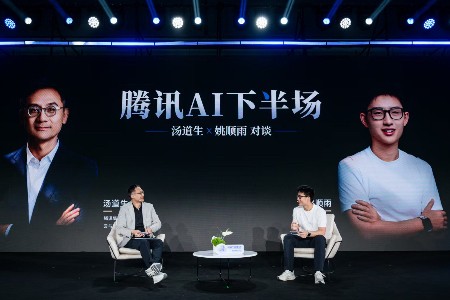
“腾讯AI是不是慢了?”汤道生与姚顺雨正面回应

当模型能力趋同、Agent技术爆发成为共识,真正拉开差距的,到底是什么?