• 亿邦公众号
    • APP下载

饿了么公开骑手调度算法:综合“用户准时 骑手顺路 商家履约”分配订单

作者:亿邦动力 文章来源:亿邦动力

2025-03-07 14:10

作者:亿邦动力 文章来源:亿邦动力

2025-03-07 14:10

邦小白快读

EN
全文速览

饿了么骑手调度算法的核心运作机制提供重要实操信息。

1. 算法整体目标在于综合权衡用户准时配送、骑手顺路取餐、商家履约体验,确保全局最优订单分配决策,推动平台与骑手良性互动。

2. 订单分配时考虑四个核心因素:骑手顺路情况评估取餐和跑动距离;时间充裕度分析等餐和新增时长;骑手体验优化避免回头取餐和配送难度;权益保障覆盖新骑手照顾和收入公平。

平台还整合多项实用功能增强骑手操作灵活性。

1. 时间充裕度预估基于骑手位置和订单量,判断能否按时完成新任务。

2. 顺路程度分析优化路径,优先分配减少配送距离和时间。

3. 骑手抢单权机制智能推荐排序,并允许匹配个人习惯筛选订单。

4. 新手保护专为分配近距离低难度订单,帮助适应工作节奏。

5. 突发处理如人工报备商户卡餐,获得灵活配送时间保障安全。

6. 异常情况通过改派、转单或拒单及时调整,避免影响整体配送质量。

算法设计揭示了用户行为观察和消费趋势关键点。

1. 用户准时诉求被优先考量,反映了消费者对配送时效性和可靠性需求的持续增强,这影响品牌在平台上的服务评价和用户忠诚度提升。

2. 骑手顺路和时间充裕度优化间接提升终端用户体验,可能增强品牌通过高效物流建立的良好口碑和渠道竞争力。

从品牌渠道建设角度,算法公开提供启示。

1. 商家履约体验作为核心元素,强调了协同优化供应链的重要性,品牌可参考此模式强化自身渠道管理。

2. 权益保障如新骑手保护,展示了平台生态平衡策略,品牌可借此洞察用户与骑手互动,优化产品研发和定价策略以匹配消费趋势。

平台政策解读和机会提示为卖家提供学习点。

1. 算法公开是恳谈会机制下的政策创新,旨在促进骑手权益和平台透明化,卖家可借此应对类似事件以增强合作信任。

2. 消费需求变化方面,用户准时和骑手顺路优化直接提升履约效率,卖家可识别增长市场机会,通过优化自身服务响应需求波动。

风险提示和应对措施值得关注。

1. 突发情况处理机制如人工报备,允许骑手灵活调整时间,卖家可学习此模式应对商户卡餐等负面事件减少影响。

2. 权益保障设计提供正面启示,新手保护和收入公平机制降低运营风险,卖家可借鉴于团队管理。

3. 算法整体优化订单分配,提示最新商业模式如全局最优决策,卖家可通过合作方式探索效率提升和扶持政策应用。

算法提供推进数字化和电商的实用启示。

1. 使用调度算法优化物流路径和配送效率,工厂可参考此数据驱动模式改进自身生产流程和供应链管理,减少浪费提升产能。

2. 骑手顺路和时间充裕度评估展示数字化工具如何平衡资源,为工厂带来商业机会,如应用类似算法到产品物流中降低运营成本。

从产品设计需求角度,收获间接经验。

1. 考虑骑手体验如配送难度,工厂可联想产品研发需结合用户实际使用场景,确保易用性和可靠性。

2. 新手保护机制启示工厂在数字化推进中需关注员工适应,逐步分配任务以提高效率。

3. 异常处理如改派和转单,提供应对生产中断的思路,提升工厂韧性。

行业发展趋势和新技术应用是核心焦点。

1. 算法向善趋势通过平台公开调度机制推动透明度,服务商可观测物流行业数字化升级方向,为客户提供创新解决方案。

2. 时间充裕度和顺路程度评估作为新技术亮点,解决骑手痛点如减少跑动距离和等待时间,服务商可借鉴开发类似工具优化客户服务。

客户痛点解决方案直接源自算法设计。

1. 骑手体验考量如避免回头取餐,针对操作疲劳痛点,服务商可提炼此智能分配模式应用于其他物流领域。

2. 突发情况处理和权益保障机制提供风险应对方案,例如人工报备灵活时间,服务商可整合此功能到自身产品中增强客户价值。

3. 新手保护展示数据驱动适应策略,服务商可推广此类方案帮助客户提升员工效能。

平台最新做法和运营管理创新提供风向标。

1. 算法公开机制如恳谈会强化骑手互动,平台商可学习此模式提升招商吸引力和用户信任,优化运营管理策略。

2. 综合考量用户、骑手、商家三方体验,展示了全局最优订单分配,平台商可应用此方法解决商业需求如提高配送效率和处理纠纷。

风险规避和功能设计值得关注。

1. 抢单权和骑手状态考量提供智能管理工具,平台商可借鉴于平台招商中平衡骑手工作量,规避过度负荷风险。

2. 突发和异常处理机制如改派和转单,帮助及时调整分配,减少配送失败影响,平台商可整合此功能强化运营韧性。

3. 新手保护设计确保公平性,平台商可参考制定扶持政策,促进生态健康发展。

产业新动向和政策法规启示是研究重点。

1. 算法公开推动的透明化代表产业新问题,如如何在物流中平衡效率与伦理,研究者可探讨此模式对监管政策的需求和优化建议。

2. 骑手权益保障机制如收入公平和照顾新骑手,提供政策启示,研究者可分析其对社会公平和劳动法规的影响。

商业模式分析提供新见解。

1. 全局最优决策融合用户、骑手、商家三方利益,研究者可研究此商业模式在电商平台的可行性与创新性。

2. 突发情况处理和时间充裕度评估揭示产业动向如智能化风险管理,研究者可追踪此趋势对行业发展的推动力。

3. 恳谈会机制作为平台创新,研究者可评估其对产业政策制定和消费者保护的长期启示。

声明:快读内容全程由AI生成,请注意甄别信息。如您发现问题,请发送邮件至 run@ebrun.com 。

我是 品牌商 卖家 工厂 服务商 平台商 研究者 帮我再读一遍。

Quick Summary

Ele.me's rider dispatch algorithm prioritizes balancing multiple objectives to ensure optimal order allocation.

1. The system aims to simultaneously achieve on-time delivery for users, route efficiency for riders, and positive merchant fulfillment experiences, fostering constructive interactions between the platform and its riders.

2. Order assignments are based on four core factors: route convenience (minimizing travel distance), time adequacy (assessing capacity for new orders), rider experience (reducing difficulty and backtracking), and equity safeguards (protecting new riders and ensuring fair income).

Practical features enhance operational flexibility for riders.

1. Time adequacy estimates calculate if a rider can complete a new order on time based on their location and current workload.

2. Route optimization prioritizes assignments that shorten delivery distance and time.

3. A smart order recommendation system allows riders to filter orders based on personal preferences.

4. New riders receive protection through assignments of short-distance, low-difficulty orders to ease their adaptation.

5. Incident handling, like manually reporting merchant delays, grants flexible delivery times for safety.

6. Abnormal situations are managed through reassignment, order transfers, or rejections to maintain overall delivery quality.

The algorithm's design offers key insights into consumer behavior and trends.

1. The prioritization of on-time delivery reflects growing consumer demand for reliability, directly impacting brand service ratings and customer loyalty on the platform.

2. Optimizations for rider routes and time adequacy indirectly enhance the end-user experience, potentially strengthening brand reputation built through efficient logistics.

From a channel strategy perspective, the algorithm's transparency is instructive.

1. The emphasis on merchant fulfillment experience highlights the importance of collaborative supply chain optimization, a model brands can emulate for their own channel management.

2. Equity safeguards, like new rider protection, demonstrate ecosystem balance strategies, offering brands insights into user-rider interactions to refine product development and pricing.

The platform's policy interpretation and opportunity alerts provide actionable learnings for sellers.

1. The algorithm's transparency, driven by consultation mechanisms, is an innovative policy aimed at promoting rider rights; sellers can apply similar approaches to build trust with partners.

2. Shifting consumer demands, like on-time delivery and route efficiency, directly boost fulfillment performance, enabling sellers to identify growth opportunities by optimizing their services.

Risk management and contingency measures are particularly noteworthy.

1. Incident handling protocols, such as manual delay reporting, offer a model for sellers to mitigate disruptions like merchant preparation delays.

2. Equity safeguards, including new rider protection and income fairness, reduce operational risks and can be adapted for team management.

3. The overall order optimization highlights modern business models; sellers can explore partnerships to apply similar efficiency-boosting and support policies.

The algorithm provides practical insights for advancing digitalization and e-commerce integration.

1. Factories can adopt similar data-driven dispatch models to optimize logistics, production workflows, and supply chain management, reducing waste and increasing capacity.

2. The balancing of rider routes and time adequacy demonstrates how digital tools allocate resources efficiently, presenting opportunities to apply such algorithms to product logistics for cost reduction.

Indirect lessons can be drawn for product design and operational resilience.

1. Considering rider experience (e.g., delivery difficulty) underscores the need for factories to design products based on real-world usability and reliability.

2. New rider protection suggests a phased task assignment approach to help employees adapt during digital transformation.

3. Exception handling, like order reassignment, offers strategies for managing production disruptions and enhancing operational resilience.

Industry trends and new technology applications are the primary focus.

1. The 'algorithm for good' trend, evidenced by transparent dispatch mechanisms, signals the direction of logistics digitization, guiding service providers in developing innovative client solutions.

2. Features like time adequacy and route optimization address key pain points (e.g., reducing travel and wait times), offering a blueprint for creating similar tools to enhance client services.

Client pain point solutions are directly derived from the algorithm's design.

1. Rider experience considerations, such as minimizing backtracking, tackle operational fatigue; this intelligent allocation model can be applied to other logistics sectors.

2. Incident handling and equity safeguards provide risk mitigation templates (e.g., flexible time adjustments) that can be integrated into service providers' offerings to increase client value.

3. New rider protection exemplifies data-driven adaptation strategies, which service providers can promote to help clients improve employee effectiveness.

The platform's latest practices and operational innovations serve as a benchmark.

1. Transparency mechanisms, like rider consultations, enhance engagement; marketplace operators can adopt this model to boost merchant attraction and user trust.

2. Holistically balancing user, rider, and merchant interests exemplifies global optimal order allocation, a method applicable to improving delivery efficiency and dispute resolution.

Risk mitigation and feature design are key takeaways.

1. Smart order allocation and rider status considerations offer tools for managing workload and preventing overloading risks in merchant recruitment.

2. Contingency mechanisms, such as reassignment and order transfers, enable quick adjustments to minimize delivery failures, strengthening operational resilience.

3. New rider protection ensures fairness, providing a reference for crafting support policies to foster a healthy ecosystem.

New industry movements and policy implications are the central research focus.

1. Algorithmic transparency raises emerging issues, such as balancing efficiency with ethics in logistics, warranting research into regulatory needs and optimization recommendations.

2. Rider equity mechanisms, like income fairness and new rider support, offer insights for analyzing impacts on social equity and labor regulations.

Business model analysis yields fresh perspectives.

1. The global optimization model, integrating tripartite interests, presents a viable and innovative e-commerce platform strategy worthy of academic examination.

2. Incident handling and time adequacy assessments reveal trends in intelligent risk management, highlighting their role in driving industry evolution.

3. Consultation mechanisms represent platform innovation, providing a basis for evaluating long-term implications for industrial policy and consumer protection.

Disclaimer: The "Quick Summary" content is entirely generated by AI. Please exercise discretion when interpreting the information. For issues or corrections, please email run@ebrun.com .

I am a Brand Seller Factory Service Provider Marketplace Seller Researcher Read it again.

【亿邦原创】3月7日消息,根据饿了么公众号消息,为了进一步推动算法向善,促进平台与骑手之间的良性互动,平台此前已推出“骑手权益月恳谈会”创新机制。在日前的恳谈会上,饿了么公开了平台的骑手调度算法。

据了解,饿了么外卖调度算法运行机制的整体目标是综合权衡用户(准时)、骑手(顺路)、商家(履约)体验诉求,从全局最优的考虑出发,进行整体最合理的订单分配决策。

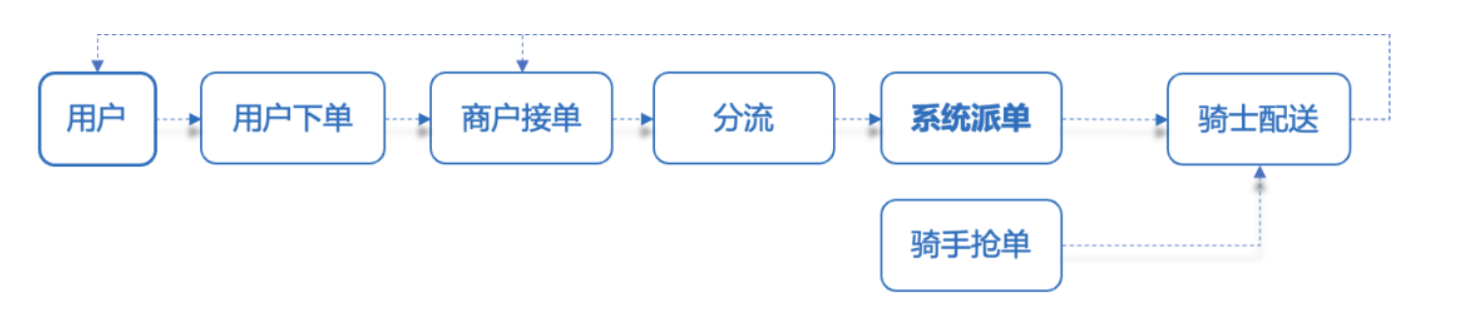
订单从生成,到运单分配,再到派送,整个过程如下图所示:
(图源:饿了么)

据悉,当用户下单、商户接单,平台进行分流后,算法会衡量以下四个方面为骑手进行派单:

1、骑手的顺路情况(包括取餐距离、额外跑动距离)

2、时间充裕度(包括等餐时间、新增服务时长)

3、骑手体验(包括避免回头取餐、考虑爬楼等配送难度)

4、权益保障(照顾新骑手、保证空闲骑手的收入公平)等。

而当系统内有多个订单和骑手同时需要分配时,算法会综合评判,基于骑手当前的位置和手头已有订单量,对配送范围内所有骑手的送餐情况进行综合分析后,把订单分配给最合适的骑手。为前置预防风险,系统还会参考一些历史数据,调整订单分配。

除了上述四个核心考量因素,总体而言,平台算法为骑手派单的相关考量包括:

1、时间充裕度评估:基于骑手当前的位置、手头订单量和配送能力,预估是否能按时完成新订单。

2、顺路程度评估:分析骑手配送路径的最优解,优先分配顺路订单,减少配送距离和时间。

3、骑手状态考量:结合骑手劳动强度、订单量等,确保分配的合理性。

4、骑手抢单权:系统提供抢单机制,根据骑手的位置、订单匹配度智能推荐排序,同时也提供给骑手匹配个人配送习惯的筛选能力,帮助骑手获得适合自己的订单。

5、新手骑手保护:为新手骑手分配距离近、难度低的订单,帮助其逐步适应工作节奏。

6、突发情况处理:骑手可人工报备商户卡餐等特殊情况,获得灵活配送时间,保障安全和配送质量。

7、异常情况处理:通过主动改派、转单、拒单等功能,及时调整分配,避免因突发情况影响配送。

亿邦持续追踪报道该情报,如想了解更多与本文相关信息,请扫码关注作者微信。

【版权提示】亿邦动力倡导尊重与保护知识产权。未经许可,任何人不得复制、转载、或以其他方式使用本网站的内容。如发现本站文章存在版权问题,烦请提供版权疑问、身份证明、版权证明、联系方式等发邮件至run@ebrun.com,我们将及时沟通与处理。

已点赞

+1

{{ praise_text }}

好文章,值得被更多人看到

FAQ回顾

饿了么骑手调度算法的核心目标是什么?

饿了么骑手调度算法的核心目标是综合权衡用户体验(准时)、骑手体验(顺路)和商家体验(履约),从全局最优角度进行最合理的订单分配决策。

饿了么算法为骑手派单主要考虑哪些因素?

主要考量骑手顺路情况(取餐距离、额外跑动)、时间充裕度(等餐时间、新增时长)、骑手体验(避免回头取餐、配送难度)和权益保障(新骑手照顾、收入公平)等四个方面。

饿了么如何保障新手骑手的权益?

平台为新手骑手分配距离近、难度低的订单,帮助其逐步适应工作节奏,并通过抢单机制和智能推荐排序,确保分配的合理性和公平性。

广告

下一篇

征集报名《品牌数字化服务商资源手册》

《品牌数字化服务商资源手册》展示数字化服务商风采,亿邦全年零售大会通发,触达更多资源,马上加入!

马上入驻

国际巨头“抢食”中国零食市场:徐福记易主背后的万亿并购潮

这次雀巢大动作的背后,折射出食品行业整合的大趋势,中国零食行业也正发生巨变。

零食 未来零售

2025-03-07 14:06:24