• 亿邦公众号
    • APP下载

杭州海关支持浙江跨境电商高质量发展10条措施发布

作者:中国跨境电商综合实验区 文章来源:全球跨境电商知识服务中心

2024-10-21 14:40

作者:中国跨境电商综合实验区 文章来源:全球跨境电商知识服务中心

2024-10-21 14:40

邦小白快读

EN
全文速览

本文核心信息是杭州海关结合浙江跨境电商发展现状与业态特点,正式发布支持浙江跨境电商高质量发展的10项可落地实操措施,核心干货整理如下:

1. 本次措施覆盖跨境电商进出口全链路,从物流通道、通关监管、企业服务、数字化升级多个维度优化,能有效降低跨境电商企业运营成本,提升行业整体运行效率。

2. 多项创新试点落地,包括出口先查验后装运、进口退货一点退全国、保税仓加直播新业态等,不仅便利商家经营,普通消费者也能间接享受到物流成本降低带来的商品价格优势,退货流程也会更顺畅,消费体验有所提升。

本次杭州海关发布的10项措施,能为浙江跨境电商品牌商解决多个经营痛点,带来不少发展利好,核心干货整理如下:

1. 品牌渠道建设层面,品牌可享受海外仓备案无纸化,实现一地备案全国通用,还能叠加综保区集货仓入区退税的政策,形成两仓联动出口模式,同时可接入新开通的全货机、中欧班列等各类国际物流专线,方便品牌搭建辐射全球的销售物流网络,拓展海外市场。

2. 品牌运营层面,退货一点退全国、税款担保数字化等政策降低了品牌的通关、退货等运营成本,有利于品牌推出更有竞争力的定价,同时品牌可享受一对一AEO信用培育,获取资质后享受更多政策红利,还可开展保税仓加直播,做商品组套增值服务,丰富品牌营销和产品形态。

本次杭州海关推出的10项支持措施,给浙江跨境电商卖家带来了明确的扶持政策和新的增长机会,核心干货整理如下:

1. 政策红利方面,多项通关便利措施落地,支持跨境电商和市场采购等多模式拼箱出境,实现退货一点退全国,税款担保一地备案关区通用,还优化了三单管理简化申报手续,这些都能直接降低卖家的运营成本,提升通关效率,减少不必要的流程耗时。

2. 经营机会方面,政策新开辟了多种国际物流新通道,支持卖家拓展全球市场,卖家可依托新物流线路开发新兴市场,还可享受海关一对一AEO信用培育服务,获取优质信用资质后享受更多通关便利。

3. 合规经营方面,海关联动平台前置拦截风险商品,卖家可配合做好合规管理,降低合规风险,还可依托海关的全业态统计数据把握行业趋势,调整自身经营策略。

对于布局跨境电商业务的浙江工厂来说,本次政策推出带来了新的商业机会,也明确了数字化转型的方向,核心干货整理如下:

1. 商业机会层面,政策优化跨境电商通关和物流体系,降低跨境出口整体成本,利好工厂开展跨境电商B2B直接出口,拓展海外直供渠道,减少中间分销环节,获取更高利润空间,工厂可以直接对接两仓联动模式,便捷开展出口业务。

2. 转型发展层面,政策全面推进跨境电商全链路数字化,包括税收征管数字化、通关服务系统信息化建设等,工厂布局跨境电商业务需要加快自身数字化改造,适配新的监管和申报要求,才能更好享受政策红利。

3. 增值升级层面,工厂可以依托海关特殊区域的保税仓,对符合条件的商品开展组套等增值服务,延伸产品价值,满足消费者组合需求,不需要额外占用自有场地,降低了增值业务的开展成本。

对于跨境电商相关服务商来说,本次政策明确了浙江跨境电商行业的发展趋势,梳理了行业客户的核心痛点,也指出了服务商的业务方向,核心干货整理如下:

1. 行业发展趋势层面,浙江跨境电商正朝着高质量、全链路数字化方向升级,海外仓布局优化、跨境退货服务、数字化通关配套、保税新业态配套都是接下来的重点增长领域,服务商可提前布局对应业务,抢占市场。

2. 客户需求层面,当前跨境电商企业的核心痛点集中在通关流程繁琐、退货成本高、全球物流通道不足、AEO信用认证难等,服务商可围绕这些痛点开发对应的服务产品,满足企业需求。

3. 业务拓展方面,服务商可对接海关政策方向,为企业提供海外仓备案代理、AEO信用培育辅导、信息系统适配改造等服务,帮助企业享受政策红利,还可参与保税加直播等新业态的配套服务,拓展自身业务空间。

对于跨境电商平台商来说,本次杭州海关的政策明确了监管要求,也指出了平台业务发展的方向,核心干货整理如下:

1. 合规监管层面,政策要求平台和海关开展协同共治,平台需要配合完善联防联控机制,对风险商品实施前置拦截,落实关口前移的风险防控要求,符合要求的协同平台可享受差异化监管,适用较低布控比例、简化查验手续,能提升平台商家的通关效率,增强平台竞争力。

2. 系统建设层面,政策推进跨境电商三单管理优化,落地数据传输一点通模式,平台需要优化自身信息系统,适配新的信息验核和数据传输要求,在满足监管要求的同时提升商家的申报效率。

3. 运营招商层面,政策支持跨境电商加直播、多模式拼箱等新业态发展,平台可围绕这些新方向开展招商,引入优质商家,还可依托海关的全业态统计数据把握行业发展风向,调整平台运营策略,规避合规风险。

本次杭州海关发布的10项支持浙江跨境电商发展的措施,反映了我国跨境电商产业的最新发展动向,也为产业研究提供了丰富的研究素材,核心干货整理如下:

1. 产业新动向方面,当前国内跨境电商产业已经从规模扩张进入高质量发展升级阶段,监管层面正围绕行业痛点推进全链路通关便利化、数字化改革,本次推出的两仓联动出口、一点退全国退货、先查验后装运、保税加直播等都是新的监管模式和业态方向。

2. 政策研究层面,本次政策是地方海关结合本地跨境电商业态特点调研后推出的精准支持措施,针对行业普遍存在的退货难、通关繁、物流成本高痛点给出了系统性解决方案,为其他地区制定跨境电商支持政策提供了参考样本,有较高的研究价值。

3. 商业模式研究层面,政策支持多业态融合发展,包括跨境电商加市场采购拼箱、海外仓加综保区集货仓联动等,催生了多个融合型创新商业模式,可供研究其可复制性和发展前景。

声明:快读内容全程由AI生成,请注意甄别信息。如您发现问题,请发送邮件至 run@ebrun.com 。

我是 品牌商 卖家 工厂 服务商 平台商 研究者 帮我再读一遍。

Quick Summary

This article highlights Hangzhou Customs' release of 10 actionable measures tailored to support the high-quality development of cross-border e-commerce (CBEC) in Zhejiang, designed to align with the province’s current industry landscape and unique business characteristics. Key takeaways are as follows:

1. The measures cover the entire import and export supply chain of CBEC, with improvements across logistics channels, customs supervision, enterprise services, and digital upgrading. These changes will effectively lower operational costs for CBEC businesses and boost overall industry efficiency.

2. Multiple innovative pilot programs are being rolled out, including "inspect before shipment" for exports, a centralized national framework for import returns, and the new "bonded warehouse + live streaming" business model. These changes not only simplify business operations, but also deliver indirect benefits to consumers: lower logistics costs translate to more competitive product pricing, returns processes become smoother, and the overall shopping experience improves.

The 10 new measures released by Hangzhou Customs address multiple operational pain points and unlock new growth opportunities for CBEC brands based in Zhejiang. Key takeaways are as follows:

1. For brand channel development: Brands can benefit from paperless overseas warehouse filing, which allows a single filing to be recognized nationwide. This can be combined with the tax refund policy for entry into the comprehensive bonded area’s collection warehouse, enabling a "two-warehouse linked" export model. Brands also gain access to newly launched full cargo flights, China-Europe Railway Express services and other international logistics routes, making it easier to build a global sales and logistics network and expand into overseas markets.

2. For brand operations: Policies including the national centralized return framework and digitalized tax guarantee services lower brands’ operational costs for customs clearance and returns, helping brands set more competitive pricing. Brands also receive one-on-one AEO credit cultivation support; after obtaining AEO certification, they can access additional policy benefits. They can also launch the "bonded warehouse + live streaming" model and develop product bundling value-added services to enrich their marketing and product offerings.

Hangzhou Customs’ 10 new support measures deliver clear policy support and open new growth opportunities for CBEC sellers in Zhejiang. Key takeaways are as follows:

1. For policy benefits: Multiple customs facilitation measures have been implemented, including support for consolidated shipments combining CBEC and market procurement trade, the national centralized return framework, and nationwide recognition of tax guarantee filings across all customs districts. The reform of "three-document" management also simplifies declaration procedures. All of these changes directly reduce sellers’ operational costs, improve customs clearance efficiency, and cut unnecessary process delays.

2. For business opportunities: The policy opens multiple new international logistics channels to support sellers expanding into global markets, allowing sellers to access new emerging markets via the new routes. Sellers can also take advantage of one-on-one AEO credit cultivation from customs, gaining access to more customs facilitation benefits after obtaining high-level credit certification.

3. For compliance operations: Customs works with platforms to pre-intercept high-risk goods, so sellers can collaborate on compliance management to reduce compliance risk. Sellers can also leverage customs’ full-industry statistical data to identify industry trends and adjust their business strategies accordingly.

For Zhejiang-based factories with cross-border e-commerce operations, the new policy brings new business opportunities and clarifies the direction for digital transformation. Key takeaways are as follows:

1. For business opportunities: The policy optimizes CBEC customs clearance and logistics systems to lower overall costs for cross-border exports. This makes it easier for factories to conduct direct CBEC B2B exports and build direct overseas supply channels, cutting out intermediate distribution links to capture higher profit margins. Factories can also directly adopt the "two-warehouse linked" model to run export operations more conveniently.

2. For transformation and development: The policy comprehensively advances full-supply-chain digitalization for CBEC, including digital tax administration and upgraded digital customs clearance service systems. To fully access policy benefits, factories developing CBEC business need to accelerate their own digital transformation to adapt to the new supervision and declaration requirements.

3. For value-added upgrading: Factories can use bonded warehouses located in customs special supervision areas to provide value-added services such as product bundling for eligible goods. This extends product value to meet consumers’ demand for combined products, while eliminating the need for extra dedicated on-site space and lowering the cost of launching value-added businesses.

For cross-border e-commerce service providers, the new policy clarifies the development trend of Zhejiang’s CBEC industry, outlines core pain points for industry clients, and points out clear directions for business expansion. Key takeaways are as follows:

1. For industry development trends: Zhejiang’s CBEC industry is upgrading toward high-quality development and full-supply-chain digitalization. Key growth areas going forward include optimized overseas warehouse layout, cross-border return services, digital customs clearance supporting services, and supporting services for new bonded business models. Service providers can layout relevant business lines in advance to capture first-mover advantage.

2. For client demand: The core pain points of current CBEC enterprises focus on cumbersome customs clearance procedures, high return costs, insufficient global logistics access, and difficulties in AEO credit certification. Service providers can develop targeted service products around these pain points to meet enterprise demand.

3. For business expansion: Aligning with the policy direction set by customs, service providers can offer enterprises support including overseas warehouse filing agency, AEO credit cultivation and guidance, and information system adaptation and transformation, helping businesses access policy benefits. They can also provide supporting services for new business models such as "bonded + live streaming" to expand their own business scope.

For cross-border e-commerce platform operators, Hangzhou Customs’ new policy clarifies regulatory requirements and points out the direction for platform business development. Key takeaways are as follows:

1. For compliance and regulation: The policy requires collaborative governance between platforms and customs. Platforms need to support the improvement of joint prevention and control mechanisms by pre-intercepting high-risk goods to implement the "front-loaded risk control" requirement. Qualified collaborative platforms can enjoy differentiated supervision, including lower inspection rates and simplified inspection procedures, which improves customs clearance efficiency for platform sellers and strengthens the platform’s competitiveness.

2. For system development: The policy advances the optimization of "three-document" management for CBEC and implements the "one-stop data transmission" model. Platforms need to upgrade their information systems to adapt to the new information verification and data transmission requirements, which will improve seller declaration efficiency while meeting regulatory requirements.

3. For operations and merchant recruitment: The policy supports the development of new business models such as "CBEC + live streaming" and consolidated multi-model shipments. Platforms can carry out targeted recruitment around these new directions to attract high-quality sellers, and leverage customs’ full-industry statistical data to identify industry trends, adjust platform operation strategies, and mitigate compliance risk.

The 10 measures released by Hangzhou Customs to support Zhejiang’s CBEC development reflect the latest trends in China’s cross-border e-commerce industry and provide rich material for industrial research. Key takeaways are as follows:

1. For new industry trends: China’s domestic CBEC industry has transitioned from scale expansion to a stage of high-quality development upgrading. Regulators are advancing full-supply-chain customs facilitation and digital reform to address core industry pain points. The new models launched in this policy—including the "two-warehouse linked" export, national centralized return framework, "inspect before shipment" model, and "bonded + live streaming"—represent new regulatory approaches and industry development directions.

2. For policy research: This package of targeted support measures was developed by local customs based on research into Zhejiang’s unique CBEC industry characteristics. It provides a systematic solution to widespread industry pain points including difficult returns, cumbersome customs clearance, and high logistics costs, offering a reference model for other regions developing CBEC support policies and carrying high research value.

3. For business model research: The policy supports the integrated development of multiple business formats, including combined consolidated shipments of CBEC and market procurement trade, and the linkage between overseas warehouses and comprehensive bonded area collection warehouses. These policies have spawned multiple innovative integrated business models, creating opportunities to research their replicability and development prospects.

Disclaimer: The "Quick Summary" content is entirely generated by AI. Please exercise discretion when interpreting the information. For issues or corrections, please email run@ebrun.com .

I am a Brand Seller Factory Service Provider Marketplace Seller Researcher Read it again.

为深入贯彻党中央、国务院关于加快发展跨境电商的系列决策部署要求,持续支持浙江省“地瓜经济”提能升级“一号开放工程”,杭州海关围绕培育“新动能”促外经贸发展,助力打造高能级跨境电商国际枢纽省,并结合浙江跨境电商发展现状、趋势,针对浙江跨境电商业态特点开展调查研究的基础上,推出支持浙江跨境电商高质量发展10项措施。

01拓展“海外仓”+“集货仓”叠加优势

优化海外仓备案流程,实施海外仓备案无纸化,实现“一地备案、全国通用”,鼓励更多企业用好海外仓资源。指导企业运用综保区内集货仓,叠加综保区入区即退税等便利政策, 形成“海外仓” +综保区“集货仓”两仓联动出口通关模式。

02拓宽跨境电商进出境物流通道

支持开辟全货机、海运快船、“中欧班列”等跨境电商国际物流专线,拓展“空空中转”“跨境电商9610+海铁联运”等出口物流新通道,实现“浙江-上海”跨境电商跨关区“陆空联运”转关出口常态化运作,助力构建辐射全球的公海铁空立体式物流网络。

03扩大跨境电商出口“先查验后装运”试点

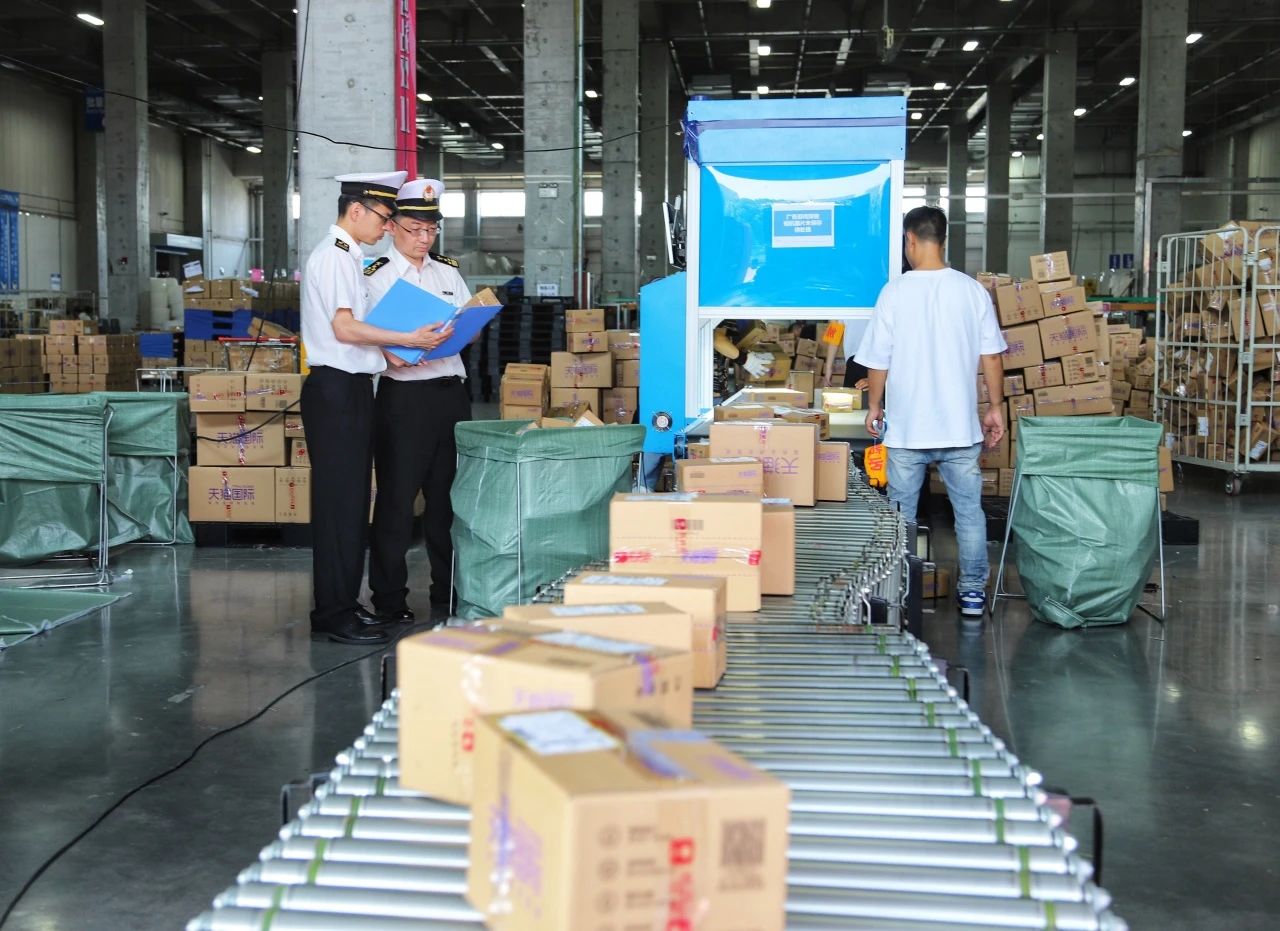
支持在金华等地扩大跨境电商出口拼箱货物“先查验后装运” 监管模式试点范围,加强海关跨境电商通关服务系统信息化建设,优化出口拼箱货物海关监管流程,支持跨境电商、市场采购等多模式拼箱出境。

04推广跨境电商退货“—点退全国”试点

实现交易放行数据跨关区共享、退货监管信息跨关区互认,在关区内推广跨境网购保税进口跨关区退货试点,实现“一点退全国”,降低企业运营成本。争取跨境电商零售出口跨关区退货试点。

05加大跨境电商企业AEO培育力度

强化对跨境电商企业信用培育,对有意申请AEO的企业提供 “ 一对一”专属信用培育,优先安排实地认证。设立海关AEO企业协调员, 提供个性化海关业务协调服务,指导企业用足用好AEO企业政策红利。

06提升跨境电商税收征管数字化水平

扩大跨境电商零售进口税款电子支付应用范围,实现跨境电商零售进口税款担保数字化, 企业线上无纸化办理保函备案、变更手续,实现保函“一地备案、关区通用”。

07支持开展跨境电商零售进口商品增值服务

支持“保税仓+直播”等新业态。在实现海关有效监管的前提下,支持在海关特殊区域内对符合条件的跨境电商零售进口商品开展组套等增值服务。

08推进与跨境电商平台企业协同共治

进一步开展与跨境电商头部企业关企协同共治,完善联防联控机制,对风险商品实施前置拦截, 实现“关口”前移。对协同共治平台企业实施差异化监管,优化通关便利举措,简化查验手续,原则上适用较低的布控比例。

09优化跨境电商“三单”管理机制

优化跨境电商身份信息、支付信息、物流信息验核形式,探索跨境电商“三单”管理机制创新, 积极推进跨境电商零售进口数据传输“一点通”模式在关区落地,简化B2B出口单证申报手续。

10提升海关跨境电商全业态统计服务支撑作用

运用大数据技术和调查方法优化完善跨境电商全业态分地区统计工作,提高跨境电商统计数据的完整性和相关性。强化对跨境电商全业态的统计分析,为地方政府科学研判跨境电商整体规模与发展趋势提供决策参考。

注:文/中国跨境电商综合实验区,文章来源:全球跨境电商知识服务中心,本文为作者独立观点,不代表亿邦动力立场。

【版权提示】亿邦动力倡导尊重与保护知识产权。未经许可,任何人不得复制、转载、或以其他方式使用本网站的内容。如发现本站文章存在版权问题,烦请提供版权疑问、身份证明、版权证明、联系方式等发邮件至run@ebrun.com,我们将及时沟通与处理。

已点赞

+1

{{ praise_text }}

好文章,值得被更多人看到

FAQ回顾

杭州海关支持跨境电商发展的10条措施主要有哪些内容?

措施包括优化海外仓备案流程、拓宽国际物流通道、扩大‘先查验后装运’试点、推广‘一点退全国’退货模式、加大AEO企业培育力度、提升税收征管数字化水平、支持进口商品增值服务、推进平台协同共治、优化‘三单’管理机制和提升统计服务。

杭州海关如何优化跨境电商海外仓管理?

实施海外仓备案无纸化,实现‘一地备案、全国通用’,并指导企业运用综保区集货仓,形成‘海外仓+集货仓’两仓联动出口通关模式,叠加入区即退税等政策。

跨境电商企业如何申请AEO认证?

杭州海关对有意申请AEO的企业提供‘一对一’专属信用培育,优先安排实地认证,并设立AEO企业协调员提供个性化海关业务协调服务,指导企业用足政策红利。

广告

下一篇

跨境电商资源对接

《全球跨境电商服务商资源手册》第二期手册现已发布,触达更多资源,了解跨境服务商信息,欢迎点击链接下载。

了解详情

接班还是不接?餐饮二代们正站在时代的十字路口

老一辈掌舵者和新一代接班人之间,不仅要经历经营理念的冲突,还要面对市场巨变所带来的挑战,更要梳理好中国式家庭关系下的情感羁绊。

餐饮 未来零售

2024-10-21 14:25:04