



• 亿邦公众号
    • APP下载

“出海”成为热词!企业出海,该如何选择最适合自己的跨境电商平台?

作者:中国跨境电商综合实验区 文章来源:全球跨境电商知识服务中心

2024-10-18 14:48

作者:中国跨境电商综合实验区 文章来源:全球跨境电商知识服务中心

2024-10-18 14:48

邦小白快读

EN
全文速览

本文围绕企业出海如何选择跨境电商平台的核心问题,梳理了跨境电商平台的各类相关知识,给出了可直接参考的实操干货。

1. 首先明确了跨境电商平台的定义,类比大众熟悉的国内电商平台,举例了亚马逊、Temu等常见平台,说明不同平台的规则、运营方式、核心竞争力和优劣势各有差异。

2. 按平台属性、目标市场、运营模式三个维度对跨境电商平台做了清晰分类,详细介绍了主流老牌平台和新兴平台的定位、规模、目标用户等核心信息,方便读者快速了解不同平台的特点。

3. 最终给出选择平台的六大实操考量维度,读者可对照自身情况按步骤筛选,找到最适合自己的跨境电商平台。

当前出海已经成为品牌商拓展海外市场的重要趋势,本文梳理了各类跨境电商平台的发展情况,可为品牌商建设出海渠道、把握消费趋势提供干货参考。

1. 本文清晰划分了不同类型、不同目标市场的平台,品牌商可根据自身产品品类定位选择适配平台:做全品类多品类可选择综合型平台,做细分品类可选择垂直型平台获取精准用户群体,做社交化营销可选择社交电商平台。

2. 不同平台的目标用户特征清晰,比如Wish瞄准欧美年轻性价比用户,TikTok Shop的社交电商模式颇受品牌和买家青睐,可帮助品牌商把握不同区域的消费趋势与用户行为特征。

3. 总结的六大平台选择维度,可帮助品牌商结合自身定价策略、营销需求,选择费用合理、服务匹配的平台,降低出海试错成本。

出海已经成为当前卖家实现业务增长的新方向,本文梳理了主流跨境电商平台的整体情况,给出了清晰的平台选择指南,能帮助卖家把握出海机会、规避潜在风险。

1. 梳理了全球不同区域的跨境电商市场基本情况,明确北美是全球最大跨境电商市场,欧洲是第二大市场,亚洲是增长最快的市场,不同区域对应不同主流平台,卖家可快速找到符合自身定位的增量市场。

2. 详细介绍了老牌平台和新兴平台的规模、用户群体、运营模式,卖家可以清晰了解不同平台的特点,匹配自身产品定位。

3. 给出选择平台的六大核心考量因素,提示卖家要关注平台规则避免违规封号,结合费用、服务、发展潜力选择高性价比平台,明确了出海选品的实操方向。

出海浪潮下,国内工厂可通过跨境电商打开海外增量市场,本文内容可为工厂布局出海电商、推进数字化转型提供参考。

1. 当前跨境出海已经成为行业热门方向,为工厂带来了新的商业机会,不同类型平台可匹配工厂不同的出海需求:做B端批量出口可选择阿里巴巴国际站,做直接To C零售可选择速卖通、Temu等平台。

2. 不同平台对应不同的目标市场和用户需求,比如做手工艺类产品的工厂可选择定位手作的Etsy平台,做性价比大众消费品的工厂可选择主打年轻群体的Wish,工厂可根据海外需求调整自身生产和设计方向。

3. 本文总结的平台选择思路,能帮助工厂结合自身规模和产品定位筛选适配平台,降低出海转型的试错成本,更快推进电商化数字化布局。

跨境出海的热潮带动了跨境电商相关服务的需求增长,本文梳理了跨境电商平台行业的整体情况,可为服务商把握行业趋势、对接客户需求提供参考。

1. 当前跨境电商行业发展迅速,出海成为全行业热词,大量卖家、工厂、品牌都有出海布局的需求,行业整体增长空间大,其中亚洲是增长最快的市场,社交电商、新兴平台发展迅猛,是行业新的趋势方向。

2. 目前出海商家的核心痛点就是面对众多平台不知道如何选择,不同定位的商家有不同的平台适配需求,服务商可针对不同客户的定位,开发对应的平台选择、配套运营服务。

3. 本文总结的六大平台选择维度,也可以成为服务商为客户提供咨询和配套服务的参考框架,帮助服务商更好匹配客户需求,输出符合客户需求的解决方案。

本文梳理了当前跨境电商平台行业的发展格局,以及卖家等参与者对平台的核心需求,可为平台商调整运营策略、把握发展方向提供参考。

1. 当前跨境电商行业已经形成老牌平台加新兴平台的竞争格局,不同类型平台有不同的核心优势:综合型平台拼用户体量和物流技术,垂直型平台拼精准用户,社交电商拼社交互动转化,平台商可据此找到自身差异化发展方向。

2. 卖家选择平台核心关注六大要素,包括目标市场匹配、品类限制、规则、费用、配套服务、发展潜力,平台商可针对这些需求优化自身运营管理和服务配置,提升对商家的吸引力。

3. 平台商可把握亚洲市场增长、社交电商兴起的风口,提前布局对应市场和模式,同时要完善清晰的平台规则,减少商家违规风险,也降低自身运营风险。

本文梳理了当前跨境电商行业的最新发展动向,整理了跨境电商平台的分类、竞争格局和商家选择逻辑,可为产业研究提供基础资料参考。

1. 当前产业的核心新动向是出海成为国内企业拓展市场的核心方向,跨境电商平台是企业出海的核心载体,行业已经形成多维度分类体系,按属性分为综合、垂直、社交平台,按市场分为北美、欧洲、亚洲市场,按模式分为自营和第三方,清晰呈现了当前行业整体格局。

2. 梳理了行业内多种商业模式,既有老牌平台的第三方综合模式,也有Temu依托国内供应链的低价模式、TikTok Shop的社交短视频电商模式等新兴商业模式,为研究新电商模式提供了典型案例。

3. 本文明确了当前行业商家端的核心问题,即面对多元平台难以选择,总结的商家决策框架也为研究商家出海决策逻辑提供了参考素材。

声明:快读内容全程由AI生成,请注意甄别信息。如您发现问题,请发送邮件至 run@ebrun.com 。

我是 品牌商 卖家 工厂 服务商 平台商 研究者 帮我再读一遍。

Quick Summary

This article focuses on the core question of how cross-border e-commerce players choose the right platform when going global. It organizes key knowledge about various cross-border e-commerce platforms and shares actionable, practical guidance for direct reference.

1. It first defines cross-border e-commerce platforms, uses familiar domestic e-commerce platforms as an analogy, and names common players such as Amazon and Temu, explaining that different platforms vary in rules, operation models, core competitiveness, strengths and weaknesses.

2. It provides a clear classification of cross-border e-commerce platforms along three dimensions: platform attribute, target market, and operation model. It details core information including positioning, scale, and target users for both established mainstream platforms and emerging players, helping readers quickly grasp the characteristics of different platforms.

3. It finally proposes six practical dimensions for platform selection, allowing readers to screen step-by-step based on their own circumstances to find the cross-border e-commerce platform that best fits their needs.

Going global has become a key trend for brands looking to expand into overseas markets. This article organizes the development landscape of various cross-border e-commerce platforms, providing actionable reference for brands building outbound channels and understanding global consumer trends.

1. It clearly divides platforms by type and target market, allowing brands to match platforms to their product category positioning: brands with broad or multiple product lines can choose comprehensive platforms, while players in niche categories can select vertical platforms to reach targeted user groups, and brands focusing on social marketing can opt for social commerce platforms.

2. User characteristics are clearly defined for different platforms: for example, Wish targets cost-conscious young consumers in Europe and North America, while TikTok Shop's social commerce model is popular among both brands and buyers. This helps brands grasp consumer trends and user behavior characteristics across different regions.

3. The six summarized dimensions for platform selection help brands align their pricing strategies and marketing needs to select platforms with reasonable fees and matching services, reducing trial-and-error costs for outbound expansion.

Going global has become a new direction for sellers to achieve business growth. This article organizes the overall landscape of mainstream cross-border e-commerce platforms and provides a clear platform selection guide, helping sellers capture outbound opportunities and avoid potential risks.

1. It outlines the basic situation of cross-border e-commerce markets across different regions, clarifying that North America is the world's largest cross-border e-commerce market, Europe the second largest, and Asia the fastest-growing. Different regions have their own dominant mainstream platforms, allowing sellers to quickly identify incremental markets that fit their positioning.

2. It details the scale, user base and operation models of both established and emerging platforms, helping sellers clearly understand platform characteristics and match them to their own product positioning.

3. It proposes six core factors for platform selection, reminding sellers to pay close attention to platform rules to avoid account suspension, select cost-effective platforms based on fees, services and growth potential, and clarifies practical direction for product selection in outbound expansion.

Amid the wave of cross-border outbound expansion, domestic factories can open up new incremental overseas markets via cross-border e-commerce. This article provides reference for factories looking to build out outbound e-commerce operations and advance digital transformation.

1. Cross-border outbound expansion is currently a hot industry trend that brings new business opportunities for factories, and different types of platforms match different outbound needs: factories doing B2B bulk exports can choose Alibaba.com, while those doing direct-to-consumer retail can use platforms such as AliExpress and Temu.

2. Different platforms serve different target markets and user demands: for example, factories producing handcrafted goods can choose Etsy, a platform positioned for handmade products, while factories making mass-market cost-effective goods can use Wish, which targets young consumers. Factories can adjust their production and design strategies based on overseas demand.

3. The platform selection framework summarized in this article helps factories screen suitable platforms based on their own scale and product positioning, reducing trial-and-error costs for outbound transformation and accelerating the implementation of e-commerce and digital layouts.

The boom in cross-border outbound expansion has driven growing demand for cross-border e-commerce-related services. This article organizes the overall landscape of the cross-border e-commerce platform industry, providing reference for service providers to grasp industry trends and meet client demands.

1. The cross-border e-commerce industry is growing rapidly, and going global has become a widely discussed trend across all sectors. A large number of sellers, factories and brands have demand for outbound expansion, leaving considerable room for overall industry growth. Asia is the fastest-growing market, while social commerce and emerging platforms are growing rapidly as new industry trends.

2. The core pain point for current outbound merchants is the difficulty of choosing among the wide variety of platforms available, with different positioning requiring different platform matches. Service providers can develop targeted platform selection and supporting operation services based on different clients' positioning.

3. The six dimensions of platform selection summarized in this article can also serve as a reference framework for service providers providing consulting and supporting services, helping them better match client demands and deliver solutions that fit client needs.

This article organizes the current competitive landscape of the cross-border e-commerce platform industry and the core demands that sellers and other participants have for platforms, providing reference for platforms to adjust their operation strategies and grasp development directions.

1. The current cross-border e-commerce industry has formed a competitive landscape made up of established incumbents and emerging new players, with different types of platforms holding different core advantages: comprehensive platforms compete on user scale and logistics technology, vertical platforms compete on precise user positioning, and social commerce platforms compete on social interaction-driven conversion. This helps platforms identify their own direction for differentiated development.

2. Sellers focus on six core factors when choosing a platform: target market matching, category restrictions, platform rules, fees, supporting services, and growth potential. Platforms can optimize their operation management and service allocation based on these demands to boost their appeal to merchants.

3. Platforms can capitalize on the tailwinds of Asian market growth and the rise of social commerce to lay out in corresponding markets and models in advance. They should also establish clear, well-defined platform rules to reduce merchants' risk of violation and lower their own operational risk.

This article organizes the latest development trends of the current cross-border e-commerce industry, sorts out the classification, competitive landscape and merchant selection logic of cross-border e-commerce platforms, and provides basic reference materials for industrial research.

1. The core new trend of the current industry is that going global has become a core direction for domestic enterprises to expand their markets, and cross-border e-commerce platforms are the core carrier for enterprises going global. The industry has formed a multi-dimensional classification system: divided by attribute into comprehensive, vertical and social platforms; by market into North America, Europe and Asia markets; by model into self-operated and third-party platforms. This clearly presents the overall current industry landscape.

2. It organizes a variety of business models in the industry, covering not only the third-party comprehensive model of established platforms, but also emerging business models such as Temu's low-price model supported by domestic supply chains and TikTok Shop's social short-video e-commerce model, providing typical cases for research on new e-commerce models.

3. This article clarifies the core pain point on the merchant side in the current industry, which is the difficulty of choosing among diverse platforms. The summarized merchant decision-making framework also provides reference material for research on the decision-making logic of merchants going global.

Disclaimer: The "Quick Summary" content is entirely generated by AI. Please exercise discretion when interpreting the information. For issues or corrections, please email run@ebrun.com .

I am a Brand Seller Factory Service Provider Marketplace Seller Researcher Read it again.

“出海”已经成为近期商业领域的新热词,作为商家面对诸多跨境电商平台,该如何选择最适合自己的平台呢?

本文将从以下几个方面,对跨境电商平台进行深度解析,并提供平台选择指南,帮助卖家选择最适合自己的平台:

1什么是跨境电商平台?

2跨境电商平台的分类?

3主流跨境电商平台介绍?

4如何选择跨境电商平台?


一、什么是跨境电商平台?

跨境电商平台是一种互联网平台,它使得不同国家和地区的买家和卖家能够通过互联网完成国际商业活动。

淘宝、京东、拼多多等购物平台是我们在日常生活中经常使用的国内电商平台。跨境电商平台类似我们通过天猫国际等平台购买外国商品。

举个例子,Temu是跨境电商平台,是拼多多国际版、海外版。

细数各类跨境电商平台,包括但不限于亚马逊、shopee、eBay、Tiktok shop。

这些跨境电商平台和国内电商平台都是买卖商品的平台,但每个平台都存在差异性,不同的平台规则、运营法则各不相同,都有自己的核心竞争力和优劣势。
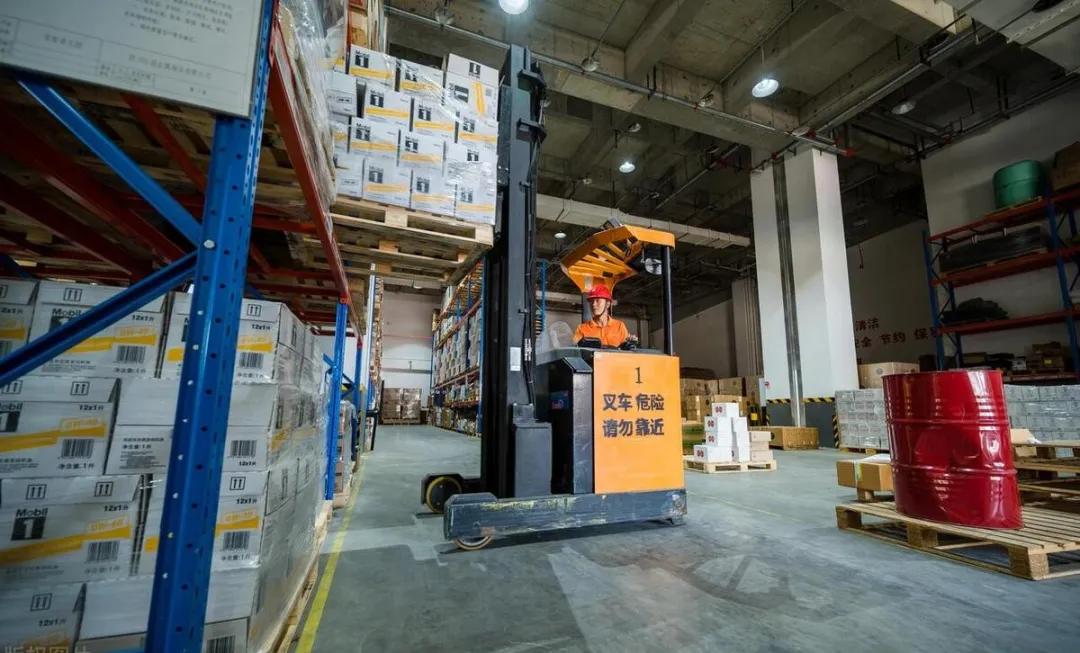
图片


二、跨境电商平台的分类

(一)按平台分类

1综合型平台:综合型平台涵盖多种产品品类,拥有庞大的用户群体,代表平台有亚马逊、eBay、阿里巴巴国际站等。

2垂直型平台:垂直型平台专注于某一细分领域,拥有更精准的用户群体,代表平台有亚马逊旗下的服装平台Shopbop、美妆平台BeautyBay等。

3社交电商平台:以社交互动为核心,利用社交媒体平台进行推广和销售,代表平台有Wish、Shopee等。

(二)按目标市场分类

1北美市场:北美市场是全球最大的跨境电商市场,代表平台有亚马逊、eBay、Wish等。

2欧洲市场:欧洲市场是全球第二大跨境电商市场,代表平台有亚马逊、eBay、AliExpress等。

3亚洲市场:亚洲市场是增长最快的跨境电商市场,代表平台有AliExpress、Lazada、Shopee等。

(三)按平台模式类

1自营平台:自营平台由平台方负责运营,卖家入驻平台后可以销售平台提供的商品,代表平台有京东、天猫等。

2第三方平台:第三方平台仅提供平台服务,卖家入驻平台后可以销售自己的商品,代表平台有亚马逊、eBay、阿里巴巴等。


三、主流跨境电商平台介绍

(一)老牌跨境电商平台

1.亚马逊:是全球最大的电商平台之一、全球最大的跨境电商平台、全球最大的在线购物平台,提供图书、电子产品、玩具、食品、服饰、汽车及工业产品等数百万种商品。

该平台拥有庞大的用户群体和强大的物流体系,能帮助卖家快速扩大销售规模。此外,搜索引擎技术也非常成熟,可以帮助卖家的产品更容易被消费者找到。

2.eBay:eBay是全球最大的拍卖和购物网站,该平台不仅可以购买新的商品,还可以交易二手商品或独特的收藏品。作为一个老牌的跨境电商平台,eBay全球体量大概是亚马逊的三分之一。

3.阿里巴巴国际站:主要服务于国内中小企业。作为全球大型B2B跨境电商平台,阿里巴巴国际站物流已覆盖全球200多个国家地区,是出口企业拓展国际贸易网络平台之一。

4.Etsy:是一个以手工艺成品买卖为主要特色的全球电商平台。该平台在2023年12月份占据全球跨境电商2.75%的市场份额,仅次于亚马逊的13.94%和eBay的3.82%,月访问量维持在5亿左右。

5.Wish:该平台主要瞄准年轻且追求性价比高的消费者群体,主要的市场是欧美地区客户,在欧美及部分新兴市场有一定影响力。目前,拥有超过1亿活跃用户和大量卖家。

6.AliExpress(全球速卖通):是阿里巴巴旗下,面向国际市场打造的跨境电商平台,被广大卖家称为“国际版淘宝”。成立于2010年,是中国最大的跨境出口B2C平台之一,同时也是在俄罗斯、西班牙排名第一的电商网站。

图片

(二)新兴跨境电商平台

1.Temu:平台自2022年9月1日上线,主要面向美国消费者,是拼多多出海项目。在美国上线以来,已经成为该国最受欢迎的应用程序,拥有数千万美国用户。

2.TikTok shop:于2022年在新加坡成立,是抖音旗下跨境电商品牌,是基于TikTok的电商业务,相当于国内的抖音小店。

TikTok shop被称为“社交电商”或“短视频电商”。总之,社交电商模式颇受品牌方和买家的青睐,也逐渐成为一种新型的电商模式。

3.Shopee:成立于2015年,是目前东南亚最大的电商平台之一。该平台主要面向印度尼西亚、马来西亚、新加坡、菲律宾、泰国和越南等东南亚国家和地区的消费者,提供了丰富的商品类别。

4.Lazada:成立于2012年B2C跨境电商平台,总部设在新加坡,业务范围主要在东南亚国家,大约有5亿消费者,是东南亚知名的且增长迅猛的电子商务平台。

图片


四、如何选择跨境电商平台?

面对琳琅满目的跨境电商平台,卖家需要综合考量自身情况和目标市场特点,选择最合适的平台开展业务。以下是一些重要的考量因素:

选择最合适的平台开展业务

1.目标市场: 确定目标市场是选择平台的第一步。卖家需要了解目标市场的消费习惯、电商发展水平和竞争格局,并选择在该市场具有影响力的平台。

2.产品品类: 不同的平台对产品品类的限制有所不同。卖家需要选择允许销售目标产品的平台,避免平台限制导致无法上架产品。

3.平台规则: 每个平台都有自己的规则和政策,卖家需要仔细阅读并遵守平台规则,避免违规导致账号封禁等问题。

4.平台费用: 跨境电商平台通常会收取一定的佣金、交易费、仓储费等费用。卖家需要综合考虑平台费用情况,选择性价比合理的平台。

5.平台服务: 不同的平台提供不同层次的服务,例如物流、营销、客服等。卖家需要根据自身需求选择提供相应服务的平台。

6.平台发展潜力: 在选择平台时,还需要考虑平台的未来发展潜力。选择具有良好发展前景的平台,可以助力企业长远发展。

注:文/中国跨境电商综合实验区,文章来源:全球跨境电商知识服务中心,本文为作者独立观点,不代表亿邦动力立场。

【版权提示】亿邦动力倡导尊重与保护知识产权。未经许可,任何人不得复制、转载、或以其他方式使用本网站的内容。如发现本站文章存在版权问题,烦请提供版权疑问、身份证明、版权证明、联系方式等发邮件至run@ebrun.com,我们将及时沟通与处理。

已点赞

+1

{{ praise_text }}

好文章,值得被更多人看到

FAQ回顾

跨境电商平台主要分为哪些类型?

跨境电商平台按平台类型分为综合型(如亚马逊、eBay)、垂直型(如Shopbop)和社交电商平台(如Wish、Shopee);按目标市场分为北美、欧洲和亚洲市场;按平台模式分为自营平台和第三方平台。

如何选择最适合的跨境电商平台?

选择跨境电商平台需考虑六大因素:目标市场消费习惯、产品品类限制、平台规则政策、平台费用(佣金、仓储费)、平台服务(物流、营销)以及平台发展潜力。

新兴跨境电商平台有哪些代表?

新兴平台包括2022年上线的Temu(拼多多国际版,主攻美国市场)、TikTok Shop(抖音旗下社交电商)以及东南亚主流的Shopee和Lazada,主打社交电商和区域市场。

广告

下一篇

跨境电商资源对接

《全球跨境电商服务商资源手册》第二期手册现已发布,触达更多资源,了解跨境服务商信息,欢迎点击链接下载。

了解详情

旺季不旺 价格腰斩!大闸蟹怎么了?

“秋风起,蟹脚痒。菊花开,闻蟹来”。每年10月,都是品尝大闸蟹的好时节。但随着旺季来临,大闸蟹的价格出现“大跳水”,消费者却不愿意买单了。

餐饮 未来零售

2024-10-18 14:27:45









