



• 亿邦公众号
    • APP下载

杭州7个典型案例入选商务部“外贸新业态优秀实践案例”

作者:亿邦动力 文章来源:亿邦动力

2023-06-28 14:35

作者:亿邦动力 文章来源:亿邦动力

2023-06-28 14:35

邦小白快读

EN
全文速览

本文核心重点信息是杭州共有7个典型案例入选商务部外贸新业态优秀实践案例,数量在全国跨境电商综试区中排名第一,这些案例覆盖跨境电商发展多个维度,是杭州经验的生动实践,有不少可参考的干货内容。

1. 核心成果方面,杭州作为全国首个跨境电商综试区,其六体系两平台的杭州经验已经多次在全国复制推广,本次入选案例涵盖监管、品牌、金融、人才等多个领域,代表性很强。

2. 可了解的实操创新成果包括:数字清关提升通关效率,全球中心仓解决跨境退货难问题,能帮企业降低超三成成本,还有国货出海、诚信体系建设等多方面创新,整体生态降本增效效果明显。

杭州这批入选的案例中,有很多和品牌出海相关的干货内容,能给布局跨境业务的品牌商提供很多参考。

1. 品牌出海营销与渠道建设方面,杭州创新了国货品牌出海新模式,联合阿里巴巴全球速卖通推出国货出海计划,开展E揽全球·杭品出海专项行动,已经成功帮助张小泉、花西子等一批国货品牌提升了全球影响力,这种政企平台联动的模式值得品牌商借鉴。

2. 配套支撑方面,杭州已经形成完善的跨境电商生态,有监管便利化措施降低通关成本,集聚了多家顶级跨境支付机构,还有诚信体系为金融产品提供支撑,人才生态完善,能全方位解决品牌出海过程中的各类痛点,降低出海门槛。

杭州跨境电商的创新实践,能给跨境卖家提供政策参考、机会提示和可学习的经验。

1. 政策创新红利方面,针对卖家普遍遇到的通关难、退货难痛点,杭州推出数字清关、复合型监管场所、全球中心仓等创新模式,其中全球中心仓模式能帮助卖家节约三成以上运营成本,还能实现不同监管模式货物互转、集中仓储,大幅降低管理和资金成本。

2. 机会与可利用资源方面,杭州推出国货出海专项计划,给卖家提供了打造出海品牌的政策通道,当地集聚了顶级跨境支付机构,支付融资更便捷,还有完善的人才培训和知识服务支持,卖家可以对接相关资源拓展业务,当前监管创新也说明行业整体发展环境持续向好。

杭州外贸新业态的优秀实践,给出海工厂带来了明确的商业机会和数字化转型启示。

1. 商业机会方面,杭州当前大力推进国货出海计划、E揽全球·杭品出海专项行动,打通了国货工厂产品出海的通道,已经有多个成功案例,工厂可以依托这个政策和平台通道,把自有产品推向国际市场,打造自主品牌,改变以往代工的低利润模式。

2. 数字化转型启示方面,杭州的数字清关、全球中心仓都是数字化技术赋能跨境贸易的典型应用,能有效解决工厂出海遇到的通关、物流、退货痛点,降低运营成本,同时杭州完善的支付、人才、信用配套生态,能帮工厂解决出海过程中的各类配套难题,助力工厂推进数字化和电商化转型。

杭州这批优秀实践,清晰展现了跨境电商服务业的发展趋势、客户痛点,能给服务商提供方向参考。

1. 客户痛点梳理方面,当前跨境电商企业的核心痛点集中在通关效率低、退货成本高、支付结算不便、跨境信任不足、专业人才短缺几个方面,服务商可以围绕这些痛点开发对应产品。

2. 行业发展趋势与机会方面,杭州实践已经探索出成熟的解决方案,数字化通关服务、全球一体化仓储退换货服务、依托诚信体系的配套金融服务、跨境电商人才培训、行业知识服务都是市场需求较大的领域,杭州已经筛选近60家优质服务商输出经验,说明跨境电商配套服务还有很大发展空间,数字化、一体化服务是未来的核心发展方向。

杭州综试区的建设实践,给跨境电商平台的生态建设、运营管理提供了很多可借鉴的经验。

1. 商家核心需求方面,商家对通关便利化、低成本退换货仓储、便捷支付结算、专业人才供给、信用融资支持的需求十分强烈,平台可以围绕这些核心需求优化自身配套服务,提升商家留存和吸引力。

2. 运营管理可借鉴的做法方面,平台可以联动政府、院校、企业打造完整生态,比如和政府合作推出品牌出海扶持计划,帮助商家对接资源,联合高校培养行业专用人才,搭建平台诚信体系为金融服务提供支撑,还可以通过举办多层次行业活动集聚服务商和商家,同时要积极对接监管创新,解决商家合规痛点,降低运营风险。

杭州本次入选的7个外贸新业态优秀案例,覆盖跨境电商综试区建设多个维度,为跨境电商产业研究提供了非常有价值的典型样本。

1. 产业新动向方面,当前外贸新业态已经从单点创新走向全生态制度创新,杭州作为全国首个跨境电商综试区,已经形成了以六体系两平台为核心的可复制杭州经验,本次入选案例覆盖监管便利化、品牌培育、金融服务、人才培养等多个维度,充分展现了当前我国外贸新业态的发展方向。

2. 创新研究价值方面,针对跨境电商行业长期存在的通关难、退货难、跨境信任不足、专业人才短缺等共性问题,杭州探索出了数字清关、全球中心仓、跨境诚信评价体系、政企校社联动育才等多个创新解决方案,这些新实践新模式对研究外贸新业态制度创新、商业模式演化都有重要的参考价值,也为后续相关政策优化提供了实践依据。

声明:快读内容全程由AI生成,请注意甄别信息。如您发现问题,请发送邮件至 run@ebrun.com 。

我是 品牌商 卖家 工厂 服务商 平台商 研究者 帮我再读一遍。

Quick Summary

This article highlights that seven outstanding cases from Hangzhou have been selected into the Ministry of Commerce’s collection of excellent practices for new foreign trade formats. Hangzhou ranks first among all China’s cross-border e-commerce comprehensive pilot zones in the number of selected cases, covering multiple dimensions of cross-border e-commerce development. These cases are vivid implementations of Hangzhou’s proven experience and contain many actionable takeaways.

1. On core outcomes: As China’s first national cross-border e-commerce comprehensive pilot zone, Hangzhou’s signature "six systems, two platforms" development model has been replicated and promoted nationwide multiple times. The newly selected cases cover regulation, branding, finance, talent development and other key fields, making them highly representative of the country’s cross-border e-commerce progress.

2. Key practical innovations covered: Digital customs clearance boosts clearance efficiency, while the global central warehouse model solves the long-standing problem of costly cross-border returns, cutting corporate costs by more than 30%. Additional innovations in Chinese brand global expansion and credit system building have delivered widespread cost reduction and efficiency gains across the entire local cross-border ecosystem.

Many of Hangzhou’s selected cases focus on global brand expansion, offering valuable insights for brands building out cross-border business.

1. For global brand marketing and channel building: Hangzhou has pioneered a new model for Chinese brands to go global, partnering with Alibaba’s AliExpress to launch the Chinese Brands Going Global initiative and the special "E-Connect the World, Hangzhou Brands Globalize" campaign. This government-platform partnership model has already successfully elevated the global profile of Chinese brands including Zhang Xiaoquan and Florasis, making it a strong reference for other brands to emulate.

2. For supporting infrastructure: Hangzhou has built a fully developed cross-border e-commerce ecosystem. It offers streamlined regulatory measures to cut customs clearance costs, aggregates leading cross-border payment institutions, leverages a local credit system to underpin financial products, and maintains a robust talent ecosystem. This full-stack infrastructure addresses all common pain points brands encounter during global expansion and lowers the barrier to entry for international markets.

Hangzhou’s innovative cross-border e-commerce practices offer policy insights, opportunity alerts and actionable lessons for cross-border sellers.

1. For innovative policy dividends: To address the widespread pain points of difficult customs clearance and costly returns that sellers face, Hangzhou has rolled out innovative models including digital customs clearance, composite regulatory sites and global central warehouses. The global central warehouse model alone cuts sellers’ operating costs by more than 30%, while enabling cargo transfers across different regulatory models and centralized storage, which significantly reduces both management and capital costs.

2. For available opportunities and resources: Hangzhou’s special initiative for Chinese brand global expansion provides sellers with a policy-supported pathway to build their own international brands. The city is home to a cluster of top-tier cross-border payment institutions that make payment and financing far more convenient, and it also offers comprehensive talent training and knowledge services. Sellers can leverage these local resources to expand their business, and the ongoing regulatory innovation demonstrates that the overall industry operating environment continues to improve.

Hangzhou’s excellent practices in new foreign trade formats bring clear commercial opportunities and digital transformation insights for export-focused factories.

1. For commercial opportunities: Hangzhou is aggressively advancing the Chinese Brands Going Global initiative and the "E-Connect the World, Hangzhou Brands Globalize" special campaign, which has built out a clear pathway for Chinese manufacturing factories to enter international markets. Factories can leverage this policy and platform channel to bring their own products to global consumers, build independent brands, and move away from the low-profit original equipment manufacturing (OEM) model that has dominated the sector for decades.

2. For digital transformation insights: Hangzhou’s digital customs clearance and global central warehouse models are textbook examples of how digital technology empowers cross-border trade. These tools effectively solve common pain points factories face when expanding globally, including inefficient customs clearance, high logistics costs, and costly returns, while cutting overall operating costs. Combined with Hangzhou’s fully developed supporting ecosystem for payments, talent and credit services, these tools help factories address all common operational challenges when going global and support their broader digital and e-commerce transformation.

Hangzhou’s excellent practices clearly outline development trends and core customer pain points in the cross-border e-commerce service industry, offering strategic direction for service providers.

1. For core customer pain points: The top pain points for cross-border e-commerce companies are low customs clearance efficiency, high return costs, inconvenient payment and settlement, lack of cross-border trust, and a shortage of professional talent. Service providers can build targeted solutions centered on these unmet needs.

2. For industry trends and opportunities: Hangzhou’s practices have already validated mature solutions to these pain points. High-demand market segments include digital customs clearance services, globally integrated warehousing and return services, credit system-backed financial services, cross-border e-commerce talent training, and industry knowledge services. Hangzhou has already curated nearly 60 high-quality service providers to share their expertise, proving that there remains substantial room for growth in cross-border e-commerce supporting services, with digital and integrated services set to be the core future growth direction.

The development practices of Hangzhou Cross-Border E-Commerce Comprehensive Pilot Zone offer valuable, actionable lessons for ecosystem building and operations management for cross-border e-commerce platforms.

1. For core merchant needs: Merchants have strong unmet demand for streamlined customs clearance, low-cost return warehousing, convenient payment and settlement, access to professional talent, and credit-backed financing. Platforms can optimize their supporting services around these core needs to improve merchant retention and attractiveness.

2. For actionable operations management lessons: Platforms can partner with government agencies, universities and industry players to build a complete cross-border ecosystem. This can include co-launching brand global expansion support programs with governments to help merchants connect to resources, partnering with universities to train industry-specific talent, building a platform-wide credit system to underpin financial services, and hosting multi-level industry events to aggregate service providers and merchants. Platforms should also proactively align with regulatory innovations to resolve merchants’ compliance pain points and reduce operational risk.

The seven outstanding new foreign trade format cases selected from Hangzhou cover multiple dimensions of cross-border e-commerce comprehensive pilot zone development, providing highly valuable typical samples for industrial research on the sector.

1. For new industry trends: China’s new foreign trade formats have evolved from single-point innovation to full-ecosystem institutional innovation. As China’s first national cross-border e-commerce comprehensive pilot zone, Hangzhou has developed a replicable experience centered on its "six systems, two platforms" framework. The newly selected cases cover regulatory facilitation, brand cultivation, financial services, talent development and other core dimensions, fully demonstrating the current development direction of China’s new foreign trade formats.

2. For innovation research value: To address long-standing common industry pain points including difficult customs clearance, costly returns, lack of cross-border trust, and shortage of professional talent, Hangzhou has pioneered multiple innovative solutions including digital customs clearance, global central warehouses, cross-border credit rating systems, and public-private-educational talent development partnerships. These new practices and models offer significant reference value for research on institutional innovation and business model evolution in new foreign trade formats, and also provide empirical evidence for future policy optimization.

Disclaimer: The "Quick Summary" content is entirely generated by AI. Please exercise discretion when interpreting the information. For issues or corrections, please email run@ebrun.com .

I am a Brand Seller Factory Service Provider Marketplace Seller Researcher Read it again.

近日,在全国跨境电商综试区现场会上,商务部公布了外贸新业态优秀实践案例评选结果。其中,杭州综试区结合本地实际,开展制度、管理、服务创新,涌现了一批好经验好做法,7个典型案例入选商务部“外贸新业态优秀实践案例”(全国共30个),数量在综试区中排名全国第一。

本次评选商务部从全国165个跨境电商综试区报送的大批案例中遴选出30个具有代表性、普适性的“外贸新业态优秀实践案例”,印发全国跨境电商综试区借鉴参考。

杭州综试区作为全国首个获批的跨境电商综试区,以“六体系两平台”为核心的跨境电商“杭州经验”多次向全国其他综试区复制推广,累累硕果、成效明显。如今入选“外贸新业态优秀实践案例”的七个案例,涵盖监管便利化、品牌培育、金融服务、人才培养、诚信体系建设和维护企业权益、物流及其他配套服务等综试区建设的多个维度,充分展现了“杭州经验”的生动实践。

多项监管便利化举措让通关“进退自由”

杭州综试区推出的多项监管便利化举措充分结合跨境电商企业的通关难点、痛点。

针对进口快件、邮件、境外购物携带入境等多种需求旺盛、风险较高的商品,杭州综试区推出“数字清关”监管模式,在杭州综试区空港跨境电商产业园,利用大数据、互联网技术手段,实现国际交易、支付、物流、 海关监管平台一体化对接和全流程监管。如杭州综试区与eWTP共建的“寄递渠道进口个人物品数字清关”成为浙江省首个数字清关项目,促进良性互动,提高通关效率;“复合型监管场所”有序高效地集成了场地、人力以及监管资源通过系统优化、流程重塑、场地功能划分以及物理围网和电子围网相结合等方式;突破保税物流中心围网内不得开展9610业务和邮快件业务的限制,极大程度优化了监管部门的资源配置及小包裹通关手续。

针对跨境电商“退货难”问题,杭州综试区下沙园区运用杭州综合保税区特殊监管区域平台,创新打造了“全球中心仓”,构建“一站式”仓储模式融通全球贸易通道,可帮助跨境电商企业节约成本三成以上,实现全球商品“进得来”、“出得去”和“退得回”。目前杭州在进口业务上,跨境零售和保税货物可以互转;出口业务上,9610模式下和1210模式下的商品可以同个包裹发货;另一方面,解决了以往普通商品进入综保区的不便,实现普通商品与其他商品进行集中仓储、调动,大幅降低管理和资金成本。

打造跨境电商生态圈让生意“降本增效”

在外贸新业态优秀实践案例中的生态建设方面,杭州每一项都“榜上有名”,充分展现了跨境电商服务资源集聚地的风貌风采。

杭州综试区创新“国货品牌出海”跨境新模式。如联合阿里巴巴全球速卖通推出"国货出海计划",实施"E 揽全球·杭品出海"跨境电商专项行动等,张小泉、花西子等一批国货品牌影响力辐射全球。在品牌价值大幅提升的同时,还打破中国企业在人才建设上的地理、时间和资源边界局限。

构建多元支付业态,打造跨境支付高地。集聚国内顶级跨境支付机构如PingPong、万里汇、珊瑚跨境、连连数字等,申领全球支付牌照,拓展支付融资场景,助力杭州跨境电商企业便捷出海。

政企校社联动,构建全球最优跨境电商人才生态圈。杭州把推动人才发展作为跨境电商发展的核心要素,通过政企校社联动积极优化引育留用机制,使得高校跨境电商专业建设领跑全国,精品赛事人才集聚效应突出,并通过社会化培训赋能跨境电商企业做大做强。

首创跨境电商诚信体系,便利跨境电商交易。针对空间和距离放大跨境贸易信任的痛点及难题问题,杭州综试区通过打造垂直化的跨境电商信用监管场景,搭建跨境电商诚信评价指标并推荐其实施。以此为依据,为包括“杭信贷”等在内的金融产品提供了信用保障。
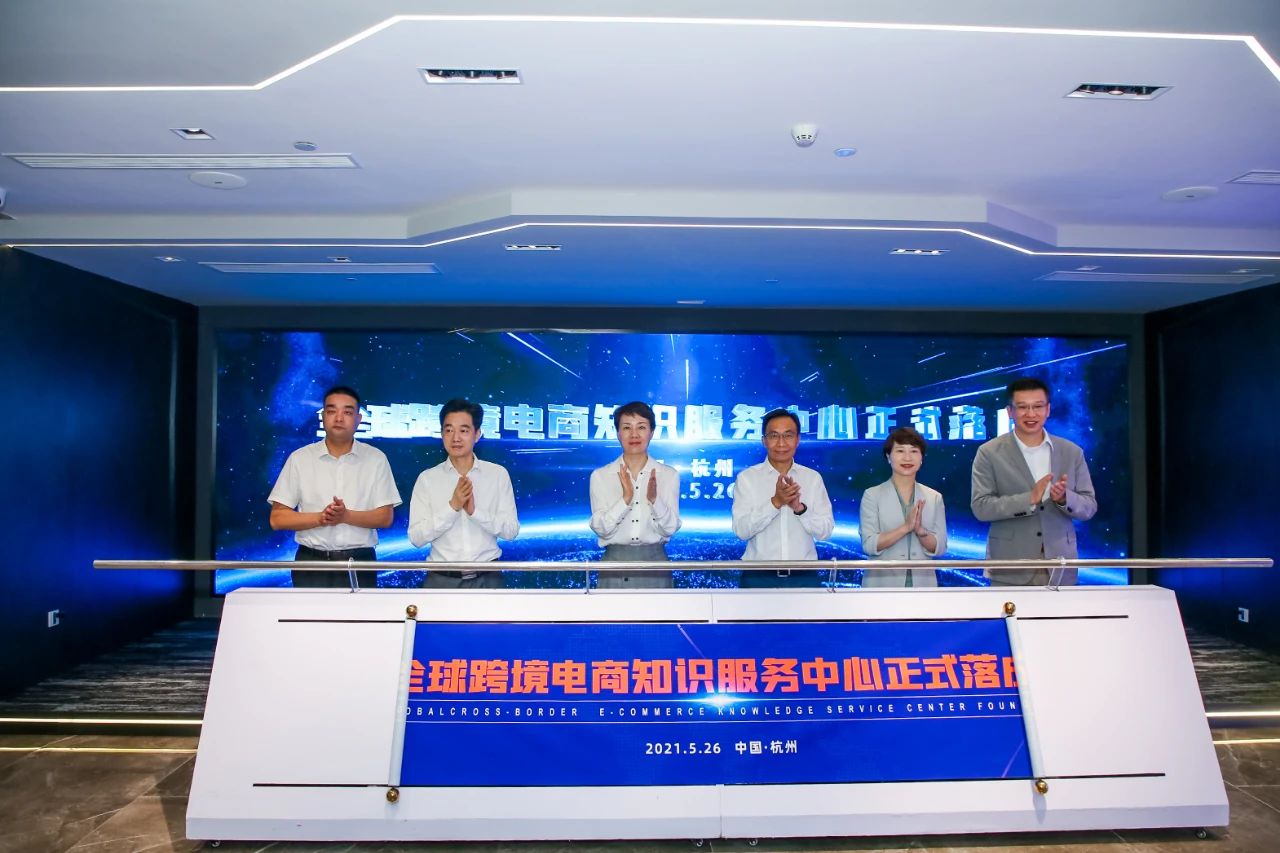
杭州建设全球跨境电商知识服务中心,打造知识服务高地。杭州结合本地区跨境电商企业知识密集程度高的特征,围绕知识体系、政策创新、传播氛围,建设全球跨境电商知识服务中心,组织举办承办行业大赛、沙龙交流、闭门座谈、课程培训等多层次行业活动,筛选近60家优质服务商形成案例手册,持续输出杭州经验。

【版权提示】亿邦动力倡导尊重与保护知识产权。未经许可,任何人不得复制、转载、或以其他方式使用本网站的内容。如发现本站文章存在版权问题,烦请提供版权疑问、身份证明、版权证明、联系方式等发邮件至run@ebrun.com,我们将及时沟通与处理。

已点赞

+1

{{ praise_text }}

好文章,值得被更多人看到

FAQ回顾

杭州入选商务部外贸新业态优秀实践案例的七个案例涵盖哪些方面?

七个案例涵盖监管便利化、品牌培育、金融服务、人才培养、诚信体系建设、企业权益维护以及物流配套服务等多个维度,展现了杭州综试区建设的全面成果。

杭州综试区在监管便利化方面有哪些具体举措?

推出了“数字清关”监管模式和“复合型监管场所”,实现全流程监管;创新“全球中心仓”解决退货难题,帮助跨境电商企业节约成本三成以上。

杭州如何打造跨境电商生态圈支持国货品牌出海?

联合阿里巴巴推出“国货出海计划”,集聚PingPong等顶级支付机构,并通过政企校社联动构建人才生态圈,助力张小泉、花西子等品牌辐射全球。

广告

下一篇

跨境电商资源对接

《全球跨境电商服务商资源手册》第二期手册现已发布,触达更多资源,了解跨境服务商信息,欢迎点击链接下载。

了解详情

“开放+生态” 面向万亿市场 饿了么笃定新思路

饿了么在即时电商赛道的加速,又迈出了重要的一步。日前,在饿了么夏季商家大会上,平台正式对外宣布 “与生态共进”的整体战略方向。

淘宝闪购 外卖 平台 未来零售

2023-06-28 14:07:28









