• 亿邦公众号
    • APP下载

科赴在饿了么上线首个“小时达”旗舰店 药品即时零售业开启品牌化运营时代

作者:亿邦动力 文章来源:亿邦动力

2024-10-24 16:39

作者:亿邦动力 文章来源:亿邦动力

2024-10-24 16:39

邦小白快读

EN
全文速览

文章重点介绍了药品即时零售业的新发展,特别是饿了么上线“小时达”旗舰店带来的变化和实用信息。

1. 即时配送需求显著增长,平均配送时间缩短至21分钟,满足用户快速购药需求,夜间订单增速超50%,用户增速超20%,凸显便捷性价值。

2. 在线医保支付服务在40个城市上线,合作门店近万家,累计服务近200万人次,提升购药经济性和安全性,为社区居民提供守护。

3. 24小时药房数量超1.5万,同比增长30%,网格覆盖率90%以上,解决用户夜间应急需求,增强健康保障。

4. 品牌旗舰店模式允许医药品牌直连消费者,简化流转渠道,实现线上线下一体运营,科赴作为首个案例展示实操效果。

5. 饿了么平台药品订单增速30%,全品类增长,计划邀请20个品牌入驻旗舰店,打造年交易额千万级爆款商品,提供增长机会。

文章展示了医药品牌在即时零售中的品牌营销和渠道建设机遇,结合消费趋势和产品研发。

1. 品牌营销:品牌“小时达”旗舰店帮助直连消费者,整合营销构建品牌心智,提升线下投放效率,科赴案例显示通过会员运营、店铺装修等增强个性化服务。

2. 品牌渠道建设:旗舰店打破时间和空间限制,串联线下门店,简化流转渠道,实现高效线上线下一体运营,阿里生态协同提供“一店多开”流量支持。

3. 消费趋势和用户行为:用户线上购药习惯加深,即时需求增长20.6%,高于行业平均,夜间订单增速高,显示用户偏好快速服务。

4. 产品研发:科赴推出新品如美林退热贴、泰诺安等,结合社区服务(如“小蓝灯放心社区”),响应消费者需求,提升品牌形象。

文章突出了即时零售市场的增长机会、合作策略和可学习点,为卖家提供实用指导。

1. 增长市场和机会提示:药品即时零售增速20.6%,订单量持续30%增长,平台计划邀请20个品牌入驻旗舰店,打造200个以上年交易额千万级爆款商品,带来巨大商机。

2. 合作方式和扶持政策:与饿了么、淘宝、支付宝、高德等平台战略合作,获得流量和数字化支持,旗舰店模式简化运营,提升成交机会,实现多方共赢。

3. 消费需求变化:用户行为向即时配送转移,24小时服务需求强,药房数量增长,夜间订单增速超50%,启示卖家优化服务时间。

4. 可学习点和最新商业模式:科赴通过旗舰店优化品类导购和专业患教,学习其整合社区服务模式,旗舰店作为新商业模式帮助直连消费者。

文章提供了产品生产和设计需求、商业机会及数字化启示,为工厂带来电商转型参考。

1. 产品生产和设计需求:医药品牌如科赴推出美林退热贴等新品,显示消费者对即时、便捷产品的需求,启示工厂研发响应市场趋势的商品。

2. 商业机会:即时零售增长20.6%,品牌旗舰店模式简化渠道,为工厂产品提供更多销售机会,平台合作带来流量,提升成交潜力。

3. 推进数字化和电商启示:利用数字技术创造线上购药新场景,提升信息化监管效率,旗舰店实现线上线下一体运营,启示工厂整合电商渠道。

4. 社区服务案例:科赴参与“小蓝灯放心社区”,结合在线问诊和买药,启示工厂开发服务型产品,增强用户粘性。

文章揭示了药品即时零售行业的发展趋势、新技术和解决方案,针对客户痛点。

1. 行业发展趋势:即时零售成为必争之地,增速20.6%,远高于行业平均,医保支付普及推动增长,开启新篇章,订单量持续30%增速。

2. 新技术和解决方案:数字化能力如“网上购药+医保结算”系统,在40城市上线,提升服务效率和监管,旗舰店模式提供直连消费者方案,解决渠道分散痛点。

3. 客户痛点:用户需要24小时即时服务(如夜间订单增速高),药房营业意愿增强,网格覆盖率90%以上,旗舰店和平台合作整合资源应对。

4. 阿里生态协同:饿了么与高德等平台合作,提供“一店多开”流量,帮助服务商优化解决方案,提升服务覆盖。

文章描述了平台的最新做法、招商策略和运营管理,针对商业需求。

1. 平台最新做法:饿了么与淘宝、支付宝、高德战略合作,推出品牌“小时达”旗舰店,支持医药品牌直连消费者,提升服务效率(如配送时间缩短至21分钟)。

2. 平台招商:计划首批邀请20个优质品牌入驻旗舰店,帮助打造年交易额千万级爆款商品,提供增长机会和扶持政策。

3. 运营管理:数字化能力赋能商家,如医保购药项目上线40城市,24小时药房超1.5万增长30%,网格覆盖率90%以上,优化风险管理。

4. 商业需求和问题解决:针对品牌时间和空间限制,旗舰店模式串联线下门店,实现线上线下一体运营,提升投放效率。

文章探讨了药品即时零售产业的新动向、商业模式和政策启示,提供研究视角。

1. 产业新动向:即时零售增速20.6%,成为行业必争之地,医保支付在40城市普及,服务近200万人次,开启品牌化运营时代。

2. 新问题和商业模式:品牌旗舰店模式解决医药品牌无直营门店问题,串联线下资源,构建品牌增长新模式(包含建设、互动到履约),科赴案例展示实效。

3. 政策法规启示:在线医保支付成功推广,启示政策支持数字化医疗,提升监管效率,推动行业规范化。

4. 数据支撑:订单平均配送21分钟,24小时药房增长30%,夜间订单增速超50%,用户增速超20%,提供实证研究基础。

声明:快读内容全程由AI生成,请注意甄别信息。如您发现问题,请发送邮件至 run@ebrun.com 。

我是 品牌商 卖家 工厂 服务商 平台商 研究者 帮我再读一遍。

Quick Summary

The article highlights new developments in on-demand pharmaceutical retail, focusing on changes and practical information brought by Ele.me's "Hourly Delivery" flagship stores.

1. On-demand delivery demand has surged significantly, with average delivery times shortened to 21 minutes to meet urgent medication needs. Nighttime orders grew over 50% and user growth exceeded 20%, demonstrating strong convenience value.

2. Online medical insurance payment services are now available in 40 cities, partnering with nearly 10,000 stores and serving nearly 2 million people, improving affordability and safety while providing community healthcare support.

3. 24-hour pharmacies exceeded 15,000 locations, up 30% year-over-year with over 90% grid coverage, addressing emergency nighttime needs and enhancing health security.

4. The flagship store model enables pharmaceutical brands to connect directly with consumers, streamline distribution channels, and integrate online-offline operations, with Pfizer's Consumer Health (科赴) as the first case study.

5. Ele.me's pharmaceutical orders grew 30% across all categories, with plans to invite 20 brands to flagship stores and create bestselling products generating tens of millions in annual GMV.

The article reveals opportunities for pharmaceutical brands in on-demand retail regarding brand marketing and channel development, aligned with consumer trends and product innovation.

1. Brand Marketing: "Hourly Delivery" flagship stores enable direct consumer connections, integrated marketing to build brand identity, and improved offline campaign efficiency, as demonstrated by Pfizer's member operations and store customization.

2. Channel Development: Flagship stores eliminate time/space constraints, integrate offline stores, simplify distribution, and enable seamless online-offline operations, supported by Alibaba's ecosystem traffic.

3. Consumer Trends: Online medication purchasing habits deepened, with 20.6% on-demand demand growth exceeding industry average. High nighttime order growth reflects preference for rapid service.

4. Product Innovation: Pfizer launched new products like Meilin fever patches and Tylenol variants, combined with community services (e.g., "Blue Light Safe Communities") to meet consumer needs and enhance brand image.

The article emphasizes growth opportunities, collaboration strategies, and actionable insights for sellers in on-demand pharmaceutical retail.

1. Market Opportunities: Pharmaceutical on-demand retail grew 20.6%, with orders sustaining 30% growth. Ele.me plans to invite 20 brands to flagship stores and develop 200+ products with tens of millions in annual GMV.

2. Collaboration Models: Strategic partnerships with Ele.me, Taobao, Alipay, and Amap provide traffic and digital support. The flagship store model simplifies operations and increases transaction opportunities.

3. Demand Shifts: Consumer behavior shifts toward instant delivery, with strong 24-hour service demand. Nighttime orders grew over 50%, indicating need for extended service hours.

4. Business Models: Learn from Pfizer's approach to category navigation and patient education via flagship stores, adopting integrated community service models for direct consumer engagement.

The article provides insights on production demands, commercial opportunities, and digital transformation guidance for manufacturing plants.

1. Product Development: Brands like Pfizer launching Meilin fever patches indicate demand for instant, convenient products, suggesting factories develop market-responsive items.

2. Commercial Opportunities: 20.6% on-demand retail growth and simplified flagship store channels create sales avenues. Platform collaborations bring traffic and transaction potential.

3. Digital Transformation: Digital technologies enable new online medication purchase scenarios and regulatory efficiency. Flagship stores' integrated operations suggest factories adopt e-commerce channels.

4. Service Integration: Pfizer's "Blue Light Safe Communities" combining online consultations and medication purchases inspire service-oriented product development to enhance user loyalty.

The article reveals industry trends, technological solutions, and client pain points in pharmaceutical on-demand retail.

1. Industry Trends: On-demand retail became a competitive frontier with 20.6% growth (above industry average). Medical insurance payments drove expansion, with orders growing steadily at 30%.

2. Technological Solutions: Digital capabilities like "online medication purchase + insurance settlement" systems deployed in 40 cities improve service efficiency and regulation. Flagship stores address fragmented channel issues.

3. Client Pain Points: Strong 24/7 service demand (e.g., high nighttime order growth) met by increased pharmacy participation and over 90% grid coverage, supported by flagship stores and platform integrations.

4. Ecosystem Synergy: Ele.me's collaboration with Amap etc. enables "one-store-multiple-platform" traffic, helping service providers optimize solutions and expand coverage.

The article details platform strategies, merchant recruitment, and operational management for marketplace operators.

1. Platform Initiatives: Ele.me's strategic collaboration with Taobao, Alipay, and Amap introduced brand "Hourly Delivery" flagship stores, enabling direct brand-consumer connections and improved service efficiency (e.g., 21-minute delivery).

2. Merchant Recruitment: Plans to invite 20 premium brands to flagship stores initially, helping create bestselling products with tens of millions in annual GMV through growth opportunities and support policies.

3. Operations Management: Digital capabilities empower merchants through medical insurance projects in 40 cities, 30% growth in 24-hour pharmacies (exceeding 15,000), and over 90% grid coverage for optimized risk management.

4. Business Solutions: Flagship stores address brands' spatiotemporal constraints by integrating offline stores for unified online-offline operations and improved campaign efficiency.

The article examines industry dynamics, business models, and policy implications in pharmaceutical on-demand retail from a research perspective.

1. Industry Trends: On-demand retail grew 20.6%, becoming a key battleground. Medical insurance payments expanded to 40 cities, serving nearly 2 million people, heralding branded operation era.

2. Business Models: Flagship stores address brands' lack of direct stores by integrating offline resources, establishing new growth models (from construction to fulfillment), demonstrated by Pfizer's case.

3. Policy Implications: Successful online insurance payment adoption suggests policy support for digital healthcare, improving regulatory efficiency and industry standardization.

4. Empirical Data: 21-minute average delivery, 30% growth in 24-hour pharmacies, over 50% nighttime order growth, and over 20% user growth provide research foundations.

Disclaimer: The "Quick Summary" content is entirely generated by AI. Please exercise discretion when interpreting the information. For issues or corrections, please email run@ebrun.com .

I am a Brand Seller Factory Service Provider Marketplace Seller Researcher Read it again.

【亿邦原创】10月23日,在上海举办的2024即时电商未来商业峰会上,饿了么与淘宝、支付宝、高德达成战略合作,将共同为医药品牌打造“小时达”旗舰店,为用户提供24小时守护的专业医药健康服务,也为医药品牌构建新的品牌运营阵地。

近年来,消费者线上购药的习惯正不断加深,并不断向即时配送转移,药品需求的特殊性令用户更倾向选择即时送货上门的购买方式。饿了么数据显示,平台药品订单平均的配送时长已缩短至21分钟。

“目前零售药店主要基于近场化、即时性、便利性价值领跑。未来全域全场景的模式下,即时零售将成为医药品牌的基础服务能力。”中康科技零售产业研究中心总经理王强在活动中表示。

王强的研究表明,即时零售已经成为药品零售业的必争之地,增长则达到20.6%,远高于行业平均数据,而在线医保支付的逐步普及进一步对其形成推动效应。

饿了么医药健康业务总经理王哲介绍,饿了么通过打通“网上购药+医保结算”的模式,为社区居民提升便捷、经济、安全的送药上门服务。该模式利用数字技术,创造出线上的购药新场景,也提升了信息化监管效率。饿了么医保购药项目已经在上海、广州等40个城市上线,上线城市数量行业第一,合作医保门店近万家,累计服务患者近200万人次。

饿了么医药健康业务总经理王哲

王哲还透露,随着医药O2O的发展,门店对于24小时营业的意愿越来越强,饿了么平台的24小时药房数量已超1.5万,同比增长超30%,网格覆盖率则升至90%以上。值得一提的是,夜间送药的交易呈现了更大幅度的增长,订单量同比增速50%以上,用户同比增速则超过20%。即时买药服务对于社区居民身体健康的守护价值愈加显现。
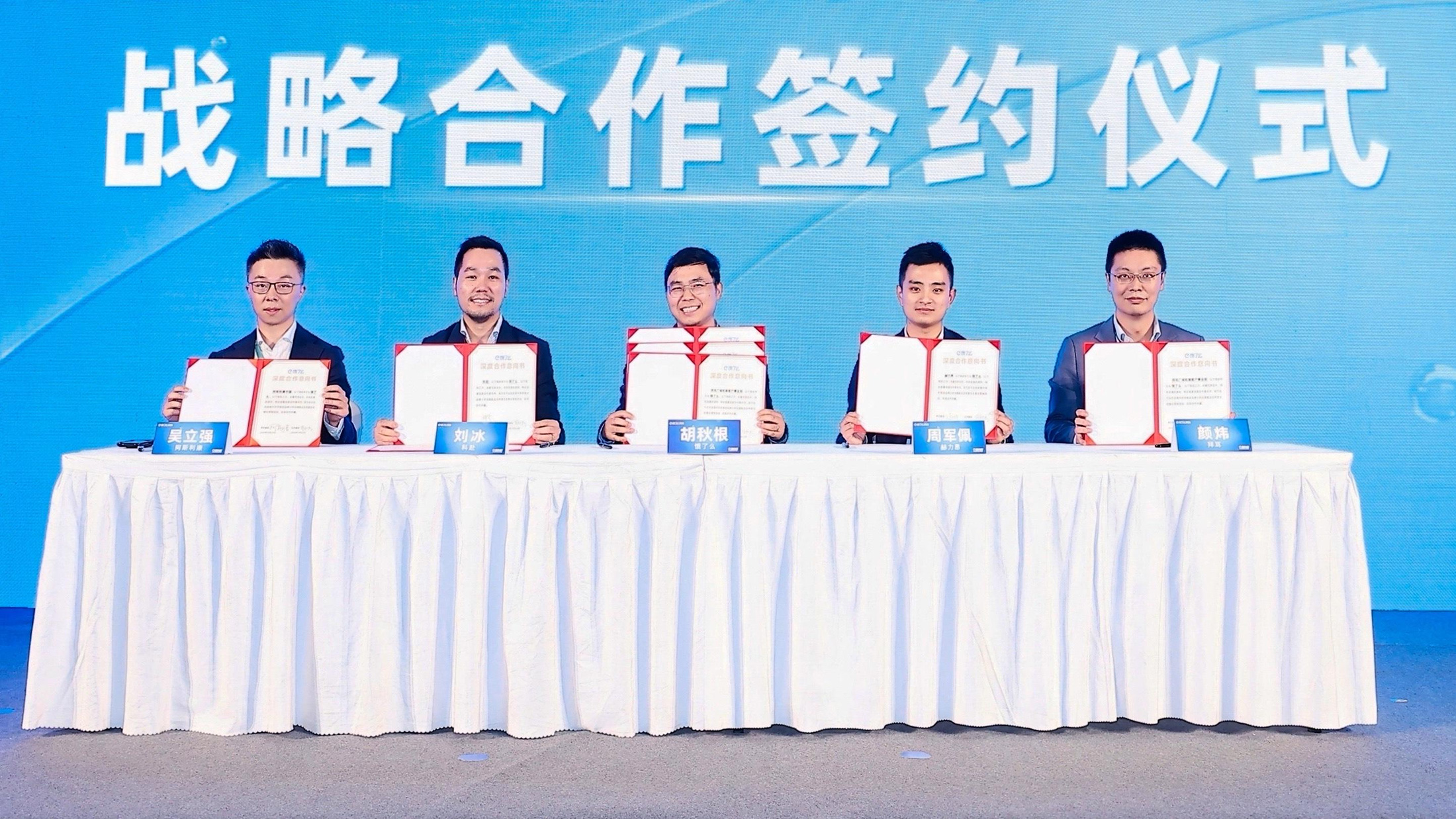
为进一步向用户提供安全、合理、科学、专业的医药健康服务,饿了么买药持续以数字化能力为商家赋能。活动中,饿了么、淘宝、支付宝、高德以及科赴、赫力昂、阿斯利康、拜耳签署战略合作协议,正式官宣了医药品牌“小时达”旗舰店的上线。

医药品牌大多没有线下直营门店,此前产品的即时零售运营只能依托各个门店渠道自行开展。随着品牌“小时达”旗舰店的发布,医药品牌商家将打破即时商业中时间和空间的限制,更好地直连运营消费者、服务消费者,同时实现更高效的线上线下一体运营。通过官方旗舰店,可以实现品牌对消费者直接的服务和流转渠道简化,串联线下门店,共同打造出包含品牌建设、用户互动到订单履约服务为一体的品牌增长新模式。

依托阿里旗下各业务及支付宝之间的协同,医药品牌可以在多个平台“一店多开”,并获得更多的用户流量。拥有了可以直接触达消费者的数字化阵地,医药品牌也得以围绕消费者需求,提供更加个性化的产品与服务,而这将为售卖其产品的广大药店提供更多的成交机会,直正实现多方共赢。

科赴(前身为强生消费者健康)成为首个开通品牌“小时达”旗舰店的医药品牌。近年来,科赴中国推出了美林退热贴、美林水水乐、泰诺安、息斯敏鼻用喷雾等广受欢迎的新品。科赴与饿了么24小时IP长期合作,今年4月,双方在北京市朝阳区香河园街道共同参与打造集“助老送餐+骑士驿站+在线问诊+24小时便捷买药”等服务于一体的“小蓝灯放心社区”,为社区居民增添安全感。

科赴中国销售部副总裁周璠表示:“通过品牌旗舰店,我们能够更懂用户,从而更好地服务用户。未来我们也将与饿了么一起以数字化助力提升社区服务,为居民打造更贴心的健康服务新场景。”

在开通旗舰店后,科赴可以在会员运营、店铺装修、品类导购、专业患教等方面拥有更多的个性运营能力。此外,品牌“小时达”旗舰店有利于通过整合营销构建品牌心智,基于饿了么及阿里生态的数字化能力,还能帮助品牌提升线下投放的效率。

“饿了么平台的药品订单数量持续保持30%的较高增速,全品类均呈现增长趋势,医药即时零售的新篇章已然开启,”王哲充满信心地表示,“饿了么买药将首批邀请20个优质的‘小时达’旗舰店入驻品牌,帮助他们打造200个以上年交易额千万级别的爆款商品。”

【版权提示】亿邦动力倡导尊重与保护知识产权。未经许可,任何人不得复制、转载、或以其他方式使用本网站的内容。如发现本站文章存在版权问题,烦请提供版权疑问、身份证明、版权证明、联系方式等发邮件至run@ebrun.com,我们将及时沟通与处理。

已点赞

+1

{{ praise_text }}

好文章,值得被更多人看到

FAQ回顾

饿了么药品即时配送的平均时长是多少?

饿了么平台药品订单的平均配送时长已缩短至21分钟,夜间送药订单量同比增速达50%以上。

饿了么医保购药服务覆盖哪些城市?

饿了么医保购药项目已在上海、广州等40个城市上线,合作医保门店近万家,累计服务患者近200万人次。

医药品牌小时达旗舰店有哪些运营优势?

品牌可通过旗舰店实现会员运营、品类导购、专业患教等个性化运营,整合营销构建品牌心智,提升线下投放效率。

广告

下一篇

征集报名《品牌数字化服务商资源手册》

《品牌数字化服务商资源手册》展示数字化服务商风采,亿邦全年零售大会通发,触达更多资源,马上加入!

马上入驻

lululemon杀入羽绒服赛道 思加图带杨幂用“玩梗”拿下年轻人丨电商“超品日”月报

能否和消费者谈一辈子的恋爱,源于是否能够洞察消费者内心的情感所归、欲望所在。我们关注到以下三个品牌案例,它们都不约而同地把握住了这一点。