• 亿邦公众号
    • APP下载

出海品牌更新黑五“账本”:投入更重的大促季 靠什么拿到回报?

作者:王昱 文章来源:亿邦动力

2026-11-27 16:11

作者:王昱 文章来源:亿邦动力

2026-11-27 16:11

邦小白快读
EN
全文速览

总1:今年黑五出海经营逻辑转向更重投入、更细预算和长期沉淀,钱花得更多但更讲究回报。

1. 成本上涨:关税和产品认证等合规成本、平台广告竞价、头尾程物流旺季溢价同步推高;3D打印品牌ENTINA小橙果备货投入增加,整体业绩已比去年增长约一倍。

2. 实操节奏:点音备货提前2-3个月,8月准备库存,慢船为主、快船少量,为查验和港口拥堵留缓冲;营销提前2-4周启动达人合作。

总2:大促从几天冲刺变成全年经营,促后沉淀和AI内容优化值得关注。

1. 促后经营:原力集团建议把促后30天自然流量纳入交付指标,挖掘再营销和尾货清仓;米多多建议DTC做EDM、社群私域和会员复购。

2. AI购物:65%美国消费者计划假日用AI完成至少一项购物任务;内容开头先说明适合人群、场景和核心差异,便于AI提取。

总1:品牌营销从低价折扣转向价值主张和心智资产,价格体系与产品价值感成为重点。

1. 定价与促销:VITURE坚守价格体系,不靠先涨后降制造折扣,不做伤害品牌的清货式促销;点音希望促销传递品牌价值,用产品展示、内容传播和真实体验讲清为何值得购买。

2. 产品与渠道:VITURE用配件套装覆盖游戏办公场景,联名款从镜盒开合、金属武器模型到开机界面音效做专属定制;拓展Best Buy、Costco、机场门店和核心商圈,推动亚马逊、官网与全球近500家线下门店全渠道协同,并自研软件和配件生态。

总2:内容营销更精细,用户沉淀和AI购物入口影响品牌增长。

1. 投放评估:达人报价涨幅约40%,吃鲸科技按达人能触达谁、能讲清什么价值、发完有无续作价值来评估;原力集团用素材测试和达人内容复用规模化对冲CPC上涨。

2. 用户运营:VITURE在Reddit、Discord与用户直接交流,创始人常参与;ENTINA靠产品体验和售后形成口碑;米多多建议DTC看LTV,加大EDM、社群私域和会员复购。

总1:黑五成本与流量风险上升,卖家需要用更早备货、更细预算和系统能力应对。

1. 风险提示:合规与关税压力增加,平台广告竞价持续走高,头尾程物流旺季溢价;旺季不同类目点击成本涨幅在30%-100%之间,部分达人报价涨幅约40%。

2. 应对措施:点音备货提前2-3个月,8月准备库存,慢船为主、快船少量,为查验、港口拥堵留缓冲;营销提前2-4周联系达人;各大平台10月中旬抢跑,不能押宝黑五网一几天。

总2:增长机会在AI购物入口、长线用户沉淀和服务商合作。

1. 机会提示:AI入口与购买流程连接,65%美国消费者计划假日用AI完成至少一项购物任务;要让商品被AI准确识别、理解和推荐;TikTok储备素材、FBA补库现货越早谋划越好。

2. 合作与沉淀:可与服务商在Reddit做品牌曝光和社区答疑、用博客优化抓取、投入付费AI广告;把促后30天自然流量纳入交付指标,DTC加大EDM、社群私域和会员复购。

总1:产品设计要承载品牌价值和真实场景,生产供应要更早、更稳、与履约联动。

1. 设计需求:点音让音响和显示设备不仅具备功能,也成为桌面空间的一部分,通过像素艺术、音乐和个性化内容表达兴趣审美;VITURE用配件套装覆盖游戏办公场景,联名款从镜盒开合、金属武器模型到开机界面音效做专属定制;Telesin围绕核心功能、差异化优势和真实使用场景做专业测评。

2. 生产供应:点音黑五备货提前2-3个月,8月准备库存,慢船为主、快船少量,提前发货给查验和港口拥堵留缓冲。

总2:数字化和电商推进要求工厂配合内容结构化与系统联动。

1. 系统联动:原力集团强调库存、广告、价格、履约、AI工具链要联动规划,FBA补库现货和TikTok储备素材越早谋划越好。

2. 内容适配:AI让泛流量变少、精准兴趣匹配变强,对素材颗粒度和独立站内容相关性要求高;内容开头先说明产品适合什么人群、哪些场景、核心差异,再解释原因,便于AI提取。

总1:客户痛点从缺流量转为流量贵且要可衡量,服务方案转向精细化投放、内容复用和促后经营。

1. 成本痛点:关税和产品认证等合规成本、平台广告竞价、头尾程物流旺季溢价同步上涨;达人报价涨幅约40%,旺季不同类目点击成本涨幅30%-100%;品牌预算更细,会追问达人能触达谁、能讲清什么价值、发完有无续作价值。

2. 解决方案:吃鲸科技先用小规模合作验证达人和场景,品牌认知内容考察是否触达目标人群,成交内容跟踪点击、加购和首购,每次投放说清为何投、投给谁和素材依据;原力集团帮客户把素材测试和达人内容复用做到规模化,用内容效率对冲CPC上涨。

总2:新技术与交付指标变化要求服务商延展能力。

1. AI内容:AI使泛流量变少、精准兴趣匹配变强,素材颗粒度和独立站相关性要求更高;Pattern建议内容开头说明适合人群、场景和核心差异,再解释原因。

2. 促后交付:米多多建议把促后30天自然流量纳入交付指标,挖掘预热、爆发、延展三段中的再营销和尾货清仓利润池;DTC卖家看LTV,加大EDM、社群私域和会员复购。

总1:商家对平台的需求集中在更低成本流量、更早节奏和AI可识别商品,平台做法趋向抢跑、AI入口和全渠道协同。

1. 需求与问题:平台广告竞价持续走高,旺季不同类目点击成本涨幅30%-100%;商家不能押宝黑五网一几天,各大平台10月中旬抢跑,需要更长周期内的预算分配和节奏把控。

2. 最新做法:Shopify指出AI入口与购买流程连接,65%美国消费者计划假日用AI完成至少一项购物任务;平台要让商品在AI购物入口中被准确识别、理解和推荐;Pattern建议内容开头说明适合人群、场景和核心差异,便于AI和搜索引擎理解。

总2:运营管理与风向规避要围绕全渠道、素材储备和促后工具展开。

1. 全渠道协同:VITURE推动亚马逊、品牌官网与全球近500家线下门店协同;原力集团强调FBA补库现货、TikTok储备素材越早谋划越好。

2. 招商与扶持方向:可围绕AI内容优化、素材颗粒度、独立站内容相关性、促后30天自然流量和再营销工具提供支持,帮助商家把旺季流量沉淀为长期用户。

总1:产业新动向是跨境电商从轻功铺货转向系统能力和长期经营,黑五大促变成马拉松和价值竞争。

1. 新问题:合规与关税压力增加、流量获取成本攀升、AI重塑购物路径和企业运营,使轻功慢慢失效;市场不再只奖励追风口、快速铺货,单点爆发和低价冲量难决定增长上限,竞争从单品单店转向系统能力。

2. 商业模式:黑五呈现更长备战、更精细预算、价值主张替代低价、促后沉淀;原力集团称全年播种年末收割,库存、广告、价格、履约、AI工具链要联动;米多多建议DTC看LTV,加大EDM、社群私域和会员复购。

总2:案例与政策启示显示品牌退出大促、AI购物入口和合规经营值得研究。

1. 案例启示:VITURE坚守价格体系,用配件、联名、线下体验和社区交流沉淀用户;Aporro从去年起不参与黑五,只保留品牌周年庆,认为真正品牌不需要黑五网一;点音多平台布局、在Reddit答疑、用博客优化抓取并投入付费AI广告。

2. 政策法规启示:文章提到产品认证等合规成本增加,提示企业把合规纳入全球经营体系;AI购物入口要求内容结构化,65%美国消费者计划假日用AI完成至少一项购物任务。

声明:快读内容全程由AI生成,请注意甄别信息。如您发现问题,请发送邮件至 run@ebrun.com 。

我是 品牌商 卖家 工厂 服务商 平台商 研究者 帮我再读一遍。

Quick Summary

Summary 1: This year’s Black Friday overseas operations are shifting toward heavier investment, tighter budgets, and long-term accumulation. Spending is higher, but ROI matters more.

1. Rising costs: tariffs, product certification and other compliance costs, platform ad bidding, and peak-season first- and last-mile logistics premiums are all pushing costs higher; the 3D-printing brand ENTINA and Xiaocheng Guo increased inventory investment, and overall performance has roughly doubled year over year.

2. Execution cadence: Divoom starts stocking 2–3 months earlier and prepares inventory in August, mainly via slow shipping with a small amount by fast shipping, leaving buffer for inspections and port congestion; marketing starts creator collaborations 2–4 weeks earlier.

Summary 2: Major promotions are moving from a few-day sprint to year-round operations, with post-promotion retention and AI content optimization worth watching.

1. Post-promotion operations: Yuanli Group recommends including 30 days of post-promotion organic traffic in delivery KPIs and exploring retargeting and leftover-inventory clearance; Miduoduo recommends that DTC brands use EDM, private-domain communities, and membership repurchases.

2. AI shopping: 65% of U.S. consumers plan to use AI for at least one shopping task during the holidays; content should start by stating the suitable audience, scenarios, and core differences so AI can extract them.

Summary 1: Brand marketing is shifting from low-price discounts to value propositions and mindshare assets; pricing architecture and perceived product value are becoming priorities.

1. Pricing and promotions: VITURE sticks to its pricing architecture, does not rely on raising prices before cutting them to create discounts, and avoids clearance-style promotions that damage the brand; Divoom wants promotions to communicate brand value, using product displays, content distribution, and real experiences to explain why the product is worth buying.

2. Products and channels: VITURE uses accessory bundles to cover gaming and office scenarios; collaboration editions include exclusive customization from glasses-case opening and closing, metal weapon models, to boot-screen sound effects; it is expanding into Best Buy, Costco, airport stores, and core commercial districts, driving omnichannel coordination across Amazon, its official website, and nearly 500 offline stores worldwide, while developing in-house software and an accessory ecosystem.

Summary 2: Content marketing is becoming more refined, and user retention and AI shopping entry points are affecting brand growth.

1. Campaign evaluation: creator rates have risen about 40%; Chijing Technology evaluates creators by who they can reach, what value they can explain clearly, and whether there is follow-up content value after posting; Yuanli Group uses creative testing and scaled creator-content repurposing to offset CPC increases.

2. User operations: VITURE communicates directly with users on Reddit and Discord, with founders often participating; ENTINA builds word of mouth through product experience and after-sales service; Miduoduo recommends that DTC brands look at LTV and increase EDM, private-domain communities, and membership repurchases.

Summary 1: Black Friday costs and traffic risks are rising; sellers need to respond with earlier stocking, tighter budgets, and system capabilities.

1. Risk alerts: compliance and tariff pressures are increasing, platform ad bidding continues to rise, and peak-season first- and last-mile logistics carry premiums; during peak season, click costs for different categories rise 30%–100%, and some creator rates rise about 40%.

2. Response measures: Divoom starts stocking 2–3 months earlier and prepares inventory in August, mainly via slow shipping with a small amount by fast shipping, leaving buffer for inspections and port congestion; marketing contacts creators 2–4 weeks earlier; major platforms start early in mid-October, so sellers cannot bet only on the few days of Black Friday and Cyber Monday.

Summary 2: Growth opportunities lie in AI shopping entry points, long-term user retention, and service-provider partnerships.

1. Opportunity alerts: AI entry points are connecting with the purchase journey, and 65% of U.S. consumers plan to use AI for at least one shopping task during the holidays; products need to be accurately recognized, understood, and recommended by AI; TikTok creative reserves and FBA replenishment in-stock inventory should be planned as early as possible.

2. Partnerships and retention: sellers can work with service providers on Reddit for brand exposure and community Q&A, use blogs to improve crawlability, and invest in paid AI ads; include 30 days of post-promotion organic traffic in delivery KPIs, and DTC brands should increase EDM, private-domain communities, and membership repurchases.

Summary 1: Product design must carry brand value and real scenarios, while production and supply must be earlier, more stable, and linked with fulfillment.

1. Design requirements: Divoom makes speakers and display devices not only functional but also part of the desktop space, expressing taste and aesthetics through pixel art, music, and personalized content; VITURE uses accessory bundles to cover gaming and office scenarios, with collaboration editions offering exclusive customization from glasses-case opening and closing, metal weapon models, to boot-screen sound effects; Telesin conducts professional reviews around core functions, differentiated advantages, and real usage scenarios.

2. Production and supply: Divoom starts Black Friday stocking 2–3 months earlier and prepares inventory in August, mainly via slow shipping with a small amount by fast shipping, and ships earlier to leave buffer for inspections and port congestion.

Summary 2: Digitalization and e-commerce expansion require factories to support content structuring and system integration.

1. System integration: Yuanli Group emphasizes that inventory, advertising, pricing, fulfillment, and AI toolchains must be planned in an integrated way; FBA replenishment in-stock inventory and TikTok creative reserves should be planned as early as possible.

2. Content adaptation: AI reduces broad traffic and strengthens precise interest matching, raising requirements for creative granularity and DTC site content relevance; content should first state which audiences the product suits, which scenarios it fits, and its core differences, then explain the reasons, making it easier for AI to extract.

Summary 1: Client pain points are shifting from lack of traffic to expensive traffic that must be measurable; service solutions are moving toward refined campaign delivery, content repurposing, and post-promotion operations.

1. Cost pain points: tariffs, product certification and other compliance costs, platform ad bidding, and peak-season first- and last-mile logistics premiums are rising together; creator rates have risen about 40%, and during peak season click costs for different categories rise 30%–100%; brand budgets are tighter, and brands ask who a creator can reach, what value the creator can explain clearly, and whether there is follow-up content value after posting.

2. Solutions: Chijing Technology first uses small-scale collaborations to validate creators and scenarios; awareness content examines whether it reaches target audiences, while conversion content tracks clicks, add-to-cart, and first purchases; each campaign should clearly explain why it is being run, whom it is targeting, and the creative rationale; Yuanli Group helps clients scale creative testing and creator-content repurposing, using content efficiency to offset CPC increases.

Summary 2: New technologies and changing delivery KPIs require service providers to extend their capabilities.

1. AI content: AI reduces broad traffic and strengthens precise interest matching, raising requirements for creative granularity and DTC site relevance; Pattern recommends that content start by stating the suitable audience, scenarios, and core differences, then explain the reasons.

2. Post-promotion delivery: Miduoduo recommends including 30 days of post-promotion organic traffic in delivery KPIs and exploring retargeting and leftover-inventory clearance profit pools across the preheating, peak, and extension phases; DTC sellers should look at LTV and increase EDM, private-domain communities, and membership repurchases.

Summary 1: Merchant demand for platforms centers on lower-cost traffic, earlier timing, and AI-recognizable products; platform approaches are moving toward early starts, AI entry points, and omnichannel coordination.

1. Demand and problems: platform ad bidding continues to rise, and during peak season click costs for different categories rise 30%–100%; merchants cannot bet only on the few days of Black Friday and Cyber Monday, as major platforms start early in mid-October, requiring budget allocation and cadence control over a longer cycle.

2. Latest approaches: Shopify notes that AI entry points are connecting with the purchase journey, and 65% of U.S. consumers plan to use AI for at least one shopping task during the holidays; platforms need products to be accurately recognized, understood, and recommended in AI shopping entry points; Pattern recommends that content start by stating the suitable audience, scenarios, and core differences so AI and search engines can understand it.

Summary 2: Operations management and trend avoidance should focus on omnichannel, creative reserves, and post-promotion tools.

1. Omnichannel coordination: VITURE is driving coordination across Amazon, its brand website, and nearly 500 offline stores worldwide; Yuanli Group emphasizes that FBA replenishment in-stock inventory and TikTok creative reserves should be planned as early as possible.

2. Merchant acquisition and support direction: support can be provided around AI content optimization, creative granularity, DTC site content relevance, 30 days of post-promotion organic traffic, and retargeting tools, helping merchants turn peak-season traffic into long-term users.

Summary 1: The new industry direction is that cross-border e-commerce is shifting from asset-light broad listing to system capabilities and long-term operations; Black Friday is becoming a marathon and a competition over value.

1. New issues: compliance and tariff pressures are increasing, traffic acquisition costs are climbing, and AI is reshaping shopping paths and corporate operations, gradually making asset-light approaches less effective; the market no longer rewards only trend-chasing and rapid broad listing, and single-point spikes and low-price volume pushes struggle to determine the growth ceiling; competition is shifting from single products and single stores to system capabilities.

2. Business models: Black Friday shows longer preparation, tighter budgets, value propositions replacing low prices, and post-promotion retention; Yuanli Group describes it as sowing all year and harvesting at year-end, with inventory, advertising, pricing, fulfillment, and AI toolchains planned in an integrated way; Miduoduo recommends that DTC brands look at LTV and increase EDM, private-domain communities, and membership repurchases.

Summary 2: Case and policy implications show that brands exiting major promotions, AI shopping entry points, and compliant operations are worth studying.

1. Case implications: VITURE sticks to its pricing architecture and retains users through accessories, collaborations, offline experiences, and community communication; Aporro has not participated in Black Friday since last year and keeps only its brand anniversary, believing that a true brand does not need Black Friday or Cyber Monday; Divoom has a multi-platform presence, answers questions on Reddit, uses blogs to improve crawlability, and invests in paid AI ads.

2. Policy and regulatory implications: the article mentions rising compliance costs such as product certification, indicating that companies should integrate compliance into their global operating systems; AI shopping entry points require structured content, and 65% of U.S. consumers plan to use AI for at least one shopping task during the holidays.

Disclaimer: The "Quick Summary" content is entirely generated by AI. Please exercise discretion when interpreting the information. For issues or corrections, please email run@ebrun.com .

I am a Brand Seller Factory Service Provider Marketplace Seller Researcher Read it again.

出海品牌的黑五之变。

文丨王昱    编辑丨何洋

【亿邦原创】2026年,跨境电商行业经历了一场经营逻辑的变革:合规与关税压力持续增加,流量获取成本不断攀升,AI又开始重塑消费者购物路径和企业运营方式……曾在过去很长一段时间内发挥作用的“轻功”慢慢失效。

市场不再只奖励那些善于追逐风口、快速铺货的玩家,而是开始考验企业能否建立一套真正能打的全球经营体系——从产品研发、供应链管理,到品牌心智、用户运营,再到组织效率与技术应用,每个环节都需要更多的投入。外部红利终有退潮时,只有那些把能力沉淀为自身“重力”的玩家,才能获得持续增长的动能。

这一转变在今年的黑五大促季集中体现出来。商家的备战周期更长、预算投入更精细,价值主张开始替代低价竞争,促后用户沉淀被放到更重要的位置……虽然折扣和流量依然重要,但决定增长上限的,绝不是单点爆发与低价冲量。

为此,亿邦动力调研了十余家不同赛道的出海品牌及各领域服务商代表,试图透过今年黑五大促季的变化,总结出海企业如何在新时期构建支撑长期增长的竞争力。

钱花得更多,但也花得更细

黑五大促变得“更重”,最显著的指标是“花的钱更多了”。根据亿邦动力的调研,几乎所有被访品牌都指出,今年在黑五大促期间的投入更甚往年。

原因之一是外部环境变化。海外仓服务商谷仓的相关负责人指出,跨境商家在成本端有三笔账同步水涨船高:一是关税、产品认证等合规成本增加,二是平台广告竞价持续走高,三是头尾程物流在旺季出现溢价。

当然,更重要的是商家基于市场竞争形势的主动出击。“今年备货投入比去年增加了不少,行业整体情况和我们自身销售表现都比去年好——目前整体业绩已经比去年增长了约一倍。”做3D打印机的ENTINA小橙果向亿邦动力坦言。另外,3D打印品类的头部集中度较高,新锐玩家如果不投入广告去争取靠前位置,很难获得足够的流量,后续销售就会受到影响。

图片

广告和营销费用的增加,也伴随着预算分配方式的系统化与精细化。靠一套爆品素材、一个落地页就能在黑五吃一波红利的情况,已经一去不返。花得多,更要花得细、让每一分钱都花得值,成为不少品牌的共识。

红人营销机构吃鲸科技CEO吉翔谈道:“今年我们接触的部分达人,报价涨幅达到了40%左右。成本一涨,品牌在做预算时自然会问得更细:这个达人能触达哪些人?能把产品的什么价值讲清楚?这条内容发完之后,还有没有继续合作的价值?”

预算投入需要可验证、可衡量,也需要有清晰的投放逻辑,黑五大促的执行颗粒度进一步细化。吉翔用一家科技产品品牌客户的推广场景打比方:先用小规模合作验证,弄清哪类达人能把产品讲明白、哪个场景最能引起目标用户的兴趣;主攻品牌认知的内容,要考察其是否触达目标人群;促进成交转化的内容,必须跟踪点击、加购和首购;每次投放,都必须跟客户说清为什么要投、投给谁,以及选取素材的依据等。

另一方面,在品牌“精打细算”的背景下,内容营销的转化纵深也被不断拉长,服务商们都开始探索让客户觉得更物有所值的新打法。比如,营销服务商原力集团就指出:“代理商如果能帮客户把素材测试和达人内容复用做到规模化,就能在CPC上涨的背景下用内容效率对冲流量成本。”

不再“临时抱佛脚”,旺季“马拉松”考验系统韧性

黑五大促变得“更重”,除了体现在品牌的开支账单中,还体现在运营团队时间与精力的投入上。

“各大平台从10月中旬就开始抢跑。卖家不能再押宝黑五网一那几天,而是考验更长周期内的预算分配和节奏把控。”营销服务商米多多将这一变化概括为大促的“马拉松化”。

图片

备战越来越早,是很多品牌的直观感受。像素音响品牌点音透露,今年黑五,其备货时间比往年提前了2-3个月,8月份就开始准备库存,并调整发货策略,以成本相对较低的慢船为主,少量搭配快船,整体发货时间相应提前。这样做,一方面是为了缓解旺季运费上涨带来的成本压力,“该花花,该省省”;另一方面则是为查验、港口拥堵以及各种潜在风险预留缓冲时间。

营销侧同样需要打好时间差。点音表示,今年进一步延长了营销蓄水周期,提前规划品牌内容和达人合作:过去可能在旺季前一两周才集中联系达人、安排内容发布,现在会提前2-4周启动合作,为旺季做足铺垫。

“进入旺季,不同类目点击成本涨幅在30%-100%之间,在非活动日积累消费者认知,比等到活动当天再争夺注意力,成本更低。”Pattern栢藤分享到。

另一值得关注的趋势是,“临时抱佛脚”式的追量投放所能带来的市场效果越来越差。“黑五变重是个事实,关键在于正确增重。”原力集团谈道,贵的核心不是花钱门槛变高,是光靠砸钱解决不了问题了。真正的增长杠杆在于系统能力的强化:库存、广告、价格、履约、AI工具链要联动规划,不管是FBA补库现货,还是TikTok储备素材,都是越早谋划越好。

“竞争,从单品单店的比拼转向了系统能力的比拼。”原力集团坦言,“对于有完整体系的卖家,高流量成本反而是淘汰对手的利好;而没有体系的,只会越投越亏。”

吃鲸科技CEO吉翔也指出,现在的黑五大促本质上是“全年播种,年末收割”:更有把握的增量,是把全年积累下来的用户兴趣在黑五转成订单。因此,内容和用户运营都讲究一个“回扣动作”。比如,年中的某条测评下面有用户问两款产品怎么选,旺季就可以做达人回访,讲讲用了几个月之后,哪些功能还在用、两款分别适合谁,完成一波从“打窝”到“收网”的订单转化。

一批出海品牌已在培育这种“长线埋钩”的系统化能力。点音就谈道:“我们现在不再依赖单一广告或折扣活动拉动销售,而是通过广告、促销、新媒体、达人合作、供应链等内部多个环节的协同,来提升旺季整体运营效率。”他们希望消费者在真正进入购买阶段之前,已经通过达人内容、新媒体和品牌传播被多次触达,沉淀了可供激发的心智基础。

冲刺GMV之外,更重视促后沉淀

对于如何衡量黑五业绩,出海品牌们也有了新的体悟。相比于当期GMV,分量更重的是能否从旺季流量中拦截、沉淀下长期增量,把单次成交落地为细水长流的用户忠诚。

“大促带来的新用户,之后能不能通过配件、软件更新和社区持续用下去,比大促当天的成交更重要。”AR眼镜品牌VITURE跨境运营负责人吴树杰表示,大促终会过去,但对品牌形成的第一印象却会留存很久。VITURE希望每次大促都能加重自己在用户心中的分量,而非透支好感。

为此,VITURE特别注重促后的用户运营,长期在Reddit、Discord等海外社区和用户直接交流,创始人也经常亲自参与讨论,利用持续的内容互动留住用户。

ENTINA小橙果也表示,更看重通过产品体验和持续的售后服务,让消费者认可品牌,进而带来更多“自来水”用户的口碑传播。

图片

某种程度上来说,黑五大促对众多出海品牌而言,不再是毕其功于一役,促后经营的重要性并不比促前备战、促中猛攻更低。

“不能只盯着黑五当周的ACOS,合理的做法是把促后30天的自然流量都提升也纳入交付指标。”原力集团提醒卖家,在“预热—爆发—延展”三段结构中,延展期的再营销和尾货清仓是一个被严重忽视的利润池,值得深入挖掘。

米多多则建议,品牌应将客户生命周期价值(LTV)纳入长期经营考量。尤其对于DTC独立站卖家而言,需要加大对邮件营销(EDM)、社群私域和会员复购的投入,通过激活存量用户、持续获取长尾订单,逐步摊薄前期流量投放成本。

当然,也有一些品牌的态度更为激进。在其看来,日常用户关系的维护和产品服务体验,远比追逐电商平台的促销节点更重要。饰品潮牌Aporro主理人陈群成就直言,从去年开始,Aporro便不再参与黑五这类行业通用的大促活动,只保留品牌周年庆等专属活动。“LV不需要黑五网一,真正的品牌亦如是。”他说。

拒绝低价导向,重新为品牌价值定价

支出更多、运营更细,品牌们主动迎接一个“更重”黑五的同时,也在寻求与自身投入相匹配的价值回报。

从依赖流量漫灌到激活心智资产,让用户理解品牌的价值主张,进而摆脱低价竞争、提升溢价,几乎是所有品牌都为之努力的方向。

“让促销活动传递品牌价值,而不只是强调价格优惠。”点音向亿邦动力表示,今年黑五营销上,希望通过产品展示、内容传播和真实体验,让消费者理解产品为什么值得购买。“例如,我们的音响和显示设备不仅具备电子产品的功能,也可以成为桌面空间的一部分,消费者能够通过像素艺术、音乐和个性化内容表达自己的兴趣与审美。”

VITURE也表示,会坚守价格体系,不靠“先涨后降”制造折扣,也不做伤害品牌的清货式促销。“相较于以降价做卖点,我们更倾向于用价值来说服用户。”吴树杰指出。为了让消费者清晰感知品牌价值、认可产品定价,VITURE在三个方面做足了功课。

其一,是提升产品本身的价值感:配件套装让用户一次买齐游戏或办公场景;联名款则把产品做成收藏级,从镜盒的开合方式、金属武器模型到开机界面和音效都做了专属定制,让玩家买到的是一件有情感价值的作品。

其二,是把品牌价值延伸至线下体验,让第一次接触XR眼镜的消费者能够“看得懂、试得到”。

“XR眼镜是一个需要先体验、再购买的新品类;戴上三秒,胜过看一百遍介绍。”吴树杰表示。为此,VITURE持续拓展线下体验网络,扩展从Best Buy、Costco等零售渠道到机场门店和城市核心商圈的体验空间,并推动亚马逊、品牌官网与全球近500家线下门店之间的全渠道协同。

其三,是持续完善周边生态。深耕产品口碑与用户评价、自研软件和配件生态,是“拴住用户”、为品牌赢得更稳定转化的法宝。

AI影响不断放大,内容“做重做细”成为必选项

在各种长期主义战略的常量之外,今年的黑五大促,还增添了AI这个新变量。

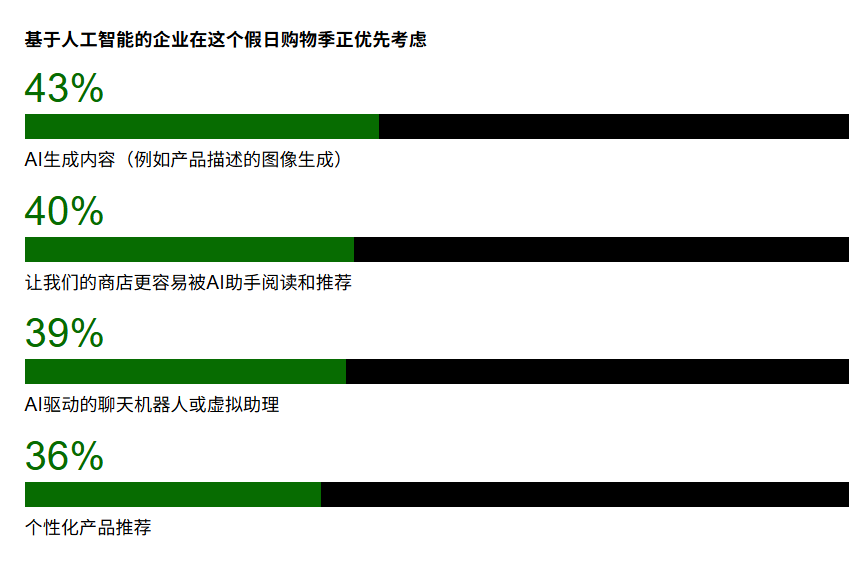
Shopify就指出,AI带来的流量变得愈发不可忽视。AI入口与购买流程的连接,有望让购物兴趣进一步转化为订单。据其统计,65%的美国消费者计划在假日购物季使用AI完成至少一项购物任务。
图片

因此,如何让商品在AI购物入口中被准确识别、理解和推荐,成了出海品牌拓展客源的新机会。

与此同时,商家们的内容矩阵、广告素材也必须同步进化。“无论是广告平台的底层算法,还是消费者的购物搜索路径,AI的深度介入,都让‘泛流量’变少、‘精准兴趣匹配’变强。这对广告素材的颗粒度和独立站内容的相关性提出了极高要求。”米多多指出。

Pattern栢藤亚洲高级经理Hiro Suga提出了一种具体的内容优化方法:在内容开头就说明产品适合什么人群、适用于哪些场景,以及核心差异是什么,再进一步解释原因。在他看来,这种结构既便于AI提取关键信息,也有助于消费者和搜索引擎快速理解商品。

面对AI,不少品牌也开始从内容生产、素材组织和信息表达等层面探索新打法。

摄影器材品牌Telesin泰迅CMO Heymi表示,今年黑五,他们围绕重点产品的核心功能、差异化优势和真实使用场景进行海外专业媒体、YouTube测评创作者以及社交媒体的内容传播。

“例如,在手机影像领域,我们希望让消费者理解大师影像套装能够为iPhone带来怎样不同的拍摄体验,而不仅仅是告诉消费者这款产品正在打折。”其表示,尤其是对于重点新品和核心产品,Telesin会集中优质创作者资源,提供更多专业测评和场景化内容。

点音也指出,AI流量分发机制的变化,正越来越多地左右其内容经营策略。“这些变化驱动我们采用更多元的手段来引流。AI喜欢抓取规律性的内容,包括消费者评论以及第三方评测,因此我们也在多平台布局,以实现宽泛覆盖和前期铺垫。”

比如,点音与相关服务商合作,在Reddit进行品牌曝光和社区答疑,包括针对一些负面话题进行澄清和解释。同时,其独立站团队持续撰写博客以优化抓取几率。另一方面,点音也开始为AI引擎付出真金白银,今年黑五已经做了付费AI广告投入。

亿邦持续追踪报道该情报,如想了解更多与本文相关信息,请扫码关注作者微信。

本文首发于 亿邦动力 官方网站

【版权提示】亿邦动力倡导尊重与保护知识产权。未经许可,任何人不得复制、转载、或以其他方式使用本网站的内容。如发现本站文章存在版权问题,烦请提供版权疑问、身份证明、版权证明、联系方式等发邮件至run@ebrun.com,我们将及时沟通与处理。

已点赞

+1

{{ praise_text }}

好文章,值得被更多人看到

FAQ回顾

为什么出海品牌在黑五大促中的投入越来越大?

成本端,关税与产品认证等合规成本增加、平台广告竞价走高、头尾程物流旺季溢价;竞争端,品牌为抢占流量和排位主动加码。调研显示几乎所有被访品牌今年投入更甚往年,部分达人报价涨幅约40%,旺季不同类目点击成本涨幅达30%-100%。

出海品牌如何应对黑五大促流量成本上涨?

把预算做得更细、可衡量:按达人触达人群、内容价值和后续合作评估投放;提前2-4周启动达人合作、提前2-3个月备货;把素材测试和达人内容复用规模化,以内容效率对冲流量成本,并联动库存、广告、价格、履约与AI工具链。

黑五大促“马拉松化”对卖家运营意味着什么?

平台从10月中旬开始抢跑,卖家不能只押宝黑五网一几天,而要拉长备战和蓄水周期。点音提前2-3个月备货、以慢船为主少量快船,并提前2-4周安排达人内容;竞争从单品单店转向库存、广告、价格、履约、AI工具链的系统能力比拼。

AI正在如何改变黑五大促的流量与内容策略?

Shopify统计,65%的美国消费者计划在假日购物季用AI完成至少一项购物任务。AI入口连接购买流程,使泛流量变少、精准兴趣匹配变强,要求广告素材更细、独立站内容更相关;内容开头应说明适合人群、使用场景和核心差异,品牌也可布局评论、第三方测评及付费AI广告。

出海品牌为什么更重视黑五大促后的用户沉淀?

大促新用户能否通过配件、软件更新和社区持续使用,比当天成交更重要。VITURE长期在Reddit、Discord与用户交流;原力集团建议把促后30天自然流量纳入交付指标,挖掘延展期再营销和尾货清仓;米多多建议DTC卖家加大EDM、社群私域和会员复购,以LTV摊薄获客成本。

广告

下一篇

跨境电商资源对接

《全球跨境电商服务商资源手册》第二期手册现已发布,触达更多资源,了解跨境服务商信息,欢迎点击链接下载。

了解详情

从工具交付到智能增长 跨境服务谁能赢在下一个十年?

全球电商正步入“总量扩张、增速趋稳”的常态化精耕期。据eMarketer预测,2026至2028年全球零售电商增长率将维持在7.2%至6.9%的个位数区间。