• 亿邦公众号
    • APP下载

朗石战略咨询王锐:名创优品如何把“逛场”做成大生意?

作者:亿邦动力 文章来源:亿邦动力

2026-11-25 10:05

作者:亿邦动力 文章来源:亿邦动力

2026-11-25 10:05

邦小白快读

EN
全文速览

总1:先看顾客在做什么选择,门店要同时承接渠道品牌和产品品牌两种选择。

1.顾客可能先决定去哪家店,也可能先决定买哪个牌子,经营重点要随选择变化;名创优品从渠道长处出发,用有辨识度的商品增加进店理由。

2.门店分为买场和逛场,发绳、棉签、拖鞋等日用品购买弹性大,店好找、货够多、常上新,顺路客流可变成交易。

总2:用生活用品+IP和反馈机制把生意做可持续。

1.IP给日用品增加功能之外的购买动机,芭比联名开发超120个SKU、覆盖12个生活潮流品类;香薰、IP盲盒是重点品类,广州旗舰店设香氛体验空间。

2.出海2.0要经营本地需求,印尼三丽鸥主题店保留主题方式但按当地喜好定主推角色;美国Plaza顾客出发前选店,选址选品要打造心智品类。

3.用公式找瓶颈:需求=人群×场景×(动机-障碍),新品看需求规模频次、供应链标准化、一级痛点、用户抱怨和将就,复购和评论验证下一笔投入。

总1:品牌升级从顾客选择出发,先判断顾客先选店还是先选品牌。

1.产品品牌与渠道品牌会改变经营重点,名创优品从渠道长处出发,再用有辨识度的商品增加进店理由。

2.买场顾客带着任务,逛场顾客看到门头橱窗或有趣商品才决定买;触发购买分手选、脚选、脑选,长期壁垒排序先脑再脚再手。

总2:生活用品+IP是产品研发和营销主线。

1.从卖商品到卖IP,让角色本身成为购买理由,再用造型和系列设计做差异;芭比联名开发超120个SKU、覆盖12个生活潮流品类。

2.大师香薰和IP盲盒是重点品类,香薰把花艺与无火香薰结合并设体验空间;上海淮海路旗舰店做哈利波特主题分区,Wink笑脸承担品牌识别,营销飞轮让上新和门店体验成为传播素材。

总3:出海要本土经营,用心智品类解决选址选品。

1.出海2.0经营当地消费者需求,把门店洞察带回选品、开发和营销;海外用经销、零售合伙人和直营,北美战略市场以直营获取本地洞察。

2.印尼三丽鸥主题店保留主题方式但按当地喜好定主推角色,邀当地演员参与开业并代言香水;美国Plaza顾客出发前选店,要回答顾客为何专门开车来,打造一两个心智品类。

总1:出海模式从1.0走向2.0,合作方式多样。

1.出海1.0以国家代理商订货、经营当地市场为主;出海2.0经营当地消费者需求,把门店了解带回选品、商品开发和营销。

2.海外采用经销、零售合伙人和直营等模式,北美等战略市场用直营获取本地消费者洞察和经营经验。

3.萧山推出外贸青蓝计划品牌跃迁,面向区内优质亿级外贸企业,借全球跨境电商知识服务中心等平台补品牌战略认知,用好数字化、AI工具。

总2:增长市场与机会提示。

1.印尼三丽鸥系列在年轻消费者中受欢迎,可做成独立门店主题,并邀当地演员参与开业、担任香水品类代言人。

2.美国Plaza顾客出发前选好店,要打造心智品类,先找当地原有采购需求和周边未满足需求。

3.用需求=人群×场景×(动机-障碍)拆解消费需求,新品找需求规模频次、供应链标准化、一级痛点、用户抱怨和将就。

总3:风险与可学习点。

1.部分企业重供应链轻品牌,存在价格竞争、市场定价能力不足的问题。

2.用复购和评论验证,判断下一笔投产品、渠道还是传播。

总1:产品设计要围绕角色和使用过程。

1.从卖商品到卖IP,角色本身成为购买理由,用造型和系列设计做差异;芭比联名超120个SKU覆盖12个品类,要同时考虑哪些商品表现角色、哪些适合搭配购买、组货如何配合主题上市。

2.香薰把花艺与无火香薰结合,门店设香氛体验空间;主题店按学院分区陈列。

3.新品测试要还原具体使用过程,如速干巾覆盖吸汗、干燥、收纳三个环节。

总2:商业机会与交付能力。

1.找需求有规模、频次足够、供应链可标准化的机会,确认销量上来后还能稳定交付。

2.找一级痛点和向往,追问顾客最抱怨什么、一直在将就什么。

3.出海本地化会改变选品,印尼按当地喜好定主推角色,美国Plaza要打造心智品类。

总3:数字化和电商启示。

1.商品上新和门店体验提供可传播内容,到店体验和分享成为下一轮传播素材。

2.复购和评论是验证信号,帮助企业决定下一笔投产品、渠道还是传播;政策提到用好数字化、AI工具夯实出海竞争力。

总1:行业趋势是品牌出海与本土经营。

1.外贸从产品出海转向品牌出海,出海1.0靠国家代理商订货,2.0经营当地消费者需求,把门店洞察带回选品、开发和营销。

2.海外用经销、零售合伙人和直营,北美战略市场直营获取本地经验;生活用品+IP、心智品类、渠道业态影响选品成为可服务方向。

总2:客户痛点集中在品牌认知和增长判断。

1.部分企业重供应链轻品牌,价格竞争和市场定价能力不足。

2.不知道顾客为何进店、拿起商品、复购,选址选品缺依据。

3.新品不知道找什么需求、改哪里、如何验证。

总3:解决方案。

1.用三问区分产品品牌与渠道品牌、买场与逛场、逛的需求,用手选脚选脑选和先脑再脚再手排序。

2.用品牌规模公式和需求=人群×场景×(动机-障碍)找瓶颈。

3.用新品三法则、复购评论验证,配合营销飞轮和数字化、AI工具。

总1:平台要接住外贸企业品牌出海需求。

1.企业从产品出海转向品牌出海,现实难题是重供应链轻品牌、价格竞争和市场定价能力不足。

2.平台可帮助企业补品牌战略认知短板,用好数字化、AI等工具,夯实出海竞争力。

总2:平台最新做法和运营管理。

1.萧山跨境电商出口规模居全省第一,区商务局在综试区支持下推出外贸青蓝计划品牌跃迁,依托全球跨境电商知识服务中心等平台载体。

2.活动由全球跨境电商知识服务中心、亿邦动力马蹄社主办,面向区内优质亿级外贸企业,立足本地外贸与制造业基础。

3.培育内容可用名创优品案例:三问、生活用品+IP、出海2.0、心智品类、公式和复购评论验证。

总3:招商与风向规避。

1.招商对象是优质亿级外贸企业,目标是培育更多萧山本土出海品牌。

2.要规避只重供应链轻品牌、陷入价格竞争、市场定价能力不足。

3.运营可引导企业用门店和用户反馈做选品、开发、营销,用数字化、AI工具补能力。

总1:产业新动向是零售品牌从渠道品牌向全球超级品牌升级。

1.名创优品路径是守住生活用品和性价比基础,把IP兴趣和体验做进商品。

2.生活用品+IP从卖商品到卖IP,芭比联名超120个SKU覆盖12个品类,香薰和IP盲盒为重点,门店体验和营销飞轮配合。

3.出海2.0从国家代理商订货转向经营当地消费者需求,海外采用经销、零售合伙人和直营,北美直营获取本地洞察。

总2:新问题与理论工具。

1.顾客选择分产品品牌与渠道品牌、买场与逛场,触发购买分手选脚选脑选,壁垒排序先脑再脚再手。

2.品牌规模=需求规模×该品类在需求中的份额×品牌在该品类中的心智份额;需求=人群×场景×(动机-障碍)。

3.新品三法则:需求规模频次与供应链标准化、一级痛点和向往、用户洞察还原使用过程,复购和评论做价值验证。

总3:政策启示和商业模式。

1.萧山跨境电商出口规模全省第一,外贸青蓝计划品牌跃迁回应产品出海到品牌出海,解决重供应链轻品牌、价格竞争、定价能力不足。

2.商业模式可概括为渠道长处+IP商品+本地化门店+心智品类+反馈迭代。

3.平台载体和数字化、AI工具可用于补品牌战略认知。

声明:快读内容全程由AI生成,请注意甄别信息。如您发现问题,请发送邮件至 run@ebrun.com 。

我是 品牌商 卖家 工厂 服务商 平台商 研究者 帮我再读一遍。

Quick Summary

Summary 1: Start with what choice customers are making; stores must serve both channel-brand and product-brand choices.

1. Customers may first decide which store to visit or which brand to buy, so the operating focus must shift with that choice. MINISO starts from its channel strengths and uses distinctive products to give customers more reasons to enter.

2. Stores fall into purchase-oriented and browsing-oriented formats. Daily necessities such as hair ties, cotton swabs, and slippers have high purchase elasticity; if the store is easy to find, well stocked, and frequently refreshed, passing traffic can convert into transactions.

Summary 2: Make the business sustainable through lifestyle essentials + IP and feedback mechanisms.

1. IP adds purchase motivations beyond function to daily necessities. The Barbie collaboration developed more than 120 SKUs across 12 lifestyle trend categories; fragrance and IP blind boxes are key categories, and the Guangzhou flagship store includes a fragrance experience space.

2. Going global 2.0 requires serving local demand. The Sanrio-themed store in Indonesia keeps the themed approach but selects main characters according to local preferences; at the U.S. Plaza store, customers choose the store before setting out, so location and assortment must build mind-share categories.

3. Use a formula to identify bottlenecks: demand = audience × scenario × (motivation − barriers). For new products, assess demand size and frequency, supply-chain standardization, primary pain points, user complaints, and compromises; repeat purchases and reviews validate the next investment.

Summary 1: Brand upgrading starts from customer choice; first determine whether customers choose the store or the brand first.

1. Product brands and channel brands change the operating focus. MINISO starts from channel strengths and then uses distinctive products to give customers more reasons to enter.

2. Purchase-oriented customers arrive with a task, while browsing-oriented customers decide to buy only after seeing the storefront, windows, or interesting products. Purchase triggers can be hand-led, foot-led, or brain-led, and long-term moats should be prioritized as brain first, then foot, then hand.

Summary 2: Lifestyle essentials + IP is the main line for product development and marketing.

1. Move from selling products to selling IP, making the characters themselves a reason to buy, then use styling and series design to differentiate. The Barbie collaboration developed more than 120 SKUs across 12 lifestyle trend categories.

2. Master fragrance and IP blind boxes are key categories. Fragrance combines floral art with flameless fragrance and includes an experience space; the Shanghai Huaihai Road flagship store has Harry Potter-themed zones, the Wink smiley face drives brand recognition, and the marketing flywheel turns new launches and store experiences into communication assets.

Summary 3: Going global requires local operations, and mind-share categories solve location and assortment decisions.

1. Going global 2.0 serves local consumer demand and brings store insights back into assortment, development, and marketing. Overseas operations use distribution, retail partners, and direct operation; in strategic markets such as North America, direct operation is used to gain local insights.

2. The Sanrio-themed store in Indonesia keeps the themed approach but selects main characters according to local preferences and invites local actors to join the opening and endorse fragrance. At the U.S. Plaza store, customers choose the store before setting out; the brand must answer why customers would drive there specifically and build one or two mind-share categories.

Summary 1: The going-global model is moving from 1.0 to 2.0, with diverse forms of cooperation.

1. Going global 1.0 mainly relies on national distributors placing orders and operating local markets; going global 2.0 serves local consumer demand and brings store knowledge back into assortment, product development, and marketing.

2. Overseas operations use distribution, retail partners, and direct operation. In strategic markets such as North America, direct operation is used to gain local consumer insight and operating experience.

3. Xiaoshan launched the Foreign Trade Qinglan Program Brand Leap for high-quality, billion-level foreign trade enterprises in the district. It uses platforms such as the Global Cross-border E-commerce Knowledge Service Center to strengthen brand strategy awareness and make good use of digital and AI tools.

Summary 2: Growth markets and opportunity signals.

1. The Sanrio series in Indonesia is popular among young consumers and can be developed into an independent store theme, with local actors invited to join the opening and serve as fragrance category ambassadors.

2. At the U.S. Plaza store, customers choose the store before setting out. The brand must build mind-share categories and first identify existing local purchasing needs and unmet demand nearby.

3. Use demand = audience × scenario × (motivation − barriers) to break down consumer demand. For new products, assess demand size and frequency, supply-chain standardization, primary pain points, user complaints, and compromises.

Summary 3: Risks and lessons to learn.

1. Some companies emphasize supply chains over brands, leading to price competition and insufficient market pricing power.

2. Use repeat purchases and reviews as validation to decide whether the next investment should go into products, channels, or communication.

Summary 1: Product design should center on characters and the usage process.

1. Move from selling products to selling IP; the characters themselves become a reason to buy, and styling and series design create differentiation. The Barbie collaboration has more than 120 SKUs across 12 categories; companies must consider which products express the characters, which are suitable for add-on purchases, and how assortment planning should support the themed launch.

2. Fragrance combines floral art with flameless fragrance, and stores include fragrance experience spaces; themed stores arrange displays by college or house zones.

3. New-product testing should recreate specific usage processes, such as quick-dry towels covering sweat absorption, drying, and storage.

Summary 2: Commercial opportunities and delivery capability.

1. Seek opportunities where demand has scale, sufficient frequency, and a supply chain that can be standardized; confirm that stable delivery remains possible after sales volume rises.

2. Identify primary pain points and aspirations, and ask what customers complain about most and what they have long been settling for.

3. Localization in going global changes assortment. In Indonesia, main characters are selected according to local preferences; at the U.S. Plaza store, the brand needs to build mind-share categories.

Summary 3: Implications for digitalization and e-commerce.

1. New product launches and store experiences provide communicable content; in-store experiences and sharing become material for the next round of communication.

2. Repeat purchases and reviews are validation signals that help companies decide whether the next investment should go into products, channels, or communication; policy mentions making good use of digital and AI tools to strengthen going-global competitiveness.

Summary 1: The industry trend is brand going global and local operations.

1. Foreign trade is shifting from product going global to brand going global. Going global 1.0 relies on national distributors placing orders; 2.0 serves local consumer demand and brings store insights back into assortment, development, and marketing.

2. Overseas operations use distribution, retail partners, and direct operation; in strategic markets such as North America, direct operation is used to gain local experience. Lifestyle essentials + IP, mind-share categories, and channel formats affecting assortment are serviceable directions.

Summary 2: Client pain points center on brand awareness and growth judgment.

1. Some companies emphasize supply chains over brands, with price competition and insufficient market pricing power.

2. They do not know why customers enter the store, pick up products, or repurchase, and lack a basis for location and assortment decisions.

3. For new products, they do not know what demand to target, what to change, or how to validate.

Summary 3: Solutions.

1. Use three questions to distinguish product brands from channel brands, purchase-oriented stores from browsing-oriented stores, and the needs behind browsing; use hand-led, foot-led, and brain-led choices and prioritize brain, then foot, then hand.

2. Use the brand scale formula and demand = audience × scenario × (motivation − barriers) to identify bottlenecks.

3. Use the three rules for new products and validate with repeat purchases and reviews, supported by the marketing flywheel and digital and AI tools.

Summary 1: Platforms need to capture foreign trade enterprises' demand for brand going global.

1. Enterprises are shifting from product going global to brand going global. The practical challenges are emphasizing supply chains over brands, price competition, and insufficient market pricing power.

2. Platforms can help enterprises address gaps in brand strategy awareness and make good use of digital, AI, and other tools to strengthen going-global competitiveness.

Summary 2: The platform's latest practices and operational management.

1. Xiaoshan ranks first in the province in cross-border e-commerce exports. With support from the comprehensive pilot zone, the district commerce bureau launched the Foreign Trade Qinglan Program Brand Leap, relying on platforms and carriers such as the Global Cross-border E-commerce Knowledge Service Center.

2. The event is hosted by the Global Cross-border E-commerce Knowledge Service Center and Ebrun Matishe, targets high-quality, billion-level foreign trade enterprises in the district, and builds on the local foreign trade and manufacturing base.

3. The cultivation content can use the MINISO case: the three questions, lifestyle essentials + IP, going global 2.0, mind-share categories, the formula, and validation through repeat purchases and reviews.

Summary 3: Investment attraction and risk avoidance.

1. The target for investment attraction is high-quality, billion-level foreign trade enterprises, with the goal of cultivating more local Xiaoshan going-global brands.

2. Avoid focusing only on supply chains while neglecting brands, falling into price competition, and having insufficient market pricing power.

3. Operations can guide enterprises to use stores and user feedback for assortment, development, and marketing, and use digital and AI tools to build capabilities.

Summary 1: A new industry trend is retail brands upgrading from channel brands to global super brands.

1. MINISO's path is to defend its foundation in lifestyle essentials and value for money while building IP interest and experiences into products.

2. Lifestyle essentials + IP moves from selling products to selling IP. The Barbie collaboration has more than 120 SKUs across 12 categories; fragrance and IP blind boxes are key, supported by store experiences and the marketing flywheel.

3. Going global 2.0 shifts from national distributors placing orders to serving local consumer demand. Overseas operations use distribution, retail partners, and direct operation; in North America, direct operation is used to gain local insights.

Summary 2: New questions and theoretical tools.

1. Customer choice is divided into product brands versus channel brands and purchase-oriented versus browsing-oriented stores. Purchase triggers are hand-led, foot-led, or brain-led, and moats should be prioritized as brain first, then foot, then hand.

2. Brand scale = demand size × the category's share of demand × the brand's mind share in that category; demand = audience × scenario × (motivation − barriers).

3. The three rules for new products: demand size and frequency plus supply-chain standardization, primary pain points and aspirations, and user insight that recreates the usage process; repeat purchases and reviews provide value validation.

Summary 3: Policy implications and business model.

1. Xiaoshan ranks first in the province in cross-border e-commerce exports. The Foreign Trade Qinglan Program Brand Leap responds to the shift from product going global to brand going global and addresses emphasizing supply chains over brands, price competition, and insufficient pricing power.

2. The business model can be summarized as channel strengths + IP products + localized stores + mind-share categories + feedback iteration.

3. Platform carriers and digital and AI tools can help address gaps in brand strategy awareness.

Disclaimer: The "Quick Summary" content is entirely generated by AI. Please exercise discretion when interpreting the information. For issues or corrections, please email run@ebrun.com .

I am a Brand Seller Factory Service Provider Marketplace Seller Researcher Read it again.

【亿邦原创】2024年,名创优品焕新了位于新加坡星耀樟宜的一家门店。店面以赞萌露比(Loopy)为主题,同时设置MINISO GO专区,集中陈列旅行用品。有人为了喜欢的角色进店逛逛,也有人想在出发前补齐旅行用品。


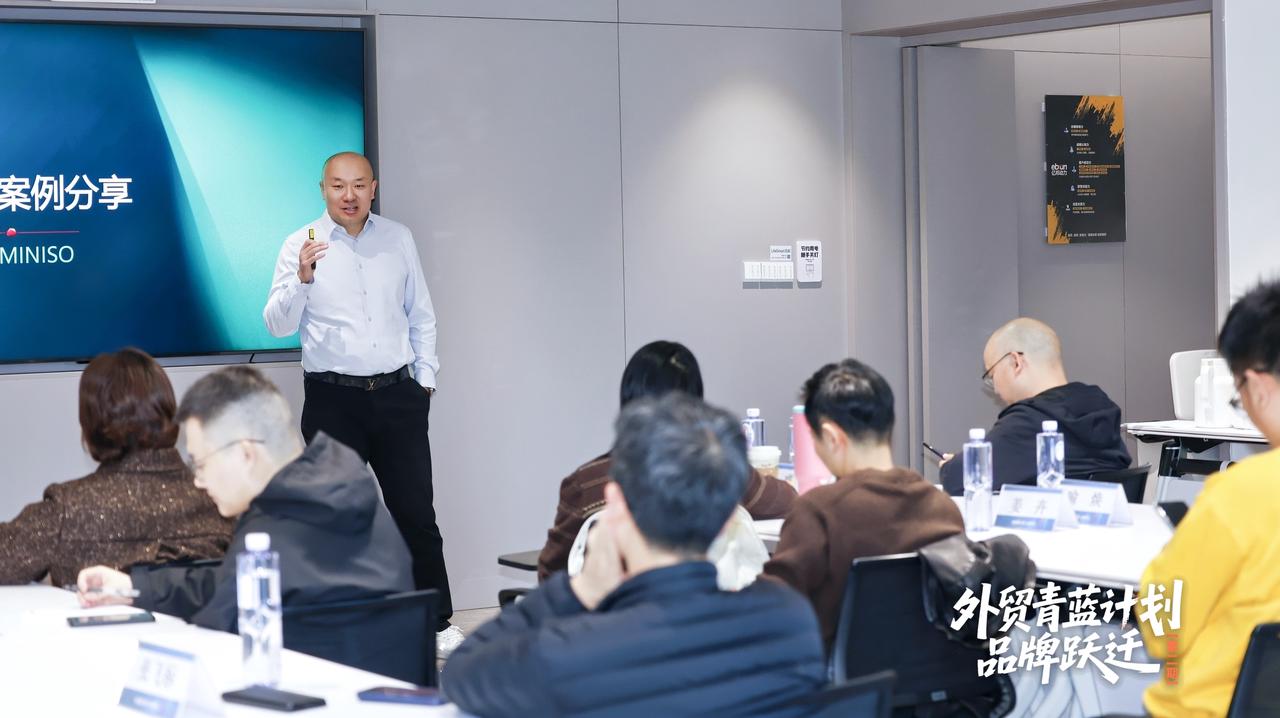
11月20日,在中国(杭州)跨境电子商务综合试验区、杭州市萧山区商务局指导下,由全球跨境电商知识服务中心、亿邦动力马蹄社主办的“外贸青蓝计划·品牌跃迁”会议上,朗石战略咨询合伙人王锐作了题为《名创优品:从10元店到全球超级品牌》的闭门分享。他从顾客如何作选择讲起,复盘了名创优品在国内做品牌升级、在海外做本土经营的过程。


朗石战略咨询合伙人 王锐


灵魂三问:先弄清顾客在做什么选择


第一问,在顾客心里,你是一个产品品牌,还是一个渠道品牌?


王锐用一双拖鞋解释这个问题。“我去名创优品买双拖鞋”,顾客先决定去哪儿买;“买拖鞋我买个名创优品的”,顾客先决定买哪个牌子。同一家零售商可以同时承接两种选择。顾客先选门店,还是先选商品品牌,会影响企业把经营重点放在哪里。对名创优品而言,很多顾客先认识这家店,再认识店里的商品。因此,品牌升级要从渠道的长处出发,再用有辨识度的商品给顾客增加进店理由。


第二问,顾客把这家店当成“买场”,还是“逛场”?


去“买场”的人通常带着任务,进店前已经知道自己要买什么;走进“逛场”的人,可能是看到门头、橱窗或一件有意思的商品,进去以后才决定要不要买。发绳、棉签、拖鞋等日用品,往往什么时候买、在哪儿买都有弹性,顾客拿到手里也容易判断合不合适。对经营这类商品的零售商来说,门店本身就是重要的竞争单位。店好找、货够多、每次来都有新东西,顺路客流就有机会变成交易。


王锐把触发购买的方式分成三类:刷到推荐才动念,是“用手选”;经过门店、看过商品再决定,是“用脚选”;产生需求时就想起某个品牌,是“用脑选”。谈到长期竞争壁垒,王锐的排序是“先脑、再脚、再手”。他最看重的是,顾客一产生需求就能主动想到品牌。对擅长线下经营的企业,门店可以成为建立这种认知的起点。先让顾客进店、体验商品,再用有辨识度的商品让他下次有需求时想起这个品牌。


第三问,“逛”到底满足了什么需求?


一根发绳解决的是把头发扎起来的问题,一家好逛的店带来的则是发现新东西的乐趣。王锐用“需求的跷跷板”解释这一点:顾客愿不愿意买,取决于购买动机与购买障碍之间的差。价格容易接受、门店就在附近,是在降低障碍;顾客遇见一个喜欢的角色,或者发现一件能让家里更好看的东西,是在增加动机。


这三问分别对应企业要争取哪一种选择、在哪个环节介入,以及靠什么打动顾客。由此,朗石咨询在名创优品案例中给出了一条路径:守住生活用品和性价比的基础,再把 IP 带来的兴趣和体验做进商品里。


生活用品+IP:从开发一套货,到经营一家店


同一类日用品的基本功能往往相近,但IP设计可以给顾客增加一个原有功能之外的购买动机。就像一个人即使已经有杯子,仍可能为了喜欢的角色去看新款杯子。这是“生活用品+IP”的出发点。要把这种兴趣变成可持续经营的生意,商品开发、重点品类、门店和传播都要接上。


先看商品开发。王锐把这一变化概括为从“卖商品”变成“卖IP”。落到商品开发上,就是让角色本身成为购买理由,再通过造型和系列设计把这种差异做出来。2023 年的芭比联名中,名创优品开发了超过 120 个SKU,覆盖 12 个生活潮流品类。同一个形象跨多个品类,有机会触达不同顾客,也让喜欢这个角色的人在同一家店里有更多选择。从经营上看,这要求企业同时考虑哪些商品最能表现角色、哪些适合搭配购买,以及这一组货怎样配合主题上市。


再看重点品类。大师香薰和 IP 盲盒是品牌升级中的重点方向。选这些品类,得同时看市场需求、企业已有的商品基础,以及它能不能给顾客留下一个明确的到店理由。香薰就是一个典型案例。名创优品把花艺与无火香薰结合,在广州旗舰店设置香氛体验空间。顾客可以闻到香气,也能判断商品摆在家里的效果。产品设计增加了一个购买理由,门店把这个理由展示了出来。


门店、品牌符号和营销承担的是另外几项工作。上海淮海路旗舰店曾设置哈利·波特主题的 9¾站台,商品按霍格沃茨四个学院分区,顾客走进一个主题区,就能看到一组相关商品。名创优品的 Wink 眨眼笑脸则承担品牌识别任务,在不同的营销活动里都可以被认出来。王锐所说的“营销飞轮”,可以从这些动作理解:商品上新和门店体验提供了可传播的内容,顾客因此有理由到店,到店后的体验和分享又可以成为下一轮传播的素材。

外贸青蓝计划·品牌跃迁


出海2.0:把全球店型和本地经营接起来


王锐把以国家代理商订货、经营当地市场为主的阶段称为“出海 1.0”。这种方式让商品和门店较快进入不同市场。到了“出海 2.0”,企业要进一步经营当地的消费者需求,把门店了解到的情况带回选品、商品开发和营销。在海外,名创优品采用经销、零售合伙人和直营等模式,在北美等战略市场以直营门店直接获取本地消费者洞察和经营经验。


哪些能力可以跨市场使用?哪些决定要留在当地?名创优品在印尼 Margo City 开出的三丽鸥主题店提供了一个案例。主题门店的经营方式可以沿用,主推角色则要看当地喜好。三丽鸥系列在印尼年轻消费者中很受欢迎,因此被做成独立的门店主题。品牌也邀请印尼演员普莉莉·拉图康希娜参与开业活动,并让她担任当地香水品类代言人。


渠道业态同样会改变选品。王锐在复盘美国市场调研时,举了开放式商业广场(Plaza)的例子。广场这边可能是沃尔玛,那边是Target。顾客往往开车过去,出门前就想好了这一趟要办什么事。可能是去超市买够一周的生活用品,也可能是买件工具,或者给宠物添点东西;在国内的一些购物中心,顾客可能只是出来逛街,看到感兴趣的橱窗才决定进店。两种场景的差别,在于顾客什么时候决定去哪家店。在这类开放式商业广场,顾客往往出发前就选好了店。在以休闲逛街为主的购物中心,顾客可能走到橱窗前,才决定进哪一家。


对习惯在购物中心接住顺路客流的零售商来说,这个差别会直接影响选址和选品。开在这样的广场,要先想清楚哪一类商品能成为顾客的采购目的。王锐把这个问题问得很具体:“什么是顾客必须专门开车到你店里来买的?”朗石给出的方向是打造一两个顾客能记住的“心智品类”。先找当地顾客原本就有的采购需求,再看周边店铺有哪些需求没满足,把差异做进一组具体商品里。顾客下次想买这一类东西时,才有理由在出门前把这家店排进行程。


商业底层逻辑:用公式找瓶颈,用市场反馈决定下一笔投入


王锐用两层乘法关系判断一门品牌生意的增长空间:


品牌规模=品类规模 × 品牌在该品类中的心智份额品类规模=需求规模 × 该品类在需求中的份额


合在一起,就是:品牌规模=需求规模 × 该品类在需求中的份额 × 品牌在该品类中的心智份额


这里的‘心智份额’,可以理解为顾客打算购买这一品类时,有多少人会优先想到这个品牌。以运动速干巾为例,顾客已经决定买速干巾,接下来会优先想到哪个品牌,这是品牌之争。顾客运动后可以用速干巾,也可以用普通毛巾,哪种方案更值得采用,这是品类之争。有多少人经常遇到擦完汗就要把湿毛巾收进包里的麻烦,这是需求问题。三个层面分别对应不同的经营动作:让品牌更容易被认出来,改进产品方案,或者重新选择人群和使用场景。


要进一步判断需求,王锐用“需求的跷跷板”把它拆成四个变量:需求=人群 × 场景 ×(动机-障碍)


人群和场景决定需求可能覆盖多少人、多久发生一次。动机和障碍则影响顾客在这个场景里愿不愿意买。做运动速干巾,可以先看哪些用户最常遇到湿毛巾难收的问题,再围绕他们的使用过程打样。如果他们最在意的是擦完汗能尽快把毛巾放回包里,测试就要覆盖吸汗、干燥和收纳三个环节。这样,品类判断就落到了具体的产品要求上。


在此基础上,王锐给出开拓新品类的三个法则。第一,找需求有一定规模、使用频次足够、供应链可以标准化的机会,确认销量上来以后还能稳定交付。第二,找“一级痛点和向往”,分清哪个卖点最能改变顾客的购买决定。第三,做用户洞察,追问顾客最抱怨什么、又一直在将就什么。访谈和评论里的线索,要还原成一次具体的使用过程,产品团队才知道该改哪里。


最后一步是价值验证。王锐把复购和评论作为两类信号。复购可以帮助企业判断顾客是否愿意再次选择这个产品,评论则能看出顾客认可的究竟是什么。一条主打速干的毛巾,如果顾客反复推荐的是柔软,企业就有了下一轮试验的方向:让速干的差异更容易被感知,或者验证柔软能否成为更强的购买理由。



从顾客为什么进店,到他为什么拿起一件商品,再到用过以后愿不愿意回来买,每一步都能给企业提供反馈。这些反馈能帮助企业判断下一笔钱该投给产品、渠道还是传播。


杭州市萧山区2026年政府工作报告提到,萧山跨境电商出口规模已居全省第一。为深度赋能辖区外贸企业高质量发展,助力传统外贸从“产品出海”向“品牌出海”转型升级,杭州市萧山区商务局在中国(杭州)跨境电子商务综合试验区支持下,立足本地外贸与制造业基础,依托全球跨境电商知识服务中心等平台载体,面向区内优质亿级外贸企业推出“外贸青蓝计划·品牌跃迁”系列培育活动。

“外贸青蓝计划·品牌跃迁”由全球跨境电商知识服务中心、亿邦动力马蹄社主办,该系列活动回应的是外贸企业从“产品出海”走向“品牌出海”时遇到的现实难题,着力解决部分企业重供应链、轻品牌建设以及价格竞争、市场定价能力不足等问题,帮助企业补齐品牌战略认知短板,用好数字化、AI等工具,夯实出海竞争力,培育更多萧山本土出海品牌。


本文首发于 亿邦动力 官方网站

【版权提示】亿邦动力倡导尊重与保护知识产权。未经许可,任何人不得复制、转载、或以其他方式使用本网站的内容。如发现本站文章存在版权问题,烦请提供版权疑问、身份证明、版权证明、联系方式等发邮件至run@ebrun.com,我们将及时沟通与处理。

已点赞

+1

{{ praise_text }}

好文章,值得被更多人看到

FAQ回顾

名创优品如何从十元店升级为全球超级品牌?

名创优品守住生活用品和性价比基础,把IP兴趣与体验做进商品:角色成为购买理由并覆盖多品类;以大师香薰、IP盲盒等重点品类和主题门店提供到店理由,用Wink笑脸等品牌符号和营销飞轮持续传播;海外则从代理商订货转向经营本地消费者需求。

名创优品的“生活用品+IP”模式具体怎么做?

日用品功能相近,IP设计增加功能外的购买动机。2023年芭比联名开发超120个SKU,覆盖12个生活潮流品类;企业同时考虑哪些商品表现角色、哪些适合搭配购买及主题上市。香薰把花艺与无火香薰结合,并在广州旗舰店设香氛体验空间,让商品理由在门店被展示。

名创优品的出海1.0和出海2.0有什么区别?

出海1.0以国家代理商订货、经营当地市场为主,让商品和门店较快进入不同市场。出海2.0进一步经营当地消费者需求,把门店了解的情况带回选品、商品开发和营销;海外采用经销、零售合伙人和直营等模式,在北美等战略市场用直营获取本地洞察和经营经验。

零售企业如何把“逛场”做成可持续生意?

先把门店当成竞争单位:店好找、货够多、每次有新东西,让顺路客流变成交易。购买触发分为用脚选、用手选、用脑选,长期壁垒按先脑、再脚、再手建立。经营上用IP、主题和体验增加动机,用价格便利降低障碍,使顾客产生需求时优先想到品牌。

名创优品在海外如何做本地化门店和选品?

主题门店方式可沿用,主推角色看当地喜好。印尼Margo City设三丽鸥主题店,邀请演员普莉莉·拉图康希娜参与开业并任当地香水代言。美国开放式Plaza顾客出发前选店,购物中心顾客可能看橱窗再进店,因此需按场景调整选址选品,打造可被记住的心智品类。

广告

下一篇

跨境电商资源对接

《全球跨境电商服务商资源手册》第二期手册现已发布,触达更多资源,了解跨境服务商信息,欢迎点击链接下载。

了解详情

B站三季度收入83.2亿元 广告收入增长20%至30.9亿元

B站公布截至2026年9月30日的季度财报:三季度,B站总营收达83.2亿元人民币,同比增长8%。毛利润同比提升10%。

直播 二次元 平台 短视频

2026-11-25 10:02:10