• 亿邦公众号
    • APP下载

超 98% 中国卖家布局 AI!人工智能助力杭州打造跨境出海新生态

作者:亿邦动力 文章来源:亿邦动力

2026-11-23 11:27

作者:亿邦动力 文章来源:亿邦动力

2026-11-23 11:27

邦小白快读

EN
全文速览

总:AI正成为杭州跨境电商出海新引擎,普通读者可重点看应用场景与可复制做法。

1.行业数据:亚马逊调研显示超98%中国受访跨境卖家已将AI用于店铺运营、产品优化、营销投放、客户服务全流程,16%头部卖家搭建成熟AI工作流与智能体,杭州普及落地居全国前列。

2.产品实操:麦瑞克自研AI助手,按海外用户体能、目标、场景定制训练方案,实时调节阻力与强度,结合智能运动算法和AR实景交互,多款健身器材成细分销冠并销往50多国。

3.营销实操:创业者台古月用AI工具矩阵做海外媒介智能对接、本土化策划、数据复盘、投放优化,三个月对接上千家海外宣传渠道。

4.履约与生态:制造企业用AI智能排期平衡产能订单交期;杭州开放知识库、AI工具和实操经验,并以课程和产业园资源扶持出海。

总:品牌商可关注AI如何重塑产品研发、品牌营销和渠道建设。

1.产品研发与差异化:智能家居、运动器材等优势赛道用AI打破同质化,麦瑞克从工具设备转向智能服务终端,自研AI助手按体能数据、运动目标、使用场景定制方案并实时调节阻力强度,智能运动算法与AR实景交互支撑多款细分品类销冠。

2.渠道与营销:AI工具矩阵可做海外媒介智能对接、本土化营销策划、运营数据复盘和投放效果优化,台古月三个月为品牌对接上千家海外宣传渠道且合作概率较高,传统长链条变为一键直达。

3.消费与竞争:超98%中国受访跨境卖家全流程应用AI,16%头部卖家有成熟工作流与智能体,说明AI应用正普及;品牌可借低成本AI营销降低出海门槛,并以智能化产品应对功能雷同和激烈竞争。

4.生态资源:杭州头部企业开放运营知识库、AI工具和出海实操经验,品牌可借产业共生资源共享抱团发展。

总:卖家可关注AI带来的增长机会、运营效率提升和可学习合作模式。

1.机会与市场:超98%中国受访跨境卖家已将AI用于店铺运营、产品优化、营销投放、客户服务,16%头部卖家建成成熟AI工作流与智能体,杭州普及落地居前列;AI产品可远销50多国并冲细分销冠。

2.需求变化:跨境订单呈现小批量、多批次、个性化、快迭代特点,制造企业用AI智能排期自动判定优先级、分配产能、预判交付周期,平衡产能订单交期。

3.营销与创业:OPC一人公司创业者台古月用AI工具矩阵提供海外媒介对接、本土化策划、数据复盘、投放优化一站式服务,三个月对接上千家海外渠道,降低中小卖家出海门槛。

4.合作与扶持:杭州头部企业、资深创业者开放知识库、AI工具和实操经验,以资源共享抱团赋能中小初创;杭州联动高校开跨境电商+AI课程,升级省级产业园集聚资源。

5.风险与能力提示:文章未给出明确风险提示,但数据显示成熟AI工作流与智能体搭建者占16%,卖家可关注AI能力分层和运营体系建设。

总:工厂可关注AI对生产排期、产品智能化和数字化出海的启示。

1.生产排期:杭州多家跨境代工与自主品牌并行制造企业部署AI智能排期系统,自动判定生产优先级、智能分配产能、预判交付周期,为多线业务并行、海内外订单统筹交付提供数字化决策支撑。

2.订单适配:针对跨境订单小批量、多批次、个性化、快迭代特点,AI精准平衡产能、订单、交期三方需求,提升出海履约能力与市场竞争力。

3.产品设计:智能家居、运动器材等优势赛道用AI打破同质化,麦瑞克自研AI助手按海外用户体能数据、运动目标、使用场景定制训练方案,实时调节阻力和强度,结合智能运动算法与AR实景交互,多款器材成细分销冠并远销50多国。

4.商业机会:AI+跨境智造可形成标杆产品,工厂可借智能化升级进入高竞争力品类,并接入杭州跨境电商产业生态、AI工具和开放经验。

总:服务商可关注AI跨境趋势、客户痛点与可交付解决方案。

1.趋势与数据:AI与跨境电商深度融合,亚马逊调研显示超98%中国受访跨境卖家全流程应用AI,16%头部卖家搭建成熟AI工作流与智能体,杭州卖家普及落地居全国前列。

2.客户痛点:传统家庭健身设备功能雷同、竞争激烈;跨境订单小批量、多批次、个性化、快迭代;传统跨境链条长、从工厂到用户中转环节多;中小卖家出海门槛和运营效率待提升。

3.解决方案:麦瑞克自研AI助手做个性化训练方案并实时调节设备;制造企业用AI智能排期平衡产能订单交期;台古月用AI工具矩阵提供海外媒介智能对接、本土化营销策划、运营数据智能复盘、投放效果优化一站式服务,三个月对接上千家海外渠道。

4.生态机会:杭州OPC创业社区和头部企业开放知识库、AI工具、出海实操经验,服务商可参与资源共享抱团赋能中小卖家。

总:平台商可关注卖家AI应用需求、杭州产业生态做法和运营管理启示。

1.卖家需求:亚马逊调研显示超98%中国受访跨境卖家已将AI用于店铺运营、产品优化、营销投放、客户服务全流程,16%头部卖家搭建成熟AI工作流与智能体,实现多任务自动化和规模化运营,杭州普及落地居前列。

2.平台生态做法:杭州依托跨境电商产业生态与OPC创业社区,头部企业、资深创业者开放运营知识库、AI工具和出海实操经验,以资源共享抱团赋能中小初创,把个体创新转为产业带出海合力。

3.招商与载体:杭州升级省级跨境电商产业园,集聚AI技术、跨境运营、海外渠道、供应链服务等资源;联动本地高校开设跨境电商+AI特色课程,定向培育数字化出海人才。

4.运营与风向:平台可关注AI工具矩阵在海外媒介对接、本土化营销、数据复盘、投放优化中的落地,以及制造企业AI智能排期对履约的支撑;数据显示成熟AI工作流搭建者占16%,平台需关注卖家AI能力分层。

总:研究者可关注AI+跨境电商的产业新动向、新问题和政策启示。

1.产业新动向:杭州推动AI与跨境电商深度融合,智能家居、运动器材等优势赛道实现产品智能化升级;麦瑞克自研AI助手和AR实景交互形成AI+跨境智造标杆,制造企业用AI智能排期提升履约,AI工具矩阵降低中小卖家营销门槛,OPC一人公司创业生态出现。

2.新问题:传统品类功能雷同、竞争激烈;跨境订单小批量、多批次、个性化、快迭代;传统链条长、中转环节多;中小卖家出海门槛和运营效率问题;AI普及率高但成熟工作流与智能体搭建者仅16%。

3.政策与启示:杭州联动高校深化产教融合,开设跨境电商+AI特色课程培育数字化出海人才;优化产业载体布局,升级省级跨境电商产业园,集聚AI技术、跨境运营、海外渠道、供应链服务资源,巩固全国跨境电商标杆地位。

4.商业模式:自研AI助手+智能硬件服务终端、AI工具矩阵一站式服务、OPC创业生态、头部开放知识库工具经验并抱团赋能中小卖家。

声明:快读内容全程由AI生成,请注意甄别信息。如您发现问题,请发送邮件至 run@ebrun.com 。

我是 品牌商 卖家 工厂 服务商 平台商 研究者 帮我再读一遍。

Quick Summary

Overall: AI is becoming a new engine for Hangzhou's cross-border e-commerce going global. General readers should focus on application scenarios and replicable practices.

1. Industry data: Amazon research shows that over 98% of surveyed Chinese cross-border sellers have applied AI across store operations, product optimization, marketing and advertising, and customer service. 16% of top sellers have built mature AI workflows and agents, with Hangzhou ranking among the leading cities nationwide in adoption and implementation.

2. Product practice: Merach has developed an in-house AI assistant that customizes training plans based on overseas users' fitness levels, goals, and scenarios, and adjusts resistance and intensity in real time. Combined with smart fitness algorithms and AR real-scene interaction, several of its fitness equipment products have become subcategory best-sellers and are sold in more than 50 countries.

3. Marketing practice: Entrepreneur Tai Guyue uses an AI tool matrix for intelligent overseas media matchmaking, localized planning, data review, and advertising optimization, connecting with over a thousand overseas promotional channels in three months.

4. Fulfillment and ecosystem: Manufacturers use AI smart scheduling to balance production capacity, orders, and delivery deadlines. Hangzhou opens up knowledge bases, AI tools, and practical experience, and supports overseas expansion through courses and industrial park resources.

Overall: Brands should focus on how AI is reshaping product R&D, brand marketing, and channel building.

1. Product R&D and differentiation: In advantaged categories such as smart home and fitness equipment, AI is breaking down homogenization. Merach is shifting from tool-based devices to intelligent service terminals; its in-house AI assistant customizes plans based on fitness data, exercise goals, and usage scenarios and adjusts resistance and intensity in real time. Smart fitness algorithms and AR real-scene interaction support multiple subcategory best-sellers.

2. Channels and marketing: An AI tool matrix can enable intelligent overseas media matchmaking, localized marketing planning, operational data review, and ad performance optimization. Tai Guyue connected brands with over a thousand overseas promotional channels in three months, with a relatively high probability of cooperation, turning traditionally long chains into one-click direct access.

3. Consumption and competition: More than 98% of surveyed Chinese cross-border sellers apply AI across the full process, and 16% of top sellers have mature workflows and agents, indicating that AI adoption is becoming widespread. Brands can use low-cost AI marketing to lower the barrier to going global and use intelligent products to counter functional similarity and intense competition.

4. Ecosystem resources: Leading Hangzhou companies open up operational knowledge bases, AI tools, and practical experience in going global. Brands can share resources and pursue collective development through industrial symbiosis.

Overall: Sellers should focus on AI-driven growth opportunities, operational efficiency gains, and learnable cooperation models.

1. Opportunities and markets: More than 98% of surveyed Chinese cross-border sellers have already used AI for store operations, product optimization, marketing and advertising, and customer service. 16% of top sellers have built mature AI workflows and agents, and Hangzhou ranks among the leaders in adoption and implementation. AI-powered products can be sold in more than 50 countries and become subcategory best-sellers.

2. Demand changes: Cross-border orders are characterized by small batches, multiple batches, personalization, and rapid iteration. Manufacturers use AI smart scheduling to automatically determine priorities, allocate capacity, and predict delivery cycles, balancing capacity, orders, and delivery deadlines.

3. Marketing and entrepreneurship: Tai Guyue, an entrepreneur running an OPC one-person company, uses an AI tool matrix to provide one-stop services including overseas media matchmaking, localized planning, data review, and ad optimization. In three months, the company connected with over a thousand overseas channels, lowering the barrier for small and medium-sized sellers to go global.

4. Cooperation and support: Leading Hangzhou companies and experienced entrepreneurs open up knowledge bases, AI tools, and practical experience, empowering small and medium-sized startups through resource sharing and collective efforts. Hangzhou collaborates with universities to offer cross-border e-commerce + AI courses and upgrades a provincial-level industrial park to pool resources.

5. Risk and capability notes: The article does not provide explicit risk warnings, but data shows that only 16% of sellers have built mature AI workflows and agents. Sellers should pay attention to the stratification of AI capabilities and the development of operational systems.

Overall: Factories should focus on the implications of AI for production scheduling, product intelligence, and digital going-global.

1. Production scheduling: Several manufacturers in Hangzhou that run both cross-border OEM and own-brand operations have deployed AI smart scheduling systems to automatically determine production priorities, intelligently allocate capacity, and predict delivery cycles, providing digital decision support for parallel multi-line businesses and coordinated delivery of domestic and overseas orders.

2. Order adaptation: In response to the small-batch, multi-batch, personalized, and rapidly iterating nature of cross-border orders, AI precisely balances capacity, orders, and delivery deadlines, improving overseas fulfillment capability and market competitiveness.

3. Product design: In advantaged categories such as smart home and fitness equipment, AI is breaking down homogenization. Merach's in-house AI assistant customizes training plans based on overseas users' fitness data, exercise goals, and usage scenarios, adjusts resistance and intensity in real time, and combines smart fitness algorithms with AR real-scene interaction. Multiple equipment products have become subcategory best-sellers and are sold in more than 50 countries.

4. Business opportunities: AI + cross-border smart manufacturing can produce benchmark products. Factories can use intelligent upgrading to enter highly competitive categories and plug into Hangzhou's cross-border e-commerce industrial ecosystem, AI tools, and open experience.

Overall: Service providers should focus on AI cross-border trends, customer pain points, and deliverable solutions.

1. Trends and data: AI is deeply integrating with cross-border e-commerce. Amazon research shows that over 98% of surveyed Chinese cross-border sellers apply AI across the full process, and 16% of top sellers have built mature AI workflows and agents. Hangzhou sellers rank among the national leaders in adoption and implementation.

2. Customer pain points: Traditional home fitness equipment has similar functions and faces intense competition; cross-border orders are small-batch, multi-batch, personalized, and fast-iterating; traditional cross-border chains are long, with many intermediary steps from factory to user; small and medium-sized sellers need to lower barriers to going global and improve operational efficiency.

3. Solutions: Merach's in-house AI assistant creates personalized training plans and adjusts equipment in real time; manufacturers use AI smart scheduling to balance capacity, orders, and delivery deadlines; Tai Guyue uses an AI tool matrix to provide one-stop services including intelligent overseas media matchmaking, localized marketing planning, intelligent operational data review, and ad performance optimization, connecting with over a thousand overseas channels in three months.

4. Ecosystem opportunities: Hangzhou's OPC startup community and leading companies open up knowledge bases, AI tools, and practical experience in going global. Service providers can participate in resource sharing and collectively empower small and medium-sized sellers.

Overall: Marketplace sellers should focus on seller AI application needs, Hangzhou's industrial ecosystem practices, and operational management implications.

1. Seller needs: Amazon research shows that over 98% of surveyed Chinese cross-border sellers have already used AI across the full process of store operations, product optimization, marketing and advertising, and customer service. 16% of top sellers have built mature AI workflows and agents to achieve multitask automation and scaled operations, with Hangzhou ranking among the leaders in adoption and implementation.

2. Platform ecosystem practices: Relying on its cross-border e-commerce industrial ecosystem and OPC startup community, Hangzhou's leading companies and experienced entrepreneurs open up operational knowledge bases, AI tools, and practical experience in going global. Through resource sharing and collective efforts, they empower small and medium-sized startups, turning individual innovation into a collective force for industrial-belt going global.

3. Investment promotion and carriers: Hangzhou is upgrading its provincial-level cross-border e-commerce industrial park to pool resources such as AI technology, cross-border operations, overseas channels, and supply chain services. It is also collaborating with local universities to offer specialized cross-border e-commerce + AI courses and cultivate digital going-global talent in a targeted way.

4. Operations and trends: Platforms should pay attention to the implementation of AI tool matrices in overseas media matchmaking, localized marketing, data review, and ad optimization, as well as the support of manufacturers' AI smart scheduling for fulfillment. Data shows that 16% of sellers have built mature AI workflows, so platforms need to monitor the stratification of sellers' AI capabilities.

Overall: Researchers should focus on new industrial trends, emerging issues, and policy implications in AI + cross-border e-commerce.

1. New industrial trends: Hangzhou is promoting the deep integration of AI and cross-border e-commerce. Advantaged categories such as smart home and fitness equipment are achieving intelligent product upgrades. Merach's in-house AI assistant and AR real-scene interaction form a benchmark for AI + cross-border smart manufacturing; manufacturers use AI smart scheduling to improve fulfillment; AI tool matrices lower the marketing barrier for small and medium-sized sellers; and an OPC one-person company startup ecosystem has emerged.

2. Emerging issues: Traditional categories have similar functions and face intense competition; cross-border orders are small-batch, multi-batch, personalized, and fast-iterating; traditional chains are long with many intermediary steps; small and medium-sized sellers face barriers to going global and operational efficiency issues; AI adoption is high, but only 16% of sellers have built mature workflows and agents.

3. Policy and implications: Hangzhou is collaborating with universities to deepen industry-education integration, offering specialized cross-border e-commerce + AI courses to cultivate digital going-global talent; optimizing the layout of industrial carriers, upgrading the provincial-level cross-border e-commerce industrial park, and pooling resources such as AI technology, cross-border operations, overseas channels, and supply chain services to consolidate its position as a national benchmark in cross-border e-commerce.

4. Business models: In-house AI assistants + intelligent hardware service terminals, one-stop services via AI tool matrices, the OPC startup ecosystem, and leading players opening knowledge bases, tools, and experience while collectively empowering small and medium-sized sellers.

Disclaimer: The "Quick Summary" content is entirely generated by AI. Please exercise discretion when interpreting the information. For issues or corrections, please email run@ebrun.com .

I am a Brand Seller Factory Service Provider Marketplace Seller Researcher Read it again.

人工智能浪潮席卷外贸领域,作为全国跨境电商核心标杆城市,杭州依托数字产业基底,推动AI技术与跨境电商深度融合。如今,AI不仅为杭州出海产品锻造核心竞争新优势,更成为本土跨境电商企业扬帆出海的核心新引擎。

在智能家居、运动器材等杭州优势出海赛道,AI技术彻底打破行业产品同质化困局,实现传统品类的智能化升级。杭州麦瑞克科技有限公司创始人兼董事长罗卫波表示,传统家庭健身设备功能趋于雷同、竞争激烈,而AI技术让硬件产品实现了从“工具设备”到“智能服务终端”的跨越式转型。
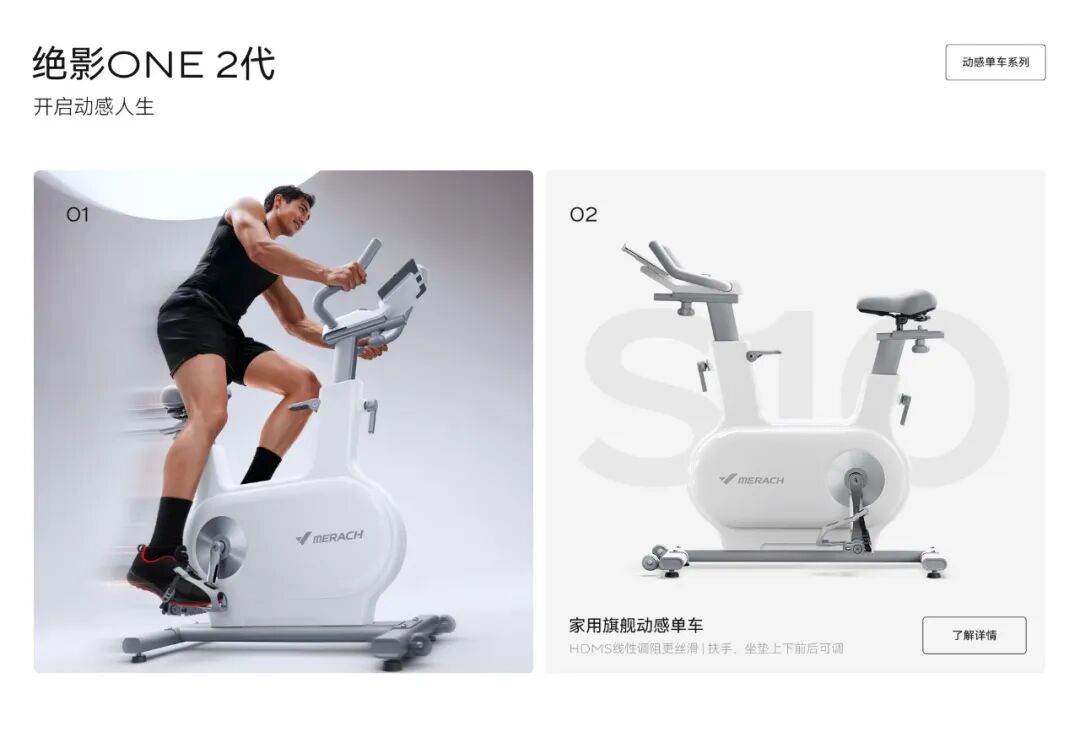
据介绍,麦瑞克自研专属AI助手,可根据海外用户的体能数据、运动目标、使用场景,一对一定制个性化训练方案,同时能够实时智能调节设备运行阻力、运动强度。依托自主研发的智能运动算法与AR实景交互技术,企业多款智能健身器材稳居跨境电商平台细分品类销冠,产品远销全球50多个国家和地区,成为杭州AI+跨境智造的标杆产品。

杭州多家深耕跨境代工与自主品牌并行发展的制造企业,通过部署AI智能排期系统,可自动判定生产优先级、智能分配产能、预判交付周期,为多线业务并行、海内外订单统筹交付提供科学化、数字化决策支撑。针对跨境订单小批量、多批次、个性化、快迭代的特点,AI精准平衡产能、订单、交期三方需求,大幅提升企业出海履约能力与市场竞争力。

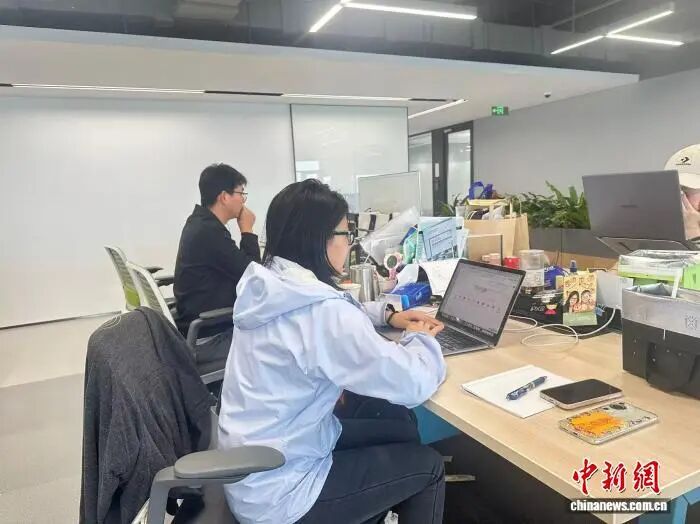
AI对跨境营销全链路的低成本赋能,更是让杭州海量中小跨境电商卖家、初创创业者享受到数字出海红利,大幅降低出海门槛、提升运营效率。扎根杭州OPC(一人公司)创业生态的创业者台古月,深耕跨境电商服务赛道,依托各类AI工具矩阵,为跨境电商企业提供海外媒介智能对接、本土化营销策划、运营数据智能复盘、投放效果优化等一站式服务。

“借助算法智能匹配筛选,我三个月就为一个品牌对接了上千家海外宣传渠道,达成合作的概率也很高。”台古月认为,跨境电商传统模式下,从工厂到用户的链条较长,AI能把一些需要中转的环节变成“一键直达”。
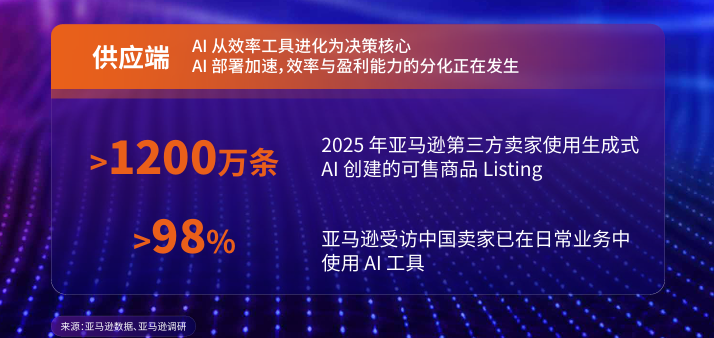
行业调研数据也印证了AI跨境出海的蓬勃趋势。亚马逊最新调研显示,超98%的中国受访跨境卖家已将AI工具全面应用于店铺运营、产品优化、营销投放、客户服务等全流程,其中16%的头部卖家已搭建成熟AI工作流与智能体,实现跨境多任务自动化处理、规模化高效运营,而杭州卖家的AI普及与落地应用率位居全国前列。
产业共生、资源共享,正在持续放大杭州AI赋能跨境电商的产业价值。依托杭州成熟的跨境电商产业生态与OPC创业社区,本土头部企业、资深创业者主动开放沉淀多年的运营知识库、AI运营工具、出海实操经验,以资源共享、抱团发展的模式,赋能中小初创卖家,将个体创新实践转化为杭州跨境电商产业带的整体出海合力。

与此同时,杭州持续夯实产业发展根基,多措并举积蓄跨境电商创新发展动能。一方面联动本地高校深化产教融合,开设“跨境电商+AI”特色课程,定向培育数字化出海专业人才;另一方面持续优化产业载体布局,升级省级跨境电商产业园,集聚AI技术、跨境运营、海外渠道、供应链服务等优质资源,持续巩固杭州全国跨境电商标杆城市地位,助力更多本土企业借AI乘风出海。

整合自:中国新闻网、亚马逊全球开店

本文首发于 亿邦动力 官方网站

【版权提示】亿邦动力倡导尊重与保护知识产权。未经许可,任何人不得复制、转载、或以其他方式使用本网站的内容。如发现本站文章存在版权问题,烦请提供版权疑问、身份证明、版权证明、联系方式等发邮件至run@ebrun.com,我们将及时沟通与处理。

已点赞

+1

{{ praise_text }}

好文章,值得被更多人看到

FAQ回顾

杭州跨境电商企业如何利用AI提升出海竞争力?

杭州依托数字产业基底推动AI与跨境电商融合,在智能家居、运动器材等优势出海赛道用AI打破产品同质化、实现传统品类智能化升级。麦瑞克自研AI助手根据海外用户体能数据、运动目标和使用场景定制个性化训练方案,实时调节设备阻力和运动强度,其多款智能健身器材稳居跨境电商平台细分品类销冠,产品远销全球50多个国家和地区。

AI在跨境电商运营中有哪些落地应用场景?

AI可用于店铺运营、产品优化、营销投放、客户服务等全流程。制造端可部署AI智能排期系统,自动判定生产优先级、智能分配产能、预判交付周期;营销端可通过AI工具矩阵进行海外媒介智能对接、本土化营销策划、运营数据智能复盘和投放效果优化,提升跨境运营效率。

超98%中国跨境卖家应用AI工具意味着什么?

亚马逊最新调研显示,超98%的中国受访跨境卖家已将AI工具应用于店铺运营、产品优化、营销投放、客户服务等全流程,其中16%的头部卖家已搭建成熟AI工作流与智能体,实现跨境多任务自动化处理和规模化高效运营,杭州卖家的AI普及与落地应用率位居全国前列。

中小跨境电商卖家如何借助AI降低出海门槛?

中小卖家可依托AI工具矩阵获得海外媒介智能对接、本土化营销策划、运营数据智能复盘、投放效果优化等一站式服务。杭州OPC创业生态中的创业者台古月借助算法智能匹配筛选,三个月为一个品牌对接上千家海外宣传渠道,合作概率较高;AI还能把传统模式中需要中转的环节变为“一键直达”,降低出海门槛并提升运营效率。

制造企业如何用AI应对跨境订单小批量、多批次、快迭代?

制造企业可部署AI智能排期系统,自动判定生产优先级、智能分配产能、预判交付周期,精准平衡产能、订单、交期三方需求,为多线业务并行和海内外订单统筹交付提供科学化、数字化决策支撑,从而提升出海履约能力与市场竞争力。

广告

下一篇

跨境电商资源对接

《全球跨境电商服务商资源手册》第二期手册现已发布,触达更多资源,了解跨境服务商信息,欢迎点击链接下载。

了解详情

AI硬件离开手机以后 先遇到了人的限制

能力边界的变化,让硬件公司开始重新估算人的时间价值。过去产品争夺用户停留,新的设备反而需要证明自己在减少停留。

未来零售 拓竹科技 XREAL AI

2026-11-23 10:57:40