• 亿邦公众号
    • APP下载

科技有「联想」圆桌实录 | 谁定义结果、谁为结果付费:Token经济的四个「商业判断」

作者:龚作仁 文章来源:Laborer

2026-11-17 14:50

作者:龚作仁 文章来源:Laborer

2026-11-17 14:50

邦小白快读

EN
全文速览

总:文章把Token经济的核心从卖调用量转向卖结果,并给出四个判断。

1.真伪看三问:谁定义结果、谁为结果付费、谁持续付费;还要看时间维度,今天的结果可能被更强模型吞掉。

2.闭环不看提问次数,而看用户与AI结果交互、使用、观看的总时长是否有机增长。

3.付费要从按用量走向按结果,前提是能力达标、结果稳定可预期、可清晰认定和归因、ROI算得清。

4.落地先看容错率高、数据规则清晰、技术栈成熟、ROI明确的领域,如Coding、设计、短剧、金融、法律、教育、AI for Science。

数据上,日均Token约500万亿,较2024年初增长数千倍,2030年或再涨一万倍;AI Coding效率可提升上万倍。对普通人,值得关注信息密集型行业和超级个体放大器。

总:文章虽以Token经济为主线,但对品牌商最有用的,是用户为何付费、产品如何研发、价格如何从用量转向结果。

1.用户行为上,闭环不只看省时间,而看用户愿意把时间花在与AI结果的交互、使用和观看上;只有持续使用,才说明价值被认可。

2.产品研发上,先让AI像人,把服务领域中人要做的事拆分、模拟,再逐步交付;科研等专业场景可分为基础能力、阶段性任务交付、联合研发成果三层。

3.定价与竞争上,按Token、按API用量计费的风险多由甲方承担;转向按结果付费需能力达标、结果可预期、可认定、ROI清晰。

4.消费趋势上,Token价格趋降、模型能力提升,会带来低成本端侧、云端大众化和专业领域智能化三类服务;C端内容、短剧、kill time及社交生活场景可能被重新解构。品牌应围绕可验证结果和持续使用设计产品。

总:文章给卖家的是市场信号和风险提示,核心是需求从买Token转向买结果。

1.增长市场在信息密集型行业:Coding、设计、短剧、金融、法律、教育、医疗、科研等,越需要信息收集、处理、研究和产生价值,越容易被AI突破。

2.需求变化上,客户不再满足按用量付费,而要求能力达标、结果稳定可预期、结果可认定归因、ROI清晰;交付可分基础能力、阶段性任务、联合研发成果。

3.机会上,Token趋近水电煤,基础设施完成后,经济闭环在应用和场景;先有超级个体放大器,再有客服等岗位替代,之后是kill time。

4.风险上,调用量涨但应用生态未同步爆发;模型能力提升会吞噬上层应用价值,今天的结果可能变成更大结果的过程节点。卖家应少盯调用量,多盯用户使用时长、留存和可核算回报,并寻找高容错、数据规则清晰、技术栈成熟、ROI明确的切口。

总:文章没有直接讲工厂,但其中关于模拟、闭环、数字化和行业工具平台的判断,可给工厂数字化与产品设计提供启示。

1.生产与设计需求上,AI先要学会模拟人现在能做的事,把任务拆分成可交付的技能包和工具集;科研中的模拟仿真、任务拆解、实验规划,也提示工厂可关注研发设计环节的模拟能力。

2.商业机会上,Token价格趋降、模型能力提升,专业领域会出现高效率智能化服务;从行业数据、模型、服务到价值闭环,可能形成行业共性工具平台和服务矩阵。

3.数字化推进上,不能只看调用量,要看是否形成全链路或阶段性交付闭环,是否真正节省时间并让用户持续使用;同时要算清ROI。

4.风向规避上,工业控制等容错率极低的领域落地相对缓慢;工厂应优先从数据规则清晰、技术栈成熟、容错率较高、回报可核算的环节切入,再逐步走向生产核心。

总:文章对服务商的直接价值,是看清Token经济的趋势、客户痛点和可落地的解决方案。

1.趋势上,日均Token约500万亿,较2024年初增长数千倍,2030年或再涨一万倍;但调用量增长不等于应用生态爆发,行业正从卖Token转向卖结果。

2.新技术上,模型能力之外还需要工程化,从模型到智能体平台,服务科研的论文、实验规划、任务拆解、模拟仿真全流程;多模态可把出院记录分析从七八小时降到两三分钟。

3.客户痛点是结果难定义、难认定、难归因、ROI算不清,且模型会吞噬上层应用价值,按用量付费的风险多由甲方承担。

4.解决方案是围绕能力达标、结果稳定可预期、可清晰归因、ROI明确设计交付;用用户交互使用总时长衡量闭环;优先切入信息密集型、高容错、数据规则清晰、技术栈成熟场景。

总:文章给平台商的信号是,Token基础设施越像水电煤,平台竞争越会从供给调用转向应用场景和结果闭环。

1.商业需求上,客户需要能力达标、结果稳定可预期、可认定归因、ROI清晰的服务;仅按Token或API用量计费,风险多由甲方承担,未来会向按结果付费演进。

2.平台做法上,可把Token和算力基础设施视作IaaS,向上形成PaaS层公共平台能力和服务矩阵,建设行业共性工具平台;交付上支持基础能力、阶段性任务、联合研发成果。

3.招商与运营上,优先吸引信息密集型、高容错、数据规则清晰、技术栈成熟、ROI明确的场景,如Coding、设计、短剧、金融、法律、教育、AI for Science;运营指标少盯调用量,多盯用户使用时长、持续付费和结果认定。

4.风向规避上,应用生态未同步爆发,模型会吞噬上层应用价值,今天的成果可能变成更大结果的过程节点;平台应避免只做Token规模,转向场景闭环和可核算回报。

总:文章提出Token经济从计量单位走向商业回报的四个研究判断,并给出产业新动向与新问题。

1.真伪判断上,要研究谁定义结果、谁为结果付费、谁持续付费,并加入时间维度;模型能力提升会吞噬上层应用价值,今天的结果可能变成更大结果的过程节点。

2.闭环判断上,不应只看调用量、提问数,而要看用户与AI结果交互、使用、观看的总时长是否有机增长;2B闭环还可分全链路、阶段性交付、技能型任务。

3.付费判断上,从按用量到按结果需能力阈值、结果可预期低方差、可清晰认定归因、ROI明确;这为结果计量、归因和合约设计提出新问题。

4.落地判断上,Token趋近水电煤,基础设施完成后闭环在应用场景;优先高容错、数据规则清晰、技术栈成熟、ROI明确领域,并出现端侧低成本、云端大众化、专业智能化三类形态。AI for Science被视为科研走向AGI的终极目标,平台可能从IaaS走向PaaS服务矩阵。

声明:快读内容全程由AI生成,请注意甄别信息。如您发现问题,请发送邮件至 run@ebrun.com 。

我是 品牌商 卖家 工厂 服务商 平台商 研究者 帮我再读一遍。

Quick Summary

Summary: The article shifts the core of the token economy from selling usage volume to selling outcomes, and offers four judgments.

1. Authenticity can be tested with three questions: who defines the outcome, who pays for it, and who keeps paying; the time dimension also matters, since today's outcome may be absorbed by more capable models.

2. A closed loop should not be measured by the number of prompts, but by whether total time users spend interacting with, using, and watching AI outcomes grows organically.

3. Payment should move from usage-based to outcome-based, provided capabilities meet the bar, outcomes are stable and predictable, clearly identifiable and attributable, and ROI is calculable.

4. Deployment should start with domains that have high fault tolerance, clear data rules, mature tech stacks, and clear ROI—such as coding, design, short drama, finance, legal, education, and AI for Science.

On data, average daily token volume is about 500 trillion, up several thousandfold from early 2024 and potentially another 10,000x by 2030; AI coding efficiency can improve by more than 10,000x. For ordinary readers, the sectors worth watching are information-intensive industries and the super-individual amplifier.

Summary: Although the article centers on the token economy, its most useful takeaways for brands concern why users pay, how products should be developed, and how pricing should shift from usage to outcomes.

1. On user behavior, a closed loop is not just about saving time; it depends on whether users are willing to spend time interacting with, using, and watching AI outcomes. Only sustained use shows that value is recognized.

2. On product development, AI should first mimic humans: break down and simulate the tasks people perform in service domains, then deliver them step by step. In professional scenarios such as research, delivery can be layered into foundational capabilities, milestone-based task delivery, and jointly developed outcomes.

3. On pricing and competition, the risk of token- or API-usage-based billing is largely borne by the client. Moving to outcome-based payment requires capabilities to meet the bar, predictable outcomes, clear identifiability, and clear ROI.

4. On consumer trends, falling token prices and improving model capabilities will produce three types of services: low-cost edge devices, mass-market cloud services, and intelligence in professional domains. Consumer content, short drama, kill-time entertainment, and social/life scenarios may be restructured. Brands should design products around verifiable outcomes and sustained use.

Summary: The article offers sellers market signals and risk warnings; the core point is that demand is shifting from buying tokens to buying outcomes.

1. Growth markets lie in information-intensive industries: coding, design, short drama, finance, legal, education, healthcare, and research. The more an industry depends on collecting, processing, and researching information and creating value, the more likely it is to be disrupted by AI.

2. On demand, customers are no longer satisfied with usage-based pricing; they require capabilities to meet the bar, stable and predictable outcomes, identifiable and attributable results, and clear ROI. Delivery can be split into foundational capabilities, milestone tasks, and jointly developed outcomes.

3. On opportunities, tokens are becoming like utilities. Once the infrastructure is in place, the economic loop lies in applications and scenarios: first the super-individual amplifier, then job replacement in areas such as customer service, and later kill-time use cases.

4. On risks, usage volume is rising, but the application ecosystem has not yet exploded in sync; improving model capabilities can absorb the value of upper-layer applications, and today’s outcome may become an intermediate node in a larger outcome. Sellers should focus less on usage volume and more on user time spent, retention, and accountable returns, while seeking entry points with high fault tolerance, clear data rules, mature tech stacks, and clear ROI.

Summary: The article does not directly address factories, but its judgments on simulation, closed loops, digitalization, and industry tool platforms offer lessons for factory digitalization and product design.

1. On production and design needs, AI must first learn to simulate what people can do now, breaking tasks into deliverable skill packages and toolkits. In research, simulation, task decomposition, and experiment planning also suggest that factories should watch simulation capabilities in R&D and design.

2. On business opportunities, falling token prices and improving model capabilities will bring highly efficient intelligent services to professional domains. From industry data and models to services and value loops, industry-common tool platforms and service matrices may emerge.

3. On advancing digitalization, factories should not look only at usage volume; they should ask whether a full-chain or milestone-based delivery loop has formed, whether it truly saves time, and whether users keep using it—while also calculating ROI clearly.

4. On risk avoidance, domains with extremely low fault tolerance, such as industrial control, will adopt AI relatively slowly. Factories should start with links that have clear data rules, mature tech stacks, higher fault tolerance, and accountable returns, then move gradually toward the production core.

Summary: The article’s direct value for service providers is a clear view of token-economy trends, customer pain points, and actionable solutions.

1. On trends, average daily token volume is about 500 trillion, up several thousandfold from early 2024 and potentially another 10,000x by 2030. But rising usage does not equal an explosion of the application ecosystem; the industry is shifting from selling tokens to selling outcomes.

2. On new technology, engineering is needed beyond model capability—from models to agent platforms—to serve the full research workflow of papers, experiment planning, task decomposition, and simulation. Multimodal AI can cut discharge-record analysis from seven or eight hours to two or three minutes.

3. Customer pain points are that outcomes are hard to define, verify, and attribute, and ROI is hard to calculate; models can absorb the value of upper-layer applications, and usage-based payment risk is largely borne by the client.

4. The solution is to design delivery around capabilities meeting the bar, stable and predictable outcomes, clear attribution, and clear ROI; measure the closed loop by total time users spend interacting with and using AI; and prioritize information-intensive scenarios with high fault tolerance, clear data rules, and mature tech stacks.

Summary: For marketplace platforms, the signal is that as token infrastructure becomes more like a utility, platform competition will shift from supplying usage to application scenarios and outcome loops.

1. On business demand, customers need services whose capabilities meet the bar, outcomes are stable and predictable, results can be identified and attributed, and ROI is clear. Billing solely by token or API usage leaves most risk with the client; the market will evolve toward outcome-based payment.

2. On platform strategy, token and compute infrastructure can be treated as IaaS, with PaaS-layer public platform capabilities and service matrices built on top, including industry-common tool platforms. Delivery should support foundational capabilities, milestone tasks, and jointly developed outcomes.

3. On merchant recruitment and operations, prioritize information-intensive, high-fault-tolerance scenarios with clear data rules, mature tech stacks, and clear ROI—such as coding, design, short drama, finance, legal, education, and AI for Science. Operational metrics should focus less on usage volume and more on user time spent, recurring payment, and outcome verification.

4. On risk avoidance, the application ecosystem has not yet exploded in sync; models can absorb upper-layer application value, and today’s results may become intermediate nodes in a larger outcome. Platforms should avoid chasing token scale alone and shift toward scenario closed loops and accountable returns.

Summary: The article proposes four research judgments on how the token economy moves from a unit of measurement to commercial returns, and identifies new industry shifts and questions.

1. On authenticity, research should ask who defines the outcome, who pays for it, and who keeps paying, adding a time dimension: improving model capabilities can absorb upper-layer application value, and today’s outcome may become an intermediate node in a larger outcome.

2. On closed loops, the focus should not be usage volume or number of prompts, but whether total time users spend interacting with, using, and watching AI outcomes grows organically. For B2B loops, one can further distinguish full-chain delivery, milestone-based delivery, and skill-based tasks.

3. On payment, shifting from usage-based to outcome-based requires a capability threshold, predictable outcomes with low variance, clear identification and attribution, and clear ROI. This raises new questions for outcome measurement, attribution, and contract design.

4. On deployment, tokens are approaching utility status; once infrastructure is in place, the loop lies in application scenarios. Prioritize domains with high fault tolerance, clear data rules, mature tech stacks, and clear ROI, where three forms will emerge: low-cost edge, mass-market cloud, and professional intelligence. AI for Science is seen as the ultimate goal of research moving toward AGI, and platforms may evolve from IaaS to PaaS service matrices.

Disclaimer: The "Quick Summary" content is entirely generated by AI. Please exercise discretion when interpreting the information. For issues or corrections, please email run@ebrun.com .

I am a Brand Seller Factory Service Provider Marketplace Seller Researcher Read it again.

日均Token消耗约500万亿,相比2024年年初增长数千倍,有人推算到2030年还要再涨一万倍。但另一面是:调用量在涨,应用生态并没有同步爆发。从计量单位到商业回报,Token经济的中间那段路,到底该怎么走?

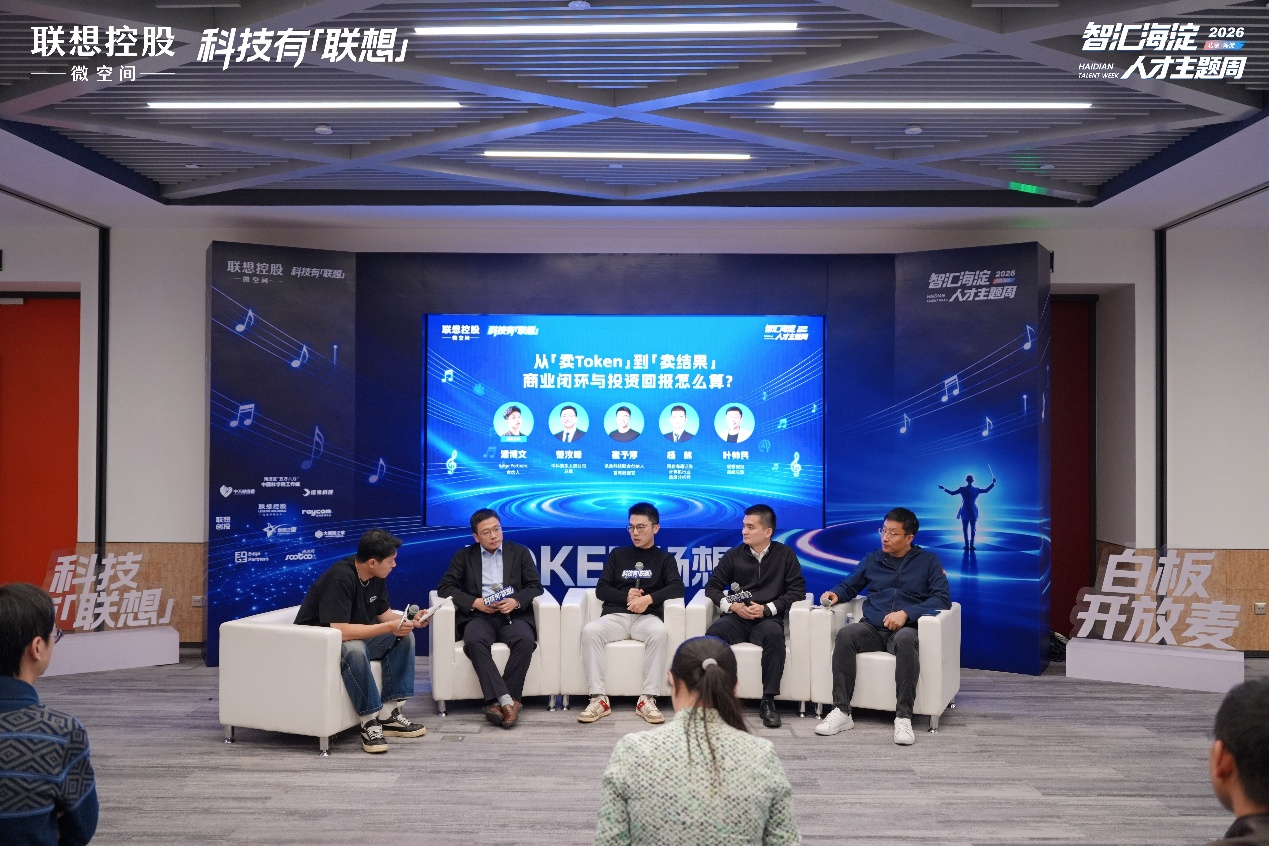
10月30日,由联想控股微空间、海淀区中关村街道、海淀区“五方六力”中国科学院工作组、融科资讯中心、联想创投及讯兔科技等共同发起的「科技有联想·Token畅想曲」线下沙龙,围绕“从卖Token到卖结果——商业闭环与投资回报怎么算”展开圆桌讨论。中科紫东太初总裁楚汝峰、讯兔科技联合创始人崔予淳、国泰海通证券计算机行业首席分析师杨林、联想创投高级总监叶帅民展开深度探讨。

本场圆桌对话由Edge Partner合伙人潘博文主持。以下为实录内容,略有删减,enjoy:

一、真伪判断:谁定义结果、谁为结果付费、谁持续付费

潘博文:在早期投资里,很多Token经济相关的公司还没有结果,怎么区分它们交付的是真结果还是假结果?

叶帅民:判断真结果、伪结果,最核心的是到底谁定义了这个结果、谁愿意为结果付费、谁持续付费。你现在讲的一个结果,可能只是一个更大结果里的过程节点。

如果AI扮演服务者,比如AI医生,用户就是结果定义者,我认为结果有用、愿意买单、愿意持续买单,它就是好结果。如果是替代者,比如客服,Sierra不按Token收费、也不按时长,一个电话帮你解决了、不转人工就收费。对早期投资来讲,很多时候你是在赌自己对结果的判断,所以要去找定义结果的人了解,那是不是他真正想要的东西。同时还要加上时间维度。因为随着模型能力不断提升,现在有价值的结果有可能变成未来更大结果的一部分,价值会被更大的结果吞噬。模型会不断吞噬上层应用的价值,这个是创业者必须要考虑的。

△联想创投高级总监叶帅民

潘博文:从产品视角看,我们长期希望交付的结果是什么?

崔予淳:今天希望AI先做好的是“模拟”的工作。且不说AI能主动帮大家干什么,AI能不能先学会人现在能做的事?尤其在2B领域,今天AI也没有把白领日常工作中50%以上的活做掉。重要的是,AI能不能把服务领域的人真正要做的事拆分出来并模拟出来,再逐渐交付产品。在讨论商业模式前,我们需要让AI像人。

楚汝峰:第一,基础模型只决定服务一个行业的能力上限,决定你能干什么事。第二,在此之上还需要大量工程化工作,从模型到智能体平台,去服务科研人员的论文、实验规划、任务拆解、模拟仿真全流程。第三,科研人员的目的不是用工具,而是做科研。所以服务模式分三类:基础能力、阶段性任务交付、最终联合研发成果。最后,Token会转化成不同层次的阶段性交付结果。

二、闭环判断:不是省时间,是愿意花时间

潘博文:除了Token和结果这两个指标,还有哪些信号能代表下游需求真正被满足、商业闭环已经形成?

楚汝峰:大模型出现以后,有几类原来代价特别高的事情变简单了。一是科研领域的大规模探索。蛋白质互作靶点发现原来需要七八个月,现在两周就能完成并验证有效。二是持续性、分析型工作。医生写一份出院记录,原来要分析十几个科室的结果、写七八个小时,现在通过多模态数据分析,两三分钟就能完成。三是个性化服务。科研工作者、医生、老师有大量原来没被满足的需求,可以形成一个个技能包和工具集。
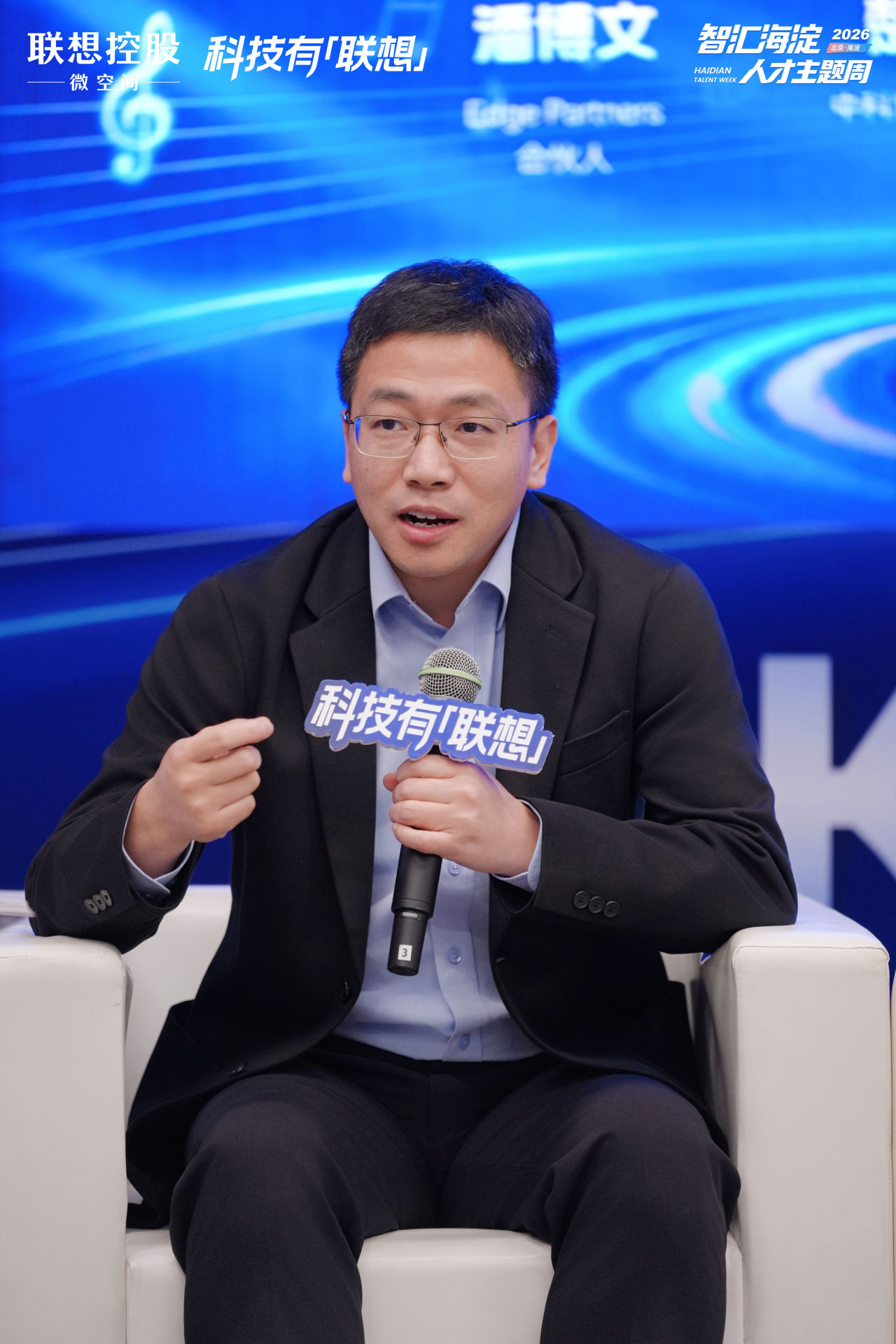
△中科紫东太初总裁楚汝峰

什么叫闭环?我提一个问题,把问题解决了,就是日常的闭环。2B服务的闭环里,有全链路价值链的闭环、阶段性交付结果的闭环,也有比较小的技能型任务闭环。如果整个闭环链路做得非常完整,就像科学基础实验室把干实验湿实验完整闭环,这里边可能就是AI for Science,是科研领域往AGI发展的终极目标。

崔予淳:从我的视角看,闭环应该是时长的有机增长。交付频次、提问数量不一定算,一定要说时长,即用户跟AI生成的结果交互、使用、观看的总时长。AI一天能写十篇技术报告,但写得不够好,读起来比以前更累,就不看了,那这个东西转化成价值了吗?没有。本质上,人依赖AI的时间越长,商业闭环的程度就越高。

叶帅民:真正对于Token,我的整体感觉是,现在其实不需要什么信号,我们已经进入到Token时代,只是有些地方快一些、有些地方还需要时间。Coding领域已经有非常大的渗透,沿着生产力方向,从Coding到办公再到科研,路径非常清楚;短剧、影视行业的Token渗透率也已经很高,有的地方已经颠覆了一个产业。

三、付费判断:能力、可预期、可认定、ROI

潘博文:Anthropic的招股书显示,其收入约80%是Token收入。从二级市场视角看,大模型公司的估值锚点在哪里?

杨林:Anthropic被定义为全球最头部的大模型公司,它的营收结构、营收增速会影响整个AI产业链:一是同行的估值体系,作为天花板,大家会用它来看国内公司;二是上游的紧密度,市场会盯着它签订的长协算力合同。从长远看,现在的商业模式很多还是按API、按用量计费,风险基本由甲方承担,哪怕没有效果照样付费。未来可能从按用量到按结果付费,但前提跟模型性能相关,要求结果稳定可预期。

△国泰海通证券计算机行业首席分析师杨林

从供给方讲,第一是能力要够,达到一定阈值才能交付结果;第二是结果在某种程度上可预期,方差不能太大。比如用AI生成年报点评,第一个要求就是不能出现事实性错误,一旦出现肯定不敢用。从需求方讲,如果愿意按结果付费,结果还要能被清晰认定、归因归得清楚。供应商说提供了10%的增效,但需求方说只有5%是其贡献,5%是自己优化,那怎么界定?最后一个维度是要有清晰的ROI,投资回报率算不清楚,大概不可能按结果付费。

叶帅民:对于早期公司,留存率、月活这些都是阶段性的、动态型的指标,很难有一个公式判断必成。如果有,VC也就没有存在的价值了。

四、落地判断:Token变成水电煤之后,下一个Codex在哪

潘博文:随着Token变成像水电煤一样的基础设施,边际成本趋近于零,下一个像Codex、Manus一样的产品会在哪些领域出现?

楚汝峰:大家的共识是Token价格会越来越低,模型能力持续提升,未来会有三类形态:一是超级低成本的端侧服务;二是低成本的云端大众化服务,像Anthropic、ChatGPT、DeepSeek,覆盖更多领域;三是高效率的专业领域智能化服务,渗透到科学计算、深度推理,一次科学新发现可能持续运行三五个月,需要大规模算力集成支撑。

今天AI coding已经基本成为共识,程序员不用AI coding很难生存,效率可能是上万倍的提升。我们更关注的,是AI真正渗透到科研生产领域,从行业数据、模型、服务到最后产生价值闭环,形成一条完整链路。一旦这个链路变成类似互联网时代PaaS层的公共平台能力,就会形成一个服务矩阵。今天的Token和算力基础设施,有可能像当年的IaaS,越往上价值放大越多,在科研、生产领域,可能会形成行业共性的工具平台。

崔予淳:C端是能够创造更多内容型的东西。B端我觉得非常重要的就是信息密集型行业,短期就能看到很多突破。金融行业很大,也不是所有领域都因AI受益。无论是金融、法律、科研还是医疗,越需要信息本身去收集、处理、研究并产生价值的行业,今天越容易被AI突破。

△讯兔科技联合创始人崔予淳

杨林:我有几个判断维度。第一是容错率比较高,做错了不是致命的。像工业控制这类容错率极低的领域就相对缓慢一些;第二是有大量数据、规则能清晰列出来的行业,比如代码、法律、金融;第三是技术栈相对成熟;第四是ROI,投下去要有回报。在这几个因子下,Coding、AI设计、短剧,包括金融、法律、教育甚至AI for Science,都能更早有产品能跑出来。

叶帅民:现阶段大家投入底层模型、芯片等生产资料,核心是加大Token供给、降低Token成本。如果Token将来变成水电煤一样的基础状态,基建完成、生产资料全部Ready,经济最后的闭环就在应用和场景。

节奏上,最先爆发的是“超级个体放大器”,2025年之前跑出来的应用大概都是这一类;接下来是AI能力变强之后的真正替代,客服领域已经出现对人工岗位的替代。再往后是“kill time”。现在大家都在做效率提升,但人最后是要享受幸福生活的,怎么打发时间,未来可能是更大的机会。整个社交关系、吃喝玩乐、衣食住行,都会被重新解构。

潘博文:理解了,Token为需求出发,Token为需求服务,需求为幸福服务。今天因为时间有限,很多问题没有办法做更深度的讨论,非常感谢各位嘉宾。

注:文/龚作仁,文章来源:Laborer,本文为作者独立观点,不代表亿邦动力立场。

【版权提示】亿邦动力倡导尊重与保护知识产权。未经许可,任何人不得复制、转载、或以其他方式使用本网站的内容。如发现本站文章存在版权问题,烦请提供版权疑问、身份证明、版权证明、联系方式等发邮件至run@ebrun.com,我们将及时沟通与处理。

已点赞

+1

{{ praise_text }}

好文章,值得被更多人看到

FAQ回顾

Token经济的商业模式正在发生什么变化?

Token经济当前仍以按API、按用量计费为主,调用量增长但应用生态未同步爆发。日均Token消耗约500万亿,较2024年初增长数千倍,有推算2030年再涨一万倍。未来可能从按用量转向按结果付费,但需模型能力达到阈值、结果稳定可预期、可清晰认定归因,并有明确ROI。

企业从按Token用量收费转向按结果付费,需要满足哪些条件?

供给方能力要达到交付结果阈值,结果方差不能太大、可预期,例如AI生成年报点评不能出现事实性错误;需求方要能清晰认定结果并归因,避免供应商与客户对增效贡献产生分歧;最后要有清晰ROI,投资回报算不清楚就难以按结果付费。

哪些行业更容易率先落地AI和Token经济?

容错率较高、数据与规则可清晰列出、技术栈较成熟且有明确ROI的行业更容易先跑出产品,包括Coding、AI设计、短剧、金融、法律、教育以及AI for Science。信息密集型行业短期突破更明显;工业控制等容错率极低领域相对缓慢。

如何判断AI应用交付的是真结果还是伪结果?

核心看谁定义结果、谁愿意为结果付费、谁持续付费,并加入时间维度:当前有价值的结果可能只是更大结果的过程节点,未来会被模型能力吞噬。若AI是服务者,用户认可并持续买单就是好结果;若AI替代客服,像Sierra按解决电话、不转人工收费,则结果更可验证。

Token经济形成商业闭环有哪些可观察信号?

闭环不应只看交付频次或提问数量,更应看用户与AI结果交互、使用、观看的总时长是否有机增长;人依赖AI时间越长,闭环程度越高。产业上,Coding渗透已很大,办公、科研路径清晰,短剧影视Token渗透率也较高;Anthropic收入约80%来自Token收入,说明头部模型公司营收结构影响产业链估值。

广告

下一篇

跨境电商资源对接

《全球跨境电商服务商资源手册》第二期手册现已发布,触达更多资源,了解跨境服务商信息,欢迎点击链接下载。

了解详情

百亿采购如何实现业数智协同:中铁工业杨皓岚将出席2026第八届亿邦产业互联网年会

北京中铁工业有限公司总经理杨皓岚将出席2026第八届亿邦产业互联网年会,并将深度拆解制度创新与科技变革下,“业数智”协同如何引发百亿平台化采购。