• 亿邦公众号
    • APP下载

中国二手循环实践再登联合国气候大会,转转以标准化质检推动资源循环利用

作者:龚作仁 文章来源:Laborer

2026-11-12 16:20

作者:龚作仁 文章来源:Laborer

2026-11-12 16:20

邦小白快读

EN
全文速览

总1:转转把二手设备安全再用做成可核验流程,普通读者可据此理解二手交易如何降低风险。

1.平台采用C2B2C模式,官方质检把非标二手商品标准化,给卖家合理定价、给买家售后保障。

2.实操看四步质检:拍照建档由标准化设备采集影像并用AI标记瑕疵;功能检测由自研应用自动判定、工程师辅助;X光无损检测由AI识别维修痕迹,仅对存疑案例拆机复检;最后数据安全擦除并全程留痕,生成数字身份档案。

总2:平台规模与绿色成果可作为判断二手流转可信度的背景。

1.截至2025年底注册用户超4亿,上门+门店覆盖千座城市,线下门店超1500家。

2.累计碳减排634.82万吨、节约能源8712吉瓦时;两项实践入选生态环境部宣传教育中心2026年名单。

3.转转连续四年参加联合国气候大会,并参与发起循环经济企业联合倡议。

总1:转转以质检标准化、国际气候大会曝光和国家级案例强化品牌信任与绿色形象。

1.连续四年参加联合国气候变化大会,2023年首次登台,本届作为倡议发起单位之一参与企业联合倡议,提升国际品牌背书。

2.两项实践入选生态环境部宣传教育中心2026年名单,案例集在COP31发布展示,形成品牌公信力与绿色叙事。

总2:在定价、渠道和产品研发上,品牌商可关注其标准化与用户运营。

1.C2B2C官方质检把非标二手标准化,卖家合理定价、买家售后保障,影响二手价格竞争与信任。

2.四步质检用标准化设备、AI瑕疵标记、自研质检应用、X光无损检测和数据擦除留痕,生成数字身份档案,支撑产品可信。

3.线下门店超1500家、上门+门店覆盖千座城市、注册用户超4亿,显示闲置绿色消费趋势与渠道覆盖能力;SBTi验证和近30项标准强化品牌合规。

总1:二手流转标准化和气候行动背书带来增长市场与交易机会。

1.全球电子废弃物2022年6200万吨,预计2030年8200万吨,仅22.3%被正式收集规范回收;全球稀土需求仅约1%来自电子废弃物回收,说明正规回收与再利用空间大。

2.转转C2B2C官方质检给卖家合理定价、给买家售后保障,四步质检生成数字身份档案,降低非标二手交易风险。

总2:卖家可学习其标准化流程,并关注平台渠道和政策风向。

1.平台注册用户超4亿,上门+门店覆盖千座城市,线下门店超1500家,是增长渠道。

2.连续四年参加COP31、两项实践入选国家级名单,东道主提出2035年全球废弃物增量减半,政策与机会信号明显。

3.风险提示是二手非标需质检、数据安全擦除和留痕;合作方式包括参与循环经济倡议、标准共建和碳核算方法互认。

总1:二手质检标准化对产品生产和设计提出可检测、可追溯、可拆修的新要求。

1.四步质检中拍照建档用标准化设备采集影像、AI标记瑕疵,功能检测由自研应用自动判定,X光无损检测用AI识别维修痕迹,仅存疑案例拆机复检。

2.数据安全擦除并全程留痕,生成数字身份档案,启示产品设计要考虑数据安全、维修检测和回收再利用。

总2:回收再利用的商业机会和数字化电商启示明确。

1.全球电子废弃物从2022年6200万吨预计增至2030年8200万吨,仅22.3%规范回收,稀土回收占比约1%,回收拆解、质检设备和再利用有商业空间。

2.转转上门+门店覆盖千座城市、线下门店超1500家、注册用户超4亿,工厂可对接回收网络与质检环节。

3.平台主持参与近30项标准、通过SBTi验证并承诺2050净零,启示推进数字化和电商需建立标准、碳核算和全程留痕能力。

总1:循环经济和二手流转标准化是明确趋势,客户痛点在安全再用不可核验、非标定价与售后。

1.全球电子废弃物2022年6200万吨,预计2030年8200万吨,仅22.3%正式收集规范回收;稀土需求仅约1%来自电子废弃物回收,说明回收与二手服务空间大。

2.二手非标商品需要官方质检、合理定价和售后保障,转转C2B2C模式提供可参考解决方案。

总2:新技术与解决方案集中在质检、碳核算和标准互认。

1.拍照建档用标准化设备采集影像、AI标记瑕疵;功能检测由自研质检应用自动判定、工程师辅助;X光无损检测由AI识别维修痕迹,仅存疑拆机复检;数据安全擦除全程留痕,生成数字身份档案。

2.数字身份档案既是交易凭证,也是碳减排核算证据;企业形成可验证方法学,期待推进再利用判定与碳核算方法对话互认。

3.平台连续四年参加COP31、两项实践入选国家级名单、参与近30项标准,服务商可关注质检、碳核算、标准制定和回收网络合作。

总1:平台要解决非标二手信任和碳减排可核算问题,转转以质检基础设施和回收网络推动规模化。

1.最新做法是C2B2C模式加官方质检,四步质检包括标准化设备拍照建档与AI瑕疵标记、自研应用功能检测、X光无损检测存疑拆机复检、数据安全擦除全程留痕,生成数字身份档案。

2.运营管理上,上门+门店覆盖千座城市,线下门店超1500家,截至2025年底注册用户超4亿。

总2:平台招商合作与风向规避可关注标准和政策。

1.转转作为倡议发起单位之一参与循环经济企业联合倡议,连续四年参加COP31,两项实践入选生态环境部宣传教育中心2026年名单。

2.平台主持参与近30项标准,通过SBTi验证并承诺2050全价值链净零;东道主提出2035年全球废弃物增量减半,再利用判定与碳核算互认是风向。

3.风险规避包括数据安全擦除、仅存疑拆机复检、售后保障和交易留痕;平台需求是可复用标准化方法。

总1:二手循环正从经验判断走向标准化可核验,气候治理从承诺走向落实,形成研究样本。

1.转转连续四年参加联合国气候大会,2023年首次登台,本届作为倡议发起单位之一参与企业联合倡议,两项实践入选生态环境部宣传教育中心2026年名单。

2.商业模式为C2B2C,通过官方质检将非标二手标准化,四步质检生成数字身份档案,既作交易凭证又作碳减排核算证据。

总2:新问题与政策法规启示集中在电子废弃物、标准互认和碳核算。

1.全球电子废弃物2022年6200万吨,预计2030年8200万吨,仅22.3%正式收集规范回收;全球稀土需求仅约1%来自电子废弃物回收。

2.再利用判定与碳核算方法需国际对话互认,2035年全球废弃物增量减半目标需要可复用标准化方法。

3.转转通过SBTi验证、承诺2050全价值链净零、主持参与近30项标准;平台注册用户超4亿、覆盖千座城市、门店超1500家,累计碳减排634.82万吨、节约能源8712吉瓦时。

声明:快读内容全程由AI生成,请注意甄别信息。如您发现问题,请发送邮件至 run@ebrun.com 。

我是 品牌商 卖家 工厂 服务商 平台商 研究者 帮我再读一遍。

Quick Summary

Summary 1: Zhuanzhuan turns the safe reuse of second-hand devices into a verifiable process, helping general readers understand how second-hand transactions can reduce risk.

1. The platform uses a C2B2C model; official quality inspection standardizes non-standard second-hand goods, giving sellers reasonable pricing and buyers after-sales protection.

2. In practice, inspection has four steps: photo documentation uses standardized equipment to capture images and AI to mark defects; functional testing is automatically determined by a proprietary app with engineer support; X-ray non-destructive testing uses AI to identify signs of repair, with teardown re-inspection only for doubtful cases; finally, data is securely erased with a full audit trail, generating a digital identity file.

Summary 2: Platform scale and green outcomes provide context for judging the credibility of second-hand circulation.

1. By the end of 2025, registered users exceeded 400 million; door-to-door plus store coverage reached 1,000 cities, with more than 1,500 offline stores.

2. Cumulative carbon emission reductions reached 6.3482 million tonnes and energy savings reached 8,712 GWh; two practices were included in the 2026 list by the Education and Communication Center of the Ministry of Ecology and Environment.

3. Zhuanzhuan has participated in the UN climate conference for four consecutive years and co-initiated a joint initiative of circular economy companies.

Summary 1: Zhuanzhuan strengthens brand trust and green image through inspection standardization, exposure at the international climate conference, and national-level case recognition.

1. It has participated in the UN Climate Change Conference for four consecutive years, first appearing on stage in 2023; this year it took part as one of the initiative's founding units in a joint corporate initiative, enhancing international brand endorsement.

2. Two practices were included in the 2026 list by the Education and Communication Center of the Ministry of Ecology and Environment, and the case collection was released and showcased at COP31, building brand credibility and a green narrative.

Summary 2: In pricing, channels, and product R&D, brands can focus on its standardization and user operations.

1. The C2B2C official inspection standardizes non-standard second-hand goods, giving sellers reasonable pricing and buyers after-sales protection, affecting second-hand price competition and trust.

2. The four-step inspection uses standardized equipment, AI defect marking, a proprietary inspection app, X-ray non-destructive testing, and traceable data erasure to generate a digital identity file, supporting product credibility.

3. More than 1,500 offline stores, door-to-door plus store coverage in 1,000 cities, and over 400 million registered users show the trend of green consumption of idle goods and channel coverage; SBTi validation and nearly 30 standards strengthen brand compliance.

Summary 1: Standardized second-hand circulation and climate action endorsement create a growing market and trading opportunities.

1. Global e-waste reached 62 million tonnes in 2022 and is projected to reach 82 million tonnes by 2030, with only 22.3% formally collected and properly recycled; only about 1% of global rare earth demand comes from e-waste recycling, indicating substantial room for formal recycling and reuse.

2. Zhuanzhuan's C2B2C official inspection gives sellers reasonable pricing and buyers after-sales protection; the four-step inspection generates a digital identity file, reducing the risks of non-standard second-hand transactions.

Summary 2: Sellers can learn from its standardized process and monitor platform channels and policy direction.

1. The platform has over 400 million registered users, door-to-door plus store coverage in 1,000 cities, and more than 1,500 offline stores, making it a growth channel.

2. It has taken part in the UN climate conference, COP31, for four consecutive years, and two practices were included in a national-level list; the host proposed halving the global increase in waste by 2035, sending clear policy and opportunity signals.

3. Risks include the need for quality inspection of non-standard second-hand goods, secure data erasure, and traceability; cooperation options include participating in circular economy initiatives, co-building standards, and mutual recognition of carbon accounting methods.

Summary 1: Standardized second-hand inspection sets new requirements for product manufacturing and design: testability, traceability, and repairability.

1. In the four-step inspection, photo documentation uses standardized equipment to capture images and AI to mark defects; functional testing is automatically determined by a proprietary app; X-ray non-destructive testing uses AI to identify repair traces, with teardown re-inspection only for doubtful cases.

2. Data is securely erased with a full audit trail, generating a digital identity file; this suggests product design should consider data security, repair inspection, and recycling and reuse.

Summary 2: The commercial opportunities in recycling and reuse and the lessons for digital commerce are clear.

1. Global e-waste is projected to rise from 62 million tonnes in 2022 to 82 million tonnes in 2030, with only 22.3% properly recycled and rare earth recycling accounting for about 1%; recycling and dismantling, inspection equipment, and reuse offer commercial space.

2. Zhuanzhuan's door-to-door plus store coverage reaches 1,000 cities, with more than 1,500 offline stores and over 400 million registered users; factories can connect with recycling networks and inspection links.

3. The platform has led or participated in nearly 30 standards, passed SBTi validation, and committed to net zero by 2050; this suggests that advancing digitalization and e-commerce requires standards, carbon accounting, and end-to-end traceability capabilities.

Summary 1: Circular economy and standardized second-hand circulation are clear trends; client pain points are unverifiable safe reuse, non-standard pricing, and after-sales service.

1. Global e-waste reached 62 million tonnes in 2022 and is projected to reach 82 million tonnes by 2030, with only 22.3% formally collected and properly recycled; only about 1% of rare earth demand comes from e-waste recycling, indicating ample room for recycling and second-hand services.

2. Non-standard second-hand goods require official inspection, reasonable pricing, and after-sales protection; Zhuanzhuan's C2B2C model offers a reference solution.

Summary 2: New technologies and solutions center on inspection, carbon accounting, and mutual recognition of standards.

1. Photo documentation uses standardized equipment to capture images and AI to mark defects; functional testing is automatically determined by a proprietary inspection app with engineer support; X-ray non-destructive testing uses AI to identify repair traces, with teardown re-inspection only for doubtful cases; data is securely erased with full traceability, generating a digital identity file.

2. The digital identity file serves both as a transaction credential and as evidence for carbon reduction accounting; the company has developed a verifiable methodology and looks forward to advancing dialogue and mutual recognition on reuse determination and carbon accounting methods.

3. The platform has participated in COP31 for four consecutive years, two practices were included in a national-level list, and it has participated in nearly 30 standards; service providers can focus on inspection, carbon accounting, standard-setting, and recycling network cooperation.

Summary 1: Platforms need to solve trust in non-standard second-hand goods and the ability to account for carbon reductions; Zhuanzhuan drives scale through inspection infrastructure and recycling networks.

1. Its latest approach is the C2B2C model plus official inspection; the four-step inspection includes standardized equipment photo documentation and AI defect marking, proprietary app functional testing, X-ray non-destructive testing with teardown re-inspection for doubtful cases, and secure data erasure with full traceability, generating a digital identity file.

2. On operations, door-to-door plus store coverage reaches 1,000 cities, with more than 1,500 offline stores and over 400 million registered users by the end of 2025.

Summary 2: For platform merchant recruitment and cooperation and risk avoidance, standards and policy are key.

1. As one of the initiative's founding units, Zhuanzhuan participated in a joint initiative of circular economy companies, has attended COP31 for four consecutive years, and had two practices included in the 2026 list by the Education and Communication Center of the Ministry of Ecology and Environment.

2. The platform has led or participated in nearly 30 standards, passed SBTi validation, and committed to full value-chain net zero by 2050; the host proposed halving the global increase in waste by 2035, and mutual recognition of reuse determination and carbon accounting is a key trend.

3. Risk avoidance includes secure data erasure, teardown re-inspection only for doubtful cases, after-sales protection, and transaction traceability; the platform needs reusable standardized methods.

Summary 1: Second-hand circularity is moving from experiential judgment to standardized verifiability, and climate governance is moving from commitments to implementation, creating research samples.

1. Zhuanzhuan has participated in the UN climate conference for four consecutive years, first appearing on stage in 2023; this year it took part as one of the initiative's founding units in a joint corporate initiative, and two practices were included in the 2026 list by the Education and Communication Center of the Ministry of Ecology and Environment.

2. Its business model is C2B2C; official inspection standardizes non-standard second-hand goods, and the four-step inspection generates a digital identity file that serves both as a transaction credential and as evidence for carbon reduction accounting.

Summary 2: New questions and policy and regulatory implications center on e-waste, mutual recognition of standards, and carbon accounting.

1. Global e-waste reached 62 million tonnes in 2022 and is projected to reach 82 million tonnes by 2030, with only 22.3% formally collected and properly recycled; only about 1% of global rare earth demand comes from e-waste recycling.

2. Reuse determination and carbon accounting methods require international dialogue and mutual recognition, and the goal of halving the global increase in waste by 2035 requires reusable standardized methods.

3. Zhuanzhuan has passed SBTi validation, committed to full value-chain net zero by 2050, and led or participated in nearly 30 standards; the platform has over 400 million registered users, covers 1,000 cities, has more than 1,500 stores, and has achieved cumulative carbon reductions of 6.3482 million tonnes and energy savings of 8,712 GWh.

Disclaimer: The "Quick Summary" content is entirely generated by AI. Please exercise discretion when interpreting the information. For issues or corrections, please email run@ebrun.com .

I am a Brand Seller Factory Service Provider Marketplace Seller Researcher Read it again.

11月9日至20日,第31届联合国气候变化大会(COP31)在土耳其安塔利亚举行,大会主题为"气候行动从这里开始"(Climate Action Starts Here)。转转集团作为中国循环经济产业领域代表企业应邀参会,第四次站上气候大会的演讲台,并作为倡议发起单位之一参与“发展循环经济,应对气候变化”企业联合倡议。在全球气候治理从“承诺”走向“落实”的当口,连续四年的参与,正是中国循环经济产业以实践行动深度融入全球气候治理的一个缩影。

在COP31中国角“循环经济助力应对气候变化”主题边会上,转转集团大质检总经理李金城分享了转转以四步质检为每台二手设备生成“数字身份档案”的实践,让“能不能安全再用”从经验判断变为可核验的结论,也让闲置流转的碳减排有据可算。同期,转转两项实践成果分别入选生态环境部宣传教育中心2026年两份全国性名单,案例集在COP31期间发布展示。
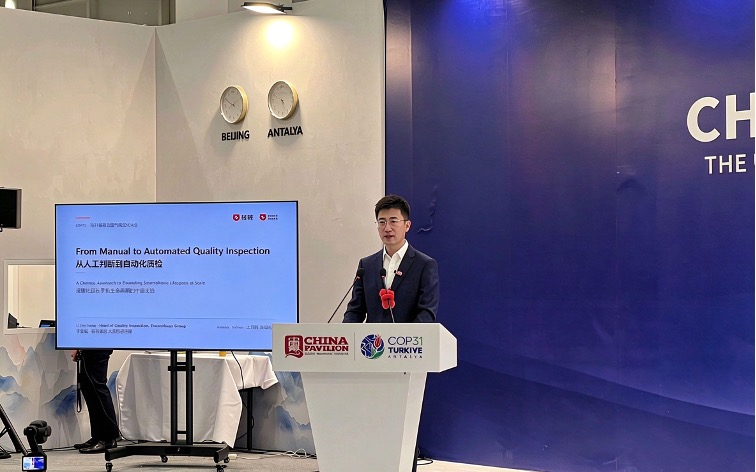
转转集团大质检总经理李金城在大会现场发表主题演讲

二手流转规模化,前提是"能不能安全再用"可核验

联合国训练研究所(UNITAR)与国际电信联盟(ITU)联合发布的《Global E-waste Monitor 2024》(《全球电子废弃物监测2024》)数据显示,2022年全球电子废弃物达6200万吨,预计2030年将增至8200万吨,其中仅22.3%被正式收集并规范回收;当前全球稀土需求中,仅约1%来自电子废弃物回收。如何让已生产的产品延续寿命、物尽其用,正在成为边际成本最低的减排路径之一。

李金城在发言中表示,减少电子废弃物,真正的着力点在于让已生产的产品流转给有需要的人继续使用。“想让一台旧手机不变成电子废弃物,最好的办法是让它安全地再用一次。而让流转规模化,前提是让‘能不能安全再用’变得可核验、可信任。”

据其介绍,转转采用C2B2C模式,通过官方质检将非标的二手商品标准化,为卖家提供合理定价、为买家提供售后保障。落到操作层面,拍照建档由标准化设备采集影像、AI标记瑕疵,把成色判断交给设备而非人的感官;功能检测由自研质检应用自动判定、工程师辅助;X光无损检测先由AI识别维修痕迹,仅对存疑案例拆机复检,把全拆变成精准拆机;最后经数据安全擦除并全程留痕。每台设备走完这四步,即生成一份可信的数字身份档案,既是交易凭证,也是碳减排核算的核心证据。

“循环经济对气候的价值,需要被翻译成国际同行能验算的语言。”李金城说,一台二手手机的再利用能带来多少碳减排,企业已形成可验证的方法学,期待在大会上与各国从业者、标准机构共同推进“再利用”判定与碳核算方法的对话与互认。

两项实践入选国家级名单,中国企业循环实践走向国际舞台

在COP31期间,转转的两项实践分别进入生态环境部宣传教育中心的两份全国性名单。
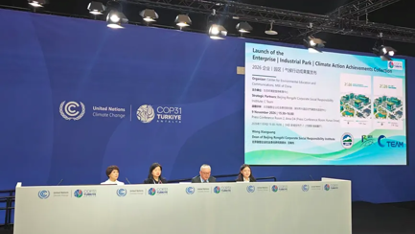
《2026企业|园区气候行动成果集》新闻发布会

10月27日公示的2026“美丽中国,我是行动者”企业(园区)气候行动成果名单中,转转“全域绿色回收减碳行动”与扬子江药业、海尔智家、小鹏集团等30家企业共同入选;11月6日公示的2026“美丽中国•绿色空间使用者”实践成果名单中,其“多品类闲置物品绿色消费空间”入选“企业空间低碳实践与行动组”。两份名单的入选成果将分别汇编成案例集,在COP31期间发布、展示。据悉,转转此前已连续入选生态环境部宣传教育中心相关案例集。

自2023年作为中国循环经济领域首批平台型企业首次登上联合国气候变化大会演讲台以来,转转已连续四年参会,持续把中国城市与县域的二手流转实践带入国际对话。

“本届东道主提出到2035年将全球废弃物增量减半,这套目标的落地,需要可被各国从业者复用的标准化方法。”李金城表示,转转愿意与各方分享经过实践验证的质检与碳核算经验,共同探讨循环经济解决方案,寻求技术与标准层面的合作。

据介绍,截至2025年底,转转平台累计注册用户超4亿,“上门+门店”回收网络覆盖全国千座城市,线下门店超1500家。通过闲置物品流转累计实现碳减排634.82万吨、节约能源8712吉瓦时。转转是中国二手循环行业首家通过SBTi(科学碳目标倡议)验证的企业,承诺2050年实现全价值链净零排放,累计主持和参与制定各类标准近30项。

注:文/龚作仁,文章来源:Laborer,本文为作者独立观点,不代表亿邦动力立场。

【版权提示】亿邦动力倡导尊重与保护知识产权。未经许可,任何人不得复制、转载、或以其他方式使用本网站的内容。如发现本站文章存在版权问题,烦请提供版权疑问、身份证明、版权证明、联系方式等发邮件至run@ebrun.com,我们将及时沟通与处理。

已点赞

+1

{{ praise_text }}

好文章,值得被更多人看到

FAQ回顾

转转对二手商品的标准化质检包括哪些环节?

转转采用C2B2C模式,通过官方四步质检将非标二手商品标准化:拍照建档由标准化设备采集影像、AI标记瑕疵;功能检测由自研质检应用自动判定、工程师辅助;X光无损检测由AI识别维修痕迹,仅对存疑案例拆机复检;最后进行数据安全擦除并全程留痕,生成数字身份档案。

全球电子废弃物回收现状如何?

联合国训练研究所与国际电信联盟联合发布的《Global E-waste Monitor 2024》显示,2022年全球电子废弃物达6200万吨,预计2030年增至8200万吨,但仅22.3%被正式收集并规范回收;全球稀土需求中仅约1%来自电子废弃物回收。延长已生产产品的使用寿命,被视为边际成本较低的减排路径之一。

转转在联合国气候大会上分享了哪些循环经济实践?

在COP31中国角“循环经济助力应对气候变化”主题边会上,转转集团大质检总经理李金城分享以四步质检为每台二手设备生成“数字身份档案”,让“能不能安全再用”可核验、碳减排有据可算;转转还作为倡议发起单位之一参与“发展循环经济,应对气候变化”企业联合倡议,两项实践入选生态环境部宣传教育中心2026年两份全国性名单。

二手闲置物品流转能带来哪些环境和资源效益?

截至2025年底,转转平台累计注册用户超4亿,“上门+门店”回收网络覆盖全国千座城市,线下门店超1500家;通过闲置物品流转累计实现碳减排634.82万吨、节约能源8712吉瓦时。转转还是中国二手循环行业首家通过SBTi验证的企业,承诺2050年实现全价值链净零排放。

企业如何让二手商品安全再用并实现碳减排可核算?

企业可用官方质检把非标二手商品标准化:通过拍照建档、功能检测、X光无损检测和数据安全擦除四步,生成每台设备的数字身份档案,使“能不能安全再用”可核验,并作为交易凭证与碳减排核算证据;同时以C2B2C模式为卖家提供合理定价、为买家提供售后保障,推动闲置物品规模化流转。

广告

下一篇

跨境电商资源对接

《全球跨境电商服务商资源手册》第二期手册现已发布,触达更多资源,了解跨境服务商信息,欢迎点击链接下载。

了解详情

京东健康11.11:AI医生问诊量同比增长超5倍

此外,AI能力正向智能硬件领域延伸。期间,国内首款JoyInside护理床、JoyInside医用空气消毒器陆续首发,其中与新华医疗联合发布的空气消毒器首批到货后60秒即告售罄。

医疗 医药 未来零售 保健品

2026-11-12 16:16:33