• 亿邦公众号
    • APP下载

实力加冕!虹软PSAI斩获中纺联科学进步奖 以数智视觉创新赋能服装产业发展

作者:龚作仁 文章来源:Laborer

2026-11-16 14:45

作者:龚作仁 文章来源:Laborer

2026-11-16 14:45

邦小白快读

EN
全文速览

总:这是一条服装AI视觉生成获奖并走向产业化的重点信息。

1.11月15日,2026年度中国纺织工业联合会科学技术奖励大会在人民大会堂举行,虹软科技联合浙江理工大学、报喜鸟、卓尚、森马完成的项目获科技进步二等奖。

2.该奖经国家科技部批准设立,是纺织科技领域最高荣誉,项目技术和产业化价值获行业权威认可。

总:对普通读者可用的实操干货集中在AI设计与内容生成。

1.传统服装视觉生成存在面料纹理失真、款式结构错位、设计要素失控,项目用服装专业知识加生成式AI实现高保真、精准可控生成。

2.可把文字描述、视觉参考快速转成可视化方案,用AI模特、4D数字人动态试衣、智能场景生成组合人物姿态服装场景。

3.还能生成Lookbook、种草图、商品详情页、主图视频,适配电商、社交媒体和线下营销,降低拍摄与沟通制作成本。

总:品牌商可重点关注AI视觉内容生产对研发和营销的赋能。

1.研发端建立多模态数据集和知识图谱,覆盖款式结构、面料材质、工艺细节、风格语义,并用知识增强的服装垂直视觉模型提升细节表达与精准编辑。

2.营销端以服装垂直视觉大模型融合数字人、智能试衣、场景生成,支持AI模特、4D数字人动态试衣和智能商拍,提供多肤色、多风格、全年龄段数字模特。

总:品牌渠道与内容适配空间更灵活。

1.可生成Lookbook、种草图、商品详情页、主图视频等多类型内容,快速适配电商、社交媒体及线下营销。

2.相较依赖摄影、模特、场地和后期,该模式不增加传统拍摄成本即可拓展同一商品视觉表达,降低创意沟通制作成本。

3.报喜鸟、卓尚、森马参与项目,项目面向龙头品牌示范,并将成熟AI商拍模式向更多服装品牌及供应链企业复制,还提到海外市场拓展;数字技术正加速融入时尚产业。

总:卖家可关注奖项权威背书和AI商拍模式带来的经营机会。

1.项目获中纺联科技进步二等奖,该奖经科技部批准设立,是纺织科技领域最高荣誉,属于行业权威正向信号。

2.传统服装视觉内容依赖摄影、模特、场地和后期,存在成本与沟通制作环节;项目用AI模特、4D数字人动态试衣、智能场景生成降低传统拍摄依赖。

总:合作与复制路径提供可学习点。

1.虹软联合浙江理工大学、报喜鸟、卓尚、森马完成项目,形成技术平台应用、产业示范、规模化复制和海外市场拓展路径。

2.卖家可学习用文字描述和视觉参考快速转可视化方案,生成Lookbook、种草图、详情页、主图视频,适配电商、社媒、线下。

3.风险提示方面,传统模式有面料纹理失真、款式结构错位、设计要素失控等痛点,需用专业知识加垂直模型解决;扶持政策文章未展开,但行业最高荣誉和示范复制释放机会信号。

总:工厂可关注服装设计研发、商品展示和供应链数字化的落地工具。

1.项目构建面向设计研发、商品展示与营销传播的多模态数据集和知识图谱,建立涵盖款式结构、面料材质、工艺细节与风格语义的专业知识表达体系。

2.技术突破包括知识增强的服装垂直视觉模型、材质款式结构与场景光影协同建模、模特身份一致性约束、人体姿态驱动、服装动态形变与视频时序一致生成。

总:商业机会在AI商拍和供应链复制。

1.项目打造4D数字人动态试衣与智能商拍,构建AI设计—试衣—商拍—营销协同服务平台,贯通研发、展示、营销传播全流程。

2.工厂和供应链企业可借平台以数字化重组服装商品、人物、场景和创意内容,降低拍摄依赖,拓展同一商品视觉表达。

3.产业化上,项目从技术平台应用到产业示范,再向规模化复制和海外市场拓展,并面向龙头品牌示范后向更多服装品牌及供应链企业复制推广。

总:服务商可关注服装时尚视觉生成的技术趋势与解决方案。

1.客户痛点是传统视觉生成常出现面料纹理失真、款式结构错位、设计要素失控,通用模型缺乏服装工程学与时尚专业知识,且传统内容生产依赖摄影、模特、场地和后期。

2.新技术包括多模态数据集和知识图谱、知识增强的服装垂直视觉模型、材质款式结构与场景光影协同建模、模特身份一致性约束、人体姿态驱动、服装动态形变与视频时序一致生成。

总:解决方案已平台化并形成产业化路径。

1.以服装垂直视觉大模型为核心,融合数字人、智能试衣、场景生成,提供4D数字人动态试衣和智能商拍。

2.构建AI设计—试衣—商拍—营销协同服务平台,支持文字描述和视觉参考转方案,生成多类型营销内容并适配电商、社媒、线下。

3.通过PSAI平台沉淀能力,面向龙头品牌示范,再规模化复制和海外拓展,服务商可从中识别行业趋势与客户交付机会。

总:平台商可关注服装视觉内容生产的平台化需求和PSAI做法。

1.需求与问题:品牌需要更灵活、高效、多样的视觉内容生产,传统模式依赖摄影、模特、场地和后期,且通用生成模型存在面料纹理失真、款式结构错位、设计要素失控。

2.平台最新做法:构建AI设计—试衣—商拍—营销协同服务平台,以服装垂直视觉大模型融合数字人、智能试衣、场景生成,持续沉淀服装行业视觉生产能力。

总:合作复制和运营管理路径较清晰。

1.项目由虹软联合浙江理工大学、报喜鸟、卓尚、森马完成,面向龙头品牌示范,再将成熟AI商拍模式向更多服装品牌及供应链企业复制,并拓展海外市场。

2.运营上以多模态数据集和知识图谱支撑专业表达,提供多肤色、多风格、全年龄段数字模特及Lookbook、种草图、详情页、主图视频等生成能力。

3.风向规避可关注传统视觉生成的失真和不可控问题,项目通过高保真生成与精准编辑、协同服务平台贯通全流程来应对。

总:研究者可关注服装产业数智化视觉生成的产学研新动向。

1.项目由虹软科技联合浙江理工大学、报喜鸟、卓尚、森马完成,获中纺联科技进步二等奖;该奖经国家科技部批准设立,代表纺织科技领域最高荣誉。

2.新问题在于通用生成模型缺乏服装工程学与时尚专业知识,导致面料纹理失真、款式结构错位、设计要素失控。

总:技术路径与商业模式具有研究价值。

1.技术路径是构建多模态数据集和知识图谱,建立款式结构、面料材质、工艺细节、风格语义表达体系,再攻克知识增强垂直视觉模型及材质款式结构场景光影协同建模,并引入模特身份一致性、姿态驱动、动态形变、视频时序一致生成。

2.商业模式是AI设计—试衣—商拍—营销协同服务平台,打造4D数字人动态试衣和智能商拍,按技术平台应用、产业示范、规模化复制、海外拓展推进。

3.政策与产业启示是行业科技奖励认可产业化应用,数字技术加速融入时尚产业,未来指向视觉数字基础设施和数字化智能化转型。

声明:快读内容全程由AI生成,请注意甄别信息。如您发现问题,请发送邮件至 run@ebrun.com 。

我是 品牌商 卖家 工厂 服务商 平台商 研究者 帮我再读一遍。

Quick Summary

Overview: A key update: an apparel AI visual generation project has won an award and is moving toward industrialization.

1. On November 15, the 2026 China National Textile and Apparel Council Science and Technology Awards Conference was held at the Great Hall of the People. The project completed by ArcSoft with Zhejiang Sci-Tech University, Baoxiniao, Zhuoshang, and Semir received a Second Prize for Scientific and Technological Progress.

2. The award was approved by the Ministry of Science and Technology and is the highest honor in textile science and technology, giving the project's technology and industrialization value authoritative industry recognition.

Overview: The practical takeaways for general readers center on AI design and content generation.

1. Traditional apparel visual generation suffers from fabric texture distortion, style and structure misalignment, and loss of control over design elements. The project combines apparel domain knowledge with generative AI to achieve high-fidelity, precisely controllable generation.

2. It can quickly turn text descriptions and visual references into visualized proposals, combining AI fashion models, 4D digital-human dynamic try-on, and intelligent scene generation to compose figures, poses, apparel, and scenes.

3. It can also generate lookbooks, seeding images, product detail pages, and hero-image videos, adapting to e-commerce, social media, and offline marketing while reducing photography and creative production costs.

Overview: Brands should focus on how AI visual content production empowers R&D and marketing.

1. On the R&D side, the project builds multimodal datasets and knowledge graphs covering style structure, fabric materials, process details, and style semantics, and uses knowledge-enhanced apparel-specific vision models to improve detail expression and precise editing.

2. On the marketing side, an apparel-specific vertical vision large model integrates digital humans, smart try-on, and scene generation, supporting AI fashion models, 4D digital-human dynamic try-on, and AI commercial photography, with digital models across skin tones, styles, and age groups.

Overview: Brand channels and content adaptation become more flexible.

1. It can generate multiple content types such as lookbooks, seeding images, product detail pages, and hero-image videos, quickly adapting to e-commerce, social media, and offline marketing.

2. Compared with reliance on photography, models, locations, and post-production, this model expands visual expression for the same product without increasing traditional shooting costs and reduces creative communication and production costs.

3. Baoxiniao, Zhuoshang, and Semir participated in the project. The project targets demonstrations with leading brands and replicates the mature AI commercial photography model to more apparel brands and supply-chain companies; overseas market expansion is also mentioned. Digital technology is accelerating its integration into the fashion industry.

Overview: Sellers should note the authoritative award endorsement and the business opportunities created by the AI commercial photography model.

1. The project won a Second Prize for Scientific and Technological Progress from CNTAC. The award was approved by the Ministry of Science and Technology and is the highest honor in textile science and technology, a positive authoritative industry signal.

2. Traditional apparel visual content relies on photography, models, locations, and post-production, involving costs and communication and production steps. The project uses AI fashion models, 4D digital-human dynamic try-on, and intelligent scene generation to reduce reliance on traditional shooting.

Overview: The collaboration and replication path offers lessons to learn from.

1. ArcSoft completed the project with Zhejiang Sci-Tech University, Baoxiniao, Zhuoshang, and Semir, forming a path from technology platform application to industry demonstration, large-scale replication, and overseas market expansion.

2. Sellers can learn to quickly turn text descriptions and visual references into visualized proposals and generate lookbooks, seeding images, detail pages, and hero-image videos, adapting to e-commerce, social media, and offline channels.

3. On risk, traditional approaches have pain points such as fabric texture distortion, style and structure misalignment, and loss of control over design elements, which require domain knowledge plus vertical models to address. Support policies are not elaborated in the article, but the industry's highest honor and demonstration and replication release opportunity signals.

Overview: Factories should focus on practical tools for apparel design R&D, product display, and supply-chain digitalization.

1. The project builds multimodal datasets and knowledge graphs for design R&D, product display, and marketing communication, establishing a professional knowledge expression system covering style structure, fabric materials, process details, and style semantics.

2. Technical breakthroughs include knowledge-enhanced apparel-specific vision models, joint modeling of materials, style structure, and scene lighting, model identity consistency constraints, human pose driving, and dynamic garment deformation with temporally consistent video generation.

Overview: Business opportunities lie in AI commercial photography and supply-chain replication.

1. The project creates 4D digital-human dynamic try-on and intelligent commercial photography, and builds an AI design—try-on—commercial photography—marketing collaboration service platform that connects the full R&D, display, and marketing communication workflow.

2. Factories and supply-chain companies can use the platform to digitally reorganize apparel products, people, scenes, and creative content, reducing reliance on shooting and expanding visual expression for the same product.

3. In industrialization, the project advances from technology platform application to industry demonstration, then to large-scale replication and overseas market expansion. After demonstrating with leading brands, it is replicated and promoted to more apparel brands and supply-chain companies.

Overview: Service providers should focus on technical trends and solutions in apparel and fashion visual generation.

1. Customer pain points: traditional visual generation often suffers from fabric texture distortion, style and structure misalignment, and loss of control over design elements. General-purpose models lack apparel engineering and fashion domain expertise, and traditional content production relies on photography, models, locations, and post-production.

2. New technologies include multimodal datasets and knowledge graphs, knowledge-enhanced apparel-specific vision models, joint modeling of materials, style structure, and scene lighting, model identity consistency constraints, human pose driving, and dynamic garment deformation with temporally consistent video generation.

Overview: The solution has been platformized and formed an industrialization path.

1. Centered on an apparel-specific vertical vision large model, it integrates digital humans, smart try-on, and scene generation, and provides 4D digital-human dynamic try-on and intelligent commercial photography.

2. It builds an AI design—try-on—commercial photography—marketing collaboration service platform, supports conversion of text descriptions and visual references into proposals, and generates multiple types of marketing content adapted to e-commerce, social media, and offline channels.

3. Capabilities are accumulated through the PSAI platform, demonstrated with leading brands, then replicated at scale and expanded overseas. Service providers can identify industry trends and customer delivery opportunities from this.

Overview: Platform providers should focus on the platformization demand for apparel visual content production and the PSAI approach.

1. Demand and problems: brands need more flexible, efficient, and diverse visual content production. Traditional approaches rely on photography, models, locations, and post-production, and general-purpose generation models suffer from fabric texture distortion, style and structure misalignment, and loss of control over design elements.

2. Latest platform approach: build an AI design—try-on—commercial photography—marketing collaboration service platform, use an apparel-specific vertical vision large model to integrate digital humans, smart try-on, and scene generation, and continuously accumulate apparel-industry visual production capabilities.

Overview: The collaboration, replication, and operational management path is relatively clear.

1. The project was completed by ArcSoft with Zhejiang Sci-Tech University, Baoxiniao, Zhuoshang, and Semir. It demonstrates with leading brands, then replicates the mature AI commercial photography model to more apparel brands and supply-chain companies, and expands into overseas markets.

2. Operationally, multimodal datasets and knowledge graphs support professional expression, providing digital models across skin tones, styles, and age groups, as well as generation capabilities for lookbooks, seeding images, detail pages, and hero-image videos.

3. For risk mitigation, attention should be paid to the distortion and uncontrollability of traditional visual generation; the project addresses these through high-fidelity generation, precise editing, and a collaboration service platform that connects the full workflow.

Overview: Researchers should focus on new industry-academia-research developments in digital-intelligent visual generation for the apparel industry.

1. The project was completed by ArcSoft with Zhejiang Sci-Tech University, Baoxiniao, Zhuoshang, and Semir and won a Second Prize for Scientific and Technological Progress from CNTAC. The award was approved by the Ministry of Science and Technology and represents the highest honor in textile science and technology.

2. The new problem is that general-purpose generation models lack apparel engineering and fashion domain expertise, leading to fabric texture distortion, style and structure misalignment, and loss of control over design elements.

Overview: The technical path and business model have research value.

1. The technical path is to build multimodal datasets and knowledge graphs, establish an expression system for style structure, fabric materials, process details, and style semantics, then tackle knowledge-enhanced vertical vision models and joint modeling of materials, style structure, and scene lighting, and introduce model identity consistency, pose driving, dynamic deformation, and temporally consistent video generation.

2. The business model is an AI design—try-on—commercial photography—marketing collaboration service platform, creating 4D digital-human dynamic try-on and intelligent commercial photography, and advancing through technology platform application, industry demonstration, large-scale replication, and overseas expansion.

3. The policy and industry implication is that industry science and technology awards recognize industrialized applications, digital technology is accelerating its integration into the fashion industry, and the future points toward visual digital infrastructure and digital-intelligent transformation.

Disclaimer: The "Quick Summary" content is entirely generated by AI. Please exercise discretion when interpreting the information. For issues or corrections, please email run@ebrun.com .

I am a Brand Seller Factory Service Provider Marketplace Seller Researcher Read it again.

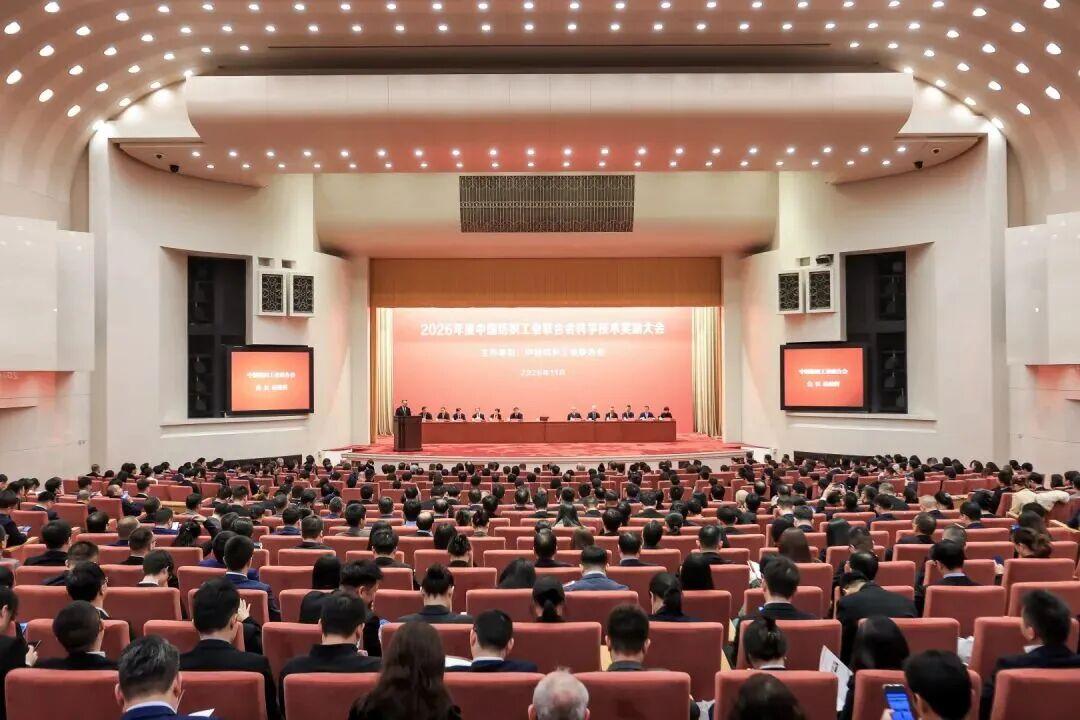
11月15日,2026年度中国纺织工业联合会科学技术奖励大会在人民大会堂正式举行。虹软科技联合浙江理工大学、报喜鸟、卓尚、森马共同完成的《服装产业数智化时尚视觉生成关键技术及产业化应用》项目,斩获了中国纺织工业联合会科学技术奖——科技进步二等奖。

图片

中国纺织工业联合会科学技术奖是经国家科学技术部批准设立、面向全国范围的行业性科学技术奖项,代表了我国纺织科技领域的最高荣誉。此次获奖,标志着国家级行业权威机构对虹软在服装时尚视觉生成领域的技术创新突破与产业化赋能价值的高度认可。
图片

服饰专业领域知识与生成式AI深度协同

破解时尚视觉生成瓶颈

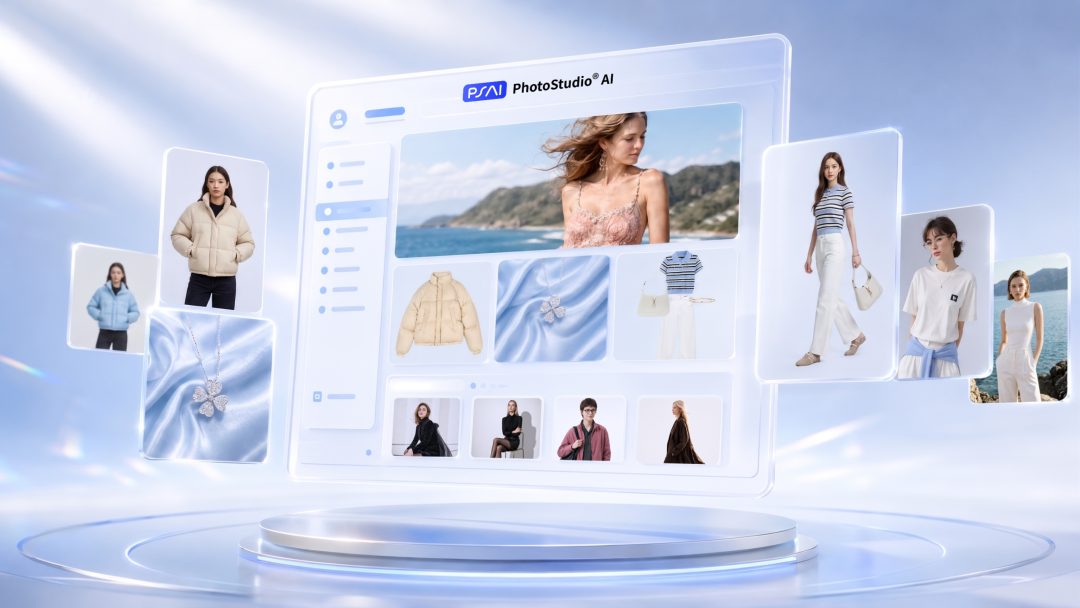
在服装研发与营销领域,传统视觉生成常面临面料纹理失真、款式结构错位及设计要素失控等问题。根本原因在于通用生成模型缺乏对服装工程学与时尚专业知识的深度理解。虹软科技长期深耕计算机视觉领域,近年来依托PSAI将技术能力延伸至服饰行业,通过与行业伙伴深度合作将服装领域的专业知识体系与生成式AI深度结合,实现了高保真、精准可控的时尚视觉生成。

项目率先构建了面向服装设计研发、商品展示与营销传播的多模态数据集和知识图谱,建立了涵盖服装款式结构、面料材质、工艺细节与风格语义的专业知识表达体系,赋予AI系统精准理解服装专业语言的能力。

通过攻克知识增强的服装垂直视觉模型训练及材质、款式结构与场景光影协同建模难题,项目突破了细节失真与设计要素不可控制等瓶颈,实现了服装细节、模特与场景的高保真生成与精准编辑。

此外,项目的主要技术创新还体现在模特身份一致性约束、人体姿态驱动、服装动态形变与视频时序一致生成,打造出4D数字人动态试衣与智能商拍技术,并构建出AI“设计—试衣—商拍—营销”协同服务平台,全面贯通服装产品研发、商品展示与营销传播全流程。
图片

激发时尚创意灵感

赋能商品多元展示与高效传播

相较于传统服装视觉内容生产高度依赖摄影、模特、场地及后期制作的模式,项目以服装垂直视觉大模型为核心,融合数字人、智能试衣、场景生成等技术,将服装商品、人物、场景及创意内容进行数字化重组,为品牌提供更加灵活、高效和多样化的视觉内容生产方式。

在创意策划与视觉构思环节,支持将文字描述、视觉参考等创意输入快速转化为可视化方案,帮助品牌及运营团队降低从创意构想到视觉呈现的沟通与制作成本;在商品视觉生成与展示环节,通过AI模特、4D数字人动态试衣、智能场景生成等能力,实现人物、姿态、服装与场景的灵活组合,在不增加传统拍摄成本的情况下拓展同一商品的视觉表达方式;在营销内容生产环节,提供覆盖多肤色、多风格、全年龄段的数字模特资源,并支持Lookbook、种草图、商品详情页、主图视频等多类型内容生成,帮助品牌快速适配电商、社交媒体及线下营销等不同传播场景。

目前,项目已逐步形成从技术平台应用到产业示范,再到规模化复制和海外市场拓展的产业化应用路径。一方面,通过PSAI平台持续沉淀服装行业视觉生产能力;另一方面,面向龙头品牌开展示范应用,并将成熟的AI商拍模式向更多服装品牌企业及供应链企业复制推广,进一步拓展人工智能在服装设计、商品展示和营销传播等环节的应用空间。

持续深化技术创新

助力时尚产业数智化转型

当前,数字技术正加速融入时尚产业的各个环节。作为全球领先的视觉人工智能企业,虹软科技始终致力于以前沿算法赋能实体产业。

未来,虹软PSAI将持续深耕服装时尚视觉领域,拓展技术在时尚全产业链的应用深度,为服装产业和品牌提供更具创造力的视觉数字基础设施,共同推动中国纺织服装产业向数字化、智能化迈进。

注:文/龚作仁,文章来源:Laborer,本文为作者独立观点,不代表亿邦动力立场。

【版权提示】亿邦动力倡导尊重与保护知识产权。未经许可,任何人不得复制、转载、或以其他方式使用本网站的内容。如发现本站文章存在版权问题,烦请提供版权疑问、身份证明、版权证明、联系方式等发邮件至run@ebrun.com,我们将及时沟通与处理。

已点赞

+1

{{ praise_text }}

好文章,值得被更多人看到

FAQ回顾

虹软PSAI是什么?它在服装行业主要做什么?

虹软PSAI是虹软科技依托计算机视觉技术延伸至服饰行业的平台,聚焦服装时尚视觉生成,构建AI“设计—试衣—商拍—营销”协同服务平台,覆盖服装设计研发、商品展示与营销传播,提供AI模特、4D数字人动态试衣、智能场景生成、AI商拍等能力。

服装产业的数智视觉生成技术主要解决哪些问题?

传统服装视觉生成常面临面料纹理失真、款式结构错位及设计要素失控,通用生成模型缺乏服装工程学与时尚专业知识。相关项目通过多模态数据集和知识图谱、服装垂直视觉模型及材质款式结构与场景光影协同建模,实现高保真、精准可控的生成与编辑。

服装品牌如何用AI降低商拍和视觉内容生产成本?

服装品牌可利用服装垂直视觉大模型,融合数字人、智能试衣、场景生成等技术,将商品、人物、场景和创意数字化重组。文字或视觉参考可快速转化为方案,AI模特、4D数字人动态试衣、智能场景生成可灵活组合,在不增加传统拍摄成本下生成Lookbook、种草图、详情页、主图视频等内容。

AI商拍模式适合哪些服装企业应用?

AI商拍模式面向需要高效开展服装设计研发、商品展示和营销传播的服装品牌企业及供应链企业。相关项目先在龙头品牌开展示范应用,再将成熟模式向更多服装品牌和供应链企业复制推广,帮助其降低对传统摄影、模特、场地及后期制作的依赖。

中国纺织工业联合会科学技术奖是什么级别的奖项?

中国纺织工业联合会科学技术奖是经国家科学技术部批准设立、面向全国范围的行业性科学技术奖项,代表我国纺织科技领域的最高荣誉。2026年度奖励大会在人民大会堂举行,虹软科技等完成的服装产业数智化时尚视觉生成项目获得科技进步二等奖。

广告

下一篇

跨境电商资源对接

《全球跨境电商服务商资源手册》第二期手册现已发布,触达更多资源,了解跨境服务商信息,欢迎点击链接下载。

了解详情

从坦桑尼亚到全球履约:大司空廖泽丽将出席第八届亿邦产业互联网年会

大司空科技CEO、坦桑尼亚MatGo筑达平台创始人廖泽丽已确认出席2026年第八届亿邦产业互联网年会暨首届产业智能体大会,并将参与“出海对话”环节,围绕海外供应链需求与履约生态分享一线实战经验。


服务商 B2B 亿邦动力 数据驱动

2026-11-16 14:19:47