• 亿邦公众号
    • APP下载

拼多多化妆品新规:儿童产品须标注“应在成人监护下使用”

作者:亿邦动力 文章来源:亿邦动力

2026-11-09 16:16

作者:亿邦动力 文章来源:亿邦动力

2026-11-09 16:16

邦小白快读

EN
全文速览

总:拼多多化妆品新规11月21日生效,消费者可据此识别合规商品和维权。

1.买儿童化妆品看详情页及销售包装展示面有无“小金盾”,包装可视面应标“应当在成人监护下使用”,标签不得用“食品级”“可食用”等词语或食品图案。

2.买临期化妆品看标题是否明示“临期商品”,详情是否标保质期或限制使用日期,过期化妆品不得销售;15克或15毫升及以下小规格、试用装、组合装、套装也须合规。

总:商品信息和禁售情形是判断重点。

1.商品名称、品牌、生产日期、产地、保质期须真实完整,并与注册备案、标签说明书一致,不得篡改日期、保质期、批次号。

2.不得销售自行配制分装、以次充好、未注册备案、非法添加、假冒仿冒、变质或召回化妆品;普通化妆品不得宣称特殊功效,不得暗示医疗作用。

3.质量投诉成立后平台可下架、扣违约金、终止合作,平台还会抽检。

总:新规强化品牌资质与宣传合规,品牌在拼多多经营化妆品须把资质、标签和内容审核前置。

1.品牌资质及注册备案文件要真实合法有效完整,平台会审查并定期核验;商品名称、品牌、生产日期、产地、保质期须与备案和实际标签说明书一致,不得篡改日期批次。

2.标题、图片、属性、详情、SKU和客服聊天不得发布规避、混淆、虚假夸大信息,不得明示暗示医疗作用,普通化妆品不得宣称特殊化妆品功效。

总:儿童、临期和禁售规则影响产品设计与渠道策略。

1.儿童化妆品须在详情页及销售包装展示“小金盾”,包装可视面标注“应当在成人监护下使用”,标签不得用“食品级”“可食用”等词语或食品图案。

2.临期商品标题明示“临期商品”,详情标保质期或限制使用日期;15克或15毫升及以下小规格、试用装、组合装、套装也须合规。

3.不得经营自行配制分装、以次充好、未注册备案、非法添加、假冒注册商标、仿冒知名品牌包装装潢或产品名称等商品;平台抽检和违规下架降权禁售等会影响品牌渠道秩序。

总:新规11月21日生效,卖家需先补齐资质并建立信息审核流程。

1.依法取得主体资质、品牌资质及注册或备案文件,对材料真实性合法性有效性完整性负责,平台审查并定期核验。

2.商品名称、品牌、生产日期、产地、保质期须真实完整,与注册备案、标签说明书一致,不得篡改日期批次,不得类目错放规避。

总:发布宣传、儿童临期和禁售是高风险环节。

1.标题、图片、属性、详情、SKU及客服聊天不得发规避、混淆、虚假夸大信息,不得暗示医疗作用,普通化妆品不得宣称特殊功效。

2.儿童化妆品详情页及销售包装展示“小金盾”,包装可视面标注“应当在成人监护下使用”,标签不得用“食品级”“可食用”等词语或食品图案;临期商品标题明示“临期商品”,详情标保质期或限制使用日期,过期禁售,小规格15克或15毫升及试用装组合装套装也须合规。

总:禁售与处罚风险要重点规避。

1.不得经营自行配制分装、以次充好、未注册备案、非法添加、假冒仿冒、变质或召回化妆品。

2.平台抽检,投诉成立可下架扣违约金终止合作;违规可屏蔽降权下架禁售删除、移除资源位、关闭订单退款、限制上新上架账户权限,严重时提高保证金、限制提现、扣保证金或店铺资金直至终止合作。

总:新规把生产端标签、注册备案和包装设计纳入平台经营合规,工厂需从产品设计阶段对接规则。

1.化妆品须依法完成注册或备案,商品信息应与注册备案信息、实际销售商品标签及说明书一致;工厂生产标签、说明书和批次信息要真实完整,不得篡改生产日期、保质期、批次号。

2.不得生产或供应自行配制分装、以次充好、未注册备案、非法添加禁用原料、超范围超限量使用限用原料、假冒注册商标、仿冒知名品牌包装装潢或产品名称的化妆品。

总:儿童和小规格产品有明确设计需求。

1.儿童化妆品销售包装展示面要标注“小金盾”,可视面标注“应当在成人监护下使用”,标签不得使用“食品级”“可食用”等词语或食品相关图案。

2.净含量不大于15克或15毫升的化妆品,包括试用装、组合装及套装,注册备案、标签、商品信息和宣传文案均须合规。

总:推进电商化要配合平台抽检和信息一致。

1.产品标签、详情、SKU内容需可核对,避免描述不符或抽检不合格;临期产品需支持标题明示和详情标保质期或限制使用日期。

2.工厂可把合规包装设计、儿童产品标识、小规格套装和临期管理作为对接电商渠道的基础能力。

总:化妆品电商合规服务需求上升,平台从资质、信息、抽检到处罚形成闭环。

1.商家需取得主体资质、品牌资质及注册或备案文件,平台审查并定期核验,服务商可帮助建立资质档案和到期提醒。

2.商品名称、品牌、生产日期、产地、保质期、标签说明书、SKU和详情需一致,不得篡改日期批次,不得类目错放。

总:客户痛点集中在宣传合规、儿童临期和禁售识别。

1.标题、图片、属性、详情、SKU及客服聊天不得有规避、混淆、虚假夸大信息,不得暗示医疗作用,普通化妆品不得宣称特殊功效,可做话术和素材审核。

2.儿童化妆品要展示“小金盾”,包装可视面标注“应当在成人监护下使用”,不得用“食品级”“可食用”等词语或食品图案;临期商品标题明示“临期商品”,详情标保质期或限制使用日期,过期不得销售。

总:服务商可提供抽检投诉与处罚应对方案。

1.平台会抽检,描述不符或抽检不合格会被处理;消费者投诉成立可下架、扣违约金、终止合作。

2.违规可能被屏蔽、降权、下架、禁售、删除、移除资源位、关闭订单退款、限制上新上架账户权限,严重时提高保证金、限制提现、扣保证金或店铺资金直至终止合作。

总:拼多多以《化妆品行业管理规范》强化平台治理,11月21日生效,形成准入、发布、抽检、处罚链条。

1.准入端要求商家具备主体资质、品牌资质及产品注册或备案文件,平台审查并定期核验,商家对材料真实性合法性有效性完整性负责。

2.发布端禁止类目错放规避,要求名称品牌生产日期产地保质期真实完整,与注册备案、标签说明书一致,不得篡改日期保质期批次号。

总:平台运营管理覆盖宣传、儿童临期和禁售。

1.标题图片属性详情SKU客服聊天不得有规避混淆虚假夸大信息,不得暗示医疗作用,普通化妆品不得宣称特殊功效。

2.儿童化妆品须展示“小金盾”并标注“应当在成人监护下使用”,不得用“食品级”“可食用”等词语或食品图案;临期商品标题明示“临期商品”,详情标保质期或限制使用日期,过期禁售,小规格15克或15毫升及试用装组合装套装也纳入。

总:抽检投诉与违规处置是平台风向规避重点。

1.平台抽检,描述不符或抽检不合格可处理;投诉成立可下架、扣违约金、终止合作。

2.违规可屏蔽降权下架禁售删除、移除资源位、关闭订单退款、限制上新上架账户权限,情节严重提高保证金、限制提现、扣保证金或店铺资金直至解除协议终止合作。

总:拼多多新增化妆品行业管理规范,显示平台治理从准入资质延伸到发布、抽检和处罚的闭环。

1.准入要求主体资质、品牌资质及注册备案文件,平台审查并定期核验,商家对材料真实性合法性有效性完整性负责。

2.发布要求商品名称品牌生产日期产地保质期真实完整,与注册备案、标签说明书一致,不得类目错放、篡改日期保质期批次号。

总:儿童化妆品、临期和小规格成为规则细化重点。

1.儿童化妆品须展示“小金盾”,销售包装可视面标注“应当在成人监护下使用”,标签不得用“食品级”“可食用”等词语或食品图案,体现儿童产品与食品、药品防混淆的监管取向。

2.临期商品标题明示“临期商品”,详情标保质期或限制使用日期,过期禁售;15克或15毫升及以下小规格、试用装、组合装、套装均纳入合规。

总:禁售清单、抽检投诉和处罚梯度提供研究议题。

1.禁售自行配制分装、以次充好、未注册备案、非法添加、假冒仿冒、变质或召回化妆品。

2.平台抽检、消费者投诉成立可下架扣违约金终止合作;违规可屏蔽降权下架禁售删除、移除资源位、关闭订单退款、限制权限,严重时提高保证金、限制提现、扣保证金或店铺资金直至终止合作,可作为平台规则与法规衔接、合规成本与商业模式研究样本。

声明:快读内容全程由AI生成,请注意甄别信息。如您发现问题,请发送邮件至 run@ebrun.com 。

我是 品牌商 卖家 工厂 服务商 平台商 研究者 帮我再读一遍。

Quick Summary

Summary: Pinduoduo's new cosmetics rules take effect on Nov 21, giving consumers a basis to identify compliant products and defend their rights.

1. For children's cosmetics, check the product detail page and the display surface of the sales package for the 'Little Golden Shield'; the visible surface of the package should state 'should be used under adult supervision'; labels must not use terms such as 'food-grade' or 'edible' or feature food imagery.

2. For near-expiry cosmetics, check whether the title explicitly states 'near-expiry product' and whether the details show the shelf life or use-by date. Expired cosmetics must not be sold; small sizes of 15 g or 15 mL and below, trial sizes, multipacks, and gift sets must also comply.

Summary: Product information and prohibited sales are key areas of assessment.

1. Product name, brand, production date, place of origin, and shelf life must be true and complete and consistent with registration/filing and labels/instructions; dates, shelf lives, and batch numbers must not be altered.

2. It is prohibited to sell self-compounded or repackaged cosmetics, inferior-quality substitutes, unregistered/unfiled products, products with illegal additives, counterfeit or imitation products, or spoiled or recalled cosmetics; ordinary cosmetics must not claim special efficacy or imply medical effects.

3. After a quality complaint is upheld, the platform may delist products, deduct breach penalties, and terminate cooperation; the platform will also conduct spot checks.

Summary: The new rules tighten brand qualification and marketing compliance; brands operating cosmetics on Pinduoduo must front-load qualification, label, and content reviews.

1. Brand qualifications and registration/filing documents must be authentic, lawful, valid, and complete; the platform will review and periodically verify them. Product name, brand, production date, place of origin, and shelf life must match filings and actual labels/instructions; dates and batch numbers must not be altered.

2. Titles, images, attributes, details, SKUs, and customer-service chats must not contain evasive, confusing, false, or exaggerated information or imply medical effects; ordinary cosmetics must not claim special-cosmetic efficacy.

Summary: Children's products, near-expiry products, and prohibited-sales rules affect product design and channel strategy.

1. Children's cosmetics must display the 'Little Golden Shield' on the detail page and sales package, mark 'should be used under adult supervision' on the visible surface, and must not use terms such as 'food-grade' or 'edible' or food imagery on labels.

2. Near-expiry products must state 'near-expiry product' in the title and show the shelf life or use-by date in the details; small sizes of 15 g or 15 mL and below, trial sizes, multipacks, and gift sets must also comply.

3. Brands must not deal in self-compounded or repackaged products, inferior substitutes, unregistered/unfiled products, products with illegal additives, counterfeit registered trademarks, or products imitating well-known brands' packaging/trade dress or product names; platform spot checks and enforcement such as delisting, reduced traffic, and sales bans will affect brand channel order.

Summary: The new rules take effect on Nov 21; sellers must first complete qualifications and establish information-review processes.

1. Sellers must lawfully obtain entity qualifications, brand qualifications, and registration or filing documents and are responsible for the authenticity, lawfulness, validity, and completeness of the materials; the platform will review and periodically verify them.

2. Product name, brand, production date, place of origin, and shelf life must be true and complete and consistent with registration/filing and labels/instructions; dates and batch numbers must not be altered, and category misplacement to evade rules is prohibited.

Summary: Marketing content, children's/near-expiry products, and prohibited sales are high-risk areas.

1. Titles, images, attributes, details, SKUs, and customer-service chats must not contain evasive, confusing, false, or exaggerated information or imply medical effects; ordinary cosmetics must not claim special efficacy.

2. Children's cosmetics must display the 'Little Golden Shield' on the detail page and sales package and mark 'should be used under adult supervision' on the visible surface; labels must not use terms such as 'food-grade' or 'edible' or food imagery. Near-expiry products must state 'near-expiry product' in the title and show the shelf life or use-by date in the details; expired products are banned from sale, and small sizes of 15 g or 15 mL, trial sizes, multipacks, and gift sets must also comply.

Summary: Prohibited sales and penalty risks should be a key focus of avoidance.

1. Sellers must not deal in self-compounded or repackaged cosmetics, inferior substitutes, unregistered/unfiled products, products with illegal additives, counterfeit or imitation products, or spoiled or recalled cosmetics.

2. The platform conducts spot checks; upheld complaints can lead to delisting, breach penalties, and termination of cooperation. Violations may result in blocking, reduced traffic, delisting, sales bans, deletion, removal from resource slots, order closure and refunds, and restrictions on new listings, listing, or account permissions; in serious cases, the platform may raise deposits, restrict withdrawals, deduct deposits or store funds, or terminate cooperation.

Summary: The new rules bring production-side labels, registration/filing, and packaging design into platform-operating compliance; factories need to align with the rules from the product-design stage.

1. Cosmetics must complete registration or filing in accordance with the law, and product information must be consistent with registration/filing information and the labels/instructions of the actual products sold. Factory-produced labels, instructions, and batch information must be true and complete; production dates, shelf lives, and batch numbers must not be altered.

2. Factories must not produce or supply cosmetics that are self-compounded or repackaged, inferior substitutes, unregistered/unfiled, contain prohibited ingredients or use restricted ingredients beyond scope or limits, counterfeit registered trademarks, or imitate well-known brands' packaging/trade dress or product names.

Summary: Children's products and small-size products have clear design requirements.

1. Children's cosmetics must display the 'Little Golden Shield' on the sales package's display surface and mark 'should be used under adult supervision' on the visible surface; labels must not use terms such as 'food-grade' or 'edible' or food-related imagery.

2. Cosmetics with a net content of no more than 15 g or 15 mL, including trial sizes, multipacks, and gift sets, must comply in registration/filing, labels, product information, and marketing copy.

Summary: E-commerce expansion requires cooperation with platform spot checks and information consistency.

1. Product labels, details, and SKU content must be verifiable to avoid description mismatches or failed spot checks; near-expiry products need to support explicit title disclosure and shelf-life/use-by-date details.

2. Factories can treat compliant packaging design, children's product labeling, small-size sets, and near-expiry management as foundational capabilities for connecting with e-commerce channels.

Summary: Demand for cosmetics e-commerce compliance services is rising, and the platform has formed a closed loop from qualifications and information to spot checks and penalties.

1. Merchants need entity qualifications, brand qualifications, and registration or filing documents; the platform reviews and periodically verifies them. Service providers can help build qualification files and expiry reminders.

2. Product name, brand, production date, place of origin, shelf life, labels/instructions, SKUs, and details must be consistent; dates and batch numbers must not be altered, and category misplacement is prohibited.

Summary: Client pain points center on marketing compliance, children's/near-expiry products, and identification of prohibited sales.

1. Titles, images, attributes, details, SKUs, and customer-service chats must not contain evasive, confusing, false, or exaggerated information or imply medical effects; ordinary cosmetics must not claim special efficacy. Service providers can review scripts and creative assets.

2. Children's cosmetics must display the 'Little Golden Shield' and mark 'should be used under adult supervision' on the visible surface, and must not use terms such as 'food-grade' or 'edible' or food imagery. Near-expiry products must state 'near-expiry product' in the title and show the shelf life or use-by date in the details; expired products must not be sold.

Summary: Service providers can offer response plans for spot checks, complaints, and penalties.

1. The platform conducts spot checks; description mismatches or failed spot checks will be handled. Upheld consumer complaints can lead to delisting, breach penalties, and termination of cooperation.

2. Violations may lead to blocking, reduced traffic, delisting, sales bans, deletion, removal from resource slots, order closure and refunds, and restrictions on new listings, listing, or account permissions; in serious cases, the platform may raise deposits, restrict withdrawals, deduct deposits or store funds, or terminate cooperation.

Summary: Pinduoduo is strengthening platform governance through the Cosmetics Industry Management Rules, effective Nov 21, forming a chain of access, publishing, spot checks, and penalties.

1. On access, merchants must have entity qualifications, brand qualifications, and product registration or filing documents; the platform reviews and periodically verifies them, and merchants are responsible for the authenticity, lawfulness, validity, and completeness of the materials.

2. On publishing, category misplacement to evade rules is prohibited; product name, brand, production date, place of origin, and shelf life must be true and complete and consistent with registration/filing and labels/instructions; dates, shelf lives, and batch numbers must not be altered.

Summary: Platform operations management covers marketing, children's/near-expiry products, and prohibited sales.

1. Titles, images, attributes, details, SKUs, and customer-service chats must not contain evasive, confusing, false, or exaggerated information or imply medical effects; ordinary cosmetics must not claim special efficacy.

2. Children's cosmetics must display the 'Little Golden Shield' and mark 'should be used under adult supervision', and must not use terms such as 'food-grade' or 'edible' or food imagery. Near-expiry products must state 'near-expiry product' in the title and show the shelf life or use-by date in the details; expired products are banned from sale, and small sizes of 15 g or 15 mL, trial sizes, multipacks, and gift sets are also covered.

Summary: Spot checks, complaints, and violation handling are key to platform risk avoidance.

1. The platform conducts spot checks; description mismatches or failed spot checks can be handled. Upheld complaints can lead to delisting, breach penalties, and termination of cooperation.

2. Violations may result in blocking, reduced traffic, delisting, sales bans, deletion, removal from resource slots, order closure and refunds, and restrictions on new listings, listing, or account permissions; in serious cases, the platform may raise deposits, restrict withdrawals, deduct deposits or store funds, or terminate the agreement and cooperation.

Summary: Pinduoduo's new cosmetics industry management rules show platform governance extending from access qualifications to a closed loop covering publishing, spot checks, and penalties.

1. Access requires entity qualifications, brand qualifications, and registration/filing documents; the platform reviews and periodically verifies them, and merchants are responsible for the authenticity, lawfulness, validity, and completeness of the materials.

2. Publishing requires product name, brand, production date, place of origin, and shelf life to be true and complete and consistent with registration/filing and labels/instructions; category misplacement and alteration of dates, shelf lives, or batch numbers are prohibited.

Summary: Children's cosmetics, near-expiry products, and small sizes are key areas of rule refinement.

1. Children's cosmetics must display the 'Little Golden Shield' and mark 'should be used under adult supervision' on the visible surface of the sales package; labels must not use terms such as 'food-grade' or 'edible' or food imagery, reflecting the regulatory orientation of preventing confusion between children's products and food or drugs.

2. Near-expiry products must state 'near-expiry product' in the title and show the shelf life or use-by date in the details; expired products are banned from sale; small sizes of 15 g or 15 mL and below, trial sizes, multipacks, and gift sets are all covered by compliance requirements.

Summary: The prohibited-sales list, spot checks/complaints, and penalty ladder provide research topics.

1. Prohibited sales include self-compounded or repackaged cosmetics, inferior substitutes, unregistered/unfiled products, products with illegal additives, counterfeit or imitation products, and spoiled or recalled cosmetics.

2. Platform spot checks and upheld consumer complaints can lead to delisting, breach penalties, and termination of cooperation; violations may lead to blocking, reduced traffic, delisting, sales bans, deletion, removal from resource slots, order closure and refunds, and permission restrictions; in serious cases, the platform may raise deposits, restrict withdrawals, deduct deposits or store funds, or terminate cooperation. These can serve as research samples for the interface between platform rules and regulations, compliance costs, and business models.

Disclaimer: The "Quick Summary" content is entirely generated by AI. Please exercise discretion when interpreting the information. For issues or corrections, please email run@ebrun.com .

I am a Brand Seller Factory Service Provider Marketplace Seller Researcher Read it again.

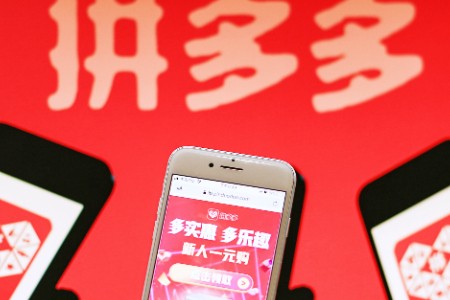
【亿邦原创】日前,拼多多发布公告称,平台将新增《化妆品行业管理规范》。该规范将于11月21日正式生效。

根据新规,商家在拼多多经营化妆品商品,需依法取得相应的主体资质、品牌资质及产品注册或备案文件,并对相关材料的真实性、合法性、有效性和完整性负责。平台有权对商家提交的资质信息进行审查,并按照法律法规及平台规则开展定期核验。

在商品发布与宣传方面,新规明确,商家不得通过类目错放等方式规避平台要求,商品名称、品牌、生产日期、产地、保质期等信息需真实完整。商品发布信息应与化妆品注册或备案信息、实际销售商品的标签及说明书保持一致,不得篡改生产日期、保质期及批次号。

同时,商家在商品标题、图片、属性、详情描述、SKU内容及客服聊天等渠道,不得发布规避信息、混淆信息或虚假夸大信息,不得明示或暗示化妆品具有医疗作用,普通化妆品也不得宣称特殊化妆品相关功效。

对于禁止经营的商品,新规列出了多项情形,包括自行配制或分装的化妆品、以次充好或虚假冒充的商品、未依法完成注册或备案的化妆品、非法添加禁用原料或超范围超限量使用限用原料的商品,以及假冒注册商标、仿冒知名品牌包装装潢或产品名称的化妆品等。变质或被召回的化妆品同样不得发布、销售。

针对儿童化妆品,规范进一步提出,商家应在商品详情页及销售包装展示面标注儿童化妆品标志“小金盾”,并在销售包装可视面标注“应当在成人监护下使用”等警示用语。此外,儿童化妆品标签不得使用“食品级”“可食用”等词语或食品相关图案,避免商品与食品、药品混淆。

对于小规格及临期化妆品,新规也作出明确要求。净含量不大于15克或15毫升的化妆品,包括试用装、组合装及套装,其注册或备案文件、产品标签、商品信息及宣传文案均需符合相关规定。商家销售临期化妆品时,应在商品标题中明示“临期商品”,并在详情描述中标明保质期或限制使用日期,过期化妆品则不得销售。

在商品质量管理方面,拼多多将对化妆品开展抽检。若商家销售的商品存在描述不符或抽检不合格等情形,平台有权依据相关规则进行处理。

消费者因化妆品质量安全或不良反应等问题发起投诉的,商家需及时查明原因并处理反馈;投诉成立的,平台可采取商品下架、扣除违约金、终止合作等措施。

对于违反规范的商家,拼多多将根据违规情节采取相应处理措施,包括对商品屏蔽、降权、下架、禁售或删除,移除资源位,关闭违规订单并退款,以及限制店铺上新、上架或账户权限等。情节严重的,平台还可提高店铺保证金标准、限制资金提现、扣除保证金或店铺资金,直至解除协议、终止合作。

拼多多表示,该规范旨在进一步加强平台化妆品市场管理,规范商家经营行为,维护市场经营秩序并保障消费者合法权益。

亿邦持续追踪报道该情报,如想了解更多与本文相关信息,请扫码关注作者微信。

本文首发于 亿邦动力 官方网站

【版权提示】亿邦动力倡导尊重与保护知识产权。未经许可,任何人不得复制、转载、或以其他方式使用本网站的内容。如发现本站文章存在版权问题,烦请提供版权疑问、身份证明、版权证明、联系方式等发邮件至run@ebrun.com,我们将及时沟通与处理。

已点赞

+1

{{ praise_text }}

好文章,值得被更多人看到

FAQ回顾

拼多多化妆品新规什么时候生效?

《化妆品行业管理规范》将于2026年11月21日正式生效。届时在拼多多经营化妆品的商家需依法取得主体资质、品牌资质及产品注册或备案文件,并对材料真实性、合法性、有效性和完整性负责,平台将开展审查和定期核验。

拼多多对儿童化妆品标注有哪些要求?

商家应在商品详情页及销售包装展示面标注儿童化妆品标志“小金盾”,并在销售包装可视面标注“应当在成人监护下使用”等警示用语;儿童化妆品标签不得使用“食品级”“可食用”等词语或食品相关图案,避免与食品、药品混淆。

在拼多多经营化妆品需要具备哪些资质?

需依法取得相应主体资质、品牌资质及产品注册或备案文件,并对相关材料的真实性、合法性、有效性和完整性负责。平台有权审查商家提交的资质信息,并按法律法规及平台规则开展定期核验。

拼多多化妆品新规禁止销售哪些商品?

禁止销售自行配制或分装、以次充好或虚假冒充、未依法注册或备案、非法添加禁用原料或超范围超限量使用限用原料、假冒注册商标或仿冒知名品牌包装装潢及产品名称的化妆品;变质或被召回的化妆品也不得发布、销售。

拼多多对临期和小规格化妆品有哪些经营要求?

净含量不大于15克或15毫升的化妆品,包括试用装、组合装及套装,其注册或备案文件、标签、商品信息及宣传文案均需符合规定。销售临期化妆品应在商品标题明示“临期商品”,详情描述标明保质期或限制使用日期;过期化妆品不得销售。

广告

下一篇

征集报名《品牌数字化服务商资源手册》

《品牌数字化服务商资源手册》展示数字化服务商风采,亿邦全年零售大会通发,触达更多资源,马上加入!

马上入驻

AI压缩创业成本 美国无雇员初创企业快速起量

仅靠AI工具,美国无雇员初创企业快速起量,营收最高达300万美元。数据显示AI高渗透行业无招聘创业申请涨26.8%,AI降低创业门槛但平台话语权增强。

零售商 AI 独立站 未来零售

2026-11-09 15:49:37