• 亿邦公众号
    • APP下载

九赴进博 三星展示AI时代产业新生态

作者:龚作仁 文章来源:Laborer

2026-11-06 17:11

作者:龚作仁 文章来源:Laborer

2026-11-06 17:11

邦小白快读

EN
全文速览

总1 展台看点

1.三星首次以芯片造型一体化设计展台,模拟芯片内部电路,把AI、半导体、核心零部件、显示技术放在同一逻辑中。

2.折叠屏历代铰链同台对比,可直观看到铰链结构、屏幕材料、机身强度、内部空间、散热和制造工艺的进步。

总2 手机与实操

1.心系天下W27展开厚4.1毫米、重215克,2亿像素主摄和5000万超广角,支持8K视频,AI进入办公、出行、社交。

2.Galaxy Z Fold8 Ultra展开厚4.1毫米,6.5英寸外屏、8英寸内屏,第五代骁龙8至尊版for Galaxy,支持分屏多任务和长续航。

3.Galaxy S26 Ultra首款防窥显示屏,可降低侧面可视度,并对特定应用、通知弹窗、系统设置、锁屏和安全文件夹中的密码、PIN码或解锁图案单独防窥设置。

总3 硬核与场景

1.可看LPDDR5X-PIM存内计算、UFS 5.0、2亿像素ISOCELL HPC、34英寸QHD+ 360Hz屏幕、77英寸QD-OLED 4500尼特等参数。

2.医疗R20有十余种AI工具,用于实时检查引导、诊断辅助、工作流自动化和自动测量;HARMAN独立展区覆盖便携、派对和车载后装音响。

总1 品牌表达

1.三星第九次参展,首次以芯片造型一体化设计展台,把AI、半导体、核心零部件、显示技术放到同一展台逻辑,品牌表达从手机产品转向终端背后的技术链。

2.展台重心下沉,从产品陈列转向技术链条展示,突出AI功能依赖算力、存储、感知、显示、供电、散热、封装和制造工艺。

总2 产品与用户

1.折叠屏已到第八代,历代铰链对比展示,进步落在结构、材料、强度、空间、散热和制造工艺;W27与电信合作,承袭中式美学,两款配色取意传统瓷器釉色,面向高端商务用户。

2.W27展开4.1毫米、215克,2亿主摄、5000万超广角、8K视频,AI进入办公、出行、社交;Fold8 Ultra配6.5英寸外屏、8英寸内屏和定制第五代骁龙8至尊版。

3.防窥显示屏切入地铁、机场、咖啡厅、会议室屏幕暴露痛点;W27采用首批完成备案的生成式AI服务。

总3 趋势与本土化

1.终端AI任务本地化,对存储速度、能耗、传感器和显示提出更高要求;汽车被视作移动电子终端,座舱大屏、车载娱乐、智能交互、功率器件和高压元器件组成新产业链。

2.三星在华设15家生产企业、14家研发中心,累计投资约590亿美元,尖端产业投资占比接近90%。

总1 需求变化

1.终端AI从云端结果展示转向本地处理、存储和响应,照片编辑、离线翻译、隐私计算、车载座舱即时响应等对存储速度和能耗要求提高。

2.隐私防窥成为屏幕和系统能力,W27面向会议、邮件、文档、出行和社交等高端商务场景,折叠屏进入生产力工具语境。

总2 产品与机会

1.LPDDR5X-PIM是业界首款搭载存内计算的LPDDR内存,减少AI推理内存瓶颈;UFS 5.0带宽最高10.8GB/s,顺序读写比UFS 4.1快2倍以上,随机读快5倍,能效提升40%,最高1TB。

2.ISOCELL HPC为2亿像素传感器,支持单帧16位HDR和4K 180帧;显示有34英寸QHD+ 360Hz和77英寸QD-OLED 4500尼特;车规MLCC随汽车电动化高功能化单车用量增加。

总3 合作与落地

1.W27是三星与中国电信合作的高端折叠旗舰;HARMAN首次独立展区,覆盖便携、派对、车载后装音响,是智能座舱和音频体验入口。

2.2026年三星首次设立医疗器械产线,R20本土化量产后中国首展;三星在华15家生产企业、14家研发中心,累计投资约590亿美元。可学习本土化量产、备案生成式AI服务、技术链集中展示。

总1 设计与制造

1.折叠屏变薄不是单点,背后是铰链结构、屏幕材料、机身强度、内部空间、散热和制造工艺的一整套工程系统调整;W27展开4.1毫米、重215克,还承袭中式美学并采用瓷器釉色配色。

2.UFS 5.0采用7.5x13.0毫米紧凑封装,带宽最高10.8GB/s,顺序读写比UFS 4.1快2倍以上,随机读快5倍,能效提升40%,最高1TB。

3.车规级MLCC随汽车电动化、高功能化发展,单车所需数量快速增加;屏幕、传感器、控制单元变多,对小型化、高耐压、稳定性和容量要求提高。

总2 产线与机会

1.2026年三星首次设立医疗器械产线,超声设备在中国本土化量产后走上进博会展台,包含研发、生产、供应链、注册和服务体系在中国落地。

2.三星在中国设立15家生产企业、14家研发中心,在华累计投资约590亿美元,尖端产业投资占比接近90%。

3.AI热潮推动硬件重新变重,芯片、存储、传感、显示、电源管理和元器件成为AI时代基础设施,带来显示面板、图像传感器、车规元器件和医疗设备等生产设计需求。

总1 行业趋势

1.AI进入手机、汽车、医疗设备和日常生活,需要算力、存储、感知、显示、供电、散热、封装和制造工艺托底;展台从产品陈列转向技术链条展示。

2.AI产业链深处硬件重新变重,芯片、存储、传感、显示、电源管理和元器件成为基础设施;汽车越来越像移动电子终端。

总2 新技术方案

1.LPDDR5X-PIM用存内计算把部分计算能力靠近内存,减少AI推理数据搬移的延迟和能耗;UFS 5.0提供最高10.8GB/s带宽、比UFS 4.1快2倍以上的顺序读写和40%能效提升。

2.ISOCELL HPC用DeepPix、单帧16位HDR和4K 180帧提升影像数据质量;显示有34英寸QHD+ 360Hz、77英寸QD-OLED 4500尼特;车规MLCC面向小型化高耐压稳定性和容量。

总3 客户痛点与解决

1.防窥显示屏降低侧面可视度,并可对特定应用、通知弹窗、系统设置、锁屏和安全文件夹中的密码、PIN码或解锁图案单独防窥,解决公共场景隐私暴露。

2.R20集成软硬件波束形成和十余种AI工具,用于实时检查引导、诊断辅助、工作流自动化和自动测量,缓解医生反复调整探头、观察图像、测量数据和记录结果的负担;HERA W20面向妇产超声。

总1 平台展示需求

1.进博会见证三星多次产品变化:2018年首届参展并连续全勤,2019年首款量产折叠屏完成中国首展,到第九届展示第八代折叠屏;2026年R20本土化量产后中国首展。

2.平台需要承载的不只是单品陈列,还包括技术链和产业生态展示;三星首次以芯片造型一体化设计,把AI、半导体、核心零部件、显示技术放在同一展台逻辑。

总2 运营管理借鉴

1.展台重心下沉,从产品陈列转向技术链条展示,用芯片造型、历代铰链对比和场景体验让观众理解终端背后的技术。

2.跨业务集中呈现:半导体、显示、移动终端、医疗设备、音频和汽车相关解决方案同台;HARMAN首次独立展区,连接智能座舱和音频体验。

3.首发首展与本土化成果结合:W27与电信合作并采用首批备案生成式AI服务,R20本土化量产,三星在华15家生产企业、14家研发中心、累计投资约590亿美元、尖端产业投资近90%。

总3 招商风向

1.对高端制造、医疗器械、智能汽车、音频生态等展陈方向有吸引力;平台可关注AI硬件链、终端本地化、汽车电子和医疗本土化等风向。

2.文章未展开平台风险规避,但呈现参展商从产品展示转向技术链、生态和本土化成果的表达方式。

总1 产业新动向

1.AI落地前硬件链先被看见,AI功能稳定使用依赖算力、存储、感知、显示、供电、散热、封装和制造工艺;AI热潮推动芯片、存储、传感、显示、电源管理和元器件重新变重。

2.终端AI任务本地化带来数据在存储、内存和处理器间搬移的延迟与能耗问题;存内计算、UFS 5.0、高规格图像传感器和显示技术成为基础能力。

总2 新问题与商业

1.折叠屏演进从尝鲜走向工程系统竞争,铰链结构、屏幕材料、机身强度、内部空间、散热和制造工艺决定轻薄;W27与电信合作,心系天下系列第十九代,采用首批完成备案的生成式AI服务,面向高端商务生产力场景。

2.汽车被视作移动电子终端,显示屏、动力电池、车载音响、电容等组成新产业链;HARMAN独立展区连接智能座舱和音频体验。

总3 政策法规与布局

1.医疗器械产线首次设立,超声设备本土化量产包含研发、生产、供应链、注册和服务体系落地,R20有十余种AI工具用于检查引导、诊断辅助、工作流自动化和自动测量。

2.三星在华15家生产企业、14家研发中心,累计投资约590亿美元,尖端产业投资占比接近90%,体现扎根中国的产业布局。

声明:快读内容全程由AI生成,请注意甄别信息。如您发现问题,请发送邮件至 run@ebrun.com 。

我是 品牌商 卖家 工厂 服务商 平台商 研究者 帮我再读一遍。

Quick Summary

Summary 1 Exhibition highlights

1. Samsung for the first time uses a chip-shaped integrated booth design, simulating the internal circuitry of a chip and placing AI, semiconductors, core components, and display technology within a single narrative framework.

2. Foldable-screen hinges from successive generations are displayed side by side, offering a direct view of advances in hinge structure, screen materials, chassis strength, internal space, thermal management, and manufacturing processes.

Summary 2 Phones and hands-on demos

1. The Samsung W27 unfolds to 4.1 mm and weighs 215 g, with a 200MP main camera and a 50MP ultra-wide camera, supports 8K video, and brings AI into office, travel, and social scenarios.

2. Galaxy Z Fold8 Ultra unfolds to 4.1 mm, with a 6.5-inch cover screen and an 8-inch inner screen, Snapdragon 8 Elite Gen 5 for Galaxy, and support for split-screen multitasking and long battery life.

3. Galaxy S26 Ultra features the first privacy display, which reduces visibility from the side and enables separate privacy settings for passwords, PINs, or unlock patterns in specific apps, notification pop-ups, system settings, lock screen, and Secure Folder.

Summary 3 Core hardware and scenarios

1. Visitors can see specifications including LPDDR5X-PIM in-memory computing, UFS 5.0, a 200MP ISOCELL HPC sensor, a 34-inch QHD+ 360Hz display, and a 77-inch QD-OLED display at 4,500 nits.

2. The medical R20 has more than ten AI tools for real-time exam guidance, diagnostic assistance, workflow automation, and automated measurement; HARMAN's standalone booth covers portable, party, and automotive aftermarket audio.

Summary 1 Brand expression

1. Samsung is exhibiting for the ninth time and for the first time uses a chip-shaped integrated booth design, placing AI, semiconductors, core components, and display technology within a single booth narrative, shifting brand expression from phone products to the technology chain behind devices.

2. The booth's focus shifts from product display to technology-chain display, highlighting that AI features depend on compute, storage, sensing, display, power supply, thermal management, packaging, and manufacturing processes.

Summary 2 Products and users

1. Foldables have reached their eighth generation, with a comparative display of hinges across generations; progress lies in structure, materials, strength, space, thermal management, and manufacturing. The W27, developed with China Telecom, inherits Chinese aesthetics, with two colorways inspired by traditional porcelain glaze colors, targeting high-end business users.

2. The W27 unfolds to 4.1 mm and weighs 215 g, with a 200MP main camera, a 50MP ultra-wide camera, and 8K video, bringing AI into office, travel, and social scenarios; the Fold8 Ultra has a 6.5-inch cover screen, an 8-inch inner screen, and a customized Snapdragon 8 Elite Gen 5.

3. The privacy display addresses screen-exposure pain points in subways, airports, cafes, and meeting rooms; the W27 uses one of the first batches of generative AI services to complete regulatory filing.

Summary 3 Trends and localization

1. On-device AI tasks are localized, raising requirements for storage speed, energy consumption, sensors, and displays; cars are viewed as mobile electronic terminals, with cockpit large screens, in-car entertainment, intelligent interaction, power devices, and high-voltage components forming a new industry chain.

2. Samsung has 15 manufacturing enterprises and 14 R&D centers in China, with cumulative investment of about US$59 billion, and advanced-industry investment accounts for nearly 90%.

Summary 1 Demand changes

1. On-device AI is shifting from cloud-based result display to local processing, storage, and response; photo editing, offline translation, privacy computing, and instant in-car cockpit response raise requirements for storage speed and energy consumption.

2. Privacy protection is becoming a screen and system capability; the W27 targets high-end business scenarios including meetings, email, documents, travel, and social use, as foldables enter the productivity-tool context.

Summary 2 Products and opportunities

1. LPDDR5X-PIM is the industry's first LPDDR memory with in-memory computing, reducing the memory bottleneck in AI inference; UFS 5.0 offers bandwidth up to 10.8GB/s, sequential read and write more than 2x faster than UFS 4.1, random read 5x faster, 40% better energy efficiency, and up to 1TB capacity.

2. ISOCELL HPC is a 200MP sensor supporting single-frame 16-bit HDR and 4K 180fps; displays include a 34-inch QHD+ 360Hz panel and a 77-inch QD-OLED at 4,500 nits; automotive-grade MLCC content per vehicle increases with electrification and higher functionality.

Summary 3 Collaboration and implementation

1. The W27 is a high-end foldable flagship developed with China Telecom; HARMAN has a standalone booth for the first time, covering portable, party, and automotive aftermarket audio, serving as an entry point for smart cockpits and audio experiences.

2. In 2026, Samsung establishes a medical device production line for the first time; the R20 makes its China debut after localized mass production; Samsung has 15 manufacturing enterprises and 14 R&D centers in China, with cumulative investment of about US$59 billion. Key learnings include localized mass production, registered generative AI services, and concentrated technology-chain display.

Summary 1 Design and manufacturing

1. Making foldables thinner is not a single-point improvement but a whole engineering-system adjustment involving hinge structure, screen materials, chassis strength, internal space, thermal management, and manufacturing processes; the W27 unfolds to 4.1 mm and weighs 215 g, while inheriting Chinese aesthetics and using porcelain-glaze colorways.

2. UFS 5.0 uses a compact 7.5x13.0 mm package, offers bandwidth up to 10.8GB/s, sequential read and write more than 2x faster than UFS 4.1, random read 5x faster, 40% better energy efficiency, and up to 1TB capacity.

3. Automotive-grade MLCC usage per vehicle is rising rapidly with vehicle electrification and higher functionality; as screens, sensors, and control units increase, requirements rise for miniaturization, high voltage resistance, stability, and capacity.

Summary 2 Production lines and opportunities

1. In 2026, Samsung establishes a medical device production line for the first time; after localized mass production, ultrasound equipment appears at the CIIE, with R&D, production, supply chain, registration, and service systems implemented in China.

2. Samsung has established 15 manufacturing enterprises and 14 R&D centers in China, with cumulative investment of about US$59 billion, and advanced-industry investment accounts for nearly 90%.

3. The AI boom is making hardware heavy again; chips, storage, sensing, displays, power management, and components are becoming AI-era infrastructure, creating production and design demand for display panels, image sensors, automotive-grade components, and medical devices.

Summary 1 Industry trends

1. AI is entering phones, cars, medical devices, and daily life, requiring compute, storage, sensing, display, power supply, thermal management, packaging, and manufacturing processes as foundations; the booth shifts from product display to technology-chain display.

2. Deep within the AI industry chain, hardware is becoming heavy again; chips, storage, sensing, displays, power management, and components are becoming infrastructure; cars increasingly resemble mobile electronic terminals.

Summary 2 New technology solutions

1. LPDDR5X-PIM uses in-memory computing to place some compute capability near memory, reducing the latency and energy consumption of data movement in AI inference; UFS 5.0 provides bandwidth up to 10.8GB/s, sequential read and write more than 2x faster than UFS 4.1, and a 40% energy-efficiency improvement.

2. ISOCELL HPC uses DeepPix, single-frame 16-bit HDR, and 4K 180fps to improve image data quality; displays include a 34-inch QHD+ 360Hz panel and a 77-inch QD-OLED at 4,500 nits; automotive-grade MLCC targets miniaturization, high voltage resistance, stability, and capacity.

Summary 3 Customer pain points and solutions

1. The privacy display reduces side visibility and can separately protect passwords, PINs, or unlock patterns in specific apps, notification pop-ups, system settings, lock screen, and Secure Folder, addressing privacy exposure in public settings.

2. The R20 integrates hardware and software beamforming with more than ten AI tools for real-time exam guidance, diagnostic assistance, workflow automation, and automated measurement, easing doctors' burden from repeatedly adjusting probes, observing images, measuring data, and recording results; the HERA W20 is for obstetric and gynecological ultrasound.

Summary 1 Platform display needs

1. The CIIE has witnessed multiple product changes for Samsung: it first participated in 2018 and has attended every edition since; in 2019, its first mass-produced foldable completed its China debut; by the ninth edition, it is showing eighth-generation foldables; in 2026, the R20 makes its China debut after localized mass production.

2. The platform needs to carry not only individual product displays but also technology-chain and industry-ecosystem presentation; Samsung for the first time uses a chip-shaped integrated design, placing AI, semiconductors, core components, and display technology within a single booth narrative.

Summary 2 Operational management takeaways

1. The booth's focus shifts from product display to technology-chain display, using chip shape, generational hinge comparisons, and scenario experiences to help audiences understand the technology behind devices.

2. Cross-business integrated presentation: semiconductors, displays, mobile terminals, medical devices, audio, and automotive-related solutions appear on the same stage; HARMAN has a standalone booth for the first time, connecting smart cockpits and audio experiences.

3. First launches and debuts are combined with localization achievements: the W27 is developed with China Telecom and uses one of the first batches of registered generative AI services; the R20 is locally mass-produced; Samsung has 15 manufacturing enterprises and 14 R&D centers in China, with cumulative investment of about US$59 billion and advanced-industry investment at nearly 90%.

Summary 3 Exhibitor recruitment trends

1. The display directions are attractive for high-end manufacturing, medical devices, smart cars, and the audio ecosystem; platforms can watch trends in the AI hardware chain, device localization, automotive electronics, and medical localization.

2. The article does not elaborate on platform risk mitigation, but it shows how exhibitors are shifting their expression from product display to technology chains, ecosystems, and localization outcomes.

Summary 1 New industry dynamics

1. Before AI deployment, the hardware chain is seen first; stable use of AI features depends on compute, storage, sensing, display, power supply, thermal management, packaging, and manufacturing processes; the AI boom is making chips, storage, sensing, displays, power management, and components heavy again.

2. Localization of on-device AI tasks creates latency and energy issues in data movement among storage, memory, and processors; in-memory computing, UFS 5.0, high-spec image sensors, and display technology become foundational capabilities.

Summary 2 New issues and business

1. Foldable evolution has moved from novelty to engineering-system competition; hinge structure, screen materials, chassis strength, internal space, thermal management, and manufacturing processes determine thinness and lightness; the W27, developed with China Telecom, is the 19th generation of the Xinxi Tianxia series and uses one of the first batches of generative AI services to complete regulatory filing, targeting high-end business productivity scenarios.

2. Cars are viewed as mobile electronic terminals, with displays, power batteries, in-car audio, capacitors, and other components forming a new industry chain; HARMAN's standalone booth connects smart cockpits and audio experiences.

Summary 3 Policy, regulation, and layout

1. A medical device production line is established for the first time; localized mass production of ultrasound equipment includes R&D, production, supply chain, registration, and service systems; the R20 has more than ten AI tools for exam guidance, diagnostic assistance, workflow automation, and automated measurement.

2. Samsung has 15 manufacturing enterprises and 14 R&D centers in China, with cumulative investment of about US$59 billion and advanced-industry investment accounting for nearly 90%, reflecting an industrial layout rooted in China.

Disclaimer: The "Quick Summary" content is entirely generated by AI. Please exercise discretion when interpreting the information. For issues or corrections, please email run@ebrun.com .

I am a Brand Seller Factory Service Provider Marketplace Seller Researcher Read it again.

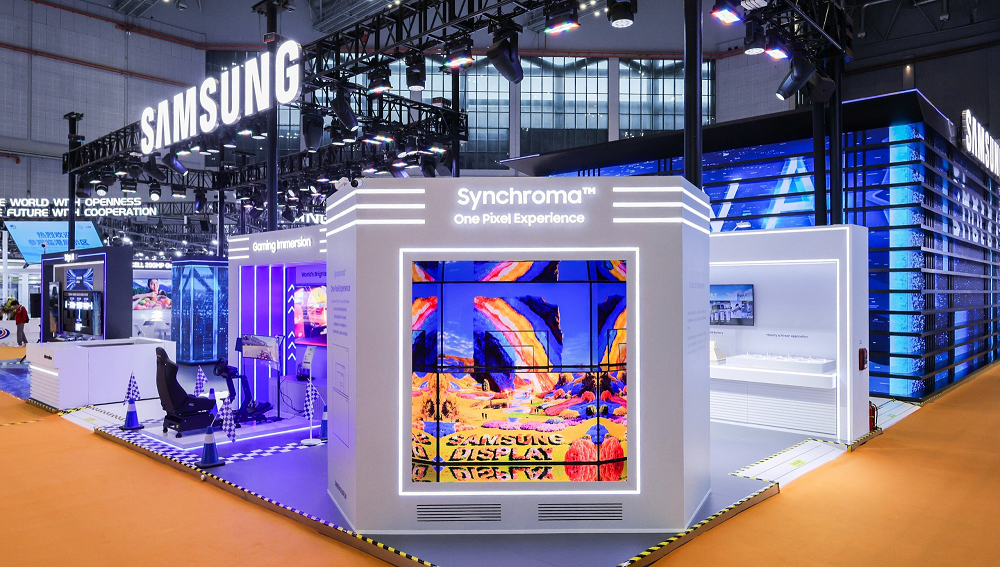
第九届进博会开幕,三星今年的展台设计别出心裁。首次以芯片造型进行一体化设计,模拟芯片内部纵横交错的电路脉络。消费者走近,如同看到一颗精密芯片的微观世界。

过去很长时间里,消费者认识三星,更多从手机开始。2026年进博会上,三星准备把更前沿的底层技术推到台前。AI(人工智能)、半导体、核心零部件、显示技术等等被放在同一个展台逻辑中。

这也是三星第九次参加进博会的一次重新表达。

AI已经成为科技产业最热的叙事。但AI要真正进入手机、汽车、医疗设备和日常生活,需要一整套硬件能力托底。算力、存储、感知、显示、供电、散热、封装和制造工艺,都会影响一项AI功能最终能不能被稳定使用。

三星今年想展示的,正是这条藏在终端背后的技术链。

展台重心在下沉

进博会见证过三星很多次产品变化。

2018年,三星参加首届进博会,成为连续参展的“全勤生”。2019年,三星首款量产折叠屏手机在第二届进博会完成中国首展。那时,折叠屏手机仍然带着强烈的“尝鲜”意味。屏幕怎么折,铰链怎么承受反复开合,机身怎么变薄,折痕怎么变浅,都是新问题。
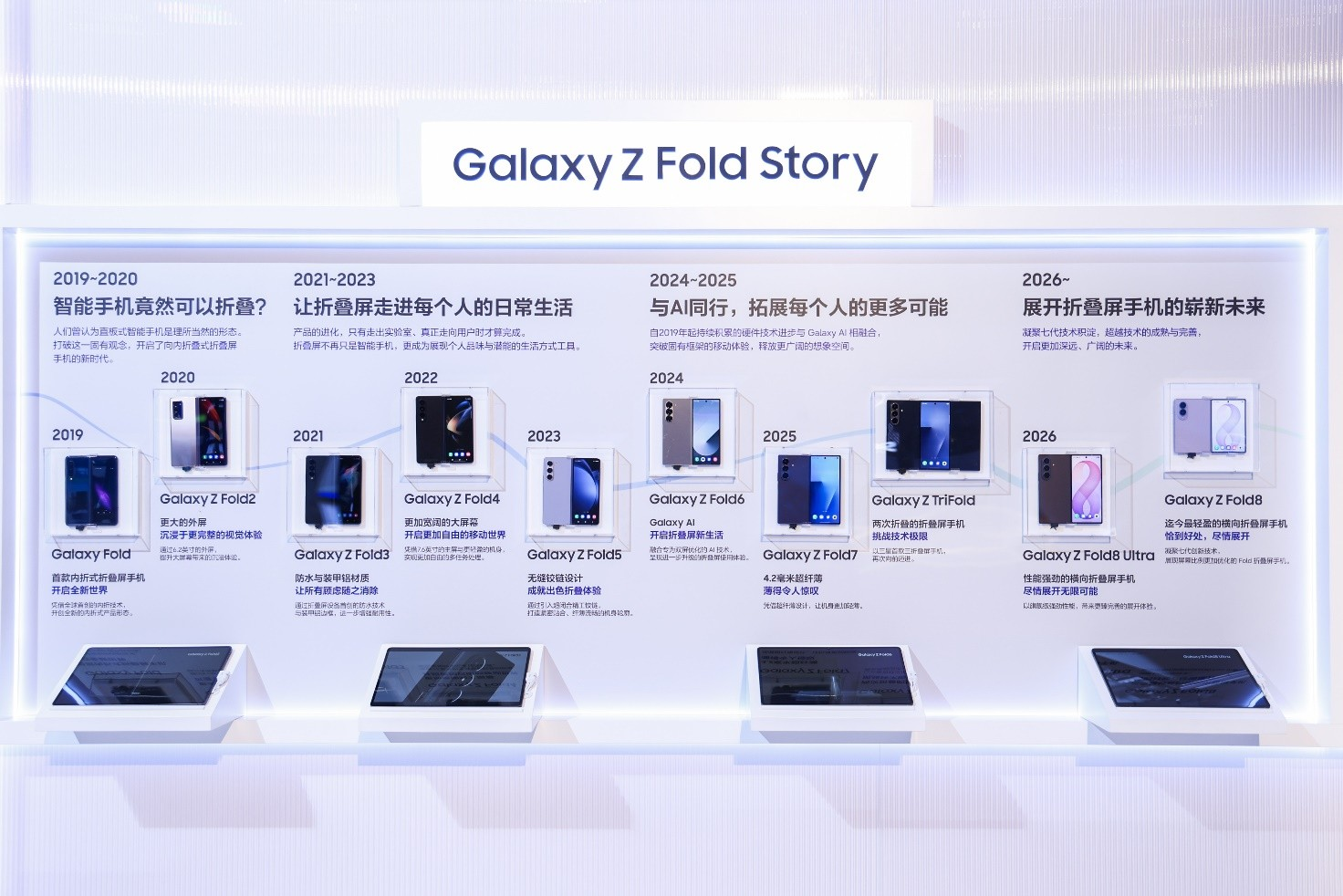
三星折叠屏迭代故事

到第九届进博会,三星展示的已经是第八代折叠屏产品。

这个变化很适合在展台上被看见。今年,历代折叠屏铰链被放在一起对比展示。参观者如果从第一代看到第八代,很容易发现,折叠屏的进步没有停留在发布会上的一句轻薄。它落在铰链结构、屏幕材料、机身强度、内部空间、散热和制造工艺的细节里。

一部折叠屏手机变薄,背后往往是一整套工程系统在调整。

今年亮相的心系天下三星W27,是三星与中国电信合作推出的高端折叠旗舰。这款产品展开厚度为4.1毫米,重量215克。设计上,W27承袭传统中式美学,两款配色取意传统瓷器釉色。它搭载2亿像素主摄和5000万像素超广角摄像头,支持8K视频录制。AI能力则进入办公、出行、社交等高频场景。
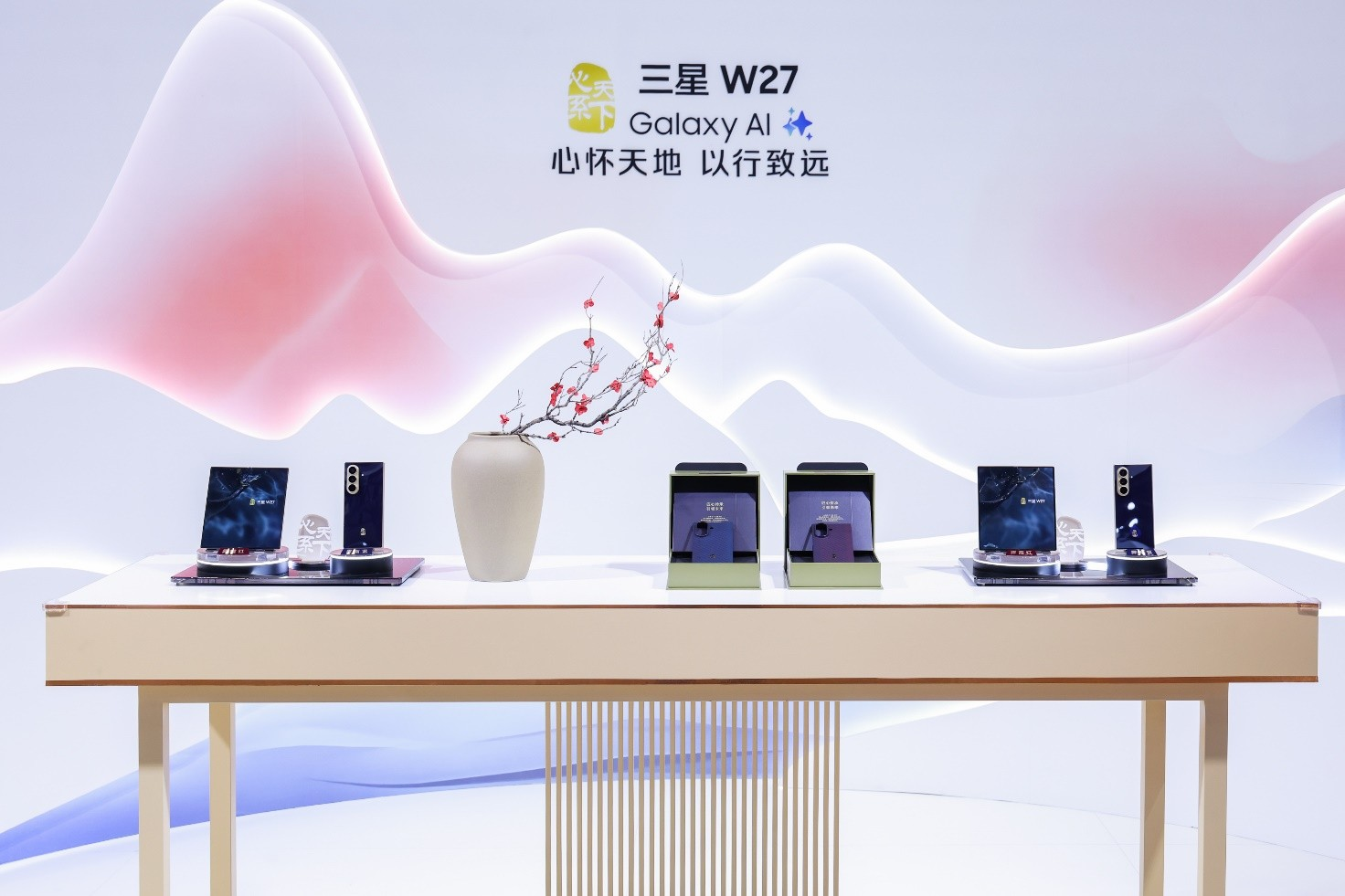
心系天下三星W27手机

同样会出现在展台上的Galaxy Z Fold8 Ultra,也延续折叠屏路线。它展开厚度为4.1毫米,配备6.5英寸外屏和8英寸内屏,搭载为Galaxy系列定制的第五代骁龙8至尊版(for Galaxy)处理器,支持分屏多任务和长续航。

如果说折叠屏是消费者最容易停下脚步的展品,那么今年展台中心的芯片造型,则透露出另一个变化。

在消费电子行业,AI功能很容易被用户感知。语音助手、图像编辑、翻译、会议纪要、隐私保护和影像优化,都能在手机屏幕上直接呈现。但这些体验要跑起来,离不开终端内部的处理器、存储、传感器和屏幕,也离不开服务器端和边缘设备上的基础元器件。

三星这次将半导体、显示、移动终端、医疗设备、音频和汽车相关解决方案放到一起展示,试图回答一个更底层的问题。AI时代的硬件,到底由什么组成。

这也是它九年进博会参展逻辑的变化。

展台从产品陈列,逐渐转向技术链条展示。消费者依然能看到手机和屏幕,但被放大的重点已经下沉到终端背后。

AI落地前,硬件链先被看见

今年三星半导体展区的展品,可以用“硬核”来形容。

LPDDR5X-PIM、UFS 5.0、ISOCELL HPC,这些名字虽然看起来更像工程师语言,但AI进入终端之后,这些底层部件的重要性正在被重新放大。

LPDDR5X-PIM是其中一个典型展品。

LP5X PIM是业界首款搭载存内计算(Processing-in-Memory,PIM)技术的LPDDR内存。是一种为了减少AI推理过程中产生的内存瓶颈而开发的下一代内存解决方案。

对一台AI手机或边缘设备来说,数据在存储、内存和处理器之间来回搬移,会带来延迟和能耗。AI模型越复杂,数据移动的成本越明显。存内计算把一部分计算能力靠近内存,可以让AI任务更快响应,也能降低功耗。

UFS 5.0承担的是另一种基础能力。

它是面向移动端和边缘AI设备的新一代嵌入式闪存。UFS 5.0带宽最高达到10.8GB/s,顺序读写速度比UFS 4.1快2倍以上,随机读取速度快5倍,能效提升40%,最高容量达到1TB。它采用紧凑的7.5x13.0毫米封装,面向智能手机、可穿戴设备、汽车系统和下一代设备。
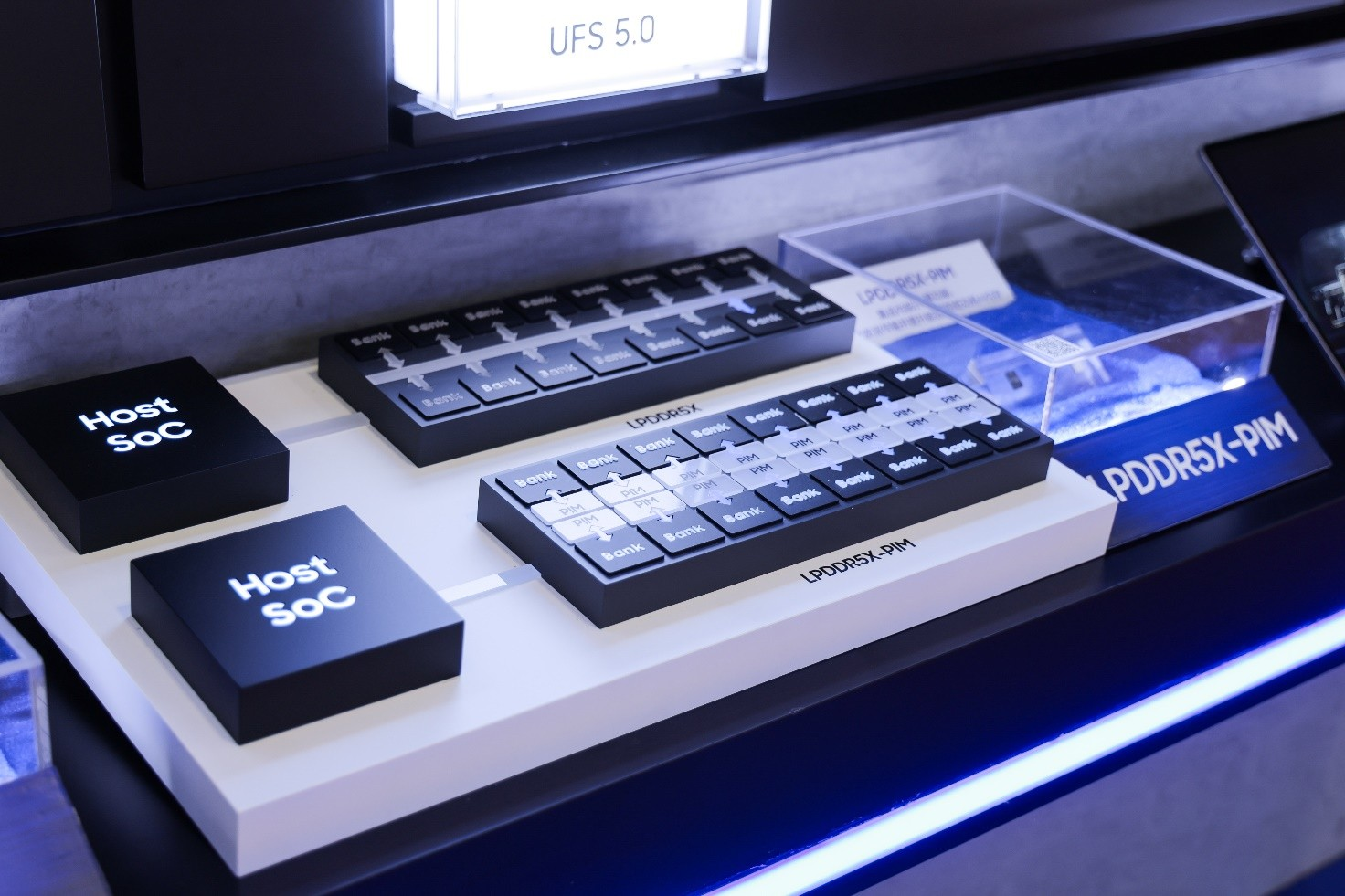
三星LPDDR5X-PIM内存

这组参数背后,是终端AI正在发生的变化。

越来越多AI任务需要在设备本地完成。手机里的照片编辑、离线翻译、隐私相关计算、车载座舱的即时响应,都对存储速度和能耗提出更高要求。终端不再只是显示云端结果的屏幕,它本身需要具备处理、存储和响应能力。

ISOCELL HPC是三星于今年8月发布的全新2亿像素图像传感器。它搭载DeepPix技术,支持单帧16位HDR,色彩表现力比传统HDR高出四倍。它还支持4K 180帧每秒视频拍摄,并通过高精度微透镜和高透射率ARL提升光效。

图像传感器过去更多被放在手机影像竞争中讨论。AI进入影像系统后,传感器的作用更靠前。设备需要捕捉更复杂的光线、色彩和动态范围,算法才有更高质量的数据可用。拍照、视频、自动驾驶、医学影像和工业检测,都依赖机器如何看见世界。

显示技术则决定人如何看见机器反馈。

2026年,三星显示将带来全球首款34英寸QHD+的大尺寸屏幕,还支持360Hz的超高刷新率,让画面呈现更加流畅。77英寸QD-OLED面板也将亮相,峰值亮度达到4500尼特,较上一代提升12.5%。

显示面板听起来离AI较远,但在游戏、智能座舱、专业影像和大屏交互中,显示效果直接影响体验。高刷新率、低响应、亮度和对比度,决定了信息能否被准确、快速地呈现。

更细小的元器件也没有缺席。

三星电机展示了多款车规级多层陶瓷电容器。随着汽车电动化和高功能化发展,单车所需MLCC数量快速增加。汽车里屏幕变多,传感器变多,控制单元变多,对小型化、高耐压、稳定性和容量的要求都在提高。
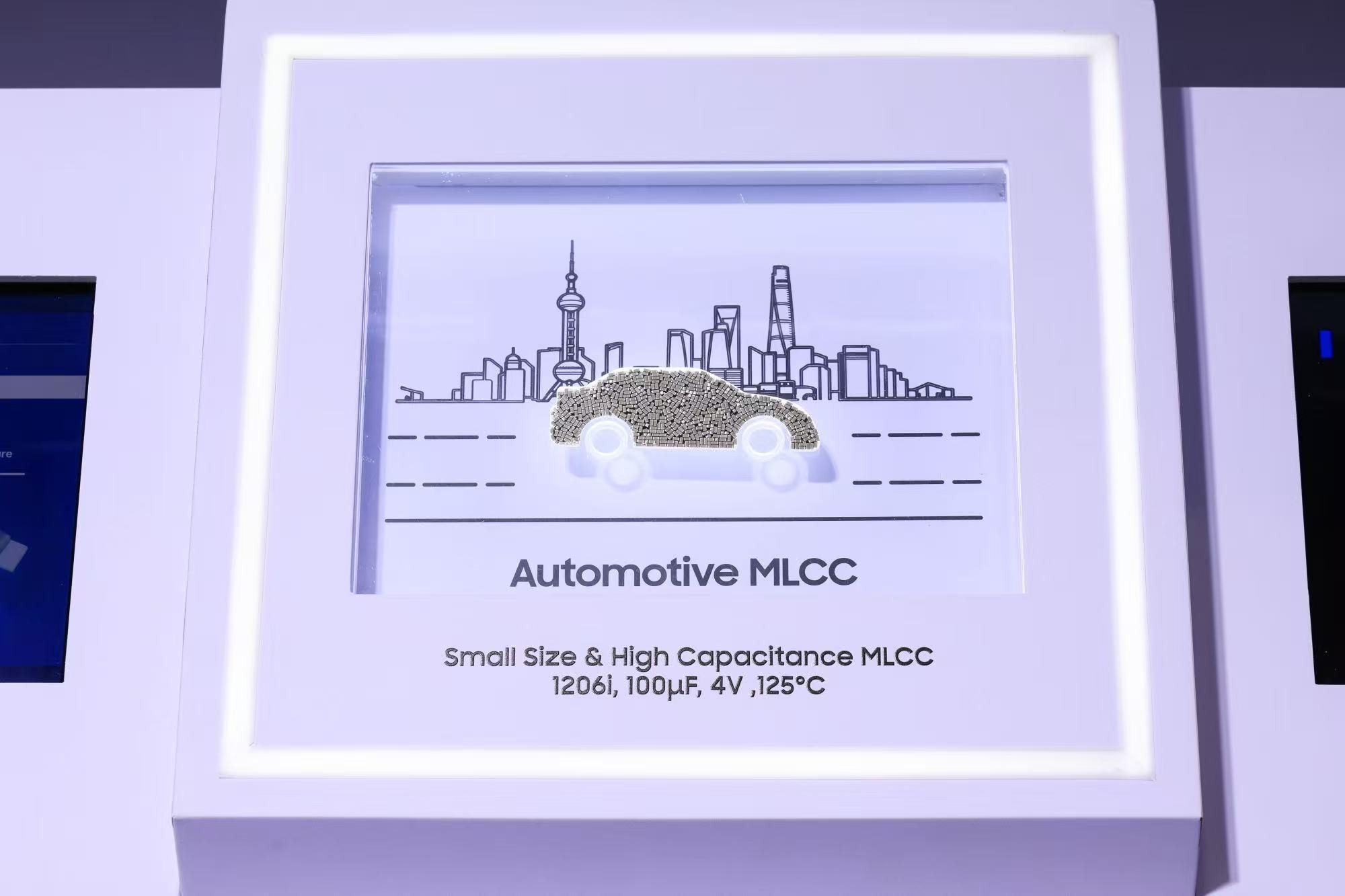
三星车规级多层陶瓷电容器(MLCC)

这也是2026年三星展台的财经含义。

AI热潮表面上由应用和模型驱动,产业链深处却在推动硬件重新变重。芯片、存储、传感、显示、电源管理和元器件,开始成为AI时代竞争的基础设施。

场景

展台上的技术最终要回到场景。

三星今年展示的一个现场体验,是Galaxy S26 Ultra的防窥显示屏。这是三星首款配备防窥显示屏的智能手机。它可以降低侧面视角下的全屏可视度,也可以对特定应用、通知弹窗、系统设置、锁屏和安全文件夹中的密码、PIN码或解锁图案进行单独防窥设置。

这个功能的好处很容易被理解。

在地铁、机场、咖啡厅和会议室,手机屏幕常常暴露在陌生人视线里。过去,很多用户会贴防窥膜,牺牲亮度和观感。现在,隐私保护被放进屏幕和系统能力中。现场如果做对比,参观者从正面和侧面看同一块屏幕,就能直接感受到技术差异。

心系天下三星W27也带有明显的本土场景。

作为“心系天下”系列的第十九代产品,W27加入了中式传统审美元素,同时采用首批完成备案的生成式AI服务。对高端商务用户来说,折叠屏的大屏、分屏、多任务和AI办公功能,服务的是会议、邮件、文档、出行和社交等高频使用场景。折叠屏不再只是形态创新,它正在被放进生产力工具的语境中。

医疗场景更具现实感。

R20是三星超高端全身超声旗舰设备,本届进博会上完成本土化量产后的中国首展。它搭载Advanced Imaging Engine,集成硬件与软件波束形成,提供十余种AI驱动工具,用于实时检查引导、诊断辅助、工作流自动化和自动测量。它适用于腹部、甲状腺、肌肉骨骼、血管、乳腺、产科、妇科和泌尿科等临床应用。
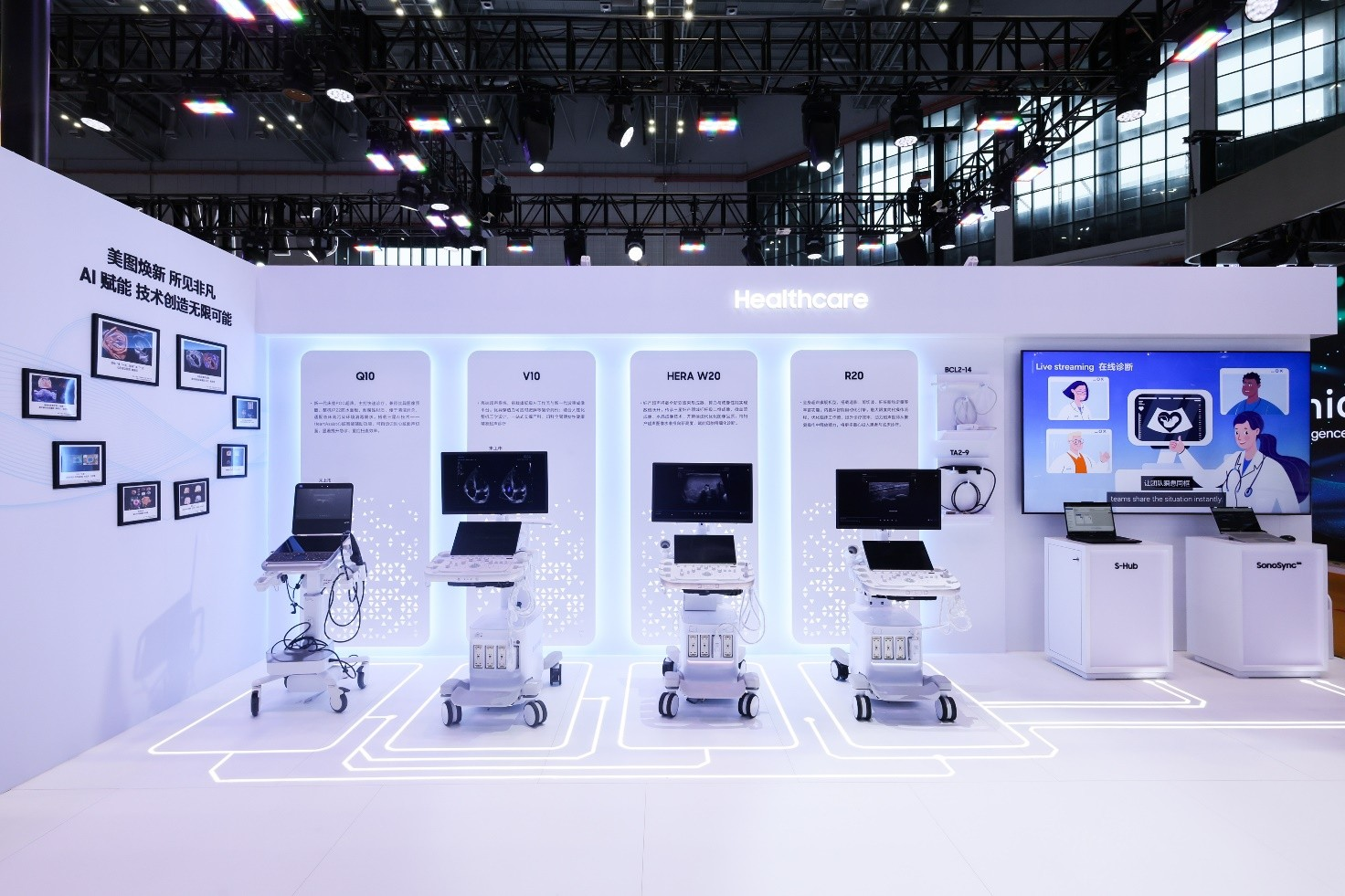
三星展台超声诊断设备

医生在超声检查中,需要不断调整探头、观察图像、测量数据、记录结果。图像清晰度、自动测量和工作流效率,会影响检查质量,也会影响医生负担。R20强调人体工学设计和自动化工具,落点正是在诊室里那些重复又繁琐的操作。

HERA W20也将与R20共同出现。它面向妇产超声,搭载全新软波束形成器,延续二维成像、微血流成像和水晶成像技术。两款产品组成“双20”系列旗舰超声产品,一个面向女性全生命周期,一个面向全身超声亚专业解决方案。

这条线和三星今年在中国的产业布局得以衔接。

2026年,三星首次设立医疗器械产线。超声设备在中国实现本土化量产后,再走上进博会展台。它展示的不只是单台设备,也包含研发、生产、供应链、注册和服务体系在中国落地的过程。

汽车场景则藏在更多展区之间。

HARMAN(哈曼)今年首次设立独立展区,集中呈现JBL等多系列音响产品,覆盖便携音箱、派对音箱、车载后装音响等全场景音频解决方案。对三星来说,HARMAN是连接智能座舱和音频体验的重要入口。
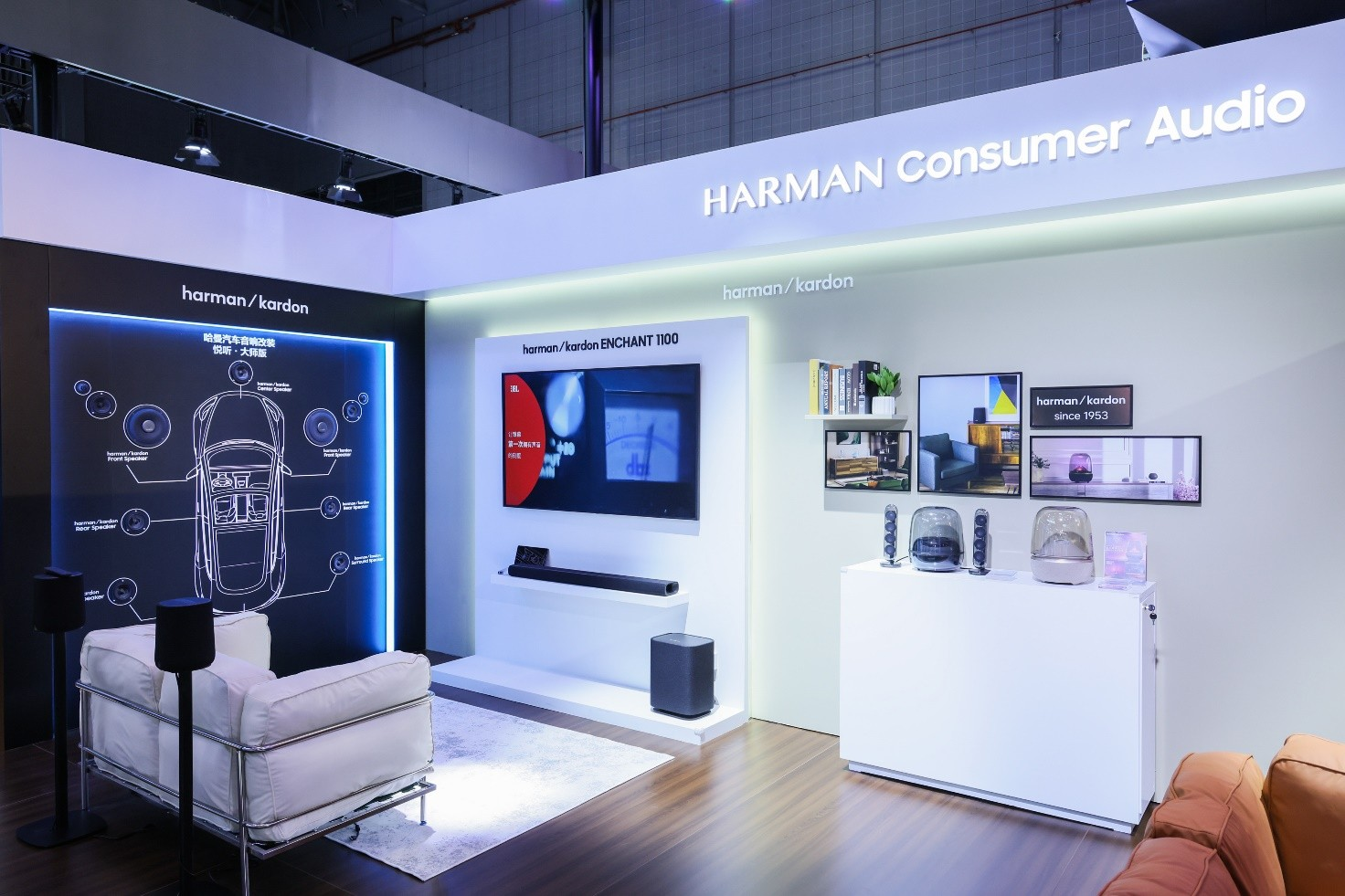
HARMAN(哈曼)独立展区

一辆智能汽车里,显示屏可能来自三星显示的OLED,动力电池可能来自三星SDI,车载音响来自HARMAN,电容来自三星电机。汽车越来越像移动电子终端。座舱大屏、车载娱乐、智能交互、功率器件和高压元器件,共同组成新的产业链。

这也是三星把不同展品放在同一进博会展台上的原因。

连续九年参展后,三星在进博会上的身份也发生了变化。它仍然带来全球新品和前沿技术,也在展示更多扎根中国的本土化成果。

目前,三星在中国设立15家生产企业、14家研发中心,在华累计投资约590亿美元,其中尖端产业投资占比接近90%。

三星把这份扎根中国多年的产业积淀带到进博会,也是持续践行与中国市场同频发展的承诺。

注:文/龚作仁,文章来源:Laborer,本文为作者独立观点,不代表亿邦动力立场。

【版权提示】亿邦动力倡导尊重与保护知识产权。未经许可,任何人不得复制、转载、或以其他方式使用本网站的内容。如发现本站文章存在版权问题,烦请提供版权疑问、身份证明、版权证明、联系方式等发邮件至run@ebrun.com,我们将及时沟通与处理。

已点赞

+1

{{ praise_text }}

好文章,值得被更多人看到

FAQ回顾

三星在进博会上展示的AI硬件生态包括哪些技术?

第九届进博会三星以芯片造型展台展示AI时代硬件链,涵盖半导体领域的LPDDR5X-PIM内存、UFS 5.0闪存和ISOCELL HPC图像传感器,显示领域的34英寸QHD 360Hz屏与77英寸QD-OLED,移动终端W27、Galaxy Z Fold8 Ultra、Galaxy S26 Ultra,医疗器械R20、HERA W20超声,以及HARMAN音频和车规级MLCC等汽车解决方案。

三星LPDDR5X-PIM内存是什么?有什么作用?

LPDDR5X-PIM是业界首款搭载存内计算(PIM)技术的LPDDR内存,为减少AI推理过程中的内存瓶颈而开发。它把一部分计算能力靠近内存,减少数据在存储、内存和处理器之间搬移带来的延迟与能耗,使AI手机或边缘设备的任务响应更快、功耗更低。

三星折叠屏手机在进博会上展示了哪些产品与进展?

三星在第九届进博会展示第八代折叠屏产品,并集中对比历代铰链。心系天下三星W27展开厚度4.1毫米、重量215克,配2亿像素主摄和5000万像素超广角,支持8K视频录制及AI办公、出行、社交;Galaxy Z Fold8 Ultra同样厚4.1毫米,有6.5英寸外屏和8英寸内屏,搭载第五代骁龙8至尊版(for Galaxy),支持分屏多任务和长续航。

三星R20超声设备有哪些AI功能和应用场景?

R20是三星超高端全身超声旗舰设备,在第九届进博会完成本土化量产后的中国首展。它搭载Advanced Imaging Engine,集成硬件与软件波束形成,提供十余种AI驱动工具,用于实时检查引导、诊断辅助、工作流自动化和自动测量,适用于腹部、甲状腺、肌肉骨骼、血管、乳腺、产科、妇科和泌尿科等临床应用。

三星在中国有哪些本土化产业布局?

三星在中国设立15家生产企业、14家研发中心,累计投资约590亿美元,其中尖端产业投资占比接近90%。2026年三星首次设立医疗器械产线,超声设备在中国实现本土化量产;心系天下三星W27采用首批完成备案的生成式AI服务,体现研发、生产、供应链、注册和服务体系在中国的落地。

广告

下一篇

跨境电商资源对接

《全球跨境电商服务商资源手册》第二期手册现已发布,触达更多资源,了解跨境服务商信息,欢迎点击链接下载。

了解详情

这届“多多农研” 跟草莓较个什么劲?

一颗草莓的生长,对环境有着近乎苛刻的要求。温度高了,花芽分化可能受到影响;光照不足,果实的生长和品质也会打折扣。

拼多多 未来零售 农业 农产品

2026-11-06 16:43:02