• 亿邦公众号
    • APP下载

易海创腾携手Yandex首次亮相深圳 共探俄语市场增长机会

作者:龚作仁 文章来源:Laborer

2026-09-22 14:05

作者:龚作仁 文章来源:Laborer

2026-09-22 14:05

邦小白快读

EN
全文速览

本次在深圳举办的第三届Yandex营销创新峰会,释放了大量泛俄语区及中亚市场出海的核心信息与实操干货,能帮助关注外贸、出海机会的普通读者快速抓住核心要点。

1. 核心机会点:当前部分欧美企业退出俄语区市场,释放了汽车、工业设备、仓储设备、医疗设备、3D打印设备、文旅、PC游戏等品类的增长空间,Yandex作为当地市占率最高的数字生态平台,中国相关批发供应类搜索占比达58%,是普通人捕捉外贸机会的重要参考窗口。

2. 实用落地方法:布局该市场不能照搬国内的产品和营销模式,要避免单纯打价格战,需从产品、内容层面做本地化适配;B2B业务要适配当地平均13天的客户决策周期,完善官网的产品、售后信息,组合投放搜索与联盟广告;B2C业务可跟着9-12月的消费节奏做分阶段营销。

3. 避坑提示:不要把当地关税红利、人口规模直接等同于真实订单,传统低价铺货模式已经失效,要提前做好合规、履约准备,靠真实口碑做长期经营,目前已有文旅项目获1亿+曝光、3D打印和游戏类项目获客成本降60%的成功实践可参考。

本次峰会系统梳理了泛俄语区及中亚市场的消费趋势、用户特征与品牌建设路径,为计划布局或已经深耕该区域的品牌商提供了全链路增长参考。

1. 消费趋势与产品研发方向:全球产业链重构背景下,欧美品牌退出释放了大量市场空间,Yandex平台数据显示,中国来源的批发供应相关搜索占比达58%,仓储设备、医疗设备、3D打印设备、新能源、3C、文旅、PC游戏等品类关注度持续上涨,是品牌切入的优质窗口。

2. 定价与竞争策略:当地双重内陆属性带来的高流通成本,已经让传统低价铺货模式难以为继,品牌要避免单纯依赖价格竞争,以产品品质、内容传播、渠道共生建立长期竞争力,用品牌溢价覆盖高昂的物理成本。

3. 品牌营销与渠道建设:品牌要建立适配本地的增长系统,从产品、营销内容层面做本地化适配,深度理解当地文化内核,整合本土媒介矩阵搭建数字基建,通过全域声誉管理建立用户信任,依托Yandex全场景生态触达用户,靠持续的内容积累、真实用户口碑沉淀品牌资产,实现从产品出口到品牌全球化的升级。

本次峰会披露了泛俄语区及中亚跨境市场的最新增长机会、可复制实战打法与风险提示,为各品类跨境卖家布局该区域提供了清晰的行动指南。

1. 机会提示:欧美企业退出释放的存量空间覆盖多个品类,仓储、医疗、3D打印等B端设备,以及文旅、PC游戏、日常消费品等C端品类均有明确增长机会;Yandex作为当地流量占比第一的数字生态是核心获客渠道,每年9-12月是B2C消费旺季,可按照预热、新品发布、促销、集中转化的节奏提前布局营销。

2. 可学习的实战打法:B2B类卖家要适配当地客户平均13天的长决策周期,组合投放搜索与网盟广告,完善官网的质保、物流、售后信息承接流量;B2C类卖家要重点传递价格、优惠、配送便利性等信息推动快速转化,参考峰会分享的文旅项目获1亿+曝光、游戏及3D打印品类获客成本降低60%的经验,打通从流量到转化的全链路。

3. 风险提示:不要将关税红利、人口规模直接等同于真实订单,要提前做好产品认证、财税合规、海外仓履约等基础准备,避免陷入同质化价格战,首单成交后持续收集用户反馈优化运营,才能实现长期增长。

本次峰会传递的泛俄语区及中亚市场需求动向、渠道通路信息,为制造类工厂拓展海外订单、推进数字化电商布局提供了明确的方向参考。

1. 直接商业机会:部分欧美企业退出俄语区市场后,汽车、工业设备、仓储设备、医疗设备、3D打印等工业品领域出现大量需求空缺,Yandex平台上中国来源的批发供应相关搜索占比达58%,小众、专业类B2B产品可通过多语言内容精准分发触达专业买家,帮助工厂摆脱对代理商的依赖,实现直营获客。

2. 产品生产与设计方向:工厂不能简单将国内销售的产品直接销往当地,要围绕当地用户需求、特殊使用场景(如极端气候)调整产品设计,跳出单纯低价竞争的逻辑,靠稳定的产品品质建立长期竞争力。

3. 数字化出海启示:工厂可借助Yandex全生态渠道触达客户,优化线上广告账户、官网信任标识与客户留资路径,适配B端客户长决策周期的特点,通过持续的内容输出、真实用户口碑建立信任,参考3D打印设备工厂降低线索成本60%的实战经验,逐步实现从代理出口到建立自有品牌的升级。

本次峰会集中呈现了中国企业布局泛俄语区及中亚市场的行业发展趋势、客户核心痛点与解决方案方向,为出海服务商挖掘业务机会提供了清晰的参考。

1. 行业发展趋势:当前中国企业出海俄语区正从早期的低价铺货、零散产品输出阶段,转向品牌化、本地化的长期增长阶段,企业的服务需求也从单一的广告投放,升级为覆盖本地化内容生产、渠道协同、品牌建设、合规履约的全链路服务需求。

2. 核心客户痛点:多数出海企业存在三类共性难题:一是照搬国内产品与营销模式,与本地市场适配度低,容易陷入同质化价格战;二是不熟悉当地B2B、B2C用户的决策路径,投放精准度不足、转化链路不通;三是存在跨文化信任壁垒,缺乏本地媒介运营、声誉管理能力,在合规、履约环节存在较多风险。

3. 解决方案方向:服务商可依托Yandex等本地头部生态资源,为客户提供分场景的投放策略、本地化内容生产、全域声誉管理、转化链路优化、合规咨询等服务,目前相关服务已在文旅、游戏、3D打印等赛道验证效果,可帮助客户降低60%左右的获客成本,具备较高的可复制性。

本次峰会披露了泛俄语区头部数字生态Yandex的最新布局、平台商家的核心需求与运营方向,为各类面向俄语区的跨境平台开展业务提供了实操参考。

1. 平台最新实践:Yandex作为覆盖搜索、出行、电商、地图、云服务、娱乐、AI助手的全场景数字生态,长期稳居泛俄语区及中亚搜索市场首位,当前正通过与易海创腾等中国本土服务商深度合作的方式,对接中国出海企业需求,搭建商家交流链接平台,打造中国商家进入当地市场的核心数字入口。

2. 商家对平台的核心需求:B2B类商家需要平台提供能覆盖长决策周期的广告组合产品,匹配B端客户关注产品、质保、物流、售后信息的浏览习惯,帮助商家有效追踪合格询盘、会议、报价、成交等全流程效果;B2C类商家需要平台匹配用户季节性消费规律,提供从预热到转化的全周期营销工具,帮助商家追踪转化成本、投入回报、复购等核心指标。

3. 运营与风向提示:平台需引导商家跳出低价竞争思路,减少低质铺货类商家的无效流量竞争,配套提供本地合规指引、用户行为数据洞察等支持,联合生态内的海外仓、营销、合规类服务商,为商家提供全链路服务,提升商家长期留存率。

本次峰会集中呈现了中国企业出海泛俄语区及中亚市场的最新产业动向、现存问题与创新商业模式,为跨境贸易、出海相关领域的研究提供了丰富的现实样本。

1. 产业新动向:在全球产业链重构、中国制造出口结构持续升级的背景下,泛俄语区及中亚市场正成为中国企业出海的新增长极,欧美企业退出释放的市场空间,为汽车、工业设备等新质生产力产品进入当地提供了重要窗口,中国企业对该区域的布局正从早期的低价铺货、产品输出、渠道拓展阶段,转向品牌与能力全球化的长期发展阶段。

2. 产业新问题:传统出海模式在当地面临多重挑战,双重内陆国属性带来的高昂物理流通成本抬高了经营门槛,企业普遍存在本土化适配不足、跨文化信任壁垒高、对用户决策路径认知不足、合规与履约风险预判不够等问题,容易陷入品牌身份隐形、同质化价格战的增长死循环。

3. 商业模式与启示:当前逐步跑通的“本地头部数字平台+中国本土出海营销服务商+实体企业”的协同模式,通过本地化内容建设、全域声誉管理、全链路投放优化,可帮助企业降低60%左右的获客成本,实现从依赖代理出口到品牌直营的转变,这种长期主义的本地化增长逻辑,为研究中国企业开拓新兴市场的路径提供了新参考。

声明:快读内容全程由AI生成,请注意甄别信息。如您发现问题,请发送邮件至 run@ebrun.com 。

我是 品牌商 卖家 工厂 服务商 平台商 研究者 帮我再读一遍。

Quick Summary

The 3rd Yandex Marketing Innovation Summit held in Shenzhen shared core takeaways and practical guidance for businesses expanding into the pan-Russian and Central Asian markets, helping general readers interested in foreign trade and cross-border opportunities quickly grasp key insights.

1. Core opportunities: As some Western companies exit the Russian-speaking market, growth potential is opening up across categories including automobiles, industrial equipment, warehouse equipment, medical devices, 3D printing equipment, cultural tourism, and PC games. Yandex, the dominant digital ecosystem in the region with the highest local market share, reports that searches related to Chinese wholesale supply account for 58% of relevant queries, making it a critical reference window for individuals identifying foreign trade opportunities.

2. Practical go-to-market approaches: Players entering this market should not copy domestic product and marketing models, and should avoid competing solely on price. Instead, they need to carry out localized adaptation for both products and content. For B2B operations, businesses should align with the local average 13-day customer decision cycle, complete product and after-sales information on official websites, and run a combined strategy of search and affiliate advertising. For B2C operations, phased marketing campaigns can be scheduled to match the September to December peak consumption cycle.

3. Common pitfalls to avoid: Do not equate local tariff preferences and population size directly with actual order volumes. The traditional low-price, mass-listing model is no longer effective. Businesses should prepare compliance and fulfillment capabilities in advance, and pursue long-term operations built on authentic word-of-mouth. Proven successful cases to reference include a cultural tourism project that generated over 100 million impressions, and 3D printing and gaming projects that cut customer acquisition costs by 60%.

The summit systematically outlined consumer trends, user characteristics and brand building pathways in the pan-Russian and Central Asian markets, providing full-funnel growth references for brands planning to enter or already operating in the region.

1. Consumer trends and product R&D priorities: Against the backdrop of global supply chain restructuring, the exit of Western brands has freed up substantial market space. Yandex platform data shows searches for Chinese-origin wholesale supply account for 58% of relevant queries, with steadily rising demand for categories including warehouse equipment, medical devices, 3D printing equipment, new energy products, 3C, cultural tourism, and PC games, presenting a high-quality entry window for brands.

2. Pricing and competitive strategy: High circulation costs driven by the region’s dual landlocked geographic attributes have made the traditional low-price, mass-distribution model unsustainable. Brands should avoid overreliance on price competition, and build long-term competitiveness through product quality, content communication and channel symbiosis, using brand premium to cover high physical distribution costs.

3. Brand marketing and channel construction: Brands need to build locally adapted growth systems, with localized adjustment of products and marketing content, a deep understanding of local cultural cores, and digital infrastructure built through integrated local media matrices. They should establish user trust via full-domain reputation management, reach users through Yandex’s full-scenario ecosystem, and accumulate brand equity through consistent content output and authentic user word-of-mouth, to achieve the upgrade from product export to global brand building.

The summit disclosed the latest growth opportunities, replicable tactical playbooks and risk warnings for cross-border markets in the pan-Russian region and Central Asia, providing clear action guidance for cross-border sellers across categories looking to expand into the region.

1. Opportunity overview: The market space released by exiting Western companies covers multiple categories, with clear growth potential in B-end equipment such as warehouse, medical and 3D printing devices, as well as C-end categories including cultural tourism, PC games and daily consumer goods. As the leading digital ecosystem by traffic share in the region, Yandex serves as the core customer acquisition channel. The annual B2C peak consumption season runs from September to December, and sellers can plan marketing in advance following the rhythm of pre-heating, new product launch, promotion and concentrated conversion.

2. Replicable practical tactics: B2B sellers should adapt to the local average 13-day long customer decision cycle, run a combined portfolio of search and ad network placements, and improve information on warranty, logistics and after-sales service on official websites to convert incoming traffic. B2C sellers should prioritize communicating pricing, discounts and delivery convenience to drive fast conversion. Referring to cases shared at the summit, including a cultural tourism project that gained over 100 million impressions, and gaming and 3D printing categories that reduced customer acquisition costs by 60%, sellers can build a seamless full-funnel path from traffic to conversion.

3. Risk reminders: Do not equate tariff preferences and population size directly with actual orders. Sellers should make advance preparations for core fundamentals including product certification, fiscal and tax compliance, and overseas warehouse fulfillment, avoid homogenous price wars, and continuously collect user feedback to optimize operations after the first order to achieve long-term growth.

The summit conveyed updates on market demand and channel access in the pan-Russian and Central Asian markets, providing clear direction for manufacturing factories to expand overseas orders and advance their digital e-commerce layout.

1. Direct business opportunities: After the exit of some Western companies from the Russian-speaking market, large demand gaps have emerged in industrial product categories including automobiles, industrial equipment, warehouse equipment, medical devices and 3D printing. Searches for Chinese-origin wholesale supply on Yandex account for 58% of relevant queries. Niche, professional B2B products can reach professional buyers precisely through multi-language content distribution, helping factories reduce reliance on agents and acquire customers through direct sales.

2. Product production and design direction: Factories should not directly sell domestic-market products to the local region without adjustment. They should tweak product design based on local user needs and specific usage scenarios, such as extreme climates, move beyond pure low-price competition logic, and build long-term competitiveness through stable product quality.

3. Digital go-to-market insights: Factories can leverage Yandex’s full-ecosystem channels to reach customers, optimize online ad accounts, trust marks on official websites and customer lead submission paths, adapt to the long decision cycle of B-end customers, and build trust through continuous content output and authentic user word-of-mouth. Referencing the practical experience of a 3D printing equipment factory that reduced lead costs by 60%, factories can gradually upgrade from agent-based export to building their own independent brands.

The summit presented industry development trends, core customer pain points and solution directions for Chinese companies expanding into the pan-Russian and Central Asian markets, providing clear references for overseas expansion service providers to identify business opportunities.

1. Industry development trends: Chinese companies’ expansion into the Russian-speaking market is shifting from the early stage of low-price mass listing and scattered product export to a stage of branded, localized long-term growth. Accordingly, enterprise service demand has upgraded from single ad placement to full-funnel services covering localized content production, channel coordination, brand building, and compliance & fulfillment.

2. Core customer pain points: Most expanding companies face three common challenges: first, copying domestic product and marketing models leads to low local market fit and susceptibility to homogenous price wars; second, unfamiliarity with local B2B and B2C user decision paths results in low targeting accuracy and broken conversion funnels; third, cross-cultural trust barriers, lack of local media operation and reputation management capabilities, and high risks in compliance and fulfillment processes.

3. Solution directions: Service providers can leverage leading local ecosystem resources such as Yandex to deliver services including scenario-based targeting strategies, localized content production, full-domain reputation management, conversion funnel optimization, and compliance consulting. These services have already demonstrated proven results in sectors such as cultural tourism, gaming and 3D printing, helping clients reduce customer acquisition costs by around 60%, with strong replicability across categories.

The summit disclosed the latest layout of Yandex, the leading digital ecosystem in the pan-Russian region, core demands of platform merchants, and operational directions, providing practical references for various cross-border platforms serving the Russian-speaking market.

1. Latest platform practices: As a full-scenario digital ecosystem covering search, ride-hailing, e-commerce, maps, cloud services, entertainment and AI assistants, Yandex has long held the top position in the pan-Russian and Central Asian search market. It is now forging deep partnerships with local Chinese service providers such as Yihai Chuangteng to connect with the needs of Chinese outbound companies, build merchant exchange and connection platforms, and serve as the core digital entry point for Chinese merchants entering the local market.

2. Core merchant demands for platforms: B2B merchants need the platform to provide ad portfolio products that cover long decision cycles, align with B-end customers’ browsing habits focused on product, warranty, logistics and after-sales information, and help merchants effectively track full-funnel performance including qualified inquiries, meetings, quotations and transactions. B2C merchants need the platform to match users’ seasonal consumption patterns, provide full-cycle marketing tools from pre-heating to conversion, and help merchants track core metrics including conversion cost, return on investment and repurchase rate.

3. Operation and trend guidance: Platforms should guide merchants to move away from low-price competition, reduce ineffective traffic competition from low-quality mass-listing merchants, provide supporting resources such as local compliance guidance and user behavior data insights, and partner with overseas warehouse, marketing and compliance service providers within the ecosystem to deliver full-funnel services for merchants, improving long-term merchant retention.

The summit presented the latest industrial trends, existing challenges and innovative business models of Chinese companies expanding into the pan-Russian and Central Asian markets, providing rich real-world samples for research related to cross-border trade and overseas business expansion.

1. New industrial trends: Against the backdrop of global supply chain restructuring and the continuous upgrading of China’s manufacturing export structure, the pan-Russian and Central Asian markets are emerging as a new growth pole for Chinese outbound companies. The market space released by exiting Western companies provides an important window for new quality productive force products such as automobiles and industrial equipment to enter the region. Chinese companies’ layout in the region is shifting from the early stages of low-price mass listing, product export and channel expansion to the long-term development stage of globalized brands and capabilities.

2. Emerging industrial challenges: Traditional overseas expansion models face multiple hurdles in the region. High physical circulation costs brought by the dual landlocked geographic attributes raise operating thresholds, and enterprises generally face insufficient localized adaptation, high cross-cultural trust barriers, inadequate understanding of user decision paths, and insufficient anticipation of compliance and fulfillment risks, easily falling into the growth trap of invisible brand identity and homogenous price wars.

3. Business models and implications: The gradually validated collaborative model of "leading local digital platform + Chinese local overseas marketing service provider + real economy enterprise" can help enterprises reduce customer acquisition costs by around 60% through localized content building, full-domain reputation management and full-funnel placement optimization, enabling the transition from agent-reliant export to direct brand operation. This long-term, localized growth logic provides a new reference for researching the pathways of Chinese enterprises exploring emerging markets.

Disclaimer: The "Quick Summary" content is entirely generated by AI. Please exercise discretion when interpreting the information. For issues or corrections, please email run@ebrun.com .

I am a Brand Seller Factory Service Provider Marketplace Seller Researcher Read it again.

9月16日,由易海创腾与Yandex(央捷科斯)联合主办的“俄见新局·共赢增长——第三届Yandex营销创新峰会”在深圳成功举办。作为Yandex在深圳的首次亮相活动,本次峰会汇聚来自Yandex官方、知名出海企业及生态伙伴等多方代表,超过300位行业人士齐聚现场,包括Yandex Ads大中华区渠道负责人袁亚平、Yandex Ads高级客户经理Karolina Vorobeva、易海创腾创始人兼CEO王志龙、易海创腾CMO李姗、奥克莱集团俄区营销负责人李家琪、俄中电子商务协会执行秘书长王玄等重磅嘉宾,围绕泛俄语市场及中亚市场的营销趋势、B2B与B2C投放策略、本土化增长、获客与交付等核心议题,深入探讨中国企业布局俄语区市场的新趋势、新路径与新机遇。
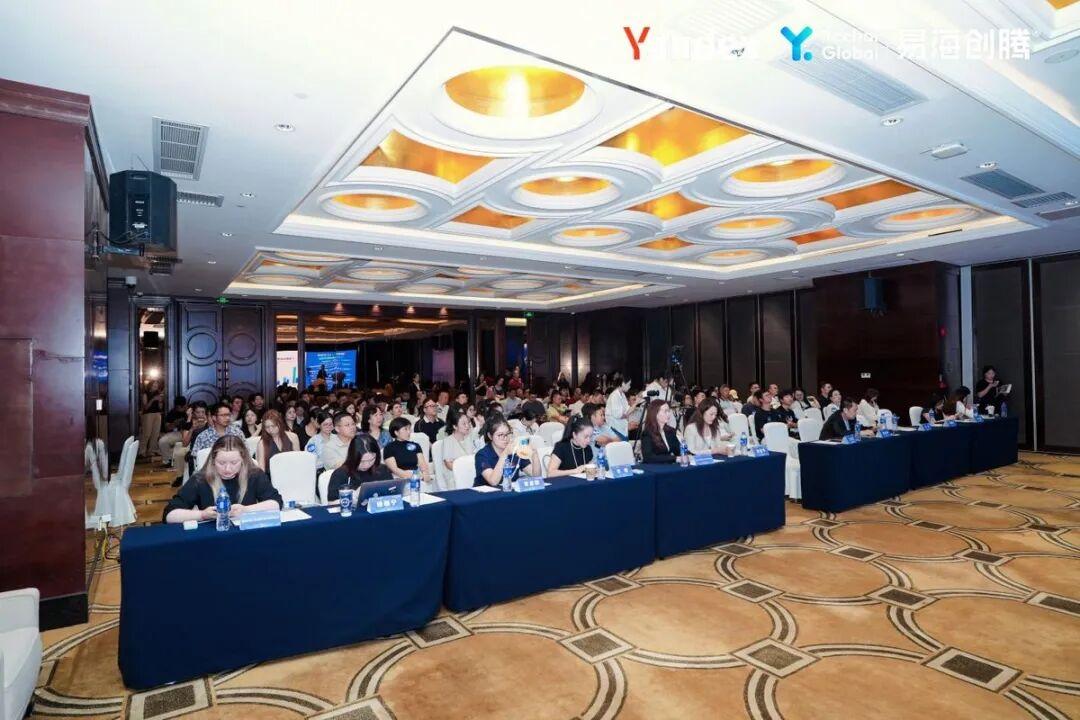
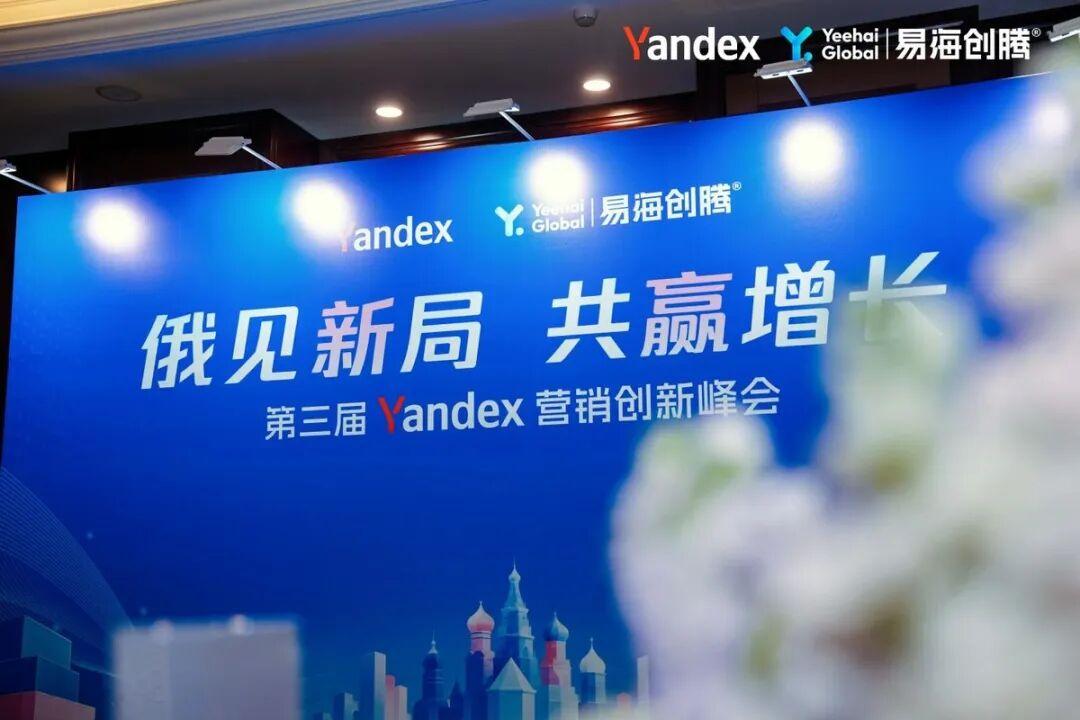
图片

图片

【图:俄见新局·共赢增长——第三届Yandex营销创新峰会现场】

在主题分享环节,易海创腾创始人兼CEO王志龙围绕品牌出海俄语区这一话题带来《俄贸启航,打开增长新边界》主题演讲。在全球产业链重构、中国制造出口结构持续升级的背景下,王志龙谈到,泛俄语区及中亚市场正迎来新的市场机会窗口,部分欧美企业退出所释放的市场空间,为以汽车、工业设备等为代表的中国新质生产力产品进入当地市场提供了新的发展空间。这是中国企业从产品出口走向品牌全球化的重要节点。

王志龙认为,抓住市场机会并不意味着简单复制国内的产品和营销方式,企业需要建立与当地市场相匹配的增长系统。从产品本地化、营销内容本地化,到渠道协同与品牌建设,都需要围绕当地用户需求进行调整。尤其在产品、价格与渠道方面,企业应避免单纯依赖价格竞争,通过产品品质、内容传播与渠道共生建立长期竞争力;对于小众、专业型B2B产品,也可借助多语言内容与精准分发触达专业买家,实现细分市场突破。企业需要通过持续的内容积累、真实的产品体验与用户口碑,逐步建立品牌资产。王志龙表示:“俄语区市场的机会,不只是一次市场扩张,更是中国企业全球化能力的一次检验。在全球竞争格局持续变化的背景下,中国企业出海正在从产品输出、渠道拓展,走向品牌与能力的全球化。只有真正扎根本地市场,以长期主义构建产品、营销、渠道与品牌能力,才能把阶段性的市场机会转化为可持续的全球增长。”
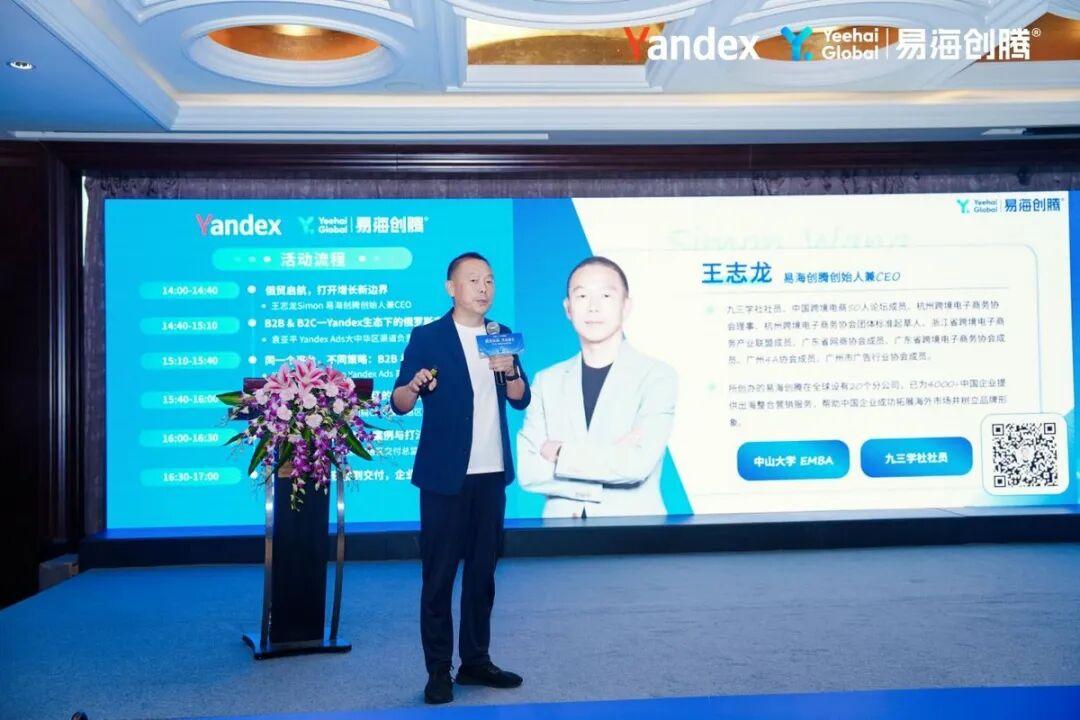
图片

【图:易海创腾创始人兼CEO王志龙】

Yandex大中华区渠道负责人袁亚平带来《B2B&B2C— Yandex生态下的俄罗斯市场全解读》主题分享。作为全球头部搜索与数字生态平台,Yandex现已形成覆盖搜索、出行、电商、地图、云服务、娱乐及AI助手等多场景的数字生态,长期稳居泛俄语区及中亚搜索市场的首位 。凭借对泛俄语区及中亚市场用户长期积累的平台数据与本地市场经验,Yandex也成为中国企业开拓泛俄语区及中亚市场的重要数字入口 。基于Yandex平台生态、用户行为及2026年上半年市场数据,袁亚平系统解析俄罗斯B2B与B2C市场的需求趋势与营销特点。数据显示,Yandex平台来自中国的“批发供应”相关搜索占比达到58%,仓储设备、医疗设备、3D打印设备等品类的市场关注度持续提升,展现出中国制造在泛俄语区及中亚市场的增长空间。

在B2B营销方面,袁亚平认为,俄罗斯企业客户决策周期相对较长,从首次搜索到首次转化平均需要13天,期间往往会进行多轮搜索、跨网站比对并关注产品、质保、物流及售后等信息。因此,企业不仅需要关注广告投放的精准度,也需要进一步完善品牌官网的信息呈现与客户沟通路径。同时,根据搜索广告与网络联盟的流量特点进行组合投放,可以更好地覆盖不同决策阶段的潜在客户。面向B2C市场,她进一步分析了俄罗斯消费者的线上购物习惯、热门品类及季节性消费规律,并结合9月至12月的消费节奏,为企业制定预热、新品发布、促销及集中转化的阶段性营销计划提供参考。
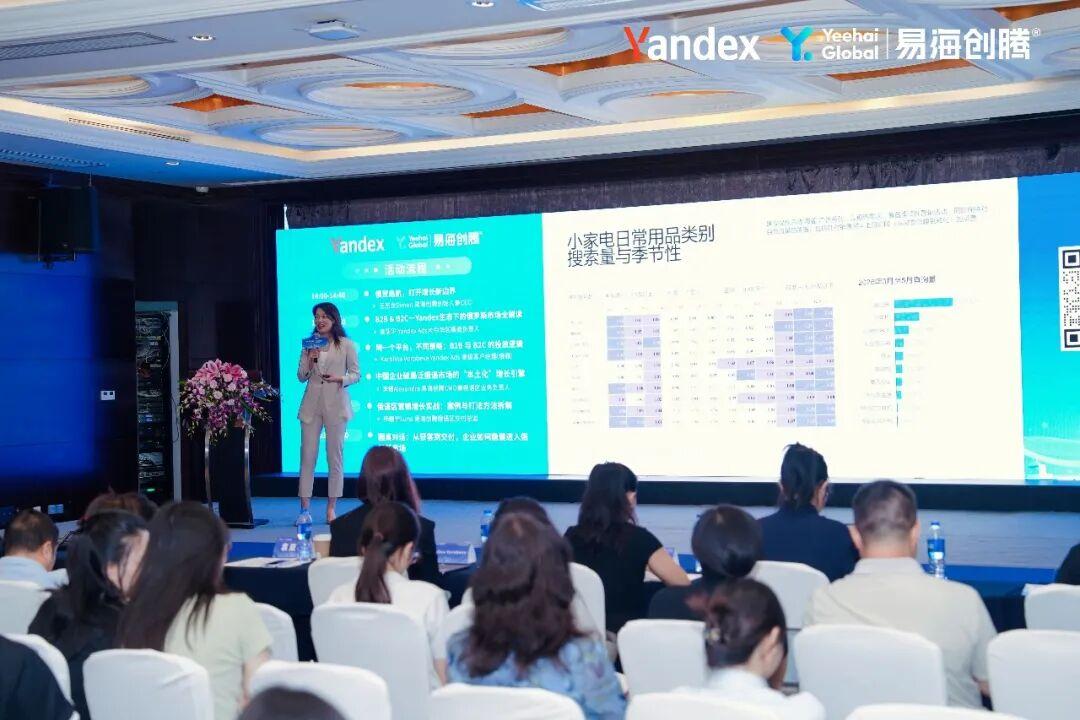
图片

【图:Yandex大中华区渠道负责人袁亚平】

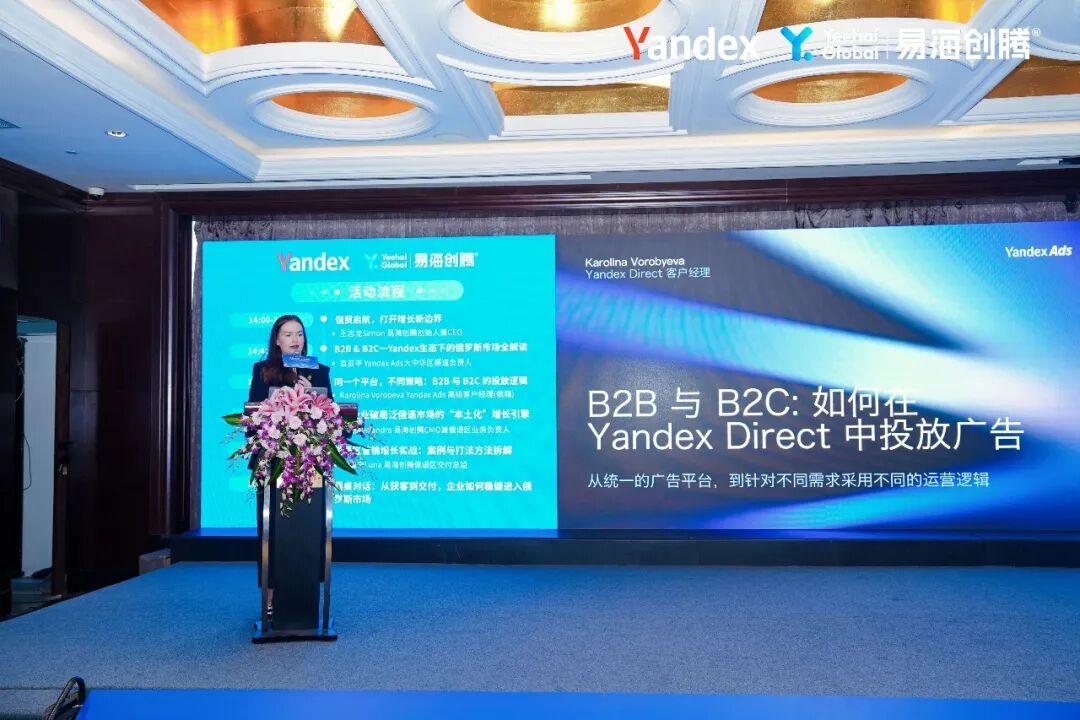
在解析泛俄语区及中亚市场整体机会之后,Yandex Ads高级客户经理Karolina Vorobeva(俄籍)进一步聚焦企业实际投放,以《同一个平台,不同策略:B2B与B2C的投放逻辑》为题,分享泛俄语区及中亚市场不同业务类型下的广告投放策略。Karolina认为,广告投放的起点不是选择工具,而是理解用户从需求萌发、需求明确到完成行动的完整决策路径。B2B采购通常涉及多角色参与和较长决策周期,企业更关注专业能力、产品可靠性、成功案例及服务保障,因此广告投放不能只追求短期询盘,而应通过搜索广告承接明确需求,并结合网络及展示广告持续培育潜在客户。B2C则更强调快速转化,需要围绕产品、价格、优惠、配送及购买便利性等信息进行高效传递,推动用户完成购买。在效果衡量上,Karolina强调应从曝光、点击进一步延伸至真实业务结果:B2B关注合格询盘、会议、报价及成交,B2C则关注购买、转化成本、广告投入回报及复购,让投放策略真正服务于业务增长。
图片

【图:Yandex Ads高级客户经理Karolina Vorobeva】

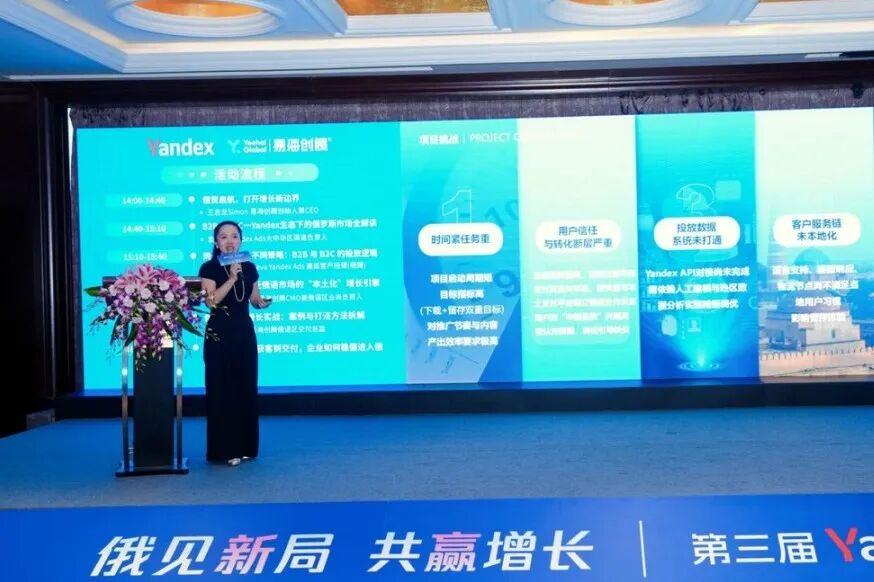
聚焦中国企业进入泛俄语市场过程中面临的本土化挑战,易海创腾CMO李姗发表了题为《跨越信任与转化的鸿沟:破局泛俄语市场的“本土化”增长引擎》的主题演讲。针对中亚及泛俄语区出海,李姗以极端气候下“中亚种玫瑰”与塔什干“首尔城”的商业案例切入,指出双重内陆国高昂的物理成本已让传统低价铺货模式难以为继,关税红利与周边人口并不直接等同于真实订单。面对品牌身份隐形化与同质化价格战等传统出海“死循环”,李姗强调,破局的核心在于从供给驱动向需求驱动转型,在数字世界建立极强的信任体系,用“品牌溢价”覆盖高昂的物理成本。在落地层面,企业需跳出西方主流叙事,深度理解当地受众的文化内核与荣誉感,同时通过整合本土媒介矩阵搭建“数字基建”,并运用全域声誉管理(SERM)重塑品牌信任,是打破转化壁垒的关键。未来,易海创腾将继续依托Yandex全景生态,助力中国先进制造与高科技品牌跨越文化鸿沟,在泛俄语区实现长效稳健增长。
图片

【图:易海创腾CMO李姗】

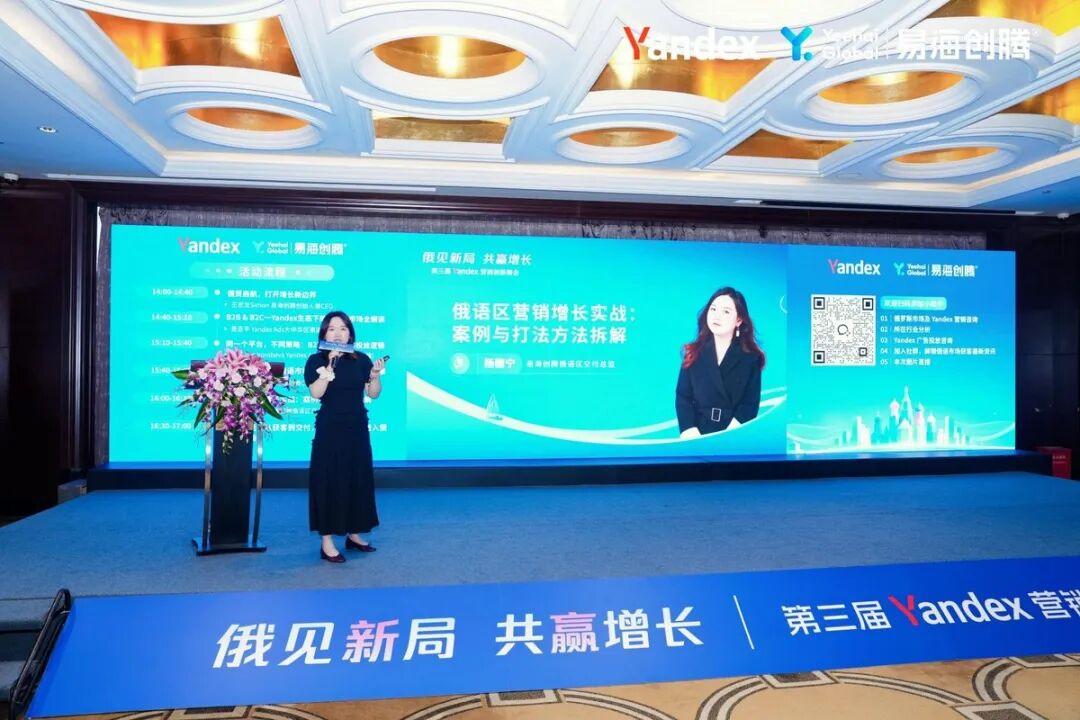
易海创腾俄语区交付负责人杨馥宁进一步从多个出海项目经验出发,围绕《俄语区营销增长实战:案例与打法方法拆解》展开分享,从文旅、PC游戏、3D打印等不同业务场景出发,拆解企业进入俄语区市场后如何找到用户、建立信任并实现转化。杨馥宁强调,不同行业虽然用户需求、决策周期和转化路径各不相同,但增长的底层逻辑具有共通性:先理解业务与用户,再根据不同阶段的需求组合搜索、网盟等渠道,通过持续优化广告、内容与落地页,逐步打通从需求洞察到流量获取、再到转化承接的完整链路。

在文旅项目中,杨馥宁分享了易海创腾俄语区营销团队如何针对中国头部OTA(在线旅游平台)客户的需求,将俄语区用户长决策周期的习惯前置布局,通过搜索承接明确需求,同时结合网盟广告主动触达潜在人群,项目累计获得1亿+曝光,品牌搜索趋势单季度同比增长180%+。在PC游戏项目中,针对竞品心智强、下载注册路径长等挑战,团队通过“兴趣验证—路径验证—素材测试—规模增长”逐步跑通模型,高效阶段注册成本降低约60%。针对高客单价3D打印设备,则通过重构广告账户、强化品牌词保护、优化官网信任标识及留资路径,帮助品牌降低线索成本60%+,逐步实现从依赖代理商获客到品牌直营获客的转变。杨馥宁认为,广告投放不只是获取流量,更需要贯穿用户决策全过程,只有打通需求、流量与转化,才能将俄语区的市场机会真正转化为可持续的业务增长。
图片

【图:易海创腾俄语区交付负责人杨馥宁】

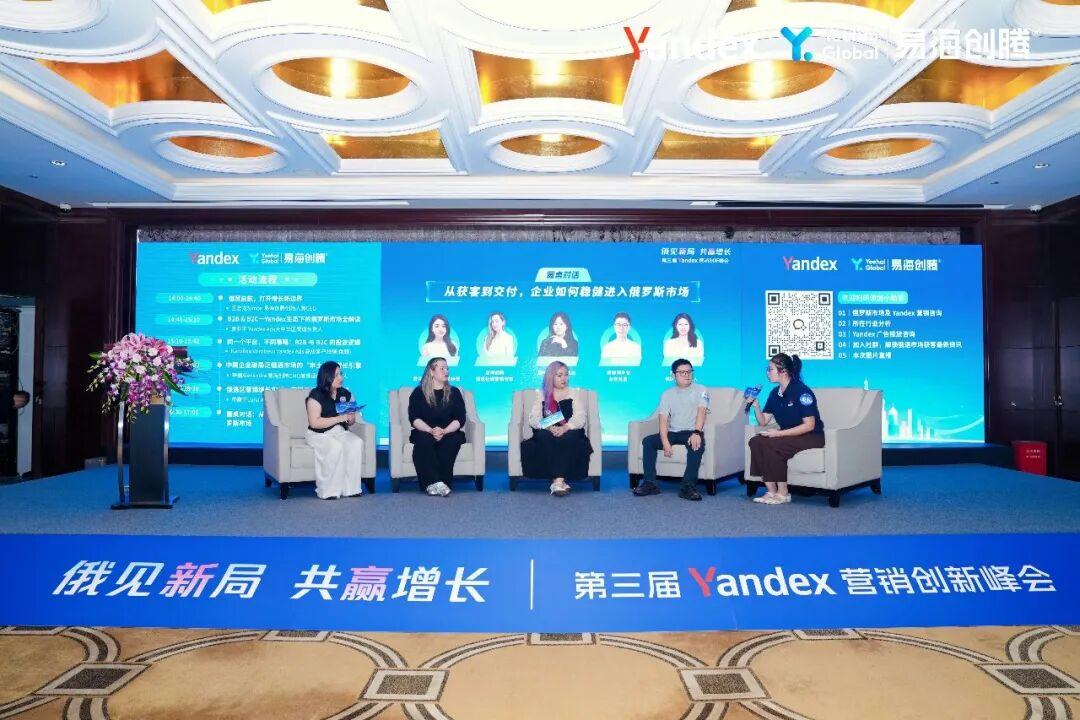
圆桌对谈环节,易海创腾数字增长事业部总经理韦兰珊担任主持,与奥克莱集团俄区营销负责人李家琪、俄中电子商务协会执行秘书长王玄、易海创腾俄语社媒营销专家Daria Andrievskaia、新邮海外仓业务总监薛茚之围绕“中国企业如何稳健进入俄语区市场”展开交流。基于不同业务场景的实践经验,本次圆桌对谈从市场判断、产品选择、用户获取、本地化运营等方面,总结了企业进入俄语区市场的关键路径:前期应充分了解目标客户与竞品格局,明确产品核心优势,优先选择具备竞争力的产品进行市场验证;进入市场后,则需要建立有效的流量入口,通过广告、社媒及本地化内容持续触达用户,并根据真实反馈不断优化产品与营销策略。同时,企业还需提前关注产品认证、财税合规及履约模式等基础经营环节,降低市场拓展过程中的潜在风险。首单并非终点,持续收集用户评价、复盘经营数据、优化产品与服务,才能逐步建立品牌信任,将阶段性的市场机会转化为长期增长。
图片

【图:易海创腾数字增长事业部总经理韦兰珊、易海创腾俄语社媒营销专家Daria Andrievskaia、俄中电子商务协会执行秘书长王玄、新邮海外仓业务总监薛茚之、奥克莱集团俄区营销负责人李家琪】

从泛俄语区及中亚市场趋势洞察,到B2B与B2C投放策略;从本土化营销方法,到获客与交付的实战经验,本次峰会围绕中国企业进入俄语区市场过程中关注的核心问题,搭建起“Yandex×易海创腾×出海企业”之间的交流与链接平台,为企业进一步理解俄语区市场、探索本土化增长路径提供了新的思路。作为一家专注于赋能中国企业出海的数字营销专业咨询机构,易海创腾现有400+名员工,已成功助力超过4000家中国企业在海外市场树立独特品牌形象,实现可持续增长,服务覆盖中国头部电商、文旅OTA、新能源、3C电子、智能制造、机器人、AI等多元赛道,并在全球布局包括广州、深圳、杭州、上海、香港、中山、佛山、厦门、武汉、苏州、无锡、南昌、青岛、金华、台州、加拿大多伦多、美国亚特兰大、美国洛杉矶以及德国汉诺威在内的20个办公室,构建起 “深入本地、融入全球” 的国际化服务网络。未来,易海创腾将持续聚焦中国企业出海营销需求,进一步深化与Yandex等全球平台及生态伙伴的合作,持续探索俄语区及多元海外市场的营销增长机会。

注:文/龚作仁,文章来源:Laborer,本文为作者独立观点,不代表亿邦动力立场。

【版权提示】亿邦动力倡导尊重与保护知识产权。未经许可,任何人不得复制、转载、或以其他方式使用本网站的内容。如发现本站文章存在版权问题,烦请提供版权疑问、身份证明、版权证明、联系方式等发邮件至run@ebrun.com,我们将及时沟通与处理。

已点赞

+1

{{ praise_text }}

好文章,值得被更多人看到

FAQ回顾

中国企业出海俄语区市场有哪些有效增长策略?

中国企业布局泛俄语及中亚市场需避免单纯价格战与直接复制国内模式,围绕本地用户需求落地产品、营销内容本地化,搭建本土媒介矩阵做好全域声誉管理,结合B2B、B2C决策特点组合投放渠道,以长期主义构建品牌能力。

Yandex对中国企业开拓俄语区市场有什么价值?

Yandex是覆盖搜索、出行、电商、云服务、AI助手等多场景的数字生态平台,长期稳居泛俄语区及中亚搜索市场首位,依托积累的本地用户数据与运营经验,可帮助企业精准触达目标客群,是开拓当地市场的重要数字入口。

俄语区B2B与B2C广告投放逻辑有什么差异?

俄语区B2B采购决策周期平均达13天、多角色参与,投放需兼顾精准需求承接与潜在客户长期培育,重点关注合格询盘、成交等结果;B2C侧重快速转化,需高效传递产品、价格、配送等信息,关注转化成本、ROI及复购。

当前俄语区市场有哪些值得中国企业关注的出海机会?

当前欧美企业退出释放了泛俄语及中亚市场空间,汽车、工业设备、仓储设备、医疗设备、3D打印设备等中国制造品类当地关注度持续提升,Yandex平台“批发供应”相关搜索中中国来源占比达58%,增长潜力较大。

广告

下一篇

跨境电商资源对接

《全球跨境电商服务商资源手册》第二期手册现已发布,触达更多资源,了解跨境服务商信息,欢迎点击链接下载。

了解详情

云栖大会观察:阿里的未来预判与正在落地的三块拼图

把吴泳铭的判断与今天各项新产品的发布放在一起看,可以看出,阿里正在努力建设机器智能时代的基础设施。