• 亿邦公众号
    • APP下载

关税新政落地两个月 欧洲人为中国跨境电商平台吵翻了?

作者:王昱 文章来源:亿邦动力

2026-09-21 16:09

作者:王昱 文章来源:亿邦动力

2026-09-21 16:09

邦小白快读
EN
全文速览

你需要重点关注欧盟针对跨境小包的关税新政已正式落地,会直接影响你在Temu、SHEIN、速卖通等中国跨境电商平台的购物成本,目前已有不少消费者摸索出实用的购物应对方法。

1.核心政策影响:今年7月1日起,欧盟对价值不超过150欧元的进口小包裹,按商品税目征收每类3欧元固定关税,10月后还将加征2欧元海关处理费。5-10欧元级别的低货值小商品实际支付成本涨幅可达80%以上,税费甚至可能超过商品本身售价,是受影响最大的品类。

2.实用购物技巧:你可以优先凑单提升客单价,尽量合并同税目商品减少重复计税,目前欧洲消费者平均购物车金额已从40欧元涨到61欧元;也可以选择平台打本地标识的半托管商品、其他同类型性价比平台,或是参与社区拼单分摊固定税费;对价格特别敏感的消费者,也可对比二手平台、本地线下商超的价格,部分商品算上税费后价差已经明显缩小。

欧盟跨境小包关税新政落地两个月,欧洲市场的消费趋势、用户行为、渠道格局已出现明显变动,可为品牌的欧洲市场经营提供参考。

1.消费趋势变化:此前依赖低税费的无门槛小额低价跨境购物模式已难持续,价格敏感型低客单小商品受冲击最大,单件5欧元的商品实际支付成本涨幅超80%,对应品类单量锐减;留存订单的客单价明显提升,欧洲消费者平均购物车金额已从约40欧元上涨至61欧元,涨幅超50%。

2.用户认知与需求特征:中国跨境商品的核心竞争力不只有高性价比,更有覆盖长尾需求的海量SKU,包括特殊设备维修件、细分功效护肤品、小众DIY配件、高性价比残障辅助用品等欧洲本地供给不足的品类;不少欧洲消费者基于实际使用体验,并不认可“中国低价商品质量差”的刻板印象。

3.渠道变动方向:消费者开始在平台本地仓商品、新兴跨境平台、亚马逊、二手交易渠道、本地线下商超间分流,品牌可针对性布局多触点,匹配消费者新的决策逻辑。

欧盟针对150欧元以下进口小包的关税新政已落地两个月,跨境经营的风险与新机会同步显现,卖家需要及时调整策略适配市场变化。

1.政策影响与风险提示:新政要求对低价值进口小包按商品税目每类征收3欧元固定关税,10月后还将加征2欧元海关处理费,5-10欧元价位的低客单商品受冲击最大,实际支付成本涨幅超80%,已有大量消费者因税费过高直接取消订单,对应品类单量锐减。

2.需求变化与机会提示:消费需求并未消失,而是出现明显转移:消费者普遍提升了单次下单客单价,目前欧洲消费者平均购物车金额涨幅超50%,高客单价订单留存率更高;消费者对平台本地仓商品的需求明显上涨,但现有本地半托管商品池的长尾SKU覆盖不足,存在较大供给缺口;部分消费者向新兴跨境平台、社区拼单团购渠道转移,对应场景存在新的流量机会。

3.经营优化方向:可适当提升高客单价商品的选品占比,优化商品税目归类减少消费者重复计税成本,有条件的卖家可参与平台本地半托管业务,贴近消费者的新需求。

欧盟关税新政引发的欧洲消费市场变动,能为面向跨境渠道供货的工厂指明产品调整、业务拓展的方向,抓住新的商业机会。

1.产品需求的新变化:单独售卖的超低价低客单小商品受税费冲击最大,价格优势被大幅削弱,而适合凑单、客单价更高的商品留存情况更好;具备长尾属性、欧洲本地供给严重不足的商品依然拥有极强竞争力,包括特殊规格电子维修配件、细分功效护肤品、小众DIY耗材、高性价比残障辅助用品、亲子手工材料等,这类商品即便叠加税费也难有本土替代品。

2.可抓住的商业机会:当前中国跨境平台的本地半托管商品池存在明显的SKU覆盖缺口,工厂可结合自身供应链优势,针对性为平台本地仓供货,规避直邮小包的税费成本;欧洲社区拼单团购等新消费渠道正在兴起,可对应开发组合装、大包装产品,帮助消费者降低边际税费成本。

3.经营启示:不要单纯依赖超低价直邮的单一流通模式,要突出产品在细分功能、品类丰富度上的不可替代性,避免陷入单纯的低价竞争。

欧盟跨境小包关税新政落地后,跨境电商行业的竞争逻辑、客户痛点都发生了明显转变,服务商可围绕新的行业需求打造解决方案,挖掘新的业务增长点。

1.行业发展新趋势:此前跨境电商的核心竞争点是极致低价,在新关税规则下,竞争核心已转变为如何在合规前提下优化税费与物流成本,降低消费者下单顾虑;目前欧洲消费者对中国跨境商品的需求并未消失,平台依然拥有深厚的用户基础,市场正处于消费行为调整期。

2.当前核心客户痛点:消费者端存在税费计算不透明、同税目商品分单产生重复计税的问题,直接导致大量订单在支付环节流失;商家端面临低客单商品价格优势被削弱、单量下滑的困境,同时现有平台本地半托管模式的SKU覆盖不足,商家入仓、本地履约的配套服务存在明显缺口。

3.解决方案方向:可开发支持自动识别、统筹商品HS编码的结算工具,帮助商家合并同税目商品减少重复税费;可打造集中运输、欧盟枢纽批量清关、落地分拣配送的合包物流服务,降低单包裹固定税费成本;也可为商家提供本地仓入仓、选品、履约的全链路配套服务,助力商家布局本地供给。

欧盟关税新政落地后,中国跨境电商平台在欧洲市场的竞争逻辑已从极致低价转向合规前提下的效率与体验竞争,需要及时调整运营策略应对市场变化。

1.平台当前面临的核心用户需求:消费者普遍希望平台能优化税费计算规则,减少不合理的重复计税,同时提供更多元、无需支付高额直邮税费的高性价比商品;平台商家则需要更清晰的合规指引、更稳定的履约方案,以及本地半托管业务的配套支持,对冲税费上涨带来的单量下滑压力。

2.运营管理优化方向:首先要升级结算系统,实现商品HS编码的自动识别与归类,下单环节自动合并同税目商品计算税费,减少消费者不必要的税费支出;其次可联合物流服务商推出集中合包服务,将跨境订单集中运输至欧盟枢纽完成批量清关,再落地分拣配送,降低单包裹对应的固定税费成本;另外要加大本地半托管业务的招商力度,补充本地商品池的长尾SKU覆盖,补齐本地供给缺口。

3.风向规避要点:要在下单环节清晰透明展示税费构成,避免因税费突然出现导致消费者体验大幅下降,造成用户流向其他新兴跨境平台、本土电商平台。

欧盟针对跨境小包的关税新政落地两个月的市场真实反应,为研究跨境电商产业变革、政策影响效应、商业模式演化提供了鲜活的现实观察样本。

1.产业新动向:新政打破了中国跨境电商在欧洲依靠低门槛直邮小包实现超低价供给的原有模式,推动消费行为结构化变动:欧洲消费者跨境购物平均客单价从40欧元涨至61欧元,涨幅超50%,购物决策从单纯比对商品价格,转向综合考量税费成本、凑单门槛、商品税目归类等因素,消费渠道向平台本地仓、新兴平台、本土电商、二手市场、线下商超、社区拼团等多元场景分流。

2.政策暴露的新问题:加征关税并未有效实现扶持本土制造的初衷,由于欧洲本土零售存在长尾SKU覆盖不足、同类商品价格偏高的问题,政策反而推高消费者生活成本,降低中低收入群体、小众爱好者的消费福利,目前民意对政策的反对声占比达六到七成,甚至出现消费者自发征集签名要求撤回关税的情况。

3.商业模式演化启示:中国跨境电商的核心竞争力并非单纯低价,而是依托国内完整供应链形成的海量SKU供给能力,能覆盖本土零售无法满足的细分长尾需求;未来行业模式将从“极致低价直邮”的单一路径,转向“本地仓+跨境直邮结合、履约效率与税费成本优化并行”的新阶段。

声明:快读内容全程由AI生成,请注意甄别信息。如您发现问题,请发送邮件至 run@ebrun.com 。

我是 品牌商 卖家 工厂 服务商 平台商 研究者 帮我再读一遍。

Quick Summary

The EU’s new tariff policy on cross-border small parcels has officially taken effect, and will directly raise your shopping costs on Chinese cross-border e-commerce platforms including Temu, SHEIN and AliExpress. Many consumers have already worked out practical strategies to adapt to the change.

1. Core policy impact: Starting July 1 this year, the EU imposes a fixed tariff of €3 per product tariff category on imported small parcels valued at no more than €150, with an additional €2 customs processing fee to be rolled out after October. Low-value items priced in the €5–10 range are the hardest hit, with total out-of-pocket costs rising by more than 80% in many cases; in some instances, the applicable taxes and fees may even exceed the product price itself.

2. Practical shopping tips: You can prioritize combining orders to raise the average basket value, and group items under the same tariff category to avoid duplicate duties. The average European consumer’s shopping cart value has already risen from €40 to €61 following the policy change. Other options include choosing semi-fulfilled products marked as locally stocked on platforms, switching to alternative value-for-money platforms, or joining community group purchases to split the fixed tariff costs. For highly price-sensitive shoppers, it is also worth comparing prices on secondhand platforms and local offline supermarkets, as the price gap for many categories has narrowed significantly once tariffs are factored in.

Two months after the EU’s new tariff policy on cross-border small parcels took effect, notable shifts have emerged in European market consumption trends, user behavior and channel landscape, offering actionable references for brands operating in Europe.

1. Shifts in consumption trends: The previous model of low-threshold, low-price cross-border shopping, which relied on minimal tax burdens, is no longer sustainable. Price-sensitive, low-average-order-value (AOV) small commodities have taken the hardest hit: the total cost of a €5 item has risen by over 80%, triggering a sharp drop in order volumes for affected categories. For retained orders, AOV has increased significantly, with the average European consumer’s shopping cart value rising from roughly €40 to €61, a gain of more than 50%.

2. User perception and demand characteristics: The core competitiveness of Chinese cross-border goods extends beyond cost-effectiveness to a massive SKU base covering long-tail demand—including specialty equipment repair parts, targeted-efficacy skincare, niche DIY accessories, and affordable disability aids—categories that are undersupplied in the European local market. Many European consumers, drawing on actual usage experience, do not subscribe to the stereotype that low-priced Chinese goods are of poor quality.

3. Channel shift trends: Consumers are now spreading their purchases across platform local warehouse inventory, emerging cross-border platforms, Amazon, secondhand marketplaces, and local offline supermarkets. Brands can develop targeted multi-touchpoint strategies to align with consumers’ new decision-making logic.

Two months after the EU implemented its new tariff policy on imported small parcels valued under €150, cross-border sellers are facing both operational risks and new market opportunities, requiring timely strategy adjustments to adapt to shifting market conditions.

1. Policy impact and risk alerts: The new policy imposes a fixed €3 tariff per product tariff category on low-value imported parcels, with an additional €2 customs processing fee coming into effect after October. Low-AOV items in the €5–10 price band are the most severely impacted, with total consumer costs rising by over 80%. A large number of consumers have already cancelled orders outright due to excessively high tax costs, leading to a steep decline in order volumes for affected categories.

2. Demand shifts and opportunity signals: Consumer demand has not disappeared, but has rather shifted notably. Consumers are generally raising their per-order AOV, with average European shopping cart values up more than 50% so far, and higher-AOV orders showing stronger retention rates. Demand for platform local warehouse products has also risen significantly, but the existing semi-managed local inventory pool lacks sufficient long-tail SKU coverage, creating a large supply gap. Some consumers are also migrating to emerging cross-border platforms and community group-purchase channels, opening up new traffic opportunities in these scenarios.

3. Operational optimization directions: Sellers can appropriately increase the share of higher-AOV products in their selection, and optimize product tariff classification to reduce duplicate tax costs for consumers. Eligible sellers can also join platform local semi-managed programs to better align with new consumer demand.

The shifts in the European consumer market triggered by the EU’s new tariff policy point to clear directions for product adjustment and business expansion for factories supplying cross-border channels, creating new commercial opportunities to capture.

1. New shifts in product demand: Ultra-low-price, low-AOV items sold individually are the hardest hit by the new tariffs, with their price advantage sharply eroded. By contrast, products suitable for combined orders with higher per-unit value are seeing far better retention. Long-tail products severely undersupplied in the European local market remain highly competitive, including specialty-sized electronic repair parts, targeted-efficacy skincare, niche DIY consumables, affordable disability aids, and parent-child craft materials; these categories have few local substitutes even after accounting for tariff costs.

2. Actionable commercial opportunities: There is a clear SKU coverage gap in the local semi-managed inventory pools of major Chinese cross-border platforms. Factories can leverage their supply chain strengths to supply local platform warehouses on a targeted basis, avoiding the tariff costs associated with direct-mail small parcels. New consumer channels such as European community group purchases are also on the rise, for which factories can develop bundled packs and larger-size products to help consumers reduce marginal tariff costs.

3. Operational takeaways: Factories should not rely solely on the single circulation model of ultra-low-price direct mail. Instead, they should highlight the irreplaceability of their products in terms of specialized functions and category breadth to avoid being trapped in pure low-price competition.

Following the implementation of the EU’s new cross-border small parcel tariff policy, the competitive logic and core client pain points in the cross-border e-commerce sector have shifted notably. Service providers can develop solutions around these new industry needs to unlock new business growth points.

1. New industry development trends: Extreme low pricing was previously the core competitive focus for cross-border e-commerce. Under the new tariff rules, the core competitive priority has shifted to optimizing tax and logistics costs while maintaining compliance, to reduce consumer checkout hesitation. European consumer demand for Chinese cross-border goods remains intact, and platforms retain a deep user base; the market is currently in a period of consumer behavior adjustment.

2. Core current client pain points: On the consumer side, opaque tax calculation and duplicate duties caused by split orders for items in the same tariff category are leading to massive order drop-off at the payment stage. On the merchant side, low-AOV products have seen their price advantage eroded, dragging down order volumes. At the same time, SKU coverage under existing platform local semi-managed models is insufficient, leaving a notable gap in supporting services for merchant warehousing entry and local fulfillment.

3. Solution directions: Service providers can develop settlement tools with automatic HS code identification and coordination capabilities, helping merchants group same-tariff-category items to reduce duplicate tax charges. They can also build consolidated parcel logistics services featuring centralized transport, bulk customs clearance at EU hubs, and local sortation and last-mile delivery to lower fixed tariff costs per parcel. Additionally, they can offer end-to-end supporting services for merchants covering local warehouse onboarding, product selection and fulfillment to support merchants in building out local supply capabilities.

After the EU’s new tariff policy took effect, the competitive logic for Chinese cross-border e-commerce platforms in the European market has shifted from extreme low pricing to competition over efficiency and user experience under a compliance framework, requiring timely operational strategy adjustments to respond to market changes.

1. Core current user demands facing platforms: Consumers widely expect platforms to optimize tax calculation rules to reduce unreasonable duplicate duties, while providing more diverse, cost-effective products that do not carry high direct-mail tax costs. Platform merchants, for their part, need clearer compliance guidance, more stable fulfillment solutions, and supporting resources for local semi-managed operations to offset order volume declines driven by rising tariffs.

2. Operational optimization directions: First, platforms should upgrade their settlement systems to enable automatic HS code identification and classification, automatically grouping items in the same tariff category during checkout to calculate taxes and reduce unnecessary consumer expenses. Second, they can partner with logistics service providers to launch consolidated parcel services, centrally transporting cross-border orders to EU hubs for bulk customs clearance before carrying out local sortation and delivery, to lower the fixed tariff cost allocated to each individual parcel. Additionally, platforms should step up recruitment for their local semi-managed business to expand long-tail SKU coverage in local inventory pools and fill gaps in local supply.

3. Risk avoidance priorities: Platforms should clearly and transparently display tax breakdowns at the checkout stage, to avoid severe degradation of user experience from unexpected tax charges that could drive users to rival emerging cross-border platforms or domestic e-commerce platforms.

Actual market responses in the two months since the EU’s new tariff policy on cross-border small parcels took effect provide a vivid real-world observation sample for studying cross-border e-commerce industry transformation, policy impact effects, and business model evolution.

1. New industry trends: The new policy has upended the previous model of Chinese cross-border e-commerce in Europe, which relied on low-threshold direct-mail small parcels to deliver ultra-low-cost supply, driving structural shifts in consumer behavior. The average AOV for European cross-border online shoppers has risen from €40 to €61, an increase of over 50%. Shopping decisions have shifted from simple product price comparison to integrated consideration of tax costs, order-combining thresholds, and product tariff classification. Consumer traffic is also dispersing across multiple scenarios, including platform local warehouses, emerging platforms, domestic e-commerce sites, secondhand markets, offline supermarkets, and community group purchases.

2. New problems exposed by the policy: The additional tariffs have not effectively achieved the stated goal of supporting local manufacturing. Due to insufficient long-tail SKU coverage and higher prices for comparable goods in European local retail, the policy has instead pushed up consumer living costs and reduced consumer welfare for low- and middle-income groups as well as niche hobbyists. Public opposition to the policy currently stands at 60–70%, with consumers even launching self-organized signature campaigns calling for the tariffs to be revoked.

3. Implications for business model evolution: The core competitiveness of Chinese cross-border e-commerce is not simply low pricing, but its massive SKU supply capacity built on China’s complete domestic supply chain, which can cover segmented long-tail demand unmet by local retail. The industry will evolve from the single-track model of “extreme low-price direct mail” to a new stage featuring a hybrid of local warehousing and cross-border direct mail, with parallel improvements to fulfillment efficiency and tax cost optimization.

Disclaimer: The "Quick Summary" content is entirely generated by AI. Please exercise discretion when interpreting the information. For issues or corrections, please email run@ebrun.com .

I am a Brand Seller Factory Service Provider Marketplace Seller Researcher Read it again.

低价固然重要,但更深的护城河是海量SKU。

文丨王昱    编辑丨何洋

【亿邦原创】7月后,当欧洲消费者像往常一样打开Temu、SHEIN或速卖通等电商平台,往购物车里加入几件小商品,可能会经历付款时显示的最终价格让自己跌破眼镜的情况。

“我都傻了,不是看错了吧?”德国留学生Ariel回忆起当时的场景。她在Temu上一共买了45欧元的商品,结账页面却显示还要额外缴纳48欧元税费。

“虽然之前也听闻要加税了,但真碰到了,还是不可思议——税费居然比商品售价还高。”她坦言,身边几乎所有朋友都被过于醒目的税费数字“吓了一跳”。有人直接取消了订单,也有人四处打听“究竟哪儿出了乱子、是我下单方式不对吗?”甚至还有人此刻才恍然得知,欧盟议会折腾了好几年的关税新政已经落地。

欧盟新关税政策(对价值不超过150欧元的进口小包裹按商品税目征收每类3欧元固定关税)自今年7月1日正式实施以来,欧洲消费者社区里充斥着关于缴税规则的提问,以及一知半解的回答。消费者们第一次意识到,过去习以为常的低价跨境网购模式,将一去不返。

当一件几欧元的商品突然多出一笔固定成本,当原本随手就能下单的小额购物开始需要反复计算,消费者的购物习惯、购买决策乃至对“便宜”的理解,都可能随之改变。

欧洲消费者重新学习“怎么买东西”

在关税新政落地前,跨境网购早已深刻嵌入欧洲人的日常生活。

Statista Consumer Insights最新一轮覆盖西班牙、法国、德国和美国的调查显示,在关税新政落地前的一年,Temu、SHEIN和AliExpress(速卖通)已经成为欧洲消费者最常使用的中国电商平台。过去12个月内,Temu在不同市场的下单渗透率达到20-31%,SHEIN达到16-33%,AliExpress达到12-36%。

欧洲央行2026年春季消费者调查也显示,以上述三大平台为代表的中国跨境电商渠道在欧元区的整体使用率高达52%。其中,在希腊、葡萄牙、西班牙更是高达79%、77%和69%。

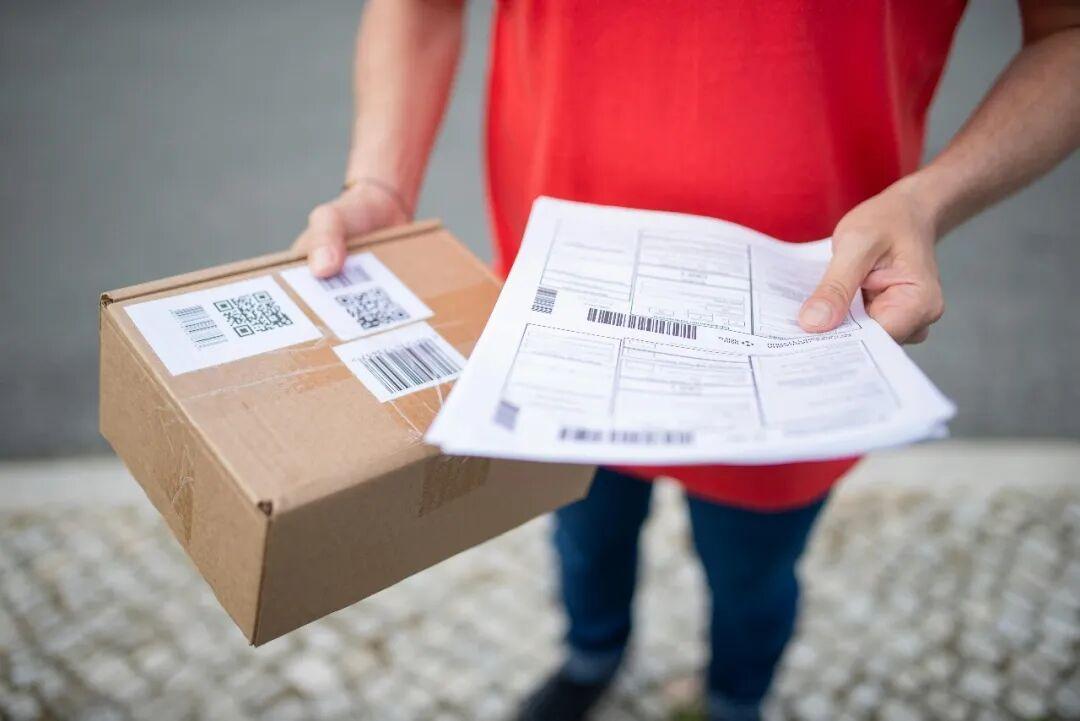
就此而言,新政这一刀砍下后,“肉疼感”可能远远超欧洲人自己一开始的预想。最初的冲击来自一个简单的问题:到底贵了多少?对于高客单价商品来说,多3欧元并非难以承受。但落到几欧元、十几欧元的小商品上,画风就截然不同了。
图片

一位经营手机配件的华强北卖家指出,消费者从心理上难以接受跟货值差不多高的关税,有一种“被剥夺感”。单件购买5欧元的商品,加上3欧元关税以及各种新增的清关杂费,消费者实际需要支付将近9欧元,相当于价格暴涨80%以上。对于价格敏感型品类,这种变化足以吓跑大批消费者。

一位留学生也分享了类似经历:购物车里选了一大堆,后来看到仅关税一项就占据支付总额的半数,只能默默取消付款。也有人在加快购买:“刚需的东西要早点买,10月份之后,可能还要再加征一项2欧元的海关处理费,到时跨境购物成本更高。”

另一个变化体现在购物车数据上。据GlobeCross监测,消费者平均购物车金额已从约40欧元上升到61欧元,涨幅超过50%。不少跨境卖家也反馈,虽然单量锐减,但剩下的订单大多客单价较高。

单量下跌而单价上涨,也意味着典型的低价消费方式正在发生变化。消费者再也不能畅享“顺手买点便宜货”的便利——不然税费不划算。他们甚至开始被迫学习一门“购物统筹学”:不仅要考虑价格,还要凑满起购金额、免运费门槛,努力用上优惠券与跨店满减,以及揣测某件商品能否和其他商品被归为同一HS编码,评估每单里大概有多少个不同税目。

虽然关税来得凶猛,但需求并没有消失。从哪儿去买不用付高税费的便宜商品呢?

一部分消费者首先想到的是寻找Temu、速卖通等平台的本地商品。但问题也很明显,比如,在Temu打标“Local”的商品来自其半托管业务商品池,可选项没那么丰富,大量长尾商品都没覆盖。

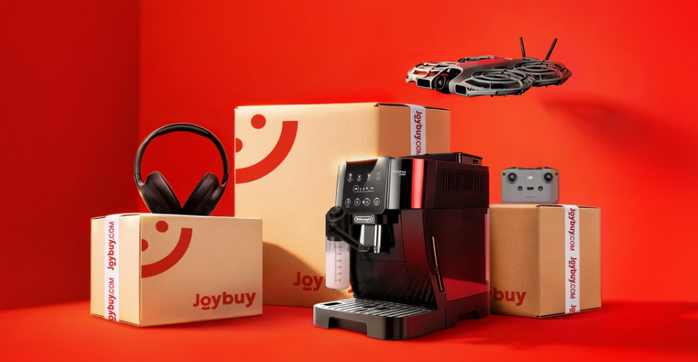
转向其他平台的也不在少数。京东Joybuy是其中被提及较多的。有留学生称,自己原本准备在Temu下单,但看到关税后发现,Joybuy的商品与Temu相似,配送速度还更快。“身边不少人都下载了Joybuy,不过现在只有少数大城市能用。”
图片

图:Joybuy官方账号

不少人回归亚马逊。在德华人Franz感慨道,十几年前刚到欧洲时,因为渠道少,只能使用亚马逊;后来SHEIN、Temu、AliExpress流行起来,消费者拥有了更多低价选择;现在,“又退回去了”——亚马逊上东西很多、配送很快,但价格贵很多。

一些人决定发挥“集体力量”。在Reddit上,有欧洲华人呼吁,如果一个社区里有足够多的人,可以建立团购群,每个人负责不同品类,把订单集中起来,再分摊固定税费。一名荷兰留学生则在小红书上发帖寻找Temu拼单者,尝试拼个数百欧元的大单,以降低边际成本。

还有人开始转向二手市场。“以后去vintage store好了,买些二手古着、二手电子产品。”Ariel表示,欧洲人对于二手商品的接纳度远比中国更高,而且这几年欧洲的二手交易平台也发展迅猛。

当然,一些购物行为从线上回到线下也是有的。尽管本地实体商超的商品价格更高,但线上购物算上关税后,二者原本巨大的价差正在缩小。

消费端的问题,不单单是涨价

在不少消费者看来,很多欧洲品牌、欧洲本土零售商也高度依赖亚洲供应链,如果最终产品依然来自中国工厂,那么提高跨境直购成本,并不会创造出“欧洲制造”,只会让拉低普通人的生活质量。

在德国,一些消费者列举了Tedi、Action、Woolworth、Euroshop、Kik等连锁零售商。他们认为,这些店里的不少商品与AliExpress上的产品相似,质量和设计也差不多,但价格可能是后者的3-5倍;与亚马逊的价差小一些,但同类商品也经常出现翻倍的溢价。

中国跨境电商的“超级性价比”还有很多具体案例可以佐证。比如眼镜鼻托。一名法国消费者此前从某意大利品牌方购买过50个鼻托,价格是15欧元——包装上标注“中国制造”;而在Temu上,300个同类鼻托只需要3欧元。他认为两者“完全一样”,甚至连硅胶类型都相同。

图片

也不单单是省钱的问题,很多长尾商品在欧洲传统零售体系里本身就没有足够大的市场,因此很难形成稳定的本地供给。

一名法国消费者长期在AliExpress购买维修件、替换零件,以及由中国OEM厂商重新开发的电子元件。例如,采用老款接口的新主板,可以延长很多旧设备、旧电子产品的使用寿命。“否则我根本没有其他选择,因为这些东西在法国找不到。”他说。

即便美妆品类也有类似情况。有消费者表示,自己常从亚洲购买护肤品和化妆品,是因为欧洲没有符合自己需求的产品。亚洲市场在防晒产品上的发展更早、精细化程度更高,一些小众品牌和特定肤质产品在德国根本买不到。

这也是中国跨境电商平台真正难以替代的部分:低价固然重要,但更深的护城河是海量SKU。

另一方面,对于欧洲媒体所极力渲染的“产品质量争议”,不少欧洲人已开始在社媒上为中国跨境电商平台“喊冤正名”。

有消费者表示,自己的SHEIN衣服穿得比Uniqlo和H&M的还久;有人称,一条从AliExpress购买的瑜伽裤已经穿了十年;还有人两年前在Temu购买的节拍器和乐器调音器,到现在仍然正常工作。

个体说法虽不能代表整体情况,但至少说明,在部分欧洲消费者看来,“中国低价商品=质量糟糕”的粗暴指控,并不符合他们自己的真实体验。

更重要的是,这些平台过去承载了大量并非生活必需、却能显著改善生活质量的消费类型。

有人从Temu购买残障辅助用品、卫生用品、棉质衣服、理疗用品、草药止痛贴、乐器和美术材料。“我从Temu买的一些东西每天都在用,如果没有Temu,我根本消费不起,未来我只能放弃这些小小的享受了。”一位法国的AAH(成人残疾津贴)领取者发帖表示。

不少人把兴趣爱好建立在由跨境电商承托起的“低成本消费”上。一名还在上大学的DIY电子爱好者抱怨,过去1欧元的滑轮现在要8欧元;原本0.1欧元的一包电阻,现在可能要3.1欧元,订制PCB板材的成本也在暴涨。

“很多元件利润太低,欧洲公司都不屑于做,只有中国厂商能依靠规模优势薄利多销。”他指出,即便侥幸找到这些零件的欧洲分销商,但动辄就是要求单种型号100个起订。而在速卖通上他可以买一个套装,包含15种不同的型号,每种20个。对一个电子爱好者来说,这种差别意味着,他过去可以用很少的钱试验一个想法,现在却可能因为零件成本而放弃整个项目。

家庭消费也是一样。有消费者回忆,过去经常从Temu给孩子购买颜料、美术用品和手工工具,用来做亲子活动。“每次包裹到了他们都特别兴奋;现在,同样的东西可能需要支付两倍甚至三倍的价格,没法再像以前那么买。”

有人呼吁“撤回关税”,有人希望平台“拿出方案”

不同于一些严肃媒体报道下为“加税保卫欧洲本土商业”叫好的评论,打开Reddit或X会看到另一幅景象——贴文评论区里,欧洲人正妙语连珠地攻讦小包关税政策。

据亿邦动力观察,称赞关税和厌恶关税的人群,大概四六开,甚至三七开。

“哪个脑子正常的人会在没有任何替代品的情况下直接把一堆进口产品弄死?”法国人经常直言不讳。面对拥护新政的“关税爱好者”,这样的嘲讽屡见不鲜。

德国人则另有幽默。“中国花了50年才成为世界上大多数电子、塑料、橡胶等元件的制造国;你们觉得对Temu征收3欧元的税,就能让我们在2076年前拥有工厂,这样我90岁时就能买到本地制造的电路板材了吗?”

很多消费者对欧盟新政策的困惑,已经从“东西贵了”升级到“这究竟保护了谁”,不满持续发酵。
图片

有人斥责3欧元费用是游说集团对欧盟的误导——最终受益的只有那些从亚洲采购商品、再以高价转售的零售财团。甚至有人在Discord上建立群组,试图发起欧盟签名征集倡议,推动关税撤回。

当然,这并不意味着欧洲消费者已形成了统一的反关税立场。更多时候,他们的态度依然是碎片化的。

而不少人选择了更加务实的方向:能不能让平台把税费算得更聪明?

有人希望平台能够进一步优化结算系统,根据商品类别自动识别和统筹HS编码,把同一类别的商品集中起来,减少不必要的重复税费。

也有人提出,可以由平台牵头、联合物流商一起做“合包”:先把不同消费者的订单集中运输到欧盟的某个枢纽,完成集中清关、规避重复缴税后再进行本地分拣、打包、配送。

这些想法看起来琐碎,但也透露出一个很现实的变化。对于跨境电商平台而言,过去竞争的是谁能把一件商品卖得更便宜,从而吸引消费者;现在最需要解决的问题变成了如何在新的税费、物流和监管条件下,仍然让消费者敢于下单。毕竟消费欲望并未消失,欧洲依旧“民心可用”——跨境平台若想重振旗鼓仍有深厚的民意基础。

亿邦持续追踪报道该情报,如想了解更多与本文相关信息,请扫码关注作者微信。

本文首发于 亿邦动力 官方网站

【版权提示】亿邦动力倡导尊重与保护知识产权。未经许可,任何人不得复制、转载、或以其他方式使用本网站的内容。如发现本站文章存在版权问题,烦请提供版权疑问、身份证明、版权证明、联系方式等发邮件至run@ebrun.com,我们将及时沟通与处理。

已点赞

+1

{{ praise_text }}

好文章,值得被更多人看到

FAQ回顾

欧盟2026年落地的跨境小包关税新政有哪些规定?

欧盟2026年7月1日正式实施跨境小包关税新政,对价值不超过150欧元的进口小包裹按商品税目征收每类3欧元固定关税,同年10月后还将加征2欧元海关处理费,低客单价跨境商品综合到手成本将大幅提升。

欧盟关税新政对欧洲消费者跨境购物行为产生了哪些影响?

新政实施后,5欧元左右的低客单价跨境商品到手价涨幅超80%,不少消费者因税费过高取消订单;消费者平均购物车金额从约40欧元升至61欧元,涨幅超50%,消费者开始主动凑单合并同类商品以减少重复税费。

中国跨境电商平台在欧洲市场难以被替代的原因是什么?

以Temu、SHEIN、速卖通为代表的中国跨境电商平台,除高性价比优势外,核心竞争力是覆盖海量长尾SKU,可提供欧洲本地零售体系缺失的维修配件、特定肤质美妆、小众DIY元件等细分商品。

欧盟跨境小包关税落地后欧洲消费者有哪些替代购物选择?

新政落地后,部分欧洲消费者转向平台本地仓商品、京东Joybuy、亚马逊等渠道,也有消费者通过社区拼单分摊税费,或转向二手市场、线下商超采购,不少人呼吁平台优化税费核算、推出合包清关服务。

广告

下一篇

跨境电商资源对接

《全球跨境电商服务商资源手册》第二期手册现已发布,触达更多资源,了解跨境服务商信息,欢迎点击链接下载。

了解详情

阿里发布70亿参数开源图像模型Qwen-Image-2.1

阿里推出70亿参数开源图像模型Qwen-Image-2.1,消费级GPU可运行,支持透明图编辑与多参考图生成,暂不支持直接商用。

AI 电商平台 大模型 阿里

2026-09-21 14:44:29