• 亿邦公众号
    • APP下载

天猫家电家装双11换打法:线上线下融合+拆送装一体 打开存量房新增量

作者:沈嵩男 文章来源:天下网商

2026-09-21 08:26

作者:沈嵩男 文章来源:天下网商

2026-09-21 08:26

邦小白快读
EN
全文速览

今年天猫家电家装双11围绕存量房焕新需求升级全链路服务,普通消费者家居家电换新的决策、履约成本将明显降低,可获得更顺畅的消费体验。

1. 局部换新更省心,全国上线官方拆送装一体服务,覆盖马桶、花洒、浴霸等10余类家装家居品,一二线城市覆盖率达95%以上,官方师傅一次上门完成拆旧、送新、安装、旧品回收全流程,不用消费者协调多个环节,接入该服务的品牌服务异常率大降,好评率达90%。

2. 高客单消费更放心,万元级大家电可在全国1.2万家天猫优品门店线下体验,线上线下同款同价,全渠道销量、评价统一聚合在官方旗舰店,方便消费者做决策参考。

3. 应急采购更快捷,品牌旗舰店接入淘宝闪购,依托线下门店、前置仓可实现最快半小时达,临时添置小家电、应急采购不用等待数天快递。

当前家电家装消费已进入存量房焕新主导的新阶段,品牌可依托天猫双11的配套布局找准营销、渠道、研发方向,抓住确定性增长。

1. 用户与趋势层面,10-30年楼龄拉动的家电成交是5年内新房的3倍,老房二手房改造占家装订单78.5%;平台7.5亿用户中高购用户贡献超80%消费份额,这类用户客单价同比增30%、购买频次提升2.2%,是需重点经营的核心人群。

2. 渠道与定价层面,可参与线上线下共融模式,高客单新品进驻1.2万家天猫优品门店,执行同款同价、同分佣规则避免渠道互搏,全渠道销量评价沉淀到官方旗舰店形成决策信任,容声7000元价位新品靠该模式首周售2000余台;可打通淘宝闪购对接线下仓店承接即时需求,美的接入后订单破百万,带时效标识商品转化提升65%。

3. 产品与服务层面,可借助AI趋势洞察工具参与限定品共创计划提前布局高增长赛道,如苏泊尔纯钛锅靠趋势共创成长为10亿级大单品;可接入官方拆送装一体服务降低履约异常率,提升转化率。

今年天猫家电家装双11围绕存量房焕新赛道推出多项扶持政策,卖家可顺着平台方向找准增长机会,优化经营动作。

1. 增长机会层面,当前家电家装需求已从新房集中采购转向老房、二手房分散换新,10-30年楼龄拉动的家电成交是5年内新房市场的3倍,老房改造占家装订单的78.5%;平台现有400多条趋势赛道,其中219条年增速达两位数、117条达三位数,增量空间充足。

2. 可落地的扶持动作方面,可申请接入官方拆送装一体服务,将履约保障前置到商品详情页降低决策门槛,参考恒洁接入后服务异常率下降80%、好评率达90%;高客单品类可报名进驻天猫优品线下门店,享同款同价、同分佣政策借线下体验提升转化;可打通淘宝闪购对接自有线下仓店承接即时消费需求,参考美的接入后时效商品转化提升65%;可使用平台AI趋势洞察工具提前预判品类机会,降低选品风险。

3. 经营提示方面,要改变一次性成交思维,将旗舰店作为用户沉淀阵地,重点经营高购用户的长期复购,降低持续拉新成本。

存量房主导的家电家装消费新趋势,给生产端带来了明确的产品设计方向与商业机会,工厂可借天猫的数字化工具与渠道生态提升供给匹配度。

1. 产品设计与生产方向上,当前主力需求已从新房整屋配齐转向老房局部换新,升级型品类增长迅猛:洗鞋机同比增50%、内衣洗衣机增140%,冰箱向嵌入式、大容量迭代,电视向85英寸以上大屏升级,高价值用户对高客单新品接受度高;材质、功能创新的品类爆发力强,如钛餐厨品类3年增长近4倍,2027年有望达百亿规模,纯钛锅客单价达传统锅具的5倍。

2. 商业合作机会上,可参与平台Tmall-Maker天猫限定品计划,借助平台开放的AI趋势洞察工具提前预判消费需求,与平台共创、首发新品,降低新品研发的试错风险,参考苏泊尔靠纯钛锅这个趋势单品实现10亿销售额,带动全店客单价提升25%。

3. 渠道适配启示上,生产高客单产品时可同步适配线上线下同款同价的渠道规则,适配拆送装一体的服务标准、闪购即时配送的仓配要求,打通多元消费场景提升产品竞争力。

存量房时代家电家装行业的经营逻辑发生明显转变,服务商可围绕商家的核心痛点匹配解决方案,在平台生态中找到服务增量。

1. 行业共性痛点层面,当前消费需求转向老房分散换新,商家普遍面临四类经营堵点:高客单价大家电缺乏线下体验场景,线上决策门槛高转化难;局部换新场景下拆旧、配送、安装、旧品回收环节分散,多段式履约衔接不畅,容易拉长用户决策周期、拉高服务异常率;临时即时类消费需求受传统快递时效限制,无法有效转化;仅凭自有经验判断品类趋势难度大,新品开发不确定性高。

2. 成熟解决方案参考上,天猫当前推出的四类核心动作已验证效果:线上线下同款同价的体验网络解决高客单商品信任问题,拆送装一体服务整合全链路履约环节,帮助恒洁将服务异常率降低80%、好评率提升至90%;淘宝闪购体系支撑最快半小时达,帮助美的时效商品转化提升65%;AI趋势洞察工具提前锁定赛道,支撑苏泊尔打造出10亿级钛锅单品。

3. 业务拓展方向上,可围绕区域拆送装服务落地、下沉市场体验网点运营、闪购即时配衔接、AI选品的定制化服务等方向,为商家提供平台标准化服务之外的配套支持。

存量房焕新已成为家电家装行业的核心增长赛道,天猫率先落地的双11新打法已跑通正向增长逻辑,平台商可参考相关经验优化运营管理、明确招商与服务方向。

1. 当前供需两端的核心诉求层面,消费者端存在三类明确需求:高客单价家电的线下体验需求、旧房局部换新场景下的拆送装一体化履约需求、临时应急场景下的即时配送需求;商家端则有降低新品试错成本、打通线上线下渠道避免内耗、提升履约能力拉动转化、沉淀高价值用户做长期复购的经营需求。

2. 可借鉴的成熟运营动作上,天猫今年双11落地四项关键举措:全国推开官方拆送装一体服务,覆盖10余个核心类目,一二线城市覆盖率超95%,打通旧房改造的履约堵点;联动1.2万家天猫优品门店落地线上线下同款同价、同分佣机制,承接高客单新品的线下体验需求;推动品牌旗舰店接入淘宝闪购,对接线下门店、前置仓实现最快半小时达,承接即时消费;向商家开放AI趋势洞察工具,推出限定品共创计划,帮助商家提前锁定品类机会。

3. 运营风向提示上,需规避线上线下价差导致的渠道互搏问题,引导品牌将旗舰店从单一销售渠道升级为用户长期经营阵地,重点维护高购用户群体,抓住存量市场的持续换新需求。

中国房地产正式进入存量时代的背景下,家电家装产业的需求结构、商业模式、增长逻辑都发生了结构性转变,天猫双11的新打法集中呈现了产业转型阶段的典型新动向与新范式。

1. 产业发展新特征方面,需求端已发生根本性切换:据住建部数据,2026年前8个月全国二手房交易占比已达52%,家电家装消费从过去新房交付后的整屋集中采购,转向老房、二手房的分散式局部换新,测算显示10-30年楼龄拉动的家电成交规模是5年内新房市场的3倍,老房及二手房改造已占家装订单的78.5%;平台7.5亿用户中,高购用户贡献超80%消费份额,成为核心增长驱动力;履约服务、体验场景、配送时效已和商品本身一样,成为影响消费决策的核心变量。

2. 创新商业模式方面,当前已跑通四类可复制的新范式:线上线下融合的共融零售模式、拆送装一体化履约模式、旗舰店接入即时零售的闪购模式、AI趋势洞察+平台品牌共创的新品开发模式,如钛餐厨品类靠共创模式3年增长近4倍,即将成长为百亿赛道。

3. 产业发展启示方面,存量时代的产业竞争逻辑已从单次成交的流量争夺,转向围绕高价值用户长期复购的经营能力竞争。

声明:快读内容全程由AI生成,请注意甄别信息。如您发现问题,请发送邮件至 run@ebrun.com 。

我是 品牌商 卖家 工厂 服务商 平台商 研究者 帮我再读一遍。

Quick Summary

For this year’s Double 11 shopping festival, Tmall’s home appliance and home improvement category is rolling out full-journey service upgrades centered on the rising demand for renovations in existing housing, which will significantly cut decision-making and fulfillment costs for consumers upgrading their homes and deliver a smoother shopping experience.

1. Hassle-free partial upgrades: The platform has launched a nationwide official integrated service covering disassembly of old items, delivery of new products, installation, and old item recycling for more than 10 home categories including toilets, shower heads, and bathroom heaters. The service covers over 95% of first- and second-tier cities, with certified technicians completing the entire process in a single visit, eliminating the need for consumers to coordinate across multiple vendors. Brands using this service have reported a sharp drop in service anomalies and a 90% positive review rate.

2. Greater confidence for high-value purchases: Large appliances priced above RMB 10,000 will be available for in-person trial at 12,000 Tmall Premium stores nationwide, with identical products and prices online and offline. Cross-channel sales volumes and reviews are aggregated on official flagship stores to provide consumers with clear, consolidated reference for purchase decisions.

3. Faster emergency purchases: Brand flagship stores are integrated into Taobao Flash Purchase, which leverages offline stores and front warehouses to enable delivery as fast as 30 minutes, removing multi-day waits for last-minute small appliance purchases and emergency needs.

China’s home appliance and home improvement market has entered a new stage dominated by renovation demand for existing properties. Brands can leverage Tmall’s Double 11 operational layout to guide their marketing, channel, and R&D strategies and capture predictable growth.

1. User and trend insights: Home appliance purchases driven by housing units aged 10–30 years are three times those driven by homes built within the past five years, and renovations of older homes and secondhand properties account for 78.5% of all home improvement orders. Among the platform’s 750 million users, high-spending customers contribute more than 80% of total consumption; this segment records 30% year-over-year growth in average order value (AOV) and a 2.2% increase in purchase frequency, making them the core audience for brands to prioritize.

2. Channel and pricing optimization: Brands can adopt the omnichannel integrated model by listing high-ticket new products in 12,000 Tmall Premium stores, with uniform pricing and commission rules across online and offline channels to avoid internal channel conflict. Aggregating cross-channel sales and reviews on official flagship stores builds consumer trust for decision-making: for example, Ronshen sold over 2,000 units of its RMB 7,000-priced new product in the first week via this model. Brands can also integrate with Taobao Flash Purchase to connect offline warehouses and stores and capture immediate demand; Midea exceeded 1 million orders after joining the program, with conversion of products tagged with delivery timelines rising 65%.

3. Product and service upgrades: Brands can use AI trend insight tools to join the platform’s co-creation program for limited-edition products and position early in high-growth categories, as seen when Supor’s pure titanium cookware grew into a RMB 1 billion blockbuster product via trend co-creation. Joining the official integrated disassembly, delivery, installation, and recycling service can also reduce fulfillment anomalies and boost conversion rates.

For this year’s Double 11, Tmall’s home appliance and home improvement category is rolling out a set of support policies targeting the existing-home renovation track, where sellers can align their operations with platform direction to capture growth opportunities.

1. Growth opportunities: Demand for home appliances and home improvement has shifted from bulk purchases for new homes to scattered upgrades for older and secondhand properties. Purchases driven by 10–30-year-old homes are three times those from homes built within five years, and old home renovations account for 78.5% of home improvement orders. The platform hosts more than 400 trend-led subcategories, of which 219 record double-digit annual growth and 117 post triple-digit growth, signaling substantial incremental market potential.

2. Actionable support programs: Sellers can apply to join the official integrated disassembly, delivery, installation, and recycling service, displaying fulfillment guarantees on product detail pages to lower purchase decision thresholds; after Hengjie adopted the service, its service anomaly rate dropped 80% and its positive review rate reached 90%. High-ticket categories can apply for placement in Tmall Premium offline stores, benefiting from uniform pricing and commission policies to drive conversion via in-person trial. Sellers can also connect to Taobao Flash Purchase via their own offline warehouses and stores to capture instant consumption demand—after Midea joined the program, conversion of delivery-tagged products rose 65%. In addition, the platform’s AI trend insight tools help predict category opportunities in advance and reduce product selection risks.

3. Operational guidance: Sellers should move beyond one-off transaction mindsets, treat flagship stores as user retention hubs, and prioritize long-term repurchase among high-spending customers to reduce continuous customer acquisition costs.

The new trend of existing-home-led home appliance and home improvement consumption provides clear product design direction and commercial opportunities for manufacturers, which can leverage Tmall’s digital tools and channel ecosystem to improve supply-demand alignment.

1. Product design and production priorities: Core demand has shifted from full-house furnishing for new properties to partial upgrades for older homes, with upgrade-focused categories seeing rapid growth: shoe washing machines are up 50% year over year, underwear washing machines up 140%, refrigerators are evolving toward built-in, large-capacity models, and TVs are upgrading to 85-inch+ large screens, with high-value users showing strong acceptance of high-ticket new products. Categories with material and functional innovation deliver outsized growth: for example, titanium kitchenware has grown nearly fourfold in three years and is projected to reach RMB 10 billion in market size by 2027, with pure titanium pots carrying an AOV five times that of traditional cookware.

2. Commercial partnership opportunities: Factories can join the Tmall-Maker limited product program, using the platform’s open AI trend insight tools to predict consumer demand early, co-create and debut new products with the platform, and reduce trial-and-error costs in new product R&D. For reference, Supor achieved RMB 1 billion in sales from its trend-driven pure titanium pot, lifting the overall store AOV by 25%.

3. Channel adaptation guidance: When producing high-ticket products, factories can align with omnichannel rules for identical pricing across online and offline, meet service standards for integrated disassembly, delivery, installation and recycling, and adapt to warehousing requirements for flash delivery instant fulfillment, to cover diversified consumption scenarios and improve product competitiveness.

The operating logic of the home appliance and home improvement industry has shifted markedly in the existing housing era. Service providers can tailor solutions to merchants’ core pain points to capture incremental service opportunities within the platform ecosystem.

1. Common industry pain points: As consumer demand shifts to scattered upgrades for older homes, merchants face four universal operational bottlenecks: lack of offline trial scenarios for high-ticket large appliances, leading to high online decision thresholds and low conversion; fragmented processes of old item disassembly, delivery, installation, and recycling in partial upgrade scenarios, leading to disconnected multi-stage fulfillment, longer consumer decision cycles, and higher service anomaly rates; inability to convert instant, ad-hoc demand due to standard delivery lead times of traditional express services; and high uncertainty in new product development caused by relying solely on internal experience to judge category trends.

2. Proven solution references: Four core initiatives rolled out by Tmall have delivered verified results: an omnichannel experience network with identical online and offline pricing resolves trust barriers for high-ticket products; the integrated disassembly, delivery, installation and recycling service unifies full-journey fulfillment links, helping Hengjie cut service anomaly rates by 80% and lift positive reviews to 90%; the Taobao Flash Purchase system enables delivery as fast as 30 minutes, helping Midea boost conversion of time-tagged products by 65%; and AI trend insight tools help lock in high-growth categories early, supporting Supor in building its RMB 1 billion titanium cookware blockbuster.

3. Business expansion directions: Service providers can develop supporting offerings beyond the platform’s standard services, including regional implementation of integrated disassembly, delivery and installation services, operation of experience outlets in lower-tier markets, connection for flash instant delivery, and customized services for AI-powered product selection.

Existing home renovation has become the core growth track for the home appliance and home improvement industry. Tmall’s first-mover Double 11 new playbook has validated a positive growth model, which marketplace operators can reference to optimize operations, and clarify merchant recruitment and service direction.

1. Core demands on both supply and demand sides: Consumers have three clear needs: offline trial for high-ticket home appliances, integrated fulfillment of disassembly, delivery, installation and recycling for partial old home upgrades, and instant delivery for emergency scenarios. Merchants, in turn, seek to reduce new product trial-and-error costs, connect online and offline channels to avoid internal friction, improve fulfillment capabilities to drive conversion, and retain high-value users for long-term repurchase.

2. Proven, replicable operational measures: Tmall has launched four key initiatives for this year’s Double 11: first, rolling out the official integrated disassembly, delivery, installation and recycling service nationwide across more than 10 core categories, with over 95% coverage in first- and second-tier cities, to resolve fulfillment bottlenecks in old home renovations; second, partnering with 12,000 Tmall Premium stores to implement uniform pricing and commission rules across online and offline channels, meeting offline trial demand for high-ticket new products; third, onboarding brand flagship stores to Taobao Flash Purchase, connecting offline stores and front warehouses to enable delivery as fast as 30 minutes to capture instant consumption demand; fourth, opening AI trend insight tools to merchants and launching the limited product co-creation program to help them identify category opportunities early.

3. Operational trend guidance: Marketplaces should avoid channel conflict caused by online-offline price gaps, guide brands to upgrade flagship stores from pure sales channels to long-term user operation hubs, prioritize retention of high-spending user groups, and capture continuous renovation demand in the existing housing market.

Against the backdrop of China’s real estate market formally entering the stock era, the home appliance and home improvement industry has undergone structural shifts in demand composition, business models, and growth logic. Tmall’s new Double 11 strategy presents a concentrated snapshot of emerging trends and paradigms in this industrial transformation phase.

1. New industrial development characteristics: Demand has undergone a fundamental shift: per Ministry of Housing and Urban-Rural Development data, secondhand housing accounted for 52% of total national home transactions in the first eight months of 2026. Home appliance and home improvement consumption has moved from bulk full-house purchases following new home handovers to scattered partial upgrades for older and secondhand properties. Calculations show that appliance purchases driven by 10–30-year-old housing stock are three times the size of those driven by homes built within the past five years, and old and secondhand home renovations represent 78.5% of total home improvement orders. Among the platform’s 750 million users, high-spending customers contribute over 80% of total consumption, becoming the core growth driver. Fulfillment services, experience scenarios, and delivery speed have become core variables influencing purchase decisions, on par with the product itself.

2. Innovative business models: Four replicable new paradigms have been validated: omnichannel integrated retail combining online and offline, integrated fulfillment covering disassembly, delivery, installation and recycling, flash-sale instant retail via flagship store integration, and new product development combining AI trend insights and platform-brand co-creation. For example, titanium kitchenware has grown nearly fourfold in three years via the co-creation model, and is on track to become a RMB 10 billion category.

3. Industrial development implications: Competition logic in the stock housing era has shifted from traffic acquisition for one-off transactions to competition over operational capabilities centered on long-term repurchase from high-value users.

Disclaimer: The "Quick Summary" content is entirely generated by AI. Please exercise discretion when interpreting the information. For issues or corrections, please email run@ebrun.com .

I am a Brand Seller Factory Service Provider Marketplace Seller Researcher Read it again.

存量时代首个双11,家电家装要怎么打?

9月18日,住建部官宣,中国房地产正式进入存量时代:二手房交易占比从2020年的27%提高到2025年的46%,2026年前8个月已经达到52%。

面对住房消费市场的结构性转变,今年双11,天猫率先出招。

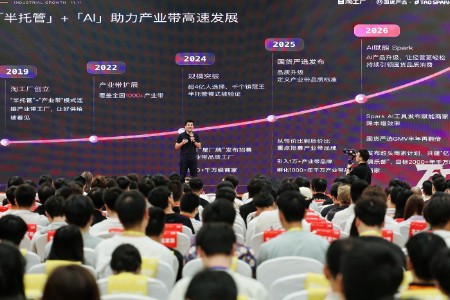
9月20日,《天下网商》从天猫家享生活双11商家大会获悉,今年天猫将落地四个关键动作:在全国大规模上线官方“拆送装一体”服务,疏通旧房改造卡点;打通天猫优品线上线下“同款同价”,增加高客单新品线下体验;推动旗舰店接入淘宝闪购,承接即时消费需求;向商家开放AI趋势洞察产品,提前发现品类机会——帮助商家在存量周期中提升增长确定性。

抓住存量换新需求,已经不是选择题。商家大会上,天猫家享也给出一组参照数据:

家电:10-30年楼龄拉动的家电成交,是5年内新房的3倍;

家装:老房和二手房改造已经占到家装订单的78.5%;

家享用户:增加至7.5亿,中高购用户,贡献超80%消费份额;

高购用户:客单价同比增长30%,购买频次提升2.2%;

趋势赛道:达400多条,其中219条同比两位数增长,117条同比三位数增长。

市场份额:天猫家电家装家居整体市场份额居电商平台第一。

过去,家电家装商家的生意主要来自新房:交付一套房,装修、家具、冰箱、洗衣机一次配齐。今天,更多订单散落在已经住了十年、二十年的房子里:冰箱容量不够了,马桶想换智能的,卧室需要一张更舒服的床垫,厨房添一台制冰机,旧浴霸拆掉再装新的。

需求切换,不代表需求消失。只是从新房阶段的集中采购,转向存量住房里的分散换新。愿意为“家”消费的用户仍在持续增长,尤其是天猫高购用户——他们花费更多,来得更频繁,是拉动成交的绝对主力。

“二手房与老房,是未来几年家电家装的主战场。谁能在淘宝天猫抓住高购用户的焕新需求,谁就能在存量时代继续增长。”淘天集团家享生活行业总经理恩重表示,今年双11,拆送装一体服务、线上线下融合、闪购和AI趋势洞察,将帮助商家接住局部换新、做大高客单新品,找到确定性增长。

高客单家电新品打通线下体验,线上线下融合创造新增量

大件家电换新周期里,升级型产品仍在高增长:洗鞋机增长50%、内衣洗衣机增长140%;冰箱向嵌入式、大容量迁移,高购用户冰箱客单价涨20%;电视继续向85英寸以上大屏走。

但高客单大家电并不是一个容易快速决策的品类——一台上万元的冰箱,消费者没有实际体验前,很难在线上直接下单。

今年双11前,天猫推出“线上线下共融”新模式。品牌主打新品可同步进入全国1.2万家天猫优品门店,同款同价、同分佣,避免线上线下互搏,让新品能线下体验,触达更多人群。成交后,各地零散的销量、评价聚合在品牌官方旗舰店,实现正向循环。

海信的容声“大冰象”新品即采用这一方式:约7000元的新品一周卖出2000多台。门店的销量、评价聚合在官方旗舰店,给全国线上消费者提供决策参考,次月销量仍超过2000台。

落地「拆送装一体服务」,家装局部换新迎来新增长

对二手房翻新,商品本身之外,拆旧、配送和安装正在成为影响成交的另一组因素。

一套住了十几年的房子,换一个马桶、浴霸、花洒或者智能门锁,往往同时牵涉拆旧、配送、安装和旧品回收等多个环节。这些环节一旦衔接不顺,就容易延长消费者的决策周期,甚至使需求暂时搁置。

今年,天猫家装推出官方自营“拆送装一体化服务”,将原本多段式的配送、安装、拆旧和旧品回收整合进一套履约服务,天猫师傅一次上门全搞定。

目前,该服务已覆盖马桶、花洒、浴霸、晾衣架等10余个类目,在上海、杭州、深圳、武汉等一二线城市覆盖率达95%以上。

国货卫浴高端品牌恒洁,已将原来自建的履约切换至天猫官方拆送装一体服务。618期间,其服务异常率下降约80%,好评率提高到90%。

在卫浴等重服务品类,拆旧、安装等履约能力前置到消费者的购买决策环节——消费者在详情页看见“旧的有人拆、新的有人装”,这本身就将直接影响下单。

开放AI工具+新品共创,家居趋势新赛道将迎来爆发

除了服务、体验的升级,新的增长还来自功能、材质等驱动的新品类。

钛餐厨是一个典型案例。三年前,这个品类还是一个需要品牌不断自证“为什么用钛”的小市场。天猫开始在站内外主推这一新品类,苏泊尔率先跟进。

如今,苏泊尔将一口999元的纯钛锅,卖成了10亿级销售额的大单品——客单价达到传统锅具约5倍。间接带动苏泊尔天猫旗舰店高消费人群占比提升30%,全店客单价提升25%。2024年至2026年,钛餐厨在天猫增长接近4倍,到2027年有望达到百亿市场。

钛餐厨的爆发不是偶然,而是平台提前锁定趋势、与品牌共创的结果。这套方法正在被系统化——天猫家居今年推出Tmall-Maker“天猫限定品计划”,平台开放AI趋势洞察工具,再和品牌共同开品、天猫首发并提供相应资源。对商家来说,这套机制可以把趋势判断提前到新品开发阶段,降低只依赖单个爆款的不确定性。

旗舰店打通淘宝闪购,小家电即时需求迎来确定性转化

一场突然的降温,会让暖风扇需求在当天冒出来;晚上发现第二天要送礼,也不会愿意等三天快递。对这类临时性需求来说,仅有丰富供给并不足够,配送时间会直接影响消费者是否下单。

去年以来,天猫旗舰店与淘宝闪购打通,品牌的线下门店、城市仓、前置仓均可开通闪购,实现最快半小时达。

以美的为例,品牌在接入淘宝闪购后,进一步打通官方旗舰店、经销体系和线下门店,让离消费者更近的货先发出去。美的接入淘宝闪购后,订单量已超百万级,带动旗舰店带有时效标识的商品转化提升了65%,确收率双位数提升。

配送时间进入当日达甚至半日达,也让更多临时、急用场景具备了成交条件。即时零售由此把一部分受配送时间限制的需求,转化成了实际订单。

《天下网商》点评:四类机会背后,更要看成交之后怎么经营

四类机会对应不同场景,成交也分布在线上、线下和即时零售等链路,但最终指向同一个命题:面向未来,品牌旗舰店不能只承接销售,还要成为沉淀用户、会员、评价和服务关系的"经营中心"。

与新房时期的一次性集中采购不同,存量房消费更加分散,也会带来持续换新和跨品类购买。体验、服务、配送和新品开发,最终都会影响用户评价、复购和长期关系。

天猫的高购用户,他们花费更多,来得更频繁。相比不断高成本拉新,品牌更需要通过旗舰店把这批用户经营得更深、更久,将一次成交转化为持续复购。

需求没有消失,只是搬进了老房。而能接住这波需求的品牌,会在天猫的旗舰店里完成从一次成交到长期经营的转身。

注:文/沈嵩男,文章来源:天下网商(公众号ID:txws_txws),本文为作者独立观点,不代表亿邦动力立场。

【版权提示】亿邦动力倡导尊重与保护知识产权。未经许可,任何人不得复制、转载、或以其他方式使用本网站的内容。如发现本站文章存在版权问题,烦请提供版权疑问、身份证明、版权证明、联系方式等发邮件至run@ebrun.com,我们将及时沟通与处理。

已点赞

+1

{{ praise_text }}

好文章,值得被更多人看到

FAQ回顾

存量房时代家电家装行业的需求发生了什么变化?

中国房地产进入存量时代后,家电家装需求已从新房交付阶段的集中配套采购,转向老房、二手房的分散局部换新,10-30年楼龄住房拉动的家电成交是5年内新房的3倍,目前老房及二手房改造已占家装订单的78.5%。

天猫家装拆送装一体服务能为消费者解决什么问题?

天猫官方自营拆送装一体服务将拆旧、配送、安装、旧品回收多环节整合,师傅一次上门即可全流程搞定,目前覆盖马桶、花洒、浴霸等10余个类目,上海、杭州、深圳、武汉等一二线城市覆盖率超95%,可有效降低服务异常率,缩短消费者换新决策周期。

高客单价家电新品怎么解决线上体验不足的问题?

针对高客单大家电线上决策难的痛点,天猫推出线上线下共融模式,品牌新品可同步入驻全国1.2万家天猫优品门店,实现同款同价同分佣,消费者可线下体验后下单,门店销量、评价聚合至品牌官方旗舰店,为线上用户提供决策参考。

天猫家电接入淘宝闪购有什么实际效果?

天猫品牌旗舰店打通淘宝闪购后,可联动线下门店、城市仓、前置仓发货,实现最快半小时达,能够有效承接应急采购、临时送礼等即时性消费需求;以美的为例,接入闪购后订单量超百万级,带时效标识商品转化提升65%。

广告

下一篇

征集报名《品牌数字化服务商资源手册》

《品牌数字化服务商资源手册》展示数字化服务商风采,亿邦全年零售大会通发,触达更多资源,马上加入!

马上入驻

网红羊肉烤串 要IPO了

如今随着股改完成,很久以前算是通过了上市的第一关。在它前面,还有很多同行正焦急地排队等待IPO。同为内蒙老乡贾国龙创办的西贝,也曾计划今年赴港上市。

品牌故事 风险投资 餐饮 私募

2026-09-21 08:16:44