• 亿邦公众号
    • APP下载

朗翰科技&INNO100创始人张文翰:众筹不只是预售 更是AI硬件全球增长的放大器

作者:亿邦动力 文章来源:亿邦动力

2026-09-19 21:11

作者:亿邦动力 文章来源:亿邦动力

2026-09-19 21:11

邦小白快读

EN
全文速览

这篇演讲分享了AI硬件品牌借助众筹实现全球化增长的核心实用信息,能帮大家快速看懂当下智能硬件出海的真实逻辑。

1. 产品创新不能自嗨,新功能不代表用户愿意付费,硬件受物理结构、成本限制,就算解决了用户痛点,也要算清用户愿意为新功能多付多少钱、新增成本能不能被市场接受,不然没法形成商业闭环。

2. 众筹不是没钱才做的预售,是品牌集中积累资产的首发渠道,但众筹成绩会长期公开在项目页面上,做不好反而会持续影响品牌口碑,不用把所有产品都放上去,每年选1款最有竞争力的产品参与即可,而且创新品类的众筹有效窗口只有2年左右,等竞品增多、用户能随时买到同类产品时,众筹价值就会快速下降。

3. 真正的全球化品牌不会只依赖单一线上渠道,要结合线下体验、国内市场形成增长闭环,品牌不能只讲产品参数,还要讲好创始人故事,和用户直接沟通建立信任。

这篇内容结合服务上千个品牌的实践经验,为AI硬件品牌的全链路运营提供了可落地的方向参考。

1. 产品研发端不要为了创新而创新,不能只靠社媒监听、竞品差评找痛点,要通过众筹或独立站首发做付费验证,确认用户的价格接受度、成本可覆盖性,重点挖掘大众市场盲区、垂直刚需、全新品类三类机会,探索硬件销售加软件订阅的双收入模式,产品定位要聚焦用户能快速理解的具体场景,而非堆砌冰冷参数。

2. 品牌营销端可把众筹作为重磅新品的集中首发阵地,积累市场验证、传播声量、用户社群、商业背书四类资产,主动讲述创始人故事,通过多渠道和用户直接沟通建立信任,尝试打造自有的品牌关键词,形成用户认知入口。

3. 渠道建设端不要局限于单一线上渠道,高客单价垂直品类要打通独立站、亚马逊、线下体验、国内市场的增长闭环,尽早布局国内市场,避免被本土竞品抢先完成用户教育和市场占位。

这篇内容梳理了AI硬件出海新周期的市场机会、风险提示和实操增长路径,对跨境卖家有很强的实用参考价值。

1. 需求机会层面,当前AI硬件的核心机会集中在三个方向:挖掘大众市场盲区、满足垂直领域刚需、创造此前不存在的新品类,除了硬件销售收入,还可以挖掘长期软件订阅的收入空间,产品设计时要平衡功能创新和成本,不能忽略用户的真实付费意愿。

2. 风险提示层面,众筹并非适合所有产品,创新品类在众筹平台的有效窗口期仅2年左右,且众筹成绩会长期公开在项目页面,成绩不好会持续影响用户和渠道对品牌的印象,不要把所有新品都放上众筹,每年选1款最具竞争力的产品做首发即可。众筹项目仅30%流量来自平台本身,剩余需要品牌自主整合资源引流。

3. 增长路径层面,不要依赖单一平台流量,众筹后要串联独立站、亚马逊、线下体验渠道,有条件尽早布局国内市场,也可对接具备众筹服务、线下资源、投资能力的机构获得长期支持。

演讲中提到的AI硬件市场需求特征、品牌增长路径,能为生产制造类工厂的产品设计、业务拓展提供明确的方向指引。

1. 产品生产设计端,不要盲目配合客户堆砌新功能,要关注功能创新和BOM成本的平衡,最终的功能设计要匹配用户愿意为痛点支付的溢价,避免出现功能增加但成本涨幅超过用户付费意愿、无法形成商业闭环的问题。产品定义要聚焦消费者易懂的具体场景,比如会飞的相机、会拖地的扫地机器人这类清晰定位,而非单纯堆砌技术参数。

2. 商业机会层面,当前智能眼镜、3D打印、户外设备、垂直运动器材、AI硬件等垂直高客单价品类增长迅速,这类品牌往往会先通过众筹小范围验证需求再规模化量产,工厂可对接这类有创新能力的品牌,承接从验证到规模化生产的全阶段订单。

3. 自有品牌运营启示,工厂做自有品牌不要一开始就大规模量产投流,可以先选核心竞争力产品通过众筹做付费验证,再逐步铺设多渠道,降低量产风险。

张文翰基于上千个品牌的服务实践,点明了AI硬件出海赛道的行业趋势、品牌客户的核心痛点,为服务商的业务布局提供了清晰参考。

1. 行业发展趋势层面,AI硬件品牌已经进入全渠道闭环增长的新周期,不再局限于单一跨境平台铺货,而是需要打通众筹验证、独立站及亚马逊运营、线下体验、国内市场布局的全链路,硬件加软件订阅的双收入模式会成为更多AI硬件品牌的选择。

2. 客户核心痛点层面,当前品牌普遍面临几个问题:仅靠差评分析、社媒监听无法定量验证用户对新功能的真实付费意愿,单渠道冷启动成本高、缺乏初始信任和声量积累,高客单价产品缺少适配的线下体验场景,短期阶段性服务无法匹配品牌长期成长需求。

3. 解决方案方向,服务商可围绕品牌需求搭建全链路服务能力,比如众筹首发整合营销、用户社群运营、线下体验活动策划、品牌内容生产,也可探索服务加投资的绑定模式,和品牌建立长期合作关系。

演讲中提及的不同渠道的流量特征、品牌方的渠道布局需求,能为各类电商平台、线下零售平台优化运营、招商管理提供实用参考。

1. 平台需要把握商家的真实需求:AI硬件品牌不再将单一渠道作为唯一增长阵地,需要平台能够承接众筹首发后的流量转化,帮助品牌沉淀用户数据、积累公开可信的销售背书;线下平台不能只做陈列销售空间,还要能支撑新品首发、体验活动、内容生产、行业交流等多元功能。

2. 平台运营可针对性优化:众筹类平台要认识到当前品牌参与众筹已经不是为了筹集启动资金,而是作为重磅新品的集中发布阵地,可强化自身信任背书价值,对接媒体、KOL资源降低品牌引流压力;电商平台可优化品牌关键词保护机制,支持品牌打造自有品类认知入口;线下平台可设置创新AI硬件专属体验空间,匹配品牌多元需求。

3. 招商和风控层面,可重点招引切入大众盲区、满足垂直刚需、创造全新品类的优质AI硬件产品,甄别只想靠营销造势、无法顺利交付的劣质项目,避免糟糕的项目成绩影响平台口碑。

这篇演讲基于一线服务上千个硬件品牌的实践经验,反映了当前AI硬件出海赛道的产业新动向、新商业模式和现实问题,具备较高的研究价值。

1. 产业新动向层面,海外众筹已从早期初创品牌筹钱生产的预售渠道,转变为成熟品牌重磅新品集中首发、积累品牌资产的阵地;AI硬件品牌增长逻辑从单渠道铺货,转向产品验证、首发蓄水、多渠道扩张、国内外市场打通的闭环生态,盈利模式从单一硬件销售转向硬件加软件订阅的长期模式;线下渠道核心价值从销售转向体验、内容生产、用户共创、行业连接。

2. 行业现存新问题层面,传统社媒监听、差评分析等方法缺少定量付费验证,易导致创新脱离商业规律;创新品类在众筹平台仅两年有效窗口,竞品出现后众筹价值快速下降;品牌跨区域拓展易出现经验错配,比如国内外用户线下活动习惯差异明显;部分出海品牌刻意回避国内市场,易被本土竞品抢先占位。

3. 创新商业模式层面,行业已出现服务加投资的孵化模式,从众筹验证切入提供全链路增长服务,同时通过投资绑定品牌长期价值,形成增长飞轮。

声明:快读内容全程由AI生成,请注意甄别信息。如您发现问题,请发送邮件至 run@ebrun.com 。

我是 品牌商 卖家 工厂 服务商 平台商 研究者 帮我再读一遍。

Quick Summary

This presentation shares core, practical insights on how AI hardware brands leverage crowdfunding to drive global growth, offering a clear breakdown of the real dynamics shaping today’s smart hardware overseas expansion.

1. Product innovation cannot be self-indulgent: new features do not automatically translate into user willingness to pay. Constrained by physical design limits and cost structures, hardware teams must calculate exactly how much extra users will pay for a new feature, and whether the added production cost is acceptable to the market—otherwise, no viable business loop can be formed.

2. Crowdfunding is not a last-resort pre-sale channel for cash-strapped teams; it is a launch venue for brands to systematically build core assets. However, crowdfunding campaign results remain permanently visible on project pages, so poor performance can cause lasting damage to brand reputation. Brands do not need to list every product on crowdfunding platforms; selecting one flagship, most competitive product per year is sufficient. In addition, the effective window for crowdfunding new, innovative categories is only around two years: once more competitors enter the space and equivalent products become widely accessible to consumers, the value of crowdfunding drops rapidly.

3. Truly global brands do not rely on a single online channel. They need to combine offline experience touchpoints and their home domestic market to form a closed growth loop. Rather than only highlighting product specs, brands should also craft compelling founder stories and communicate directly with users to build trust.

Drawing on hands-on experience serving thousands of brands, this content offers actionable, end-to-end operational guidance for AI hardware brands pursuing global growth.

1. On the product R&D front, avoid innovation for innovation’s sake. Do not identify pain points solely through social listening or competitor negative review analysis; instead, use crowdfunding or direct-to-consumer site launches to run paid validation, confirming user price tolerance and whether costs can be sufficiently covered. Prioritize three high-potential opportunity areas: underserved gaps in the mass market, unmet vertical-segment pain points, and entirely new product categories. Explore a dual revenue model combining hardware sales and software subscriptions, and position products around concrete, easily understandable user scenarios rather than piling on impersonal technical specifications.

2. On the brand marketing front, treat crowdfunding as a centralized launch pad for flagship new products, where brands can accumulate four core assets: market validation, public buzz, user community, and commercial credibility. Proactively share founder stories, communicate directly with users across multiple channels to build trust, and work to establish proprietary brand keywords to own a clear entry point for user awareness.

3. On the channel building front, do not limit operations to a single online channel. For high-ticket vertical categories, build a closed growth loop connecting independent DTC sites, Amazon, offline experience touchpoints, and the domestic Chinese market. Lay out a domestic market strategy as early as possible to avoid ceding user education and market position to local competitors.

This content outlines market opportunities, risk warnings, and actionable growth pathways for the new cycle of AI hardware overseas expansion, delivering high practical value for cross-border sellers.

1. For demand opportunities: core high-potential plays for AI hardware currently fall into three categories—addressing underserved gaps in the mass market, meeting rigid demand in vertical segments, and creating entirely new product categories that did not previously exist. Beyond one-off hardware sales revenue, sellers can also tap into long-term recurring revenue from software subscriptions. During product design, balance functional innovation and cost, and never lose sight of users’ real willingness to pay.

2. For risk warnings: crowdfunding is not suitable for every product. Innovative categories only have an approximately two-year effective window on crowdfunding platforms, and campaign results remain permanently public on project pages—weak performance can leave a lasting negative impression on both users and channel partners. Do not list every new product on crowdfunding; select only the single most competitive flagship product each year for a crowdfunding launch. Note that only 30% of traffic to a crowdfunding project comes from the platform itself; brands must independently integrate resources to drive the remaining 70% of traffic.

3. For growth pathways: do not rely on traffic from a single platform. After a crowdfunding campaign, connect follow-up growth across independent DTC sites, Amazon, and offline experience channels. If resources allow, enter the domestic market as early as possible, and consider partnering with institutions that offer crowdfunding services, offline resources, and investment capabilities to secure long-term support.

The AI hardware market demand characteristics and brand growth pathways outlined in this presentation provide clear guidance for manufacturing factories on product design and business development.

1. On product production and design: do not blindly cooperate with clients to pile on unnecessary new features. Focus on balancing functional innovation and BOM costs, ensuring final feature designs match the price premium users are willing to pay for solved pain points. This avoids the common pitfall of added features driving costs higher than user willingness to pay, which breaks the viable business loop. Product definition should center on specific, consumer-friendly scenarios—such as clear positioning like a “flying camera” or “mopping robot vacuum”—rather than pure stacking of technical specs.

2. On business opportunities: high-ticket vertical categories including smart glasses, 3D printing, outdoor equipment, vertical sports gear, and AI hardware are seeing rapid growth. Brands in these segments typically first validate demand at small scale via crowdfunding before moving to mass production. Factories can partner with these innovative brands to take on orders across the full lifecycle, from small-batch validation to large-scale manufacturing.

3. On own-brand operation insights: when factories launch their own brands, they should avoid starting with large-scale mass production and heavy ad spend. Instead, select one core, competitively differentiated product to run paid validation via crowdfunding first, then gradually expand across multiple channels to reduce mass production risk.

Based on hands-on experience serving thousands of brands, Zhang Wenhan outlines industry trends in the AI hardware overseas expansion track and core pain points of brand clients, offering clear references for service providers’ business layout.

1. On industry development trends: AI hardware brands have entered a new cycle of omnichannel closed-loop growth, no longer relying solely on listing inventory across individual cross-border platforms. Instead, they need to connect the full operational chain: crowdfunding validation, independent DTC site and Amazon operations, offline experience touchpoints, and domestic market layout. A dual revenue model combining hardware sales and software subscriptions will be adopted by a growing share of AI hardware brands.

2. On core client pain points: most brands currently face several common challenges: relying solely on negative review analysis and social listening cannot quantitatively validate users’ real willingness to pay for new features; cold-start costs on single channels are high, with no structured way to accumulate initial trust and public buzz; high-ticket products lack suitable offline experience scenarios; and short-term, project-based services cannot match brands’ long-term growth needs.

3. On solution directions: service providers can build end-to-end service capabilities aligned with brand needs, including integrated marketing for crowdfunding launches, user community operations, offline experience event planning, and brand content production. Providers can also explore a bundled “service plus investment” model to build long-term collaborative relationships with brands.

The traffic characteristics of different channels and brand-side channel layout demands mentioned in this presentation offer practical references for e-commerce platforms and offline retail platforms to optimize operations and merchant acquisition management.

1. Platforms need to understand merchants’ real needs: AI hardware brands no longer treat a single channel as their only growth pillar. They need platforms that can support traffic conversion after crowdfunding launches, help brands沉淀 user data, and accumulate public, credible sales credentials. Offline platforms should not function only as display and sales spaces; they also need to support diverse functions including new product launches, experience events, content production, and industry exchange.

2. Platform operations can be optimized in targeted ways: crowdfunding platforms should recognize that brands now participate in crowdfunding not to raise startup capital, but as a centralized launch venue for flagship new products. These platforms can strengthen their own trust-endorsement value, and connect brands with media and KOL resources to reduce their traffic-driving burden. E-commerce platforms can optimize brand keyword protection mechanisms to support brands in building their own proprietary category awareness entry points. Offline platforms can set up dedicated experience zones for innovative AI hardware to match brands’ diverse needs.

3. On merchant acquisition and risk control: platforms can prioritize recruiting high-quality AI hardware products that address mass market gaps, meet vertical rigid demand, or create entirely new categories, while screening out low-quality projects that rely solely on marketing hype and cannot reliably fulfill orders, to avoid poor project performance damaging platform reputation.

Based on frontline practical experience serving thousands of hardware brands, this presentation reflects new industry dynamics, emerging business models, and practical challenges in the current AI hardware overseas expansion track, carrying high research value.

1. On new industry dynamics: Overseas crowdfunding has evolved from an early pre-sale channel for startup brands to raise production funds, into a venue for mature brands to centrally launch flagship new products and accumulate brand assets. The growth logic for AI hardware brands has shifted from single-channel inventory listing, to a closed-loop ecosystem covering product validation, launch pre-heating, multi-channel expansion, and integrated domestic and overseas market development. Profit models have shifted from one-off hardware sales to a long-term model combining hardware and software subscriptions. The core value of offline channels has shifted from sales to experience delivery, content production, user co-creation, and industry connection.

2. On existing industry challenges: Traditional methods such as social listening and negative review analysis lack quantitative paid validation, easily leading to innovation that is disconnected from commercial viability. Innovative categories only have a roughly two-year effective window on crowdfunding platforms, with crowdfunding value declining rapidly once competitors emerge. Brands often face experience mismatch during cross-regional expansion—for example, there are notable differences in user habits around offline events between domestic and overseas markets. Some global expansion brands deliberately neglect the domestic Chinese market, leaving them vulnerable to local competitors who seize early user education and market position.

3. On innovative business models: A “service plus investment” incubation model has emerged in the industry, where providers enter at the crowdfunding validation stage to deliver end-to-end growth services, while using investment to tie themselves to brands’ long-term value, forming a self-reinforcing growth flywheel.

Disclaimer: The "Quick Summary" content is entirely generated by AI. Please exercise discretion when interpreting the information. For issues or corrections, please email run@ebrun.com .

I am a Brand Seller Factory Service Provider Marketplace Seller Researcher Read it again.

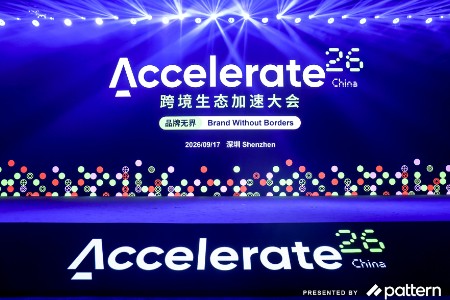
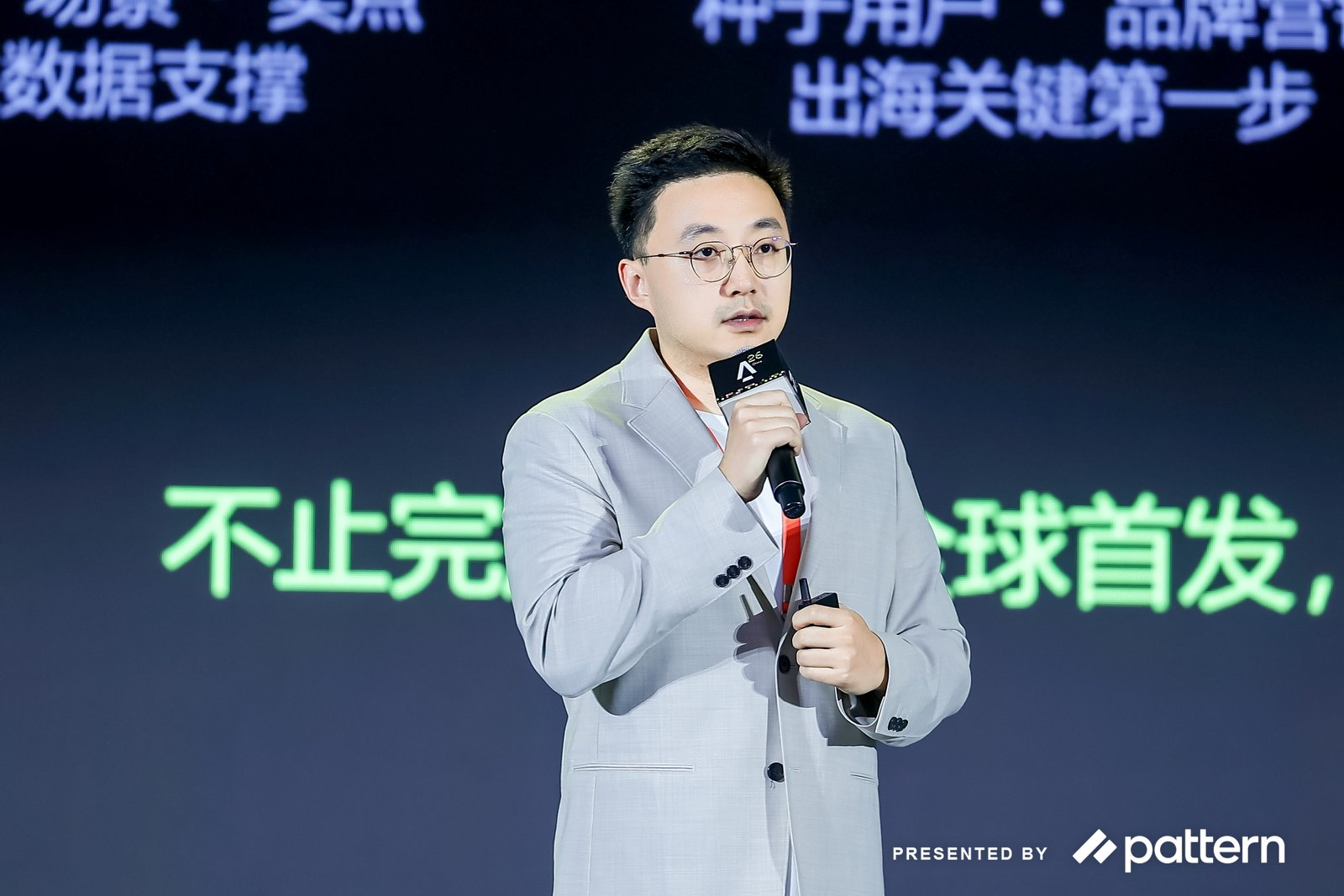
9月17日,在由Pattern栢藤主办、亿邦动力担任战略合作伙伴的“Accelerate26跨境生态加速大会·中国站”专题论坛上,朗翰科技&INNO100创始人张文翰(Wayne)发表了题为《AI硬件出海新周期,从海外众筹验证到全球化增长》的演讲。

张文翰认为,在AI智能硬件浪潮下,真正优秀的品牌不应只是亚马逊、独立站、众筹平台或者线下某一条渠道里的品牌,而应建立一个覆盖产品验证、品牌首发、用户经营和渠道扩张的闭环生态。

在这一过程中,“新”并不代表产品一定有市场,创新也不意味着消费者愿意付费。品牌需要在正式量产和大规模投入之前,验证真实需求、价格接受度和商业模式。海外众筹的价值也不再只是融资或预售,而是通过一次集中首发,为品牌积累市场验证、传播声量、用户社群和商业背书。

他同时提出,一个真正“无边界”的全球化品牌,不能只做海外线上市场。随着产品越来越垂直、客单价越来越高,独立站、亚马逊、线下体验以及国内市场都需要被纳入同一套增长体系。
(本文根据嘉宾现场演讲整理,在不影响原意的基础上有所删改。)

以下为演讲实录:

01 AI硬件“新”不等于有市场,产品洞察还要经过付费验证

今天活动的主题是“Brands Without Borders”。从字面上看,它讲的是无国界品牌,但我觉得还可以进一步延展为“无边界品牌”。尤其是在AI智能硬件的浪潮下,一个好的品牌不应该只属于某一个渠道。无论是亚马逊、独立站、线下零售,还是海外众筹,都应该成为品牌生态的一部分。品牌需要根据自己的内部基因、产品品类和发展阶段,选择适合自己的增长方式。

朗翰科技成立于2017年,最初从Kickstarter、Indiegogo等海外众筹平台切入。发展到今天,我们的业务已经延伸到众筹、独立站营销、线下体验和投资。过去这些年,我们服务、合作和投资过上千个品牌。

一切新品都始于创新洞察。过去,很多品牌会通过Social Listening、竞品分析和用户差评寻找产品机会。这些方法非常有效,但并不是全部。

分析差评更接近一种定性验证。它能够帮助我们发现消费者对现有产品的不满,却无法直接回答另一个问题:当品牌把这些痛点转化为新功能,消费者是否愿意为它付费?

这两者之间存在很大的差距。站在消费者角度,我们很容易评价一部手机、一台咖啡机或者其他产品还可以增加什么功能。但硬件产品有明确的物理边界,不能像软件一样持续进行OTA升级。产品的体积、工作电压、续航时间和内部结构,都可能限制新功能的实现。

即使一个新卖点能够解决用户痛点,也不代表商业上一定成立。比如一款原价500美元的产品增加了三个核心功能,消费者可能只愿意多支付100美元;但为了实现这些功能,产品的BOM成本可能增加得更多。此时,产品虽然完成了功能创新,却未必能够完成商业闭环。

因此,品牌不仅要判断用户有没有痛点,还要验证这个痛点值多少钱,以及新增功能带来的成本能不能被市场接受。这是定量验证最核心的问题。

众筹或者独立站首发,可以成为验证工具。但众筹并不适合所有产品,也不适合所有品牌。更可行的方式,可能是每年挑选最具竞争力的一款产品进行众筹或独立站首发,其他产品仍然采用常规发布方式。

众筹产品还有明显的窗口期。根据我们的经验,一个创新品类在众筹平台上的有效窗口通常只有两年左右。因为众筹本质上仍是一种预售,用户可能需要等待3到6个月才能收到产品。

消费者之所以愿意等待,是因为这款产品具有足够强的竞争力,而且市场上暂时没有可以立即购买的替代品。一旦竞品增多,消费者能够在亚马逊上买到一款拥有80%功能、但可以立刻收货的产品,众筹的价值就会迅速下降。

什么样的产品更适合通过众筹高举高打?我认为有三个方向:从大众市场寻找盲区,在垂直领域满足刚需,以及创造此前并不存在的新品类。

大疆早期做的是“会飞的照相机”,云鲸找到的是“会拖地的扫地机器人”,EcoFlow最初解决的是户外应急电源问题。这些产品定义都不是冰冷的技术参数,而是消费者能够快速理解的具体场景。

Plaud也是一个值得研究的案例。市场上早已有录音软件和录音硬件,但此前很少有产品能够把录音、转写和AI信息处理整合起来。它找到的不是一个完全不存在的行为,而是用AI重新组织了既有需求。

判断一款AI硬件是否真正具备PMF,至少要回答三个问题:它是否解决了用户当下存在的明确问题,消费者是否能够接受这种创新,以及产品能否建立持续的商业闭环。

Plaud简化了录音操作,通过磁吸卡片和物理按键降低使用门槛;AI能力又让录音不再止于保存声音,而是能够进一步完成转写和信息处理。

更重要的是,AI硬件可能同时拥有两笔收入:第一笔来自硬件销售,第二笔来自持续的软件订阅。当用户购买硬件后,仍然愿意为软件能力按月或按年付费,品牌才有可能获得比一次性硬件销售更强的生命力。

所以,AI硬件不能只是为了“新”而新。品牌启动的第一步,仍然是了解客户:客户的真实需求是什么?产品能否真正解决问题?它是否符合物理规律和商业规律?不能做出一款产品,最后只是满足了团队自己的想象。

02 众筹不只是预售,也是一次品牌资产的集中积累

到了2026年,海外众筹已经不只是“品牌没钱,所以先筹集资金生产第一款产品”。越来越多具备一定知名度的品牌,开始把众筹作为重磅新品的发布方式。很多取得高成交额的项目,也不是一个全新的Day 1品牌,而是已经具备产品和品牌基础,再利用众筹完成集中放大。因此,我更愿意把众筹理解为一个蓄水的过程。

品牌会在一到两个月内集中广告、KOL、媒体和内容资源,完成产品预热与上线,让目标用户在较短时间内感知新品。众筹平台本身只是转化链路的一部分,真正重要的是品牌围绕这次首发组织起来的全部资源。

从流量结构来看,众筹介于亚马逊和独立站之间。做Shopify独立站,流量主要由品牌自己获取;做亚马逊,大部分流量来自平台内部;而根据我们的经验,众筹项目大约30%的流量可能来自Kickstarter或Indiegogo,剩余流量仍要由品牌自己完成。

众筹还有一个显著特点:成交金额会长期公开留在项目页面上。如果项目表现出色,公开成绩能够持续帮助品牌建立信任;如果项目表现不佳,这个结果也会一直被用户和渠道看到。所以众筹是一把双刃剑,品牌必须谨慎选择产品,不能把所有新品都直接放到众筹平台上。

一次有效的众筹,可以为品牌留下四类资产:

第一类是市场验证资产。成交金额、首批付费用户、种子用户以及真实的海外需求,都能够帮助品牌判断产品定义是否成立。如果同一个团队一年操盘两三个不同项目,最终成交金额相差很大,这种差异往往反映的不是营销团队突然发生了变化,而是产品定义本身存在差别。

第二类是传播声量资产。众筹通常采用集中式的发布策略。品牌前期接触的科技媒体、内容创作者、KOL以及联合发布资源,会共同形成第一轮传播。当产品后续进入独立站或亚马逊时,就不再是完全意义上的冷启动。

Plaud的价值不仅在于销售了一款AI录音产品,还在于它让品牌词在一定程度上成为了品类认知入口。当消费者尚不知道“AI recorder”是什么时,他们已经开始搜索“Plaud”。品牌通过众筹完成第一轮集中传播,再进入独立站承接Google搜索,最后进入亚马逊,其渠道之间就形成了连续关系。

这也是品牌应该思考的问题:究竟是长期租用别人的关键词,还是创造自己的关键词?在单一平台内部创造一个新关键词非常困难,它需要全网传播、用户搜索和多渠道承接共同完成。

第三类是用户社群资产。众筹不仅留下订单,也能留下邮件、用户信息和私域社群。品牌可以根据产品属性,把用户沉淀到Discord或Facebook小组。游戏、键盘、鼠标等产品的用户可能更适合Discord;年龄相对较高的用户,可能更习惯使用Facebook小组。

过去做亚马逊,品牌与用户沟通的渠道主要是评价和售后;做独立站时,品牌更多依赖EDM,但邮件通常是单向沟通。众筹则有机会帮助品牌建立一个高活性的早期用户池,让用户参与产品测试、反馈和共创。这些早期用户往往喜欢尝鲜,也愿意与团队深入交流。品牌每年拿出最具竞争力的产品做众筹,也是在持续激活这批用户。

第四类是商业背书资产。据我们参与项目的经验,极米的一款高客单价投影仪在众筹首发一个月内取得了超过2000万美元的成交额。这个结果不仅带来了消费者订单,也增强了线下渠道对产品的信心。

对于一款售价约3000美元的投影仪,如果它仅通过图片和视频就在网上形成较高成交额,线下渠道会更容易判断这款产品具备销售潜力。众筹成绩因此可能进一步转化为经销商合作、渠道资源和线下拓展机会。

但所有这些资产成立的前提,都是产品最终能够被顺利交付。众筹不是用营销掩盖产品问题,而是通过集中首发,把已经具备竞争力的产品放大。

品牌还需要解决用户信任问题。除了产品素材和广告,我们现在也会鼓励团队主动讲述创始人故事:我是谁,我过去做过什么,我为什么要做这款产品,以及未来希望把它带到哪里。

智能硬件本身是冰冷的,但团队和创始人是有温度的。到了2026年,一个优秀品牌在启动时不能只讲产品。即使投入大量预算制作宣传片,也不能替代品牌通过社交媒体、社群、邮件和线下访谈,与消费者进行直接沟通。

当用户从Day 1开始与品牌建立信任,他们才可能转变为品牌大使,主动分享产品,成为品牌早期的自然流量。

03 全球化品牌不能止步于出海,还要打通线上、线下和国内外市场

众筹完成验证之后,下一步是DTC增长。这里的DTC不仅指Shopify独立站,也包括众筹结束后的整个线上渠道扩张,无论是独立站还是亚马逊。但随着中国品牌进入越来越垂直的市场,仅靠线上渠道可能不够。

过去,中国企业更多集中在3C、充电宝、充电器和小家电等成熟品类。现在,越来越多品牌开始进入智能眼镜、3D打印、户外设备、垂直运动器材和AI硬件等细分市场。这些产品的客单价更高,对体验和场景解释的要求也更高。

比如电动自行车、投影仪等产品,消费者往往需要体验之后才能完成最终决策。品牌可以在线上先收取一笔可退订金,再通过内容、体验和持续沟通推动用户支付全款。但当产品越来越复杂,线下仍然会成为不可替代的一环。

这也是我们创办INNO100线下门店的原因。现有的大型零售渠道主要服务大众消费电子和传统家电,不一定能够充分展示真正创新的AI智能硬件。既然缺少这样的空间,我们就尝试自己去做。

INNO100在洛杉矶和深圳的门店承担着不同功能。洛杉矶门店主要面向消费者,组织产品发布、体验会以及线上线下联动活动。单独依靠一场线下活动完成销售,效率很难高于线上;但品牌可以在线下生产真实的用户体验、交流和反馈内容,再把这些素材用于线上传播。深圳门店除了消费者活动,也会承接创投分享、品类交流和行业聚会。线下因此不只是产品陈列和销售空间,还可以承担新品首发、定制体验、快闪活动、内容生产和行业连接等功能。

现在,消费者购买的不只是硬件,也在观察产品背后的团队。在线下活动中,品牌团队甚至创始人能够直接与消费者交流。很多核心用户本身就具备软件、硬件、渠道或者行业背景,他们不仅是购买者,也可能成为产品共创者。

我们还观察到明显的市场差异。在深圳,用户平均停留时间超过90分钟,已经相当长;而在美国举办活动时,一些消费者会从早待到晚。他们愿意花较长时间围绕自己喜欢的产品交流。这意味着品牌不能把国内活动经验简单复制到海外,而要理解当地消费者参与线下活动的方式。

所谓“No Border”或者“No Boundary”,也不应只意味着品牌走向海外。一个全球化品牌不仅要“出海”,也要回到国内市场,我把它称为“入海”。

过去,一些出海企业担心国内竞争激烈,也担心产品被快速复制,因此不愿意在国内发布。但在AI时代,信息壁垒已经变得很低。产品一旦上线,就会被媒体、供应链、同行和投资人看到。与其依靠信息差,不如尽快占领消费者心智。

如果资源允许,我建议品牌不仅要做好海外线上和线下渠道,也要尽早尝试国内市场。进入国内太晚,即使品牌在海外已经取得较高声量,也可能发现本土竞争者已经提前完成了用户教育和市场占位。

我们目前也在通过消费体验和首发活动帮助品牌连接用户。按照现场统计,我们已经举办了16场首发活动,累计参与约7000人次。

在增长服务之外,投资是我们的另一种探索。服务业务往往以一次众筹项目或者一到两年的独立站合同为周期,服务商只能获得阶段性佣金,无法持续分享品牌成长。因此,从2023年开始,我们正式投资智能硬件品牌,希望形成“左手投资孵化、右手增长服务”的模式,与品牌建立更长期的关系。

这也是我们目前形成的创新品牌增长飞轮:从洞察和验证开始,通过众筹完成集中首发,再进入独立站、亚马逊和线下渠道,最终延伸到资本赋能。

一个真正无边界的品牌,不是简单地把产品放到更多渠道,而是让产品验证、用户信任、内容传播和渠道增长彼此连接。只有这样,品牌才能从一次新品发布,逐步走向长期的全球化增长。

本文首发于 亿邦动力 官方网站

【版权提示】亿邦动力倡导尊重与保护知识产权。未经许可,任何人不得复制、转载、或以其他方式使用本网站的内容。如发现本站文章存在版权问题,烦请提供版权疑问、身份证明、版权证明、联系方式等发邮件至run@ebrun.com,我们将及时沟通与处理。

已点赞

+1

{{ praise_text }}

好文章,值得被更多人看到

FAQ回顾

海外众筹对AI硬件出海有哪些核心价值?

海外众筹并非仅用于融资或预售,AI硬件品牌可借其在大规模量产投流前验证真实用户需求、价格接受度与商业模式可行性,还能在集中首发期积累传播声量、高活性早期用户社群、渠道合作背书,为后续全球化增长铺垫基础。

什么样的AI硬件产品更适合开展海外众筹?

适合开展海外众筹的AI硬件主要分为三类:一是挖掘大众市场消费盲区的产品,二是垂直领域满足用户刚性需求的产品,三是创造此前不存在的全新品类的产品。创新品类在众筹平台的有效窗口通常仅2年,需选择竞争力突出、市场暂无即时可购替代品的核心新品操作。

AI硬件打造全球化品牌需要搭建怎样的增长体系?

AI硬件打造无边界全球化品牌,不能局限于单一销售渠道,需搭建覆盖产品验证、品牌首发、用户经营、渠道扩张的增长闭环,打通独立站、亚马逊等线上渠道与线下体验场景,适时布局国内市场,有条件可结合资本赋能实现长期增长。

广告

下一篇

跨境电商资源对接

《全球跨境电商服务商资源手册》第二期手册现已发布,触达更多资源,了解跨境服务商信息,欢迎点击链接下载。

了解详情

一周电商大事:各大平台双十一大促周期陆续启动;中秋国庆拼假、自驾、多地游趋势明显

各大平台双十一大促周期陆续启动;中秋国庆拼假、自驾、多地游趋势明显

生鲜 京东 仓储 抖音电商

2026-09-19 16:11:29