• 亿邦公众号
    • APP下载

HGDC 2026:智能体装进OS 荣耀重构AI时代人机交互新范式

作者:龚作仁 文章来源:Laborer

2026-09-17 21:36

作者:龚作仁 文章来源:Laborer

2026-09-17 21:36

邦小白快读

EN
全文速览

你可重点关注2026荣耀全球开发者大会推出的全新升级YOYO NEXT智能体与系统级AgenticOS,这些功能将大幅简化手机操作流程,提升日常用机效率。

1. 核心体验升级彻底改变传统交互逻辑:旧版YOYO需要你说一句它才做一件事,新版YOYO NEXT依托系统底层能力,你只需说一句话,它就能联动多个App自动完成整串复杂任务,不需要你手动一步步跳转操作,还能主动感知场景提供服务,不用你特意打开App找功能。

2. 实用功能覆盖多类日常场景:升级后的AI创作工具优化了消除、证件照制作、换装效果;覆盖用机、办公、出行场景的任务代办;视频通话中的拟人化实时协助;还有出行、打车、取票等场景的主动提醒,目前相关主动服务已经覆盖超100个场景,累计服务用户破1亿。

3. 个性化体验持续进化:它自带长期记忆能力,越用越懂你的使用习惯,还支持你按需自定义接入第三方大模型、操控第三方App,内置技能商店可持续拓展功能。

本次荣耀发布的系统级AI智能体交互新范式,揭示了AI时代消费电子领域的体验升级方向与用户服务触达新逻辑,可为品牌的产品研发、用户运营、营销转化提供明确参考。

1. 消费趋势出现明确转向:当前AI正从能答疑闲聊的应答式助手,向能落地完成复杂事务的主动式智能体跃迁,用户对AI的需求已从有趣好玩转向高效办事,跨应用、跨设备的无感连贯服务是未来核心体验方向。

2. 用户触达逻辑发生根本变化:传统依赖用户主动打开App、搜索服务的触达方式效率持续走低,基于系统级场景感知、用户习惯记忆的主动式服务推荐,能在用户产生需求的节点精准触达。目前荣耀YOYO建议已覆盖7种系统级入口,累计用户破1亿,落地超100个主动服务场景,实现了用户体验与商业价值的双增长。

3. 新的品牌合作路径已经打通:荣耀开放MCP、A2A、Skill等多元接入路径,品牌可通过系统级智能分发精准触达目标用户,有效提升转化效率,降低服务接入的技术成本。

本次荣耀推出的系统级AI智能体生态,为各类服务卖家指明了AI时代的新流量增长路径与低门槛合作机会,值得重点关注布局。

1. 消费需求变化催生新机会:当前手机用户普遍对跨App手动分步操作完成任务的繁琐流程体验不佳,对能主动感知需求、串联完成全链路服务的智能工具有强需求,系统级主动服务场景的商业转化潜力正在快速释放。

2. 平台扶持政策降低入场门槛:荣耀面向合作伙伴提供MCP、A2A、Skill等多元化接入方式,卖家可根据自身能力灵活选择,最大限度降低入场成本,同时平台打通从接入到分发的全链路成长支持,依托系统级智能分发能力帮卖家精准匹配目标用户,显著提升转化效率,把服务能力转化为实际商业回报。

3. 流量逻辑变化提示新方向:过去依赖用户主动搜索、进店的流量逻辑正在发生变化,嵌入系统级智能服务链路、在用户需求产生时主动出现的服务,将获得更多曝光机会,卖家可尽早布局接入抢占初期流量红利。

本次荣耀发布的AI手机系统级智能体技术方向,为消费电子及周边智能硬件工厂的产品设计、数字化转型、商机捕捉提供了清晰的行动参考。

1. 产品设计的新需求明确:未来智能硬件的核心竞争力不再局限于单一硬件参数,而是要适配系统级跨设备、跨应用的AI智能体调度要求,硬件需要支持实时感知、端云协同、毫秒级响应、本地数据安全防护等技术特性,匹配手机、PC、平板多品类联动的智能体验标准。

2. 生态合作带来新商业机会:荣耀开放三方生态与Robot Phone硬件合作通道,具备硬件研发生产能力的工厂可围绕智能体交互场景开发适配周边硬件,接入荣耀生态直面海量用户,获得新的业绩增长空间。

3. 数字化转型可借鉴相关思路:工厂可参考系统级智能服务的逻辑,在生产、运营环节打通跨流程的自动执行链路,减少人工分步操作的沟通与执行成本,提升整体运营效率,端侧数据本地处理的模式也能为工厂的数据安全防护体系建设提供参考。

本次荣耀展示的系统级AgenticOS与YOYO NEXT智能体技术落地成果,清晰呈现了AI服务行业的发展趋势、现存用户痛点与可落地的技术解决方案方向,对服务商的业务布局有强参考价值。

1. 行业发展趋势已经明确:AI应用正从App内功能叠加式的浅度助手,向系统级、能跨应用跨设备主动办事的智能体加速跃迁,规模化落地的拐点已经到来,能真正落地解决用户实际复杂事务的AI服务,才是未来市场真正需要的产品。

2. 当前客户的核心痛点清晰:用户使用AI服务的核心堵点包括跨应用操作步骤繁琐、服务需要用户主动寻找触发、AI不了解用户使用习惯、跨设备调度功能开发成本高、端侧数据安全难以保障等。

3. 可落地的解决方案方向明确:可依托系统级框架搭建实时感知、长期记忆、思考规划、自动执行四大核心能力,通过端云协同架构实现毫秒级响应与本地数据保护,同时通过多元接入方式整合生态伙伴能力,降低开发者的跨场景调度开发成本,借助系统级分发提升服务转化效率。

本次荣耀在AI领域的生态布局与系统级智能体落地路径,为各类互联网平台、生态运营平台的功能迭代、招商运营、服务升级提供了经过实践验证的参考样本。

1. 平台运营的创新做法可参考:要打破传统App间的服务壁垒,从底层搭建支持跨应用、跨设备、跨模态调用能力的智能服务框架,推动服务从“人找服务”向“服务找人”升级,依托用户场景感知与习惯记忆做精准主动推荐,目前荣耀的相关实践已实现超1亿用户覆盖、100+服务场景落地,充分验证了模式的可行性。

2. 生态招商的扶持体系可优化:要为入驻伙伴提供多元低门槛的接入方式,比如设置MCP、A2A、Skill等灵活接入选项,打通从接入到智能分发的全链路扶持体系,帮助伙伴提升转化效率、获得实际商业回报,持续提升平台对合作伙伴的吸引力。

3. 运营风险规避要点要明确:端侧AI服务要做好本地数据保护,平衡智能体验与用户隐私安全,避免出现数据泄露问题,同时要给用户留出自定义接入第三方服务的空间,满足用户的个性化需求,提升整体体验流畅度。

本次荣耀全球开发者大会披露的系统级AI智能体落地进展,为AI产业发展、商业模式演化研究提供了前沿的实践样本与新的研究方向。

1. 产业发展出现明确新动向:2026年AI产业正迎来关键发展拐点,AI技术正从“能说会道”的应答式助手,向“能办事落地”的主动式智能体加速跃迁,从单App内的功能叠加向系统级底层能力渗透,行业首个实现系统级Agent Harness商用落地的手机操作系统已经正式发布,智能体开始进入规模化应用阶段,将深度赋能千行百业。

2. 新的生态共创商业模式已经成型:系统方开放底层AI能力与系统入口,提供端云大模型、跨应用调度、智能分发等基础支持,开发者以多元低门槛方式接入,依托系统级主动推荐精准触达用户,实现用户体验与商业价值的双增长,目前该模式已积累1亿用户、超100个服务场景的实践验证。

3. 衍生新的研究议题:端云协同架构下的本地数据保护机制、长期记忆功能带来的用户隐私边界界定、系统级智能体的服务权责划分等问题,都具备较高的后续研究价值。

声明:快读内容全程由AI生成,请注意甄别信息。如您发现问题,请发送邮件至 run@ebrun.com 。

我是 品牌商 卖家 工厂 服务商 平台商 研究者 帮我再读一遍。

Quick Summary

Key highlights from Honor’s 2026 Global Developer Conference include the fully upgraded YOYO NEXT agent and the system-level AgenticOS, designed to greatly streamline smartphone operations and boost daily use efficiency.

1. Core experience upgrades reshape traditional interaction logic: Unlike the previous YOYO, which required step-by-step voice commands, the new YOYO NEXT leverages system-level capabilities to complete complex, cross-app task chains with a single prompt, eliminating the need for manual navigation across apps. It can also proactively detect scenarios to deliver relevant services without requiring users to open apps and search for functions.

2. Practical features cover a wide range of daily scenarios: Upgraded AI creation tools offer improved object removal, ID photo generation, and virtual outfit try-on effects; task management features support phone use, work, and travel scenarios; human-like real-time assistance is available during video calls; and proactive reminders cover use cases such as commuting, ride-hailing, and ticket collection. To date, these proactive services cover more than 100 scenarios and have served over 100 million users.

3. Continuously evolving personalized experience: Equipped with long-term memory capabilities, the system learns users’ habits over time. It also supports custom integration of third-party large models and control of third-party apps, with a built-in skill store for ongoing feature expansion.

Honor’s launch of a new system-level AI agent interaction paradigm signals the direction of experience upgrades and new user service reach logic in the consumer electronics sector in the AI era, providing clear references for brands’ product development, user operations, and marketing conversion.

1. Clear shift in consumer trends: AI is evolving from conversational assistants focused on Q&A and chat to proactive agents capable of completing complex real-world tasks. User demand for AI is shifting from novelty to efficiency, and seamless, non-intrusive services across apps and devices represent the core experience direction going forward.

2. Fundamental change in user reach logic: The traditional model of relying on users to actively open apps and search for services is becoming less efficient. Proactive service recommendations based on system-level scenario awareness and user habit memory enable precise reach at the exact moment user needs arise. Currently, Honor’s YOYO Recommendations cover 7 system-level entry points, serve over 100 million users, and support more than 100 proactive service scenarios, delivering both improved user experience and commercial value growth.

3. New brand partnership pathways are now open: Honor offers multiple integration paths, including MCP, A2A, and Skill, enabling brands to reach target users precisely through system-level intelligent distribution, effectively improving conversion efficiency and reducing technical costs for service integration.

The system-level AI agent ecosystem launched by Honor points to new traffic growth pathways and low-barrier collaboration opportunities for service sellers in the AI era, and warrants early attention and strategic layout.

1. Changing consumer demand creates new opportunities: Most smartphone users find the manual, cross-app, step-by-step process of completing tasks cumbersome, creating strong demand for intelligent tools that can proactively identify needs and deliver end-to-end connected services. The commercial conversion potential of system-level proactive service scenarios is expanding rapidly.

2. Platform support policies lower entry barriers: Honor provides partners with multiple integration options, including MCP, A2A, and Skill, allowing sellers to choose based on their own capabilities and minimize entry costs. The platform also offers full-link support from integration to distribution, leveraging system-level intelligent distribution to accurately match sellers with target users, significantly improve conversion efficiency, and turn service capabilities into tangible commercial returns.

3. Shifting traffic logic signals new directions: The traditional traffic model relying on active user search and store visits is changing. Services embedded in the system-level intelligent service chain, which proactively appear when user needs arise, will gain greater exposure. Sellers can move early to integrate and capture initial traffic dividends.

Honor’s announced direction for system-level AI agent technology for AI phones provides clear action guidance for consumer electronics and smart hardware factories in product design, digital transformation, and opportunity capture.

1. New requirements for product design are clear: The core competitiveness of future smart hardware will no longer depend solely on standalone hardware specifications. Instead, hardware must adapt to system-level, cross-device, and cross-app AI agent scheduling, supporting technical features such as real-time sensing, end-cloud collaboration, millisecond-level response, and local data security protection to meet the intelligent experience standards for interconnected devices including phones, PCs, and tablets.

2. Ecosystem collaboration creates new business opportunities: Honor has opened third-party ecosystem and Robot Phone hardware collaboration channels. Factories with hardware R&D and manufacturing capabilities can develop compatible peripheral hardware around agent interaction scenarios, integrate into the Honor ecosystem to reach massive users directly, and unlock new revenue growth.

3. Relevant insights can inform digital transformation: Factories can draw on the logic of system-level intelligent services to build cross-process automated execution links in production and operations, reducing communication and execution costs from manual step-by-step operations and improving overall operational efficiency. The model of processing data locally on the end side also offers reference for building factory data security protection systems.

Honor’s demonstrated implementation results for system-level AgenticOS and YOYO NEXT agents clearly outline development trends, existing user pain points, and actionable technical solution directions in the AI service industry, offering strong reference value for service providers’ business planning.

1. Industry development trends are clear: AI applications are accelerating their transition from shallow, in-app feature-add-on assistants to system-level agents capable of proactively completing tasks across apps and devices. The inflection point for large-scale deployment has arrived; AI services that truly solve users’ real complex tasks are the products the future market demands.

2. Core customer pain points are evident: Key friction points for users using AI services include cumbersome cross-app operation steps, the need for users to actively find and trigger services, AI’s lack of understanding of user habits, high development costs for cross-device scheduling functions, and difficulty ensuring end-side data security.

3. Actionable solution directions are defined: Four core capabilities—real-time perception, long-term memory, reasoning and planning, and automated execution—can be built on a system-level framework. An end-cloud collaborative architecture can deliver millisecond-level response and local data protection, while diversified integration methods can aggregate ecosystem partner capabilities, reduce developers’ cross-scenario scheduling costs, and improve service conversion through system-level distribution.

Honor’s AI ecosystem layout and system-level agent implementation path provide a proven reference model for internet platforms and ecosystem operation platforms in functional iteration, merchant recruitment and operations, and service upgrades.

1. Innovative platform operation practices are worth referencing: Platforms should break down service silos between traditional apps and build an intelligent service framework at the underlying level that supports cross-app, cross-device, and cross-modal invocation, upgrading services from “users finding services” to “services finding users” through precise, proactive recommendations based on scenario awareness and user habit memory. Honor’s practice has already covered over 100 million users and launched more than 100 service scenarios, fully validating the model’s feasibility.

2. Ecosystem merchant recruitment support systems can be optimized: Platforms should provide settled partners with diversified, low-barrier integration options, such as flexible access via MCP, A2A, and Skill, and build a full-link support system from integration to intelligent distribution, helping partners improve conversion efficiency, generate tangible commercial returns, and continuously increase platform attractiveness to partners.

3. Key operational risk mitigation points are clear: For end-side AI services, platforms must enforce robust local data protection, balance intelligent experiences with user privacy and security to avoid data leaks, and reserve space for users to customize third-party service access, meeting personalized needs and improving overall experience fluency.

The system-level AI agent implementation progress disclosed at Honor’s Global Developer Conference provides cutting-edge practical samples and new research directions for studies on AI industry development and business model evolution.

1. Clear new trends in industry development: The AI industry is reaching a critical inflection point in 2026. AI technology is accelerating its transition from “articulate” responsive assistants to proactive “action-delivering” agents, shifting from feature add-ons within individual apps to penetration into underlying system capabilities. The industry’s first mobile operating system to achieve commercial deployment of a system-level Agent Harness has been officially released, marking the entry of agents into large-scale application that will deeply empower industries across the board.

2. A new ecosystem co-creation business model has taken shape: System players open underlying AI capabilities and system entries, providing foundational support including end-side and cloud large models, cross-app scheduling, and intelligent distribution. Developers integrate through diversified, low-barrier approaches and reach users precisely via system-level proactive recommendations, achieving dual growth in user experience and commercial value. This model has so far been validated by practice across 100 million users and more than 100 service scenarios.

3. New research topics are emerging: Issues including local data protection mechanisms under end-cloud collaborative architectures, the definition of user privacy boundaries brought by long-term memory functions, and the allocation of service rights and responsibilities for system-level agents hold high value for follow-up research.

Disclaimer: The "Quick Summary" content is entirely generated by AI. Please exercise discretion when interpreting the information. For issues or corrections, please email run@ebrun.com .

I am a Brand Seller Factory Service Provider Marketplace Seller Researcher Read it again.

2026年AI正从“能说会道”的助手向“能办事落地”的智能体加速跃迁,迎来关键拐点,AI智能体正在加速从简单功能走向规模化应用落地,深度赋能千行百业。9月15日,2026荣耀全球开发者大会(HGDC 2026)AI分论坛在深圳举行,论坛围绕YOYO NEXT与系统级AgenticOS,向全球开发者与合作伙伴展示了荣耀在AI领域的技术突破与生态合作机会。

YOYO是什么?YOYO NEXT又是什么

YOYO是荣耀设备上的AI助手。桌面点一下图标,或者长按电源键,就能唤醒它。它能答疑、写文案、陪你练口语、闲聊解闷,也能修图生图、生成视频、做旅游攻略——能聊天,更能干活。

而YOYO NEXT,是YOYO的一次全面进化。过去的YOYO是“你说一句,它做一件”;现在的YOYO NEXT,是“你说一句,它能把一串事都办了”。它不再只是一个等你提问的助手,而是变成了一个能主动帮你办事的智能体。
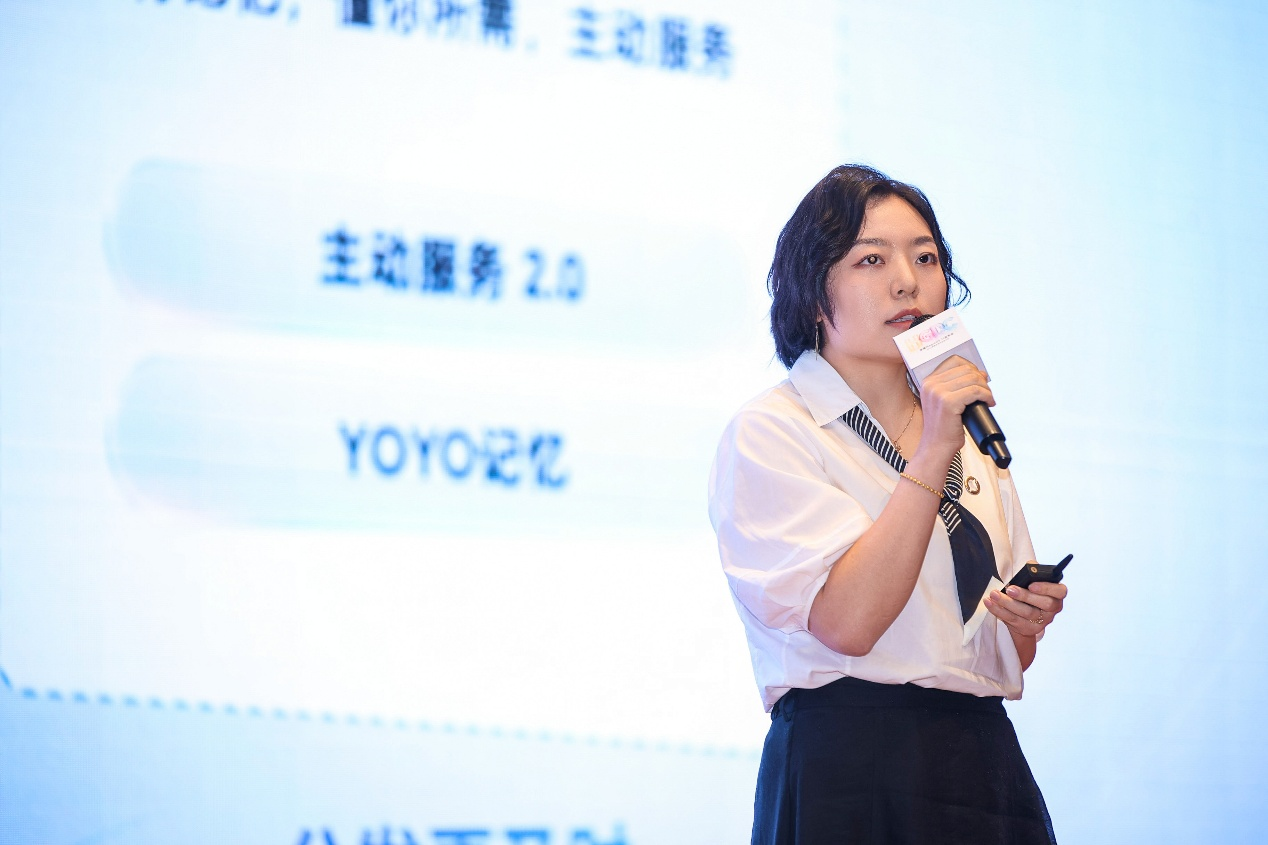
从“被动应答”到“主动办事”:YOYO NEXT带来全新体验形态

AI分论坛上,荣耀全新YOYO NEXT正式亮相。与行业普遍停留在App内功能叠加的“助手”不同,YOYO NEXT依托系统级AgenticOS,从底层打通了跨应用自动操作的完整路径——用户只需一句话,手机就能联动多个App完成复杂任务,不需要手动一步步操作。对开发者而言,服务不必等用户主动打开,而能在用户需要的时候主动出现。

YOYO NEXT的五大亮点,正是这些能力最直观的呈现:AI创作玩法更丰富,消除、证件照、换装效果持续升级;主动服务能感知场景并自动执行,覆盖创作与生活场景;YOYO任务携手垂域工具,深入用机、办公、出行;YOYO视频通话带来拟人化、主动式、实时帮干等多种交互体验;三方生态与荣耀Robot Phone硬件体验则展现了开放共建的成果。

从“App内功能”到“系统级能力”:AgenticOS Harness筑牢技术底座

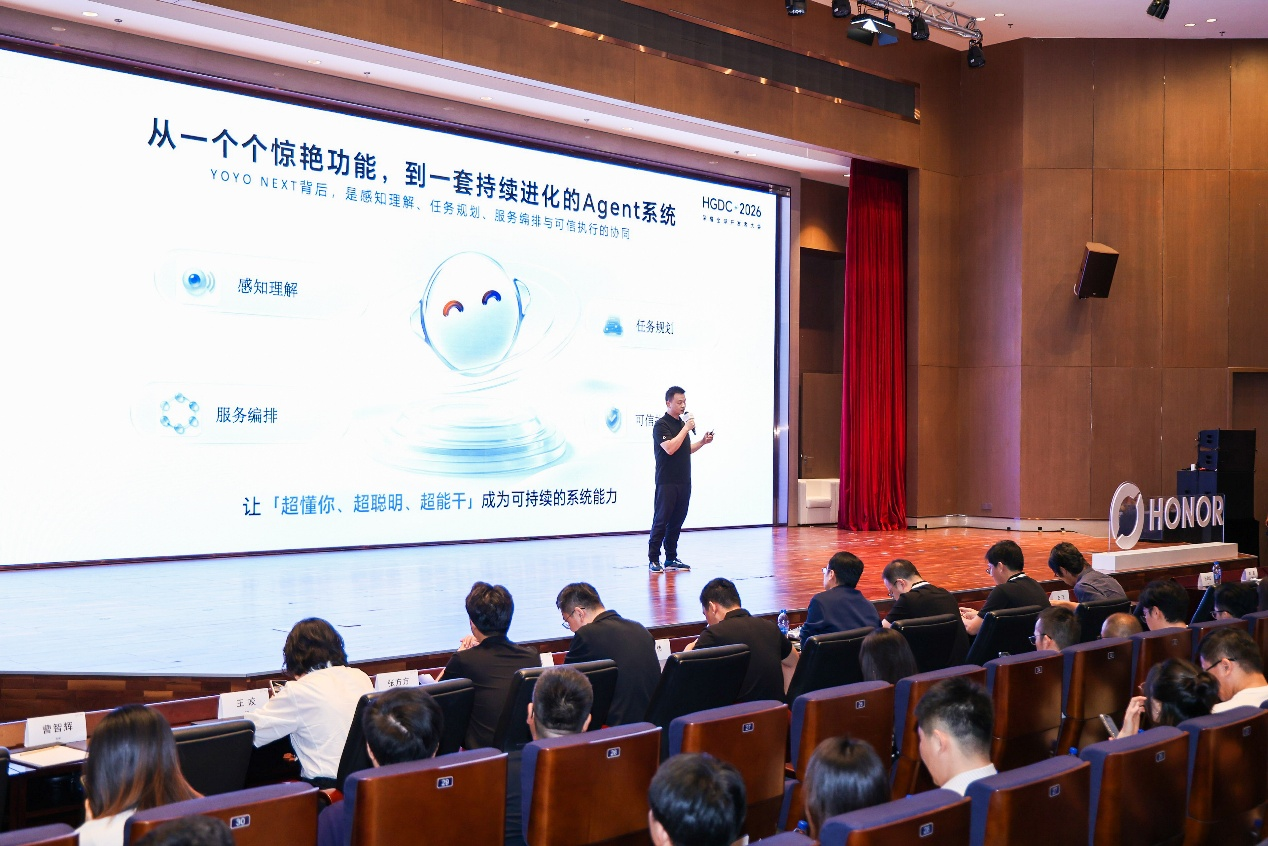
YOYO NEXT的能力升级,建立在荣耀自研的AgenticOS Harness框架之上。这是行业首个真正实现系统级Agent Harness商用落地的手机操作系统。简单来说,这套框架让YOYO具备了四种核心能力:实时感知、长期记忆、思考规划、自动执行。感知层面,以平台级AI支持“YOYO建议”,理解用户场景和意图;规划层面,依托自研端云大模型矩阵,覆盖手机、PC、平板全品类;行动层面,通过YOYO智能体实现多步骤复杂任务的自动执行。

与App内的AI不同,荣耀AgenticOS围绕用户真实意图搭建智能服务体系,将AI智能体植入系统底层,可跨应用、跨设备、跨模态调用底层能力。在端云协同架构下,手机端AI在保护本地数据的同时实现毫秒级响应与主动执行——这正是手机端AI智能体不可替代的核心能力。对开发者而言,跨设备调度和任务安排不再是自建成本。
从“一次一问”到“越用越懂”:YOYO记忆让服务主动找人

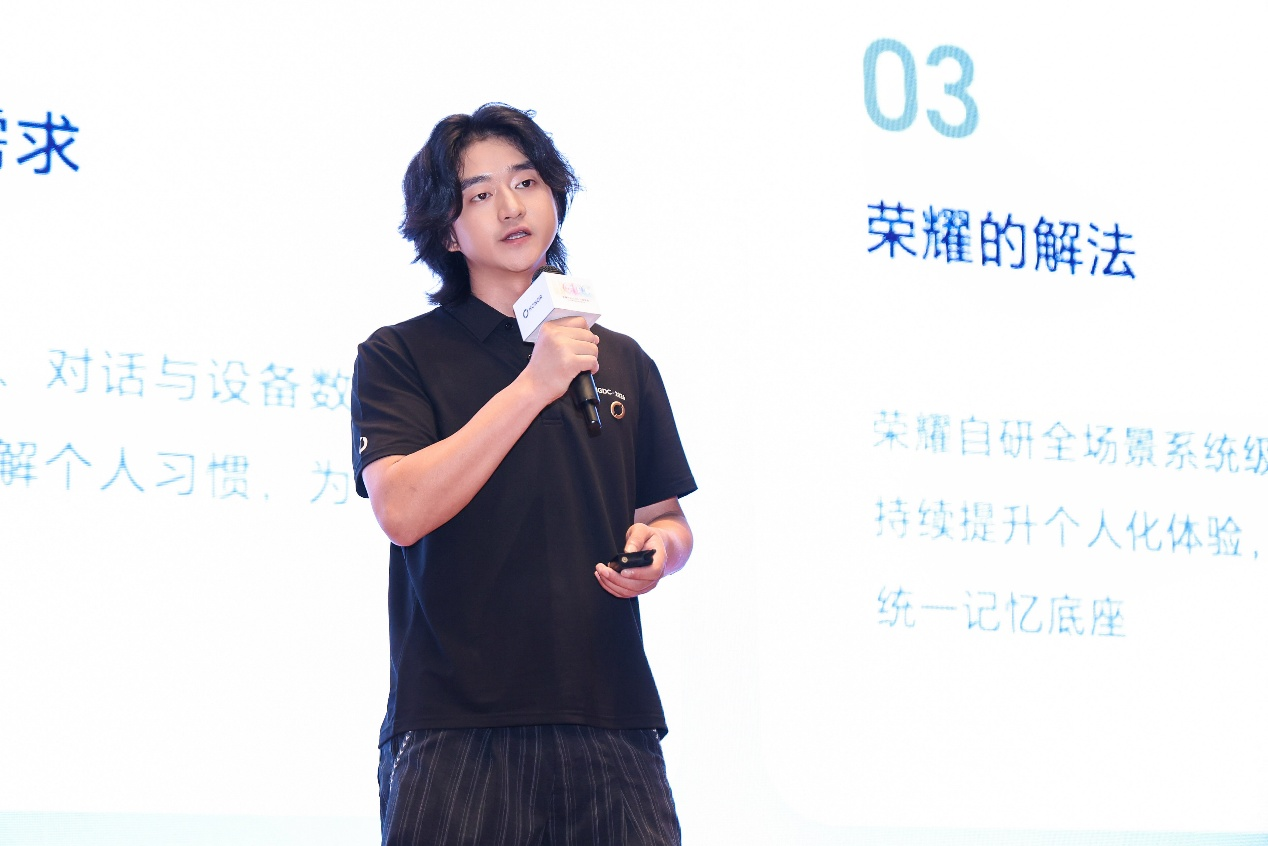
“越用越懂你”的背后,是YOYO记忆能力。这一个人化记忆系统主要用在三个地方:系统级AI Agent、情境化个性服务推荐、实时事项提醒,让手机记住用户偏好与习惯,在合适时机主动提供精准服务。

出行、打车、取票等提醒,正是记忆与感知协同的结果。历经三年发展,YOYO建议已落地桌面、灵动胶囊等7种系统级入口,累计用户突破1亿,构建超100个主动服务场景,实现了用户体验与商业价值的双增长。而这份能力的沉淀,正是荣耀系统级智能底座服务向广大开发者持续开放的结果。
从“单点接入”到“生态共创”:多元入口打开增长新空间

要让智能体真正在各行各业落地,离不开开发者的参与。面向开发者与合作伙伴,荣耀提供了MCP、A2A、Skill等多元化接入方式,伙伴可根据自身能力灵活选择,最大限度降低入场门槛。不止于“接得进来”,荣耀进一步打通从接入到分发的完整路径,全程支持伙伴成长——依托系统级智能分发,服务能精准找到目标用户,转化效率显著提升,帮助伙伴把技术能力真正变成商业回报。

在用户侧,YOYO NEXT同样打开了能力边界。它支持用户按需自定义接入第三方AI大模型,并操控更多第三方App完成复杂任务;叠加长期全局记忆与内置技能商店,AI助手得以持续进化、越用越顺手,实现从“能用”到“好用”的体验升级。

荣耀表示,将持续开放系统能力与AI技术,与全球开发者共建智慧生态。当智能体变成手机系统的基础能力,开发者要回答的已不是“要不要做AI”,而是选择加入哪个AI生态,让用户更方便地用上自己的服务。

注:文/龚作仁,文章来源:Laborer,本文为作者独立观点,不代表亿邦动力立场。

【版权提示】亿邦动力倡导尊重与保护知识产权。未经许可,任何人不得复制、转载、或以其他方式使用本网站的内容。如发现本站文章存在版权问题,烦请提供版权疑问、身份证明、版权证明、联系方式等发邮件至run@ebrun.com,我们将及时沟通与处理。

已点赞

+1

{{ praise_text }}

好文章,值得被更多人看到

FAQ回顾

荣耀YOYO NEXT是什么?

YOYO NEXT是荣耀对原有AI助手YOYO的全面进化版本,依托自研系统级AgenticOS框架,具备实时感知、长期记忆、思考规划、自动执行四大核心能力,可跨应用、跨设备联动完成多步骤复杂任务,实现从被动应答到主动办事的体验升级。

荣耀AgenticOS有什么核心优势?

荣耀AgenticOS是行业首个实现系统级Agent Harness商用落地的手机操作系统框架,将AI智能体植入系统底层,支持跨应用、跨设备、跨模态调用底层能力,端云协同架构下可在保护本地数据的同时实现毫秒级响应与主动执行,降低开发者跨端调度成本。

荣耀AI生态为开发者提供了哪些支持?

荣耀为开发者与合作伙伴提供MCP、A2A、Skill等多元化接入方式,降低入场门槛,同时打通从接入到分发的完整路径,依托系统级智能分发精准匹配目标用户,提升服务转化效率,帮助伙伴实现商业价值增长。

荣耀YOYO智能体的主动服务覆盖哪些场景?

荣耀YOYO智能体的主动服务依托系统级感知与记忆能力,目前已落地桌面、灵动胶囊等7种系统级入口,累计用户突破1亿,构建超100个主动服务场景,覆盖AI创作、生活服务、用机、办公、出行等多个领域。

广告

下一篇

跨境电商资源对接

《全球跨境电商服务商资源手册》第二期手册现已发布,触达更多资源,了解跨境服务商信息,欢迎点击链接下载。

了解详情

重磅:亿邦智库 × Pattern栢藤联合发布《智赢·共生—品牌全球化加速增长洞察报告》

当AI重塑消费者的发现与决策路径,平台规则与合规要求日趋复杂,不同区域市场的增长节奏与竞争形态也在加速分化。