• 亿邦公众号
    • APP下载

新石器官宣欧洲总部落户卢森堡 并在比利时开始试点L4 级自动驾驶RoboVan

作者:龚作仁 文章来源:Laborer

2026-09-15 15:10

作者:龚作仁 文章来源:Laborer

2026-09-15 15:10

邦小白快读

EN
全文速览

这篇文章核心披露了全球L4级无人城配方案提供商新石器在欧洲市场的两大关键布局进展,能帮大家快速了解自动驾驶物流落地的最新动态。

1. 核心战略进展:新石器计划在2026年德国汉诺威国际交通运输博览会期间正式官宣欧洲总部落户卢森堡,届时其欧洲业务将从早期试点合作转向扎根本地的商业化运营阶段,后续会整合当地合规运营资质、拓展本地合作伙伴网络,落地经过验证的自动驾驶物流技术,打造可复制扩展的城配运营平台;目前新石器已在全球部署约2.7万辆RoboVan,累计行驶里程超2.3亿公里。

2. 最新试点安排:新石器将联合比利时两家本地机构,在拿到联邦测试授权后于2026年第四季度在布鲁塞尔市中心启动为期12个月的L4自动驾驶配送试点,车辆连接南站附近仓库与市中心南缘商铺,和货运自行车等现有配送方案形成互补,测试其在减少配送车次、缓解拥堵、降低排放噪音、保障道路安全等方面的效果,探索适配老城的配送模式,同时设置本地运营岗位支持地方经济。

这篇文章披露的新石器欧洲无人配送布局动态,能为布局欧洲市场的品牌提供履约渠道创新、消费趋势匹配的明确参考。

1. 终端需求与政策趋势:欧洲核心历史城区正推进步行化改造,比如布鲁塞尔已将市中心机动车流量削减四分之一,当地对低排放、低噪音、不占用公共空间的最后一公里配送、垃圾清运方案有强需求,监管层明确支持在安全合规框架内试点自动驾驶物流,探索更高效可持续的货流组织方式,同时消费者对低碳配送的接受度持续提升。

2. 渠道与产品合作方向:新石器的XolraRoboVan定位为现有货运自行车等城配方案的补充,而非简单替代,将和本地共配体系融合减少配送车次、提升履约效率。品牌商可重点关注其2026年后在卢森堡、比利时、葡萄牙、法国、荷兰等国的落地进度,提前对接这类新履约渠道,一方面适配当地配送合规要求,另一方面也可将绿色配送作为品牌价值点,匹配当地市场偏好。

这篇文章传递的L4无人城配欧洲落地信息,能给做欧洲市场的跨境卖家、本地卖家提示履约端的风险与新机会。

1. 政策与风险提示:欧洲核心城区正持续收紧市中心机动车通行权限,布鲁塞尔已削减四分之一的市中心机动车流量,传统货车配送的通行限制、成本上涨压力会持续增加,卖家需要提前调整末端履约方案,规避通行受限、配送效率下降的风险。

2. 新机会提示:新石器落地卢森堡欧洲总部后,将推进本地商业化运营,除了比利时的12个月试点外,还在评估葡萄牙、法国、荷兰等国的落地机会,其无人配送方案和共配中心、货运自行车形成互补,可有效减少配送车次、降低履约成本、减碳降噪,未来商业化后将为卖家提供更稳定、高性价比的绿色配送选择。

3. 合作参考:目前布鲁塞尔试点直接对接市中心商铺与城市共配网络,布局对应区域的卖家可关注其本地合作伙伴的招募动态,提前对接新配送模式,在降本的同时匹配当地对绿色物流的要求,提升消费者好感度。

这篇文章披露的新石器欧洲布局动态,为自动驾驶商用车、零部件相关生产工厂指明了产品设计方向与新的商业拓展机会。

1. 明确的产品设计需求:欧洲历史城区道路狭窄、公共空间保护要求高,配送类车辆需要满足低排放、低噪音、高安全等级的要求,能够适配固定路线的仓库到商铺配送场景,和现有货运自行车等方案形成互补,不额外占用公共空间,同时要符合欧洲当地的车辆测试、数据合规等监管标准。

2. 商业合作机会:新石器欧洲总部落地后将进入规模化商业化阶段,除比利时外还在葡萄牙、法国、荷兰等国推进项目,其目前全球已部署2.7万辆RoboVan,随着欧洲市场放量,将释放大量整车、核心零部件采购,以及本地组装、运维配套的合作需求。

3. 出海启示:工厂拓展欧洲市场不能仅输出产品,要联动本地合作方适配当地监管框架、城市特点与运营体系,打造本地化的可落地方案,才能顺利打开市场。

这篇文章展现的无人城配欧洲落地路径,为出行、物流领域的服务商明确了行业趋势、客户痛点与可切入的服务方向。

1. 行业发展趋势:L4级自动驾驶城配正从技术验证阶段转向规模化本地商业化,目前亚洲已经实现数万辆级车辆的日常运营,欧洲市场刚进入试点探索阶段,监管层正通过项目积累经验搭建明确的监管框架,未来围绕最后一公里配送、垃圾清运等场景将释放大量服务需求。

2. 核心客户痛点:欧洲历史城区普遍面临步行化改造后配送效率与公共空间保护的矛盾,传统配送车次多易加剧拥堵、占用人行空间、排放噪音高,货运自行车存在载重与覆盖半径局限,商户配送、垃圾清运的最后一公里难题突出,同时政府端需要平衡创新落地与道路安全、社区接受度的关系。

3. 解决方案参考:落地不能只投放车辆,需要联动本地咨询机构、运营组织、监管部门,把自动驾驶车辆和共配中心、货运自行车网络整合,配套社区沟通、安全保障、本地就业岗位设置,服务商可围绕这些环节提供合规咨询、本地运营、公众沟通、车辆运维等配套服务。

这篇文章披露的新石器欧洲落地动态,为跨境物流平台、本地生活服务平台的欧洲业务运营、风险规避提供了清晰参考。

1. 平台可响应的市场需求:欧洲核心城区的商户、货主面临传统货车配送受限、末端成本高、合规要求多的痛点,需要整合自动驾驶配送、货运自行车、共配中心的一体化履约解决方案,同时政府端需要试点过程中的数据支撑、监管协同工具,社区端需要顺畅的沟通反馈渠道。

2. 运营与招商方向:无人城配落地需要多方协同,平台可搭建开放合作网络,一方面对接新石器这类已经过大规模运营验证、技术成熟的自动驾驶方案商,另一方面招纳本地共配运营商、货运自行车服务商入驻,形成优势互补的履约网络,为商家提供多元配送选择。

3. 风险规避提示:欧洲市场对数据合规、道路安全、公共空间保护、社区民意的要求较高,平台推进创新配送业务时,要提前对接联邦、大区、市级各层级主管部门,走完合规审批流程,在试点阶段就嵌入安全保障、社区沟通机制,在清晰的监管框架内推进业务,避免合规与舆情风险。

这篇文章记录的新石器欧洲总部落地、布鲁塞尔L4无人配送试点事件,为自动驾驶全球化、城市物流转型领域的研究提供了鲜活的新案例与研究方向。

1. 产业新动向:L4级无人城配的全球化商业化进程正在加速,以新石器为代表的方案商已在全球部署2.7万辆RoboVan,累计行驶里程超2.3亿公里,在亚洲市场实现了数万辆级的日常规模化运营,目前正式进入欧洲市场,从早期零散试点转向扎根本地的体系化商业化阶段,同步在多个欧洲国家评估落地机会,标志着自动驾驶物流的全球扩散进入新阶段。

2. 实践中的新问题:自动驾驶在欧洲历史城区落地面临多重协同难题,需要协调三级监管流程,平衡配送效率提升与噪音控制、排放降低、道路安全、公共空间保护的关系,本质不是车辆替换,而是城市货流组织方式的重构。

3. 模式与政策启示:本次试点采取技术方加本地咨询机构、本地物流运营方、多级监管部门的合作模式,将自动驾驶车辆融入现有城配网络,同时配套本地就业岗位,为各地制定自动驾驶监管规则、探索可持续城配模式提供了可借鉴的实践样本。

声明:快读内容全程由AI生成,请注意甄别信息。如您发现问题,请发送邮件至 run@ebrun.com 。

我是 品牌商 卖家 工厂 服务商 平台商 研究者 帮我再读一遍。

Quick Summary

This article outlines two key European market moves by Neolix, a global provider of L4 autonomous urban delivery solutions, offering a quick update on the latest real-world progress in autonomous logistics.

1. Core strategic development: Neolix plans to officially announce the establishment of its European headquarters in Luxembourg during the 2026 IAA Transportation show in Hanover. At that point, its European operations will shift from early pilot partnerships to rooted local commercialization: the company will secure local operational compliance credentials, expand its local partner network, roll out its field-proven autonomous logistics technology, and build a scalable, replicable urban delivery platform. To date, Neolix has deployed roughly 27,000 RoboVans globally, with a total accumulated driving distance of over 230 million kilometers.

2. Upcoming pilot program: In partnership with two local Belgian institutions, Neolix will launch a 12-month L4 autonomous delivery pilot in central Brussels in the fourth quarter of 2026, once it receives federal testing authorization. The route will connect warehouses near the city’s South Station to shops along the southern edge of the city center, complementing existing delivery options such as cargo bikes. The pilot will measure the solution’s impact on reducing delivery trips, easing congestion, cutting emissions and noise, and improving road safety, as the company explores delivery models adapted to historic urban areas. The program will also create local operational jobs to support the regional economy.

Neolix’s announced European autonomous delivery expansion offers clear benchmarks for brands operating in Europe to identify fulfillment channel innovations and align with local consumer preferences.

1. End-user demand and policy trends: Core historic urban districts across Europe are rolling out pedestrianization initiatives; for example, Brussels has already cut motor vehicle traffic in its city center by 25%. There is strong local demand for low-emission, low-noise last-mile delivery and waste collection solutions that do not occupy public space. Regulators explicitly support piloting autonomous logistics within safe, compliance-focused frameworks to develop more efficient, sustainable freight organization models, while consumer acceptance of low-carbon delivery options continues to rise.

2. Channel and product collaboration opportunities: Neolix’s Xolra RoboVan is positioned as a complement to, rather than a direct replacement for, existing urban delivery options such as cargo bikes. It will integrate with local shared delivery networks to cut the number of delivery trips and improve fulfillment efficiency. Brands should track the company’s rollout progress in Luxembourg, Belgium, Portugal, France, and the Netherlands after 2026, and engage early with these new fulfillment channels. This will help brands both meet local delivery compliance requirements and leverage green delivery as a brand value proposition aligned with local market preferences.

The news of L4 autonomous urban delivery’s rollout in Europe highlights both fulfillment risks and new opportunities for cross-border and local sellers serving European markets.

1. Policy and risk alerts: Core European urban districts are continuously tightening motor vehicle access in city centers; Brussels has already reduced downtown motor vehicle traffic by 25. Restrictions on traditional van delivery and rising operational costs will continue to mount, so sellers must adjust their last-mile fulfillment strategies early to avoid access limitations and declining delivery efficiency.

2. New opportunity outlook: After establishing its European headquarters in Luxembourg, Neolix will advance local commercial operations. In addition to its 12-month Belgian pilot, the company is evaluating launch opportunities in Portugal, France, and the Netherlands. Its autonomous delivery solution complements shared distribution centers and cargo bike networks, reducing total delivery trips, cutting fulfillment costs, and lowering carbon emissions and noise. Once fully commercialized, it will offer sellers a more stable, cost-effective green delivery option.

3. Collaboration guidance: The Brussels pilot will directly connect downtown merchants to the city’s shared distribution network. Sellers operating in the covered area should monitor recruitment updates for the program’s local partners, to engage early with the new delivery model. This will help them reduce costs while meeting local green logistics requirements and improving consumer perception.

Neolix’s announced European expansion points to clear product design priorities and new business development opportunities for manufacturers of autonomous commercial vehicles and related components.

1. Defined product design requirements: Europe’s historic urban districts feature narrow roads and strict public space protection rules, so delivery vehicles must meet low-emission, low-noise, and high safety standards. They need to be suited for fixed-route warehouse-to-shop delivery scenarios, complement existing solutions such as cargo bikes, avoid occupying extra public space, and comply with local European regulatory standards for vehicle testing and data governance.

2. Commercial collaboration opportunities: Once its European headquarters is operational, Neolix will enter a phase of scaled commercialization, with projects in development across Belgium, Portugal, France, and the Netherlands. The company has already deployed 27,000 RoboVans globally; as its European business scales, it will generate significant demand for complete vehicles, core component procurement, local assembly, and operations and maintenance support partnerships.

3. Go-to-market insights for European expansion: Manufacturers looking to enter the European market cannot rely solely on exporting products. They must partner with local stakeholders to adapt to local regulatory frameworks, urban characteristics, and operational systems, building localized, deployable solutions to successfully penetrate the market.

The rollout pathway for autonomous urban delivery in Europe outlined in this article clarifies industry trends, customer pain points, and addressable service opportunities for mobility and logistics service providers.

1. Industry development trends: L4 autonomous urban delivery is shifting from technical validation to scaled local commercialization. While Asian markets already support daily operations of tens of thousands of autonomous delivery vehicles, the European market is only entering the pilot exploration phase. Regulators are using pilot projects to build experience and develop clear regulatory frameworks, which will unlock substantial service demand across use cases including last-mile delivery and waste collection.

2. Core customer pain points: Following pedestrianization retrofits, historic European cities broadly face a tradeoff between delivery efficiency and public space protection. Traditional delivery models rely on high numbers of trips that worsen congestion, occupy pedestrian space, and generate high emissions and noise. Cargo bikes, meanwhile, are limited by load capacity and service radius, creating persistent last-mile bottlenecks for merchant delivery and waste collection. At the government level, stakeholders must balance innovation rollout with road safety and community acceptance.

3. Solution framework: Successful deployment requires more than just deploying vehicles; providers must partner with local consulting firms, operating organizations, and regulators to integrate autonomous vehicles with shared distribution centers and cargo bike networks, alongside community engagement, safety guarantees, and local job creation. Service providers can target these gaps by offering support services including compliance consulting, local operations, public communications, and vehicle maintenance.

Neolix’s announced European expansion provides clear guidance for cross-border logistics platforms and local lifestyle service platforms operating in Europe, on both operational strategy and risk mitigation.

1. Addressable market demand: Merchants and shippers in core European urban districts face pain points including restricted access for traditional delivery vans, high last-mile costs, and complex compliance requirements. They need integrated fulfillment solutions that combine autonomous delivery, cargo bikes, and shared distribution centers. Meanwhile, government stakeholders require data support and regulatory coordination tools during pilot programs, and local communities need accessible communication and feedback channels.

2. Operational and partnership strategy: Autonomous urban delivery rollout requires multi-stakeholder collaboration. Platforms can build open cooperation networks that, on one hand, connect to technically mature autonomous solution providers with large-scale operational validation such as Neolix, and on the other hand, onboard local shared delivery operators and cargo bike service providers. This will create a complementary fulfillment network that offers merchants a diversified set of delivery options.

3. Risk mitigation guidance: European markets enforce strict requirements for data compliance, road safety, public space protection, and community sentiment. When launching innovative delivery services, platforms should engage early with regulatory authorities at the federal, regional, and municipal levels to complete all compliance approval processes. Safety guarantees and community communication mechanisms should be embedded starting in the pilot phase, with operations advanced within a clear regulatory framework to avoid compliance and reputational risks.

The events covered in this article—Neolix’s establishment of a European headquarters and its Brussels L4 autonomous delivery pilot—offer a timely new case study and research direction for scholarship on autonomous vehicle globalization and urban logistics transformation.

1. Emerging industry trend: The global commercialization of L4 autonomous urban delivery is accelerating. Solution providers such as Neolix have already deployed 27,000 RoboVans worldwide, accumulating over 230 million kilometers of driving distance, and achieving large-scale daily operations of tens of thousands of vehicles in Asian markets. The company’s formal entry into Europe, shifting from fragmented early pilots to systematic, locally rooted commercialization while evaluating launch opportunities across multiple European countries, marks a new phase in the global diffusion of autonomous logistics.

2. Practical implementation challenges: Deploying autonomous vehicles in Europe’s historic urban districts requires coordinating across three levels of regulatory governance, and balancing improved delivery efficiency against noise reduction, lower emissions, road safety, and public space protection. Fundamentally, this transition is not about replacing vehicles, but restructuring urban freight organization systems.

3. Model and policy implications: The pilot adopts a partnership model combining the technology provider with local consulting institutions, local logistics operators, and multi-level regulatory authorities. It integrates autonomous vehicles into the existing urban delivery network while creating local jobs, offering a replicable practical reference for regions developing autonomous vehicle regulatory rules and exploring sustainable urban delivery models.

Disclaimer: The "Quick Summary" content is entirely generated by AI. Please exercise discretion when interpreting the information. For issues or corrections, please email run@ebrun.com .

I am a Brand Seller Factory Service Provider Marketplace Seller Researcher Read it again.

9月14日—全球领先的L4级无人城配方案提供商新石器宣布其欧洲总部将落户卢森堡,此举标志着新石器在欧洲的战略布局,从早期试点与合作,正式迈向扎根欧洲本地的商业化运营新阶段。这一计划于2026年德国汉诺威国际交通运输博览会期间正式发布。

新石器将进一步整合欧洲当地的合规运营资质,持续拓展本地合作伙伴网络,在欧洲加速落地已被广泛验证的自动驾驶物流技术,打造可复制、可扩展的城市配送运营平台。
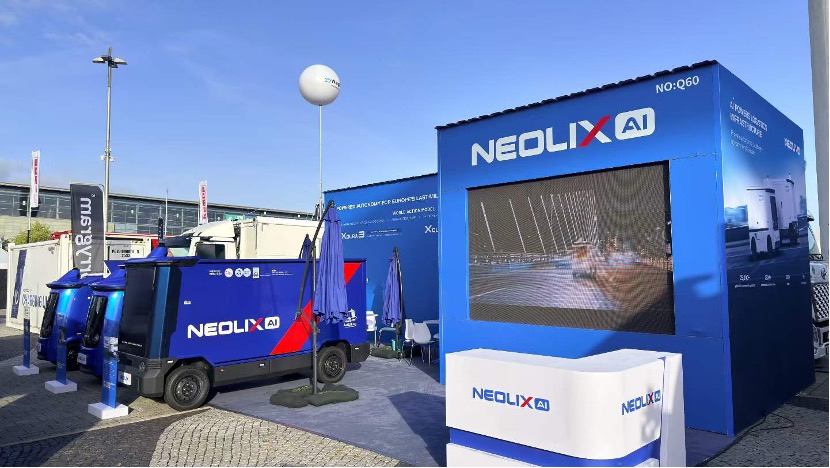
同时,新石器公司宣布将与布鲁塞尔本地出行咨询机构Escapces-Mobilités及本地组织Stalem合作,作为AutoLog项目的一部分,在布鲁塞尔市中心试点L4级自动驾驶配送车辆。为期12个月的试点将探索自动驾驶车辆如何融入城市物流运营,应用场景包括最后一公里配送与垃圾清运。在获得必要的联邦测试授权后,预计将在2026年第四季度启动。

试点期间,新石器XolraRoboVan将运行于一条指定的城市路线,连接南站(Gare du Midi)附近的一座仓库与布鲁塞尔市中心南缘的商铺。

车辆的设计定位是与现有城市配送方案(如货运自行车)形成互补,试点将考察自动驾驶车辆是否有助于减少不必要的配送车次、缓解交通拥堵、降低排放与噪音,同时重点关注道路安全与社区沟通。

在与比利时联邦及布鲁塞尔大区相关主管部门的协调下,试点不仅是一项车辆测试,更是一次合作性的探索——自动驾驶物流如何融入更广泛的城市出行体系。联邦测试授权申请已提交至比利时联邦交通与运输公共服务部(Federal Public Service Mobility and Transport),与大区及市级相关程序同步推进。

布鲁塞尔首都大区交通部长Elke Van den Brandt表示:“布鲁塞尔已对市中心实施步行化改造,并将机动车流量削减了四分之一。但在配送、垃圾清运、城市货流仍然存在最后一公里的难题。这项试点将探索自动驾驶物流能否安全、安静地融入这一环境,而不占用我们多年来努力争取回来的公共空间?”

比利时联邦交通、气候与生态转型部长Jean-Luc Crucke表示:“自动驾驶物流可为城市最后一公里配送的高效与可持续做出重要贡献。此类创新应用为优化货物流向提供了机会,但其发展必须安全、负责,并在清晰的监管框架内推进。我们支持测试项目的目的也是为了积累实践经验,为未来的出行方案铺路。”

AutoLog试点旨在为评估自动驾驶物流技术,以及更广义的城市出行、监管、基础设施、运营与公共道路融合议题提供机会。

除技术测试外,该项目将通过设立专门的运营岗位、提升服务品质和运输效率,积极支持本地经济。

试点项目将为自动驾驶物流方案在布鲁塞尔及其他欧洲城市的未来部署提供可借鉴的经验。“自动驾驶物流是下一件”大事”,而很少有人意识到,亚洲已有数万辆此类车辆每天在运行。”Espaces-Mobilités合伙人Xavier Tackoen表示。

布鲁塞尔试点是新石器日益扩大的欧洲布局中的又一步。“这个项目的意义不止于部署车辆。”新石器欧洲负责人何咏表示,“而在于与本地出行专家与运营伙伴一道,理解在欧洲城市安全、有效地运行自动驾驶物流需要哪些条件。将我们的技术与运营经验与本地专长相融合,我们能够为布鲁塞尔及更广泛地区自动驾驶物流的发展打下坚实基础。”

据悉,新石器正于部分欧洲市场启动相关项目,并对其余市场(包括比利时、葡萄牙、法国与荷兰)进行机会评估,目前正在各国测试与授权框架下推进。新石器已在全球部署约27,000辆RoboVan,累计行驶里程超过2.3亿公里。

“历史城中心需要高效的物流,但也需要保护公共空间。”STALEM的Nour Eddine Layachi表示,“解决方案不是简单地把一种车辆替换成另一种,而是以不同的方式组织货流。通过整合我们的城市配送中心、货运自行车与自动驾驶电动车,我们希望为欧洲之都测试一种更清洁、更高效的最后一公里的物流实操模型。”

关于Stalem

十多年来,STALEM致力于塑造布鲁塞尔更可持续的城市物流生态,开发适应狭窄街道、历史保护区与本地商户需求的低排放方案。该组织通过整合共配中心、货运自行车与基于近距离的运营,减少对公共空间的压力,提升城市生活品质,并提供完全融入城市肌理、可靠、尊重环境的服务。

关于Espaces-Mobilités

Espaces-Mobilités是一家比利时咨询公司,30多年来为公共主管部门、运输企业与商界提供公共空间与出行领域的支持。其工作的特点是结合全球与本地的出行研究与公共空间开发,旨在提升城镇与城市的生活品质。该团队高度重视公众参与、沟通、试验以及通过培训与会议进行技能迁移。该公司已在比利时多座城市与地区部署自动驾驶接驳车,包括布鲁塞尔、梅赫伦、卢万-拉-讷普、林堡,以及近期在鲁汶市部署的两辆L4级接驳车——后者是欧洲最复杂的路线之一。

注:文/龚作仁,文章来源:Laborer,本文为作者独立观点,不代表亿邦动力立场。

【版权提示】亿邦动力倡导尊重与保护知识产权。未经许可,任何人不得复制、转载、或以其他方式使用本网站的内容。如发现本站文章存在版权问题,烦请提供版权疑问、身份证明、版权证明、联系方式等发邮件至run@ebrun.com,我们将及时沟通与处理。

已点赞

+1

{{ praise_text }}

好文章,值得被更多人看到

FAQ回顾

新石器是做什么的?

新石器是全球领先的L4级无人城市配送方案提供商,目前已在全球部署约27000辆RoboVan,累计行驶里程超2.3亿公里,正推进欧洲区域的本地化自动驾驶城配商业化布局。

新石器在比利时布鲁塞尔的L4自动驾驶配送试点有什么安排?

该试点是新石器与布鲁塞尔本地机构合作的AutoLog项目内容,预计2026年第四季度在获得比利时联邦测试授权后启动,为期12个月,将运行Xolra RoboVan覆盖指定城市路线,探索自动驾驶融入最后一公里配送、垃圾清运等场景的可行性。

L4级自动驾驶物流车能为城市配送带来哪些价值?

L4级自动驾驶物流车可与货运自行车等现有城市配送方案形成互补,有望减少不必要的配送车次、缓解交通拥堵、降低排放与噪音,在不额外占用公共空间的前提下提升城配效率,支撑可持续的城市物流体系建设。

新石器在欧洲市场有哪些布局规划?

新石器已确定将欧洲总部落户卢森堡,后续将整合当地合规运营资质、拓展本地合作伙伴网络,打造可复制、可扩展的城市配送运营平台,同时在比利时、葡萄牙、法国、荷兰等市场推进项目落地与机会评估。

广告

下一篇

跨境电商资源对接

《全球跨境电商服务商资源手册》第二期手册现已发布,触达更多资源,了解跨境服务商信息,欢迎点击链接下载。

了解详情

AI驱动新增长:跨境电商新周期下四大发展趋势洞察

AI深度渗透经营全链路,驱动全球电商增长逻辑加速重构。消费端,用户购物行为全面升级,依托AI购物助手完成需求拆解、商品匹配、方案优选及购买下单。

跨境电商 AI 亚马逊 国际电商

2026-09-15 14:24:50