• 亿邦公众号
    • APP下载

2026机器人核心零部件创新发展主题活动在北京盛大举行

作者:龚作仁 文章来源:Laborer

2026-08-21 15:47

作者:龚作仁 文章来源:Laborer

2026-08-21 15:47

邦小白快读

EN
全文速览

本次活动是2026世界机器人博览会的重磅配套活动,于8月21日在北京举办,主题为“供需协同・产融共赢”,核心围绕机器人核心零部件创新发展展开,干货内容如下:

1. 产业背景信息:当前全球具身智能与人形机器人产业进入规模化落地关键窗口期,我国减速器、伺服系统、控制器三大机器人核心零部件国产化率已经攀升至75%至90%,产业正从“整机独大”向全链条自主可控转型,中国制造也从规模红利迈向技术红利,但仍存在供需错配、成果转化难、产融对接有壁垒等问题。

2. 活动核心成果:活动汇聚政产学研用资全链条代表,发布了多款国产核心零部件新品,包括全球首款机器人大功率液电混驱直线驱动单元、大小脑融合具身智能系列控制器等,还启动了具身智能专委会筹备成立仪式,打通了“零部件供给—整机应用—资本赋能”的完整闭环。

3. 活动产业意义:本次活动推动国产核心零部件从单点突破向全链条协同升级,加快了核心零部件自主可控进程,为中国机器人产业高质量发展注入动能。

本次机器人核心零部件创新活动,为机器人领域品牌商提供了清晰的产业参考和方向指引,核心干货如下:

1. 产业与消费趋势:当前全球具身智能与人形机器人进入规模化落地关键期,产业发展重心从整机制造转向全链条核心零部件自主可控,核心三大零部件国产化率已达75%-90%,国产替代需求旺盛,产业已经从规模红利转向技术红利,创新空间广阔。

2. 产品研发方向:行业当前核心痛点是整机与零部件供需错配、技术成果转化不畅,品牌商研发需要锚定减速器、伺服电机、控制器等底层核心技术,聚焦底层核心零部件的系统性突破,匹配整机对国产部件的迫切需求,适配具身智能云端大脑与本体感知融合的发展目标。

3. 品牌发展路径:品牌商可以借助全行业协同对接平台,对接上下游整机厂商、科研机构和资本,破解技术落地最后一公里难题,还可以加入行业专委会整合生态资源,强化自身创新竞争力,享受国产替代的产业红利。

本次活动披露了机器人核心零部件产业的最新发展动态,给相关领域卖家梳理了明确的机会方向与风险提示,核心内容如下:

1. 市场增长机会:当前具身智能、人形机器人进入规模化落地窗口期,核心零部件国产替代进程加快,三大核心零部件国产化率处于75%-90%之间,仍有创新和替代空间,同时AI+机器人催生了AI烹饪、工业装备训练、个人机器人等多个新场景,新品类创新机会充足。

2. 行业风险提示:当前行业仍然存在不少待解决的问题,包括整机与零部件供需错配、技术成果转化不畅、产融对接存在信息壁垒,具身供应链也存在潜在不确定性,需要卖家提前布局应对。

3. 可利用的资源与发展路径:本次活动搭建了政产学研用资全链条对接平台,新筹备成立的具身智能专委会也会整合行业分散创新力量,卖家可以通过对接上下游、资本,依托行业平台打通从技术创新到商业落地的路径,走协同创新的发展模式,分享产业增长红利。

本次活动为机器人核心零部件相关生产工厂明确了产品方向与商业机会,核心干货内容如下:

1. 产品生产与设计需求:当前机器人产业需要底层核心零部件的系统性突破,核心需求方向包括减速器、伺服电机、控制器、仿生传感、一体化关节等机器人核心部件,同时需要适配重载具身智能、大小脑融合、轻量化材料、仿生软体、7D空间智能视觉、高能效芯片等新的技术方向,满足整机产业对国产核心部件的迫切需求。

2. 可把握的商业机会:当前我国机器人核心三大零部件国产化率已经达到75%-90%,产业正推进全链条自主可控,国产替代需求明确,只要工厂能实现核心技术突破,就能对接整机厂商的应用需求和市场需求,拥有广阔的发展空间。

3. 数字化转型与产业升级启示:工厂需要主动对接上下游整机厂商、科研机构和资本,改变单打独斗的发展模式,借助行业协同平台对接需求,打通技术创新到商业落地的链条,还可以依托行业专委会整合资源,联合攻坚核心技术难关,加快自身技术升级步伐。

本次活动梳理了机器人核心零部件产业的发展现状,给相关服务商明确了行业趋势与业务方向,核心干货如下:

1. 行业发展趋势:当前全球具身智能与人形机器人产业进入规模化落地的关键窗口期,我国机器人产业已经从“整机独大”的发展阶段转向全链条自主可控,核心零部件国产化率已经达到75%-90%,产业从规模红利转向技术红利,全产业链协同创新、产融对接已经成为行业发展的主流共识。

2. 核心客户痛点:当前行业上下游普遍存在痛点,包括整机与零部件供需错配、技术成果转化不畅、产融对接存在壁垒,上下游之间存在明显的信息鸿沟,科技成果落地存在最后一公里的难题,分散的创新力量没有得到有效整合。

3. 可布局的解决方案方向:服务商可以围绕产业链供需对接、产融对接搭建一体化协同平台,弥合上下游信息差;也可以在算力大模型场景应用、机器人视觉基础设施、工业装备综合训练、设计创新等领域布局,提供专业服务;还可以参与行业生态建设,助力整合分散创新资源,推动产业组织化发展。

本次活动探索了机器人产业平台的发展路径,给相关平台商提供了清晰的参考,核心干货内容如下:

1. 当前产业对平台的核心需求:我国机器人核心零部件产业发展到当前阶段,上下游存在明显的信息鸿沟,存在供需错配、产融对接不畅、科技成果转化难等问题,产业迫切需要能打通“零部件供给—整机应用—资本赋能”全链条的平台,整合政产学研用资全链条力量,破解成果落地难题。

2. 可参考的平台运营做法:平台可以借鉴本次活动的运营模式,通过主旨演讲、新品发布、多维度圆桌对话等形式,链接院士专家、企业、资本等不同主体,实现深度对接;还可以发起成立行业垂直专委会,整合分散的创新力量,凝聚生态合力,推动全行业协同攻坚核心技术。

3. 需要注意的风险规避:平台在布局相关业务时,需要关注具身供应链存在的潜在风险,要联动行业各方提前梳理产业链痛点,设置风险预警和交流环节,平衡技术创新和商业落地的节奏,助力产业平稳成熟发展,同时要聚焦核心零部件的创新需求,紧扣产业自主可控的发展方向搭建服务。

本次活动展现了中国机器人核心零部件产业的最新发展实践,给产业研究者提供了丰富的研究素材,核心内容如下:

1. 产业最新动向:当前全球具身智能与人形机器人进入规模化落地关键窗口期,我国机器人产业已经完成了从整机领先到核心零部件国产替代的初步进展,三大核心零部件国产化率已经攀升至75%-90%,产业从规模红利转向技术红利,部分领域已经实现从跟跑到领跑的突破,比如清卓动力已经发布全球首款机器人大功率液电混驱直线驱动单元,产业开始向全链条自主可控推进。

2. 产业待研究的新问题:当前产业仍然存在多个待解决的新问题,包括整机与零部件供需错配、技术成果转化不畅、产融对接存在壁垒,具身供应链在发展过程中也存在机遇之外的潜在风险,需要进一步深入研究破解路径。

3. 新商业模式与组织实践:本次活动探索了“供需协同・产融共赢”的产业发展新模式,通过搭建开放对接平台打通了全产业链闭环,同时筹备成立了具身智能专委会,探索了整合分散创新力量的产业组织新模式,为推动产业生态化发展提供了全新的实践样本,具备较高的研究价值。

声明:快读内容全程由AI生成,请注意甄别信息。如您发现问题,请发送邮件至 run@ebrun.com 。

我是 品牌商 卖家 工厂 服务商 平台商 研究者 帮我再读一遍。

Quick Summary

This high-profile supporting event for the 2026 World Robot Expo was held in Beijing on August 21 under the theme "Supply-Demand Collaboration, Industrial and Financial Win-Win Outcomes", focusing on the innovative development of core robotic components. Key takeaways are as follows:

1. Industry background: The global embodied intelligence and humanoid robot industry is now at a critical window for large-scale commercialization. The localization rate of China's three core robotic components – reducers, servo systems and controllers – has risen to 75% to 90%. The industry is shifting from a "complete machine-dominated" structure to full-chain independent controllability, and Chinese manufacturing is transitioning from scale-driven dividends to technology-driven dividends. However, challenges remain including supply-demand mismatches, difficult technology commercialization, and barriers to industry-finance collaboration.

2. Key outcomes: The event brought together stakeholders from the entire government-industry-academia-research-application-capital ecosystem, and launched a number of new domestic core component products, including the world's first high-power hydro-electric hybrid linear drive unit for robots and a series of embodied intelligence controllers integrating "large and small brain" architecture. It also kicked off the preparation for an Embodied Intelligence Special Committee, closing the full loop from component supply to complete machine application and capital enablement.

3. Industrial significance: This event advances the upgrade of domestic core components from single-point breakthroughs to full-chain collaborative development, accelerates the progress of independent controllability for core components, and injects new momentum into the high-quality development of China's robotics industry.

This innovation event focused on robotic core components provides clear industry insights and directional guidance for robotics brands. Key takeaways are as follows:

1. Industry and consumer trends: The global embodied intelligence and humanoid robot industry is entering a critical phase for large-scale commercialization, with the development focus shifting from complete machine manufacturing to independent controllability of core components across the full supply chain. The localization rate of the three core components has already reached 75%-90%, with strong demand for domestic substitution. The industry has shifted from scale dividends to technology dividends, leaving broad space for innovation.

2. Product R&D direction: The core pain points of the current industry are supply-demand mismatches between complete machines and components, and low efficiency of technology commercialization. Brands should anchor their R&D on underlying core technologies including reducers, servo motors and controllers, focus on systematic breakthroughs in core components, align with the urgent demand of complete machine manufacturers for domestic parts, and adapt to the development goal of integrating cloud-based embodied intelligence brains with ontology perception.

3. Brand development paths: Brands can leverage the industry-wide collaborative docking platform to connect with upstream and downstream complete machine manufacturers, research institutions and capital to solve the last-mile problem of technology commercialization. They can also join the industry special committee to integrate ecological resources, strengthen their innovation competitiveness, and capture industrial dividends from domestic substitution.

This event revealed the latest development trends of the robotic core component industry, sorting out clear opportunity directions and risk alerts for relevant sellers. Key takeaways are as follows:

1. Market growth opportunities: Embodied intelligence and humanoid robots are now at a critical window for large-scale commercialization, and the domestic substitution process of core components is accelerating. With the localization rate of the three core components standing between 75% and 90%, there is still room for further innovation and substitution. Meanwhile, the combination of AI and robotics has spawned multiple new scenarios, such as AI cooking, industrial equipment training and personal robots, bringing abundant innovation opportunities for new product categories.

2. Industry risk alerts: Many problems remain unresolved in the current industry, including supply-demand mismatches between complete machines and components, low efficiency of technology commercialization, information barriers for industry-finance collaboration, and potential uncertainty in embodied supply chains. Sellers need to make layout preparations in advance to cope with these challenges.

3. Available resources and development paths: This event built a full-chain docking platform covering government, industry, academia, research, application and capital. The newly prepared Embodied Intelligence Special Committee will also integrate scattered innovation resources across the industry. Sellers can connect with upstream, downstream stakeholders and capital via industry platforms to open the path from technological innovation to commercial landing, adopt a collaborative innovation development model, and share industrial growth dividends.

This event clarifies product directions and business opportunities for manufacturing factories engaged in robotic core components. Key takeaways are as follows:

1. Product manufacturing and design requirements: The robotic industry currently needs systematic breakthroughs in underlying core components, with core demand focusing on reducers, servo motors, controllers, bionic sensors, integrated joints and other core parts. Products also need to adapt to new technological directions including heavy-load embodied intelligence, large-small brain integration, lightweight materials, bionic soft bodies, 7D spatial intelligent vision and high-efficiency chips, to meet the urgent demand of complete machine manufacturers for domestic core components.

2. Capturable business opportunities: The localization rate of China's three core robotic components has reached 75%-90%, and the industry is pushing forward full-chain independent controllability with clear demand for domestic substitution. As long as factories achieve core technological breakthroughs, they can connect with the application and market demand of complete machine manufacturers, and gain broad development space.

3. Insights for digital transformation and industrial upgrading: Factories should proactively connect with upstream and downstream complete machine manufacturers, research institutions and capital, abandon the go-it-alone development model, access demand via industry collaboration platforms, and open the chain from technological innovation to commercial landing. They can also integrate resources via the industry special committee to jointly tackle core technological challenges and accelerate their own technological upgrading.

This event sorted out the current development status of the robotic core component industry, clarifying industry trends and business directions for relevant service providers. Key takeaways are as follows:

1. Industry development trends: The global embodied intelligence and humanoid robot industry is entering a critical window for large-scale commercialization. China's robotics industry has shifted from a "complete machine-dominated" development stage to full-chain independent controllability, with the localization rate of core components reaching 75%-90%. The industry is transitioning from scale dividends to technology dividends, and whole-industry-chain collaborative innovation and industry-finance docking have become the mainstream consensus of the industry.

2. Core customer pain points: Common pain points exist across upstream and downstream of the industry, including supply-demand mismatches between complete machines and components, low efficiency of technology commercialization, barriers to industry-finance collaboration, obvious information gaps between upstream and downstream, the last-mile problem for scientific and technological achievements landing, and the lack of effective integration for scattered innovation forces.

3. Solution directions for layout: Service providers can build integrated collaboration platforms focused on industrial supply-demand docking and industry-finance connection to bridge information gaps between upstream and downstream. They can also lay out business in areas such as large model computing power scenario application, robotic vision infrastructure, comprehensive training for industrial equipment and design innovation to provide professional services. They can also participate in industry ecological construction to help integrate scattered innovation resources and promote organized industrial development.

This event explored the development path of robotics industry platforms, providing clear references for relevant marketplace operators. Key takeaways are as follows:

1. Core industrial demand for platforms: At the current development stage of China's robotic core component industry, there are obvious information gaps between upstream and downstream, as well as problems including supply-demand mismatches, inefficient industry-finance collaboration and difficult technology commercialization. The industry urgently needs platforms that can open the full loop from "component supply – complete machine application – capital enablement", integrate resources across the government-industry-academia-research-application-capital chain, and solve the problem of achievement landing.

2. Referenceable platform operation practices: Platforms can learn from the operation model of this event: connect different stakeholders including academicians, experts, enterprises and capital through keynote speeches, new product launches and multi-dimensional roundtable dialogues to achieve in-depth docking. They can also initiate the establishment of industry vertical special committees to integrate scattered innovation forces, gather ecological synergy, and promote whole-industry collaborative efforts to tackle core technological challenges.

3. Risk mitigation notes: When laying out relevant businesses, platforms need to pay attention to potential risks in the embodied supply chain, coordinate with all industry stakeholders to sort out industrial pain points in advance, set up risk warning and communication sessions, balance the pace of technological innovation and commercial landing, and support the steady and mature development of the industry. They should also focus on the innovation demand of core components and build services in line with the industry's development direction of independent controllability.

This event showcased the latest development practices of China's robotic core component industry, providing rich research materials for industry researchers. Key takeaways are as follows:

1. Latest industry developments: The global embodied intelligence and humanoid robot industry is entering a critical window for large-scale commercialization. China's robotics industry has achieved preliminary progress from complete machine leadership to domestic substitution of core components: the localization rate of the three core components has risen to 75%-90%, the industry is shifting from scale dividends to technology dividends, and some fields have achieved breakthroughs from following to leading. For example, Qingzhuo Power has launched the world's first high-power hydro-electric hybrid linear drive unit for robots, and the industry is starting to advance toward full-chain independent controllability.

2. New research questions for the industry: Multiple unsolved new problems remain in the current industry, including supply-demand mismatches between complete machines and components, low efficiency of technology commercialization, barriers to industry-finance collaboration, and potential risks alongside opportunities in the development of embodied supply chains. Further in-depth research is needed to find solutions.

3. New business models and organizational practices: This event explored a new industrial development model of "Supply-Demand Collaboration, Industrial and Financial Win-Win Outcomes". It opened the full industrial chain closed loop by building an open docking platform, and is preparing to establish an Embodied Intelligence Special Committee to explore a new industrial organization model for integrating scattered innovation forces. This provides a new practical sample for promoting ecological industrial development, and carries high research value.

Disclaimer: The "Quick Summary" content is entirely generated by AI. Please exercise discretion when interpreting the information. For issues or corrections, please email run@ebrun.com .

I am a Brand Seller Factory Service Provider Marketplace Seller Researcher Read it again.

8月21日,以“供需协同・产融共赢”为主题的2026机器人核心零部件创新发展主题活动于北京盛大举行。作为2026世界机器人博览会垂直领域重磅配套活动,本次盛会汇聚政产学研用资全链条代表力量,锚定减速器、伺服电机、控制器、仿生传感、一体化关节等机器人底层核心技术,搭建产业链协同创新与供需对接一体化平台,为中国机器人产业从“整机独大”迈向“全链条自主可控”注入强劲动能。
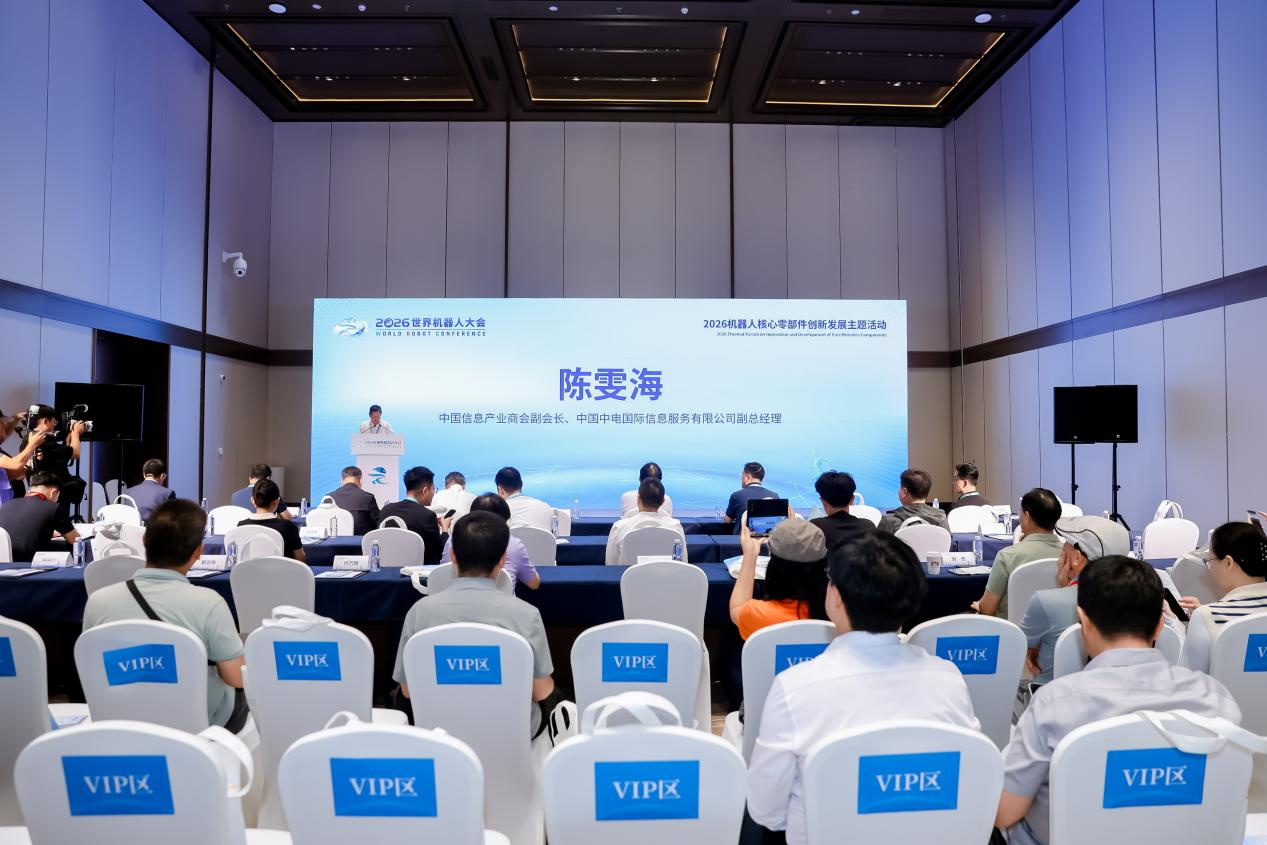
应势启航 破解产业链发展现实命题

当前,全球具身智能与人形机器人产业加速驶入规模化落地的关键窗口期。核心零部件是机器人的“骨骼、神经与心脏”,其技术突破与供应链自主可控,直接决定整机迭代速度与商业化进程,是我国机器人产业突围向上的核心根基。数据显示,2026以来,以减速器、伺服系统、控制器三大核心零部件为例,国产化率已攀升至75%至90%。中国制造正从“规模红利”迈向“技术红利”。

与此同时,行业依旧面临整机与零部件供需错配、技术成果转化不畅、产融对接存在壁垒等现实难题。产业迫切需要打通创新链条、凝聚生态合力。本次主题活动应产业发展之需,以“协同”破局,以“共赢”聚力,搭建零部件企业、整机厂商、科研机构、投资机构深度对话的重要桥梁。
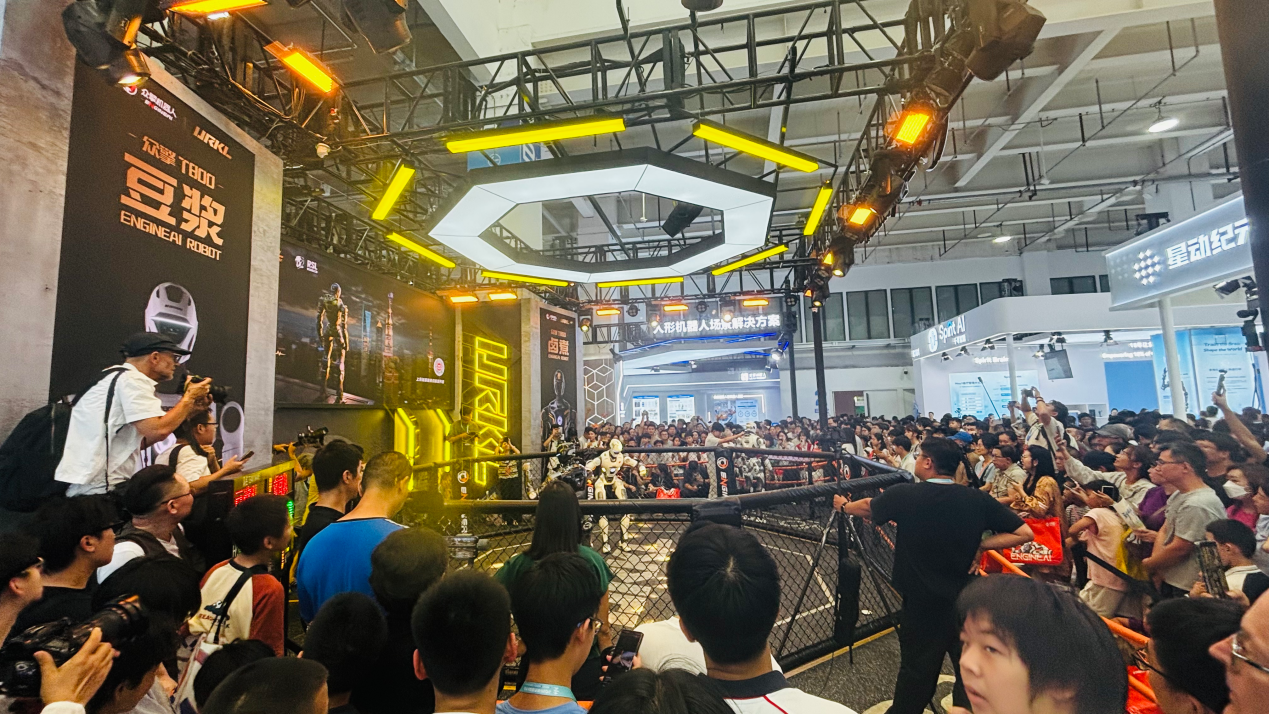
全链聚合 顶尖大脑与产业力量同台共振

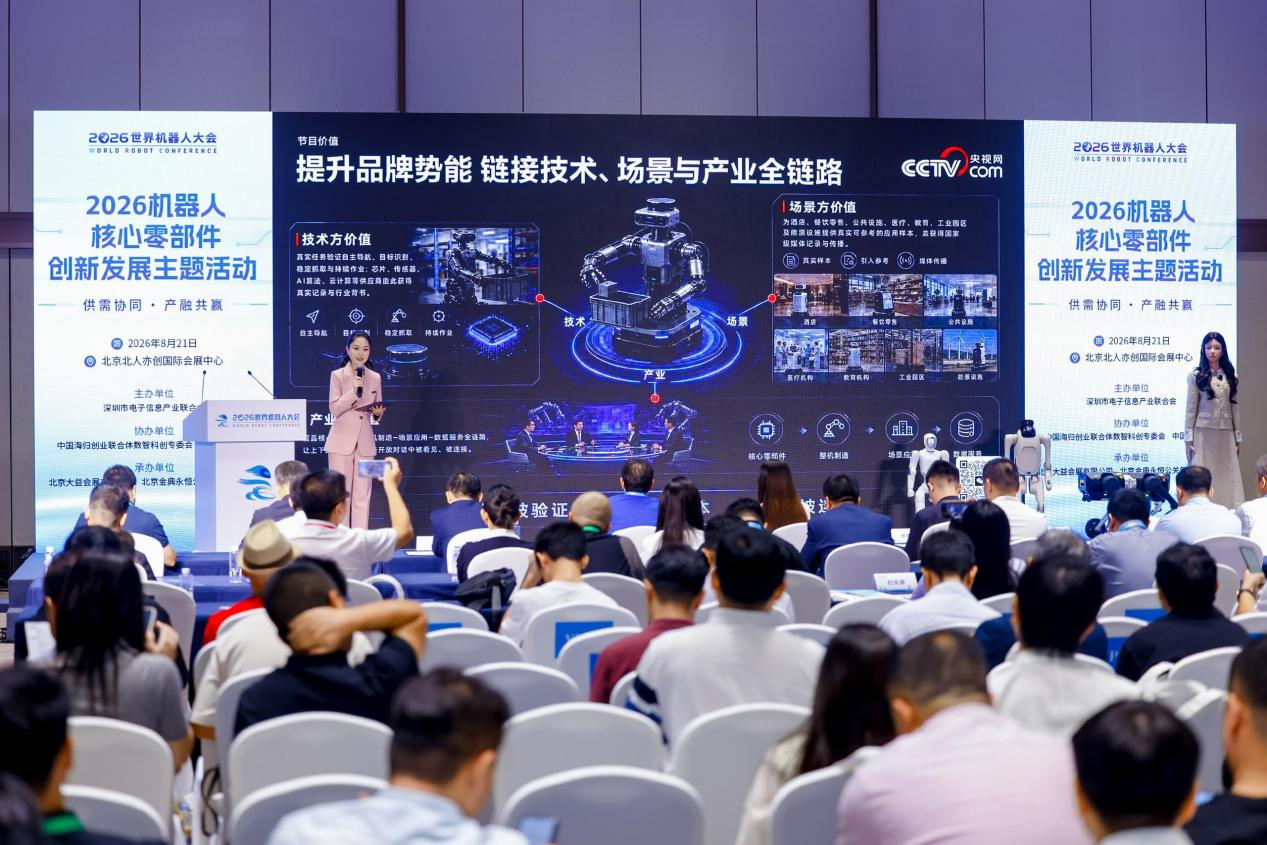
活动现场院士专家、行业领军企业家、资本机构代表齐聚一堂。活动在中国海归创业联合体数智科技创新专业委员会常务副主任兼秘书长赵贵廷的主持下正式启幕。中国信息产业商会副会长、中国中电国际信息服务有限公司副总经理陈雯海,中国电子学会世界机器人博览会负责人崔鹏,深圳市电子信息产业联合会副会长兼秘书长张革先后致辞,从国家战略与产业生态双重维度,阐释了核心零部件自主创新对于构建安全可控机器人产业链的紧迫意义。
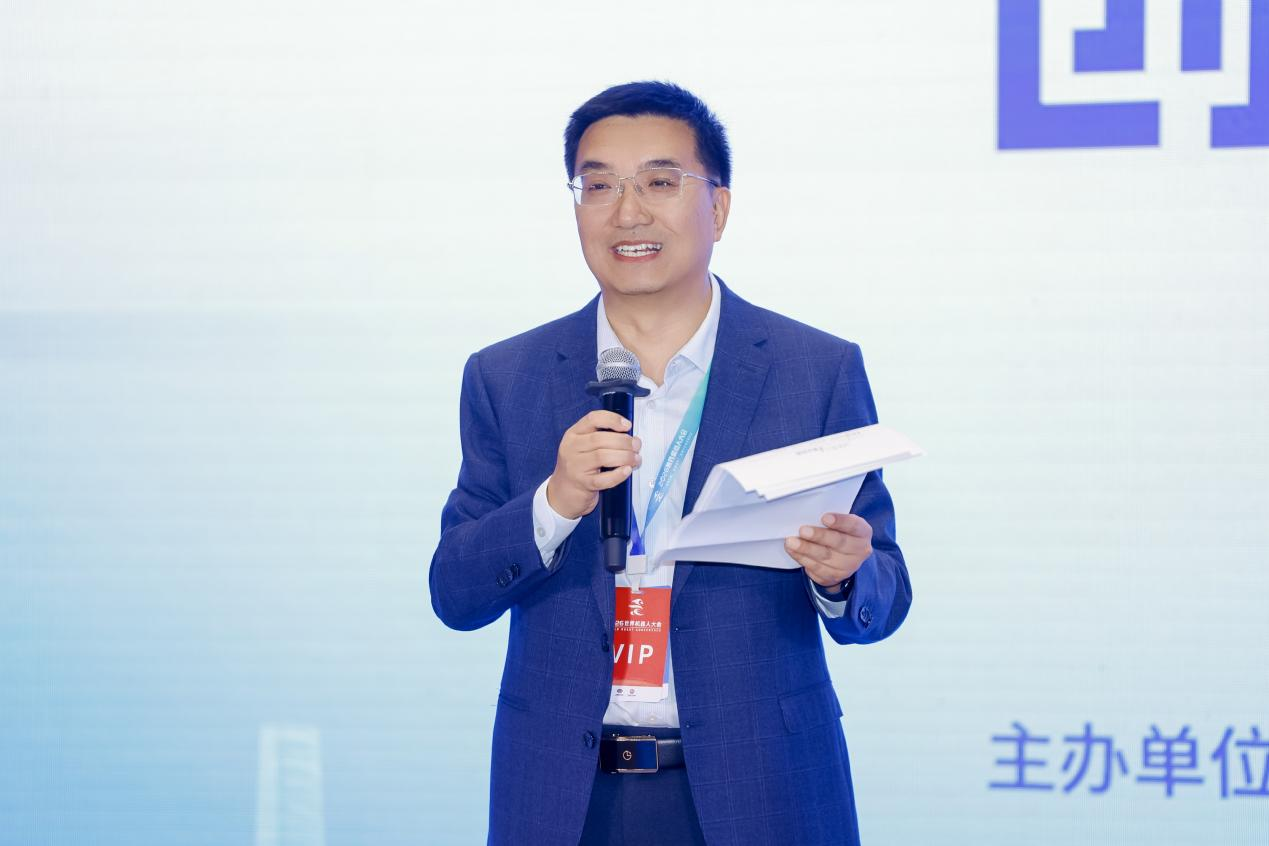
当下,如何将云端大脑与小脑、本体、感知深度融合,是具身智能追求的核心目标。而这一目标的前提,正是底层核心零部件的系统性突破。中国工程院外籍院士张建伟发表了关于核心零部件融合创新的主旨演讲。随后,智平方联合创始人张鹏、希迪智驾CEO胡斯博、美国DWA技术董事长彭跃南、腾飞科技董事长梅先明、时空张量董事长郑道勤等业界领袖轮番登台,从重载具身智能“大脑”到轻量化材料设计,从仿生软体解决方案到7D空间智能视觉,一场关于机器人“骨骼”“肌肉”“神经”与“大脑”的技术盛宴全面展开。
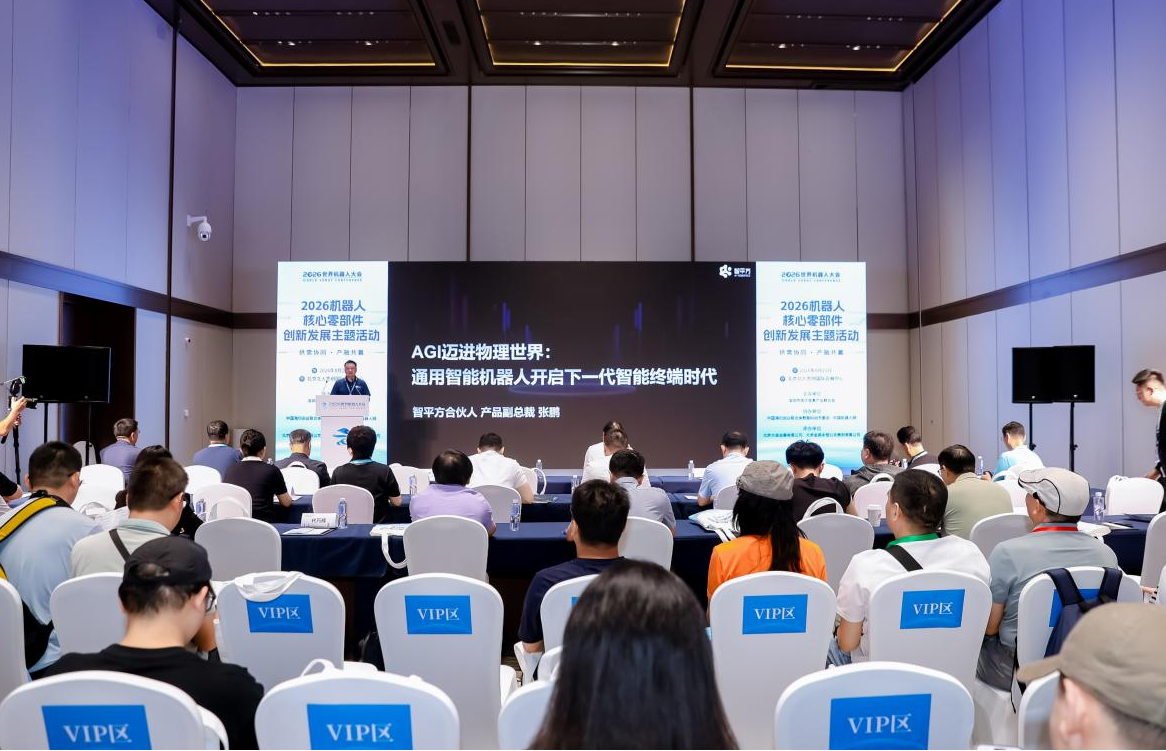
供需对接 让“技术突破”与“商业落地”握手

上午的【新产品·新技术·新场景】发布成为全场焦点。北京航墨发布“构建柔性世界的Physical AI”,稳信智能发布“大小脑融合具身智能系列控制器”,以硬核产品力回应产业对国产核心部件的迫切需求。央视网科技频道项目经理李昊阳现场宣布“机器人请就位”节目正式启动,以主流媒体的传播势能放大产业创新声量。
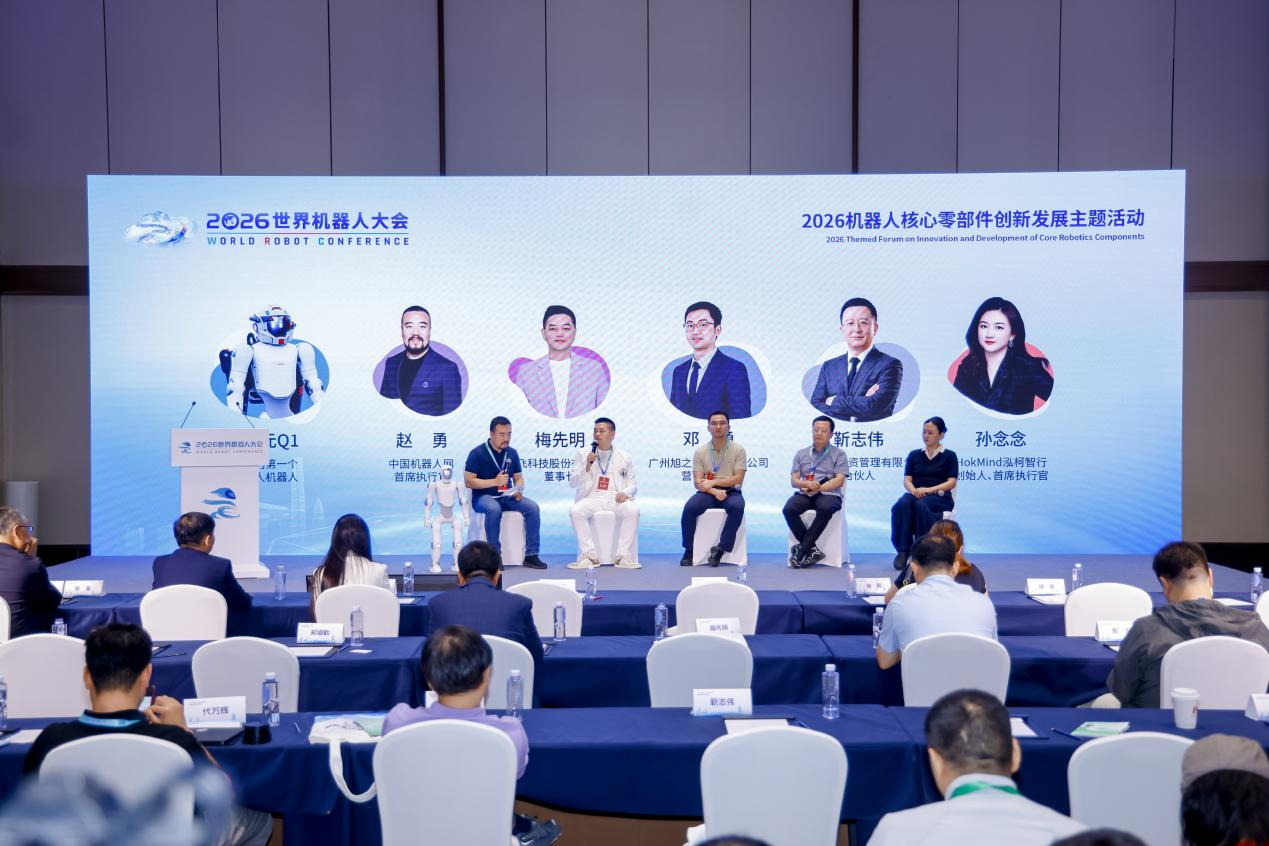
随后的圆桌对话环节,在中国机器人网CEO赵勇的主持下,腾飞科技董事长梅先明、广州旭之源营销副总裁邓勇、北京玄素投资合伙人靳志伟、HokMind泓柯智行CEO孙念念,以及首次亮相行业论坛的个人机器人“启元Q1”,围绕“整机与零部件协同创新国产化落地”展开激烈交锋。当一台身高88厘米的机器人坐在圆桌旁与行业领袖平等对话时,全场为之沸腾。这不仅是一场圆桌,更是“核心零部件赋能整机、整机反哺零部件”产业逻辑的生动隐喻。
产融共赢 资本与技术在变革中握手

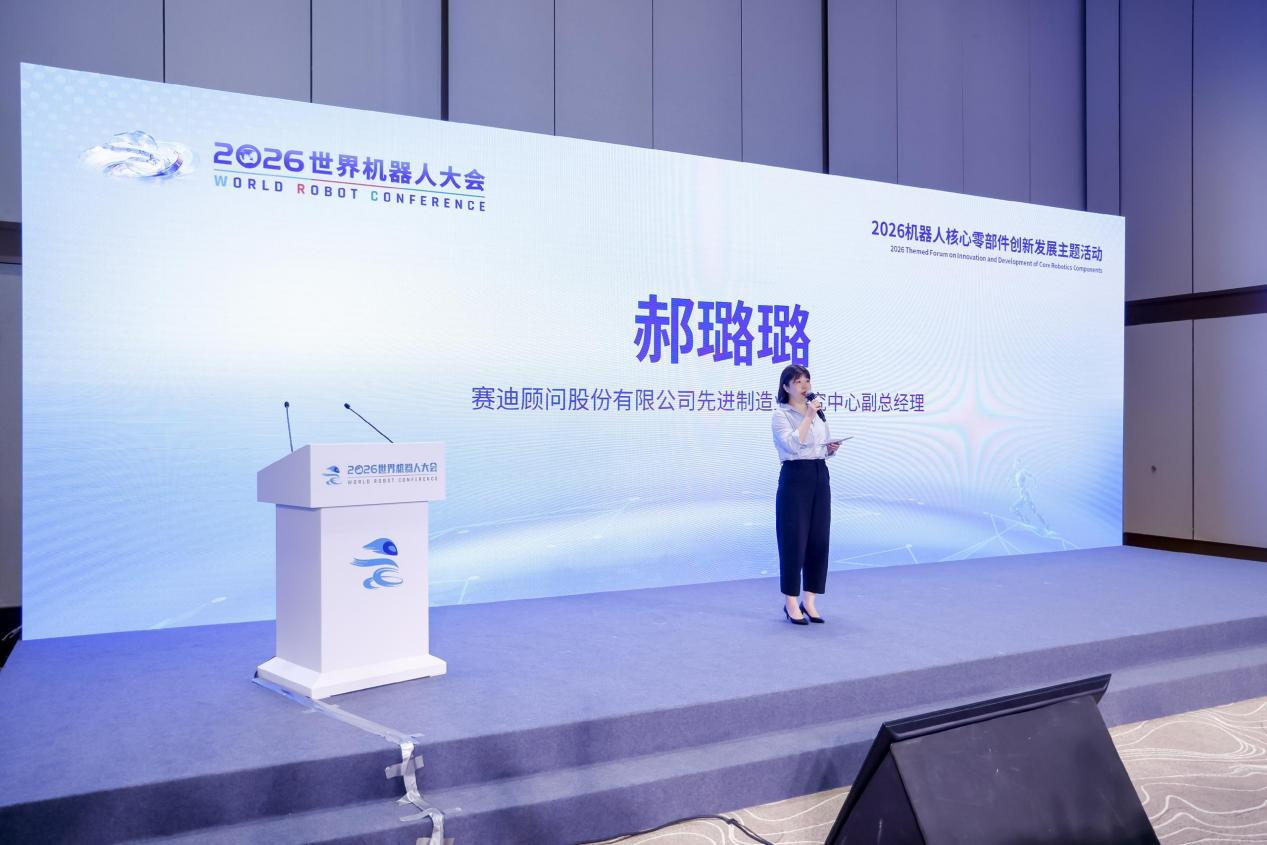
下午由赛迪顾问先进制造业研究中心副总经理郝璐璐接棒主持。老板电器数字产品专家尹燕杰、浪潮海若副总经理赵文慧、安徽中科灵犀营销总监许健生、智芯科微总经理顾渝骢、本末科技总裁刘许洋围绕AI赋能烹饪、工业装备综合训练场、VLA技术落地、高能效芯片提升续航能力、智能动力模组关键技术等前沿议题深度分享。清卓动力现场发布全球首款机器人大功率液电混驱直线驱动单元等重磅新品,标志着中国在机器人核心驱动领域正从“跟跑”走向“领跑”。
下午的圆桌对话以“具身供应链的机遇和风险”为主题,由定焦One创始人兼总编辑贺树龙主持。蓝点触控副总裁张鹏玲、手亿科技CEO许展玮、恺望数据CEO于旭、中科图灵CEO丘宇峰、六鹰资本合伙人邢军等嘉宾,从技术、场景、数据、资本多维度拆解产业链痛点。当“技术派”与“资本派”在同一张圆桌上达成共识,这本身就是产业走向成熟的标志。

宽恒前沿技术研究院院长乔晶、上海具深科技技术负责人李德栋、联合影像战略生态总监胡宇明、洛可可咨询设计CEO李凡聪等行业先锋随后登台,从算力+大模型的场景应用到全身运动执行底座,从机器人视觉基础设施到行业品类创新,一天之内,机器人核心零部件的“全景技术图谱”被完整勾勒。

压轴时刻 具身智能分会正式起航

活动最后,深圳市电子信息产业联合会具身智能专委会筹备成立启动仪式将全场气氛推向最高潮。核心发起单位代表共同登台启动,标志着中国具身智能产业在组织化、生态化发展道路上迈出关键一步。这一时刻的意义远超仪式本身,当分散的创新力量被组织起来,产业的“核聚变”才刚刚开始。

聚力协同 夯实机器人产业新质底座

本次活动具备深刻的产业价值与时代意义。一方面打通“零部件供给—整机应用—资本赋能”完整闭环,弥合上下游信息鸿沟,让创新技术匹配应用场景、市场需求找到解决方案、优质项目链接产业资本,破解科技成果落地“最后一公里”难题。另一方面提振国产核心零部件创新自信,推动行业由单点技术突破迈向全链条协同升级,加速关键零部件自主可控进程,筑牢机器人领域新质生产力发展底座。

身处机器人技术变革的关键节点,本次活动不仅是一场行业交流盛会,更是一份产业协同发展的实践宣言。依托本次活动搭建的开放平台,产业链各主体将持续深化供需对接,强化产融联动,聚力攻坚核心技术难关,加快国产机器人核心零部件规模化商用步伐,携手推动中国机器人产业向着更高质量发展阔步前行。

注:文/龚作仁,文章来源:Laborer,本文为作者独立观点,不代表亿邦动力立场。

【版权提示】亿邦动力倡导尊重与保护知识产权。未经许可,任何人不得复制、转载、或以其他方式使用本网站的内容。如发现本站文章存在版权问题,烦请提供版权疑问、身份证明、版权证明、联系方式等发邮件至run@ebrun.com,我们将及时沟通与处理。

已点赞

+1

{{ praise_text }}

好文章,值得被更多人看到

FAQ回顾

我国机器人三大核心零部件国产化率是多少?

2026年以来,我国机器人减速器、伺服系统、控制器三大核心零部件国产化率已攀升至75%至90%,中国制造正从“规模红利”迈向“技术红利”发展阶段。

机器人核心零部件自主可控有什么重要意义?

核心零部件是机器人的“骨骼、神经与心脏”,其技术突破与供应链自主可控直接决定整机迭代速度与商业化进程,是我国机器人产业突围向上的核心根基,可支撑构建安全可控的产业链。

机器人产业当前面临哪些共性发展难题?

当前机器人行业面临整机与零部件供需错配、技术成果转化不畅、产融对接存在壁垒等现实难题,迫切需要打通创新链条、凝聚产业生态合力,推动上下游协同破局。

2026年我国具身智能产业有什么新进展?

2026年全球具身智能与人形机器人产业已进入规模化落地关键窗口期,深圳市电子信息产业联合会具身智能专委会已启动筹备,将推动分散的创新力量向组织化、生态化方向发展。

广告

下一篇

跨境电商资源对接

《全球跨境电商服务商资源手册》第二期手册现已发布,触达更多资源,了解跨境服务商信息,欢迎点击链接下载。

了解详情

沃尔玛获29亿美元关税退税 上调全年预期但股价仍下挫

沃尔玛2026财年Q2营收、每股收益超预期,获29亿美元关税退税拟用于降价,虽上调全年业绩指引但仍低于市场预期,财报发布当日股价大跌近10%。