• 亿邦公众号
    • APP下载

“假效果”“假证书”都能AI生成?拼多多明确禁止

作者:亿邦动力 文章来源:亿邦动力

2026-08-12 14:59

作者:亿邦动力 文章来源:亿邦动力

2026-08-12 14:59

邦小白快读

EN
全文速览

本次拼多多针对商家AI生成商品图片开展专项合规治理,明确了各类违规情形和处罚措施,能有效净化网购环境,帮助普通消费者避开AI虚假宣传套路,核心干货如下

1.明确列出多类违规行为,涵盖AI生成图和实物不符、虚假夸大材质效果、虚构使用案例证书、生造不规范文字等情况,普通消费者常见的护肤品夸大效果、商家虚构检测报告、假用户对比图等套路都被本次治理禁止。

2.规则要求商家必须按国家相关规定给AI生成内容添加显性及隐性标识,方便消费者识别AI生成内容,避开虚假宣传陷阱。

3.违规商家会面临商品下架、降权、限制店铺权限甚至扣除保证金、限制资金提现等处罚,能够有效倒逼商家规范宣传,提升网购信息的真实性。

拼多多作为国内主流电商平台,本次出台的AI生成图片治理规则,对品牌商在平台的运营宣传给出了明确的合规指引,也反映了平台渠道的最新要求,核心干货如下

1.规则明确划定了品牌营销宣传中使用AI作图的合规边界,禁止AI生成假效果、假证书、假用户对比图、假认证等内容,品牌商开展营销宣传时需要对照合规要求审核所有AI生成物料,避免踩坑受到平台处罚。

2.规则要求品牌按规定给AI生成内容添加合规标识,品牌需要完善内部宣传内容审核流程,及时组织自检自纠,下架已发布的违规内容。

3.本次治理反映出电商平台对真实宣传的要求持续收紧,真实化、合规化是未来品牌营销的主流趋势,同时本次治理也打击了不合规商家的虚假竞争,对正规品牌商来说是利好,能够获得更公平的竞争环境。

本次拼多多发布的AI生成图片治理公告,是平台针对商家AI作图应用出台的明确政策规范,卖家需要准确把握合规要求和风险机会,核心内容如下

1.政策明确划定了具体的违规红线,包括AI生成图和商品实物不符、夸大材质和使用效果、虚构用户案例、权威证书、生造不规范文字、未按要求添加AI生成标识等多类情形,卖家需要对照要求自检自纠全店已发布和待发布的所有商品内容。

2.违规处罚力度清晰,违规商家轻则面临商品下架、降权、移除广告等处罚,重则会被限制上新、限制资金提现、扣除保证金,风险较高,卖家需要及时处理违规内容避免不必要的损失。

3.本次治理仅禁止违规AI内容,合规的AI生成图片仍然可以正常使用,卖家依然可以借助AI提升作图效率,同时本次治理清理了违规商家,给合规卖家留出了更多增长空间,是良性竞争的新机会。

拼多多本次出台AI生成图片治理规则,对给平台供货的生产工厂来说,有多方面的启示和商业机会,核心干货如下

1.规则要求商家宣传的AI图片必须和商品实物一致,这要求工厂在产品生产和设计阶段,就要保证产品的参数、材质、设计细节准确,给合作商家提供的产品信息必须真实,不能默许商家做虚假AI宣传,避免因为宣传违规导致产品下架滞销,给工厂带来损失。

2.当前AI已经广泛应用到电商宣传和产品设计环节,工厂推进数字化和电商化转型时,可以合理利用AI提升设计和宣传效率,但要遵守合规要求,保证AI生成内容真实准确。

3.本次治理打击了虚假宣传的乱象,正规工厂生产的高品质合规产品,更容易获得平台和消费者的认可,工厂可以抓住本次机会,拓展和平台合规卖家的合作,打造自身的产品口碑,扩大出货量,获得更多商业机会。

本次拼多多的AI生成图片治理规则,对为电商行业提供AI设计、营销物料制作等服务的服务商来说,明确了行业发展方向,核心干货如下

1.行业发展趋势方面,随着生成式AI在电商领域的普及,平台对AI生成内容的合规要求越来越清晰严格,未来合规化是AI电商服务的核心发展方向,提供虚假AI内容制作的服务商最终会被市场淘汰。

2.当前服务商的客户也就是电商商家,核心痛点是不清楚AI作图的合规边界,很容易不小心踩平台红线遭受处罚,服务商需要针对这个痛点优化自身的服务内容。

3.服务商可以抓住本次合规需求的机会,调整自身服务标准,推出符合平台规范的AI作图服务,新增AI内容合规审核、按要求添加AI标识等配套服务,既满足商家的合规需求,也能开拓新的营收增长点,同时要拒绝制作虚假AI内容的需求,符合行业发展要求。

拼多多本次针对商家AI生成图片的专项治理行动,给各类电商平台的运营管理和合规建设提供了可参考的经验,核心干货如下

1.当前生成式AI已经普及到商家宣传的各个环节,随之而来的虚假宣传、侵害消费者权益、违反监管规定等问题愈发突出,平台需要及时响应这些新问题,出台明确的规范进行治理,满足商家对公平经营环境、消费者对真实购物信息的需求。

2.拼多多本次治理的做法体系清晰,明确划定违规范围、提出符合国家规定的标识要求、给出具体梯度化的处罚措施,还要求商家自检自纠,这套完整的治理流程对其他平台开展同类治理有很高的参考价值。

3.平台开展这类治理,既符合国家相关法律法规和国家标准的要求,能够规避自身的合规风险,也能净化平台生态,提升消费者对平台的信任,其他平台可以参考该做法,及时完善相关规则建设,规避行业新风向带来的运营风险。

本次拼多多出台AI生成图片治理规则,是电商领域应对生成式AI应用带来新问题的重要实践,对产业研究、政策研究都有较高的参考价值,核心干货如下

1.产业新动向方面,生成式AI已经深度融入电商运营的宣传环节,随之而来的虚假宣传问题已经引发平台层面的系统性治理,合规化应用是AI在电商领域发展的明确新方向,AI技术的应用不能脱离监管和合规要求。

2.本次实践是平台落实国家《生成式人工智能服务管理暂行办法》等相关规定、以及AI生成内容标识国家标准的具体落地案例,为研究者研究政策落地效果、总结落地经验提供了真实的行业样本。

3.本次治理也反映出生成式AI普及带来的新问题,也就是技术滥用导致的消费者权益受损、市场秩序混乱问题,为研究者研究产业监管模式创新、商业模式优化提供了新的研究议题,平台的治理实践也为后续相关研究提供了一手参考资料。

声明:快读内容全程由AI生成,请注意甄别信息。如您发现问题,请发送邮件至 run@ebrun.com 。

我是 品牌商 卖家 工厂 服务商 平台商 研究者 帮我再读一遍。

Quick Summary

Pinduoduo has launched a special compliance campaign targeting AI-generated product images from sellers, clarifying various violation types and corresponding penalties. The campaign will effectively clean up the online shopping environment and help ordinary consumers avoid AI-driven false marketing traps. Key takeaways are as follows:

1. The rule explicitly lists multiple types of violations, including mismatches between AI-generated images and physical products, exaggerated material and performance claims, fabricated user testimonials and certificates, and created non-standard text. Common deceptive tactics consumers face, such as overstated skincare product effects, falsified test reports, and fake user comparison images, are all prohibited under this campaign.

2. The rule requires sellers to add both explicit and implicit watermarks to AI-generated content in accordance with national regulations, making it easier for consumers to identify AI content and avoid false advertising traps.

3. Violating sellers face penalties ranging from product delisting, ranking demotion, and store permission restrictions to deposit deductions and frozen fund withdrawals. These measures will effectively force sellers to standardize their marketing practices and improve the authenticity of information in online shopping.

As a major domestic e-commerce platform, Pinduoduo's new regulations on governing AI-generated images provide clear compliance guidelines for brands' operations and marketing on the platform, and reflect the latest requirements for platform distribution channels. Key takeaways are as follows:

1. The rule clearly defines compliance boundaries for using AI-generated images in brand marketing, prohibiting fake effects, fake certificates, fake user comparison images, and fake certifications created by AI. Brands need to review all AI-generated marketing materials against the compliance requirements to avoid penalties for violations.

2. The rule requires brands to add compliant labels to AI-generated content as regulated. Brands need to improve their internal marketing content review processes, organize timely self-inspections and corrections, and delist non-compliant content that has already been published.

3. This campaign reflects that e-commerce platforms are continuously tightening requirements for authentic marketing. Authenticity and compliance have become the mainstream trend for future brand marketing. It also cracks down on unfair competition from non-compliant sellers, which benefits legitimate brands by creating a fairer competitive environment.

Pinduoduo's newly released announcement on governing AI-generated images is a clear policy specification for sellers' use of AI image generation on the platform. Sellers need to accurately grasp compliance requirements, as well as associated risks and opportunities. Key content is as follows:

1. The policy clearly outlines specific violation red lines, including mismatches between AI-generated images and physical products, exaggerated material and performance claims, fabricated user testimonials and authoritative certificates, created non-standard text, and failure to add required AI generation labels. Sellers need to conduct self-inspections and corrections for all published and unpublished product content across their stores against these requirements.

2. Penalties for violations are clearly defined. Minor violations lead to product delisting, ranking demotion, and ad removal, while serious violations result in restrictions on new product listings, frozen fund withdrawals, and deposit deductions. With considerable risks involved, sellers need to address non-compliant content promptly to avoid unnecessary losses.

3. This campaign only prohibits non-compliant AI content; compliant AI-generated images can still be used normally. Sellers can continue to leverage AI to improve image creation efficiency. Meanwhile, the campaign clears out non-compliant sellers, creating more room for growth for compliant sellers, and represents a new opportunity for healthy competition.

Pinduoduo's new regulations on governing AI-generated images bring multiple insights and business opportunities for manufacturing factories that supply goods to the platform. Key takeaways are as follows:

1. The rule requires that AI-generated product images match the actual physical product, which means factories must ensure accurate product parameters, materials and design details from the product development and production stage, provide true product information to cooperating sellers, and do not acquiesce to false AI marketing. This helps factories avoid losses from product delisting and poor sales caused by non-compliant marketing.

2. With AI already widely used in e-commerce marketing and product design, factories can reasonably leverage AI to improve design and marketing efficiency while advancing digital and e-commerce transformation, but must comply with regulatory requirements to ensure AI-generated content is true and accurate.

3. This campaign cracks down on false advertising, so high-quality compliant products produced by legitimate factories are more likely to gain recognition from both the platform and consumers. Factories can seize this opportunity to expand cooperation with compliant sellers on the platform, build product reputation, increase shipment volume, and unlock more business opportunities.

Pinduoduo's regulations on governing AI-generated images clarify the future development direction for service providers that offer AI design and marketing material production services to the e-commerce industry. Key takeaways are as follows:

1. In terms of industry trends, as generative AI becomes more widespread in e-commerce, platforms have adopted increasingly clear and strict compliance requirements for AI-generated content. Compliance will be the core development direction for AI-powered e-commerce services going forward, and service providers that create false AI content will eventually be phased out by the market.

2. Currently, the core pain point for e-commerce seller clients is that they do not understand the compliance boundaries for AI-generated images, making it easy for them to accidentally violate platform rules and face penalties. Service providers need to optimize their service offerings to address this pain point.

3. Service providers can seize the opportunity created by growing compliance demand, adjust their service standards, launch AI image creation services that meet platform requirements, and add supporting services such as AI content compliance review and required AI labeling. This not only meets sellers' compliance needs but also opens up new revenue streams. Service providers should also reject requests to create false AI content to align with industry development requirements.

Pinduoduo's special governance campaign targeting sellers' AI-generated product images provides reference experience for operation management and compliance building for all types of e-commerce platforms. Key takeaways are as follows:

1. Now that generative AI has permeated every link of seller marketing, accompanying problems such as false advertising, infringement on consumer rights, and violations of regulatory requirements have become increasingly prominent. Platforms need to respond to these new issues promptly and introduce clear regulatory rules to meet sellers' demand for a fair operating environment and consumers' demand for authentic shopping information.

2. Pinduoduo's governance framework is well-structured: it clearly defines the scope of violations, sets labeling requirements aligned with national regulations, outlines tiered penalty measures, and requires sellers to conduct self-inspections and corrections. This complete governance framework offers high reference value for other platforms launching similar governance initiatives.

3. Conducting this type of governance aligns with national laws, regulations and national standards, helps platforms avoid their own compliance risks, cleans up platform ecosystems, and improves consumer trust in the platform. Other platforms can reference this approach to improve relevant rulemaking promptly and mitigate operational risks brought by new industry trends.

Pinduoduo's release of regulations governing AI-generated images is an important industry practice for the e-commerce sector to address new challenges brought by generative AI applications, and it offers high reference value for both industrial and policy research. Key takeaways are as follows:

1. In terms of new industry trends, generative AI has become deeply integrated into the marketing link of e-commerce operations, and the accompanying problem of false advertising has triggered systematic governance at the platform level. Compliant application is a clear new direction for AI development in e-commerce, and the application of AI technology cannot operate outside of regulation and compliance requirements.

2. This initiative is a concrete implementation case of platforms putting national regulations such as the Interim Measures for the Administration of Generative Artificial Intelligence Services and national standards for AI-generated content labeling into practice. It provides a real-world industry sample for researchers to study policy implementation effects and summarize practical experience.

3. This governance also reflects new problems brought by the popularization of generative AI: the abuse of technology has led to harm to consumer rights and disrupted market order. This creates new research topics for researchers studying industrial regulatory model innovation and business model optimization, and the platform's governance practice also provides first-hand reference materials for follow-up related research.

Disclaimer: The "Quick Summary" content is entirely generated by AI. Please exercise discretion when interpreting the information. For issues or corrections, please email run@ebrun.com .

I am a Brand Seller Factory Service Provider Marketplace Seller Researcher Read it again.

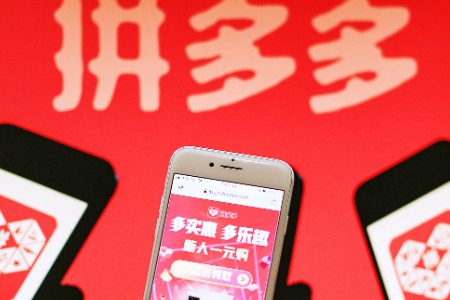
【亿邦原创】日前,拼多多发布《关于进一步规范商家AI生成图片合规应用的公告》,宣布针对商家AI生成图片应用开展专项治理。

据悉,平台将重点规范AI生成商品图片与实物不符、AI生成商品虚假使用案例/效果、AI生成不规范文字以及未按要求添加AI生成内容标识等行为。

公告显示,商家使用AI生成商品图片时,不得出现与商品实物款式、版型、设计细节不一致的情况。例如,服装的袖长、领型、图案位置等与实际商品不符,将被视为违规。

在商品材质方面,平台也明确禁止通过AI技术虚假或夸大呈现商品材质,包括将普通材质渲染成高端材质,或对金属质感、织物纹理、皮革光泽、塑料观感等进行与实物不符的处理。

此外,AI生成图片不得违背物理、生物等客观规律,也不得夸大商品实际使用效果。例如护肤品展示“一键磨皮”式效果、清洁用品展示“瞬间无痕”效果,或食品图片通过AI生成过度诱人的色泽等,均被列入违规情形。

对于商品图片中的背景和搭配元素,平台同样提出要求。商家不得使用现实中不存在的场景、动植物作为商品背景或搭配物,避免消费者对商品实际使用环境产生误解。同时,人物身体、面部比例严重扭曲、畸形,或包含恐怖、惊悚元素、容易引发不适的AI图片,也属于平台治理范围。

除了商品展示本身,拼多多此次还重点治理利用AI虚构商品使用案例和宣传素材的行为。

公告明确,商家不得使用AI生成“用户使用前后对比图”“效果见证图”“实验数据图”等不存在的案例或效果,也不得虚构权威机构认证、获奖证书、检测报告等内容。AI合成的用户好评、明星代言、专家推荐等内容同样被禁止用于商品推荐。

在图片文字方面,平台要求商家避免利用AI生造、拼凑或变形不规范汉字,包括商品标签、说明书、包装图案中的错误字形;对于“古风”“艺术感”等场景,也不得使用无法识读或容易产生误解的伪文字符号。此外,AI生成的不符合相应规范的外文、符号、数字以及无意义字符组合,也被纳入治理范围。

对于AI生成内容的标识,拼多多要求商家依据《互联网信息服务深度合成管理规定》《生成式人工智能服务管理暂行办法》《人工智能生成合成内容标识办法》等相关规定,以及《网络安全技术 人工智能生成合成内容标识方法》(GB 45438-2025)等国家标准,对通过生成式人工智能技术生成或深度合成的内容添加显性及隐性标识。

同时,商家需要确保AI生成图片展示的商品信息与实际商品相符,不得通过AI图片夸大或虚假宣传商品的性状、成分、功效等信息。

对于违规商家,平台将依据相关规则进行处置:包括商品下架、禁售、删除、屏蔽、降权、移除资源位、禁止上资源位、移除广告等;情节涉及店铺经营的,还可能采取禁止上新、禁止上架、限制店铺功能或权限、限制资金提现及退店、提高保证金标准、扣除保证金等措施。

拼多多要求商家立即开展自检自纠,全面排查店铺内已经发布及待发布的商品和内容,并下架、删除违规商品及内容。

亿邦持续追踪报道该情报,如想了解更多与本文相关信息,请扫码关注作者微信。

【版权提示】亿邦动力倡导尊重与保护知识产权。未经许可,任何人不得复制、转载、或以其他方式使用本网站的内容。如发现本站文章存在版权问题,烦请提供版权疑问、身份证明、版权证明、联系方式等发邮件至run@ebrun.com,我们将及时沟通与处理。

已点赞

+1

{{ praise_text }}

好文章,值得被更多人看到

FAQ回顾

拼多多对商家使用AI生成商品图片有哪些要求?

商家使用AI生成商品图片需确保与商品实物款式、材质等信息一致,不得虚构使用效果、用户案例、证书报告、好评代言等内容,不得生成不规范文字,需按相关规定添加AI生成内容标识,违规将面临相应处置。

商家使用AI生成虚假商品宣传内容会受到什么处罚?

违规商家会被平台处以商品下架、禁售、删除、屏蔽、降权、移除资源位、禁止上资源位、移除广告等处置;情节严重涉及店铺经营的,还可能被采取禁止上新、限制店铺功能、限制资金提现、扣除保证金等措施。

哪些AI生成商品图片情形属于拼多多平台违规?

包括图片与商品实物款式、材质细节不符,夸大使用效果,使用现实不存在的背景搭配,生成易引发不适的扭曲内容,虚构使用案例、认证证书、好评代言,生成不规范文字,未按要求添加AI生成标识等情形都属于违规。

广告

下一篇

征集报名《品牌数字化服务商资源手册》

《品牌数字化服务商资源手册》展示数字化服务商风采,亿邦全年零售大会通发,触达更多资源,马上加入!

马上入驻

申合信:以申小智AI 智融体,打造全链路可信工业采购服务商

申合信入选《2026数智化采购发展报告》年度解决方案与技术服务提供商,凭借四大差异化优势,为国内政企提供全品类供给、可信安全与智能管控,为海外机构提供标准化跨境采购服务。