• 亿邦公众号
    • APP下载

7000多个SKU管理难题 厨房家居头部电商品牌用WPS Comate提升经营效率

作者:龚作仁 文章来源:Laborer

2026-08-11 12:53

作者:龚作仁 文章来源:Laborer

2026-08-11 12:53

邦小白快读

EN
全文速览

本文核心是分享厨房家居头部电商树可家居解决多SKU管理难题、提升经营效率的实操经验,核心干货如下

1. 树可家居此前的痛点:管理7000多个SKU,业务覆盖十多个电商平台,数据分散在不同表格,库存周转周期长达90天,月度进销存分析要花两天,补货决策要半天,人力成本高、资金占用多。

2. 改造方法:引入WPS Comate打通分散数据,搭建三类经营数据看板,再将自身业务经验训练成AI专家模型,优化采购、客服、售后、产品开发等全流程。

3. 改造效果:库存周转周期缩短到45天,进销比达到1:1的良性状态,大量重复工作交给AI,人力得到释放投入更多经营项目,这种轻量化AI提效方案适合很多中小电商参考。

本文给自主设计的线上家居品牌,以及多平台运营的电商品牌提供了应对内容电商挑战、提升经营效率的参考,核心干货如下

1. 行业趋势变化:当前电商已经从可预测的货架电商转向内容电商,销量波动明显加剧,库存预测和补货难度大幅提升,后端支撑能力已经成为决定前端业务天花板的核心因素,品牌需要重点投入后端管理能力建设,避免缺货损失和库存积压占用资金。

2. 多场景提效路径:可以用AI统一多平台不同格式的销售库存数据,搭建进销存、SKU全生命周期、全平台销售三类看板,还可以把采购、客服等岗位的经验训练成AI模型,自动生成补货建议、合同,自动汇总数据,提升全流程效率。

3. 产品研发端优化:可以利用AI调用已有企业知识和市场数据,辅助生成新品开发方案、营销策略和渠道建议,提升研发和内容生产效率。

本文给多SKU多平台运营的电商卖家提供了降本提效、抓住增长机会的可落地方案,核心干货如下

1. 当前行业痛点:内容电商时代,销量波动大,很多卖家存在数据分散、库存周转慢、决策效率低的问题,要么缺货损失销量,要么库存积压占用现金流,严重限制业务增长,亟需轻量化的解决方案。

2. 可学习的实操方法:借助AI工具的语义治理能力统一多平台不同格式的业务数据,搭建三类经营看板,而且这套方案可以直接部署在AI服务商的服务器,不需要卖家额外建设应用服务器,大幅降低开发运维成本。

3. 效果与机会:改造后库存周转周期可以从90天压缩至45天,实现进销比1:1的良性循环,解放出来的人力可以投入到产品开发、流量运营等增长类项目,这种轻量AI改造模式门槛低,适合大多数中小卖家升级。

本文给服务电商品牌的生产工厂,尤其是做定制化产品的工厂提供了数字化转型和业务调整的参考,核心干货如下

1. 市场需求变化:当前内容电商时代,品牌方的销量波动变大,加上定制产品本身生产周期长,品牌对库存周转的要求越来越高,原来的大批次补货模式已经不适用,工厂需要适配品牌方小批量、多频次的持续补货需求,调整自身生产排期,才能更好的绑定头部品牌客户,获得更多商业机会。

2. 数字化转型启示:工厂很多业务数据也分散在不同部门不同表格,人工汇总分析效率低,可以参考这种轻量化AI模式,打通生产、订单、库存数据,用AI辅助生产排单和订单响应,减少人工重复劳动,提升响应效率。

3. 产品设计优化:工厂可以借助AI汇总售后和用户反馈数据,快速挖掘产品改进需求,辅助产品设计调整,更好匹配市场需求。

本文给面向电商商家的数字化服务商提供了行业痛点、市场需求和解决方案方向的参考,核心干货如下

1. 当前客户核心痛点:大量多SKU多平台运营的电商商家,已经在用基础工具管理业务数据,但数据分散在不同平台不同表格,格式不统一,人工汇总分析成本高,多数商家没有能力投入高额成本定制开发系统,也没有能力自建服务器运维,亟需低成本、轻量化的AI赋能方案。

2. 可行的解决方案方向:做轻量化的AI赋能服务,不需要客户额外搭建服务器,基于客户已有数据就能完成打通,支持客户把自身的业务经验训练成专属AI模型,适配采购、客服、售后、产品开发等不同业务场景,落地门槛低,容易推广。

3. 行业发展趋势:内容电商转型后,商家的竞争重心从前端流量转向后端效率,对能降低库存周转、改善现金流的提效工具需求强烈,市场空间较大,值得服务商布局。

本文给做商家服务的平台商提供了商家需求、服务升级方向的参考,核心干货如下

1. 商家核心需求:内容电商转型后,多平台运营的品牌商家普遍面临数据分散、库存管理难、决策效率低的痛点,现有工具无法满足多源数据联动AI分析的需求,商家希望获得低门槛、低成本的数字化赋能服务,不需要太高的技术投入就能落地提效。

2. 平台服务升级参考:平台可以推出轻量化的AI赋能工具,支持商家基于自身已有数据,搭建不同业务场景的经营看板和工具链,允许商家把自身业务经验训练成专属AI模型,适配自身业务需求,同时平台承担服务器运维,降低商家使用门槛。

3. 招商运营方向:可以把这类AI提效工具作为核心服务卖点,针对多SKU、多平台运营的品牌电商商家重点招商,抓住商家降本提效、优化库存的核心需求,提升平台对商家的吸引力,同时也可以规避商家因为库存压力过大退出经营的风险。

本文给研究电商产业数字化、AI赋能中小企业的研究者提供了典型案例和新的研究方向,核心干货如下

1. 产业新动向:当前电商产业的竞争已经发生变化,内容电商时代,商家的竞争重心从前端流量运营转向后端内部运营和供应链效率提升,轻量化低门槛的AI赋能成为新的发展方向,区别于传统高成本的定制化数字化系统,这种模式更适合中小微企业落地。

2. 新商业模式观察:形成了依托办公工具的AI赋能SaaS新商业模式,基于企业已有的数据资产,通过AI语义治理实现多源数据联动,允许业务人员自定义搭建业务流程、训练专属AI模型,按需赋能不同场景,成本更低落地更快,有很大的推广空间。

3. 研究参考价值:本文给出了明确的效果数据,库存周转从90天缩短至45天,进销比达到1:1,验证了这种模式的有效性,也为人机协同在中小微企业落地的研究提供了真实案例,值得进一步研究其复制性和演化方向。

声明:快读内容全程由AI生成,请注意甄别信息。如您发现问题,请发送邮件至 run@ebrun.com 。

我是 品牌商 卖家 工厂 服务商 平台商 研究者 帮我再读一遍。

Quick Summary

This article shares practical insights from Shuke Home, a leading kitchen and home goods e-commerce brand, on how it solved its multi-SKU management challenges and boosted operational efficiency. Key takeaways are as follows:

1. Shuke Home's prior pain points: With over 7,000 SKUs distributed across more than 10 e-commerce platforms, all data was siloed in separate spreadsheets. This resulted in a 90-day inventory turnover cycle, two full days of work per month for purchase-sales-inventory (PSI) analysis, half a day for restocking decision-making, high labor costs and excessive capital tied up in inventory.

2. Transformation approach: The company adopted WPS Comate to unify its dispersed data, built three types of operational dashboards, and trained an AI expert model on its in-house business experience to optimize end-to-end workflows including procurement, customer service, after-sales support and product development.

3. Transformation results: Inventory turnover was cut in half to 45 days, and the company achieved a healthy 1:1 purchase-to-sales ratio. AI automated a large volume of repetitive work, freeing up staff to focus on higher-value growth initiatives. This lightweight AI efficiency improvement solution is a valuable reference for many small and medium-sized e-commerce businesses.

This article offers a practical reference for independently designed online home goods brands and multi-platform e-commerce brands looking to navigate content e-commerce challenges and improve operational efficiency. Key takeaways are as follows:

1. Shifting industry trends: E-commerce has evolved from predictable shelf-based retail to content-driven retail, leading to far greater sales volatility and much more complex inventory forecasting and restocking. Back-end operational capabilities have become the core factor limiting front-end business growth. Brands must prioritize investments in back-end management to avoid lost sales from stockouts and capital tied up in excess inventory.

2. Efficiency improvement across use cases: Brands can use AI to unify sales and inventory data of varying formats across multiple platforms, build three core dashboards for PSI management, full SKU lifecycle tracking, and cross-platform sales performance. They can also train AI models on the experience of procurement, customer service and other teams to automatically generate restocking recommendations and contracts, and aggregate data to improve end-to-end efficiency.

3. Product R&D optimization: AI can tap into existing internal enterprise knowledge and market data to help generate new product development plans, marketing strategies and channel recommendations, boosting the efficiency of R&D and content creation.

This article provides a actionable solution for e-commerce sellers operating multiple SKUs across multiple platforms to cut costs, boost efficiency and capture growth opportunities. Key takeaways are as follows:

1. Common industry pain points: In the content e-commerce era, high sales volatility leaves many sellers dealing with siloed data, slow inventory turnover and slow decision-making. This often leads to either lost sales from stockouts or cash flow tied up in excess inventory, severely constraining growth, creating urgent demand for lightweight solutions.

2. Learnable practical approach: Sellers can leverage AI's semantic governance capabilities to unify business data of varying formats across multiple platforms, and build three core operational dashboards. This solution can be deployed directly on the AI service provider's servers, eliminating the need for sellers to build and maintain their own application infrastructure, significantly cutting development and operations costs.

3. Outcomes and opportunities: After transformation, inventory turnover can be cut from 90 days to 45 days, delivering a healthy 1:1 purchase-to-sales cycle. Freed-up human resources can be redirected to growth-focused work such as product development and traffic operation. This lightweight AI transformation model has a low barrier to entry, making it suitable for upgrading operations for most small and medium-sized sellers.

This article offers insights for digital transformation and business adjustment for manufacturing factories that serve e-commerce brands, especially those producing customized products. Key takeaways are as follows:

1. Shifting market demand: In the content e-commerce era, brand clients face growing sales volatility, and combined with the long production cycles of customized goods, brands have increasingly high requirements for fast inventory turnover. The traditional large-batch restocking model is no longer viable. To secure long-term partnerships with leading brand clients and capture more business opportunities, factories must adjust their production scheduling to accommodate brands' demand for small-batch, high-frequency continuous restocking.

2. Insights for digital transformation: Most factories also have business data siloed across different departments and spreadsheets, leading to low efficiency from manual data aggregation and analysis. Factories can adopt this lightweight AI model to connect production, order and inventory data, use AI to assist production scheduling and order response, cut repetitive manual work and improve response speed.

3. Product design optimization: Factories can use AI to aggregate after-sales and user feedback data, quickly identify product improvement needs, and inform product design adjustments to better match market demand.

This article provides reference on industry pain points, market demand and solution directions for digital service providers serving e-commerce merchants. Key takeaways are as follows:

1. Core customer pain points: A large number of e-commerce merchants operating multiple SKUs across multiple platforms already use basic tools to manage business data, but data remains siloed across different platforms and spreadsheets in inconsistent formats, leading to high costs for manual aggregation and analysis. Most merchants cannot afford the high cost of custom-built systems or in-house server operation and maintenance, creating urgent demand for low-cost, lightweight AI-enabled solutions.

2. Viable solution direction: Service providers can build lightweight AI-enabled services that do not require customers to build and maintain their own servers. These services can connect customers' existing data, and allow customers to train custom AI models based on their own business experience to adapt to different use cases including procurement, customer service, after-sales support and product development. This model has a low barrier to deployment and is easy to scale.

3. Industry development trends: After the shift to content e-commerce, merchant competition has moved from front-end traffic acquisition to back-end operational efficiency. There is strong market demand for efficiency tools that reduce inventory turnover and improve cash flow, creating large market opportunities that are worth service providers investing in.

This article offers reference on merchant demand and service upgrade directions for marketplace operators that provide merchant services. Key takeaways are as follows:

1. Core merchant demand: After the transition to content e-commerce, multi-platform brand merchants universally face pain points of siloed data, difficult inventory management and slow decision-making. Existing tools cannot meet demand for multi-source data linkage and AI-powered analysis. Merchants want low-barrier, low-cost digital enablement services that can deliver efficiency gains without heavy technical investment.

2. Reference for platform service upgrades: Platforms can launch lightweight AI-enabled tools that allow merchants to build operational dashboards and toolchains for different business scenarios based on their existing data, and train custom AI models based on their own business experience to fit their unique operational needs. The platform can host and maintain servers to lower the barrier to entry for merchants.

3. Guidance for merchant acquisition and operations: Platforms can position these AI efficiency tools as a core service offering, and prioritize acquiring multi-SKU, multi-platform brand merchants that have the most urgent need to cut costs, boost efficiency and optimize inventory management. This will improve the platform's attractiveness to merchants, and also reduce the risk of merchants exiting operations due to excessive inventory pressure.

This article provides a typical case study and new research direction for scholars studying digital transformation of the e-commerce industry and AI enablement for small and medium-sized enterprises (SMEs). Key takeaways are as follows:

1. New industry trends: Competition in the e-commerce industry has shifted. In the content e-commerce era, merchant competition has moved from front-end traffic operations to back-end internal operations and supply chain efficiency. Lightweight, low-barrier AI enablement has emerged as a new development direction. Unlike traditional high-cost custom digital systems, this model is much more accessible for micro, small and medium-sized enterprises to implement.

2. Observation of a new business model: A new AI-enabled SaaS business model built on top of existing office tools has emerged. Leveraging AI semantic governance to connect multi-source data based on a company's existing data assets, this model allows business teams to build custom workflows and train proprietary AI models to deliver on-demand enablement for different scenarios. It delivers lower costs and faster deployment, with large room for widespread adoption.

3. Research value: This article provides clear outcome data: inventory turnover was reduced from 90 days to 45 days, achieving a healthy 1:1 purchase-to-sales ratio. This verifies the effectiveness of the model, and provides a real-world case for research on human-AI collaboration in micro, small and medium-sized enterprises. Further research on its replicability and future evolution is warranted.

Disclaimer: The "Quick Summary" content is entirely generated by AI. Please exercise discretion when interpreting the information. For issues or corrections, please email run@ebrun.com .

I am a Brand Seller Factory Service Provider Marketplace Seller Researcher Read it again.

在内容电商时代,库存管理成为电商商家的关键挑战。

广州家居用品企业树可家居管理着7000多个SKU,业务覆盖十多个电商平台。由于业务数据分散,库存周转周期一度长达90天。引入WPS 365后,企业基于WPS Comate优化采购补货、经营分析、售后管理、产品开发、内容协作等业务流程,库存周转周期缩短至45天左右,进销比基本达到1:1的良性循环,经营效率明显提升。

内容电商时代,库存管理面临新挑战

树可家居是国内厨房家居用品领域的头部电商品牌,全线产品都是自主设计定制,线上积累超300万粉丝。正因为产品都是定制,所以生产周期长,合理的库存周转是个大课题,且随着电商行业从可预测的货架电商转向内容电商,销量波动加剧,库存预测和补货决策难度不断提升。

“后端支撑能力决定了前端业务的天花板。”树可家居负责人树生表示,团队希望通过提升后端管理能力,降低缺货带来的销售损失,同时减少库存积压造成的资金占用。

过去,公司已经利用WPS多维表格管理销售、库存、产品等数据,但不同业务数据分散在多个表格中,分析时仍需要人工切换、汇总和比对。

树生说,当他发现WPS 365的Comate能够调用这些数据时“眼前一亮”:原本分散的数据终于能够联动起来,为AI辅助经营分析和采购判断提供基础。

7000多个SKU背后,AI帮企业看清库存状态

后端管理的第一步,是先让经营数据真正流动起来。

树可家居需要每天汇总来自十多个平台的销售数据,但不同平台导出的字段名称、格式、日期规则并不统一,每次分析前都需要大量数据清洗工作。“以前做一次进销存月度分析,大概要两天时间,很多时间都花在清洗数据。”树可家居IT负责人黄浩航说。

借助WPS Comate的语义治理能力,团队将原本分散的数据统一为AI能够理解的业务语言,并搭建起三套经营数据看板。
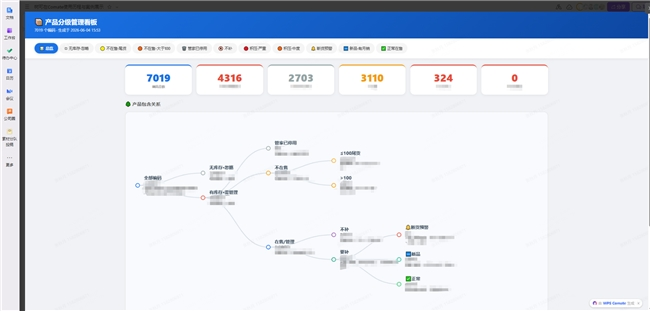
进销存分析看板覆盖销售趋势、库存周转、毛利分析、畅销排行和异常预警,实现月度、分类、单品三个维度的实时分析;产品数据分析看板按照正常销售、清仓、停用、完结等生命周期,对7000多个SKU进行统一管理;全平台销售数据看板则将十多个平台的数据集中展示,实现每日自动更新,取代了过去多个表格之间反复切换的工作方式。

黄浩航介绍,这些网页应用可以直接部署在WPS Comate服务器,无需企业额外建设应用服务器,降低了开发和运维成本。

补货建议自动生成,AI专家辅助采购审核

业务数据被AI读懂后,采购流程也开始发生变化。

过去的补货规则很明确,但真正耗时的是后续判断。采购负责人秋月介绍,一次补货决策往往需要同时查看销量趋势、产品资料、库存水平、货期等多类信息,这些内容分别存放在不同多维表格中。为了向主管汇报,采购人员还需要逐一截图、整理页面,再等待合同统一制作,整个流程通常需要半天时间。

基于WPS Comate,采购部门搭建了一套覆盖补货全流程的工具链。
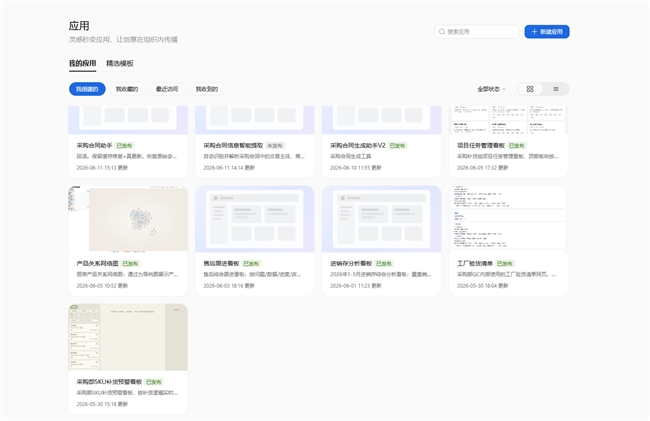
SKU补货预警看板能够结合销量趋势和库存情况自动生成补货建议;采购合同生成助手输入产品编码即可自动生成标准合同;群消息看板每天自动整理采购与各部门沟通内容,避免重要事项遗漏;项目任务看板支持员工通过自然语言更新工作进展,并自动生成周报。

为提升决策效率,秋月还基于自己的采购经验训练了一位AI“采购专家”。

“Comate设计了一百多个关于补货策略的问题,我把自己的补货判断逻辑一步步告诉AI,WPS Comate帮助我形成了一套专家判断模型。”她介绍,现在系统生成补货建议后,会先经过AI审核,自己只需快速确认即可完成审批,“很多时候一两秒钟就能完成判断。”

采购效率提升后,库存周转周期从90天缩短至45天左右,企业逐步实现进销比1:1,库存积压减少,现金流得到改善。“以前一次采购要卖三个月,因为来不及补货。现在可以根据销售情况持续补货,节省出来的时间还能投入更多经营项目。”秋月说。

从客服到产品开发,AI正在提升更多业务效率

随着采购流程跑通,WPS Comate开始进入客服、产品开发、市场推广等更多业务场景。

客服负责人妮妮负责18家店铺、30多位客服的数据统计工作。过去,每月需要逐个店铺整理客服的接待量、响应时长、满意度等数据,往往需要一两天时间。如今,团队通过WPS Comate建立客服映射规则,只需上传源文件,系统即可自动完成数据归集并写入多维表。

客服团队还探索基于企业积累的24GB客服知识库搭建了客服专家,员工在群内即可快速获取产品知识和标准回复,提高问题处理效率。

售后管理方面,WPS Comate能够自动读取多维表格的数据,对售后问题进行分类汇总、统计分析,后续甚至可以实现:定期监控售后比例,一旦达到阈值就自动拉数据汇总分析,并同步给对应产品负责人跟进。“以前统计一个产品的售后情况要四五个小时,现在大约三分之二的工作量都交给AI。”妮妮说。

产品开发部门则利用WPS Comate调用企业开发策略、经营理念、市场数据等企业知识,辅助生成新品开发方案、营销策略和渠道建议,由员工完成最终审核。内容团队基于WPS Comate探索AI驱动的短视频创作流程,将产品信息整理、用户分析、选题策划、脚本审核等创作环节融入AI工作流程,同时搭建短视频任务系统,实现需求提交、制作推进、素材沉淀和数据管理的协同。AI辅助提升内容生产效率,员工负责创意判断和最终审核,推动短视频生产从经验驱动向数据与AI辅助驱动转变。

“数据在哪里,AI应用的场景就长在哪里。”树生介绍,未来希望越来越多的业务流程完成人机协同,AI能够逐步成长为支撑企业日常运营的数字助手。

注:文/龚作仁,文章来源:Laborer,本文为作者独立观点,不代表亿邦动力立场。

【版权提示】亿邦动力倡导尊重与保护知识产权。未经许可,任何人不得复制、转载、或以其他方式使用本网站的内容。如发现本站文章存在版权问题,烦请提供版权疑问、身份证明、版权证明、联系方式等发邮件至run@ebrun.com,我们将及时沟通与处理。

已点赞

+1

{{ praise_text }}

好文章,值得被更多人看到

FAQ回顾

多SKU的电商企业库存管理难有什么解决方案?

多SKU电商企业可引入WPS 365,基于WPS Comate优化采购补货、经营分析、售后管理、产品开发等全链路业务流程,搭建经营数据看板实现多平台数据统一管理,自动生成补货建议,可有效缩短库存周转周期,提升整体经营效率。

WPS Comate能为电商企业带来哪些实际价值?

WPS Comate可帮助电商企业完成多平台分散数据的统一语义治理,搭建各业务场景的数据看板,自动生成补货建议、采购合同,还可辅助客服数据统计、售后问题分析、新品开发方案生成、短视频内容创作,降低人工成本,提升运营效率。

定制类厨房家居电商做库存管理有哪些难点?

定制类厨房家居电商SKU数量多、覆盖电商平台广、产品生产周期长,进入内容电商时代后销量波动加剧,若业务数据分散,易出现库存周转周期长、缺货损失大、库存积压占用资金等问题,库存预测和补货决策难度高。

用AI工具优化电商库存管理能达到什么效果?

以厨房家居头部电商树可家居为例,使用WPS Comate优化库存管理后,其库存周转周期从原先的90天缩短至45天左右,进销比基本达到1:1的良性循环,库存积压减少,企业现金流得到明显改善,经营效率大幅提升。

广告

下一篇

跨境电商资源对接

《全球跨境电商服务商资源手册》第二期手册现已发布,触达更多资源,了解跨境服务商信息,欢迎点击链接下载。

了解详情

京东折扣超市连下三城 江苏盐城、河北燕郊及衡水加速落子

江苏盐城、河北燕郊、河北衡水均将迎来品牌首店。京东折扣超市在华北、华东两大区域的布局进一步提速。

未来零售 电商平台 京东

2026-08-11 11:23:03