• 亿邦公众号
    • APP下载

淘宝闪购“加时” 美团“停表”:外卖平台重新计算骑手配送时间

作者:亿邦动力 文章来源:亿邦动力

2026-08-03 10:12

作者:亿邦动力 文章来源:亿邦动力

2026-08-03 10:12

邦小白快读

EN
全文速览

本文核心内容是国内两大即时配送平台调整骑手配送时间考核机制,兼顾配送效率与骑手交通安全,干货信息如下:

1. 淘宝闪购已在苏州全市落地“等灯加时”功能,可自动识别骑手红灯等待状态,累计等待时长并自动在配送考核中加时,全程无需骑手手动操作,该功能此前已在多城试点,未来会向更多区域推广。

2. 美团计划在苏州试点“等灯停表”功能,骑手红灯等待时配送计时自动暂停,此前美团还推出了“不闯红灯”现金安全激励计划。

3. 目前即时零售行业竞争加剧,行业整体已经从单纯追求配送速度转向兼顾安全与效率的发展方向。

即时零售已经成为品牌重要的销售渠道,配送体验直接影响品牌口碑与用户转化,本文带来的参考干货如下:

1. 消费端和行业都已经转变对配送的要求,不再只追求速度,而是更重视配送安全,品牌可配合平台的安全配送机制打造差异化卖点,提升消费者对品牌的好感度。

2. 平台调整考核机制后,骑手因赶时间引发的订单延误、丢损等问题会减少,有助于品牌降低售后纠纷,维持稳定的用户满意度。

3. 当前即时零售竞争中,配送能力已经成为核心竞争力,品牌选择合作平台时,可以将平台配送机制的成熟度、人性化程度作为重要考量标准,跟进平台新功能推广节奏借势获客。

针对做即时零售业务的卖家,本文披露了平台规则新变化,带来的机会和提示干货如下:

1. 当前即时零售行业处于升级阶段,平台都在优化配送服务体验,行业整体服务质量提升会带动消费者需求增长,卖家可抓住行业升级的机会拓展即时零售业务,抢占新增市场。

2. 新考核机制减少了骑手违规带来的订单问题,能降低卖家的售后成本,卖家可以向消费者主动宣传平台的安全配送机制,提升用户信任,带动复购。

3. 需要注意风险,目前这类新功能仅在苏州等部分区域试点,不同区域配送规则存在差异,卖家要及时跟进所在区域的平台规则调整,提前向消费者做好告知,避免因时效认知偏差引发客诉纠纷。

本文围绕即时配送行业的新变化,给相关工厂带来了商业机会和发展启示,干货内容如下:

1. 即时配送行业越来越重视骑手安全和智能化管理,已经衍生出相关硬件需求,比如淘宝闪购已经推出智能AI头盔、升级AI骑手助手,相关硬件工厂可针对性研发适配配送场景的智能安全设备,抓住新的市场需求。

2. 行业普遍推进配送算法数字化升级,需要红灯识别、行程数据统计等相关技术支持,给数字化技术服务工厂带来了新的商业合作机会。

3. 此次平台调整也给工厂带来启示,工厂推进数字化和电商转型时,也要兼顾效率与人性化,将从业者权益纳入管理设计,平衡效率与人文关怀,能提升自身的管理效率和团队稳定性。

本文展现了即时配送行业的发展新趋势,给相关服务商带来了行业痛点和机会干货,内容如下:

1. 当前即时配送行业的核心痛点已经从单纯提升配送效率,转变为平衡配送效率、骑手安全与劳动者权益,服务商开发解决方案时需要贴合这个新需求,不能只专注于做提升配送速度的产品,要开发兼顾安全管理的配套方案。

2. 目前各大平台都在探索智能识别、算法调整的新方案,需要红灯识别、数据对接、系统改造等相关技术服务,给技术服务商带来了明确的新客户需求。

3. 未来这类安全导向的配送机制会向全国更多区域推广,越来越多平台会跟进调整,相关的智能设备服务、系统升级服务、安全管理咨询的市场空间会持续扩大,服务商可提前布局相关业务抢占市场。

本文分享了头部平台在配送考核机制上的新探索,给同类即时配送平台带来了运营参考,干货内容如下:

1. 当前即时零售行业竞争加剧,所有平台都需要解决骑手安全与履约效率平衡的核心问题,单纯追求速度不仅会带来安全风险,还会引发骑手不满,影响平台运营稳定性,平台需要主动调整算法和考核机制解决该问题。

2. 目前头部平台已经探索出两种可行路径,分别是淘宝闪购的骑手端自动识别等灯时长自动加时方案,以及美团对接交管数据试点的红灯停表方案,还有配套的现金激励方案,都可供同类平台参考。

3. 需要注意风向规避,这类新功能目前仅在小范围试点,平台推广前需要先做好区域测试,适配不同城市的路况和骑手使用习惯,避免算法bug影响运营,逐步推进平衡商业效率与从业者权益。

本文披露了即时配送行业的最新动向,给产业研究者提供了不少有价值的研究素材,干货内容如下:

1. 产业新动向方面,即时配送平台的算法逻辑已经发生本质变化,从单纯追求商业效率转向兼顾商业效率、交通安全与骑手权益,说明行业发展已经进入新阶段,竞争从单一的速度竞争转向服务质量、社会责任的综合竞争,是很好的产业升级研究案例。

2. 当前行业针对配送时间调整出现了两种不同的实现路径,分别是淘宝闪购的骑手端自动识别加时模式和美团对接交管数据的停表模式,可供研究者做模式对比研究。

3. 该变化也引出了新的研究问题,即平台算法如何适配公共交通规则,如何平衡商业利益、社会责任与劳动者权益,对研究平台经济治理、规范平台经济发展提供了现实案例,也能给相关政策制定提供参考。

声明:快读内容全程由AI生成,请注意甄别信息。如您发现问题,请发送邮件至 run@ebrun.com 。

我是 品牌商 卖家 工厂 服务商 平台商 研究者 帮我再读一遍。

Quick Summary

This article covers core updates from China's two leading on-demand delivery platforms, which have adjusted their rider delivery time assessment mechanisms to balance delivery efficiency with rider traffic safety. Key takeaways are as follows:

1. Taobao Flash Delivery has rolled out its "Wait-at-Red-Light Extra Time" feature city-wide in Suzhou. The function automatically detects when riders are stopped at red lights, accumulates total waiting time, and adds the extra time to delivery assessments automatically — no manual input from riders is required. After successful trials in multiple cities, the feature will expand to more regions.

2. Meituan plans to pilot a "Paused Timer at Red Lights" feature in Suzhou, which automatically pauses delivery countdowns while riders wait at red lights. Meituan previously launched a cash incentive program to reward riders for not running red lights.

3. Amid intensifying competition in China's on-demand retail industry, the sector as a whole has shifted its focus from purely pursuing delivery speed to balancing safety and efficiency.

On-demand retail has become an important sales channel for brands, where delivery experience directly impacts brand reputation and user conversion. Key takeaways for brands are as follows:

1. Both consumers and the industry have updated their expectations for delivery: instead of prioritizing speed alone, they now place greater emphasis on delivery safety. Brands can leverage platforms' safe delivery mechanisms to build differentiated selling points and boost consumer favorability.

2. After platforms adjusted their assessment mechanisms, order delays and lost/damaged packages caused by riders rushing to meet deadlines will decrease, helping brands reduce after-sales disputes and maintain consistent user satisfaction.

3. In today's on-demand retail competition, delivery capability has become a core competitive advantage. When selecting partner platforms, brands should treat the maturity and human-centered design of a platform's delivery mechanism as an important evaluation criterion, and can ride the wave of new feature rollouts to acquire new customers.

This article discloses updated platform rules for sellers engaged in on-demand retail, outlining opportunities and key reminders as follows:

1. The on-demand retail industry is currently in an upgrading phase, with all platforms optimizing delivery experiences. Overall industry service improvements will drive growth in consumer demand, and sellers can seize this industry upgrade opportunity to expand their on-demand retail business and capture new market share.

2. The new assessment mechanism reduces order issues caused by rider rule-breaking, which lowers sellers' after-sales costs. Sellers can proactively promote platforms' safe delivery mechanisms to consumers to build user trust and drive repeat purchases.

3. Sellers need to manage related risks: these new features are currently only piloted in limited regions such as Suzhou, and delivery rules vary across regions. Sellers should stay updated on platform rule adjustments in their operating regions, proactively inform consumers of changes, and avoid customer disputes caused by misaligned expectations on delivery timelines.

This article outlines new developments in the on-demand delivery industry, with business opportunities and strategic insights for relevant factories as follows:

1. As the on-demand delivery industry increasingly prioritizes rider safety and intelligent management, it has created new demand for related hardware. For example, Taobao Flash Delivery has launched AI-powered smart helmets and upgraded AI rider assistants. Hardware manufacturers can develop smart safety devices tailored to delivery scenarios to capture this new market demand.

2. The industry's widespread push for digital upgrades to delivery algorithms requires technical support for functions such as red light detection and trip data tracking, creating new business collaboration opportunities for digital technology-focused factories.

3. Platforms' recent adjustments also offer a broader lesson for factories: when pursuing digital transformation and e-commerce expansion, factories should also balance efficiency with human-centered practices, and incorporate worker rights into management design. Balancing efficiency with employee care improves both management efficiency and team stability.

This article outlines new industry trends in on-demand delivery, highlighting key pain points and growth opportunities for relevant service providers as follows:

1. The core pain point of the on-demand delivery industry has shifted from simply improving delivery efficiency to balancing efficiency, rider safety, and labor rights. When developing solutions, service providers should align with this new demand: instead of only focusing on products that boost delivery speed, they should build supporting solutions that integrate safety management.

2. Major platforms are currently exploring new solutions for intelligent detection and algorithm adjustment, creating clear new customer demand for technical services such as red light recognition, data connectivity, and system transformation.

3. These safety-focused delivery mechanisms will expand to more regions across China in the future, with a growing number of platforms expected to follow suit. The market for related services including smart device services, system upgrades, and safety management consulting will continue expanding, and service providers can lay out their business early to capture market share.

This article shares new explorations by leading platforms on delivery assessment mechanisms, offering operational references for peer on-demand delivery platforms as follows:

1. Amid intensifying competition in the on-demand retail industry, all platforms need to solve the core challenge of balancing rider safety and fulfillment efficiency. Pursuing speed alone not only creates safety risks but also triggers rider dissatisfaction and undermines operational stability. Platforms need to proactively adjust their algorithms and assessment mechanisms to address this issue.

2. Leading platforms have already developed two viable approaches for reference: Taobao Flash Delivery's solution of automatic red-light waiting detection and extra time allocation on the rider side, and Meituan's "paused timer" model piloted through traffic data integration, alongside supporting cash incentive programs.

3. Platforms should manage risks when rolling out these features: since new functions are currently only tested on a small scale, platforms should complete regional testing first to adapt to road conditions and rider habits in different cities, avoid algorithm bugs that disrupt operations, and gradually advance to balance commercial efficiency and worker rights.

This article discloses the latest developments in the on-demand delivery industry, providing valuable research materials for industry researchers as follows:

1. On the front of new industry developments: the algorithm logic of on-demand delivery platforms has undergone a fundamental shift, from purely pursuing commercial efficiency to balancing commercial efficiency, traffic safety, and rider rights. This indicates the industry has entered a new development stage, where competition has shifted from single-dimensional speed competition to comprehensive competition across service quality and social responsibility, making it an excellent case study for industry upgrading research.

2. The industry has developed two distinct approaches for adjusting delivery time rules: Taobao Flash Delivery's rider-side automatic detection and extra time model, and Meituan's paused timer model integrated with traffic management data, which researchers can use for comparative model research.

3. This shift also raises new research questions, such as how platform algorithms can adapt to public traffic rules, and how to balance commercial interests, social responsibility, and labor rights. It provides a real-world case study for research on platform economy governance and regulated development of the platform economy, and can also inform related policy formulation.

Disclaimer: The "Quick Summary" content is entirely generated by AI. Please exercise discretion when interpreting the information. For issues or corrections, please email run@ebrun.com .

I am a Brand Seller Factory Service Provider Marketplace Seller Researcher Read it again.

【亿邦原创】亿邦动力获悉,日前淘宝闪购上线“等灯加时”功能,在苏州全市正式落地。

该功能通过识别骑手配送过程中的红灯等待情况,自动记录等灯时长,并在订单配送考核中为骑手增加相应时间,让骑手等待红灯的时间不再影响配送时效。

根据淘宝闪购介绍,当骑手APP识别到骑手在红灯路口停驶等待时,页面会显示“等灯中”状态,并同步累计记录等待时长。在后续订单考核过程中,系统会自动调取相关记录,将等灯时间转换为配送加时时间,整个过程无需骑手手动操作。

淘宝闪购表示,“等灯加时”此前已在多个城市进行试点,未来,平台将根据试点情况,在更多区域推广落地。

围绕骑手配送安全,淘宝闪购近年来持续调整配送服务机制,包括升级骑手AI助手、推出智能AI头盔、开放外卖智能柜免费存放、探索“外卖接力”等模式,以提升配送效率。

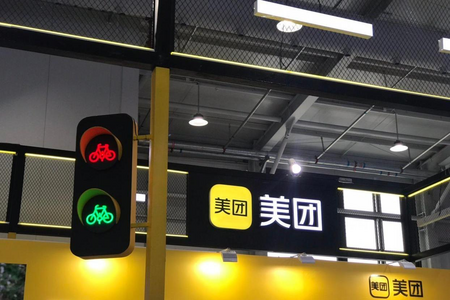
不仅是淘宝闪购,美团此前也披露过类似探索。7月,美团表示已与苏州交管部门完成数据对接与测试,计划试点“等灯停表”功能,即骑手遇到红灯停下来等待时,配送计时同步暂停。 此外,美团此前还推出“不闯红灯”安全激励计划,通过现金奖励等方式鼓励骑手遵守交通规则。

随着即时零售竞争加剧,配送效率成为平台竞争的重要指标之一,但骑手安全与履约效率之间的平衡也成为平台需要解决的问题。

从行业来看,“等灯加时”“等灯停表”等功能,本质上都是通过调整配送算法和考核机制,将骑手遵守交通规则产生的时间成本纳入系统计算,让配送时间从单纯追求速度转向兼顾安全与效率。

亿邦持续追踪报道该情报,如想了解更多与本文相关信息,请扫码关注作者微信。

【版权提示】亿邦动力倡导尊重与保护知识产权。未经许可,任何人不得复制、转载、或以其他方式使用本网站的内容。如发现本站文章存在版权问题,烦请提供版权疑问、身份证明、版权证明、联系方式等发邮件至run@ebrun.com,我们将及时沟通与处理。

已点赞

+1

{{ praise_text }}

好文章,值得被更多人看到

FAQ回顾

外卖平台的等灯加时功能是什么?

等灯加时是淘宝闪购等外卖平台推出的配送规则优化功能,可自动识别骑手配送过程中的红灯等待时长,在订单配送考核中自动增加对应时长,整个过程无需骑手手动操作,可避免等灯时间影响配送时效,兼顾交通安全与配送效率。

美团针对骑手交通安全推出了哪些措施?

美团已与苏州交管部门完成数据对接测试,计划试点“等灯停表”功能,骑手遇红灯等待时配送计时同步暂停;还推出“不闯红灯”安全激励计划,通过现金奖励等方式鼓励骑手遵守交通规则。

外卖平台调整骑手配送时间计算规则的核心作用是什么?

这类调整本质是通过优化配送算法和考核机制,将骑手遵守交通规则产生的时间成本纳入系统计算,让配送时间考核从单纯追求速度,转向平衡骑手交通安全与平台履约效率。

淘宝闪购的等灯加时功能目前推广情况如何?

淘宝闪购“等灯加时”功能此前已在多个城市开展试点,目前已在苏州全市正式落地,后续平台将结合各试点的实际运营情况,逐步在更多区域推广该功能。

广告

下一篇

征集报名《品牌数字化服务商资源手册》

《品牌数字化服务商资源手册》展示数字化服务商风采,亿邦全年零售大会通发,触达更多资源,马上加入!

马上入驻

“散装山姆”挤满打工人 9.9小绿瓶成断货王 单季爆卖544亿

在传统大卖场集体沉寂的周期里,沃尔玛打响一场新的硬仗:一手启动大规模关店,一手靠自有品牌大肆换血,不少消费者将如今的沃尔玛称为“散装山姆”。