• 亿邦公众号
    • APP下载

高端海鲜自助 集体降价自救

作者:红餐编辑部 文章来源:红餐网

2026-07-01 13:36

作者:红餐编辑部 文章来源:红餐网

2026-07-01 13:36

邦小白快读
EN
全文速览

本文梳理了当前国内高端海鲜自助行业集体降价转型的整体情况,核心干货信息如下:

1. 目前高端海鲜自助降价转型主要分为两种路径:一种是维持自助模式,砍掉小青龙、鳌虾等高端海鲜,替换为大众化的贝类、小龙虾、涮烤甜品等,将价格下探到百元档位,代表品牌有亚马逊海鲜自助、铭门盛宴等;另一种是直接关店,重启转做海鲜集市火锅,放弃自助改自选按盘计价,把人均控制在百元左右,代表品牌有福州雍和会、西安宴系等。

2. 转型目前普遍存在困境,多数品牌降价后出现产品降配、品牌高端标签松动、老客流失的问题,消费者想要到这类门店消费,需要提前了解改版情况,避免产生预期落差,不少转型失败的品牌已经直接闭店,消费前也需要确认门店经营状态,避免储值风险。

本文披露了高端海鲜自助行业的下行现状与转型痛点,给餐饮品牌商提供了这些参考干货:

1. 当前海鲜餐饮消费趋势已经发生变化,高端定位的海鲜自助受众持续收缩,高性价比的大众化平价海鲜餐饮更受市场欢迎,大量原本定价500-600元的头部高端品牌已经集体降价切入百元价格带。

2. 目前行业内已经有两种成熟转型路径可供参考:维持原有自助模式,通过砍掉贵价产品做产品减法降低定价;关闭原有高端门店,全面转型做更有市场热度的自选海鲜集市火锅。

3. 转型需要警惕三大核心风险:降价会丢失原有高端定位的价值支撑,导致核心客群流失;高端门店的租金、人员、采购成本刚性强,不会随价格同步下降,很容易陷入降价—降配—复购流失的恶性循环;百元价格带竞争已经十分拥挤,新转型品牌很难比拼成熟品牌的性价比与体验优势。

本文梳理了高端海鲜自助行业的转型现状,对海鲜餐饮类卖家有这些干货参考:

1. 当前高端海鲜自助赛道整体下行,百元价格带的平价海鲜火锅、自选海鲜餐饮是明确的增长方向,消费者更偏好高性价比的大众化海鲜消费,赛道机会明显,已有多个头部品牌完成初步布局。

2. 原高端海鲜品牌的两类转型路径可参考学习:维持自助模式做产品减法下调定价、关店重启转做海鲜集市火锅自选按盘计价,两种路径都适配当前大众消费需求。

3. 需要警惕多重经营风险:转型降价容易丢失原有核心客群,原有高端门店的租金、人员、采购体系成本刚性强,降价后利润空间会进一步被压缩,且百元海鲜赛道已有朱富贵、王和李等成熟品牌,竞争十分拥挤,新进入者需要提前做好成本重构和差异化布局,避免陷入恶性竞争。

本文披露了海鲜餐饮终端的消费和业态变化,给海鲜生产加工及餐饮供应链相关工厂带来这些干货启示:

1. 终端消费需求已经发生明显变化,高端稀缺海鲜如小青龙、鳌虾、海胆、东星斑等需求持续下滑,鲍鱼、贝类、基围虾、小龙虾等大众化海鲜产品需求上涨,生产端可以调整产品结构,适配终端需求变化,避免产能错配。

2. 终端业态转型带来新的商业机会,越来越多高端海鲜自助品牌转做百元海鲜集市火锅,对活鲜直供、按份分装的标准化食材需求明显提升,工厂可以对接转型中的餐饮品牌,开发适配自选模式的标准化海鲜产品,拓展B端客户渠道。

3. 当前终端餐饮业态迭代速度加快,工厂需要建立对接终端需求的快速响应机制,及时根据终端消费变化调整生产研发方向,抓住业态转型带来的新增长机会。

本文梳理了当前高端海鲜自助行业的转型趋势和核心痛点,给餐饮相关服务商提供了这些干货信息:

1. 行业发展趋势:高端海鲜自助赛道整体下行,大量头部品牌进入降价转型阶段,平价海鲜餐饮成为主流发展方向,赛道快速迭代催生了大量专业服务需求,市场空间较大。

2. 客户核心痛点:转型中的海鲜餐饮品牌普遍面临三大核心问题:原有高端定位价值流失,核心客群流失;门店成本结构刚性,降价后利润空间被大幅压缩;进入百元新赛道后,缺乏竞争优势,难以对标已经深耕市场的新品牌。

3. 服务商可针对这些痛点开发针对性解决方案,比如针对转型品牌的成本重构需求,提供供应链优化、门店布局调整、人员配置优化等服务;针对品牌定位重塑需求,提供品牌定位策划、新客营销推广等服务,帮助品牌平稳完成转型过渡。

本文披露了海鲜餐饮行业的业态变化,对做餐饮招商、商业地产运营的平台商有这些干货参考:

1. 当前高端海鲜自助品牌大量闭店调整,商场等餐饮平台需要关注这类品牌的转型需求,及时调整招商布局,原高端海鲜自助门店普遍面积大、位置好,品牌调整后可以重新规划,优先引入更受市场欢迎的平价海鲜品牌,维持平台的业态竞争力。

2. 平台运营中可以针对转型品牌的痛点推出针对性服务,这类品牌调整后普遍面临获客难、成本压力大的问题,平台可以推出针对性的扶持政策,帮助品牌完成转型过渡,同时也能维持平台的出租率和业态丰富度。

3. 需要注意规避经营风险,高端海鲜自助品牌整体经营风险上升,招商引入这类品牌时需要评估其经营稳定性,避免出现闭店欠租、储值风波等问题,优先引入已经完成转型定位的平价海鲜品牌。

本文呈现了国内高端海鲜自助行业的最新发展动向,对餐饮产业研究者提供了这些研究素材干货:

1. 产业最新动向:近年高端海鲜自助行业整体下行,曾经主打高端定位、客单价300-600元的多个全国性头部品牌都开启了降价转型,集体切入百元价格带,目前行业内的转型路径主要分为两种:维持自助做产品减法降定价、放弃自助转做海鲜集市火锅。

2. 行业暴露出的新问题:高端餐饮做大众化转型时,很容易出现品牌原有价值坍塌、核心客群流失的问题;高端门店的成本结构刚性强,成本无法随客单价下降同步降低,很容易形成降价降配的恶性循环;新进入的价格带已经有成熟品牌布局,竞争壁垒已经形成,新转型品牌难以突围。

3. 本文提供了多个转型失败和转型中的品牌案例,可以用于研究高端餐饮大众化转型的路径适配性、大众海鲜餐饮的竞争壁垒构建等方向,为餐饮行业发展提供研究参考。

声明:快读内容全程由AI生成,请注意甄别信息。如您发现问题,请发送邮件至 run@ebrun.com 。

我是 品牌商 卖家 工厂 服务商 平台商 研究者 帮我再读一遍。

Quick Summary

This article summarizes the ongoing collective price-cutting and transformation trend in China's high-end seafood buffet industry, with key takeaways as follows:

1. There are two primary transformation paths: One keeps the buffet model, replacing premium seafood like spiny lobsters and langoustines with mass-market options such as shellfish, crayfish, grilled items and desserts, lowering average spending to the 100-yuan price range. Leading brands on this path include Amazon Seafood Buffet and Mingmen Feast. The other path involves closing original high-end stores and shifting to seafood market hot pot, abandoning the all-you-can-eat model for per-plate self-selection with an average per capita cost of around 100 yuan. Representative brands include Fuzhou Yonghui and Xi'an Yanxi.

2. Most players face common transformation difficulties: After cutting prices, many brands have downgraded product quality, weakened their high-end brand positioning, and lost repeat customers. Consumers are advised to check the adjusted business model in advance to avoid unmet expectations, and confirm whether a store is still operating to prevent prepaid card risks, as many failed transformers have already shut down.

This article outlines the current downturn and transformation pain points of the high-end seafood buffet industry, with key insights for F&B brands as follows:

1. Consumer trends in seafood dining have shifted: The audience for high-positioned seafood buffets continues to shrink, while affordable, mass-market high-value seafood dining has gained growing market demand. A large number of leading high-end brands originally priced at 500-600 yuan per capita have collectively cut prices to enter the 100-yuan price segment.

2. Two proven transformation paths are available for reference: retaining the original buffet model and lowering prices by cutting premium SKUs; or closing original high-end stores and fully pivoting to the currently popular self-selected seafood market hot pot format.

3. Brands need to guard against three core risks: Price cuts will erode the value positioning that attracted the original core customer base, leading to customer churn; high-end stores have rigid costs for rent, labor and procurement that do not decrease in line with prices, easily trapping brands in a vicious cycle of price cuts → product downgrades → falling repeat purchases; the 100-yuan price segment is already extremely crowded, making it hard for newly transformed brands to compete with established players on value for money and customer experience.

This article summarizes the current transformation status of the high-end seafood buffet industry, with key takeaways for seafood dining sellers as follows:

1. The high-end seafood buffet track is overall in decline, while affordable seafood hot pot and self-selected seafood dining in the 100-yuan price range is a clear growth direction. Consumers increasingly prefer cost-effective mass-market seafood consumption, creating clear track opportunities, and multiple leading brands have already completed initial layouts.

2. Two transformation paths from incumbent high-end brands are available for reference: retaining the buffet model, cutting premium SKUs and lowering prices; or closing existing stores and pivoting to self-service per-plate seafood market hot pot. Both paths align with current mass consumer demand.

3. Sellers need to watch for multiple operational risks: Transformation via price cuts often leads to the loss of original core customers; the rigid cost structure of original high-end stores (rent, labor, procurement systems) will further compress profit margins after price cuts; moreover, the 100-yuan seafood track already has established players such as Zhu Fugui and Wang & Li, with extremely intense competition. New entrants need to restructure costs and build differentiated positioning in advance to avoid being caught in cutthroat competition.

This article outlines changes in consumer demand and business formats at the seafood dining end, with key insights for seafood processing and F&B supply chain factories as follows:

1. Terminal consumer demand has shifted noticeably: Demand for premium rare seafood such as spiny lobster, langoustine, sea urchin and garoupa continues to decline, while demand for mass-market seafood such as abalone, shellfish, shrimp and crayfish is growing. Producers can adjust their product mix to align with shifting terminal demand and avoid capacity mismatch.

2. Format transformation at the terminal end brings new business opportunities: As more high-end seafood buffet brands pivot to 100-yuan seafood market hot pot, demand for fresh direct supply and pre-portioned standardized seafood ingredients has increased significantly. Factories can partner with transforming brands, develop standardized seafood products adapted to the self-selection format, and expand B2B customer channels.

3. Terminal F&B format iteration is accelerating, so factories need to build a fast response mechanism aligned with terminal demand, adjust production and R&D directions in a timely manner according to consumption changes, and capture new growth opportunities brought by format transformation.

This article summarizes the transformation trend and core pain points of the current high-end seafood buffet industry, with key information for F&B-related service providers as follows:

1. Industry trend overview: The high-end seafood buffet track is overall in decline, and a large number of leading brands have entered a phase of price-cutting transformation, with affordable seafood dining becoming the mainstream development direction. Rapid track iteration has generated strong demand for professional services, creating considerable market space.

2. Core pain points of client brands: Transforming seafood dining brands generally face three core problems: erosion of original high-end positioning and loss of core customers; rigid store cost structures that lead to sharp profit compression after price cuts; and lack of competitive advantage when entering the 100-yuan price segment, making it hard to compete with established brands that have already deepened their market presence.

3. Service providers can develop targeted solutions to address these pain points: For example, for brands needing cost restructuring, provide supply chain optimization, store layout adjustment and staffing optimization services; for brands needing repositioning, provide brand positioning planning and new customer marketing services to help brands complete a smooth transformation.

This article outlines format changes in the seafood dining industry, with key insights for commercial real estate operators and F&B investment promotion platforms as follows:

1. As a large number of high-end seafood buffet brands close stores for adjustment, shopping malls and other F&B platforms need to pay close attention to these brands' transformation needs, and adjust investment and layout plans in a timely manner. Original high-end seafood buffet stores generally have large floor areas and prime locations; after brand adjustment, platforms can re-plan these spaces and prioritize introducing popular affordable seafood brands to maintain the format competitiveness of the property.

2. Platform operators can launch targeted services to address the pain points of transforming brands: After adjustment, these brands generally face customer acquisition difficulties and high cost pressure, so platforms can roll out targeted support policies to help brands complete their transformation, while maintaining property occupancy rates and format diversity.

3. Platforms need to mitigate operational risks: Overall operational risk in the high-end seafood buffet sector has risen, so platforms need to assess operational stability when recruiting these brands to avoid issues such as store closure, unpaid rent and prepaid card scandals, and prioritize introducing affordable seafood brands that have already completed transformation and positioning.

This article presents the latest development trends of China's high-end seafood buffet industry, providing research materials for catering industry researchers as follows:

1. Latest industry developments: In recent years, the high-end seafood buffet industry has experienced an overall downturn. Multiple national leading brands once positioned as high-end with 300-600 yuan per capita have launched price-cutting transformations and collectively entered the 100-yuan price segment. The industry currently has two main transformation paths: retaining the buffet model, cutting premium SKUs to lower prices; or abandoning the buffet model to pivot to seafood market hot pot.

2. New industry issues exposed: When high-end catering brands transform to target mass consumers, they commonly face collapse of original brand value and loss of core customers; high-end stores have rigid cost structures that cannot decrease in line with falling average order values, easily creating a vicious cycle of price cuts and product downgrades; the new price segment already has established players with built competitive barriers, making it hard for newly transformed brands to break through.

3. This article provides multiple cases of failed and in-progress transformations, which can be used for research on path adaptability of mass-market transformation of high-end catering, competitive barrier building for mass seafood dining, and other related topics, offering reference for research on the development of China's catering industry.

Disclaimer: The "Quick Summary" content is entirely generated by AI. Please exercise discretion when interpreting the information. For issues or corrections, please email run@ebrun.com .

I am a Brand Seller Factory Service Provider Marketplace Seller Researcher Read it again.

当“高端”标签褪去,靠什么留住顾客?

本文由红餐网(ID:hongcan18)原创首发作者:周飞飞;编辑:方圆。

近一年,高端海鲜自助正在集体向下走。

福州的雍和宫、海天盛宴,西安的宴系,广州的铭门盛宴——这些曾经定价500至600元的品牌,先后压低价格、改版门店,甚至关店重启。

最新的案例是亚马逊海鲜自助。5月底上海3家门店全关,一个月后荟聚中心店重新开业,价格从300元以上下探至159元档位。

高端海鲜自助集体降价,

走向“百元时代”

红餐网注意到,这批品牌的“降价”大致分为两种路径。

第一种:维持自助模式,在产品端做减法。

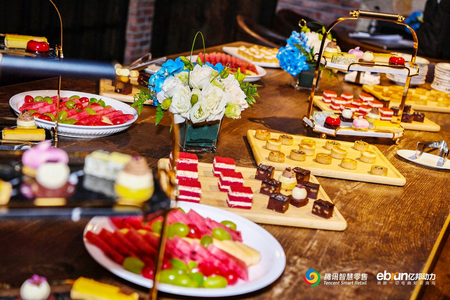
比如亚马逊重新开业后,小青龙、鳌虾等高端海鲜产品大幅精简,取而代之的是鲍鱼、贝类、基围虾、小龙虾,以及火锅涮肉、烤物、甜品等大众化产品。单人自助的价格也因此下探到了159-169元。

广州高端海鲜自助品牌铭门盛宴,原本定价为600多元,也多次推出平价套餐,削减海胆、加拿大牡丹虾、东星斑等贵价产品,最低档套餐降至263元。

第二种:关店重启,转做海鲜集市火锅。

这类品牌放弃了自助模式,转向当下更有市场热度的自选形式,人均消费控制在百元上下。

今年1月,福州雍和会关闭经营多年的自助餐厅,将重心全面转向旗下海鲜集市火锅品牌“小雍火锅”,采用“活鲜直供+明档现处理”模式,消费者现场自选食材、按盘分级计价,人均消费百元左右,目前已开出4家门店。

同样来自福州的海天盛宴,也将原有的高端海鲜自助改造成海天盛宴平价小火锅,主打每日直供海鲜、自熬锅底和明档熟食,人均消费从过去超400元下降至120元左右,目前开了2家店。

此前人均500元的西安宴系改为海鲜集市火锅,由无限量自助改为按盘自选。普通食材每盘6至24元,螃蟹、帝王蟹腿、鲍鱼等海鲜统一售价66元/盘,人均消费约106元。

降价容易,转型难

这两年,高端海鲜自助品牌的日子普遍不好过。

去年,上海高端海鲜自助品牌京彩臻品降价后又被曝拖欠数百万元租金,最终悄然闭店;曾被誉为泉州海鲜自助“天花板”的海鼎荟,相继退出泉州、晋江、厦门等市场,如今全国门店已全部关闭;杭州网红高端自助乾湖汇·海鲜姿造则在2025年中突然闭店,大量储值卡无法使用。

在这样的背景下,降价转型成了许多品牌的选择,但现实证明,降价之后能不能活下去是一回事,品牌还剩什么则是另一回事。

北京老牌高端海鲜自助第六季就是一个典型案例。今年初,其将王府井门店改造成“第六季原生态火锅自助”,客单价从349元下调至189元,原本堆满波士顿龙虾、帝王蟹的餐台,换成了北京牛街鲜切牛肉、密云水库原生态蔬菜等在地食材,新slogan也变成了“海鲜不是我们的卖点,原生态食材才是”。

门店还在,生意也还在做。但消费者的感受直接说明了问题:“菜品降得不是一星半点,从高档自助变成了中档,海鲜质量也大不如前。”

两个多月后,第六季发公告,宣布王府井店恢复为海鲜火锅自助模式。经历这一轮的改版,第六季的高端标签其实已经有所松动,原有的核心客户也有可能在这个过程中悄然流失。

这也是高端海鲜自助转型面临的第一个困境:价格降下来了,但品牌原有的价值支撑也跟着塌了。

对于愿意支付300元甚至更高的价格的消费者而言,他们购买的不只是帝王蟹和波士顿龙虾,更是一种“值这个价”的消费体验。一旦品牌主动削减高价值产品、降低配置,最先流失的往往是最稳定的那批顾客。

与此同时,成本并不会随着价格同步下降。高端海鲜自助的食材采购体系、核心商圈租金、门店面积以及人员配置,都具有较强的刚性。

西安宴系创始人就在社交平台公开过一组经营数据:一家2500平方米的门店,总投资超过1200万元。今年5月的营业额约153万元,近70名员工每月工资就要支出31万元,食材成本高达84万元,扣除租金、水电等各项费用后,月净利润仅约6万元。

客单价一旦下降,这个已经很薄的利润空间还会被进一步压缩。品牌为了维持经营,又不得不继续削减食材,最终形成“降价—降配—复购流失”的循环。

更难的是,降价之后等着它们的是一个已经非常拥挤的市场。

百元价格带里。朱富贵、王和李等新品牌依托供应链直采、自选模式深度经营,在产品丰富度、性价比和消费体验上都已经形成优势。

高端海鲜自助降价后,既守不住老顾客,又打不过新对手,这才是这批品牌真正面临的处境。

注:文/红餐编辑部,文章来源:红餐网(公众号ID:hongcan18),本文为作者独立观点,不代表亿邦动力立场。

【版权提示】亿邦动力倡导尊重与保护知识产权。未经许可,任何人不得复制、转载、或以其他方式使用本网站的内容。如发现本站文章存在版权问题,烦请提供版权疑问、身份证明、版权证明、联系方式等发邮件至run@ebrun.com,我们将及时沟通与处理。

已点赞

+1

{{ praise_text }}

好文章,值得被更多人看到

FAQ回顾

高端海鲜自助品牌降价自救主要有哪些路径?

主要分为两种路径,第一种是维持自助模式,在产品端做减法,削减高端海鲜品类、替换为大众化产品,下调客单价;第二种是关店重启,放弃自助模式转型为海鲜集市火锅,采用食材自选按盘计价模式,人均降至百元左右。

高端海鲜自助降价转型主要面临哪些困境?

首先降价后原有高端品牌价值支撑坍塌,易流失核心高消费客群;其次食材采购、核心商圈租金、人员配置等成本刚性较强,降价后利润空间被进一步压缩,易陷入“降价-降配-复购流失”的恶性循环;再者百元餐饮赛道竞争激烈,很难对抗已形成供应链、体验优势的本土新品牌。

高端海鲜自助转型海鲜集市火锅的人均消费是多少?

高端海鲜自助转型的海鲜集市火锅普遍将人均消费控制在百元上下,目前已公开的已转型品牌的人均消费区间约为106元到120元,主打高性价比的大众餐饮消费。

广告

下一篇

跨境电商资源对接

《全球跨境电商服务商资源手册》第二期手册现已发布,触达更多资源,了解跨境服务商信息,欢迎点击链接下载。

了解详情

DeepSeek7月中旬推V4 首推API峰谷分时定价

DeepSeek宣布其旗舰大模型V4将于7月中旬上线,并推出行业首个API峰谷分时定价策略,旨在通过价格杠杆优化算力资源配置,高峰时段调用费用为非高峰时段的两倍。

云计算 AI 其它属性 大模型

2026-07-01 13:21:58