• 亿邦公众号
    • APP下载

万亿蓝领服务市场数智化突围 鲁班到家以垂直AI驱动产业效率底座

作者:龚作仁 文章来源:Laborer

2026-06-16 13:41

作者:龚作仁 文章来源:Laborer

2026-06-16 13:41

邦小白快读
EN
全文速览

本文核心介绍了万亿蓝领居家服务市场的行业现状和数智化升级成果,核心干货如下:

1. 行业基本情况:当前国内蓝领灵活用工市场规模已突破万亿,拥有超4亿蓝领技工群体,但行业整体渗透率不足10%,大家居家装后市场是核心赛道,普遍存在非标化履约、定价不透明、供需错配等痛点。

2. 企业落地成果:头部平台鲁班到家提前两年布局全链路AI改造,实现了派单调度、客服、运营全流程智能化,让订单平均履约时长下降43.3%,师傅接单成功率提升至96.2%。

3. 最新行业动态:鲁班到家打造的国内首款大家居全场景垂直AI产品班灵AI,将于6月开启公测,未来行业还将向主动预判的管家式AI方向进化。

本文梳理了万亿蓝领居家服务赛道的发展趋势和痛点,能为家居类品牌商的业务升级提供参考,核心干货如下:

1. 消费趋势变化:当前国内经济向服务型驱动转型,预计2030年服务类消费占居民总消费比重将突破50%,消费者对家居终端服务品质的要求持续提升,传统信息撮合模式已经无法满足市场需求,以专业能力为核心的技能交付成为行业升级共识。

2. 行业空间与痛点:国内蓝领灵活用工市场规模超万亿,但渗透率不足10%,行业仍有巨大增长空间,当前行业核心痛点是非标履约、定价不透明、供需错配,制约品牌用户体验提升。

3. 升级路径参考:品牌商可以借力垂直领域成熟的AI服务平台,对接数智化蓝领服务能力,升级自身售后服务体系,提升用户满意度,挖掘后市场增长机会。

本文拆解了万亿蓝领居家服务赛道的增长机会和升级经验,能为家居相关卖家提供业务参考,核心干货如下:

1. 市场机会判断:当前国内蓝领灵活用工市场规模突破万亿,渗透率不足10%,大家居后市场覆盖安装、维修、清洗等多元需求,伴随消费升级,服务需求增长迅速,属于潜力巨大的增长市场。

2. 行业风险提示:传统服务模式依赖人工,存在履约效率低、服务质量不稳定、供需错配等问题,无法匹配当前消费者的需求,不进行服务升级会逐步丧失市场竞争力。

3. 可借鉴的实操经验:头部平台鲁班到家通过全链路AI改造实现大幅提效,还推出了适配三端需求的垂直AI班灵AI,卖家可以对接这类专业平台,完善自身售后服务链条,降低运营成本,提升用户体验。

本文围绕大家居蓝领服务赛道的数智化升级展开,能为家居生产工厂提供需求参考和数字化启示,核心干货如下:

1. 产品与服务需求变化:当前消费升级趋势下,消费者不仅关注家居产品本身,对后续安装、维修等配套服务的品质要求也在持续提升,工厂需要配套升级服务能力才能匹配市场需求,提升产品竞争力。

2. 商业机会:蓝领居家服务市场规模已经突破万亿,但整体渗透率不足10%,大家居后市场仍有巨大的增长空间,工厂可以通过对接专业数智化蓝领服务平台,延伸自身业务链条,挖掘后市场增量。

3. 数字化转型启示:工厂可以参考鲁班到家的落地思路,紧扣自身业务全链路痛点,以场景驱动推进AI技术落地,而非追求悬浮的技术概念,通过AI优化生产交付流程,实现降本提效,也可以借力垂直AI提升对终端用户的服务响应能力。

本文梳理了蓝领居家服务行业的痛点和数智化发展趋势,能为相关服务商提供方向参考,核心干货如下:

1. 行业发展趋势:当前产业AI已经从通用能力的同质化比拼,全面进入垂直场景深度落地的新阶段,行业不再追求技术噱头,转而聚焦真实产业痛点,垂直场景AI的实用价值成为竞争核心,大家居蓝领服务作为典型非标密集型赛道,数智化升级需求迫切。

2. 核心客户痛点:行业存在非标化履约、定价不透明、供需信息错配、流程效率低下等痛点,家庭用户需要稳定优质的服务,商家需要降本提效,蓝领师傅需要精准的订单匹配,通用泛场景AI无法满足差异化需求。

3. 可参考的解决方案:需要深度沉淀行业真实场景数据,理解行业底层规律,打造垂直赛道专属AI,鲁班到家的全链路智能调度、三级风险响应机制、垂直智能体班灵AI,为行业提供了成熟可参考的落地方案。

本文以鲁班到家为样本,分享了蓝领服务平台的数智化升级路径,对同类平台运营发展有较高参考价值,核心干货如下:

1. 行业核心需求:当前蓝领服务行业消费端对服务品质要求持续提升,传统信息撮合模式已经无法满足需求,行业普遍存在履约效率低、服务质量不可控、订单高峰应对难等问题,数智化升级是平台的核心发展方向。

2. 可借鉴的运营管理经验:鲁班到家提前两年布局全域AI技术,搭建订单调度加服务交付双智能引擎,针对订单高峰、超时等常见风险建立三级自动响应机制,通过智能匹配、智能预警实现精细化运营,有效提升了履约效率和服务质量。

3. 方向与风险规避:平台要规避盲目跟风通用AI的噱头风险,跳出浅层数字化改造的误区,聚焦行业真实痛点,打造垂直赛道专属AI,才能真正实现降本提效,鲁班到家的班灵AI为行业指明了垂直AI落地的方向。

本文以鲁班到家的AI落地实践为样本,展现了万亿蓝领服务市场数智化升级的最新动向,为产业研究提供了真实范本,核心干货如下:

1. 产业新动向:当前国内蓝领灵活用工市场规模已突破万亿,拥有超4亿蓝领技工群体,但行业整体渗透率不足10%,行业正从传统信息撮合模式向技能交付型运营模式转型,产业AI已经进入垂直场景实战落地的关键窗口期,垂直AI成为重构行业效率的核心支撑。

2. 行业新问题:大家居蓝领服务属于非标密集型赛道,流程复杂依赖人工,简单的通用AI功能堆砌和浅层数字化改造,无法解决行业根本痛点,也无法满足商家、用户、师傅三端的差异化需求。

3. 可研究的新路径与商业模式:鲁班到家提出了垂直AI的三阶段迭代路径,即感知型AI、智能体AI、管家式AI,还打造了国内首款大家居垂直AI智能体,为万亿蓝领服务市场的数智化升级提供了成熟可行的落地范本,具备较高的研究价值。

声明:快读内容全程由AI生成,请注意甄别信息。如您发现问题,请发送邮件至 run@ebrun.com 。

我是 品牌商 卖家 工厂 服务商 平台商 研究者 帮我再读一遍。

Quick Summary

This article outlines the current status and digital-intelligent transformation progress of China's trillion-dollar blue-collar home services market. Key takeaways are as follows:

1. Industry overview: China's flexible blue-collar employment market has exceeded 1 trillion yuan in scale, with more than 400 million blue-collar tradespeople, yet the overall industry penetration rate remains below 10%. The big home improvement aftermarket is the core segment of this market, which still grapples with widespread pain points including non-standardized service fulfillment, opaque pricing, and supply-demand mismatch.

2. Enterprise implementation results: Leading platform Lubandaojia began a full-stack AI transformation two years ahead of the curve, digitalizing its entire workflow from order dispatching and customer service to operations. This overhaul cut average order fulfillment time by 43.3% and increased technicians' order acceptance success rate to 96.2%.

3. Latest industry update: Banling AI, China's first vertical AI product built exclusively for full-scenario big home services by Lubandaojia, will enter public beta in June. The industry is expected to further evolve toward proactive, predictive butler-style AI in the future.

This article summarizes the development trends and pain points of the trillion-dollar blue-collar home services track, offering actionable insights for business upgrades for home goods brands. Key takeaways are as follows:

1. Shifting consumer trends: As China's economy transitions to service-driven growth, service consumption is projected to account for over 50% of total household consumption by 2030. Consumers are increasingly demanding higher quality end-to-end home services, and traditional information matching models can no longer meet market demand. Skill delivery centered on professional capabilities has become a widely accepted direction for industry upgrading.

2. Industry space and pain points: China's flexible blue-collar employment market already exceeds 1 trillion yuan in scale, with penetration still below 10%, leaving massive room for growth. Core industry pain points including non-standardized fulfillment, opaque pricing, and supply-demand mismatch are holding back improvements in brand user experience.

3. Reference for upgrading paths: Brands can leverage mature vertical AI service platforms to access digitally-enabled blue-collar service capabilities, upgrade their own after-sales service systems, boost user satisfaction, and unlock growth opportunities in the home aftermarket.

This article breaks down the growth opportunities and upgrading experience of the trillion-dollar blue-collar home services track, providing actionable reference for home goods-related sellers. Key takeaways are as follows:

1. Market opportunity assessment: China's flexible blue-collar employment market has exceeded 1 trillion yuan in scale, with penetration below 10%. The big home aftermarket covers a diverse range of needs including installation, maintenance and cleaning. Driven by consumption upgrading, service demand is growing rapidly, making this a high-potential growth market.

2. Industry risk warning: Traditional service models rely heavily on manual labor, and suffer from low fulfillment efficiency, inconsistent service quality, and supply-demand mismatch, which fail to meet modern consumer expectations. Sellers that fail to upgrade their service capabilities will gradually lose market competitiveness.

3. Actionable experience to adopt: Leading platform Lubandaojia achieved substantial efficiency gains through full-stack AI transformation, and launched Banling AI, a vertical AI product adapted to the needs of all three key market stakeholders (brands, consumers, technicians). Sellers can integrate with professional platforms like this to complete their after-sales service chains, reduce operating costs, and improve user experience.

This article focuses on the digital-intelligent transformation of the big home blue-collar services track, providing demand insights and digital transformation inspiration for home goods manufacturing factories. Key takeaways are as follows:

1. Shifts in product and service demand: Amid ongoing consumption upgrading, consumers no longer only care about home goods themselves—they also demand higher quality supporting services such as installation and maintenance. Factories need to upgrade their supporting service capabilities to match market demand and enhance product competitiveness.

2. Business opportunity: The blue-collar home services market has exceeded 1 trillion yuan in scale, with overall penetration below 10%, leaving massive room for growth in the big home aftermarket. Factories can extend their business chains and unlock aftermarket incremental growth by partnering with professional digitally-enabled blue-collar service platforms.

3. Insights for digital transformation: Factories can reference Lubandaojia's implementation approach: address pain points across the full business chain, and drive AI implementation for specific use cases instead of chasing hollow technology concepts. AI can help optimize production and fulfillment processes to cut costs and boost efficiency, and can also improve service response capabilities for end users.

This article summarizes the pain points and digital development trends of the blue-collar home services industry, providing directional reference for relevant service providers. Key takeaways are as follows:

1. Industry development trends: Industrial AI has shifted fully from competition over homogeneous general capabilities to deep implementation in vertical scenarios. The industry no longer pursues technology gimmicks, and instead focuses on solving real industrial pain points, with the practical value of vertical scenario AI becoming the core of competition. As a typical labor-intensive, highly non-standard track, the big home blue-collar service sector has urgent demand for digital upgrading.

2. Core customer pain points: The industry suffers from non-standardized fulfillment, opaque pricing, mismatched supply and demand information, and low process efficiency. Household consumers need stable, high-quality services; merchants need cost reduction and efficiency improvement; blue-collar technicians need accurate order matching. General-purpose AI for broad scenarios cannot meet these differentiated needs.

3. Referenceable solution: To meet demand, providers need to deeply accumulate real industry scenario data, understand the underlying rules of the industry, and build AI exclusively for the vertical track. Lubandaojia's full-link intelligent scheduling, three-level risk response mechanism, and vertical intelligent agent Banling AI provide a mature, proven implementation blueprint for the industry.

This article uses Lubandaojia as a case study to share the digital upgrading path for blue-collar service platforms, offering high reference value for the operation and development of similar platforms. Key takeaways are as follows:

1. Core industry needs: As consumers continue to demand higher service quality in the blue-collar service industry, traditional information matching models can no longer meet demand. The industry generally faces problems including low fulfillment efficiency, uncontrollable service quality, and difficulty handling peak order surges. Digital upgrading is the core development direction for platforms.

2. Referenceable operational and management experience: Lubandaojia began building out full-scope AI technology two years ahead of competitors, developing dual intelligent engines for order scheduling and service delivery, and established a three-level automatic response mechanism for common risks such as peak demand and order delays. Through intelligent matching and intelligent early warning, the company achieved refined operation, and effectively improved both fulfillment efficiency and service quality.

3. Direction and risk mitigation: Platforms must avoid the risk of blindly following the general AI hype trend, move beyond the误区 of superficial digital transformation, focus on real industry pain points, and build exclusive AI for the vertical track to truly achieve cost reduction and efficiency gains. Lubandaojia's Banling AI points the way for vertical AI implementation in the industry.

This article uses Lubandaojia's AI implementation practice as a case study to present the latest developments in digital upgrading of China's trillion-dollar blue-collar service market, providing a real-world case for industrial research. Key takeaways are as follows:

1. New industry trends: China's flexible blue-collar employment market has exceeded 1 trillion yuan in scale, with more than 400 million blue-collar tradespeople, yet overall industry penetration is still below 10%. The industry is transitioning from a traditional information matching model to a skill delivery-based operating model, and industrial AI has entered a critical window for practical implementation in vertical scenarios. Vertical AI has become the core support for重构 industry efficiency.

2. New industry problems: Big home blue-collar services are a highly non-standard, labor-intensive track with complex, manual-dependent processes. Simple stacking of general AI functions and superficial digital transformation cannot solve the industry's fundamental pain points, nor can they meet the differentiated needs of the three core stakeholders: merchants, users, and technicians.

3. New research paths and business models: Lubandaojia has proposed a three-stage iterative path for vertical AI: Perceptual AI, Intelligent Agent AI, and Butler AI. It has also built China's first vertical AI intelligent agent for the big home industry, providing a mature and feasible implementation blueprint for digital upgrading of the trillion-dollar blue-collar service market, with high research value.

Disclaimer: The "Quick Summary" content is entirely generated by AI. Please exercise discretion when interpreting the information. For issues or corrections, please email run@ebrun.com .

I am a Brand Seller Factory Service Provider Marketplace Seller Researcher Read it again.

随着国内服务业占国民经济比重稳步攀升,依托大家居新消费带动的居家服务市场,已成长为万亿规模蓝领服务赛道。但非标化履约、定价不透明、供需信息错配等依然是行业面临的痛点。

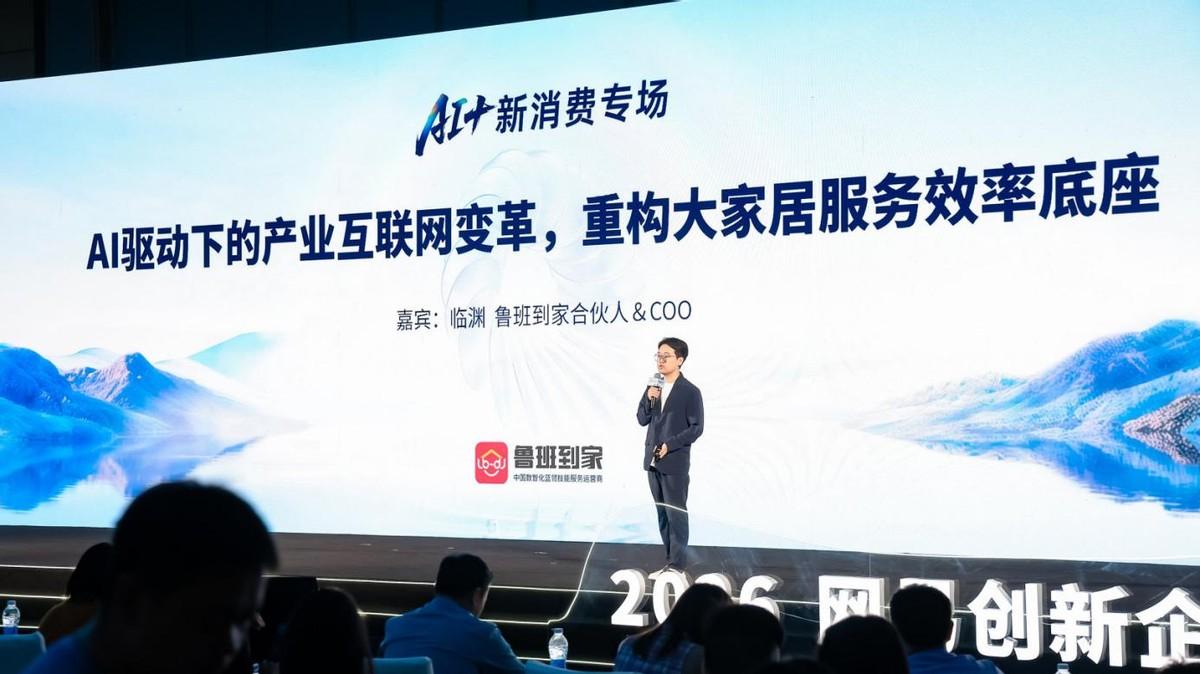
伴随生成式AI从通用场景走向产业深水区,新业态服务开启垂直智能化落地探索。在一场产业创新大会上,鲁班到家合伙人兼COO田瑜哲以AI改造产业服务为核心做落地分享,复盘过去两年全链路AI落地实践,发布鲁班到家旗下垂类专属AI产品「班灵AI」于6月开启公测。以鲁班到家为样本,可直观窥见万亿蓝领服务赛道,垂直产业AI从概念落地到产业落地的真实演进路径。
一、现代服务业加速升级,技能交付成为核心共识

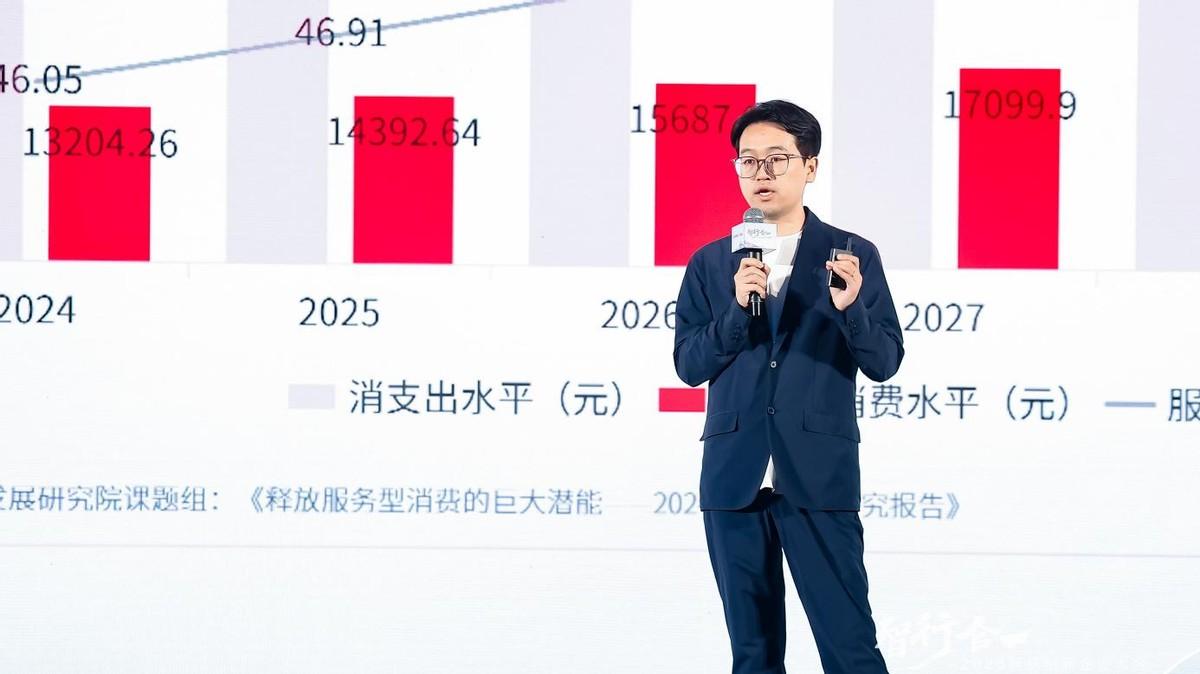
当前,国内经济结构持续向服务型转型,服务业已成为经济增长核心支柱。国家统计局数据显示,2025年第三产业增加值占比已达57.7%,国内经济向服务型驱动转型已成确定性趋势;中改院报告显示,伴随居民消费由实物消费转向服务型消费,预计2030年国内服务类消费在居民总消费中占比突破50%,成为消费增长主力。

在数字经济驱动下,服务型消费新业态全面渗透“衣食住行”各大细分赛道,涌现出众多领域的头部品牌与新兴蓝领职业,支撑消费升级的蓝领灵活用工市场迎来广阔增长空间。

据人社部、艾瑞咨询联合统计,国内拥有超4亿蓝领技工群体,蓝领灵活用工市场规模已突破万亿,但行业整体渗透率不足10%,后续市场挖掘空间广阔。

作为现代化服务的核心场景之一,大家居后市场及家庭全场景覆盖了安装、维修、清洗、局改等多元服务需求,属于典型的非标密集型服务赛道。行业服务链路长、流程节点多、作业规则复杂,高度依赖线下履约落地、人工专业判断与现场灵活处置。

随着产业迭代与消费升级,消费者对终端落地服务品质的要求持续提升,传统信息撮合模式难以匹配当下市场诉求,以专业能力为核心的技能交付型服务运营,逐步成为全行业转型升级的共识。
二、两年AI创新:让AI能力赋能业务增效

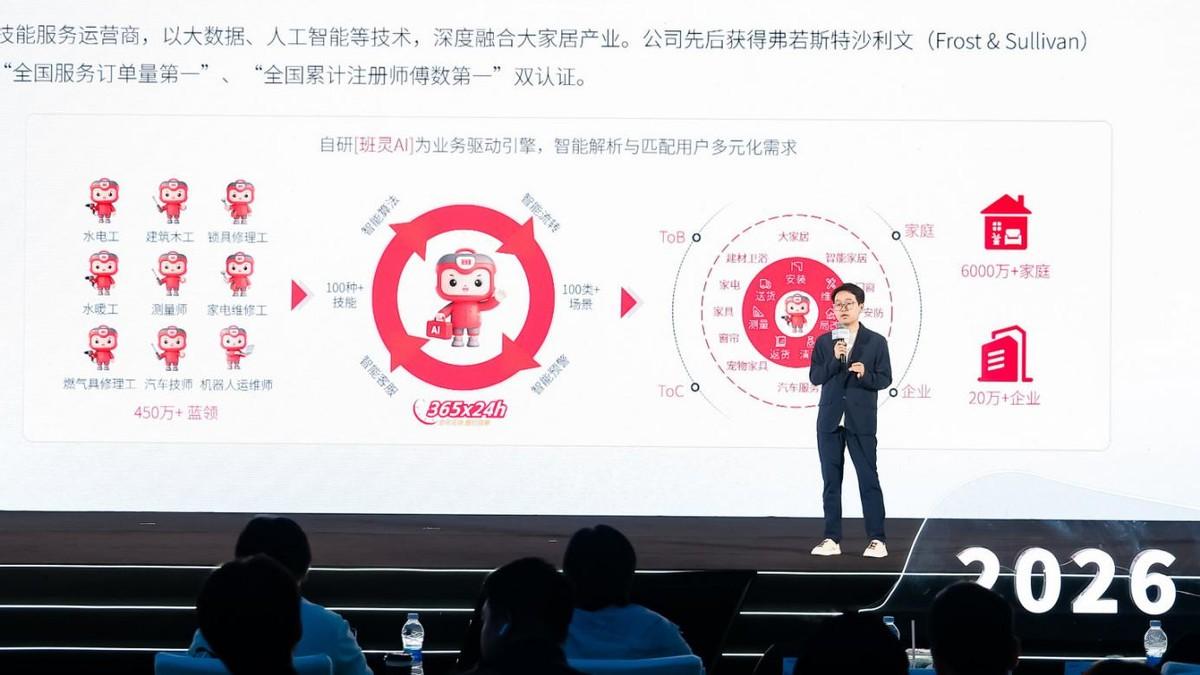
作为国内规模领先的数智化蓝领技能服务运营商,鲁班到家拥有450多万专业技能型蓝领资源,每年服务数千万家庭,先后获得弗若斯特沙利文颁发全国服务订单量、累计注册师傅数量“双第一”权威认证。

早在两年前,鲁班到家启动构建全域AI技术布局,紧扣业务全链路的运营痛点,以“数据沉淀、场景驱动、算法优化”为核心思路,自主研发了“订单调度+服务交付”双引擎体系,推动全业务流程智能提效,搭建起覆盖订单调度、运营管控、客户服务的全维度数智能力矩阵。

如今,原本依赖人工运营、客服操作的大量重复性工作,逐步被智能化能力替代,企业完成了从基础数字化到高阶数智化的关键突破。

在服务调度环节,鲁班到家落地全链路智能调度系统,依托“人+岗+场”多维智能匹配模型,实现批量派单、师傅匹配、履约交付、验收结算全流程自主决策。

针对订单高峰期或超时等行业常见风险,系统建立三级响应的自动处理机制,订单平均履约时长下降43.3%。当区域或品类订单密度超阈值时,一级机制自动扩容派单半径,保障订单正常流转;二级机制触发专项激励,调动师傅接单积极性;三级机制在极端场景下实现订单自动转为报价模式,提高非标或偏远地区订单的成交率。

在服务运营层面,智能化体系全面替代低效人工重复工作。通过个性化接单推荐,实现服务场景与师傅专业技能的精准匹配;依托智能报价推荐算法,师傅接单成功率提升至96.2%;智能工单可视化预警看板,实现订单全流程实时动态监控,驱动服务运营走向精细化、标准化。

2025年,鲁班到家携手网易智企共创“回群智能体+下单智能体”双Agent智能化服务体系,可独立处理业务咨询、订单查询、任务指令与服务催促等常态化群组服务。

同步落地服务全流程的智能会话AI,呼入机器人承接日常智能咨询业务,快速响应客户诉求与疑问;外呼机器人则负责服务预约、超时提醒、履约跟进等场景,既提升了响应效率,也保障了服务的一致性。

这些智能化能力成果落地,背后是一套完整的数智化增效逻辑。借助AI技术实现业务流程自动化、运营管理精细化、场景决策智能化。同时,依靠场景实时监控、全量数据溯源与算法风险预警等,保障了服务质量的可控可追溯,让AI能力真正服务于业务,而非悬浮的技术概念。
三、班灵AI登场:定义产业服务AI新形态

生成式AI产业迈入落地的第四年,行业竞争从通用AI能力的同质化比拼,全面进入垂直场景深度落地的新阶段。

各行各业不再追求技术噱头,转而聚焦产业真实痛点、落地用户刚需,探索AI产业化落地路径。当前,AI已在电商购物、运动健康、本地生活等领域商业化落地,垂直场景实用价值成为行业角逐的核心落脚点。

鲁班到家过去两年的AI技术沉淀,始终紧扣大家居服务行业的迭代节奏,沉淀上亿次真实入户服务场景大数据,深度洞悉行业服务底层逻辑,精准掌握全链路作业规则与业务需求。

实践印证,简单的功能堆砌与浅层数字化改造,无法从根本上降低行业操作门槛,也难以满足家庭、商家、师傅三端用户差异化诉求,唯有深度理解行业规律和服务需求,打造出适配行业专属的智能体,才能真正实现用AI能力为产业减负、为用户提效。

基于深度行业洞察,鲁班到家跳出传统客服机器人和单一智能入口的浅层智能化思路,以行业痛点为核心、立足用户需求为导向,打造了国内首款聚焦大家居全场景的实用型AI智能体——班灵AI。

这款将于6月正式开启公测,区别于市面上通用性、泛场景的AI产品,摒弃了宽泛化、模板化智能服务模式,深度扎根大家居服务垂直赛道,针对性适配三端用户需求,将复杂的功能操作简化为轻量化智能交互,全方位提升产业运营效率与用户服务体验。

班灵AI的亮相,既是鲁班到家从“数字化服务组织者”迈向“智能化生态赋能者”关键一步,也是大家居服务行业从传统人工操作向全域智能交互跨越的标志性突破。

四、垂直AI演进:从读懂需求到守护生活

在演讲分享中,田瑜哲将大家居服务赛道的垂直AI划分为三段迭代周期,为行业智能化发展提供通用参考路径。

第一阶段:感知型AI。依托成熟的数字化基建与标准化服务流程,通过指令、语音或文本等基础感知能力,替代重复性人工操作,助力行业从人工粗放执行到数字化运营的进阶。

第二阶段:智能体AI。以班灵AI为标杆的智能体,具备自主理解、独立决策与自动执行的完整能力,打通服务全链路的智能闭环,实现服务交互从被动响应需求向主动处理业务升级,形成家居生活服务的高效运转。

第三阶段:管家式AI。随着全屋智能家居、家用IoT设备的全面普及,基于AI云脑为家庭全周期的长效云管理与全域云统筹将被实现,逐渐演变成从被动寻求解决方案,向AI自主预判、规划、统筹的管家式服务进化,全面接管家庭的电器设备、智能家居等全场景服务智能管理,搭建常态化、主动化、智能化的家庭守护体系。

对于万亿级大家居后市场而言,AI早已不再是锦上添花的概念,而是重构行业效率、统一服务标准、升级用户体验的底层核心支撑。

结语

当前,产业AI进入垂直场景实战落地的关键窗口期。从历时两年深耕AI技术、搭建全链路智能运营体系,到自研垂直智能体班灵AI正式亮相,鲁班到家以长期落地实践,走出一条适配大家居产业发展的AI实质化落地路径。

从整合全国分散蓝领技能资源、夯实行业数字化服务底座,到规范非标服务全流程标准,再到打造行业首款垂直AI智能体,鲁班到家始终立足现代服务业升级前沿,持续深耕赛道、坚持技术创新,补齐了大家居行业智能化服务短板,为万亿级大家居后市场服务的数智化升级,提供了成熟可行的落地范本。

注:文/龚作仁,文章来源:Laborer,本文为作者独立观点,不代表亿邦动力立场。

【版权提示】亿邦动力倡导尊重与保护知识产权。未经许可,任何人不得复制、转载、或以其他方式使用本网站的内容。如发现本站文章存在版权问题,烦请提供版权疑问、身份证明、版权证明、联系方式等发邮件至run@ebrun.com,我们将及时沟通与处理。

已点赞

+1

{{ praise_text }}

好文章,值得被更多人看到

广告

下一篇

跨境电商资源对接

《全球跨境电商服务商资源手册》第二期手册现已发布,触达更多资源,了解跨境服务商信息,欢迎点击链接下载。

了解详情

业绩承诺落空 贝泰妮接手Za和泊美“翻车”了吗?

6月15日,薇诺娜母公司贝泰妮发布公告,其收购的子公司悦江(广州)投资有限公司(以下简称“悦江投资”)未完成2023年至2025年的业绩承诺,触发对赌协议。