



• 亿邦公众号
    • APP下载

耐心资本护航创新,2026SuperLink开启创投价值共生新时代

作者:龚作仁 文章来源:Laborer

2026-06-16 09:33

作者:龚作仁 文章来源:Laborer

2026-06-16 09:33

邦小白快读

EN
全文速览

本次内容整理自2026年6月在苏州举办的2026SuperLink创投盛会,本次大会汇聚数百位创投领域领军人士,核心目标是推动资本与产业双向融合,打造创投价值共生生态,核心干货信息如下

1. 行业整体变化:当前股权投资正迎来深度变革,传统“IPO为王”的退出逻辑已经遭遇挑战,行业需要探索多元退出路径缓解存量项目退出压力,投资逻辑也从过去的广谱布局转向深度认知挖掘,更看重聚焦赛道。

2. 热门赛道发展阶段:AI浪潮才刚刚起步,底层技术仍在发展,仍有较大布局空间;量子计算处于产业化初期,尚未到大规模爆发阶段;具身智能的投资窗口仅存在于技术与市场成熟前,成熟后投资机会会大幅减少;机器人正处于从技术验证到规模落地的关键转型阶段。

本次大会披露了当前创投领域与科技产业的最新发展趋势,能够为品牌商布局新业务、对接资源提供明确参考,核心干货如下

1. 产业与消费趋势参考:当前社会资本加速流向硬科技、AI、高端制造、生物医药等未来产业,国产替代已经进入关键窗口期,品牌商可结合自身业务优势,抓住AI赋能、国产替代的风口布局相关新业务,提前卡位新增长曲线。

2. 产品研发方向参考:当前行业投资已经从“赛道狂热”转向“价值回归”,更看重核心能力,比如生物医药赛道更看重团队快速试错迭代能力而非单一产品,硬科技赛道更看重自主研发能力,这对品牌商的产品研发逻辑有借鉴意义。

3. 资源对接机会:这类创投大会是优质的资本产业对接平台,品牌商的创新项目可以借助这类平台对接专业投资机构,获取发展需要的资金与资源支持。

本次大会披露了当前多个赛道的发展趋势、机会与风险,能够为卖家发掘新增长机会、布局新业务提供指导,核心干货如下

1. 政策与趋势层面:当前国家战略层面支持硬科技、高端制造、人工智能、机器人等领域发展,引导基金、并购基金持续扩容,资本加速向这些领域流入,相关赛道存在明确的政策红利与增长机会。

2. 赛道机会提示:AI发展仍处于初期,浪潮才刚刚开启;具身智能、量子计算都处于产业化前期,仍有投资布局机会;机器人产业正从技术验证转向规模落地,通用本体与通用模型方向蕴藏巨大的市场机会;高端制造国产替代也处于关键窗口期,落地空间较大。

3. 风险提示:当前机器人领域存在资本涌入与产业成熟度错配的风险,布局不能盲目跟风,要避开超出自身认知的赛道,不能沿用传统线性思维,要加深对赛道的认知深度再布局。

本次大会披露了当前制造业相关领域的发展趋势与商业机会,能够为工厂转型发展、对接资源提供明确方向,核心干货如下

1. 产品生产设计需求变化:当前高端制造国产替代已经从仿制转向自主研发,材料赛道更看重产品渗透率与落地能力,AI已经可以应用在材料研发环节,大幅提升研发效率,工厂可借助AI技术升级研发流程,布局自主可控的核心产品,抓住国产替代的需求风口。

2. 新增商业机会:机器人产业正处于从技术验证到规模落地的关键阶段,人形机器人、工业自动化等细分赛道加速发展,未来机器人会走向通用本体与通用模型,相关零部件、生产制造领域的工厂可提前布局,对接市场新增需求。

3. 转型发展启示:当前人才回流与产学研融合趋势明显,工厂可借助这一趋势突破核心技术瓶颈,同时可以参与类似创投大会的对接活动,对接投资机构,获取数字化转型、技术研发、产能扩张需要的资金支持。

本次大会梳理了当前创投行业与科技产业的核心痛点、发展趋势,能够为服务相关领域的服务商找准客户需求、抓住行业机会提供参考,核心干货如下

1. 行业核心痛点整理:当前股权投资行业的核心痛点是传统IPO为王的退出逻辑遭遇挑战,存量项目退出压力较大,同时存在LP与GP对接效率低、资本与产业匹配精准度不足的问题,前沿科技企业也存在技术落地资源不足的问题。

2. 新技术发展趋势:当前人工智能、具身智能、脑机接口、量子计算、可控核聚变、机器人等前沿技术正逐步从实验室走向产业化前期,大量相关企业涌现,对配套的行业服务、资本对接、资源链接有旺盛需求。

3. 自身发展机会:服务商可针对LP与GP的对接需求,搭建精准匹配的对接平台,针对前沿科技企业的需求,提供从早期研发到产业化落地的全流程配套服务,抓住当前资本与产业深度融合带来的行业增量,拓展自身业务边界。

本次大会的举办模式与行业共识,能够为各类产业创投平台的运营发展提供诸多借鉴,核心干货如下

1. 当前行业对平台的核心需求:当前创投行业已经不满足于简单的信息交流,需要能够实现资本与产业精准对接、LP与GP高效链接的开放性平台,打破不同行业、不同机构之间的壁垒,构建深度融合的产业生态。

2. 平台运营可借鉴的做法:平台可设置多核心板块,覆盖从宏观趋势研判到垂直赛道深耕的完整需求,搭配项目路演、主题展区、定向闭门研讨、特色社交活动等多元互动场景,兼顾趋势分享、项目对接、资源交流等多功能,还可设置地方专场活动提升对接精准度。

3. 风险规避方向:平台运营要顺应行业从“赛道狂热”转向“价值回归”的趋势,引导行业关注真实产业价值,避免过度炒作过热赛道,助力行业构建价值共生的生态,自身也能获得更长期的发展。

本次大会汇集了当前股权投资与科技产业的最新行业共识与发展动向,对产业相关研究有较高的参考价值,核心干货如下

1. 产业发展新动向:当前股权投资领域正迎来深度变革,引导基金与并购基金持续扩容,社会资本加速流向硬科技及未来产业,资本与产业的关系从过去的规模扩张转向深度赋能与生态共建,行业退出模式从单一IPO退出转向多元退出,投资逻辑从广谱投资转向深度认知驱动,从赛道狂热转向价值回归。

2. 行业涌现的新问题:当前股权投资行业面临存量项目退出压力过大的问题,机器人领域存在资本涌入与产业成熟度错配的问题,脑机接口发展也面临应用场景拓展与伦理边界界定的新问题,这些都是值得深入研究的新课题。

3. 前沿赛道的新特征:人工智能、具身智能、量子计算、生物医药、高端制造、机器人等多个前沿赛道都出现了新的发展特征,比如量子计算已经走到产业化临界点,机器人未来会收敛为通用本体与通用模型,这些新特征都值得深入研究。

声明:快读内容全程由AI生成,请注意甄别信息。如您发现问题,请发送邮件至 run@ebrun.com 。

我是 品牌商 卖家 工厂 服务商 平台商 研究者 帮我再读一遍。

Quick Summary

This article summarizes key takeaways from the 2026 SuperLink Venture Capital Summit held in Suzhou in June 2026. The event gathered hundreds of leading figures in the venture capital and investment industry, with the core goal of driving two-way integration between capital and industry to build a value-coexisting venture ecosystem. Key insights are as follows:

1. Overall industry shift: The private equity sector is undergoing deep transformation. The traditional "IPO-first" exit model has faced growing challenges, and the industry must explore diversified exit channels to ease pressure from exiting existing portfolio projects. Investment strategy has also shifted from broad, diversified portfolio allocation to deep-cognitive-driven, focused sector positioning.

2. Development stages of popular sectors: The AI boom is still in its early stages, with underlying technologies still evolving and plenty of room for new investments. Quantum computing remains in the early phase of industrialization and has not yet entered large-scale expansion. The investment window for embodied intelligence only opens before technology and market maturity; investment opportunities will shrink sharply after the sector matures. The robotics sector is at a critical inflection point, transitioning from technology validation to large-scale commercial deployment.

This summit disclosed the latest development trends in venture capital and the technology industry, providing clear reference for brands looking to expand new business lines and connect with industrial and capital resources. Key takeaways are as follows:

1. Reference for industrial and consumer trends: Social capital is accelerating its flow into future-oriented sectors including hard technology, AI, advanced manufacturing and biopharma, and domestic substitution has entered a critical window. Brands can leverage their existing business advantages to capture the opportunities brought by AI empowerment and domestic substitution, layout related new businesses, and secure an early position on the new growth curve.

2. Reference for product R&D direction: The industry has shifted from "sector hype" to "value return", and now prioritizes core competitiveness. For example, in the biopharma sector, investors value teams' ability to rapidly iterate and test over relying on a single product; in hard technology, independent R&D capability is the top priority. This shift offers valuable reference for brands adjusting their own R&D strategy.

3. Resource matching opportunities: Venture summits like this are high-quality platforms for connecting capital and industry. Brands can showcase their innovative projects to connect with professional investment institutions through such events, and secure the capital and resources needed for growth.

This summit disclosed development trends, opportunities and risks across multiple sectors, providing guidance for sellers to identify new growth opportunities and expand new businesses. Key takeaways are as follows:

1. Policy and trend outlook: China's national strategy prioritizes development of hard technology, advanced manufacturing, artificial intelligence, robotics and related sectors, with guiding funds and merger funds continuing to expand in scale. Capital is accelerating its flow into these fields, which offer clear policy dividends and growth opportunities.

2. Sector opportunity alerts: AI development is still in its early stages, and its boom has just begun. Both embodied intelligence and quantum computing are in the pre-industrialization phase, with abundant room for new investment and布局. The robotics industry is transitioning from technology validation to large-scale deployment, and the general robot本体 and general model segments hold enormous market opportunities. Domestic substitution for advanced manufacturing is also in a critical window, with huge room for commercial落地.

3. Risk alerts: The robotics sector currently faces the risk of a mismatch between rapid capital inflow and industrial maturity. Sellers should avoid blindly following hype, steer clear of sectors outside their area of expertise, abandon traditional linear thinking, and deepen their understanding of the sector before entering.

This summit disclosed development trends and business opportunities in manufacturing-related fields, providing clear direction for factories pursuing transformation and resource connection. Key takeaways are as follows:

1. Shifting demand for product design and manufacturing: Domestic substitution in advanced manufacturing has shifted from imitation to independent R&D. In the materials sector, product penetration and commercial落地 capability are now the top priorities. AI has already been applied to materials R&D, greatly improving R&D efficiency. Factories can leverage AI to upgrade their R&D processes, develop independent and controllable core products, and capture the growth opportunities brought by domestic substitution.

2. New business opportunities: The robotics industry is at a critical stage transitioning from technology validation to large-scale deployment. Segments including humanoid robots and industrial automation are growing rapidly, and the future of robotics will center on general本体 and general models. Factories operating in related components and manufacturing fields can get an early start to meet new market demand.

3. Insights for transformation: The trend of talent returning to industry and deepening industry-university-research integration is clear. Factories can leverage this trend to break through core technology bottlenecks. They can also participate in networking events like this venture summit to connect with investment institutions, and secure capital needed for digital transformation, technology R&D and capacity expansion.

This summit sorted out core pain points and development trends of the venture capital and technology industry, providing reference for service providers to identify client demand and capture industry opportunities. Key takeaways are as follows:

1. Core industry pain points: The core pain point of the private equity industry is that the traditional IPO-first exit model has encountered challenges, leading to heavy pressure to exit existing portfolio projects. The industry also suffers from low matching efficiency between LPs and GPs, poor accuracy in capital-industry matching, and insufficient落地 resources for cutting-edge technology companies.

2. New technology development trends: Cutting-edge technologies including artificial intelligence, embodied intelligence, brain-computer interfaces, quantum computing, controlled nuclear fusion and robotics are gradually moving from laboratories to the pre-industrialization phase. A large number of related startups have emerged, creating strong demand for supporting industry services, capital connection and resource networking.

3. Growth opportunities for service providers: Service providers can build targeted matching platforms to address the unmet demand for efficient LP-GP connection. For cutting-edge technology companies, they can offer end-to-end supporting services spanning from early-stage R&D to industrial落地. By doing so, they can capture the industry growth brought by deep capital-industry integration and expand their business boundaries.

The hosting model and industry consensus from this summit offer plenty of insights for the operation and development of all types of industrial venture capital platforms. Key takeaways are as follows:

1. Core industry demand for platforms: The venture capital industry is no longer satisfied with simple information exchange. It needs open platforms that enable accurate matching between capital and industry, and efficient connection between LPs and GPs, to break down barriers across industries and institutions and build a deeply integrated industrial ecosystem.

2. Actionable insights for platform operation: Platforms can set up multiple core modules to cover full demand from macro trend analysis to in-depth vertical sector exploration, and support diverse interactive scenarios including project pitching, themed exhibition areas, closed-door targeted discussions and specialty networking events. This allows platforms to deliver multiple functions including trend sharing, project matching and resource exchange. Platforms can also host location-specific sessions to improve matching accuracy.

3. Risk mitigation guidance: Platform operations should align with the industry's broader shift from "sector hype" to "value return", guide the industry to focus on real industrial value, avoid overhyping overheated sectors, and help the industry build a value-coexisting ecosystem—this will also support the platform's own long-term development.

This summit gathered the latest industry consensus and development trends in private equity investment and the technology industry, offering high reference value for industry-related research. Key takeaways are as follows:

1. New industrial development trends: The private equity investment sector is undergoing deep transformation. Guiding funds and merger funds continue to expand in scale, and social capital is accelerating its flow into hard technology and future-oriented industries. The relationship between capital and industry has shifted from supporting simple scale expansion to deep empowerment and ecosystem co-construction. The exit model is shifting from single-route IPO exit to diversified exit, while investment strategy has shifted from broad portfolio allocation to deep-cognitive-driven investment, and from sector hype to value return.

2. Emerging new industry issues: The private equity industry faces severe pressure from exiting existing portfolio projects. The robotics sector faces a mismatch between rapid capital inflow and industrial maturity. The development of brain-computer interfaces also raises new issues around application scenario expansion and ethical boundary definition. All these are new topics worthy of in-depth research.

3. New characteristics of cutting-edge sectors: Multiple cutting-edge sectors including artificial intelligence, embodied intelligence, quantum computing, biopharma, advanced manufacturing and robotics have developed new characteristics. For example, quantum computing has reached an inflection point for industrialization, and the robotics industry will eventually converge around general本体 and general models. These new characteristics all require further in-depth research.

Disclaimer: The "Quick Summary" content is entirely generated by AI. Please exercise discretion when interpreting the information. For issues or corrections, please email run@ebrun.com .

I am a Brand Seller Factory Service Provider Marketplace Seller Researcher Read it again.

2026年6月10日至11日,2026SuperLink在苏州吴中太湖之畔圆满落幕。本次活动由清科控股(01945.HK)、投资界主办,吴中金控集团联合主办。数百位创投领域领军人士、行业精英齐聚现场,共赴这场创投盛会。

当前,股权投资领域正迎来深度变革:引导基金与并购基金持续扩容,社会资本加速流向硬科技及未来产业,前沿技术推动资本与产业从规模扩张转向深度赋能与生态共建。立足行业发展关键节点,本届大会以“超级链接”为核心理念,设置五大核心板块、十大互动场景,通过LP/GP深度对话、未来产业趋势研判等丰富内容,推动资本与产业双向融合,实现从“交流场域”到“生态核心”的关键跃迁。
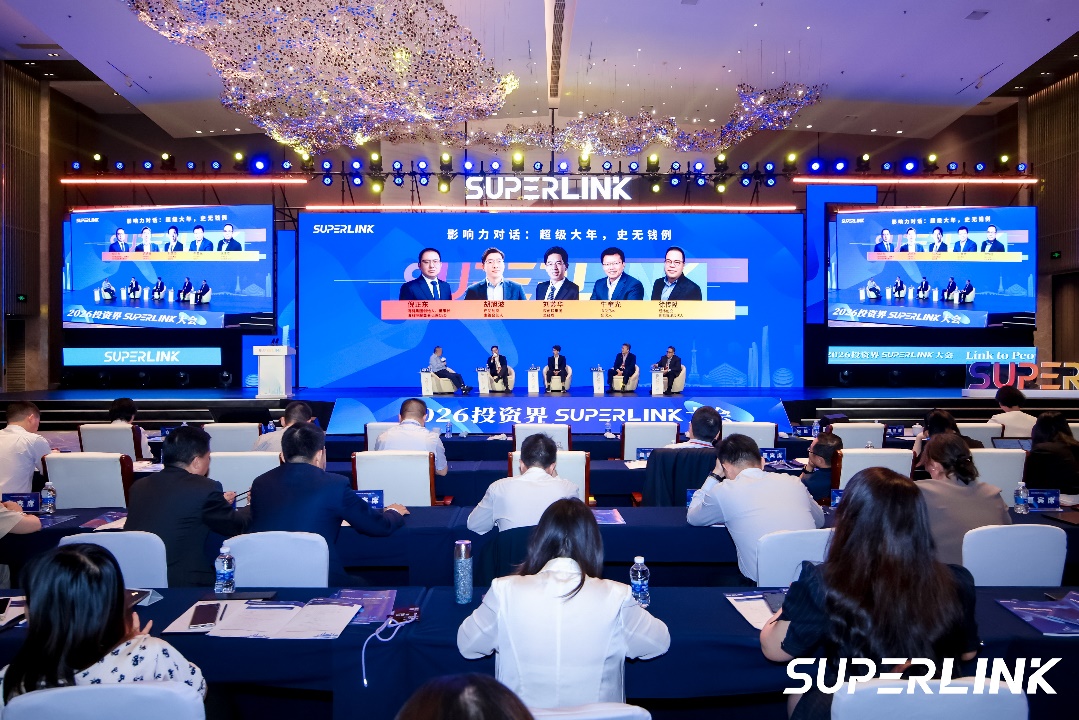
以耐心资本重构共识,多元退出破解行业难题

作为大会核心板块,第二十届投资界基金合伙人大会聚焦当下LP/GP行业核心痛点与增量机遇。“IPO为王”的传统逻辑正面临挑战,行业亟需探索多元化退出路径,以缓解存量项目退出压力。市场逻辑转变之下,投资机构的布局思路与价值判断也随之调整。达晨财智合伙人窦勇认为:“未来六大支柱产业路径清晰,但量子、核聚变等赛道商业化周期长,我们集中赛道、放弃超认知项目。在人声鼎沸时更要冷静,潮水退去时才方知谁在沙滩上。”

在如何赢得LP长期信任、创造经得起检验的投资回报,同样是行业关注的焦点。光合创投合伙人朱嘉认为:“中国科技公司想象空间正在打开,但市场已不能做广谱投资,必须扎得更深才能看得更早。投资比拼认知深度,不能沿用线性思维,要捕捉Agent时代等新变化催生的技术需求。”

科创赋能,锻造新质生产力引擎

当前科技创新正成为驱动高质量发展的核心变量。科创大会从AI赋能到生物医药前沿,从高端制造国产替代到科创投资底层逻辑,全景式呈现科技与资本的深度融合。东方嘉富创始合伙人、董事长徐晓分享道:“AI的发展具有划时代意义,这一浪潮才刚刚开始,底层技术还在继续的发展中,未来要坚定布局与积极拥抱AI浪潮。”

生物医药正站在创新与资本的双重十字路口,北极光创投合伙人宋高广分享道:“医疗是长周期赛道,从政策驱动转向市场驱动后,投资逻辑也从看重商业化转向为研发效率。团队快速试错、持续迭代的能力,比单一产品更重要。”

高端制造正迎来国产替代的关键窗口期。唐兴资本创始人兼董事长宫蒲玲认为:“硬科技与高端制造领域,国产替代已从仿制转向自主研发,材料赛道渗透率与落地能力得到显著提升。而后随着人才回流与产学研融合,关键领域有望自主突破。”

科创投资正从“赛道狂热”转向“价值回归”。讯飞创投董事长徐景明提出:“CVC的本质是投出好项目以及做好产业与生态协同,当下应拥抱趋势、谨慎评估。”

前瞻未来产业,抢占科技制高点

大会同步举办未来产业大会,聚焦前沿硬核科技赛道,瞄准人工智能、具身智能、脑机接口、量子科技等下一代核心产业,解锁未来十年产业发展新范式。

在探讨具身智能商业化路径的圆桌讨论中,智平方联合创始人张鹏认为:“具身赛道的投资窗口期,只存在于技术与市场成熟之前。等到机器人保有量过亿,剩下的只是商业价值,而非投资机会。”

能源与算力的协同,是AI时代不可回避的命题。诺瓦聚变创始人、董事长兼CEO郭后扬提供了可控核聚变为AI时代能源底座的前瞻图景。暖芯迦创始人杨佳威则引发了关于脑机接口应用场景与伦理边界的深度思考。

量子计算正从实验室走向产业化临界点,技术路线的选择将决定谁能率先打开实用化大门。玻色量子马寅提出:“从年初的‘十五五’规划到今天的资本市场,量子刚刚起了一波小高潮,但离最后的大浪还有一个阶段,还会继续往上走。”

纵贯机器人热潮,掘金产业变革

机器人产业正经历从“技术验证”到“规模落地”的关键跃迁。在“中国制造2025”与人工智能国家战略的双重驱动下,人形机器人、工业自动化、服务机器人等细分赛道加速分化,资本涌入与产业成熟度的错配成为行业新课题。在机器人大会现场,鹿明机器人联合创始人赵广智提出:“在物理领域,机器人终将收敛为通用本体与通用模型,商业模式将和过往截然不同,蕴藏巨大市场机会。”

随着神经科学、材料学与算力技术的突破,脑机接口正从实验室走向临床与消费场景,东微半导创始人兼董事长龚轶认为:“与AI对话做材料,效率之高,某种意义上已经是一种‘脑机接口’。展望未来,高带宽的人机沟通,将让机器人有能力完成更复杂的工作。”

此外,机器人大会特别设置“Lake Tech”项目路演环节,乐享科技、可以科技、曦诺未来、小毛机器人4家机器人企业依次登台,向在场投资机构展示核心技术壁垒与商业化路径,为创投双方搭建高效对接桥梁。

为期两天的大会设置开幕式、第二十届投资界基金合伙人大会、未来产业大会、机器人大会、科创大会五大核心板块,形成从宏观研判到垂直赛道深耕的完整议程。活动同步举办国资基金闭门研讨会等定向交流活动,浙江专场、深圳市天使投资引导基金专场、苏州战新基金&吴中金控集团专场、陕西省政府投资引导基金&西安市产业投资基金专场等基金发布厅活动先后开展,推动金融资源与产业精准对接,助力LP与GP高效合作。

此外,大会开设SuperLink Show展区,集中展示机器人、AI应用、科创技术、生命科技等领域最新成果。太湖骑行、投资界之夜等特色社交活动,打破行业、机构壁垒,构建开放互通的交流生态。本届大会以十大互动场景为载体,兼顾趋势解读、赛道挖掘、资本对接、资源交流,打造高价值行业交汇平台。

2026SuperLink在热烈交流与行业共识中圆满收官。大会凝聚了从信息互通走向信任共建、从资源链接迈向价值共生的行业共识,为创投生态织就了精准适配的价值网络。未来,大会将继续携手行业伙伴开启全新叙事,为每一次创新突破注入源源不断的链接动能。

注:文/龚作仁,文章来源:Laborer,本文为作者独立观点,不代表亿邦动力立场。

【版权提示】亿邦动力倡导尊重与保护知识产权。未经许可,任何人不得复制、转载、或以其他方式使用本网站的内容。如发现本站文章存在版权问题,烦请提供版权疑问、身份证明、版权证明、联系方式等发邮件至run@ebrun.com,我们将及时沟通与处理。

已点赞

+1

{{ praise_text }}

好文章,值得被更多人看到

广告

下一篇

跨境电商资源对接

《全球跨境电商服务商资源手册》第二期手册现已发布,触达更多资源,了解跨境服务商信息,欢迎点击链接下载。

了解详情

爱好消费复制潮玩行业 拼豆能出下一个泡泡玛特吗?

为什么有人愿意花几百块钱买一堆小塑料颗粒?为什么有人为了抢豆专门定闹钟?为什么闲鱼上还有代拍业务?

品牌故事 未来零售

2026-06-16 09:20:28









