• 亿邦公众号
    • APP下载

微信AI化 才是腾讯的真正赌局

作者:市值榜团队 文章来源:市值榜

2026-06-12 13:26

作者:市值榜团队 文章来源:市值榜

2026-06-12 13:26

邦小白快读
EN
全文速览

本文核心梳理了腾讯AI发展的路径和当前押注微信AI智能体的最新布局,核心干货如下

1. 腾讯此前被认为AI布局慢,核心原因是2022年腾讯处于降本增效周期,选择先内后外的路径,先用混元大模型改造自身内部业务,晚了近十个月才对外发布,独立C端产品元宝发展不佳,还曾因诱导分享被微信官方限制外链,增长遇瓶颈。

2. 腾讯当前的核心底牌是微信内置AI智能体,依托微信14亿月活和完整的社交、内容、小程序、支付生态,智能体可直接调用小程序完成从需求匹配到下单的全流程,目前已经完成原型测试,推进上线审批。

3. AI下半场比拼生态闭环能力,腾讯延续以往后发布局的风格,等待商业模式清晰后重仓,目前仍在推进工程落地,最终效果有待验证。

本文分析了AI智能体发展浪潮下,腾讯微信AI布局给品牌带来的新机会与趋势,核心干货如下

1. 行业消费与技术趋势明确,AI已经从单纯的对话工具转向可自主执行任务的智能体,商业化路径逐步清晰,依托微信生态的内置AI智能体,可为品牌搭建全新的获客到转化全链路。

2. 微信AI智能体可基于用户需求偏好,自动匹配符合要求的品牌商品与服务,直接调用品牌小程序完成下单支付,能给品牌带来更精准的流量,缩短转化路径,降低获客成本。

3. 目前微信AI智能体全链路仍在打磨,接口规则、利益分配机制尚未完全落地,品牌可提前关注开放进度,提前适配小程序接口,做好接入准备,有望抢占先发流量红利。

本文梳理了腾讯AI布局的最新进展,为各类卖家带来了明确的机会提示与风险提示,核心干货如下

1. 增长机会方面,AI下半场竞争焦点已经转向场景生态闭环,微信AI智能体依托微信14亿月活的社交、内容、商业生态,可直接完成用户需求识别到交易转化的全流程,是卖家接下来可期待的全新增量流量入口。

2. 需要注意的风险,目前微信AI智能体仍处于测试阶段,接口稳定性、合规规则、利益分配机制尚未完全确定,此前腾讯元宝拉新就因违反微信生态外链规则被限制,提醒卖家必须遵守微信生态的合规要求。

3. 卖家可提前关注微信AI智能体的开放进展,优化自身小程序的服务能力,做好对接准备,以便抓住新一波流量增长机会。

本文介绍了微信AI智能体的发展规划,给工厂带来了商业机会与数字化转型的启示,核心干货如下

1. 新商业机会层面,微信AI智能体可直接对接C端用户需求,调用工厂的小程序门店完成交易,能够帮助工厂去掉中间流通环节,直接触达微信14亿C端用户,开辟全新的直销渠道,提升利润空间。

2. 生产与设计层面,微信AI智能体可以汇总用户的需求偏好数据,为工厂的产品设计、生产规划提供真实的市场参考,帮助工厂更快响应市场变化,推出更符合消费者需求的产品,降低库存风险。

3. 数字化转型启示,工厂可提前完善自身的小程序布局,优化服务能力和接口规范,适配未来AI智能体的调用要求,借助微信AI生态的风口完成自身的数字化与电商化升级。

本文梳理了AI行业发展的最新趋势,总结了当前行业存在的痛点,为服务商指明了新的业务方向,核心干货如下

1. 行业发展趋势:国内AI竞争已经从上半场比拼模型参数、发布速度、用户规模,转向下半场比拼生态落地能力,智能体是当前AI商业化路径最清晰的方向,依托超级生态的内置智能体成为行业布局热点。

2. 当前客户核心痛点:AI智能体落地需要全链路协同,目前普遍存在接口标准不统一、服务质量参差不齐、多主体智能体秩序混乱、合规要求不明确、推理成本偏高等待解决的问题。

3. 新业务机会:随着腾讯微信AI智能体推进落地,品牌、商家都有对接智能体的需求,服务商可围绕智能体生态,开发接口适配、运营服务、性能优化、合规咨询等相关解决方案,开辟新的业务增长空间。

本文复盘了腾讯AI发展路径,总结了腾讯布局微信AI智能体的经验教训,给平台商发展AI业务带来了多方面的参考,核心干货如下

1. 商家和用户对平台AI的核心需求:是能融入现有高频使用场景、完成从需求到交易全闭环的AI服务,用户并不会轻易跳出已经习惯的超级APP去使用独立的AI产品,独立做AIAPP很容易遭遇增长瓶颈。

2. 平台布局AI可参考的路径:优先依托自身已有生态做AI改造,先内部打磨再对外推广,发挥自身已有的场景、流量、数据优势,比提前抢占舆论心智更靠谱。

3. 需要规避的风险:AI智能体落地要提前解决接口标准、服务规范、合规管理、利益分配等问题,避免出现多主体智能体流程混乱、触碰合规红线的问题,投入上可保持战略弹性,等到商业模式清晰后再重仓,避免过度投入带来的浪费。

本文复盘了腾讯过去三年的AI发展路径,展现了国内大模型产业发展的新动向与新问题,对产业研究具备较高参考价值,核心干货如下

1. 产业新动向:国内AI产业已经进入下半场,竞争焦点从原来的模型发布速度、参数规模、用户心智争夺,转向生态落地能力、全链路闭环能力的比拼,智能体成为当前AI商业化的核心方向,依托超级流量生态的内置智能体成为头部巨头的主流押注方向。

2. 产业待解决新问题:目前AI智能体落地仍然面临诸多待突破的问题,包括全链路协同、接口标准化、多主体智能体秩序规范、数据合规、推理成本控制等,腾讯先内后外、后发布局的路径,也为研究头部企业AI战略选择提供了典型案例。

3. 商业模式层面,智能体清晰展现了AI商业化的多元路径,包括Token调用收费、交易分成、企业订阅等,依托生态闭环的智能体有望成为AI领域的主流商业模式之一。

声明:快读内容全程由AI生成,请注意甄别信息。如您发现问题,请发送邮件至 run@ebrun.com 。

我是 品牌商 卖家 工厂 服务商 平台商 研究者 帮我再读一遍。

Quick Summary

This article maps out Tencent's AI development trajectory and its latest strategic bet on AI agents integrated within WeChat, with key takeaways as follows:

1. Tencent was widely perceived as a late mover in AI. The core reason is that the company was in a cost-cutting and efficiency-boosting cycle in 2022, and adopted an "internal-first, external-later" approach: it prioritized upgrading its internal businesses with the Hunyuan large model before launching it publicly, nearly 10 months later than competitors. Its standalone C-end product Yuanbao has underperformed growth expectations, and was even restricted by WeChat's official rules for诱导分享-induced sharing, leaving it stuck in a growth bottleneck.

2. Tencent's core strategic priority now is building AI agents natively into WeChat. Leveraging WeChat's 1.4 billion monthly active users and its complete ecosystem covering social interaction, content, mini-programs and payment, these AI agents can directly call mini-programs to complete the entire process from demand matching to order placement. A prototype test has been completed, and the product is currently going through launch approval.

3. The next phase of AI competition will center on closed-loop ecosystem capabilities. Staying true to its historical pattern of late, calculated entry into new markets, Tencent is waiting for business models to clear up before committing heavy resources. It is still advancing engineering implementation, and the final outcome remains to be tested.

This article analyzes new opportunities and trends for brands brought by Tencent's WeChat AI布局-Agent deployment amid the AI agent wave, with key insights as follows:

1. Consumer and technology trends are clear: AI has evolved from pure conversational tools to task-executing agents, and commercialization paths are gradually taking shape. Native AI agents built on the WeChat ecosystem can help brands build an entirely new full funnel from customer acquisition to conversion.

2. WeChat AI agents can automatically match brand products and services based on user preferences, and directly call brand mini-programs to complete checkout and payment. This will bring brands more qualified traffic, shorten conversion funnels, and lower customer acquisition costs.

3. The full-stack WeChat AI agent ecosystem is still being refined, and interface rules and profit distribution mechanisms are not yet finalized. Brands should monitor opening progress in advance, adapt their mini-program interfaces, and prepare for integration to get ahead of the curve and capture early traffic dividends.

This article sorts out the latest progress of Tencent's AI布局-AI initiative, and delivers clear opportunity and risk alerts for all types of sellers, with key takeaways as follows:

1. In terms of growth opportunities: The competitive focus of the AI industry's next phase has shifted to closed-loop scenario ecosystems. Leveraging WeChat's 1.4 billion MAU and integrated social, content and commercial ecosystem, WeChat AI agents can complete the entire process from user demand identification to transaction conversion, making it a promising new incremental traffic entry for sellers going forward.

2. Key risks to note: WeChat AI agents are still in the testing phase, and interface stability, compliance rules, and profit distribution mechanisms are not yet finalized. Tencent's previous user acquisition campaign for Yuanbao was restricted for violating WeChat's external link rules, which serves as a reminder that sellers must strictly comply with WeChat ecosystem compliance requirements.

3. Sellers should track the opening progress of WeChat AI agents in advance, optimize the service capabilities of their mini-programs, and prepare for integration to capitalize on this new wave of growth opportunities.

This article introduces the development plan for WeChat AI agents, and outlines business opportunities and insights for digital transformation for factories, with key takeaways as follows:

1. In terms of new business opportunities: WeChat AI agents can directly connect to C-end user demand and call factories' mini-program stores to complete transactions. This helps factories cut out intermediate distribution links, directly reach WeChat's 1.4 billion C-end users, open up brand-new direct sales channels, and expand profit margins.

2. In terms of production and product design: WeChat AI agents can aggregate user preference data, provide factual market references for factories' product design and production planning, help factories respond faster to market changes, launch products better aligned with consumer demand, and reduce inventory risk.

3. Insights for digital transformation: Factories can improve their mini-program布局-presence, optimize service capabilities and interface specifications in advance to adapt to the calling requirements of future AI agents, and complete their digital and e-commerce upgrade by riding the wave of the WeChat AI ecosystem.

This article sorts out the latest trends in China's AI industry, summarizes current industry pain points, and outlines new business directions for service providers, with key takeaways as follows:

1. Industry development trends: China's AI competition has shifted from the first phase, which centered on model parameters, launch speed and user scale, to the second phase focused on ecosystem implementation capabilities. Agents are currently the clearest path for AI commercialization, and native agents built on top of super ecosystems have become a hot strategic布局-deployment for the industry.

2. Core current customer pain points: AI agent implementation requires full-stack collaboration, and the industry still faces unresolved challenges including inconsistent interface standards, uneven service quality, unregulated multi-agent coordination, unclear compliance requirements, and high inference costs.

3. New business opportunities: As Tencent advances the implementation of WeChat AI agents, brands and merchants are seeing growing demand for AI agent integration. Service providers can develop relevant solutions centered on the AI agent ecosystem, including interface adaptation, operation services, performance optimization, and compliance consulting, to open up new room for business growth.

This article reviews Tencent's AI development trajectory, summarizes the lessons and insights from Tencent's WeChat AI agent布局-deployment, and provides multiple references for platform operators developing AI businesses, with key takeaways as follows:

1. The core demand of merchants and users for platform AI is AI services that integrate into existing high-frequency usage scenarios and complete a full closed loop from demand to transaction. Users are reluctant to leave the super apps they are already accustomed to to use standalone AI products, so building a standalone AI app often leads to growth bottlenecks.

2. A reference path for platform AI布局-deployment: Prioritize AI transformation based on your existing ecosystem, polish the product internally before promoting it externally, and leverage your existing strengths in scenarios, traffic and data — this is a more reliable strategy than rushing to capture public mindshare early.

3. Risks to avoid: Before rolling out AI agents, platforms need to resolve issues including interface standards, service specifications, compliance management, and profit distribution in advance to avoid chaotic multi-agent workflows and compliance violations. Companies should maintain strategic flexibility in capital allocation, commit heavy resources only after business models clear up, and avoid waste from over-investment.

This article reviews Tencent's AI development trajectory over the past three years, outlines new trends and emerging issues in China's large model industry, and offers high reference value for industrial research, with key takeaways as follows:

1. New industry trends: China's AI industry has entered its second phase. Competition has shifted from the original focus on model launch speed, parameter scale and user mindshare capture to competition over ecosystem implementation capabilities and full closed-loop capabilities. Agents have become the core direction of AI commercialization, and native agents built on super traffic ecosystems have become the mainstream strategic bet for leading tech giants.

2. New unresolved issues for the industry: AI agent implementation still faces many unsolved challenges, including full-stack collaboration, interface standardization, multi-agent order regulation, data compliance, and inference cost control. Tencent's "internal-first, external-later" late entry strategy also provides a typical case for studying AI strategic choices of leading enterprises.

3. In terms of business models, agents clearly demonstrate the diverse paths for AI commercialization, including token-based usage fees, transaction revenue sharing, and enterprise subscriptions. Ecosystem-closed-loop-based agents are poised to become one of the mainstream business models in the AI sector.

Disclaimer: The "Quick Summary" content is entirely generated by AI. Please exercise discretion when interpreting the information. For issues or corrections, please email run@ebrun.com .

I am a Brand Seller Factory Service Provider Marketplace Seller Researcher Read it again.

■ 腾讯为什么慢了

■ 微信AI智能体能否后来居上?

■ AI下半场拼什么?

作者|相青

编辑|嘉辛

“很多自媒体都会提到腾讯慢了,在AI上面我们没有及时抓住一些机会,你觉得我们真的慢了吗?到底下半场是什么?”

近日,在腾讯云AI产业应用大会上,腾讯集团高级执行副总裁汤道生把这个问题抛给了加入腾讯不久、担任首席AI科学家的姚顺雨。

姚顺雨停顿了一下,回答道:“感觉这应该是我问你的问题。”同时也说道,AI是一个长期游戏,“我不认为ChatGPT和Claude Code不会是唯一的super app,肯定会有源源不断的新机会诞生。”

这段看似轻松的调侃,却意外点中了过去三年腾讯AI最核心的争议。

从ChatGPT横空出世至今,关于腾讯AI的评价几乎始终伴随着一个关键词——慢。

相比率先发布文心一言的百度、持续加码开源生态的阿里、靠豆包抢下用户规模的字节,以及异军突起的DeepSeek,腾讯在很长一段时间里都显得并不抢眼。

这种印象甚至已经成为资本市场的共识。

但就在6月2日,一则关于微信AI智能体即将发布的消息传出后,腾讯股价盘中大涨超过10%,单日市值增加约4148亿港元。不过,仅仅几个交易日后,腾讯股价又开始回落,大部分涨幅被抹去。

这种剧烈波动背后,折射出市场对于腾讯AI最真实的矛盾情绪。一方面,腾讯似乎错过了大模型时代最热闹的上半场;另一方面,它又握着整个行业最难复制的一张牌——微信。

这也是当下腾讯AI最大的悬念。

站在此节点上,我们复盘腾讯过去三年的AI路径,试图回答三个问题:腾讯到底慢在哪里?微信能否成为它后来居上的底牌?以及当AI竞争进入下半场,腾讯又站在什么位置?

01

腾讯慢了吗

2022年11月,ChatGPT发布,5天用户破百万,两个月月活用户破1亿。

彼时的腾讯,正处于上市以来少有的低谷期。当年全年,腾讯营收5546亿元,同比下降1%;归母净利润1882亿元,同比下降16%。这是自2004年上市以来腾讯首次出现全年营收和净利润双降的情况。

游戏版号收紧、监管压力持续,股价在2021年高点到2022年底已蒸发逾半。在2022年底内部讲话中,马化腾点名批评了多项业务,“很多业务该砍就砍,不要盲目跟随友商。”

一家正在降本增效的公司,很难在同一时间以最快速度响应一场技术革命。这直接体现在混元大模型的对外发布节奏上。

百度在2023年3月就发布了文心一言,尽管产品尚不成熟,但抢先占据了公众舆论中中国大模型的心智位置。阿里、华为、科大讯飞紧随其后,密集发布。

相比之下,腾讯直到2023年9月7日,才在全球数字生态大会上正式发布混元大模型,并通过腾讯云对外开放,与ChatGPT发布已相隔将近十个月。

而且,腾讯的逻辑是先内后外。发布时,腾讯云、腾讯广告、腾讯游戏、腾讯金融科技、腾讯会议、腾讯文档、微信搜一搜、QQ浏览器等超过50个腾讯业务和产品,已接入混元大模型进行测试。

这与百度、阿里的做法形成对比,当其他公司在争夺中国版ChatGPT的市场心智时,腾讯选择先用AI改造自己的生态。

这种路径选择有其内在合理性,但也付出了代价,在2023年这轮大模型的公众认知争夺战中,腾讯几乎没有声量。

进入2024年,腾讯才开始尝试走向C端。

2024年5月,腾讯元宝上线。但结果并不理想。QuestMobile数据显示,截至今年3月,元宝的MAU(月活跃用户数)约为5734.6万,而字节豆包和阿里千问的MAU分别达到3.45亿和1.66亿。

一个极具意味的细节发生在2026年春节,元宝斥巨资启动“分10亿现金红包”的社交裂变,核心机制是利用微信群拉新。然而,红包链接铺天盖地不到几天,便因触发微信外链合规被限制。

微信官方账号“微信派”发公告:收到用户投诉,元宝春节活动诱导分享、骚扰用户、干扰生态秩序,依规限制其链接在微信内直接打开。

这场乌龙事件,某种程度上折射出腾讯在AI时代的身份错位:拥有14亿月活的超级社交场,为什么无法孵化出一个AI时代的超级应用?

豆包的崛起,本质上是一场古典互联网式的入口防御战。字节依靠其 充沛的 流量红利与App工厂的买量基因,硬生生砸出一个独立的超级入口豆包,以此来锚定AI时代的C端流量王座。

相比之下,腾讯推出独立App元宝并遭遇增长瓶颈,被行业吐槽“守着金山要饭”。

腾讯最大的护城河是微信,让用户跳出微信,去另一个独立的对话框里寻找AI,不仅是在用自己的短板去硬碰字节的买量强项,更是对微信天然场景的巨大浪费。

02

微信这张牌

腾讯不需要为AI去找入口,入口已经在那里了,而且没有任何对手能够复制。

2025年三季度财报电话会上,刘炽平曾描绘了一个清晰的愿景:“微信最终会推出一个AI智能体,帮助用户在微信内部利用AI完成很多任务。”

他认为,微信的生态系统拥有非常强大的通信和社交生态系统,拥有大量数据,使智能体能够理解用户的需求、意图和兴趣;拥有非常强大的内容生态系统,包括公众号和视频号;拥有小程序生态系统,这基本上涵盖了互联网上的大部分用例;拥有商业生态系统,允许人们购买商品,以及支付生态系统,允许人们几乎立即完成支付。

刘炽平说,这几乎是用户的理想助手,理解用户的需求,并且能够在该生态系统内执行所有任务。

2025年12月的一场内部高管会议上,微信内部总结了入局AI的几个趋势:微信必须拥有不依赖于第三方系统的内置AI工具;微信本质由三部分构成:人与人的社交、信息获取,以及效率工具。其中,社交关系本身无法被AI替代,AI的作用只可能发生在信息与效率层面。

这段表述体现了微信团队对自身边界的认知:AI不会颠覆微信的社交核心,它的价值在于改造另外两块。

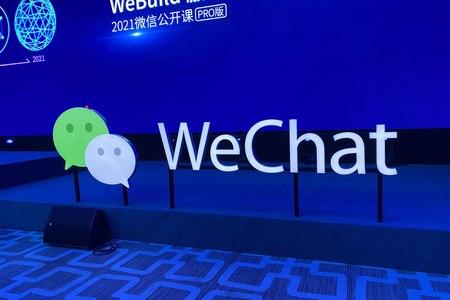
2026年,微信内置AI Agent加速落地。

3月,外媒The Information报道,腾讯正在为微信秘密开发AI智能体,项目被列为绝密级别,由微信技术负责人周颢带队,直接向张小龙汇报。计划2026年中灰测,Q3全量上线。

6月,又有报道称,腾讯正在为微信推出内嵌式AI智能体,已完成原型测试,最快将于本月启动公开上线前所需的合规审批流程。

一位曾观看早期演示的知情人士介绍,用户可通过在微信主界面向右滑动,进入AI智能体的对话框。在此界面,用户可输入指令,由智能体自动调用微信数百万个小程序,完成诸如根据口味偏好和价格要求查找咖啡馆并下单等任务。

那么,作为腾讯AI布局的王牌,微信AI智能体,能让腾讯后来居上,对国内巨头之间的AI之战产生影响吗?

从市场反应来看,不少投资者显然愿意相信这个故事。但是,从愿景到现实,中间仍然隔着漫长的工程化过程。微信小程序数量庞大,服务质量、接口稳定性、商家配合度、支付流程和利益分配,每一项都不是小事;同时,未来用户、商家、平台都可能推出各自的Agent,缺乏约束容易出现流程混乱。

AI Agent要真正跑通,需要的不只是入口,而是整条链路的协同,小程序的接口要稳定,商家要配合接入,支付要无缝衔接,推理成本要可控,数据调用要合规。

与此同时,竞争对手并没有停下来。阿里、字节都在加速向服务场景延伸。千问已深度接入淘宝、支付宝、飞猪、高德等阿里生态;豆包也在深度接入抖音电商生态。

马化腾在2026年一季度股东大会上说:“原来一年前我们以为上了船,后来发现那个船漏水了,现在感觉站上去了,还坐不下去,还是希望船速能快一点。”这句话说的正是腾讯的AI处境。

腾讯花了三年完成了从观望到押注的转变,现在需要证明的,是它能在下半场把慢下来的时间补回去。

03

AI下半场

腾讯并非看不懂AI,而是非常重视投入产出比。

过去二十多年,腾讯最成功的商业实践之一,就是在看清趋势之后迅速放大优势。无论是游戏、支付还是产业互联网,腾讯都更擅长在商业模式逐渐成熟后重仓投入,而非成为第一个吃螃蟹的人。

这种基因同样体现在AI上。

过去几年,腾讯一边推进混元研发、元宝上线和内部业务改造,一边持续保持战略弹性。2025年前后,腾讯先后投资集益威半导体、曦智科技等科技企业,同时出现在月之暗面、MiniMax、智谱等多家大模型公司的股东名单中。

但是在资本开支方面,腾讯则显得克制得多。

2025年腾讯资本开支792亿元,研发投入857.5亿元,均创历史新高。相比之下,据外媒报道,字节2025年在AI领域的资本开支约为1500亿元,其中约900亿用于AI算力采购。

但这种克制,并不意味着腾讯不重视AI。在过去两年里,腾讯始终在等待一个问题的答案:AI究竟如何赚钱?

过去两年,大模型行业最核心的叙事是模型能力。参数规模、基准测试、推理能力、下载量和用户规模构成了行业竞争的主旋律。模型虽然不断在进步,但商业模式仍然模糊。

真正让行业开始看到变化的,是Agent浪潮的出现。

2025年底以来,以OpenClaw为代表的Agent框架迅速爆发。与传统聊天机器人不同,Agent不只是回答问题,而是能够调用工具、连接服务、执行任务。从查询信息到完成交易,从内容生成到自动执行工作流,大模型第一次开始从对话工具变成执行系统。

这意味着AI第一次出现了相对清晰的商业化路径。

Token调用、工具使用、任务执行、企业订阅、交易分成,每一个环节都可能形成收入来源。某种程度上,Agent让腾讯看见了AI商业化的终点。

这也是为什么2026年以来,腾讯对Agent的反应明显加快。腾讯云迅速上线OpenClaw一键部署服务;微信Agent进入测试阶段;元宝、企业微信、腾讯会议等产品也开始围绕Agent能力进行重构。

回顾腾讯过去二十多年的产品史,会发现一条反复出现的路径。腾讯未必总是最早发明技术的人,却经常成为把复杂技术变成大众产品的人。QQ如此,微信如此,微信支付如此,小程序也是如此。

今天,这套逻辑正在被复制到Agent时代。

如果说过去两年的竞争比拼的是模型能力,那么进入2026年之后,竞争的焦点正在逐渐转向生态能力。

谁能让AI真正进入用户已经形成习惯的场景,谁能让开发者和商家持续留在平台,谁能让Agent完成从理解需求到执行任务再到完成交易的整个闭环,谁就更有机会成为下一阶段的赢家。

而这恰恰是腾讯押注的方向。

注:文/市值榜团队,文章来源:市值榜(公众号ID:shizhibang2021),本文为作者独立观点,不代表亿邦动力立场。

【版权提示】亿邦动力倡导尊重与保护知识产权。未经许可,任何人不得复制、转载、或以其他方式使用本网站的内容。如发现本站文章存在版权问题,烦请提供版权疑问、身份证明、版权证明、联系方式等发邮件至run@ebrun.com,我们将及时沟通与处理。

已点赞

+1

{{ praise_text }}

好文章,值得被更多人看到

广告

下一篇

跨境电商资源对接

《全球跨境电商服务商资源手册》第二期手册现已发布,触达更多资源,了解跨境服务商信息,欢迎点击链接下载。

了解详情

Wildberries推出“海关直送仓”新模式:取消中间转运环节以降本增效

日前,俄罗斯电商平台Wildberries正式推出名为“集装箱供货”的全新物流模式,允许跨境商品在完成海关清关后直接进入平台仓库。

平台 珠宝 鞋 服装

2026-06-12 12:39:40