• 亿邦公众号
    • APP下载

国内首个企业“投资于人”的可持续发展指标体系研究报告在清华大学发布

作者:龚作仁 文章来源:Laborer

2026-06-12 12:04

作者:龚作仁 文章来源:Laborer

2026-06-12 12:04

邦小白快读

EN
全文速览

本文核心内容是国内首个“投资于人”企业可持续发展指标体系研究报告正式发布,明确“投资于人”已经成为企业长远发展的必答题,梳理了当前国内企业在人本发展上的现状,也给出了成熟的实践参考。

1. 核心重点信息:本次发布的报告是国内首个融合联合国SDG、国际ESG框架与中国健康中国建设要求的本土化研究,覆盖2500多家上市企业样本,总结出当前行业普遍存在“重底线保障、轻长期发展”的痛点,信息技术行业平均得分最高,地方国企整体得分偏低。

2. 可供普通职场人参考的干货:可以对照报告指出的行业短板,判断自身所在企业对员工权益福祉的重视程度,优质企业一般会在员工健康促进、个人成长、文化建设等维度有持续投入,而非只停留在年度体检等基础层面,找工作时也可以把这些维度作为评估企业的参考标准。

本文对品牌商把握政策风向、完善自身品牌建设、挖掘市场需求有较高的参考价值,核心干货总结如下。

1. 政策与消费趋势导向:当前“投资于人”已经是国家高质量发展的重要导向,从政策倡导已经落地到企业实践,资源向人的领域倾斜已经不是企业可选项,而是关乎长远生存的必答题,品牌商需要提早布局人本领域的投入。

2. 自身品牌建设启示:当前多数品牌都存在重员工基础保障、轻长期发展的短板,品牌商可以针对性补全短板,通过加大员工健康促进、个人成长投入提升组织韧性,对外也可以打造负责任的人本品牌,提升用户好感度。

3. 产品研发方向:随着健康中国推进,市场对健康管理的需求已经从基础保障转向全周期主动干预,品牌商可以围绕职场健康、全生命周期福祉开发对应产品,匹配新的消费趋势。

本文明确了当前政策导向与市场需求变化,给相关卖家指明了机会方向与可参考的实践经验,核心干货如下。

1. 政策与需求变化:“十五五”规划明确将“投资于人”列为重要发展内容,政策推动下企业对员工福祉管理的升级需求快速增长,本次研究覆盖的2500多家样本企业中,多数存在健康管理粗放、缺乏慢病、心理问题系统干预的痛点,市场缺口较大。

2. 机会提示:To B健康服务类卖家可以围绕企业“从基础保障到主动健康管理”的升级需求开发产品,平安好医生经过数千家企业验证的实践模式可直接参考,分别是服务前移嵌入办公场景、打造全链条主动干预、设计趣味微场景培育健康文化。

3. 风险与竞争力提示:当前多数企业存在人力资本数字化能力不足、信息披露不规范的问题,卖家可以将数字化治理工具融入自身服务,提升服务的差异化竞争力。

本文提出的“投资于人”发展导向,对工厂完善内部管理、挖掘新商业机会有明确的启示意义,核心干货如下。

1. 内部管理升级启示:报告显示工业行业在“投资于人”评价中处于中等水平,工厂多关注生产安全等底线要求,在员工身心健康、长期发展层面投入不足,工厂可以补全这块短板,通过完善员工健康管理、成长投入提升员工稳定性,进而转化为生产效率。

2. 商业机会挖掘:随着全社会对职场健康的需求提升,如果工厂生产消费品、办公配套产品,可以围绕职场健康、员工福祉开发适配产品,比如适合生产场景的健康防护产品、健康工位配套产品,抓住新的需求增量。

3. 数字化转型启示:报告指出多数企业存在人力资本数字化治理能力缺失的问题,工厂在推进自身数字化转型时,可以将员工健康、人力资本管理的数字化纳入转型范围,提升整体管理精细化水平。

本文清晰梳理了企业人本管理服务领域的行业趋势、核心痛点,也给出了经过验证的成熟解决方案,对相关服务商干货价值较高,总结如下。

1. 行业发展趋势:“投资于人”已经从政策倡导转向规模化企业实践,国内已经出台了本土化的评价指标体系,资本市场和监管端都越来越重视企业人本发展,企业健康管理服务赛道迎来明确的增长风口。

2. 核心客户痛点:当前企业客户的核心难点不是没有健康服务,而是无法让健康资源有效触达员工、形成常态化管理体系,多数企业停留在年度体检的粗放阶段,缺乏对慢病、心理压力的系统干预,同时普遍存在人力资本数字化能力不足的问题。

3. 可落地的解决方案参考:可以借鉴平安好医生的闭环实践模式,从三个维度搭建服务体系,分别是推动医疗健康服务前移嵌入办公场景,打造从健康教育到主动干预的完整服务链条,设计低门槛趣味微场景培育企业健康文化,该模式已经服务数千家大中型企业,实用性较强。

本文对ESG平台、企业服务平台把握市场需求、优化业务布局、规避发展风向有明确的参考意义,核心干货总结如下。

1. 市场需求梳理:当前国内缺乏符合中国制度背景的本土化“投资于人”评价标准,不管是监管端、企业端还是投资端,都需要可量化、可比较的本土标准,平台可以围绕这个需求搭建对应的服务。

2. 平台可落地的优化方向:ESG信息服务平台可以联合研究机构、产业端共建本土化指标体系,解决照搬国际框架不适配中国市场的问题;企业服务平台可以引入成熟的企业健康管理服务商,完善平台服务生态,满足平台内企业的升级需求。

3. 风向规避提示:当前企业在人力资本相关信息披露上普遍存在口径不清、数据边界模糊的问题,平台搭建评价体系时要提前明确数据标准,引导企业规范披露,避免因为数据质量问题影响平台服务的可信度,降低运营风险。

本文披露了“投资于人”企业可持续发展领域最新的研究成果与产业实践动向,对相关领域研究者有较高的参考价值,核心干货如下。

1. 最新产业与研究动向:国内已经诞生首个融合联合国SDG、国际ESG披露框架与中国本土健康中国建设要求的“投资于人”量化指标体系,填补了本土相关研究的空白;当前我国职场健康管理政策已经从传统职业病防治的监管模式,转向以健康促进为导向的综合治理模式,“投资于人”已经成为企业高质量发展的底层逻辑。

2. 新发现的行业问题:研究显示当前国内企业“投资于人”普遍存在“重保障、轻发展”的结构性痛点,高质量发展梯队尚未形成,地方国企整体得分偏低,不同行业差异明显,多数企业健康管理粗放,人力资本数字化治理能力不足,定性指标披露不规范。

3. 研究与政策启示:本次推出的指标体系为后续相关研究提供了可量化的研究框架,也为监管部门引导企业发展提供了精细化工具,平安好医生的To B企业健康管理闭环商业模式也为产业实践研究提供了典型案例。

声明:快读内容全程由AI生成,请注意甄别信息。如您发现问题,请发送邮件至 run@ebrun.com 。

我是 品牌商 卖家 工厂 服务商 平台商 研究者 帮我再读一遍。

Quick Summary

This article covers the official release of China’s first "Investing in People" corporate sustainable development indicator system research report. The report clarifies that investing in people has become a must-do for enterprises seeking long-term development, summarizes the current status of people-centered development among Chinese enterprises, and provides mature practical references.

1. Key takeaways: This report is China’s first localized research that integrates the UN Sustainable Development Goals, international ESG frameworks, and China’s Healthy China initiative requirements, based on a sample of more than 2,500 listed companies. It identifies a widespread industry pain point: Chinese enterprises prioritize basic bottom-line protections for employees over long-term human development. The information technology industry posts the highest average score, while local state-owned enterprises (SOEs) rank lower overall in performance.

2. Takeaways for professionals: Employees can benchmark their company’s performance against the industry gaps outlined in the report to gauge how much their employer values employee rights and well-being. High-quality enterprises typically make sustained investments in employee health promotion, personal growth, and corporate culture, rather than stopping at basic offerings like annual physical exams. These dimensions can also be used as evaluation criteria for job seekers when assessing potential employers.

This article offers valuable insights for brand owners to track policy trends, improve brand building, and capture new market demand. Key takeaways are as follows:

1. Policy and consumption trend orientation: Investing in people is now a core guidance for China’s high-quality development, and has moved from policy advocacy to concrete corporate practice. Allocating resources to people-centric development is no longer optional, but a necessity for long-term corporate survival. Brands should start laying out investments in this area early.

2. Implications for brand building: Most brands currently prioritize basic employee protections over long-term human development. Brands can address this gap by increasing investments in employee health promotion and personal growth to boost organizational resilience. Externally, this investment helps build a responsible people-centric brand image and improves consumer favorability.

3. Product development direction: As the Healthy China initiative advances, market demand for health management has shifted from basic coverage to full-cycle proactive intervention. Brands can develop products tailored to workplace health and full-lifecycle well-being to align with this new consumption trend.

This article clarifies current policy orientations and changing market demand, points out opportunity directions and referenceable practical experience for relevant sellers. Key takeaways are as follows:

1. Policy and demand shifts: The 15th Five-Year Plan explicitly lists "Investing in People" as a key development priority. Driven by policy support, demand for upgrading employee well-being management is growing rapidly among enterprises. Among the 2,500+ sampled companies covered in the research, most face pain points including extensive health management and lack of systematic interventions for chronic diseases and mental health issues, leaving a large market gap.

2. Opportunity hints: B2B health service sellers can develop products to meet enterprises’ upgrading demand from basic coverage to proactive health management. Ping An Good Doctor’s practice model, validated by thousands of enterprises, can be directly referenced: it includes moving services forward into workplace settings, building a full-chain proactive intervention system, and designing engaging micro-scenarios to cultivate a corporate health culture.

3. Risk and competitiveness hints: Most enterprises currently lack sufficient digital human capital management capabilities and standardized information disclosure. Sellers can integrate digital governance tools into their services to build differentiated competitive advantages.

The "Investing in People" development orientation outlined in this article offers clear enlightenment for factories to improve internal management and capture new business opportunities. Key takeaways are as follows:

1. Enlightenment for internal management upgrading: The report shows that the industrial sector ranks at a medium level in "Investing in People" evaluations. Most factories focus on bottom-line requirements such as production safety, but underinvest in employee physical and mental health and long-term development. Factories can address this gap by improving employee health management and development investment to boost employee retention, which in turn translates into higher production efficiency.

2. New business opportunity exploration: As societal demand for workplace health rises, factories that produce consumer goods or office supporting products can develop adapted products focused on workplace health and employee well-being, such as health protection products tailored for production scenarios and supporting products for healthy workstations, to capture new incremental demand.

3. Enlightenment for digital transformation: The report points out that most enterprises lack digital governance capabilities for human capital. When advancing their own digital transformation, factories can include digital management of employee health and human capital into the transformation scope to improve overall management refinement.

This article clearly sorts out industry trends and core pain points in the corporate people-centric management service sector, and provides validated mature solutions, offering high value for relevant service providers. Summary as follows:

1. Industry development trends: Investing in People has evolved from policy advocacy to large-scale corporate practice, and a localized evaluation indicator system has now been launched in China. Capital markets and regulators are paying increasing attention to corporate people-centric development, bringing a clear growth opportunity for the corporate health management service track.

2. Core client pain points: For current corporate clients, the core challenge is not a lack of health services, but an inability to make health resources effectively accessible to employees and build a normalized management system. Most enterprises remain at the extensive stage of offering only annual physical exams, and lack systematic interventions for chronic diseases and work-related mental stress. Meanwhile, most enterprises generally lack sufficient digital capabilities for human capital management.

3. Reference for implementable solutions: Service providers can learn from Ping An Good Doctor’s closed-loop practice model to build a service system from three dimensions: moving medical and health services forward to embed into workplace settings, building a complete service chain from health education to proactive intervention, and designing low-threshold engaging micro-scenarios to cultivate corporate health culture. This model has already served thousands of large and medium-sized enterprises, proving strong practicality.

This article offers clear reference value for ESG platforms and enterprise service platforms to capture market demand, optimize business layout, and mitigate development risks. Key takeaways are as follows:

1. Market demand overview: China currently lacks a localized "Investing in People" evaluation standard that fits China’s institutional context. Regulators, enterprises, and investors all need quantifiable, comparable localized standards. Platforms can build corresponding services to meet this unmet demand.

2. Implementable optimization directions for platforms: ESG information service platforms can co-build a localized indicator system with research institutions and industry players to solve the problem that copied international frameworks are poorly adapted to the Chinese market. Enterprise service platforms can introduce mature corporate health management service providers to improve their platform service ecosystem and meet the upgrading demand of enterprises on the platform.

3. Risk mitigation hints: Most enterprises currently face problems of inconsistent caliber and fuzzy data boundaries in human capital-related information disclosure. When building an evaluation system, platforms should clarify data standards in advance, guide enterprises to disclose information in a standardized way, and avoid credibility damage to platform services and reduced operational risks caused by poor data quality.

This article discloses the latest research findings and industrial practice trends in the field of "Investing in People" for corporate sustainable development, offering high reference value for researchers in related fields. Key takeaways are as follows:

1. Latest industrial and research trends: China now has its first quantifiable "Investing in People" indicator system that integrates the UN SDGs, international ESG disclosure frameworks, and China’s localized Healthy China initiative requirements, filling a gap in domestic related research. China’s workplace health management policy has shifted from a traditional regulatory model focused on occupational disease prevention to a comprehensive governance model oriented toward health promotion, and "Investing in People" has become the fundamental logic for high-quality corporate development.

2. Newly identified industry issues: Research shows that Chinese enterprises generally face the structural pain point of prioritizing basic employee protections over long-term development, a high-quality development tier has not yet formed, local SOEs post lower overall scores, there are clear gaps across different industries, most enterprises run extensive health management, lack digital human capital governance capabilities, and have non-standard disclosure of qualitative indicators.

3. Implications for research and policy: The newly launched indicator system provides a quantifiable research framework for subsequent related research, and also offers a refined tool for regulators to guide corporate development. Ping An Good Doctor’s closed-loop B2B corporate health management business model also provides a typical case for industrial practice research.

Disclaimer: The "Quick Summary" content is entirely generated by AI. Please exercise discretion when interpreting the information. For issues or corrections, please email run@ebrun.com .

I am a Brand Seller Factory Service Provider Marketplace Seller Researcher Read it again.

随着“十五五”规划全面展开,“投资于人”已成为国家经济社会高质量发展的重要导向。从政策倡导走向企业实践的落地,离不开客观数据的支撑与科学指标的指引。6月11日,由清华大学国情研究院主办、Wind ESG和平安好医生协办的「国情圆桌系列论坛:投资于人的企业可持续发展」在清华大学举行。会上,三方共同发布国内首个企业投资于人研究成果报告——《“投资于人”的企业可持续发展指标体系研究》(以下简称《报告》)。

据悉,该《报告》是国内首个系统性将联合国可持续发展目标(SDG)、国际ESG披露框架与中国本土“健康中国”建设规范深度融合的开创性研究成果。《报告》从“投资于人”出发,为中国企业构建了一套可量化、可比较、可操作的高质量发展标尺,为企业切实履行社会责任、提升组织韧性提供了权威指南与行动路线图。

清华大学文科资深教授、国情研究院名誉院长胡鞍钢,清华大学公共管理学院教授、国情研究院院长周绍杰,清华大学医院管理研究院教授、公共管理学院民生与健康政策研究中心首席专家杨燕绥,清华大学公共管理学院副院长、长聘副教授、国情研究院副研究员高宇宁,平安集团党委副书记、副总经理黄宝新,平安集团品牌宣传部总经理陈遥,平安产险总经理助理曹敬之,平安好医生CEO何明科,平安好医生党委书记、副总经理苏东,Wind副总裁何艳琳,Wind ESG负责人董德尚等嘉宾出席。
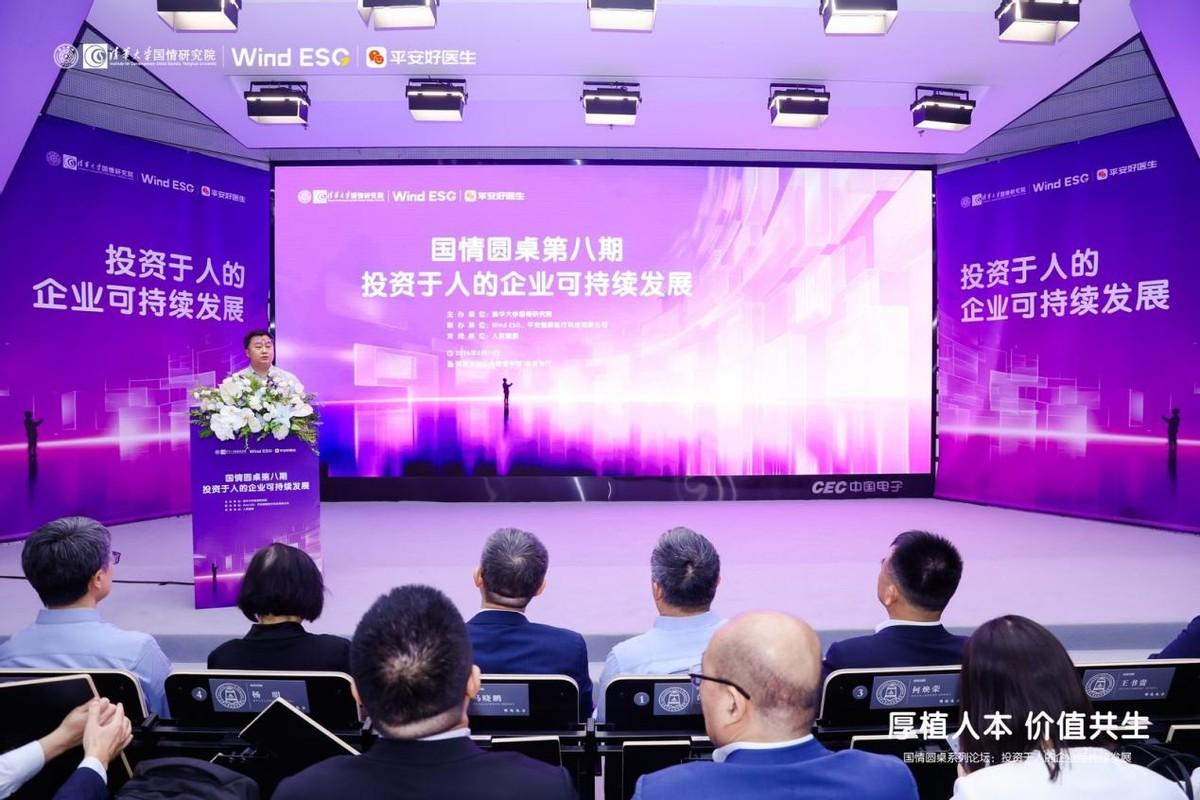
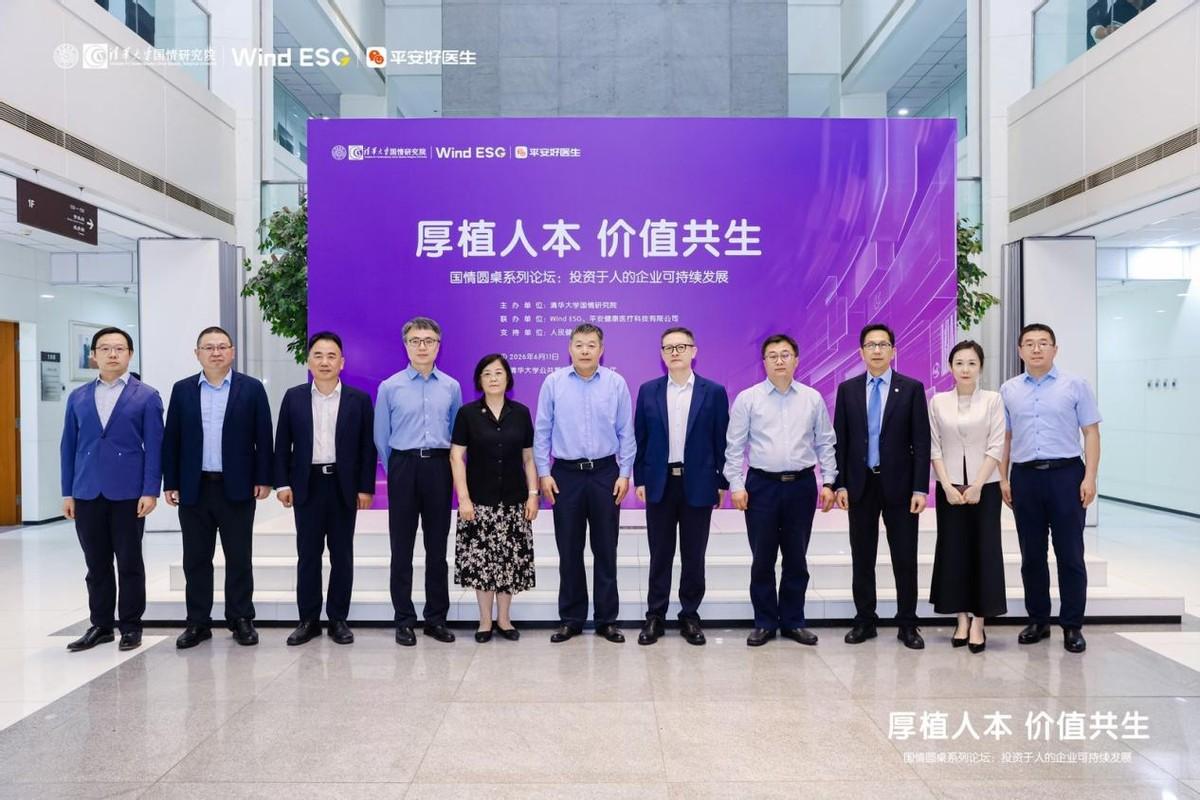
自党的十八届五中全会首次提出以人民为中心的发展思想,至党的二十届四中全会及“十五五”规划建议明确将“坚持惠民生和促消费、投资于物和投资于人紧密结合”列为重要内容,“投资于人”从最初相对宽泛的概念倡导,逐步聚焦人口高质量发展、全生命周期服务、民生保障、消费促进等具体领域。资源要素向“人”的领域集聚对于企业早已不是可选项,而是关乎长远生存的必答题。

胡鞍钢在发布会上深入分析了健康中国规划十年进展评估与展望。他指出,“自健康中国2030规划纲要实施以来,我国健康事业发展取得了重要成就,面对当前的新挑战与新任务,未来应坚定推进健康优先发展战略,不断完善全民健康保障体系。只有全面建设更高水平的健康中国,才能为实现中国式现代化提供坚实可靠的健康基础。”
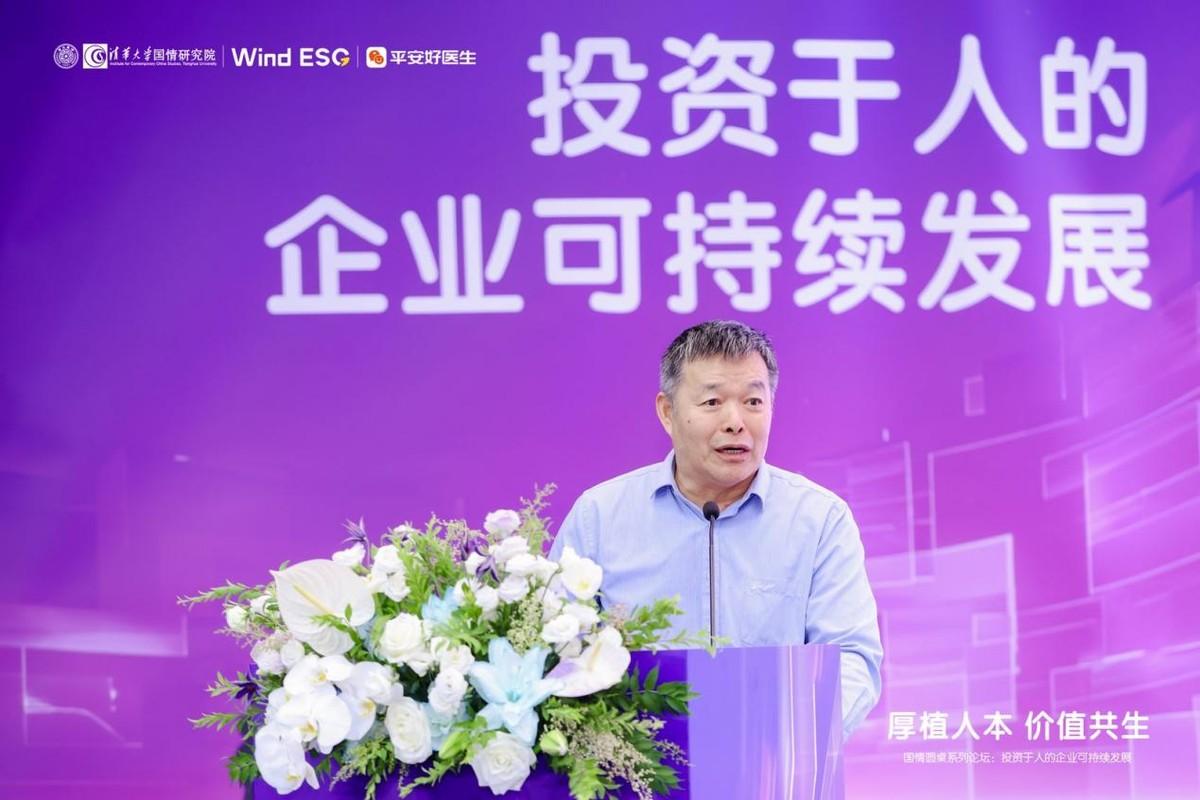
清华大学文科资深教授、国情研究院名誉院长 胡鞍钢

杨燕绥教授指出,健康财富是指嵌入在人的健康状态中、具有实际价值的内容,能够在低收益时代有效平抑财富损失风险。具体而言,健康财富涵盖三个核心维度:健康生活、健康工作与健康长寿。基于这三方面,杨教授进一步介绍了“中国长寿社会与健康财富发展指数”的构建及其实际应用方向。
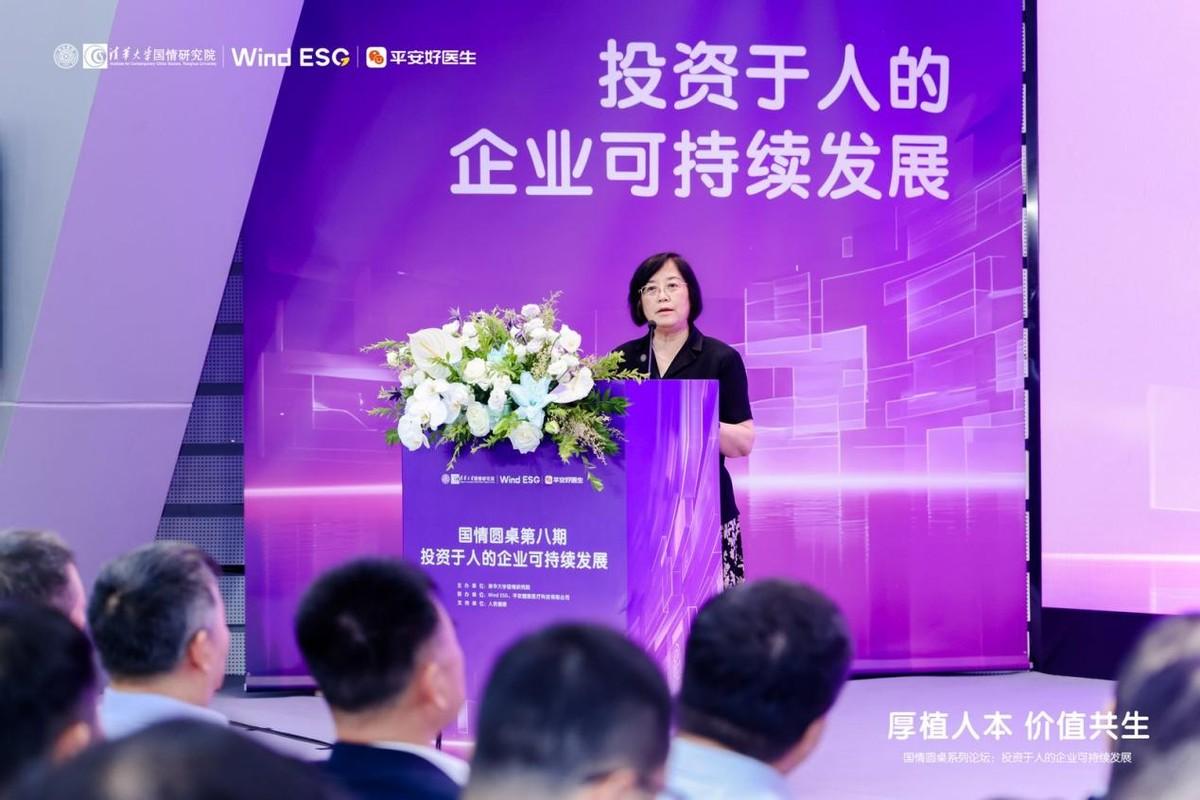
清华大学医院管理研究院教授、公共管理学院民生与健康政策研究中心首席专家 杨燕绥

样本穿透,揭示“重保障、轻发展”结构性痛点

《报告》聚焦员工权益与福祉议题,构建了一套面向央国企可落地、可参考、有指导性的研究框架。依托Wind ESG数据库,研究团队综合纳入具备较高市值规模的央国企、地方央国企、民营企业上市公司样本共计逾2500家,整合形成了“健康治理与责任协同”、“健康促进与人本发展”、“员工权益与保障支持”及“健康环境与安全空间”四个一级维度,全面覆盖了企业在人本治理上的组织、文化、权益与环境诉求。高宇宁介绍,《报告》兼顾了政策解释性、企业适用性与数据可观测性,避免简单照搬通用ESG框架,以员工健康福祉为主线,评价企业是否形成可识别、可比较、可改进的可持续发展实践。

Wind ESG负责人董德尚表示:“本次Wind与平安好医生、清华大学国情研究院共建该指标体系,目的就是要在资本市场建立一套经得起检验、具有中国制度背景的本土化标准。它不仅能够客观反映出哪些企业在进行真实的健康资本投资,更明确了各行业的短板所在。这不仅为监管机构提供了精细化引导的抓手,更为长期主义投资者筛选兼具商业价值与社会责任的优质资产提供了极具价值的量化风向标。”
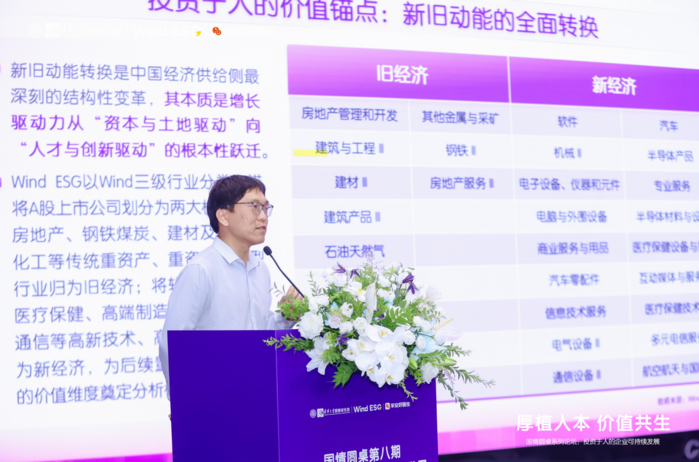
Wind ESG负责人 董德尚

研究发现,我国职场健康管理政策体系正在逐步从以职业病防治的安全监管模式,向以健康促进与健康管理为导向的综合治理模式转型。企业“投资于人”已有基础性实践,但高质量梯队尚未形成。在高分区间,民营企业进入较高得分段的数量相对更多,中央国有企业也有部分企业保持较好水平;地方国有企业则整体分布略偏低。从行业分布看,信息技术行业平均得分最高,其次分别为医疗保健、工业和金融行业,日常消费、公用事业、能源、房地产和通讯服务行业相对靠后。

部分行业先锋已在相关领域积累了卓有成效的治理经验,但整体来看仍存在普遍性的结构性短板。具体而言,在涉及劳动权益、职业健康、安全管理和基础保障等底线议题上,大部分企业表现出较高的完成度和覆盖率。但在关乎员工身心成长、人本包容与长期福祉的“健康促进”与“健康文化”领域,多数企业得分明显偏低。大量企业的健康管理依然停留在“一年一次体检”的浅表层次,缺乏对员工慢性病、职场心理压力、亚健康状态的系统性追踪与主动干预。这种粗放式的管理,导致企业健康投入的边际效益锐减,无法真正转化为员工的获得感与组织生产力。此外,部分定性指标存在披露口径不清、数据边界模糊的现象,也暴露出企业在人力资本数字化治理方面的能力缺失。

聚焦痛点、对症下药,平安的企业健康管理闭环实践

《报告》的价值不仅在于丈量差距,更在于指引行动。报告指出,当下企业员工健康管理的核心难点,不在于健康服务的有无,而在于如何让健康资源有效触达全体员工、被员工接纳使用,并进一步沉淀为常态化、持续性的健康管理体系。针对这一行业痛点,平安好医生深度萃取了其服务数千家大中型企业的实战经验,为企业健康管理提供了高质量的系统解法。

第一,推动医疗健康服务前移,构建职场“零距离”健康网络。针对员工就医时间成本高、小病拖成大病的问题,平安好医生推出企业医务室、大屏远程问诊等服务,将优质的线上、线下医疗资源嵌入办公场所、一线站点,员工在工位旁即可享受专业问诊、慢病配药、紧急救护等核心服务。这种将防御阵地前置的模式,帮助企业构建“身边可及、持续陪伴”的健康服务体系,有效降低企业的缺勤率与成本损耗。

第二,从知识普及到主动干预,赋能员工自我健康管理。针对企业健康教育流于形式的现状,平安好医生引入名医到企、中医养生局等高互动性服务,将健康检测、专家问诊、中医辨证、推拿理疗等深受员工欢迎的项目搬入职场。结合数字化健康档案与个性化建议,形成“健康教育—风险识别—专业问诊—生活方式干预”的连续链条,极大提升员工主动参与意愿,推动员工从被动接受服务转向主动改善生活方式。

第三,营造低碳微场景,打造长期主义健康生态。平安好医生将环境(E)与社会(S)巧妙结合,通过组织楼梯打卡、碳积分兑换奖励等低门槛、高趣味性的微场景活动,推动绿色办公与员工锻炼相结合,探索了健康职场建设走向行为引导、文化培育和持续参与的实践路径。
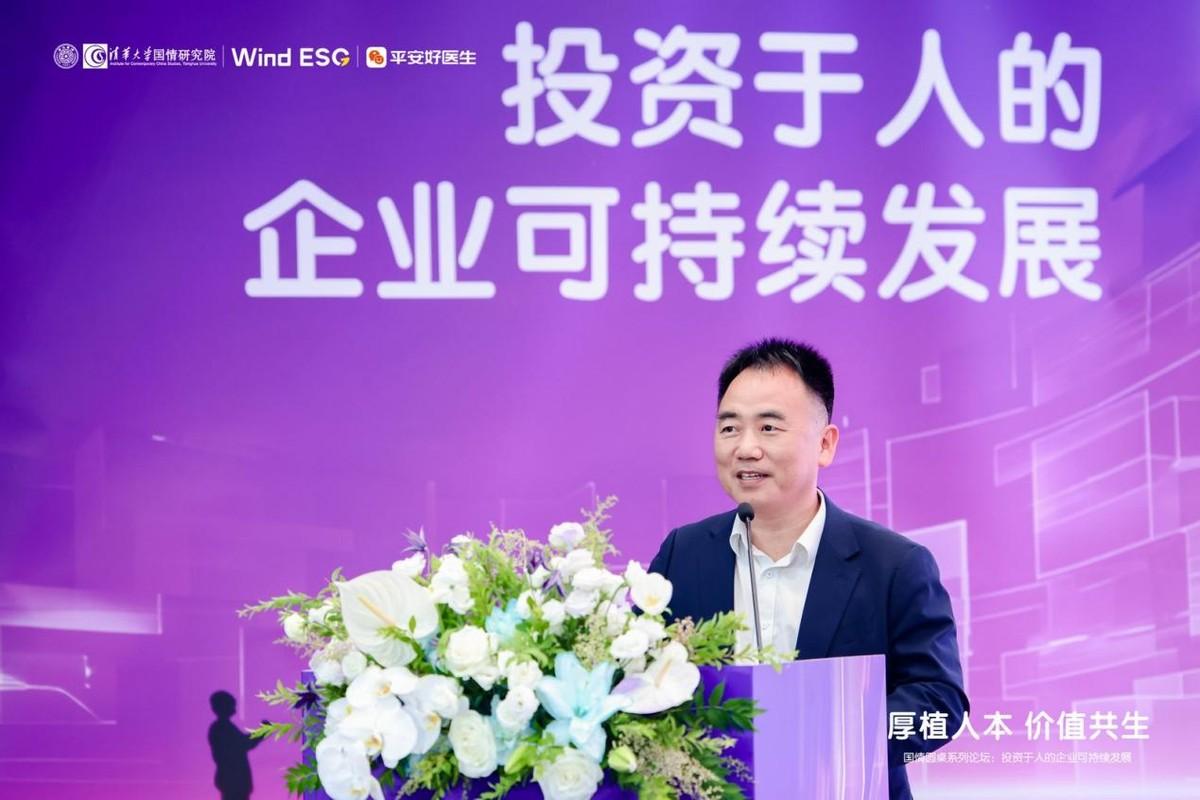
平安集团品牌宣传部总经理 陈遥

万物得其本者生,百事得其道者成。在充满挑战的全球经济变局中,只有那些真正懂得滋养员工、以人为本的企业,才能汇聚起生生不息的创新活水,在时代洪流中破浪前行。平安集团品牌宣传部总经理陈遥表示,“在平安内部,珍贵的投资,永远是对‘人’本身的投资。平安坚持‘职业规划、安居乐业’的员工管理使命:在员工培训上,集团人均培训时长连续三年增长,2025年达到53.14小时,让每一位平安人都能持续学习、向上生长;在员工健康上,把对亿万客户的健康守护,同样倾注到自己人身上,从健康体检、医疗保障到心理关爱,让健康成为员工最坚实的底气;在健康职场建设上,努力营造安全、包容、有温度的工作环境,让组织成为员工实现价值、收获幸福的沃土。”
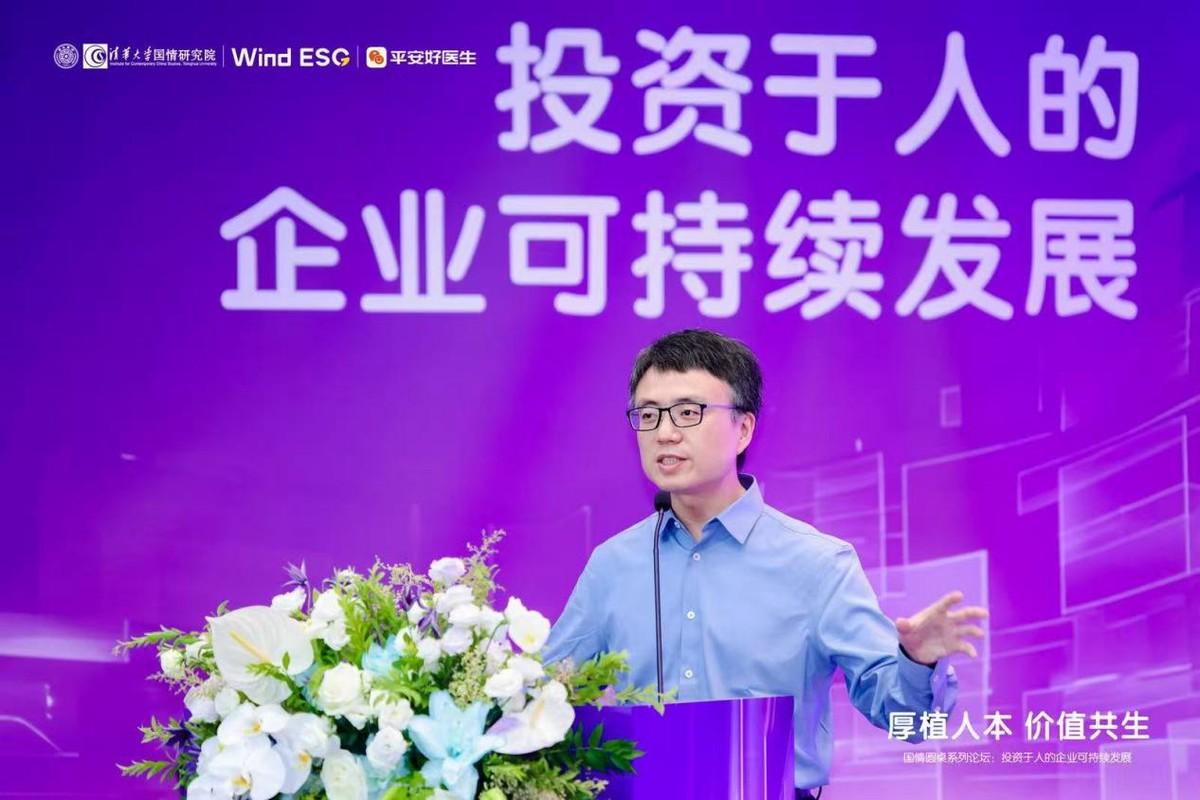
平安好医生CEO 何明科

在闭幕致辞中,平安好医生CEO何明科强调:“‘投资于人’不仅是写在政策文件里的时代强音,更是企业基业长青的底层逻辑。作为专业的企业健康管理伙伴,平安好医生将致力于帮助更多企业把健康关怀转化为实实在在的生产力。唯有实现员工健康福祉与企业高质量发展的双向奔赴,我们才能在时代大潮中行稳致远,共赢未来。”

注:文/龚作仁,文章来源:Laborer,本文为作者独立观点,不代表亿邦动力立场。

【版权提示】亿邦动力倡导尊重与保护知识产权。未经许可,任何人不得复制、转载、或以其他方式使用本网站的内容。如发现本站文章存在版权问题,烦请提供版权疑问、身份证明、版权证明、联系方式等发邮件至run@ebrun.com,我们将及时沟通与处理。

已点赞

+1

{{ praise_text }}

好文章,值得被更多人看到

广告

下一篇

跨境电商资源对接

《全球跨境电商服务商资源手册》第二期手册现已发布,触达更多资源,了解跨境服务商信息,欢迎点击链接下载。

了解详情

全球玩具市场增长8% 亚洲规模反超欧洲!

Circana最新发布的《2026全球玩具报告》显示,2025年全球玩具市场销售额达到1230亿美元,同比增长8%。

未来零售

2026-06-12 09:53:29