



• 亿邦公众号
    • APP下载

独家对话Wildberries:GMV一年内暴涨2倍!中国卖家在俄“向上突围”、抢滩中高价格段

作者:王昱 文章来源:亿邦动力

2026-06-10 14:43

作者:王昱 文章来源:亿邦动力

2026-06-10 14:43

邦小白快读

EN
全文速览

本文梳理了俄罗斯最大电商平台Wildberries的最新发展情况,为关注跨境出海的普通读者整理了核心重点和可参考的实操信息,核心干货如下

1. 当前全球出海市场中,欧美合规门槛抬升挤压利润,东南亚流量红利见顶增收不增利,而俄罗斯泛独联体市场仍有结构性增长红利:Wildberries2025年GMV达733亿美元同比增49%,截至2026年5月平台中国商品SKU同比涨13倍,中国卖家GMV一年内翻倍增长,增长潜力巨大。

2. 针对中国卖家的利好政策已经落地:平台后台全面支持中文,配套AI翻译工具,国内已设立深圳、宁波等五大分中心,覆盖产业带的孵化网络也已经成型;还有九级卖家评级给优质卖家佣金折扣,2026新增促销折扣补贴,开放全部广告工具权限,还设有专属的“海外商品”展示区。

3. 当前合规要求明确:卖家需要做好正确申报、保证商品信息真实,遵守消费者权益保护相关规范和平台规则。

在当前全球出海内卷加剧的背景下,俄罗斯Wildberries平台为中国品牌商提供了新的增长机会,相关干货整理如下

1. 消费趋势和需求变化:俄罗斯消费者对中国商品的需求早已脱离早期低价白牌阶段,如今对商品品质、设计、品牌的要求不断提升,平台上中高价位中国商品占比持续增加,消费者愿意为品质和品牌支付溢价,价格不再是唯一竞争要素,品牌化布局的窗口已经打开。

2. 渠道建设支持:Wildberries针对中国品牌搭建了完善的本地化服务网络,国内有五大分中心覆盖核心产业带,配套产业孵化服务,后台全中文支持加AI翻译工具解决语言问题,还专门设置了“海外商品”独立展示专区,给中国品牌提供流量扶持。

3. 定价和竞争利好:平台推出九级卖家评级体系,给优质品牌提供大幅度佣金折扣,2026新增促销活动折扣补贴,开放全部广告工具权限方便品牌做推广;新规还允许卖家自主选择不参与平台折扣活动,避免陷入被动价格战,保护品牌利润空间。

本文给想要出海的中国跨境卖家梳理了俄罗斯Wildberries平台的增长机会、最新政策和风险提示,核心干货如下

1. 增长市场机会:当前欧美监管趋严挤压利润,东南亚流量红利见顶内卷严重,俄罗斯泛独联体市场是为数不多仍有指数级增长机遇的蓝海,Wildberries2025年GMV同比增长49%,过去一年中国卖家GMV整体翻倍,排名前100的中国卖家增速达到3.8倍,增长空间十分可观。

2. 最新政策红利:平台针对中国卖家做了全方位配套优化,全中文后台加AI翻译解决语言问题,国内五大分中心提供本地化服务;九级卖家评级给优质卖家佣金折扣,2026新增促销折扣补贴,开放全部广告工具权限,还设置了专属展示区;新规允许卖家自主选择不参加折扣活动,避免被动卷入价格战。

3. 风险提示:俄罗斯即将统一本土与跨境卖家佣金,取消跨境小包免税政策,合规要求趋严,会一定程度收窄低价商品的价格优势,卖家需要提前布局品牌化和品质升级,同时做好合规准备,确保正确申报、商品信息与实际一致,遵守平台规则。

对于做出海供应链的中国工厂来说,Wildberries的发展带来了新的商业机会和数字化转型启示,核心干货整理如下

1. 生产设计需求变化:俄罗斯市场中国商品的需求结构已经发生质变,早年白牌铺货低价走量的模式已经不可持续,如今消费者越来越看重品质、设计、品牌体验,中高价格段商品占比持续提升,工厂可以对应调整生产设计方向,布局中高端产品线,依托自身供应链优势获取更高利润。

2. 直接出海的商业机会:Wildberries平台中国商品SKU一年增长13倍,整体销售额翻倍,增长速度极快,平台还在中国各大产业带布局了众多孵化基地,配套本地化服务,支持工厂直接出海做自有产品,不需要经过多层代理,可以直接对接终端消费者获取更多利润。

3. 数字化和电商转型启示:平台通过九级评级体系,把更多利润倾斜给产品品质好、服务优的卖家,工厂做自有品牌电商,只要做好产品和服务,就能获得平台的政策支持;同时平台已经建成了覆盖俄罗斯的完善物流网络,解决了工厂出海的最大物流痛点,能降低工厂出海的运营风险。

对于跨境出海相关服务商来说,本文梳理了俄罗斯电商市场的行业趋势、客户痛点和潜在机会,核心干货如下

1. 行业发展趋势:当前俄罗斯电商正处于物流基础设施大规模建设的阶段,和中国早年大型电商平台投入分拣中心、区域枢纽的发展阶段类似,这一轮基建升级还会持续数年,Wildberries作为俄罗斯头部电商,已经建成520万平方米物流综合体,还计划到2030年投入400亿卢布建设远东物流,还要在独联体其他国家新建自有物流设施,物流相关配套服务还有很大增长空间。

2. 目标客户核心痛点:中国出海俄罗斯的卖家,核心痛点一是缺乏本地化服务支持,语言、运营对接难度大;二是俄罗斯合规要求趋严,关税和申报规则变化,成本上涨;三是低价内卷利润越来越薄,需要向品牌化品质化升级,缺乏对应的资源支持。

3. 解决方案方向:头部平台Wildberries已经搭建了针对中国卖家的基础服务框架,服务商可以对接平台和国内产业带,围绕卖家的品牌运营、合规申报、营销推广、供应链配套等需求提供增值服务,抓住俄罗斯市场高速增长的红利,拓展自身客户群体。

对于跨境电商平台商来说,本文介绍了Wildberries的运营、招商、物流建设的最新做法,有很多参考价值,核心干货如下

1. 当前出海商家的核心需求:中国出海卖家不再只追求流量增长,更看重稳定的增长市场、清晰透明的规则、本地化配套服务和公平的竞争环境,对利润的需求超过单纯的规模增长,普遍有向品质品牌升级转型的需求。

2. Wildberries的可借鉴做法:物流端适配俄罗斯本土自提点优先的消费习惯,建成9.4万个支持退换试穿的自提点,采用混合物流模式,核心基建自营加外部合作伙伴补充,既把控核心节点又避免资产僵化;招商运营端针对中国卖家做全中文配套,国内布局分中心和产业孵化,用九级评级差异化佣金,把利润倾斜给优质卖家,通过制度设计引导卖家升级。

3. 需要规避的风险:面对当地监管政策变化,要预留足够的调整时间,提前做效果评估,要主动优化规则透明度,比如允许卖家自主选择是否参与折扣,帮助卖家应对合规变化,引导卖家脱离低价内卷,构建健康的平台生态。

对于跨境电商产业研究者来说,本文披露了俄罗斯泛独联体跨境电商的最新产业动向,提供了很多新的研究素材,核心干货如下

1. 全球跨境产业新动向:当前全球贸易碎片化加剧,欧美监管趋严挤压出海利润,东南亚流量红利见顶内卷加剧,俄罗斯Wildberries平台实现高速增长,2025年GMV增长49%,中国卖家GMV一年翻倍,成为为数不多能给中国制造提供结构性红利的市场,俄罗斯电商目前处于物流基建大规模投入的黄金期,头部平台通过自建核心物流整合运力,适配本土自提习惯构建竞争壁垒,这个阶段特征很有研究价值。

2. 供给端结构性新变化:中国卖家在俄罗斯市场的竞争逻辑已经发生质变,从早年的白牌铺货、低价走量,转向品牌化、品质化发展,集体向中高价格段突围,平台通过制度设计引导这种升级,形成正向循环,这个供给端的迁移是很值得研究的新现象。

3. 商业模式和政策研究启示:Wildberries的混合物流模式,重核心基建加轻资产外部合作的模式,既保证控制权又避免资产僵化,值得深入研究;差异化佣金分配机制倾斜优质供给的做法,以及面对监管调整预留时间、提升规则透明度的应对方式,也为出海平台应对监管变化提供了新的研究参考。

声明:快读内容全程由AI生成,请注意甄别信息。如您发现问题,请发送邮件至 run@ebrun.com 。

我是 品牌商 卖家 工厂 服务商 平台商 研究者 帮我再读一遍。

Quick Summary

This article outlines the latest developments of Russia's largest e-commerce platform Wildberries, and compiles core takeaways and actionable insights for general readers interested in cross-border expansion, as follows:

1. Amid rising compliance thresholds squeezing profits in Western markets and maturing traffic growth leaving Southeast Asian markets with top-line growth but no profit gains, the Russia and broader CIS region still offers structural growth opportunities. Wildberries posted a 49% year-over-year GMV increase to $73.3 billion in 2025; as of May 2026, the number of SKUs from Chinese sellers on the platform has grown 13-fold year-over-year, and total GMV from Chinese sellers has doubled in 12 months, indicating enormous growth potential.

2. New seller-friendly policies for Chinese merchants are already in place: The platform backend now has full Chinese language support paired with built-in AI translation tools. It has established five regional centers in China including Shenzhen and Ningbo, with a mature incubation network covering major manufacturing belts. It also offers tiered commission discounts for high-performing sellers through its 9-level seller rating system, added new promotional discounts and subsidies in 2026, opened full access to all advertising tools, and operates a dedicated "Overseas Goods" display section for Chinese products.

3. Compliance requirements are clearly defined: Sellers only need to ensure accurate customs declaration, truthful product information, and compliance with local consumer protection regulations and platform rules.

Against a backdrop of intensifying competition in global cross-border expansion, Wildberries offers new growth opportunities for Chinese brand owners. Key takeaways are as follows:

1. Changing consumer trends and demand: Russian consumer demand for Chinese goods has long outgrown the early stage of focusing solely on low-priced unbranded products. Today, consumers increasingly prioritize product quality, design, and brand name, the share of mid-to-high-priced Chinese goods on the platform continues to rise, and consumers are willing to pay a premium for quality and branding. Price is no longer the only competitive factor, and the window for brand positioning in the market is now open.

2. Support for channel development: Wildberries has built a complete localized service network for Chinese brands, with five regional centers in China covering all major manufacturing belts and supporting incubation services. Full Chinese backend access and AI translation eliminate language barriers, and a dedicated independent "Overseas Goods" display section provides dedicated traffic support for Chinese brands.

3. Favorable pricing and competitive terms: The platform's 9-level seller rating system offers substantial commission discounts for high-quality brands, added new promotional subsidies in 2026, and opens full access to all advertising tools to support brand marketing. New rules also allow sellers to opt out of platform-led discount activities, preventing forced participation in price wars and protecting brand profit margins.

This article summarizes growth opportunities, updated policies, and risk warnings for Chinese cross-border sellers looking to expand into Russia via Wildberries, with key takeaways as follows:

1. Untapped growth opportunities: While tightening Western regulation squeezes profits and intensifying competition has eroded gains from Southeast Asia's traffic boom, the broader Russia-CIS region remains one of the few blue ocean markets with exponential growth potential. Wildberries grew its GMV 49% year-over-year in 2025, total GMV from Chinese sellers doubled in the past year, and the top 100 Chinese sellers on the platform achieved 380% year-over-year growth, indicating significant room for expansion.

2. Updated policy benefits for Chinese sellers: The platform has rolled out full supporting improvements for Chinese merchants, including a fully translated Chinese backend with AI translation to resolve language barriers, and localized services through five regional centers across China. It offers commission discounts for high-performing sellers via the 9-level rating system, added new promotional subsidies in 2026, opens full access to all advertising tools, and provides a dedicated product display section. New rules also let sellers opt out of mandatory discount events to avoid being pulled into involuntary price wars.

3. Risk warnings: Russia will soon unify commission rates for local and cross-border sellers and eliminate the tax exemption policy for cross-border small parcels, bringing stricter compliance requirements that will narrow the price advantage of low-cost goods. Sellers should proactively prepare by shifting toward branding and quality upgrading, completing compliance preparations to ensure accurate declaration, consistent product information, and full adherence to platform rules.

For Chinese factories operating in cross-border supply chains, Wildberries' growth brings new business opportunities and insights for digital transformation. Key takeaways are as follows:

1. Shifts in production and design demand: The demand structure for Chinese goods in the Russian market has undergone a fundamental change. The early model of selling large volumes of low-price unbranded goods is no longer viable; today consumers increasingly value quality, design, and brand experience, and the share of mid-to-high-priced products continues to rise. Factories can adjust their production and design strategy to develop mid-to-high-end product lines and capture higher margins by leveraging their existing supply chain advantages.

2. New direct-to-consumer export opportunities: The number of Chinese product SKUs on Wildberries has grown 13-fold in one year, and total sales from Chinese sellers have doubled, marking extremely rapid growth. The platform has also set up a large number of incubation centers across major Chinese manufacturing belts to provide localized support, enabling factories to sell their own branded products directly to consumers without going through multiple layers of intermediaries, capturing a larger share of profits.

3. Insights for digital and e-commerce transformation: Through its 9-level seller rating system, Wildberries allocates more profit share to sellers with high-quality products and strong service capabilities. For factories building their own branded e-commerce businesses, solid product and service performance will directly earn policy support from the platform. In addition, the platform has built a complete logistics network covering all of Russia, solving the biggest logistics pain point for factories expanding overseas and reducing operational risks for cross-border entry.

This article outlines industry trends, core customer pain points, and potential opportunities for cross-border service providers supporting overseas expansion, with key takeaways as follows:

1. Industry development trends: Russia's e-commerce sector is currently in a period of large-scale logistics infrastructure construction, similar to the growth phase of China's large e-commerce platforms when they invested heavily in sortation centers and regional hubs. This round of infrastructure upgrade will continue for several years. As Russia's leading e-commerce player, Wildberries already operates 5.2 million square meters of logistics complexes, plans to invest 40 billion rubles by 2030 to develop logistics infrastructure in the Russian Far East, and will build new proprietary logistics facilities in other CIS countries. This creates substantial growth room for related supporting logistics services.

2. Core pain points of target clients: For Chinese sellers expanding into Russia, the top three pain points are: 1) lack of localized service support, creating difficulties for language and operational coordination; 2) tightening compliance requirements, changing tariff and declaration rules, and rising operating costs; 3) shrinking profits from low-price competition, as sellers need to upgrade to branding and quality but lack access to relevant supporting resources.

3. Directions for solution development: Leading platform Wildberries has already built a basic service framework for Chinese sellers. Service providers can connect platforms with Chinese manufacturing belts to provide value-added services addressing sellers' needs for brand operation, compliance declaration, marketing, and supply chain support, allowing them to capture the dividend of the Russian market's rapid growth and expand their own customer base.

For cross-border e-commerce platforms, this article outlines Wildberries' latest practices in operations, seller recruitment, and logistics development, which offers valuable takeaways. Key insights are as follows:

1. Core demands of cross-border sellers today: Chinese sellers expanding overseas no longer prioritize just traffic growth. Instead, they value stable growth markets, clear and transparent rules, localized supporting services, and a level playing field more than pure scale expansion, and most are seeking to upgrade toward higher quality and branding.

2. Actionable practices from Wildberries: On the logistics side, Wildberries adapted to local consumer preference for pickup points by building 94,000 pickup locations that support returns and try-ons, and uses a hybrid logistics model of self-operated core infrastructure supplemented by external partners, allowing it to control key nodes while avoiding asset rigidity. On the recruitment and operation side, it built out full Chinese-language support for Chinese sellers, established regional centers and incubation programs across China's manufacturing belts, and uses a 9-level rating system to offer differentiated commission rates that allocate more profits to high-quality sellers, incentivizing seller upgrading through institutional design.

3. Risks to avoid: When facing changes in local regulatory policy, platforms should reserve sufficient time for adjustment and conduct proactive impact assessments, and work to improve rule transparency – for example, allowing sellers to opt in or out of discount activities voluntarily. This helps sellers adapt to compliance changes, steer them away from low-price competition, and build a healthy platform ecosystem.

For researchers focused on the cross-border e-commerce industry, this article shares the latest industry developments in cross-border e-commerce in the Russia and broader CIS region, providing abundant new research materials. Key insights are as follows:

1. New trends in the global cross-border industry: Amid growing fragmentation of global trade, tightening Western regulation squeezing exporter profits, and intensifying competition eroding Southeast Asia's traffic dividend, Wildberries has achieved rapid growth: it grew GMV 49% in 2025, and GMV from Chinese sellers doubled in one year, making the region one of the few remaining markets offering structural dividends for Chinese manufacturing. Russian e-commerce is currently in a golden period of large-scale logistics infrastructure investment, with leading platforms building competitive moats by developing core self-operated logistics, integrating transport capacity, and adapting to local pickup preferences – this stage characteristics hold significant research value.

2. New structural changes on the supply side: The competitive logic for Chinese sellers in the Russian market has fundamentally changed. The industry has shifted from the early model of bulk unbranded, low-price selling to a focus on branding and quality, with sellers collectively moving into the mid-to-high price segment. The platform incentivizes this upgrade through institutional design, creating a positive feedback loop. This supply-side shift is a new phenomenon well worth in-depth study.

3. Insights for business model and policy research: Wildberries' hybrid logistics model – heavy investment in core infrastructure paired with asset-light cooperation with external partners – allows it to retain control while avoiding asset rigidity, making it worthy of further research. Its differentiated commission structure that rewards high-quality supply, as well as its approach of reserving adjustment time and improving rule transparency when responding to regulatory changes, also provides new research references for how cross-border platforms can adapt to regulatory shifts.

Disclaimer: The "Quick Summary" content is entirely generated by AI. Please exercise discretion when interpreting the information. For issues or corrections, please email run@ebrun.com .

I am a Brand Seller Factory Service Provider Marketplace Seller Researcher Read it again.

【亿邦原创】2026年,对于跨境电商从业者而言,“增长”一词的内涵正在发生深刻嬗变。

在欧美,合规与监管的门槛持续抬升,贸易规则的频繁变动,对出海企业的利润空间造成持续挤压;而在东南亚,随着平台竞争白热化与流量红利见顶,货币化压力正加速向商家传导,“增收不增利”成为不少商家的尴尬现状。

当曾经的低成本“试水地”,纷纷演变为需要重资源支撑的硬核赛场,寻找一片尚存指数级增长机遇的蓝海,几乎成了全行业的共同焦虑。

正是在这一派“盈利饥渴”的喧嚣中,来自俄罗斯的数据显得尤为亮眼。

近日,俄罗斯最大电商平台Wildberries的母公司RWB集团发布了2025年财务数据:其全年GMV突破733亿美元,同比增长49%,这一增速在大型平台中已属罕见。

然而,真正令中国跨境圈为之侧目的,并非其体量,而是其陡峭的供给曲线——截至2026年5月,Wildberries平台上的中国商品SKU已达数千万个,同比飙升13倍;过去一年间,中国卖家的GMV更是实现了2倍增长。

在全球贸易碎片化加剧的当下,这种近乎“奇观”的倍数级跃迁,无疑使俄罗斯及其辐射的泛独联体市场,成为极少数仍在为中国制造提供结构性红利的“引力场”。

为深度拆解这一现象,亿邦独家专访了Wildberries跨境业务商务总负责人Alexandra Kulik(撒箑女士)。借助她的视角,我们将透视这家俄罗斯电商巨头如何为商家铺设一条稳定的发展路径,并回应以下问题:

2026年,Wildberries及其所深耕的独联体市场,正处在怎样的发展拐点?在外部震荡不断、“确定性”沦为稀缺资源的年景里,它又能为寻求出海的卖家,提供一份怎样的增长预期?

一.仓储体系拔地而起:远东豪掷400亿卢布、押注电商物流“大基建”

在俄罗斯,物流从来不是一个简单的配套问题,而是一张决定电商平台生死的“入场券”。

过去十年间,第三方物流体系的孱弱曾是长期困扰俄罗斯电商行业的痼疾。正因如此,当地的电商平台选择了同一条突围路径——亲自下场,系统性构建自有物流网络。

而在这场基建竞赛中,Wildberries是毋庸置疑的“主力选手”之一。数据显示,截至2025年底,Wildberries的物流综合体总面积已达520万平方米,物流设施数量超过200个,日均处理能力突破2500万份订单。

而Wildberries的野心显然不止于仓储面积的数字比拼。2025年,其还成功将俄罗斯本土三大交通运输服务平台——Gruzovichkof货运、Taksovichkof即时配送和Citymobil网约车——悉数纳入麾下。

一连串整合动作,意味着其正将中程运力与尾程配送能力牢牢攥在手中,织就一张覆盖各地的物流毛细血管网络。

此外,另一个更值得深究的维度,是Wildberries对本土履约习惯的深度匹配:与其他区域市场“送货上门”的主流逻辑不同,俄罗斯电商呈现出鲜明的“自提点优先”特征。

Wildberries数据显示,目前,平台高达95%的顾客选择从自提点取货。过去一年, 自提点总数突破9.4万个——而且其中大多还支持试穿与退换货服务。

这种将“交付、体验与服务”高度融合的线下网络,一旦建成,便构成了一道后来者极难逾越的本地化壁垒。

未来,Wildberries的物流版图还将如何扩张?在这场专访中,撒箑女士向亿邦披露了更为具体的路线图。

她透露,“今年,我们计划在俄罗斯及独联体城市新建和扩建物流能力,并在俄罗斯之外的阿拉木图和阿斯塔纳等业务所在国开设首批自有物流设施。”

撒箑女士表示,RWB规划投入使用高达170万平方米的物流面积,而从更长的时间跨度看,“公司计划到2030年向远东地区物流基础设施建设投入约400亿卢布”。

当被问及与Ozon等对手的核心差异时,撒箑女士将答案锚定在“规模 ”二字上。

“与其他竞对相比,Wildberries的物流设施平均面积更大,普遍超过10万平方米,这使公司能够同时在数十个地区开展运营,并在订单量大的情况下保持高水平服务。”她说。

她进一步指出,过去一年平台新增了逾30条中转线路,总数已超60条,“我们的重点在于为卖家扩大解决方案的多样性、优化物流路线并提升覆盖密度,这不仅有助于加快配送速度,还能提升物流流程的可预测性”。

值得注意的是,Wildberries并非在所有环节都选择“重资产”路线。撒箑女士坦言,平台采用的是混合物流模式。“Wildberries结合自有车队及基础设施的使用,同时引入外部合作伙伴——物流运营商。这种方法确保了运营模式的灵活性、可扩展性和稳定性。”

这种务实的弹性策略,既牢牢把控了核心节点的主动权,又避免了全面自营可能带来的资产僵化风险。

当被要求为俄罗斯当下的物流基建阶段定性时,撒箑女士给出了一个令中国电商从业者颇有共鸣的类比:

“如果把俄罗斯电商物流的当前发展阶段与中国模式相比,俄罗斯市场正处于基础设施积极建设阶段,这与中国大型电商平台大规模投资分拣中心和区域枢纽的阶段相类似。” 她预判,这一密集建设和物流升级浪潮还将持续数年,直到形成能够稳定支撑当前和预期电商规模的成熟设施网络。

而对于“最后一公里”这一物流链条中最至关重要 的环节,撒箑女士表示,配送速度和精准度已日益被消费者视为服务的必要组成部分,而非额外选项。

“物流中心和提货点网络的扩张,对车队结构和路线配置产生了直接影响。最后一公里不再仅仅是物流链条的最后环节,而是成为提升客户忠诚度、强化企业竞争地位的战略工具。”

从这一意义上说,Wildberries正在进行的,远不止是一场仓储面积的军备竞赛。它赌的是未来数年俄国电商物流仍处于“筑垒期”的黄金窗口——谁率先完成这张横跨11个时区, 从最西端到最东端超过1.2万公里的庞大履约网络的编织,谁就将掌握统治市场的话语权。
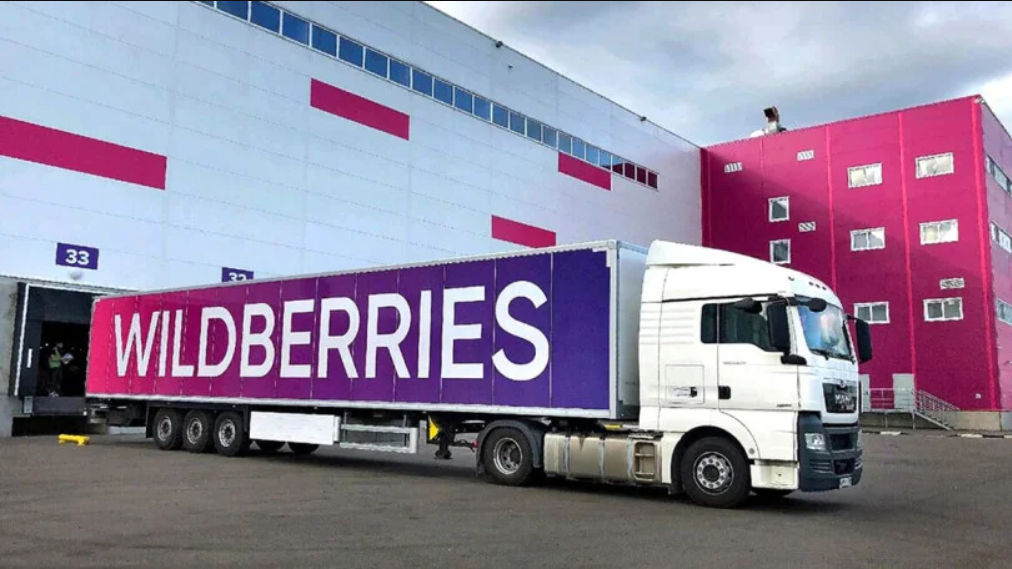
二.中国商品“向上突围”:不止高速增长,卖家正集体冲击中高价格段

如果说物流基建的跃进解决了“货怎么走”的问题,那么中国卖家在俄罗斯市场的供给结构演变,则在回答一个更根本的命题:究竟什么样的中国商品,能在这里赚到钱?

长期以来,中国跨境卖家在俄罗斯的画像高度一致——白牌、铺货、以价换量。这是新兴市场的典型早期生态:供应链优势转化为价格优势,海量SKU迅速填满平台货架,野蛮生长但鲜有品牌沉淀。然而,进入2026年,这一叙事正在被迅速改写。

撒箑女士向亿邦披露了一组颇具说服力的数据:截至2026年5月,Wildberries平台上的中国商品SKU已达数千万个,同比增长13倍;过去一年间,中国商品销售额实现两倍增长,而排名前100的中国卖家增幅更为惊人,达到3.8倍。

撒箑女士说明,“Wildberries上最具竞争力的卖家已充分掌握了平台的营销和运营工具”。 但比增速更值得关注的,是增长的质量。撒箑女士观察到,中国卖家的竞争逻辑正在发生质变。

“若说在初始阶段,大规模扩充商品种类是增长的关键因素,那么如今这已不足以实现可持续发展。”

她指出,“商品详情页质量、清晰的品牌定位、配送速度、价格竞争力、评分以及购后客户体验的重要性日益凸显。”

更值得玩味的是供给价格结构的迁移——“随着消费者对商品品质和设计要求的提升,平台上中高价位中国商品的占比正逐步增加。”

换言之,提前布局品牌化、注重综合体验的卖家,正开始“收割”一个更成熟、对品质有支付意愿的消费群体。俄罗斯市场,正在从“铺货白牌”的草莽时代,悄然切换到“品质品牌”的升级通道。

这场供给端的“向上突围”,并非卖家群体的自发演进,Wildberries在背后扮演了一个积极的推手角色。

虽然在中国市场的招商进度上并非捷足先登,但Wildberries后发制人的诚意颇为可观。

据亿邦了解,目前Wildberries商家后台已全面嵌入中文页面,所有卖家工具均支持中文,并配备了辅助翻译商品描述与买家聊天内容的AI工具。线下方面,其已在中国设立深圳、宁波、杭州、天津、南通五大分中心并有众多产业孵化基地遍布各大产业带,形成了从产业带挖掘到卖家孵化的本地化支点网络。

而在规则设计层面,Wildberries更是将激励重心明确压向了“优质供给”。撒箑女士介绍,2025年起平台推行的“九级卖家评级体系”,采用差异化费率机制,“能够为提供优质消费体验的高GMV卖家卖家提供最大幅度的佣金折扣,利润率得以直接向注重质量的卖家进行再分配。”

这套机制的底层逻辑清晰而直接:平台通过佣金杠杆,将真金白银的利润倾斜给那些在产品品质、服务体验和品牌建设上持续投入的玩家。

在此基础上,2026年Wildberries对中国卖家的政策工具箱进一步扩容。.

撒箑女士透露,从销售经济性角度看,“最重要的新举措是平台折扣补贴,现已对所有参与促销活动的商品提供有保障的补贴;该工具去年尚未存在,因此其推出对跨境板块而言是一项重大突破。”

与此同时,中国卖家已获得平台广告工具的完全访问权限,可通过店铺余额或广告账户直接从中国付款。值得特别关注的还有“海外商品”专区—— 一个可从Wildberries首页及移动端App直接进入的独立展示区。

从“九级评级”为优质卖家分润,到“折扣补贴”降低门槛,Wildberries正在铺设一条清晰的路径:用制度而非口号,引导中国卖家“向上突围”。

对于那些早已厌倦内卷、手握优质供应链的出海企业而言,这个信号值得认真倾听。

三.政策变化可预期:佣金、关税、合规新政有望“软着陆”

2026年,俄罗斯电商监管正在经历一轮密集的制度重构。

最受中国卖家关注的变化,莫过于佣金体系的全面统一。俄罗斯联邦反垄断局已明确要求主流电商平台在2026年10月前,消除对本土与跨境卖家之间的佣金差异。这一度引发市场担忧:中国卖家的成本优势是否将因此被削弱?

对此,撒箑女士向亿邦表示,“Wildberries仍在与俄罗斯联邦政府机构磋商调整方案,并对拟采取的措施进行深度的效果评估;因此,公司为此额外预留了必要的实施时间。”

尤为值得注意的是定价机制的“透明化”改革。

撒箑女士透露,平台计划改善与卖家的互动机制,“引入自动化流程,使卖家可以自主选择不参与对其商品的折扣活动”。在她看来,“这些举措旨在提升平台的透明度和可预测性,并保障公平竞争”。这意味着,过去一些可能令卖家陷入被动价格战的模糊地带,正在被清晰地划定边界。

如果说佣金统一是尚未 确定的路线图,那么关税与合规的趋严,则像一场必须适应的新常态。

据悉,俄政府近期已拟定取消跨境小包免税政策,同时频频加码电商合规要求。

对此,撒箑女士坦承,对部分境外卖家而言,新规的落地,确实可能让其价格优势有所收窄。

但她随即补充道:“消费者的选择依然不仅取决于价格,还取决于多重因素的综合考量:品牌可信度、商品详情页质量和商品本身的质量、保修承诺、退货便利性以及配送时效。”

这番回应,恰好与此前讨论的中国卖家“向上突围”形成逻辑闭环——当价格优势窗口收窄,品质与品牌的护城河便显得弥足珍贵。

而在合规层面,撒箑女士给出的答案直接而务实。

“从平台角度来看,合规的关键领域在于正确申报、提供真实的商品信息,以及遵守消费者权益保护相关规范。”

她进一步提醒卖家,“完整的商品文件、商品详情页与实际商品特性的一致性,以及遵守我们电商平台现行销售规则,均是必须履行的义务”。


亿邦持续追踪报道该情报,如想了解更多与本文相关信息,请扫码关注作者微信。

【版权提示】亿邦动力倡导尊重与保护知识产权。未经许可,任何人不得复制、转载、或以其他方式使用本网站的内容。如发现本站文章存在版权问题,烦请提供版权疑问、身份证明、版权证明、联系方式等发邮件至run@ebrun.com,我们将及时沟通与处理。

已点赞

+1

{{ praise_text }}

好文章,值得被更多人看到

广告

下一篇

跨境电商资源对接

《全球跨境电商服务商资源手册》第二期手册现已发布,触达更多资源,了解跨境服务商信息,欢迎点击链接下载。

了解详情

芝麻信用权益升级,800分可免费升房领霸王餐

芝麻信用近日更新 “芝麻 800” 权益体系,联动天猫奢品、飞猪旅行、高德团购三大平台,给 800 分以上高信用用户补齐购物、出行、餐饮三类生活专属福利。

金融 蚂蚁集团 未来零售

2026-06-10 14:41:19










