



• 亿邦公众号
    • APP下载

中国家电网发起“反虚假测评”自律行动 京东与近百个家电家居品牌率先加入

作者:龚作仁 文章来源:Laborer

2026-06-10 11:41

作者:龚作仁 文章来源:Laborer

2026-06-10 11:41

邦小白快读

EN
全文速览

本文核心内容是家电家居行业启动“反虚假测评”自律行动,针对普通消费者关心的问题,核心干货如下:

1. 当前家电选购中,不少测评内容存在乱象,尤其是参数复杂的清洁电器、电视、空调等品类,部分博主会做断章取义的极限对比、偏离真实家庭场景的暴力测试、捧一踩一捏造数据,披着科普外衣误导消费者;

2. 目前国家已经出台《网络测评活动规范》,明确要求网络测评必须客观公正,禁止恶意拉踩、虚假宣传,京东联合近百个家电家居品牌已经率先加入行业自律行动,承诺抵制四类违规行为:反虚假测评、反恶意竞争、反误导评价、反消费欺诈;

3. 普通消费者后续选购家电时,要注意辨别不实测评,优先参考参与自律行动的正规品牌、平台发布的真实信息,自身权益也能获得更好的保障。

本文围绕家电家居行业测评生态治理,给出了符合品牌商需求的干货内容如下:

1. 当前消费趋势显示,测评内容已经成为影响消费者购买决策的核心因素之一,虚假测评会直接侵蚀合规品牌的口碑积累和创新动力,打乱市场竞争节奏,治理乱象是全行业共同诉求;

2. 国家出台的《网络测评活动规范》已经明确了测评行为边界,禁止用不同标准对比同类产品、断章取义检测报告、贬损竞品抬高自身等行为,品牌需要严格遵守规则,将竞争重心放回产品品质、技术研发和服务体验上;

3. 目前全行业已经达成自律共识,近百个各品类头部品牌联合京东共同签署公约,参与行动的品牌可以借助行业共治的东风,重塑消费者对品牌的信任,契合当前消费者重视诚信、追求优质产品的需求,进一步扩大自身品牌影响力。

本文结合最新政策和行业行动,给卖家整理了相关政策、风险和机会干货如下:

1. 最新政策解读:国家网信办、市场监管总局联合出台《网络测评活动规范》,明确了网络测评各主体的责任,为整治夸大宣传、恶意贬损等乱象提供了规则依据,后续测评领域监管会越来越严格;

2. 风险提示:虚假测评属于不正当竞争行为,不仅会侵害消费者权益,也会面临监管处罚,卖家要避开借测评进行恶意营销的违规操作,避免触碰政策红线;

3. 机会提示:本次全行业自律行动净化了市场竞争环境,给合规经营的卖家留出了更大发展空间,叠加当前以旧换新政策激发绿色智能家电消费的红利,重视产品和服务的卖家可以抓住机会,抢占市场增量,同时卖家可以学习行业共治模式,规范自身推广行为,获取消费者信任。

本文针对家电家居工厂,整理了相关生产、发展的干货内容如下:

1. 产品生产设计方向:当前消费者选购高度依赖测评,虚假测评常用偏离真实使用场景的测试标准误导用户,工厂不需要迎合这类虚假标准设计产品,应该聚焦真实家庭使用需求,打磨产品品质和技术,坚持以用户真实需求为核心的研发方向;

2. 商业机会:本次全行业反虚假测评的自律行动,清理了不正当竞争的土壤,对于坚持创新研发的工厂来说,优质产品能够更准确的触达消费者,尤其是清洁电器这类创新活跃的赛道,去除虚假测评干扰后,真正的好产品更容易获得市场认可;

3. 数字化和电商转型启示:当前直播、短视频等内容平台已经深度影响消费决策,工厂在做线上推广的时候,要遵守测评规范,坚持真实宣传,参与行业自律,维护品牌长期信任,助力自身电商业务健康发展。

本文给各类家电家居相关服务商整理了行业趋势、需求等干货内容如下:

1. 行业发展趋势:随着《网络测评活动规范》落地,加上全行业自律行动推进,测评行业正在从乱象丛生向规范化、透明化方向发展,虚假测评的生存空间会被持续压缩,真实专业的测评会成为行业主流;

2. 客户核心痛点:当前家电家居行业的普遍痛点是虚假测评过度消耗消费信任,扰乱了公平竞争秩序,全行业从品牌到平台都有廓清测评乱象、重塑消费信任的强烈诉求;

3. 相关解决方案方向:服务商可以抓住行业需求,围绕合规测评开发相关服务,比如帮助品牌搭建符合规范的真实测评体系,配合行业建立测评内容可追溯机制,为品牌提供合规的真实测评推广服务,既满足行业客户的需求,也能抓住新的业务增长点。

本文围绕测评生态治理,给平台商整理了相关需求、运营的干货内容如下:

1. 行业对平台的核心需求:当前全行业都有治理虚假测评的迫切诉求,《网络测评活动规范》也明确了平台的管理责任,平台需要落实规范要求,配合整治测评乱象,打造公平健康的平台生态;

2. 行业最新做法:京东作为电商平台已经率先加入自律行动,联合近百个品牌签署公约,推进测评生态治理,平台可以借鉴这种模式,参与行业自律行动,完善自身平台内测评内容的管理规则;

3. 运营和风险规避方向:平台要加强内容审核,整治恶意拉踩、虚假宣传等违规测评内容,规避违规内容带来的消费纠纷和市场秩序问题,同时可以借助本次自律行动的影响力,吸引更多优质合规的头部品牌入驻,优化平台品牌结构,提升消费者对平台的信任度。

本文给产业研究者整理了产业新动向、新问题等研究干货如下:

1. 产业最新动向:随着数字化传播业态发展,测评内容已经成为影响家电产业竞争和消费决策的新重要环节,针对行业出现的虚假测评乱象,国家出台了统一的规范文件,家电家居行业也发起了覆盖全品类的自律行动,目前已经有平台、近百个各品类品牌参与,形成了政府监管+行业自律的产业共治新模式;

2. 产业新问题:在流量和商业利益驱动下,虚假测评已经成为影响家电产业发展的新问题,属于不正当的行业内卷,不仅侵害了消费者的合法权益,也侵蚀了合规品牌的创新动力,消耗整个行业的消费信任根基,冲击了产业发展环境;

3. 治理研究启示:解决虚假测评问题,需要强化源头治理,完善追溯机制,提高违规成本,同时要充分发挥行业协会的自律引领作用,带动全产业链共同参与,才能重塑行业信任,这为研究数字内容时代的产业生态治理,提供了新的案例和研究方向。

声明:快读内容全程由AI生成,请注意甄别信息。如您发现问题,请发送邮件至 run@ebrun.com 。

我是 品牌商 卖家 工厂 服务商 平台商 研究者 帮我再读一遍。

Quick Summary

This article summarizes the core takeaways of the home appliance and home furnishing industry’s newly launched "anti-fake review" self-regulation initiative for everyday consumers:

1. Currently, misleading content is rampant in product reviews for major home appliance categories, especially those with complex specifications like cleaning appliances, TVs and air conditioners. Some influencers create out-of-context extreme comparisons, run brutal tests that deviate from real household scenarios, engage in biased one-upmanship and fabricate data, misleading consumers under the guise of popular science.

2. Chinese regulators have already issued the *Code of Practice for Online Product Reviews*, which explicitly requires all online reviews to be objective and impartial, and bans malicious comparisons and false promotion. JD.com has taken the lead in launching this industry self-regulation initiative alongside nearly 100 home appliance and home furnishing brands, which have committed to cracking down on four types of violations: fake reviews, malicious competition, misleading evaluations and consumer fraud.

3. When shopping for home appliances going forward, consumers should learn to spot misleading reviews, prioritize authentic information released by regulated brands and platforms that have joined the self-regulation initiative, and better protect their own rights and interests.

This article breaks down key takeaways for brands centered on governance of the review ecosystem in the home appliance and home furnishing industry:

1. Against current consumer trends, review content has become one of the core factors influencing purchasing decisions. Fake reviews directly erode the reputation built by compliant brands and undermine their incentive to innovate, disrupting healthy market competition. Curbing this unethical practice is a shared demand across the industry.

2. The national *Code of Practice for Online Product Reviews* has clearly defined the boundaries of acceptable review behavior, banning practices such as comparing similar products under inconsistent standards, taking test reports out of context, and denigrating competitors to promote one’s own brand. Brands must strictly abide by these rules and refocus competition on product quality, R&D and service experience.

3. The entire industry has now reached a self-regulatory consensus: nearly 100 leading brands across all categories have joined JD.com to sign the joint initiative. Participating brands can leverage this industry-wide co-governance effort to rebuild consumer trust, align with current consumer demand for integrity and high-quality products, and further expand their brand influence.

This article organizes key takeaways on policy, risk and opportunity for sellers based on the latest regulatory updates and industry actions:

1. Latest policy interpretation: The Cyberspace Administration of China and the State Administration for Market Regulation have jointly issued the *Code of Practice for Online Product Reviews*, which clarifies the responsibilities of all stakeholders in online reviews and provides a regulatory framework to crack down on false promotion, malicious denigration and other misconduct. Regulatory oversight of the review space will only grow stricter going forward.

2. Risk warning: Fake reviews qualify as unfair competition. They not only harm consumer interests, but also expose violators to regulatory penalties. Sellers must avoid improper marketing practices that use fake reviews to evade policy red lines.

3. Opportunity insight: This industry-wide self-regulation initiative cleans up the market competition environment, creating greater room for development for compliant sellers. Combined with the consumer stimulus from current government trade-in policies for green and smart home appliances, sellers that prioritize product quality and service can seize this opportunity to capture new market growth. Sellers can also learn from this industry co-governance model to standardize their own promotional practices and earn consumer trust.

This article summarizes key takeaways for home appliance and home furnishing factories related to production and long-term development:

1. Product design direction: Today’s consumers heavily rely on reviews to make purchasing decisions, and fake reviews often mislead users with testing standards that do not reflect real-world use. Factories do not need to tailor products to these false standards; instead, they should focus on the actual needs of household users, refine product quality and technology, and stick to a R&D direction centered on real user demand.

2. Business opportunities: This industry-wide anti-fake-review self-regulation initiative clears away the soil for unfair competition. For factories committed to innovative R&D, high-quality products can reach target consumers more accurately. This is especially true for fast-growing innovation-driven categories like cleaning appliances, where truly excellent products are far more likely to gain market recognition once the interference of fake reviews is removed.

3. Insights for digital and e-commerce transformation: Short-video and livestream platforms now deeply influence consumer purchasing decisions. When carrying out online promotion, factories must comply with review regulations, stick to honest advertising, participate in industry self-regulation, protect long-term brand trust, and support the healthy development of their own e-commerce businesses.

This article summarizes key takeaways on industry trends and demand for home appliance and home furnishing-related service providers:

1. Industry development trend: With the implementation of the *Code of Practice for Online Product Reviews* and the advancement of industry-wide self-regulation, the review industry is shifting from a disordered state to a standardized, transparent model. The space for fake reviews will continue to shrink, and authentic, professional reviews will become the industry mainstream.

2. Core client pain points: A widespread pain point across the home appliance and home furnishing industry is that fake reviews have severely eroded consumer trust and disrupted fair competition. There is strong demand across the entire industry, from brands to platforms, to clean up review misconduct and rebuild consumer trust.

3. Direction for solutions: Service providers can capitalize on this industry demand by developing compliance-focused review services. These include helping brands build compliant, authentic review systems, supporting the industry to establish traceability mechanisms for review content, and providing compliant authentic review promotion services for brands. This not only meets the demand of industry clients, but also unlocks new business growth opportunities.

This article summarizes key takeaways on demand and operations for marketplace platforms centered on review ecosystem governance:

1. Core industry demand for platforms: The entire industry has an urgent demand to crack down on fake reviews, and the *Code of Practice for Online Product Reviews* also clearly defines platforms’ management responsibilities. Platforms need to implement regulatory requirements, support the clean-up of review misconduct, and build a fair and healthy platform ecosystem.

2. Latest industry practice: E-commerce platform JD.com has taken the lead in joining the self-regulation initiative, signing the joint covenant with nearly 100 brands to advance review ecosystem governance. Other platforms can learn from this model, participate in industry self-regulation, and improve their own internal rules for managing review content.

3. Direction for operations and risk mitigation: Platforms should strengthen content moderation to crack down on non-compliant review content such as malicious comparisons and false promotion, to avoid consumer disputes and market disorder caused by violating content. At the same time, platforms can leverage the influence of this self-regulation initiative to attract more high-quality compliant leading brands to join, optimize their brand portfolio, and improve consumer trust in the platform.

This article summarizes key research takeaways on new industrial trends and issues for industry researchers:

1. Latest industry developments: With the growth of digital digital content ecosystems, review content has become a newly important factor shaping home appliance industry competition and consumer decision-making. In response to the spread of fake reviews, Chinese regulators have released a unified regulatory framework, and the home appliance and home furnishing industry has launched a cross-category self-regulation initiative that already includes a major e-commerce platform and nearly 100 brands across all categories. This has formed a new co-governance model that combines government regulation with industry self-discipline.

2. Emerging industry issues: Driven by traffic and commercial interests, fake reviews have become a new threat to the healthy development of the home appliance industry, representing a form of harmful unfair competition. It not only violates consumers’ legal rights and interests, but also erodes the incentive for compliant brands to innovate, drains the entire industry’s foundation of consumer trust, and undermines the overall industrial development environment.

3. Insights for governance research: Solving the fake review problem requires strengthened source governance, improved traceability mechanisms and higher penalties for violations. At the same time, it requires leveraging the leading role of industry associations in driving self-regulation and mobilizing the entire industrial chain to participate in order to rebuild industry trust. This provides a new case and research direction for the study of industrial ecological governance in the digital content era.

Disclaimer: The "Quick Summary" content is entirely generated by AI. Please exercise discretion when interpreting the information. For issues or corrections, please email run@ebrun.com .

I am a Brand Seller Factory Service Provider Marketplace Seller Researcher Read it again.

近日,国家网信办、市场监管总局联合印发《网络测评活动规范》(以下简称《规范》),对网络测评活动的主体责任、测试依据、信息标识、平台管理等提出明确要求,强调网络测评应坚持客观、公正、全面、准确的原则,切实维护公平竞争市场秩序和消费者合法权益。《规范》的出台,不仅为治理夸大宣传、只评不测、商测一体、恶意贬损等网络测评乱象提供了清晰的规则依据,更为家电家居行业推进测评生态治理提供了重要指引。
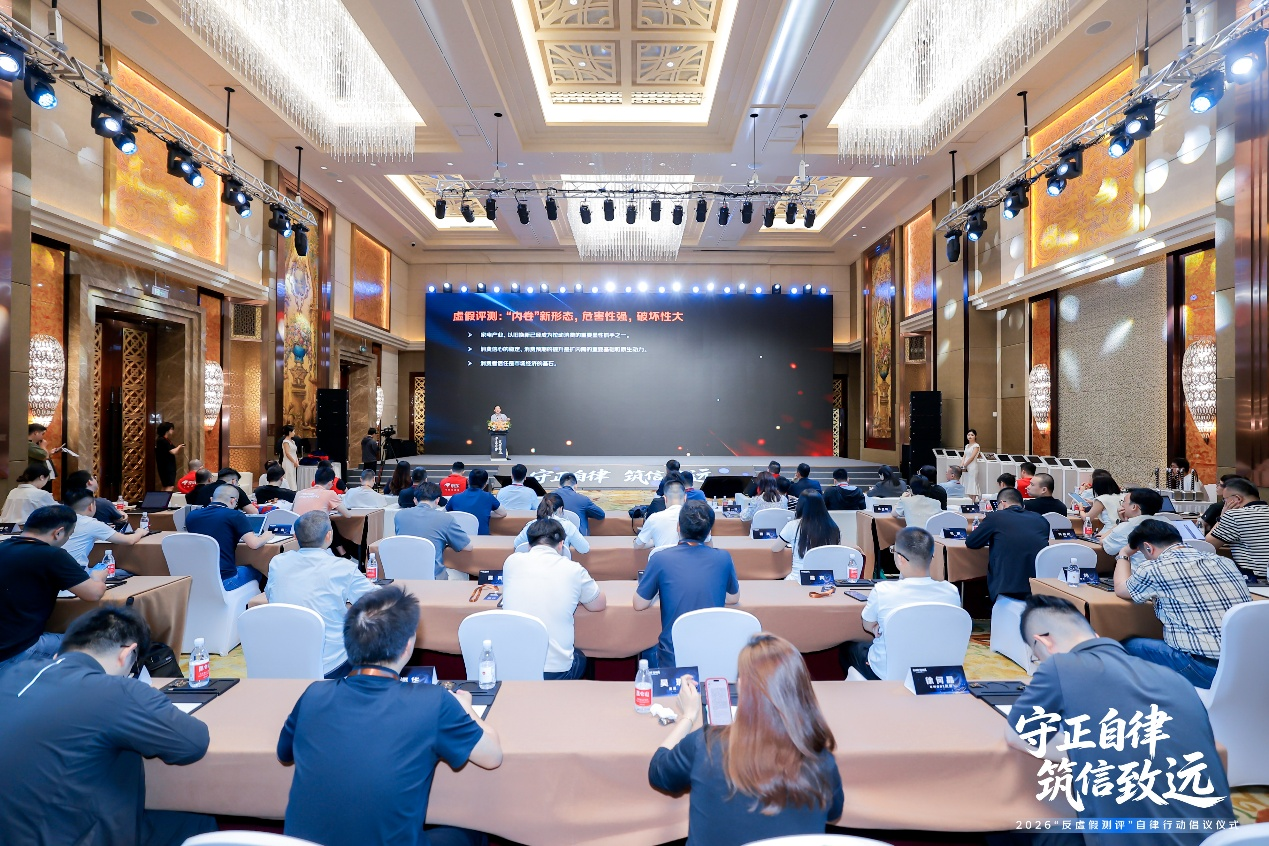
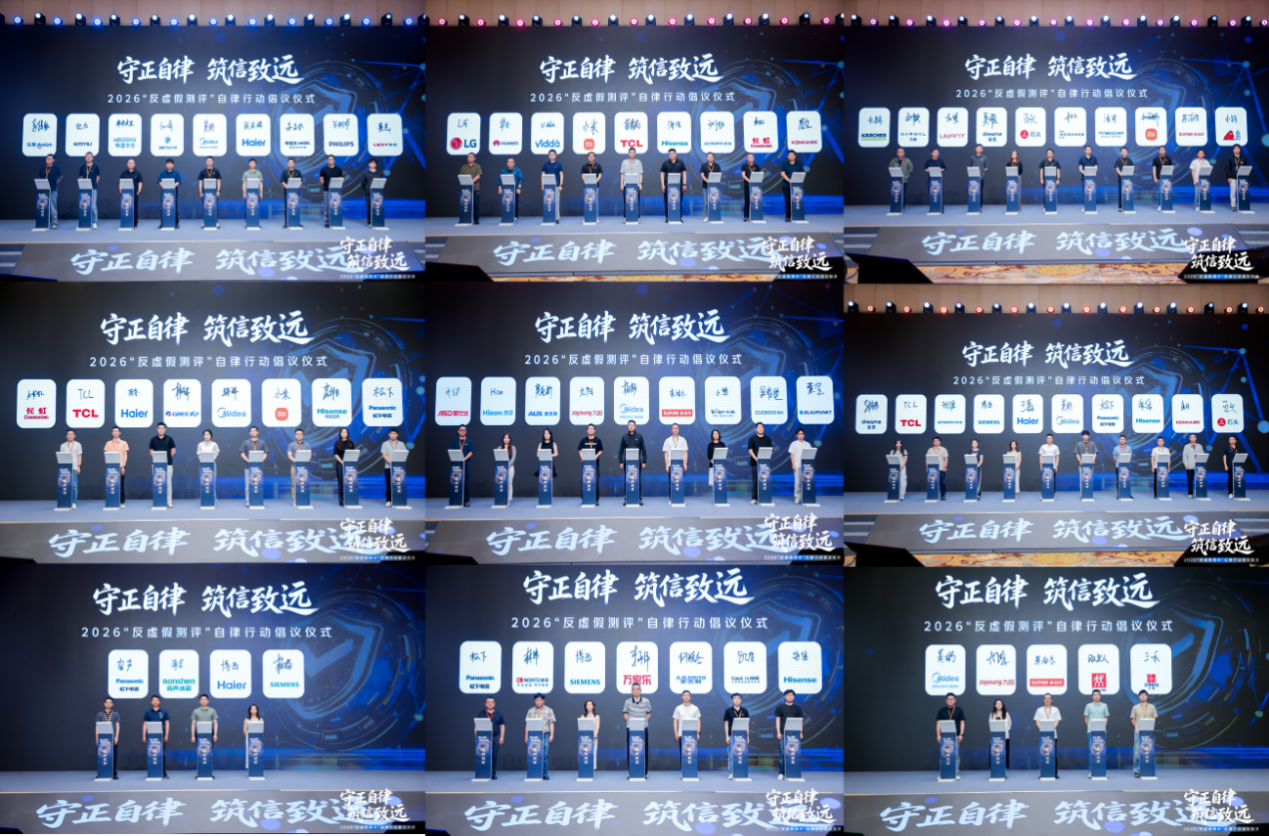
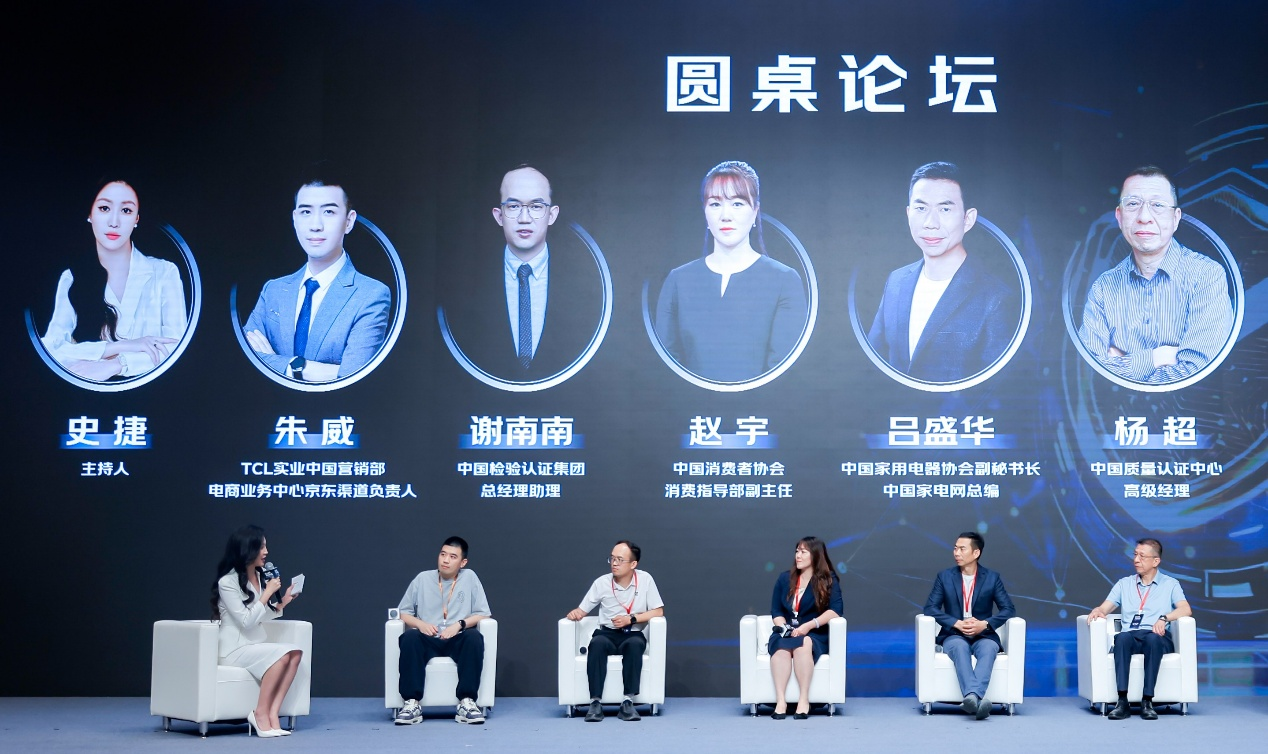
为深入贯彻落实《规范》精神,切实筑牢家电家居行业诚信底线,6月9日,中国家用电器协会联合中国家电网在京举办2026“反虚假测评”自律行动启动仪式。国家发展改革委宏观经济研究院、中国消费者协会消费指导部、中国检验认证集团、中国质量认证中心等相关部门领导共同出席活动。活动期间,京东与电视、空调、冰箱、洗衣机、厨卫大家电、厨房小家电、生活电器、厨具等家电家居品类的近百家品牌积极响应中国家用电器协会号召,率先加入“反虚假测评”自律行动,并签署《反虚假测评公约》。
在本次会议上,与会各方以《网络测评活动规范》为准则,达成“反虚假测评、反恶意竞争、反误导评价、反消费欺诈”的行业共识,进一步明确为消费者提供好产品、好价格、好服务的行为规范,并将“坚守真实底线、共建诚信生态、守护公平竞争、捍卫消费者权益”,共同推动家电家居反虚假测评自律行动走深走实。

流量裹挟冲击消费信任 行业生态治理势在必行

《规范》明确提出,网络测评活动应坚持客观、公正、全面、准确原则,并指出部分网络测评存在夸大宣传、只评不测、商测一体等问题。这些要求和问题,精准切中了家电家居行业当前面临的测评失真、信息误导和信任流失的痛点。本次自律行动全面覆盖家电家居全品类,深层动力源于全行业对廓清测评乱象、重塑消费信任的迫切诉求。

事实上,伴随着数字化传播业态的迭代升级,直播、短视频等内容平台已深度介入并影响公众的消费决策,测评内容日益成为消费者选购家电家居产品的重要权衡依据。尤其是清洁电器、电视、空调等品类,产品参数复杂、使用场景多、决策链路较长,消费者往往需要借助测评、横评、直播演示和达人推荐来判断产品是否适合。
然而,在流量裹挟与商业利益驱动下,部分测评内容逐渐偏离客观公正的初衷。一些所谓“专业对比”异化为恶意拉踩、虚假宣传的操纵工具,不仅严重侵害了消费者的知情权与公平交易权,也侵蚀了合规品牌的创新动能与口碑积淀,致使市场竞争偏离了产品品质、技术能力和服务体验本身。

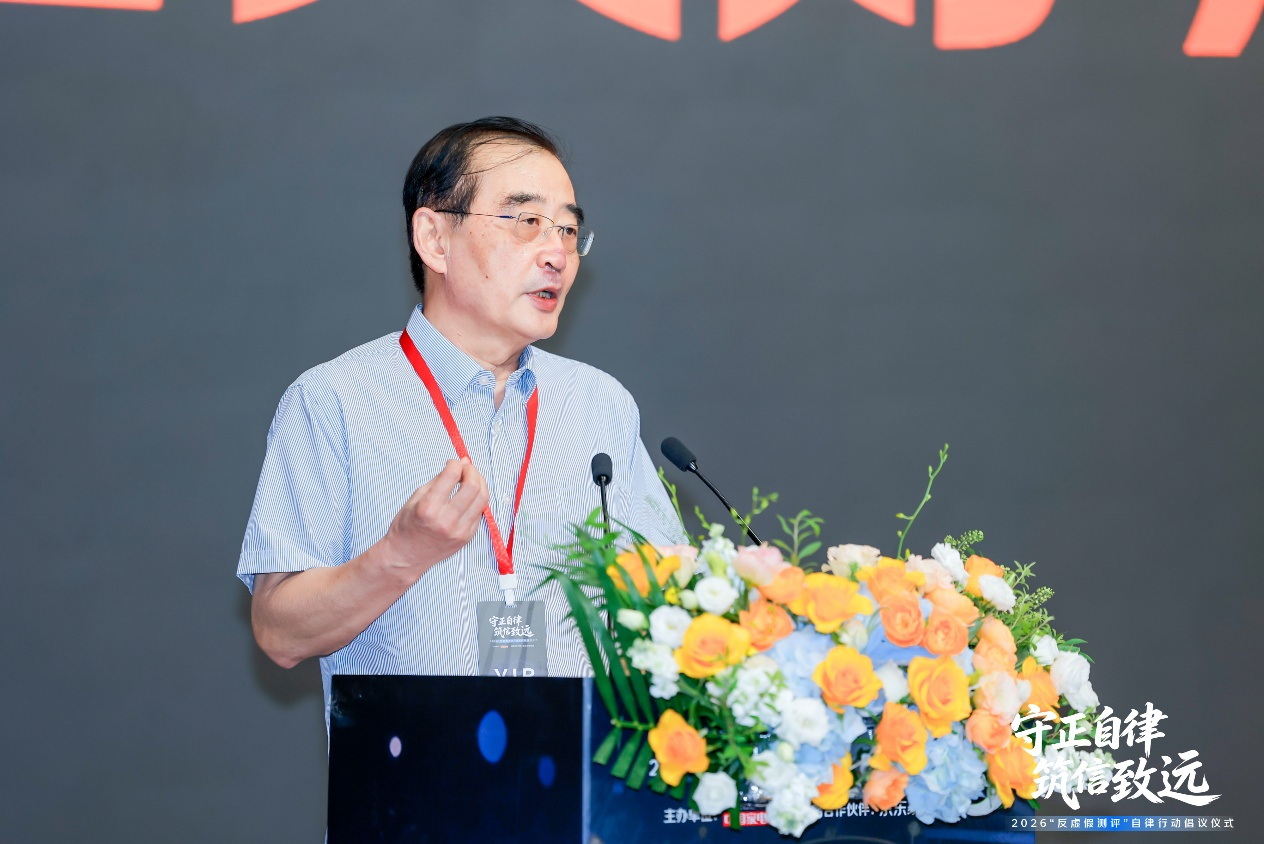
中国家用电器协会副理事长徐东生在会上表示,专业测评本应是连接优良品质与理性消费的透明纽带,但在部分领域却异化为混淆视听的营销工具。特别是在清洁电器等创新活跃、关注度较高的赛道中,断章取义的极限对比、偏离真实家庭环境的“暴力测试”、凭空捏造数据和“捧一踩一”的内容脚本,正在披着科普外衣误导消费者判断。
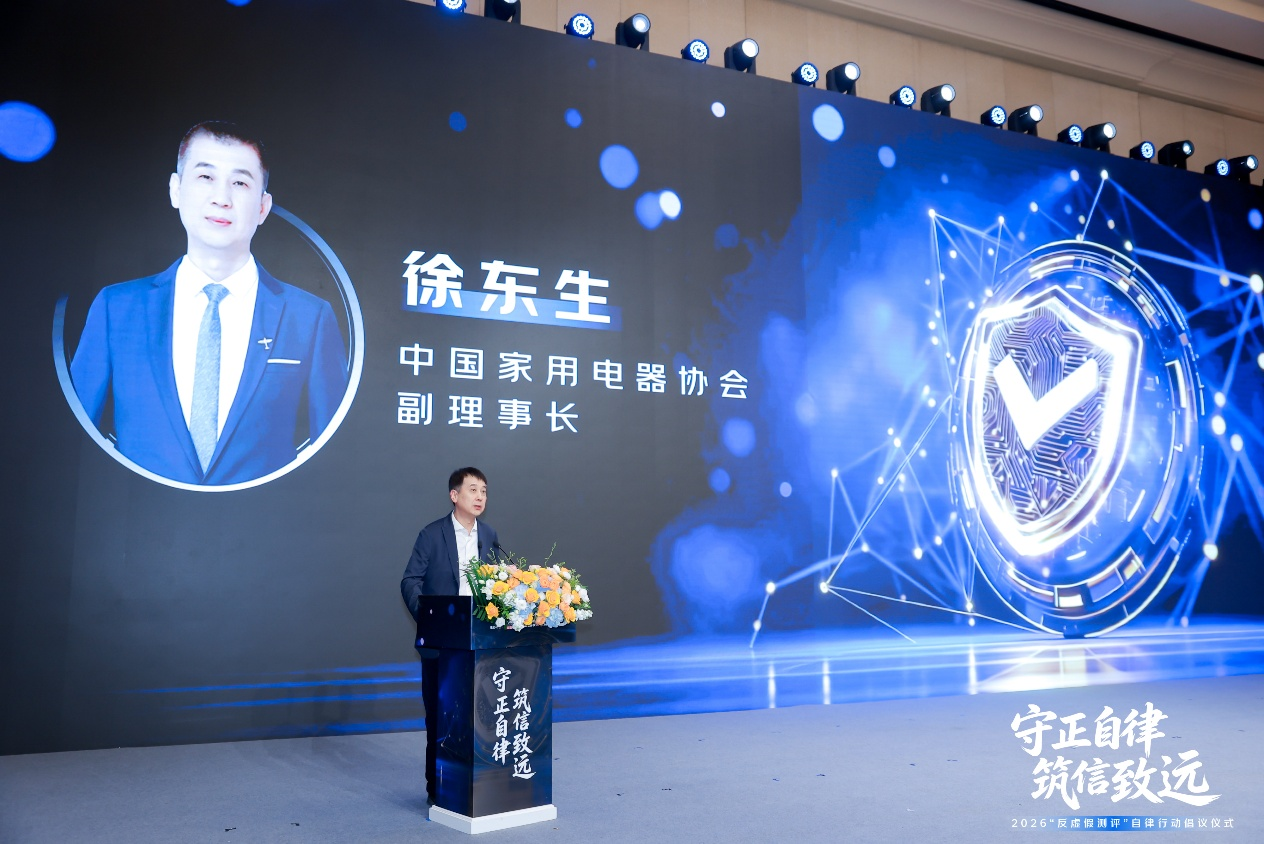
中国家用电器协会副理事长徐东生

从行业合规治理角度看,虚假测评已超出单一内容失真范畴,正消耗消费信任、扰乱公平竞争,并对行业诚信生态造成冲击。《规范》中提出,从事网络测评活动不得采取不同标准、不同方法对同类产品进行横向、纵向比较,不得断章取义检验检测报告内容,不得通过贬损其他产品抬高测评样本声誉。这也进一步说明,反虚假测评并不是反对真实评价和合理监督,而是要反对借测评之名制造误导、破坏公平竞争的行为,让真实、专业重新成为消费者决策的重要依据,也为家电家居产业健康发展筑牢信任基础。

会上,国家发改委宏观经济研究院资深产业专家蔡莹指出,当前“以旧换新”等政策正持续激发绿色智能消费需求,家电家居产业作为扩内需、稳消费的重要抓手,其长远发展离不开健康的信任基石。虚假测评作为一种不正当的“内卷”形态,冲击的是整个产业的发展环境。面对这一问题,需要强化源头治理,通过完善追溯机制、提高违规成本,并充分发挥行业协会的自律引领作用,让真实与专业重新回归行业主流。
国家发改委宏观经济研究院资深产业专家蔡莹

全产业链品牌深度汇聚 推动自律公约实现跨品类覆盖

《规范》为网络测评活动划定了清晰边界,行业自律则是推动规则落地的重要抓手。对家电家居行业来说,测评内容覆盖链路长、影响场景广,亟须平台、品牌、行业组织和权威机构紧密协作,将“客观、公正、全面、准确”的原则真正内化为全产业链的共同行动。

由中国家用电器协会联合中国家电网共同发起的“反虚假测评”自律行动面向家电家居全品类展开,进一步凝聚行业协会、权威机构、平台、品牌及媒体等多方力量,共同构筑真实、客观、公正的测评生态,推动家电家居行业以更系统的方式回应测评乱象。

活动现场举行了“反虚假测评”自律行动启动仪式,为各方释放出规范测评秩序、净化行业环境的明确信号。除京东外,包括空调品类美的、格力、海尔、小米、海信、长虹、奥克斯等品牌;电视品类TCL、小米、海信、雷鸟、Vidda、三星、索尼等;厨卫大家电品类方太、老板、华帝、海信、万和、万家乐、帅康、AO史密斯、林内、能率等;厨房小家电品类爱仕达、苏泊尔、九阳、小熊、福库、惠康、德玛仕等;生活电器品类石头科技、追觅、科沃斯、uwant友望、小米、云鲸、添可、德国卡赫、亿力、小狗、东芝等;冰箱、洗衣机及厨具品类小天鹅、松下、创维、容声、统帅、雪花、双立人、康佳等,共计近百个家电家居品牌积极响应中国家用电器协会号召,率先加入“反虚假测评”自律行动,并签署《反虚假测评公约》。行业各方的深度参与,标志着拒绝消费欺诈、坚持诚信表达已成为家电家居行业的共同方向,也将推动反虚假测评走向更加长效、系统的行业共治。

此次“反虚假测评”自律行动,不仅是家电家居行业各方对《网络测评活动规范》的积极响应,也是推动产品测评生态走向规范化、透明化的重要落地。未来,各方将紧密围绕《规范》要求,持续践行“反虚假测评、反恶意竞争、反误导评价、反消费欺诈”的行业共识,坚守真实底线、共建诚信生态、守护公平竞争,坚持为消费者提供好产品、好价格、好服务。

注:文/龚作仁,文章来源:Laborer,本文为作者独立观点,不代表亿邦动力立场。

【版权提示】亿邦动力倡导尊重与保护知识产权。未经许可,任何人不得复制、转载、或以其他方式使用本网站的内容。如发现本站文章存在版权问题,烦请提供版权疑问、身份证明、版权证明、联系方式等发邮件至run@ebrun.com,我们将及时沟通与处理。

已点赞

+1

{{ praise_text }}

好文章,值得被更多人看到

广告

下一篇

跨境电商资源对接

《全球跨境电商服务商资源手册》第二期手册现已发布,触达更多资源,了解跨境服务商信息,欢迎点击链接下载。

了解详情

阿里合伙人委员会内网批评钉钉管理方式:尊重个体价值才能创造客户价值

阿里巴巴合伙人委员会在公司内网发布帖文《有情有义有成长,才是阿里文化》,帖文以严厉的措辞批评了钉钉团队的管理方式,直接指出这“不是阿里文化该有的样子”。










