



• 亿邦公众号
    • APP下载

京东生鲜助力广货行天下,包圆模式落地显成效

作者:龚作仁 文章来源:Laborer

2026-06-09 18:55

作者:龚作仁 文章来源:Laborer

2026-06-09 18:55

邦小白快读

EN
全文速览

本文核心介绍京东生鲜推出的“包圆”模式,助力广东特色农货走向全国及全球市场,模式已经验证成效,普通读者既可以了解新的农货上行模式,也能获得和自身消费相关的干货。

1. 消费体验升级:依托京东产地直采和自有冷链体系,广东荔枝可实现12小时鲜达香港,24小时覆盖国内大部分地区,36小时鲜达欧洲,消费者能吃到比传统流通渠道更新鲜的地域特色农货。

2. 品质更有保障:包圆模式通过统一生产、统一品控、统一标准,解决了传统农货品质参差不齐的问题,能稳定买到高品质的应季特色农产,消费权益更有保障。

3. 模式成效明确:京东618开门红数据显示,包圆商品销量同比增长210%,地理标志、非遗生鲜产品销售额同比增长200%,模式可行性已经得到市场验证。

本文介绍的京东生鲜包圆模式,能给广东本土农产品牌商提供不少可参考的方向,核心干货如下:

1. 消费趋势:当下消费者对新鲜、高品质、地域特色生鲜产品的需求持续上涨,地理标志、非遗食材的销售额同比实现翻倍增长,细分市场增长空间大。

2. 渠道建设:可依托京东的全域全渠道网络,线上覆盖京东生鲜、京喜等平台,海外触达欧洲等市场,线下覆盖七鲜、折扣超市、社区便利店等,实现一地产全球卖,突破地域限制。

3. 品牌升级:借助包圆模式的标准化品控体系,可以帮助区域农产摆脱“低价散装”的低端标签,从地方特产升级为全国知名品牌,电白千禧小番茄就通过该模式实现品牌跃升。

4. 风险对冲:参与包圆合作可通过提前锁定订单、浮动定价机制,对冲产量波动、价格内卷带来的市场风险,保障品牌稳定收益。

本文介绍的京东生鲜包圆模式,给做农产生鲜类的卖家提供了不少机会、可参考经验和风险提示,核心干货如下:

1. 市场机会:当前高品质特色地域农货处于增长风口,京东数据显示地理标志等生鲜销售额同比增长200%,卖家可依托包圆模式对接源头优质货源,获得稳定的供货保障。

2. 合作与扶持:京东正在扩大包圆模式覆盖范围,2026年计划覆盖超50个核心品类,广东地区包销规模翻倍,还和超120个地方政府、协会共建产业标准,卖家可对接京东获得产地资源、全渠道流量、供应链扶持。

3. 风险提示:荔枝这类高娇性时令农货,属于高投入、低毛利、高售后、短窗口期品类,规模化运营难度大,贸然切入容易亏损,依托平台包销模式可降低供需错配带来的风险。

4. 可学习经验:可借鉴源头前置布局的思路,提前进驻产区锁定优质货源,做好标准化品控,靠稳定品质获得长期用户。

对于生鲜农产品加工、包装类工厂而言,本文透露了不少产业方向的干货,核心内容如下:

1. 生产设计需求:当下市场对生鲜产品的新鲜度、标准化程度要求越来越高,工厂需要适配统一分级、统一打包、全程可追溯的生产要求,同时要适配不同渠道的包装规格,覆盖线上零售、线下商超、社区店等多场景需求。

2. 商业机会:京东包圆模式2026年将覆盖超50个核心品类,广东地区包销规模将翻倍增长,模式可复制推广,会带来大量稳定的订单需求,工厂可对接京东产地包销项目获得长期稳定合作。

3. 数字化与电商转型启示:工厂要主动适配电商全链路要求,接入全流程追溯系统,配合平台完成品控标准化,依托平台的全球销售渠道,可以把产品卖到海内外更多市场,还能借助平台数字化能力对接消费需求,优化自身生产安排。

对于面向农业生鲜产业的服务商来说,本文梳理了当前产业的核心痛点、发展趋势,可参考的干货如下:

1. 行业发展趋势:农货上行已经从单纯的商品售卖、短期助农促销,转向全产业链深度重构,包圆模式已经成为可复用的成熟产业模式,未来标准化、数字化、全球化的生鲜产业基础设施需求会持续增长。

2. 核心客户痛点:当前高娇性时令农产的核心痛点是生产端不可控,产量波动大、品质参差不齐;市场端不稳定,散户销路无保障,旺季低价内卷、淡季无货溢价,供需错配问题突出,传统中间商模式无法解决这些痛点。

3. 可参考解决方案:可借鉴包圆模式思路,通过提前源头锁定货源、长期包销平抑产销波动,建立标准化品控体系保障品质,依托全渠道全球网络拓宽销路,帮助产业对冲农业天然不确定性,破解靠天吃饭的行业痛点。

4. 业务机会:多地产区需要搭建完善的生鲜供应链体系,服务商可对接产区参与共建产业标准,提供供应链、数字化相关服务。

对于布局生鲜农产业务的平台商来说,本文分享了京东包圆模式的运营经验,有不少参考干货,核心内容如下:

1. 产业对平台的核心需求:农产区需要平台提前锁定货源、提供稳定长期订单、帮助搭建产业标准、对接全球销路,对冲大小年、气候异常带来的产业风险,帮助农户稳定增收,而非只做短期流量促销。

2. 可参考的运营做法:可采用前置产地布局策略,提前数月进驻核心产区对接果园、合作社,锁定优质货源;建立浮动定价机制,用稳定合作替代随机采购,全程跟踪果树长势,倡导适时采摘,同时保障供需双方利益。

3. 渠道布局经验:打通线上线下全域渠道,覆盖不同层级消费市场,同时布局海外渠道,帮助农货突破地域限制,扩大整体销量。

4. 风险规避:面对减产等市场波动,不要盲目观望,提前布局锁定优质货源反而能获得竞争优势;要避免靠低价吸引流量却无法保障品质的短期做法,这种行为会伤害平台口碑。

本文介绍了农货上行领域的全新商业模式“包圆模式”,对研究农业产业升级的研究者来说,核心干货如下:

1. 产业新动向:当前农货上行已经从传统的中间商采销、短期助农促销,转向全产业链深度重构,京东的包圆模式已经形成可复制可复用的成熟体系,覆盖多个品类多个产区,是农产产业升级的全新方向。

2. 创新商业模式:包圆模式依托全域超级供应链、全球化销售渠道、全流程冷链履约能力,实现三大核心突破:一是稳产,用长期包销订单平抑产销波动;二是提质,用标准化品控重塑农产口碑;三是扩路,用全域渠道帮助农产实现品牌升级,重构了现代农业产销的底层逻辑。

3. 研究价值:该模式破解了传统农业靠天吃饭、供需错配的核心痛点,改变了传统农业的脆弱生态,其重投入、长周期的产业深耕路径,为乡村振兴背景下的农产产业升级提供了全新的落地实践样本,具备较高的研究价值。

声明:快读内容全程由AI生成,请注意甄别信息。如您发现问题,请发送邮件至 run@ebrun.com 。

我是 品牌商 卖家 工厂 服务商 平台商 研究者 帮我再读一遍。

Quick Summary

This article focuses on JD Fresh's newly launched "Baoyuan (All-Inclusive Sourcing)" model, which helps characteristic agricultural products from Guangdong reach national and global markets, with proven effectiveness. General readers can learn about this new agricultural product uplift model, while gaining practical insights relevant to their own consumption.

1. Upgraded consumer experience: Leveraging JD's direct farm sourcing and in-house cold chain system, Guangdong lychees can reach Hong Kong within 12 hours, cover most parts of China within 24 hours, and arrive fresh in Europe within 36 hours. Consumers can enjoy fresher regional characteristic agricultural products than those delivered through traditional distribution channels.

2. More reliable quality assurance: The Baoyuan model resolves inconsistent quality issues common in traditional agricultural product supply through unified production, unified quality control and unified standards. Consumers can stably purchase high-quality seasonal characteristic agricultural products with better protected consumer rights.

3. Proven business results: Data from JD's 618 Shopping Festival opening shows that sales of Baoyuan-model products increased by 210% year-over-year, while sales of geographical indication and intangible cultural heritage fresh products grew by 200% year-over-year, confirming the model's market viability.

This article introduces JD Fresh's Baoyuan model, which offers valuable actionable insights for local agricultural product brands in Guangdong. Key takeaways are as follows:

1. Consumer trends: Consumer demand for fresh, high-quality, regionally characteristic fresh produce continues to rise, with annual sales of geographical indication and intangible cultural heritage ingredients more than doubling. This niche market offers substantial growth potential.

2. Channel development: Brands can leverage JD's omni-channel network to cover online platforms including JD Fresh and Jingxi, reach overseas markets such as Europe, and access offline channels including 7Fresh, discount supermarkets and community convenience stores, enabling products from one region to be sold globally and breaking through geographical limitations.

3. Brand upgrading: The standardized quality control system of the Baoyuan model helps regional agricultural products shed the low-end label of "low-priced bulk goods" and evolve from local specialties to nationally recognized brands. Dianbai Millennium Cherry Tomatoes have already achieved brand growth through this model.

4. Risk mitigation: Participating in the Baoyuan cooperation allows brands to hedge market risks caused by output fluctuations and price competition through pre-locked orders and a floating pricing mechanism, ensuring stable earnings.

This article introduces JD Fresh's Baoyuan model, which provides valuable opportunities, actionable insights and risk alerts for agricultural and fresh product sellers. Key takeaways are as follows:

1. Market opportunities: High-quality regional characteristic agricultural products are currently a high-growth segment. JD data shows that sales of geographical indication and other premium fresh products grew 200% year-over-year. Sellers can source high-quality goods directly from production origins through the Baoyuan model and secure stable supply guarantees.

2. Cooperation and support: JD is expanding the coverage of the Baoyuan model, planning to cover more than 50 core product categories and double the total procurement volume in Guangdong by 2026. It has also co-built industrial standards with more than 120 local governments and industry associations. Sellers can partner with JD to access production origin resources, omni-channel traffic and supply chain support.

3. Risk alerts: Highly perishable seasonal produce like lychee is a category characterized by high investment, low margins, high after-sales costs and short sales windows, making large-scale operation very challenging. Entering this segment blindly often leads to losses, while partnering with the platform's all-inclusive sourcing model reduces risks caused by supply-demand mismatch.

4. Actionable insights: Sellers can learn from the pre-positioned origin layout strategy: enter production regions early to lock in high-quality sources, implement standardized quality control, and build long-term customer loyalty through consistent product quality.

For factories engaged in fresh agricultural product processing and packaging, this article reveals key industry insights. Core content is as follows:

1. Production and design requirements: The market now has higher requirements for the freshness and standardization of fresh products. Factories need to adapt to requirements for unified grading, unified packaging and full-process traceability, while adjusting packaging specifications for different channels to meet the needs of multiple scenarios including online retail, offline supermarkets and community stores.

2. Business opportunities: The Baoyuan model will cover more than 50 core product categories and double the procurement volume in Guangdong by 2026. As the model is replicable and scalable, it will generate a large volume of stable order demand. Factories can partner with JD's origin sourcing program to secure long-term stable cooperation.

3. Insights for digital and e-commerce transformation: Factories should proactively adapt to the end-to-end requirements of e-commerce, access full-process traceability systems, cooperate with platforms to complete quality control standardization. Leveraging the platform's global sales channels, they can sell products to more markets at home and abroad, and use the platform's digital capabilities to align production with consumer demand and optimize production arrangements.

For service providers serving the agricultural and fresh produce industry, this article summarizes core industry pain points, development trends and actionable insights. Key takeaways are as follows:

1. Industry development trends: Agricultural product uplift has evolved from simple product sales and short-term charity-driven promotional campaigns to deep restructuring of the entire industrial chain. The Baoyuan model has become a mature, replicable industrial model, and demand for standardized, digital, globalized fresh produce industry infrastructure will continue to grow going forward.

2. Core customer pain points: For highly perishable seasonal agricultural products, core pain points include uncontrollable production with large output fluctuations and inconsistent quality; unstable market access with no guaranteed sales for small-scale producers, price wars during peak seasons and price hikes from stock shortages during off-seasons, leading to severe supply-demand mismatch that traditional intermediary models cannot resolve.

3. Referenceable solutions: Service providers can draw on the logic of the Baoyuan model: lock in supply at origin in advance, use long-term all-inclusive procurement to smooth production and sales fluctuations, build a standardized quality control system to guarantee product quality, and leverage omni-channel global networks to expand sales. This helps the industry hedge the inherent uncertainty of agriculture and resolve the "weather-dependent" industry pain point.

4. Business opportunities: Many production regions need to build comprehensive fresh produce supply chain systems. Service providers can partner with local regions to participate in co-building industrial standards and provide supply chain and digital-related services.

For platform operators developing agricultural fresh produce businesses, this article shares operational insights from JD's Baoyuan model with valuable reference points. Key takeaways are as follows:

1. Core industry demands on platforms: Agricultural production regions need platforms to lock in supply in advance, provide stable long-term orders, help build industrial standards, connect to global sales channels, hedge industrial risks caused by biennial bearing and climate anomalies, and help farmers achieve stable income growth, rather than only running short-term traffic promotions.

2. Referenceable operational practices: Platforms can adopt a pre-positioned origin layout strategy: enter core production regions months in advance to partner with orchards and cooperatives and lock in high-quality supply; establish a floating pricing mechanism to replace random spot purchases with long-term stable cooperation, track fruit tree growth throughout the season, promote timely harvesting, and protect the interests of both supply and demand sides.

3. Channel layout insights: Integrate online and offline omni-channel coverage to reach different consumer segments, while developing overseas channels to help agricultural products break through geographical limitations and expand overall sales volume.

4. Risk mitigation: Facing market fluctuations such as production cuts, avoid blind waiting – locking in high-quality supply in advance actually creates competitive advantages; avoid short-term practices that attract traffic with low prices but fail to guarantee quality, as these damage platform reputation.

This article introduces the "Baoyuan model", a new business model in the field of agricultural product uplift, offering key insights for researchers studying agricultural industrial upgrading. Core content is as follows:

1. New industry trends: Current agricultural product uplift has evolved from traditional intermediary procurement and short-term promotional aid campaigns to deep restructuring of the entire industrial chain. JD's Baoyuan model has formed a mature, replicable system covering multiple categories and production regions, representing a new direction for agricultural industrial upgrading.

2. Innovative business model: Built on a comprehensive super supply chain, global sales channels, and end-to-end cold chain fulfillment capabilities, the Baoyuan model achieves three core breakthroughs: First, output stability, using long-term all-inclusive procurement orders to smooth production and sales fluctuations; second, quality improvement, reshaping agricultural product reputation through standardized quality control; third, market expansion, enabling brand upgrading for agricultural products through omni-channel coverage. The model reconstructs the underlying logic of modern agricultural production and distribution.

3. Research value: This model resolves the core pain points of traditional agriculture – reliance on weather and persistent supply-demand mismatch, and transforms the fragile ecology of traditional agriculture. Its heavy-investment, long-cycle industry deepening path provides a new practical implementation sample for agricultural industrial upgrading in the context of rural revitalization, with high research value.

Disclaimer: The "Quick Summary" content is entirely generated by AI. Please exercise discretion when interpreting the information. For issues or corrections, please email run@ebrun.com .

I am a Brand Seller Factory Service Provider Marketplace Seller Researcher Read it again.

凌晨,“中国荔乡”广东茂名的荔枝园里,果农们穿梭林间,忙碌的采摘往往持续到正午。一颗颗鲜嫩饱满的荔枝,经标准化分拣打包后,立即搬上等候在旁的京东冷链货车。当消费者轻轻按下购物键,最快12小时,广东荔枝即可抵达香港;24小时,覆盖西藏、新疆等国内大部分地区;36小时,鲜达欧洲。

这场极致的“鲜味之旅”,正是京东生鲜“包圆”模式助力广货行天下的鲜活注脚。京东618开门红数据显示,京东生鲜的“包圆”商品销量同比增长210%,地理标志、非遗食材及新奇特生鲜产品销售额同比增长200%。

极致新鲜的履约体验、持续走高的销量,印证了京东生鲜助力农货上行的扎实成效。但亮眼的市场表现背后,是荔枝品类与生俱来的产业难题。作为典型的“娇贵型”时令农货,荔枝长期被认为是电商行业中高投入、低毛利、高售后、短窗口期的品类,规模化、稳定化运营难度极大。如今,京东生鲜通过源头包销,将地方的自然禀赋巩固为产业长板,让农户切实享受到产业发展的红利。

稳订单、保品质、助增收:源头包销助力产业发展

在过去很长一段时间内,荔枝产业一直有两个绕不开的问题:一是生产端的不可控,气候波动、大小年周期、采收没有明确标准,导致产量忽高忽低、品质参差不齐,农户时常面临“丰产不丰收、减产必亏损”的被动局面;二是市场端的不稳定,散户零散种植、无固定销路,旺季扎堆低价内卷、淡季无货溢价,消费者难以买到稳定高品质的应季荔枝,供需错配问题长期存在。这也是包括荔枝在内的高娇性生鲜农产品,规模化发展的核心症结所在。

在这样的背景下,谁能更早洞察趋势、抓住机会,谁就能在产业布局中占据主动。去年,京东率先启动行业规模最大的广东荔枝助销专项行动,一个多月内销量同比增长超4倍。2026年产季,京东荔枝果园包销数量同比增长超5倍。

包销规模迅速扩大的背后,是今年荔枝市场的明显分化。受去年暖冬和持续降雨影响,全国荔枝出现明显减产,迎来“特小年”。据国家荔枝龙眼产业技术体系监测,2026年全国荔枝预计产量约231万吨,同比减少约37%,中晚熟品种受影响尤为严重。

面对“减产+涨价”的双重压力,不少平台选择观望或下调预期,部分直播间以“低价”吸引流量却难保品质。相比之下,京东生鲜选择“逆势而上”,成为少数坚持大规模销售荔枝的平台。

为应对产销波动带来的供货风险,京东生鲜提前调整产地合作模式,将前置产地布局、源头锁定货源作为运营重点。采销团队在采摘前两个月便进驻茂名、湛江等核心产区,与当地果园、合作社深入对接,锁定优质果园并敲定包销合作。采销与品控人员全程跟踪果园长势,联合当地政府和行业协会倡导适时采摘,既保障消费者体验,也守护果农长期利益。

同时,京东生鲜建立浮动定价机制,用稳定的合作关系替代随机采购,帮助农户化解市场风险,实现从枝头到用户手中的品质全程可追溯。

标准化是品质锻造的关键。京东生鲜通过统一包销、统一标准、统一冷链运输,并实现全过程可追溯,既保障了荔枝品质,也为产业打开了更广阔的市场。今年京东广东荔枝开售后,销量目标预计同比翻倍,农户从中获得了更多产业发展的红利。

与其说京东在卖荔枝,不如说是在运营荔枝产业。多年积淀的超级供应链是其底气所在。依托“产地直采+源头直发+高效物流+全渠道销售”的能力:线上京东生鲜让全国大多数消费者买到枝头鲜的广东荔枝;京喜依托厂货百补和产地直采,提供高性价比选择;京东欧洲线上零售品牌Joybuy让欧洲消费者以实惠价格品尝与国内同步上市的新鲜好果。线下京东七鲜超市扎根一二线城市,京东折扣超市、京东佳宝超市、京东便利店深耕区域和社区市场。通过线上线下统一集采分发,推动广东荔枝“一地发全球”。
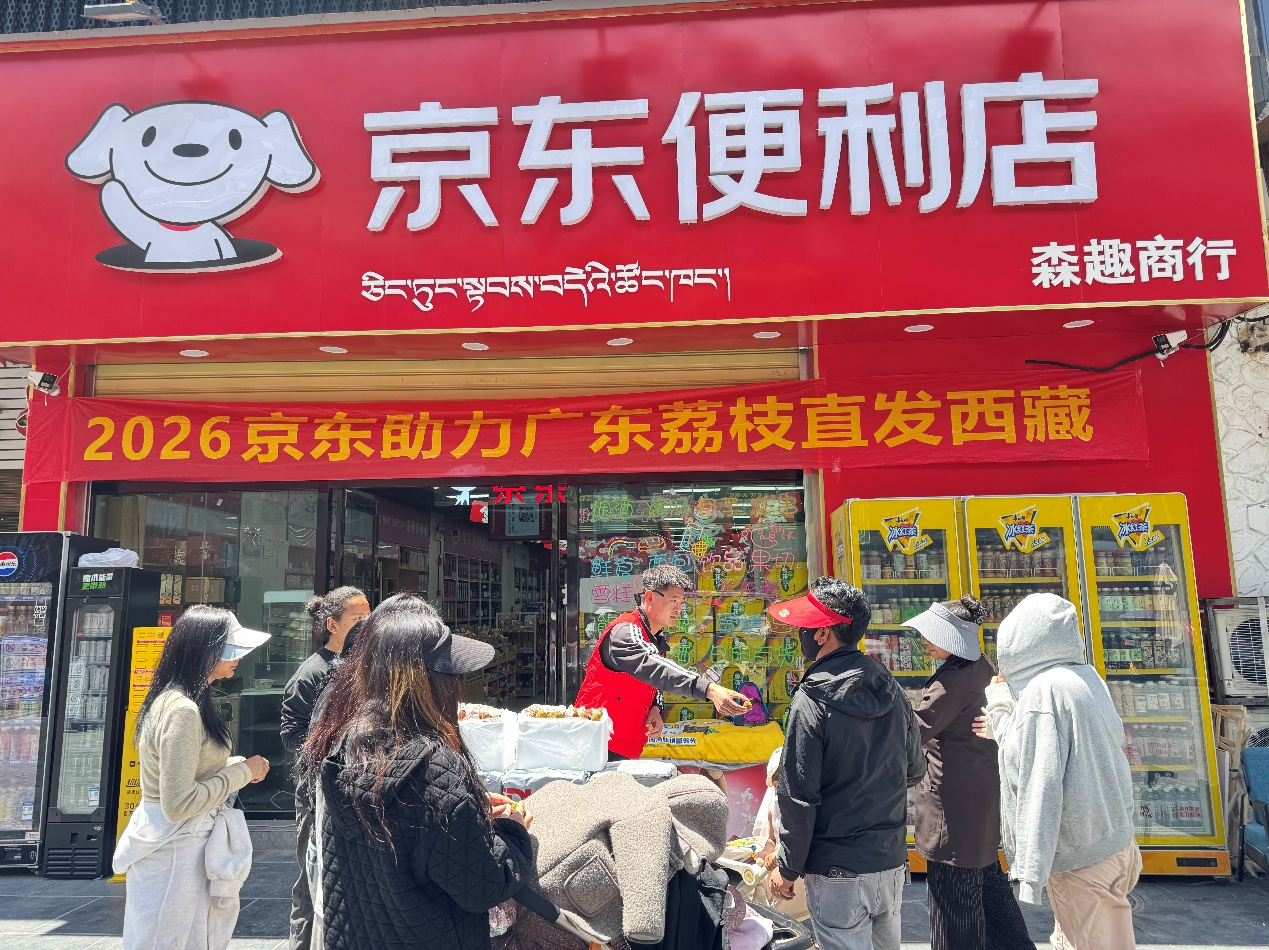
扩内需、优供给:践行“广货行天下”落地显成效

源头包销,不止于荔枝。京东正依托在粤的深度布局,为“广货行天下”提供全方位支持。

2026年1月,京东生鲜宣布当年源头包销模式将覆盖超过50个核心品类,其中在广东的包销规模预计翻倍增长,并与超120个地方政府和协会共建产业标准。随后,京东生鲜与广东铭景农业公司共同为“电白千禧番茄源头直发认证基地”授牌,包园80亩电白千禧12°小番茄,助力其从地方特产跃升为全国知名品牌。

4月,京东跑步鸡认证基地在清远落地,陆续包下当地十几片山头,每销售一只即向养殖户返利3-5元。随后,京东又携手数十家品牌启动“真鲜品牌联盟”,并在广东、湖南、云南等省份落地生鲜农产品产地包销合作。

从跑步鸡到小番茄再到荔枝,这些品类跨度极大的生鲜被纳入同一套包销体系,说明这已非个案或营销手段,而是一套可复用的生鲜产业基础设施已经搭建完成:借数字化营销先行,聚超级供应链成势,乘自有物流网络走向全球。
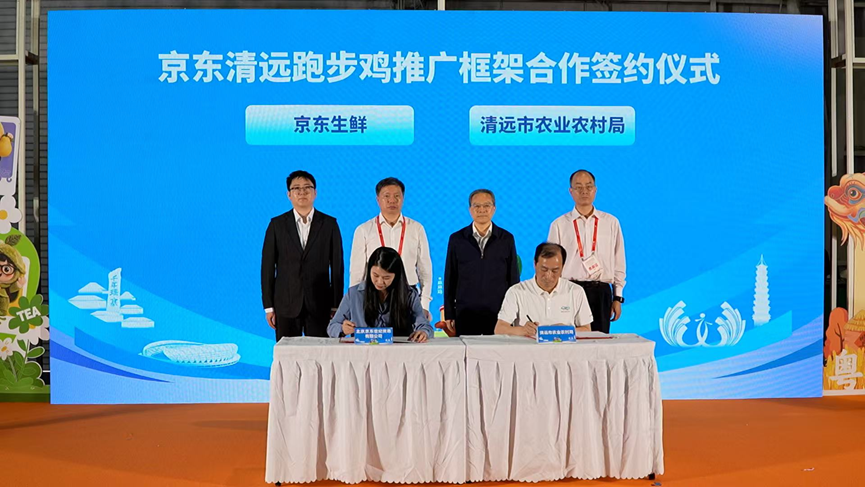
京东生鲜的产业合作已不再是订单的单向输送。京东的技术、资本、人才与广东当地的产业、应用场景结合,形成了成熟的合作模式。广东不仅是产业合作承接地,更是面向整个大湾区的开放枢纽。以源头包园为代表的产业创新模式在这里落地生根,协同发展的成果不断涌现。

全国人大代表、广东亚北农副产品有限公司董事长黄秀芬指出,“广货行天下”是扩内需、优供给的务实举措,有效激活了广东丰富的优质产业资源,京东等电商平台凭借完善的供应链体系与精准营销服务,搭建起高效畅通的产销对接桥梁,为涉农企业发展注入了强劲动力。

京东的“鲜”字答卷:到底在追求什么?

纵观京东生鲜深耕农产品上行的全链路——从荔枝破局“大小年”困境,到多款广货单品实现品牌跃升——这场持续的“保鲜”行动,早已超越了单纯的商品售卖与时令促销,而是在重构现代农业产销的底层逻辑。

那么,京东这份“鲜”字答卷,追求的核心究竟是什么?

答案可以概括为:用超级供应链能力,对冲农业产业的天然不确定性;用系统化解决方案,破解传统农产品“靠天吃饭、随行就市”的行业痛点。

京东生鲜的“包圆”模式,跳出了传统电商“中间商采销”的浅层模式,是一次面向农业全产业链的深度重构与价值升级。从更深层次来看,京东所追求的“鲜”,不只是一颗荔枝落地时的舌尖新鲜,更是农业产业的稳健发展之鲜、模式升级之鲜、价值增值之鲜。
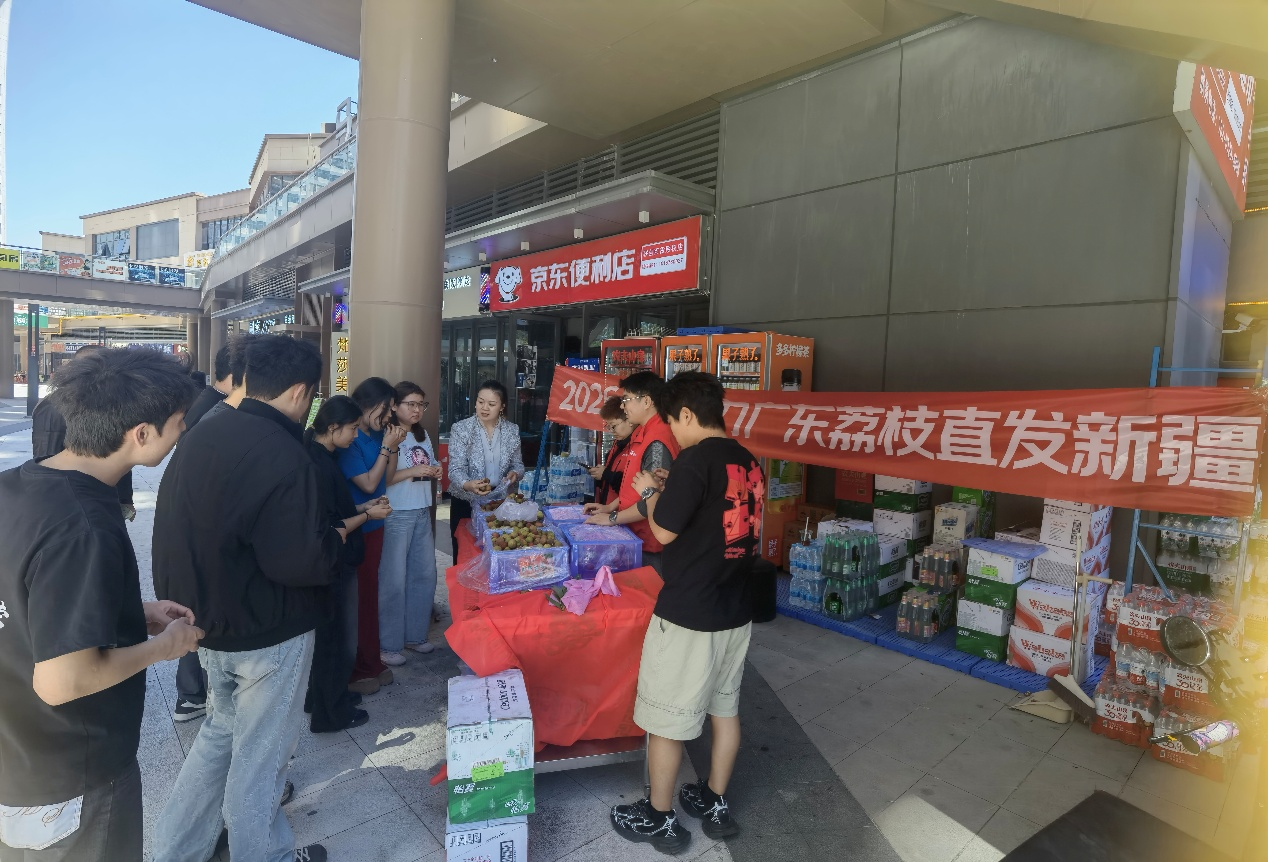
依托全域超级供应链、全球化销售渠道、全流程冷链履约能力,包圆模式实现了三大核心突破:一是稳产,用长期包销订单平抑大小年、气候灾害带来的产销波动;二是提质,用标准化品控体系重塑广货农产的市场口碑,逐步摆脱“低价散装”的低端标签;三是扩路,用线上线下全域渠道、海内外双向布局,让地域特色农产品突破地域与季节限制,从地方特产升级为全国乃至全球热销的品牌好物。

当精准的产业助力与成熟的超级供应链形成合力,京东生鲜打造的便不再只是一套可复制、可复用的生鲜上行模式,更是一个助力中国优质农产品稳健发展、长效增收的确定性产业引擎。它正在改变传统农业“看天吃饭、赌行情赚钱”的脆弱生态,让农业从被动承受风险,转向主动掌控发展节奏,真正实现供需双向平衡、产业长效迭代。

农业是最需要体力、耐心和长期主义的产业,深耕乡村产业从来不是短期的流量生意。京东生鲜选择了一条重投入、长周期的产业深耕之路——从荔枝单品破局,到广货全域出圈;从源头新鲜直达,到全球消费共享。一步步走来,打通了农产品标准化、品牌化、全球化的上行通路。

助力广货行天下、助力乡村全面振兴,是京东深耕农业的一个全新起点。未来,京东将持续扎根全国核心农业产业带,不断深化包园产业模式,持续迭代供应链能力、拉升农产品价值链。以数字化、标准化、全球化的产业助力,让更多优质农货走出乡土、走向世界,持续绘就产业兴旺、农户增收、乡村富裕的振兴新图景。

注:文/龚作仁,文章来源:Laborer,本文为作者独立观点,不代表亿邦动力立场。

【版权提示】亿邦动力倡导尊重与保护知识产权。未经许可,任何人不得复制、转载、或以其他方式使用本网站的内容。如发现本站文章存在版权问题,烦请提供版权疑问、身份证明、版权证明、联系方式等发邮件至run@ebrun.com,我们将及时沟通与处理。

已点赞

+1

{{ praise_text }}

好文章,值得被更多人看到

广告

下一篇

跨境电商资源对接

《全球跨境电商服务商资源手册》第二期手册现已发布,触达更多资源,了解跨境服务商信息,欢迎点击链接下载。

了解详情

从电动滑板车到载人水上飞行器 坦途科技如何下好“全场景智能出行”这盘棋?

从单一短交通产品品牌,迈向覆盖多场景的智能户外出行生态平台,并发布覆盖水、陆、空全场景的六大产品矩阵.

品牌故事 跨境电商

2026-06-09 15:18:47









