• 亿邦公众号
    • APP下载

"天才少年"的"非典型"创业:李一同为何将技术理想"托管"给吉翼智能

作者:龚作仁 文章来源:Laborer

2026-06-05 17:17

作者:龚作仁 文章来源:Laborer

2026-06-05 17:17

邦小白快读

EN
全文速览

本文核心内容是前华为天才少年、大模型技术负责人李一同加盟具身智能创业公司吉翼智能的背景与行业动向,核心干货整理如下:

1. 转型逻辑:李一同原本深耕云端生成式大模型,发现大模型仅具备“能说”的内容输出能力,严重欠缺和真实物理世界互动的“能做”能力,因此转向布局能走进产线、千家万户的具身智能赛道,认为这是大模型突破天花板的下一个方向。

2. 选择加盟而非独立创业的原因:李一同自身更侧重技术探索落地,不希望被融资、团队管理等事务分散精力,吉翼智能做“能用的产品”的目标、创始人务实高效的风格,都和他的追求高度契合。

3. 行业现状与未来规划:当前行业存在“大模型+机器人是概念炒作”的质疑,具身智能的发展拐点核心要解决大规模高质量数据获取问题,吉翼背靠产业资源有先天优势,目标在2026-2027年推出覆盖95%以上工业商业场景的落地产品。

本文透露了当前大模型与具身智能赛道的产业发展新动向,能给布局硬科技领域的品牌商带来多方面参考,干货整理如下:

1. 产业与消费趋势:大模型已经从云端数字领域逐步向物理真实场景延伸,具身智能是下一阶段的核心风口,未来将覆盖工业生产、商业服务、大众消费等多个场景,市场空间广阔,品牌可提前关注布局。

2. 技术落地的经验参考:顶尖技术理想落地不一定非要从零搭建团队、独立创业,依托有深厚产业链根基的平台型企业,分工协作发挥各自优势,是非常成熟可借鉴的路径。

3. 核心竞争力打造方向:具身智能行业的核心竞争力是数据、场景与人才,吉翼智能背靠头部汽车零部件企业的产业链积淀,投入亿元建设数据训练场,还推出高薪全球招募顶尖人才的计划,说明品牌布局新赛道要提前卡位核心资源、做好人才储备。

本文披露了具身智能赛道的最新发展动态,能给面向科技领域的卖家带来机会提示与风险参考,干货整理如下:

1. 新的增长市场机会:当前云端大模型的发展已经逐步触及数字天花板,对接物理世界的具身智能成为新的增长赛道,未来需要大量能落地的产品,覆盖工业、商业等多类场景,下游需求明确,存在大量未被满足的市场空间。

2. 新商业模式参考:当下硬科技领域出现了新的合作模式,顶尖技术人才依托平台型企业发挥技术专长,不需要分心处理融资、管理等非核心事务,这种分工协作的模式比从零独立创业成功率更高,卖家可参考这种轻资产分工的模式。

3. 风险提示:当前行业普遍存在“大模型+机器人是概念炒作”的质疑,从业者需要避开概念泡沫,回归技术本质,聚焦解决落地最后一公里的真实问题,依托实体产业资源切入赛道的成功率更高。

本文关于具身智能发展的相关内容,能给传统制造工厂推进智能化升级、挖掘新商业机会带来诸多启示,干货整理如下:

1. 生产端的升级需求:具身智能未来会全面走进工业产线,成熟的技术可覆盖95%以上的工业场景任务,还能延长生产设备使用寿命、降低整体制造成本,传统工厂可提前对接相关技术,推进自身生产体系的智能化升级,降本增效。

2. 切入新赛道的商业机会:国内头部汽车零部件制造企业捷翼科技,依托自身12年精密制造积淀、年产值超40亿元的产业链根基,创立吉翼智能卡位具身智能数据基建赛道,说明有产业积淀的传统工厂,都可以依托自身资源切入具身智能赛道,分享行业红利。

3. 数字化转型的启示:工厂推进数字化和智能化,不能只做概念,要聚焦真实场景的落地需求,要积极对接顶尖技术人才,聚焦做能用的产品,才能真正从智能化升级中获益。

本文梳理了具身智能赛道当前的发展阶段与核心痛点,能给面向硬科技领域的服务商提供方向参考,干货整理如下:

1. 行业发展趋势:具身智能是大模型技术发展的下一个核心风口,技术正从云端数字领域走向物理真实场景,当前已经进入拐点前的布局阶段,赛道玩家快速增长,对数据服务、技术服务、人才服务等相关配套服务的需求会持续攀升。

2. 当前行业的核心客户痛点:具身智能行业目前最核心的痛点,是没有找到高效获取大规模高质量训练数据的方式,技术落地最后一公里的问题尚未解决,同时行业顶尖技术人才缺口极大,头部企业都在高薪抢人。

3. 可布局的解决方案方向:服务商可围绕数据采集、数据基建等方向打造相关服务,也可以围绕顶尖技术人才寻访、行业资源对接等方向布局,匹配行业当前的核心需求,吉翼智能投入亿元打造机器人全栈训练场,就是数据基建方向的代表性尝试,可作为参考。

本文中吉翼智能的发展模式,给布局硬科技赛道的平台商带来多方面的运营参考,干货整理如下:

1. 技术人才对平台的核心需求:当下顶尖技术人才创业,大多希望能专注投入技术研发,不希望被融资、管理等非技术事务分散精力,平台型企业只要战略清晰、执行力强,就能吸引顶尖技术人才加盟,对人才的吸引力甚至超过独立创业,这是平台型企业的核心优势。

2. 招商与人才运营的可借鉴经验:吉翼智能推出TALENT Z人才计划,以赶超互联网大厂T10级的薪酬面向全球招募顶尖技术人才,这种高薪抢人的策略可以快速补齐核心能力板块,适合处于发展期的平台型创业公司借鉴。

3. 风向规避参考:当前行业存在概念炒作的质疑,平台布局具身智能要回归技术本质,聚焦真实落地场景,卡位数据基建等核心环节,避免陷入概念泡沫,依托原有实体产业资源布局的成功率更高。

本文披露了具身智能赛道的最新人才流向与产业发展动向,对相关领域研究有较高的参考价值,干货整理如下:

1. 产业新动向:当前硬科技领域出现了新的人才流向与创业模式,顶尖技术人才不再扎堆独立创业出任CEO,转而选择将技术理想“托管”给战略清晰的平台型初创企业,专注发挥自身技术专长,这种新的创业模式值得深入研究。

2. 行业新问题与核心变量:当前具身智能行业面临核心痛点,即大规模高质量训练数据的获取问题,同时行业存在概念炒作的争议,技术落地最后一公里尚未突破;行业拐点取决于数据、场景、人才三个核心变量,这是研究行业发展的重要参考。

3. 产业发展路径:依托传统制造产业资源切入具身智能,比纯互联网背景创业更有产业链优势,行业预计在2026-2027年将会推出第一批真正可落地的成熟产品,覆盖绝大多数工业、商业场景,是值得长期跟踪研究的新兴产业方向。

声明:快读内容全程由AI生成,请注意甄别信息。如您发现问题,请发送邮件至 run@ebrun.com 。

我是 品牌商 卖家 工厂 服务商 平台商 研究者 帮我再读一遍。

Quick Summary

This article covers the background and industry implications of Li Yitong, former "genius kid" of Huawei and former head of large language model technology, joining Jiyi Intelligence, an embodied intelligence startup. Key takeaways are as follows:

1. Rationale for the career shift: Having long worked on cloud-based generative AI models, Li recognized that current large models only have the capability to generate conversational content but lack the ability to interact with the real physical world. He is therefore pivoting to embodied intelligence, a technology that can be deployed in manufacturing lines and household settings, which he sees as the next frontier for large models to break through their current limits.

2. Why join instead of starting an independent venture: Li prioritizes technical exploration and implementation over building a business from scratch, and wants to avoid diverting his energy to fundraising and team management. Jiyi Intelligence's focus on building "usable products" and its founder's pragmatic, efficient approach align perfectly with Li's goals.

3. Industry status and future roadmap: The sector currently faces skepticism that "large model + robotics" is mere hype. The key inflection point for embodied intelligence hinges on solving the problem of accessing large-scale, high-quality training data. Backed by strong industrial resources, Jiyi Intelligence aims to launch commercial products covering more than 95% of industrial and commercial scenarios by 2026-2027.

This article reveals new industry developments in the large model and embodied intelligence space, offering multiple insights for brands positioning in the hard technology sector. Key takeaways are as follows:

1. Industrial and consumer trends: Large models are gradually expanding beyond cloud-based digital applications to real-world physical scenarios, and embodied intelligence is the core growth area for the next stage. It will eventually cover industrial production, commercial services, mass consumer applications and other segments, opening up enormous market potential. Brands should monitor and prepare for this trend early.

2. Lessons for technical implementation: Top tech talent does not need to build an independent startup from scratch to deliver impactful products. Leveraging the existing industrial foundation of a platform enterprise to split work and combine complementary strengths is a proven, replicable path.

3. Building core competitive advantages: The core competitiveness of the embodied intelligence industry lies in data, access to scenarios, and talent. Backed by the industrial heritage of a leading automotive components manufacturer, Jiyi Intelligence has invested 100 million RMB to build a data training facility and launched a high-salary global recruitment drive for top talent. This demonstrates that brands entering the new space need to secure core resources and build a talent pipeline early.

This article discloses the latest developments in the embodied intelligence track, providing opportunity alerts and risk references for technology-focused sellers. Key takeaways are as follows:

1. New growth market opportunities: Cloud-based large models are gradually approaching their digital ceiling, and embodied intelligence that connects to the physical world has emerged as a new growth track. There is clear downstream demand for deployable products covering industrial, commercial and other scenarios, leaving substantial unmet market demand.

2. Reference for new business models: A new collaboration model has emerged in hard tech: top technical talent can focus on their core expertise by joining a platform enterprise, rather than handling non-core work like fundraising and management. This division-of-labor model has a higher success rate than building an independent startup from zero, and can serve as a reference for sellers to adopt a light-asset, specialized approach.

3. Risk warnings: The sector is broadly plagued by skepticism that "large model + robotics" is hype. Industry players should avoid hype-driven bubbles, refocus on core technical challenges, and prioritize solving real-world problems for final deployment. Entering the track backed by real industrial resources delivers a far higher success rate.

This article's analysis of embodied intelligence development offers multiple insights for traditional manufacturing factories pursuing intelligent upgrades and exploring new business opportunities. Key takeaways are as follows:

1. Upgrade demand on the production side: Embodied intelligence will eventually be fully deployed across industrial production lines. Mature technology will be able to handle over 95% of common industrial scenarios, extend the service life of production equipment, and lower overall manufacturing costs. Traditional factories can connect with relevant technology early to advance the intelligent transformation of their production systems and achieve cost reduction and efficiency gains.

2. Business opportunities to enter the new track: Jieyi Technology, a leading domestic automotive components manufacturer with 12 years of precision manufacturing experience and annual output exceeding 4 billion RMB, leveraged its industrial foundation to found Jiyi Intelligence and position itself in the embodied intelligence data infrastructure space. This demonstrates that traditional factories with existing industrial heritage can leverage their own resources to enter the embodied intelligence track and capture industry growth dividends.

3. Lessons for digital transformation: Factories pursuing digital and intelligent upgrades should not chase empty concepts. They need to focus on real-world deployment requirements, actively partner with top technical talent, and prioritize building usable products to truly benefit from intelligent transformation.

This article summarizes the current development stage and core pain points of the embodied intelligence track, providing directional guidance for hard technology-focused service providers. Key takeaways are as follows:

1. Industry development trends: Embodied intelligence is the next core growth frontier for large model technology, with development shifting from cloud digital space to real-world physical scenarios. The sector is currently in the pre-inflection positioning phase, with the number of players growing rapidly. Demand for supporting services including data services, technical services and talent services will continue to rise steadily.

2. Core pain points of current industry clients: The most pressing challenge facing the embodied intelligence industry is the lack of efficient methods to acquire large-scale, high-quality training data. The final mile of technical deployment remains unsolved. The industry also faces a massive shortage of top technical talent, with leading firms competing aggressively for talent with high compensation packages.

3. Solution areas for service providers to enter: Service providers can build offerings around data collection and data infrastructure, or focus on top technical talent recruitment and industry resource matching to meet the sector's core current needs. Jiyi Intelligence's 100 million RMB investment in a full-stack robotics training facility is a representative example of investment in data infrastructure that can serve as a reference.

Jiyi Intelligence's development model outlined in this article offers multiple operational insights for platform players positioning in the hard technology track. Key takeaways are as follows:

1. Core demands of top technical talent for platforms: Today's top technical talent, when pursuing new ventures, mostly want to focus exclusively on R&D rather than diverting energy to non-technical work like fundraising and management. Platform enterprises with clear strategies and strong execution can attract top talent more effectively than independent entrepreneurship, which is a core competitive advantage for platform players.

2. Replicable experience for recruitment and talent operations: Jiyi Intelligence launched its TALENT Z program to recruit top global technical talent with compensation exceeding the T10 level of leading internet giants. This aggressive high-salary recruiting strategy can quickly fill gaps in core capabilities, and is well suited for growth-stage platform startups to adopt.

3. Guidance for avoiding industry risks: Amid current skepticism over concept-driven hype in the sector, platforms entering embodied intelligence should return to technical fundamentals, focus on real deployment scenarios, and position in core links like data infrastructure to avoid hype-driven bubbles. Leveraging existing real industrial resources for expansion delivers a higher success rate.

This article discloses the latest talent flows and industry developments in the embodied intelligence track, offering high reference value for researchers in related fields. Key takeaways are as follows:

1. New industry trends: A new pattern of talent flow and venture building has emerged in hard technology: instead of clustering into independent founding CEO roles, top technical talent are increasingly choosing to "entrust" their technical vision to platform startups with clear strategy, allowing them to focus exclusively on their technical expertise. This new venture model deserves in-depth research.

2. New industry challenges and core variables: The embodied intelligence industry currently faces a core bottleneck in accessing large-scale, high-quality training data. It also faces controversy over concept hype, and the final mile of technical deployment remains unbroken. The industry's inflection point depends on three core variables: data, access to scenarios, and talent, which is a critical reference for studying industry development.

3. Industry development path: Entering embodied intelligence backed by traditional manufacturing resources delivers stronger industrial advantages than founding a venture with a pure internet background. The industry expects the first batch of truly deployable, mature products covering the vast majority of industrial and commercial scenarios to launch between 2026 and 2027, making it an emerging industry direction worthy of long-term tracking and research.

Disclaimer: The "Quick Summary" content is entirely generated by AI. Please exercise discretion when interpreting the information. For issues or corrections, please email run@ebrun.com .

I am a Brand Seller Factory Service Provider Marketplace Seller Researcher Read it again.

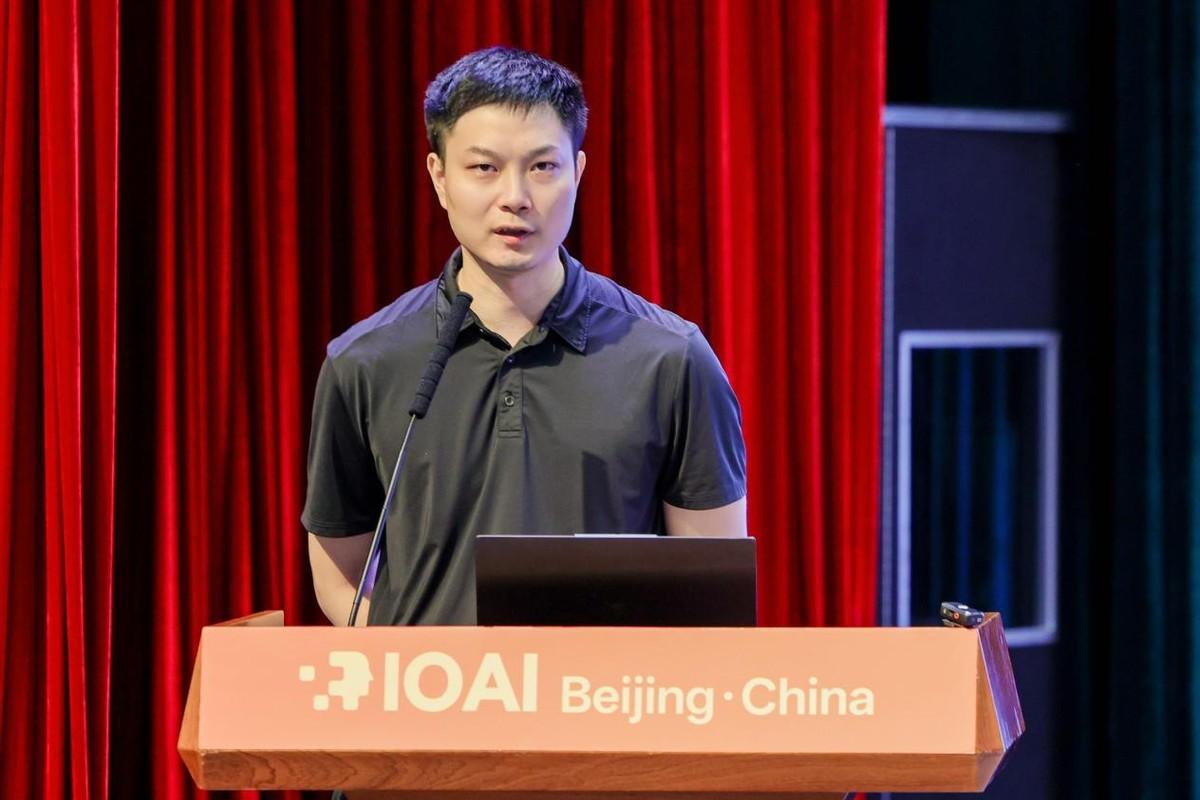
近日,据AI科技评论报道,前华为终端云大模型技术负责人、华为天才少年李一同正式加盟吉翼智能,出任吉翼大模型研发中心总工程师,主导公司大模型与系统测试等核心板块工作。从华为这样的科技巨头到具身智能创业公司,李一同的选择背后,是一位技术理想主义者对"技术落地"最朴素的坚持。

从"能说"到"能做":李一同为何转向具身智能

李一同以"天才少年"身份加入华为,数年深耕生成式大模型与人机对话。但随着大模型能力飞速跃迁,一个更本质的问题浮现:大模型已经具备了很强的"能说"能力,却严重欠缺与真实世界的互动——它不"能做"。

"2024年左右,我意识到具身智能的重要性。"李一同坦言。当数字世界的智能触达天花板,物理世界成为下一个必须攻克的疆域。大模型不应只存在于云端,而应走进真实场景、走进产线、走进千家万户。

这种认知的转变,恰恰与吉翼智能的创始逻辑不谋而合。
为什么选择"一同创业":技术理想主义的落地表达

在具身智能这一风口赛道,多位华为天才少年选择了独立创业。面对同样的时代机遇,李一同为何选择加入一家平台型初创企业?

"我的性格特点更重技术探索创新和落地实现,而非项目管理或投资人管理。"李一同的回答坦诚而直接。在吉翼智能,他可以将绝大部分精力投入技术探索与产品落地,而不被融资、管理等事务分散注意力。更重要的是,吉翼智能的目标是"做能用的产品"——这与李一同的技术追求高度一致。

谈及第一次接触到吉翼智能董事长兼CEO王超,李一同坦言,"董事长给我的感觉是务实、高效,这与我工作的风格很类似。"那次对话让他确认:在具身智能领域,大模型仍然有很多可以做的事情,而这正好是他擅长的领域。接触具身行业打破了他自己的信息壁垒,让他开始了解更多数字世界之外的东西,"这让我非常兴奋。"

李一同的选择代表了一种人才流向:创业不必自己当CEO,找到一家战略清晰、执行力强、能让技术人专注技术的平台,同样是技术理想的最佳载体。

数据、场景与人才:具身智能拐点的三个关键变量

对于当前行业"大模型+机器人=概念炒作"的质疑,李一同保持着技术人特有的清醒。"新技术的出现必然会带来挑战和质疑,正如当年很多人质疑大模型一样。"他认为,技术人员需要回归技术本质,思考如何解决落地到最后一公里的真正问题。

在李一同看来,具身智能的技术拐点取决于数据。"找到一种能高效、高质量和足够大的数据采集或来源的方式,才是具身行业中关键须解决的问题。"

这正是吉翼智能的独特优势。由汽车零部件头部企业捷翼科技领衔创立,吉翼智能背靠12年精密制造积淀与年产值超40亿元的产业链根基,并且投入亿元级资金建设机器人"全栈训练场",卡位具身智能数据基建第一梯队。

李一同的加盟,是吉翼智能人才战略版图中的一块关键拼图。据悉,吉翼智能近期推出了一项「TALENT Z」人才战略计划,面向全球招募顶尖应届博士,以赶超互联网大厂T10级offer的薪酬标准,寻找下一个"天才少年"。

在团队招募上,李一同有着明确的标准:除了技术硬实力,他更看重年轻人是否具备"探索驱动力、动手能力和学习能力"。"现在的技术路线完全颠覆过去几十年发展的技术与经验,尤其是在大模型出现之后,工程能力和评估品味变得非常重要。"

2026年至2027年,李一同为吉翼大模型设定了清晰的里程碑:构建真正可落地产品的具身大模型技术,覆盖工业场景、商业场景中95%以上的任务,通过系统化的方法提升模型任务完成的精度与效率,同时延长机器人本体使用寿命、降低制造成本。

李一同的选择,是硬科技人才从数字世界走向物理世界。吉翼智能也正在寻找更多"一同"追梦的人。

注:文/龚作仁,文章来源:Laborer,本文为作者独立观点,不代表亿邦动力立场。

【版权提示】亿邦动力倡导尊重与保护知识产权。未经许可,任何人不得复制、转载、或以其他方式使用本网站的内容。如发现本站文章存在版权问题,烦请提供版权疑问、身份证明、版权证明、联系方式等发邮件至run@ebrun.com,我们将及时沟通与处理。

已点赞

+1

{{ praise_text }}

好文章,值得被更多人看到

广告

下一篇

跨境电商资源对接

《全球跨境电商服务商资源手册》第二期手册现已发布,触达更多资源,了解跨境服务商信息,欢迎点击链接下载。

了解详情

中国最大鸡排店要IPO了

近日彭博社消息称,正新鸡排母公司正新食品正考虑赴港上市,预计筹集约3亿美元。更多细节显示,银河、中金公司等机构已受聘协助开展一系列工作。